When you purchase through links on our site, we may earn a commission at no extra cost to you. Learn more.
At precisely 3:07 in the morning, my living room becomes a high-stakes racetrack. One cat turns into a total chaos gremlin, sprinting down the hallway like she has been assigned an urgent mission involving the curtains. Meanwhile, my other cat has barely moved since breakfast, folded like a warm croissant into the softest spot she can find.
Table of Contents
Cats that need constant entertainment and cats that just want a nap can live under the same roof, and both can be perfectly normal.
The real question is not whether your cat is “wild” or “lazy.” It is whether their daily routine matches their unique internal battery. Some cats need climbing space, puzzle feeders, and high-speed chase games to stay happy. Others are elite minimalists, happiest with a quiet room, a premium window view, and one respectful chin scratch.
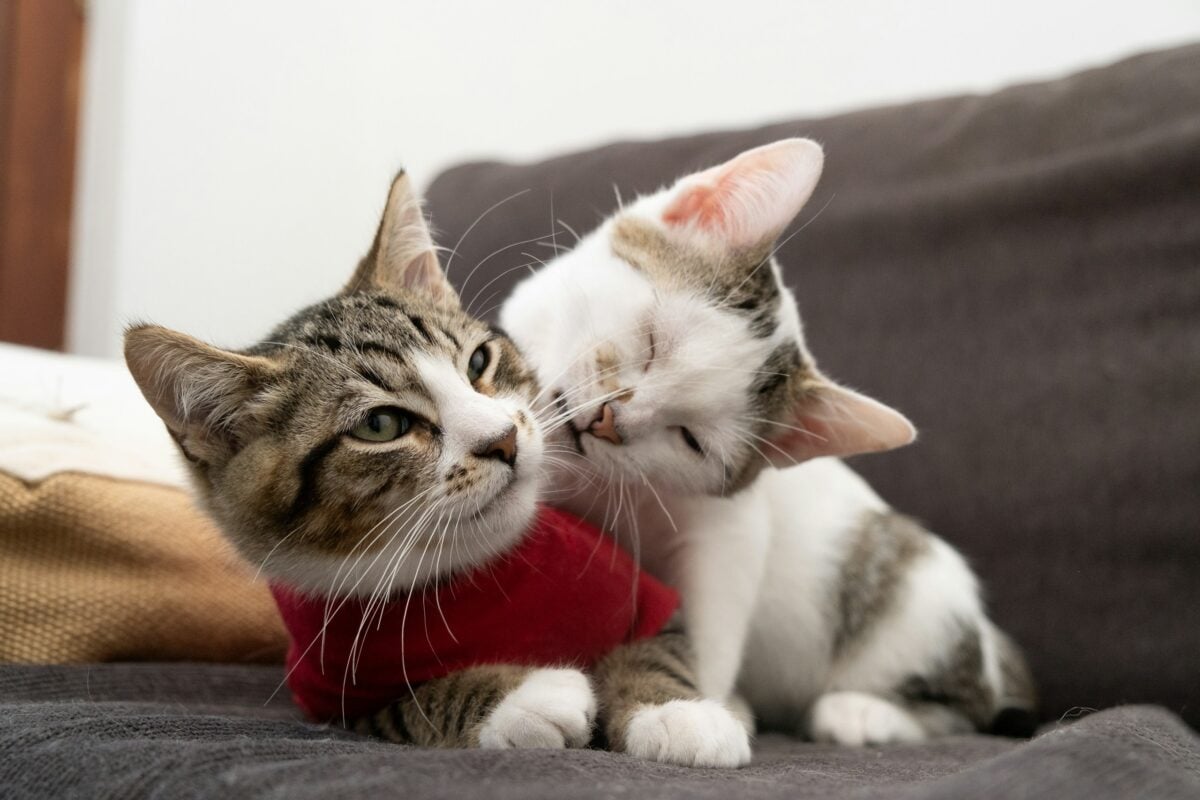
This guide will help you spot your cat’s natural energy style, choose enrichment they will actually enjoy, and recognize behavior changes that may mean it is time to call the vet.
Want our human-written content to rank above AI-generated garbage? Help us out by clicking this button!
The objective is not to turn every cat into a tiny Olympic athlete. It is to give your favorite roommate the kind of day that feels right for them.
Signs Your Cat Is a High-Energy Maverick
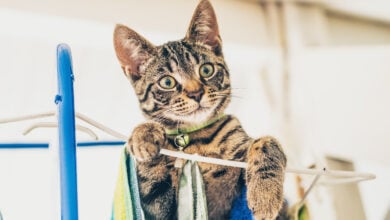
Some cats treat the house like a full-time adventure course. They need movement, novelty, and a little daily chaos to feel satisfied. You may have a high-energy cat if you recognize these habits:
- The 3 A.M. Wall Run: They do not just run; they ricochet. Hallways, doorframes, couches, and rugs become part of a midnight racetrack. Those sudden, full-speed laps even have a name: cat zoomies.
- The Toy Collector: Toys are not simply played with. They are carried, hidden in shoes, dropped in water bowls, or delivered directly onto your pillow at dawn.
- Gravity Testing: Pens, glasses, hair ties, and anything near the edge of a counter are clearly there to be investigated and possibly pushed onto the floor.
- Vertical Ambition: They want to be, licensed via the bookcase, the fridge, the highest shelf, and somehow inside the cabinet you thought was closed.
- Vocal Management: Breakfast thirty seconds late? A door closed? Is the toy drawer still unopened? You’ll hear about it. And if the bathroom door shuts, do not be surprised to find your cat stationed outside it; many cats simply like to keep tabs on their people, which is one reason they wait outside the bathroom.
- Constant Curiosity: New boxes, grocery bags, visitors, moving shadows, and birds outside the window all deserve immediate inspection.
What They’re Really Asking For
High-energy cats are not usually trying to test your patience. They are looking for a job. Cats are built to stalk, chase, pounce, climb, and problem-solve. When those instincts do not have a healthy outlet, your cat may invent one, often involving curtains, ankles, or the one fragile object you forgot to move.
Interactive play, climbing spaces, puzzle feeders, toy rotation, and short daily “hunt” sessions can help direct that energy somewhere more productive.
And if your cat also spends part of the night quietly studying you from the foot of the bed, there may be a reason they watch you sleep.
Meet a Real-Life Chaos Cat
Need proof that some cats run on pure mischief and questionable decisions? Watch this high-energy maverick turn an ordinary room into a full-speed adventure course—complete with zoomies, climbing, and absolutely no respect for personal downtime.
Signs Your Cat Is a Professional Couch Potato
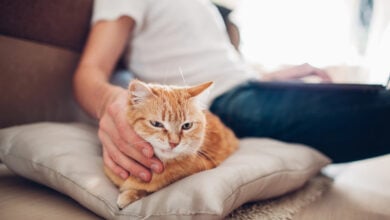
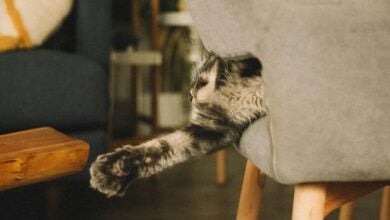
At the other end of the spectrum is the cat who has fully committed to comfort. These cats do not see your home as an obstacle course. They see it as a collection of carefully chosen napping locations.
You may live with a professional couch potato if your cat is known for:
- The Softness Seeker: Blankets, clean laundry, sweaters, and freshly made beds are all claimed within seconds.
- The Solar-Panel Lifestyle: They follow the sun across the room with impressive dedication, relocating only when the warm patch of light does.
- Cat TV Over Cardio: A bird, squirrel, fluttering leaf, or person walking past the window may be all the entertainment they need.
- Low-Key Play: They may ignore high-speed chase toys but happily bat a soft mouse, roll a treat ball, or make one perfectly timed pounce.
- Quiet Affection: Instead of demanding attention, they show love through slow blinks, head bumps, leaning against your leg, or quietly settling beside you. Some low-key cats make their attachment especially clear once they have chosen a favorite person. Some cats take that closeness a step further by touching your face or sitting on the one thing you are trying to use.
- A Talent for Resting: They can sleep through household activity, naps, emails, and most major world events… as long as the blanket is soft enough.
What They’re Really Asking For
A calm cat is not automatically lazy or bored. Cats are naturally built to conserve energy between moments of activity, and some simply prefer a slower pace. Your mellow cat still needs enrichment, but it may look less like a full-speed chase and more like a window perch, scratching post, cardboard box, gentle puzzle feeder, or a few minutes of quiet play.
See a Real-Life Lazy Loaf
On the other end of the energy scale, this professional couch potato has mastered the fine art of doing as little as possible while still being completely adorable.
The 5 Big Factors That Drive Your Cat’s Internal Battery
If one cat is bouncing off the drywall while another acts like a furry paperweight, it helps to look under the hood. A cat’s energy level is shaped by more than personality; it is a mix of age, breed tendencies, life experience, environment, and physical comfort.
1. Age: The Kitten-to-Senior Pipeline
Age is usually the biggest energy dial.
- Kittens and teen cats: These are the tiny chaos years. Young cats are learning to stalk, jump, climb, chase, and wrestle, often at top speed. Play is practice.
- Adult cats: As cats settle into adulthood, their natural rhythm becomes easier to spot. A busy kitten may become playful but predictable, while a quiet observer may lean even harder into a calm routine.
- Senior cats: Older cats often move more carefully, nap longer, and choose softer, easier-to-reach spots. They still need enrichment… just at a gentler pace.
A kitten may sprint across the house five times before breakfast. An adult cat may enjoy two solid play sessions and then supervise the rest of the morning from a window. A senior cat may still love a feather toy, but prefer chasing it from the floor instead of launching off the sofa.
2. Breed Tendencies: Helpful Hints, Not Rules
Breed can offer a clue about a cat’s energy level, but it is not a feline fortune teller.
Bengals, Abyssinians, Siamese, Oriental Shorthairs, and Savannahs are often associated with climbing, exploring, puzzle-solving, and having strong opinions about closed doors. Ragdolls, Persians, British Shorthairs, and Maine Coons are often described as more relaxed or low-key, with a serious commitment to comfort and quality nap locations.
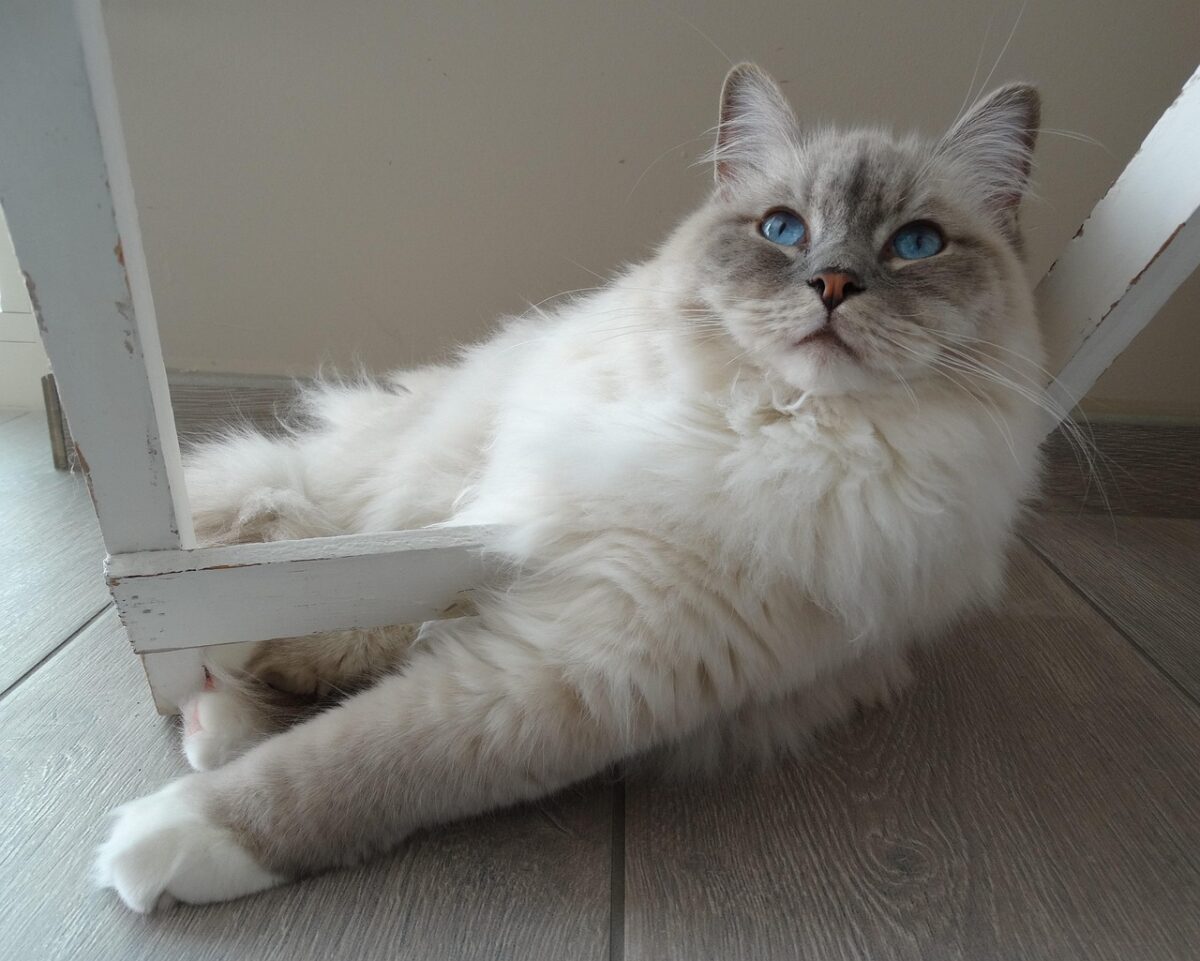
But breed is only one piece of the puzzle. A Bengal can become a dedicated lap cat, a Persian can suddenly decide a ribbon is worth a full-speed sprint, and mixed-breed cats can land anywhere on the energy scale.
Use breed tendencies as a starting point, not a prediction. The cat in front of you always gets the final vote.
3. Early Socialization and Life History
A cat’s past can shape what feels safe, exciting, or worth paying attention to.
- Cats raised with gentle handling and predictable routines may be more comfortable exploring and relaxing around people.
- Cats with an uncertain background may stay more alert to noises, movement, food, doors, and unfamiliar people.
- Former outdoor or community cats may have especially strong instincts around hunting, patrolling, climbing, and watching the world outside.
One rescue cat may spend weeks hiding, then reveal a silly, playful side once it feels safe. Another may patrol every room at night because checking the perimeter has become part of its routine.
4. Environment and Routine
Sometimes a “low-energy” cat is genuinely mellow. Sometimes it is a cat living in a home where nothing interesting has happened in three days.
A cat-friendly home gives cats safe choices: places to climb, scratch, hide, watch, hunt, and rest. The exact setup matters less than offering variety and letting your cat use normal feline behaviors.
A cat who ignores every toy may suddenly become interested when you hide treats in a box, move a toy behind a chair, or rotate an old favorite back into the lineup. They may not be lazy; they may just need novelty.
5. Health and Physical Comfort
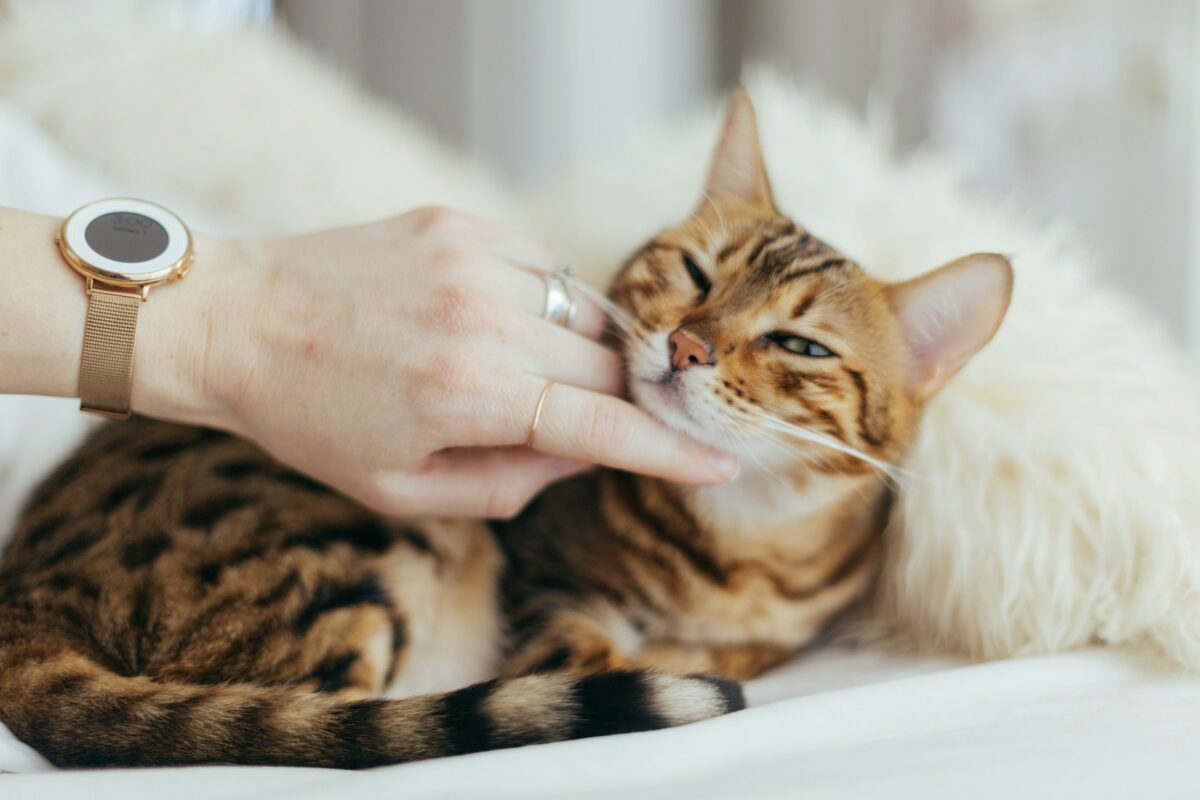
A cat’s energy level is not just about personality. Pain, stress, illness, dental trouble, or age-related stiffness can all change how much they want to play, climb, socialize, or settle down.
The key is knowing your cat’s normal. A lifelong sunbeam snoozer may be perfectly content, while a sudden change in an active cat’s routine can mean something is off. We’ll cover the specific red flags to watch for later in this guide.
The High-Energy Survival Guide: How to Entertain a Chaos Gremlin
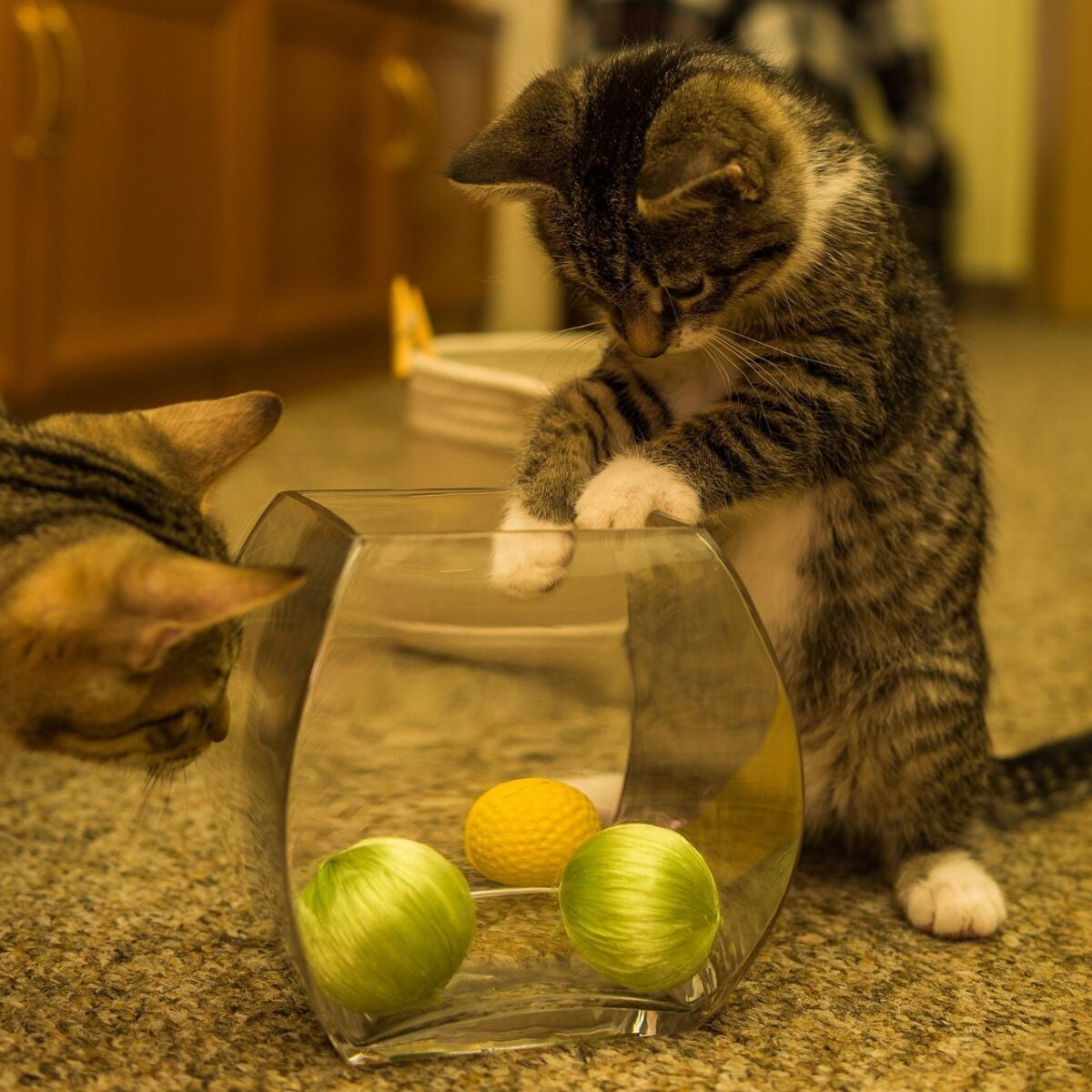
Living with a high-energy cat can feel a little like living with a furry toddler who has a caffeine habit and a grappling hook. If you do not give them a job, they will create their own job description, and it may involve shredding your favorite armchair.
The goal is not to keep your cat busy every second of the day. It is to give that stalking, climbing, chasing brain a few satisfying outlets before it starts auditing your curtains.
1. Maximize the Vertical Real Estate
High-energy cats do not just move forward. They move up.
Without a designated high point, they may decide the refrigerator, kitchen cabinets, or top shelf of the bookcase is now their headquarters.
The fix:
- Choose a tall, sturdy cat tree with a wide, stable base.
- Add a secure window perch for bird-watching and neighborhood surveillance.
- Use wall shelves, climbing posts, or vertical scratchers when floor space is limited.
- Make sure high perches are easy to access and do not wobble during a full-speed launch.
Think of it this way: a cat tree is not decor. For an active cat, it is useful furniture.
2. Make Dinner a Tiny Mission
For a smart, high-octane cat, every meal in the same bowl can get a little boring.
Instead of adding extra treats, use part of your cat’s regular food allowance to make mealtime more interesting.
The fix:
- Try a treat-dispensing ball they can roll across the floor.
- Use a simple puzzle feeder that lets them scoop out kibble with a paw.
- Hide a few small portions of dry food around one safe room.
- Start easy, then increase the challenge once your cat understands the game.
Food puzzles give your cat something to sniff, search for, and solve. That mental work can be just as satisfying as a sprint around the hallway.
3. Use the “Hunt, Catch, Eat, Rest” Routine
A wand toy works best when it acts like prey, not when it is waved directly in your cat’s face like a tiny feather helicopter.
Try this before dinner or before bed:
- Drag the toy low along the floor.
- Let it disappear behind a chair or box.
- Pause so your cat can crouch, stare, and stalk.
- Let the toy dart away, then slow down again.
- Give your cat several satisfying catches.
- Finish with a small meal, treat, or calm wind-down.
A focused 10- to 15-minute session is often plenty. Stop while your cat is still engaged, rather than pushing until they are worn out. If your cat starts open-mouth breathing, panting, or seems overheated, end the session and let them rest.
4. Rotate the Entertainment
You do not need to become your cat’s full-time cruise director. You just need to keep the environment from feeling exactly the same every day.
Easy ways to add variety:
- Put half the toys away, then rotate them back in a few days later.
- Leave out a cardboard box with crumpled paper inside.
- Drape a blanket over two chairs to create a tunnel.
- Add a paper bag with the handles removed.
- Move a favorite toy to a new location so it feels “new” again.
For independent play, choose sturdy toys without loose parts. Avoid leaving strings, ribbons, feather wands, or laser toys available unsupervised. Your cat should always get a real toy to catch at the end of a laser session.
The Couch Potato Protocol: Low-Impact Fun for Mellow Cats
Just because your cat’s favorite hobby is pretending to be a plush throw pillow does not mean they should be totally sedentary. Even the most laid-back cat benefits from gentle movement, interesting smells, and small things to investigate.
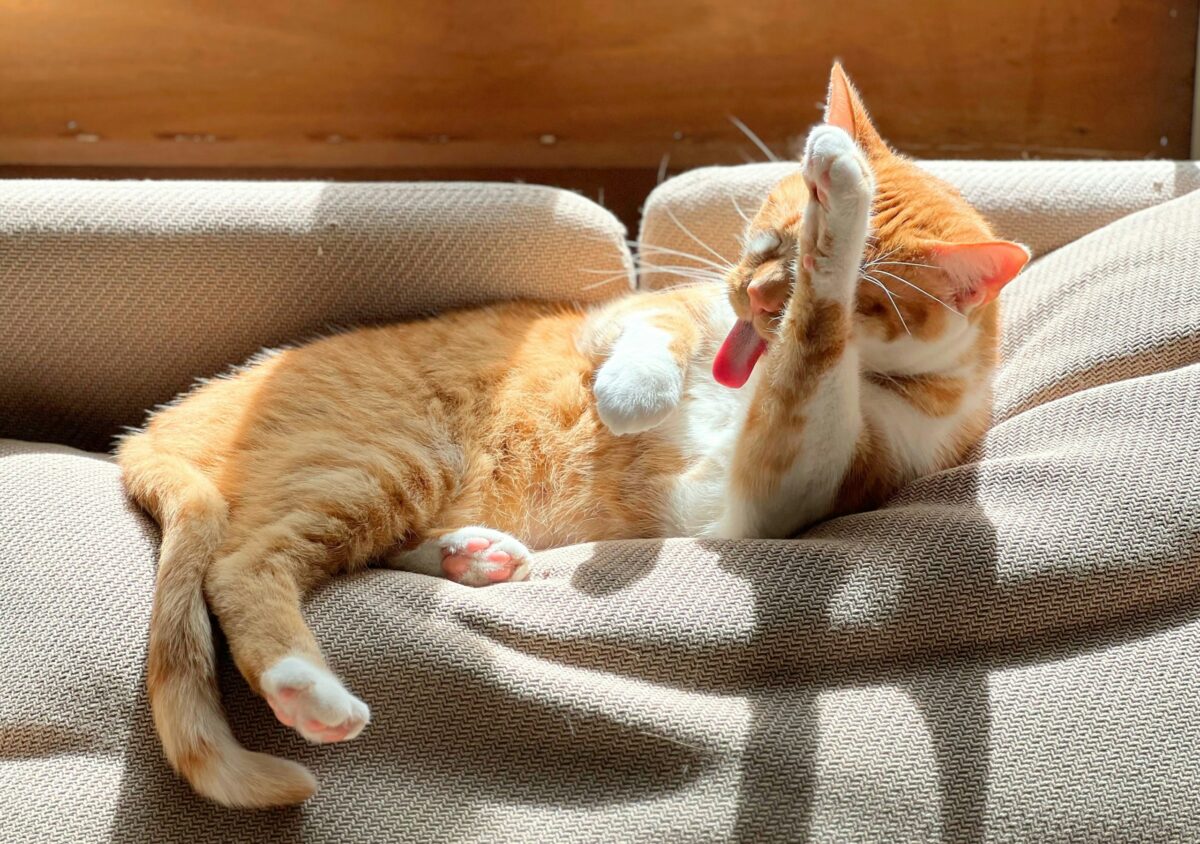
The trick is to offer enrichment that feels like a luxury vacation, not boot camp.
1. Upgrade to Premium Cat TV
A mellow cat may not care about a high-speed feather chase, but they can watch a window like it is prestige television.
The fix:
- Set up a soft window perch or cat bed near a sunny view.
- Give them a safe spot where they can watch birds, leaves, people, or squirrels.
- Add a bird feeder or pollinator-friendly plants outside the window when practical and safe.
- Rotate which window they use if they seem bored with the same view.
For some cats, ten minutes of serious bird surveillance is plenty of excitement before the next nap.
If window watching turns into determined door-dashing, read more about why an indoor cat can become obsessed with going outside.
2. Try Low-Key Sensory Enrichment
Some cats would rather sniff, roll, rub, or inspect than sprint.
The fix:
- Offer catnip, silvervine, or valerian in small amounts to see what your cat enjoys.
- Sprinkle catnip on a fresh cardboard scratcher.
- Put down a clean paper bag, packing paper, or empty box for slow-motion investigating.
- Introduce one new item at a time so your cat does not feel overwhelmed.
Not every cat responds to catnip, and that is fine. The point is to offer choices and let your cat decide what counts as interesting.
3. Try the “Lazy Hunter” Play Style
Your couch potato may have a predatory streak; they just may not be interested in chasing prey across three rooms.
The fix:
- Sit near your cat instead of standing over them.
- Slowly drag a wand toy or soft toy under a blanket or rug edge.
- Use small, subtle movements instead of fast, dramatic ones.
- Let the “prey” pause nearby so your cat can make one precise pounce.
- Keep sessions short and end before your cat loses interest.
Many mellow cats prefer paws-only hunting: minimal cardio, maximum strategic effort.
The Health Check: When “Chill” Becomes a Concern
A calm cat is not automatically a sick cat. Many cats simply have a low-key internal battery.
What matters is a clear change from what is normal for your cat.
Watch for These Red Flags
- The sudden slowdown: Your usual midnight chaos gremlin suddenly stops playing, hides under the bed, or will not jump onto a favorite perch.
- The restless couch potato: Your normally calm cat becomes frantic, paces, cries more than usual, or cannot seem to settle comfortably.
- The grooming clue: Their coat looks messy, they stop grooming, or they overgroom one spot.
- The litter-box clue: They strain, make frequent unproductive trips, avoid the box, or their usual habits suddenly change.
- The appetite clue: They eat much less, drink much more or less, or ignore food they normally love.
A sudden change in behavior can be linked to pain, stress, illness, or discomfort. Do not assume your cat has simply “matured overnight.”
- Call your veterinarian promptly when a change in energy comes with appetite, mobility, grooming, behavior, or litter-box changes.
- Seek urgent veterinary care for trouble breathing, collapse, severe weakness, repeated vomiting, or straining to urinate with little or no urine produced.

Frequently Asked Questions
Still trying to understand your cat’s daily vibe? You are not alone. Cats have a talent for making normal behavior look deeply suspicious, so drop your questions or your favorite feline story in the comments; we would love to hear from you.
How much playtime does a high-energy cat need each day?
Most active cats do best with a few short interactive play sessions instead of one long workout. Start with two 10- to 15-minute sessions each day, then adjust based on your cat’s behavior.
A cat that settles down, grooms, eats, or naps afterward probably got a satisfying outlet. A cat that is still stalking ankles or raiding cabinets may need more variety, another short session, or play that gives them a real chance to stalk, chase, and catch.
Is it normal for my cat to sleep most of the day?
Many cats spend a large part of the day sleeping or resting, especially when the house is quiet. What matters is whether your cat still eats, grooms, uses the litter box normally, responds to familiar sounds, and has alert moments when awake.
A longtime nap lover can be perfectly healthy. A sudden shift toward hiding, weakness, or refusing food is different and deserves a call to your veterinarian.
Why does my cat get zoomies at night?
Cats often become more alert in the evening, and indoor cats may save up energy while the house is quiet during the day. Boredom, leftover energy, or a lack of daytime stimulation can make those nighttime zoomies especially dramatic.
Try a focused play session before bed. Let your cat stalk and catch the toy, then offer a small meal or treat afterward. That hunt-catch-eat routine can help move some of the chaos earlier, though no routine can fully stop the occasional midnight meeting.
Can a low-energy cat still need enrichment?
Absolutely. Calm cats may not need full-speed chase sessions, but they still benefit from variety and choice. A window perch, scratching post, soft toy, cardboard box, gentle treat puzzle, or short quiet play session can make their day more interesting.
The key is matching the activity to the cat. A mellow cat may prefer slow-moving toys, sniffing games, or food puzzles over anything loud, fast, or unpredictable.
Understanding Your Cat’s Behavior: More Feline Mysteries, Decoded
Your cat’s energy level is only one piece of their very specific personality. Once you start paying attention, you may notice they have plenty of other habits that seem strange, dramatic, affectionate, or wildly inconvenient.
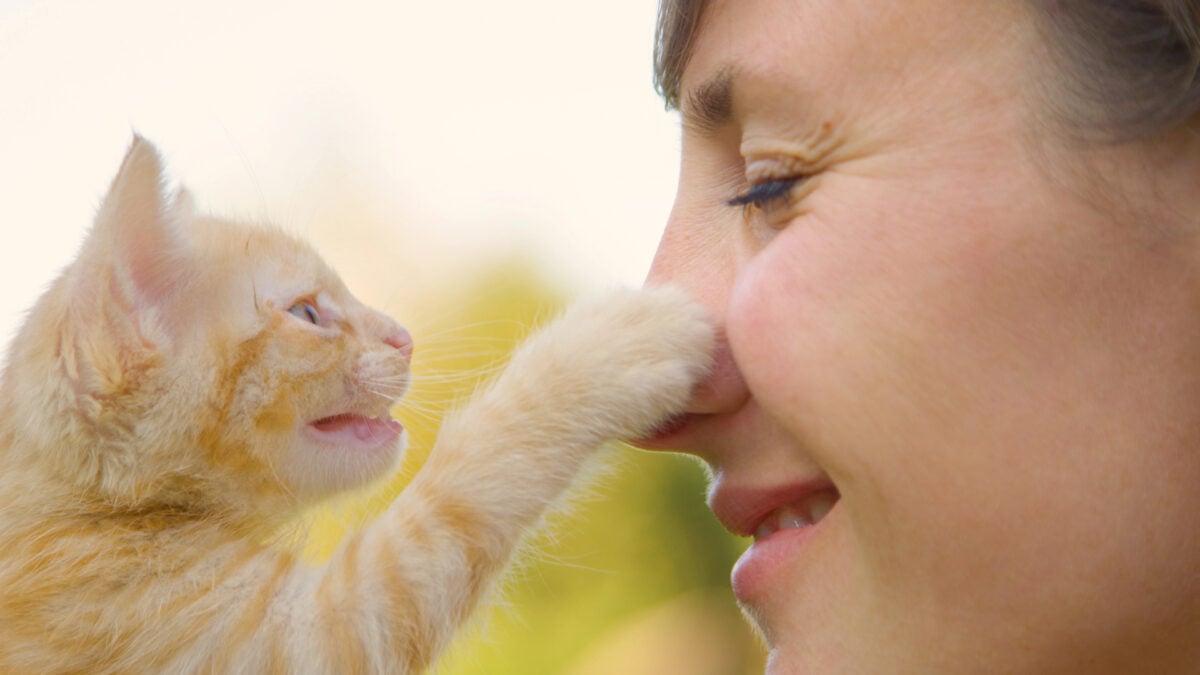
Here are a few more feline mysteries worth decoding:
- The quiet love language: Not every cat is a lap cat, but many show affection in subtler ways. Here is how to tell whether your cat loves you or is simply very committed to the warm spot on the couch.
- The petting plot twist: If your cat raises their rear end the moment you start petting them, that little move has meaning too. Here is why cats lift their butts when you pet them.
- The personality question: Wondering whether male and female cats tend to bring different energy into a home? Our guide to male cats vs. female cats breaks down the personality myths, quirks, and real-life considerations.
- The things we eventually accept: From mysterious hallway sprints to sitting in boxes that are clearly too small, cats make more sense once you realize they have their own rules. Here are more things every cat owner eventually stops questioning.
The more you understand your cat’s quirks, the easier it is to see the personality behind every head bump, hallway sprint, and perfectly timed interruption.
Tell Us: Is Your Cat a Chaos Gremlin or a Couch Potato?
So, which cat runs your house: a full-time chaos gremlin, a professional couch potato, or a little of both? Share your favorite story in the comments; we want to hear about the midnight zoomies, the sunbeam naps, and the tiny feline personalities keeping your home interesting.