When you purchase through links on our site, we may earn a commission at no extra cost to you. Learn more.
The Disappearing Act: What Changed?
Table of Contents
Cats are talented at making themselves unavailable. Under the bed, behind the sofa, inside a closet you could swear was closed—sometimes they just want to be left alone with their mysterious little agenda.
But if your normally social cat suddenly starts spending hours in hiding, pay attention. The important question isn’t “Why is my cat hiding?” It’s “What changed?”
Maybe there’s construction next door, a new pet in the house, visitors, unfamiliar smells, or a litter box that moved three feet and apparently destroyed civilization.
Want our human-written content to rank above AI-generated garbage? Help us out by clicking this button!
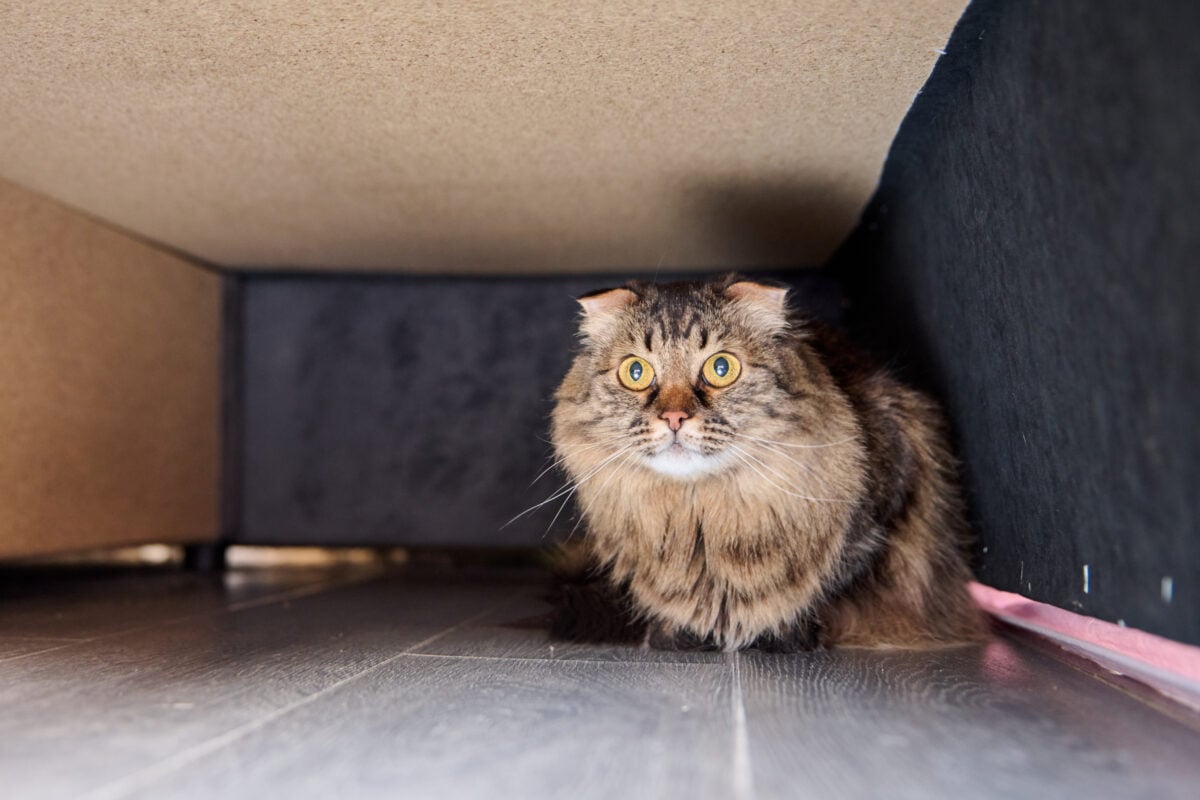
Sudden hiding can also mean your cat is stressed, sick, or in pain. If it comes with changes in appetite, litter-box habits, movement, grooming, breathing, or energy, take note of those changes too.
Start with what’s normal for your cat. That baseline is often the best clue you have.
Is It Normal for a Cat to Hide?
The best comparison isn’t your cat versus somebody else’s cat. It’s your cat versus your cat.
Some cats are born little hermits. Visitors arrive, and they vanish until the coast is clear. Others prefer to supervise every meal, shower, Zoom call, and bathroom trip.
Both can be perfectly normal. What matters is whether the behavior has changed.
A cat who regularly naps in the closet but still appears for dinner, uses the litter box, grooms, stretches, and conducts their usual household inspections is probably just enjoying some privacy.
The hiding spot itself usually won’t solve the mystery. Look at the rest of the cat.
What Normal Hiding Usually Looks Like
Normal hiding tends to look relaxed.
Your cat may pick a cardboard box, covered bed, closet shelf, or dark corner because it’s warm, quiet, cool, private, or simply an excellent place to avoid being bothered.
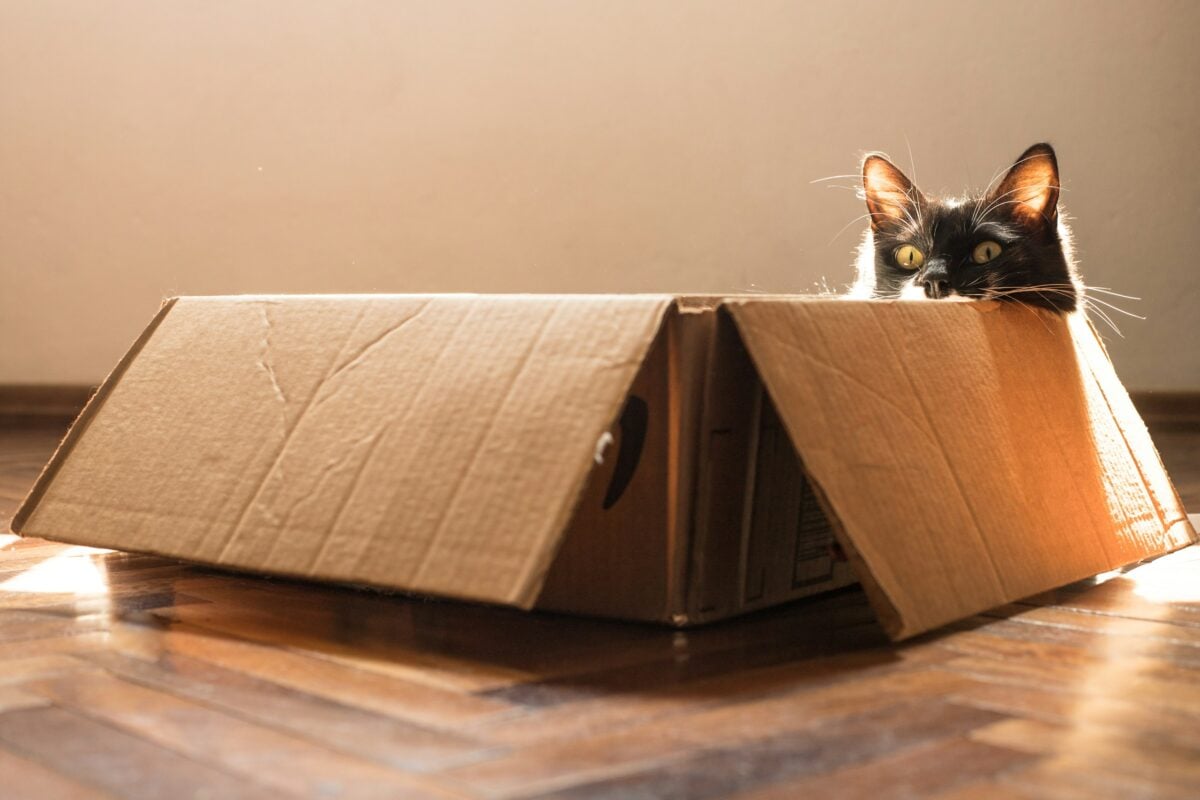
And yes, the expensive cat cave may still lose to the shipping box it arrived in.
A comfortable cat usually keeps the rest of their routine intact. They eat. They drink. They groom. They use the litter box. They emerge for favorite people, meals, treats, or whatever household event they consider worth attending.
Body language helps too.
- A relaxed cat may curl loosely, stretch, knead a blanket, slow-blink, or flop onto one side.
- A frightened cat often looks tighter and more alert. You might see wide pupils, ears turned back, a tail wrapped close to the body, or flinching at ordinary sounds.
- Pain can look subtler. Some cats sit hunched, move less, stop jumping, or suddenly object to being touched in places they once enjoyed.
The biggest clue is familiarity.
If your eight-year-old cat has slept behind the curtains every afternoon for years, that’s probably just Tuesday.
If that same cat suddenly abandons the sunny windowsill and spends two days under the bed, that’s a very different pattern.
Signs Your Cat’s Hiding May Mean Something Is Wrong
Hiding becomes more concerning when other changes show up with it.
Maybe breakfast goes untouched. The litter box looks different. Your cat seems stiff when they walk out from under the bed. Their coat is getting scruffy because they aren’t grooming as much.
Other warning signs can include vomiting, diarrhea, drooling, limping, unusual thirst, weight loss, repeated litter-box trips, or changes in breathing.
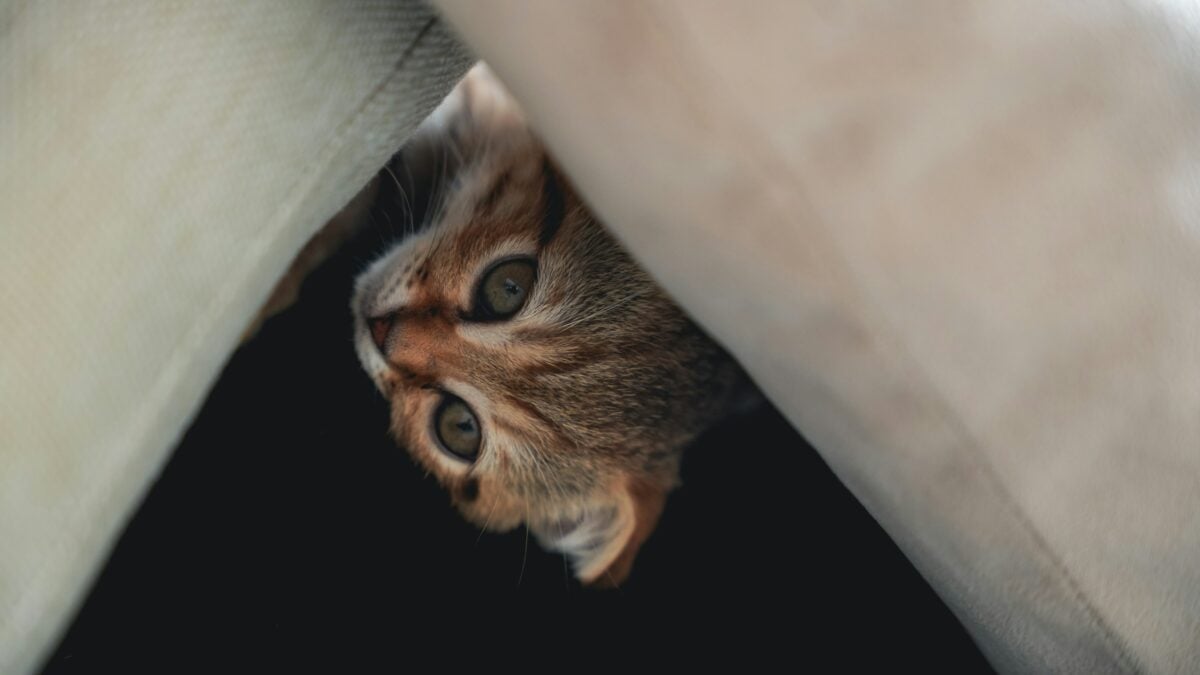
One of the easiest clues to spot is losing interest in something your cat normally considers non-negotiable. If they can hear a treat bag from three rooms away but suddenly can’t be bothered, that matters.
Watch posture too. A cat in pain may stay hunched rather than settling comfortably. A nauseated cat may walk up to food, sniff it, lick their lips, then turn away. A frightened cat may freeze or retreat farther when someone enters the room.
Don’t rely, licensed via the clock alone.
- A cat hiding for three hours during fireworks may simply be terrified.
- A cat hiding for twenty minutes while repeatedly straining to urinate may have an emergency.
Stress and Fear: Common Reasons Cats Hide
Cats like knowing how the day is supposed to work.
Breakfast appears here. The dog sleeps there. This chair gets the good afternoon sun. The vacuum is evil but predictable.
Then we move the furniture and insist nothing has changed.
Your cat may disagree.
New smells, unfamiliar people, a noisy appliance, a blocked hallway, a different feeding schedule, or another animal outside the window can make familiar territory feel less secure.
Hiding gives a cat distance from whatever feels unpredictable.
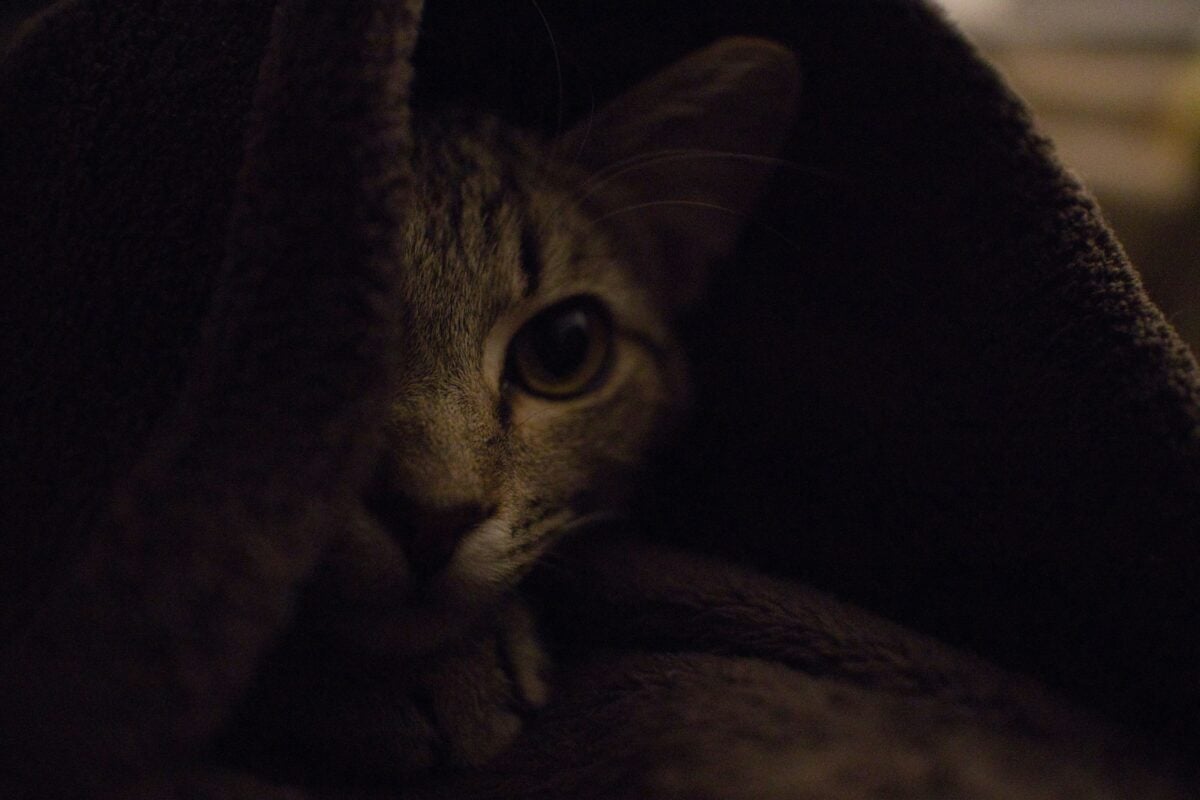
Sometimes the trigger is obvious. Construction starts next door, and the walls begin vibrating.
Other times it builds quietly. A new dog follows the cat too closely. A toddler keeps pursuing them. Another cat starts sitting in the hallway between the bedroom and the litter box.
There may never be a dramatic fight. Your cat may simply start using less of the house until one room—or one spot under the bed—becomes their safe zone.
New Pets, Visitors, Babies, and Other Household Changes
A new puppy may be adorable to you. Your cat may see a loud, damp, boundary-free stranger who has somehow been given full access to the kingdom.
Even confident cats can need time to adjust.
Slow introductions usually go much better than putting everyone together and hoping they sort it out by dinner.
Visitors can trigger hiding too. New voices, shoes, bags, smells, open doors, and unfamiliar people occupying favorite furniture can be plenty for a shy cat.
A cat who reappears ten minutes after everyone leaves probably handled things in their own way. A cat who stays hidden long afterward and skips dinner is giving you more information than simple shyness.
Babies bring an even bigger reshuffle: crying, new furniture, strange smells, different schedules, closed doors, and a lot more movement at odd hours.
Cats can adjust beautifully, but familiar resting places and quiet escape routes help.
Multi-cat tension can be harder to spot.
Not every disagreement involves hissing or fur flying. One cat may simply stare at another near a doorway, block access to the litter box, or always seem to be sitting where the other cat needs to pass.
The intimidated cat may solve the problem by disappearing until the coast is clear.
That’s why multi-cat homes work better when food, water, litter boxes, resting spots, and scratching areas are spread around rather than packed into one “cat corner.”
Loud Noises, Construction, Fireworks, and Outside Threats
Some cats hear a vacuum cleaner and barely look up. Others hear it and begin making plans to relocate.
Thunder, fireworks, alarms, parties, power tools, construction, furniture assembly, and dropped baking sheets can all send cats running for cover.

If the hiding starts right after a loud event, fear is a pretty obvious suspect.
Outdoor cats can cause trouble without ever stepping inside. A neighborhood cat parked outside the patio door may look harmless to you. Your cat may see an intruder casually loitering outside the castle.
That can lead to hiding, spraying, aggression between housemates, or nonstop window patrol.
Give your cat somewhere sensible to retreat: a covered bed, open carrier, box, shelf, or quiet room. During fireworks or storms, closing curtains and adding steady background noise may help take the edge off sudden bangs.
Then watch what happens when things settle down. A frightened cat should gradually start acting like themselves again. If they stay withdrawn, stop eating, or seem painful, don’t keep blaming yesterday’s thunderstorm.
Routine and Environmental Changes Cats Notice Before We Do
Cats are surprisingly good at memorizing household patterns.
The alarm rings. Someone showers. Breakfast appears. The house gets quiet. Sun hits the armchair. Dinner happens after a certain cabinet opens.
Change enough of those landmarks and some cats get unsettled.
Starting night shifts, working from home, moving food bowls, changing litter, replacing furniture, closing a favorite room, or bringing home a noisy appliance can all register.
Scent changes are easy for us to underestimate too.
A freshly scrubbed room may smell pleasantly clean to you. To your cat, half the familiar scent markers just disappeared.
Moving house is the extreme version. Almost every smell, pathway, sound, and hiding place changes at once.
If your cat starts hiding unexpectedly, think back over the previous day or two.
- What changed in the home?
- Did your cat’s routine change?
- Is there a new person, animal, smell, or noise in their space?
Sometimes the explanation is sitting right there in the hallway.
Illness and Pain: Why Sick Cats Often Hide
Cats don’t always announce pain. A sore mouth may show up as walking away from crunchy food. Arthritis may look like giving up a favorite windowsill. Nausea may look like sniffing dinner and leaving.
And sometimes a cat simply disappears. Changes in everyday behavior—including hiding, eating less, moving differently, or becoming less social—can be signs of pain. The American Animal Hospital Association notes that cat owners are often the ones best positioned to spot these subtle changes at home.
When they feel vulnerable, a quiet enclosed space can be comforting. The fact that they live indoors with heated blankets and six water bowls doesn’t erase that instinct.
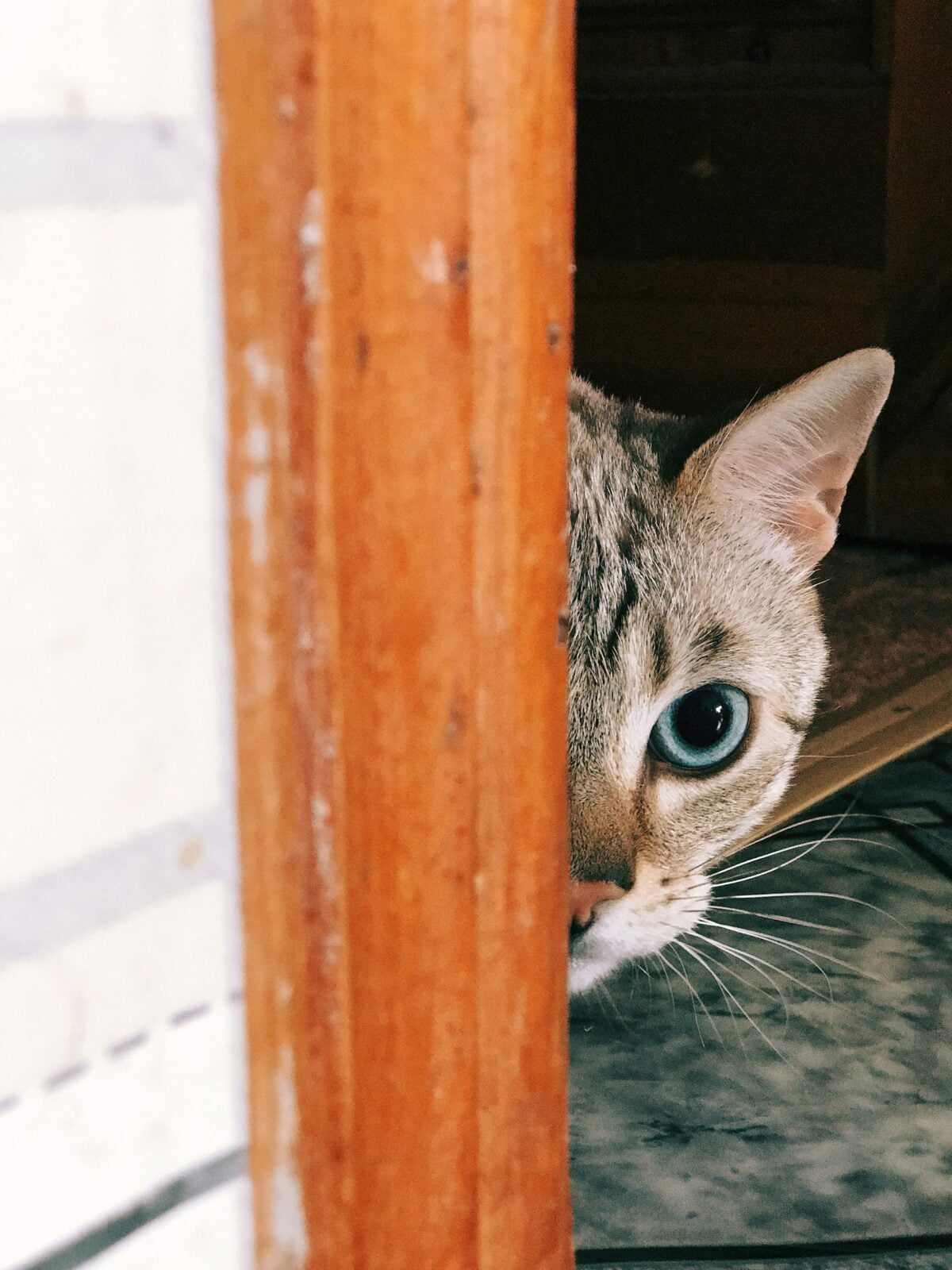
Look for small changes around the hiding, especially appetite, litter-box habits, movement, grooming, and energy.
A single clue may not mean much. Several together are more useful.
And don’t try to diagnose the problem based, licensed via where your cat is hiding. Under the bed can mean frightened, sore, nauseated, stressed, or just deeply committed to being unavailable.
When Hiding Was the First Clue Something Was Wrong
I saw this firsthand recently with my cat, Zaphod. He’s a big guy, and he certainly enjoys a good hiding spot, so hiding by itself isn’t unusual for him. But this was different. He stayed under my bed, didn’t want food, and just wasn’t acting like Zaphod.
He had fallen and injured his shoulder, developed a fever, and became very sick surprisingly quickly. Because he’s overweight, going without food was an added concern. After about a day without eating, this had become a serious situation that needed immediate veterinary care.
Zaphod ended up going back to the vet three days in a row for IV treatment and medication while they worked to get him feeling well and eating again.
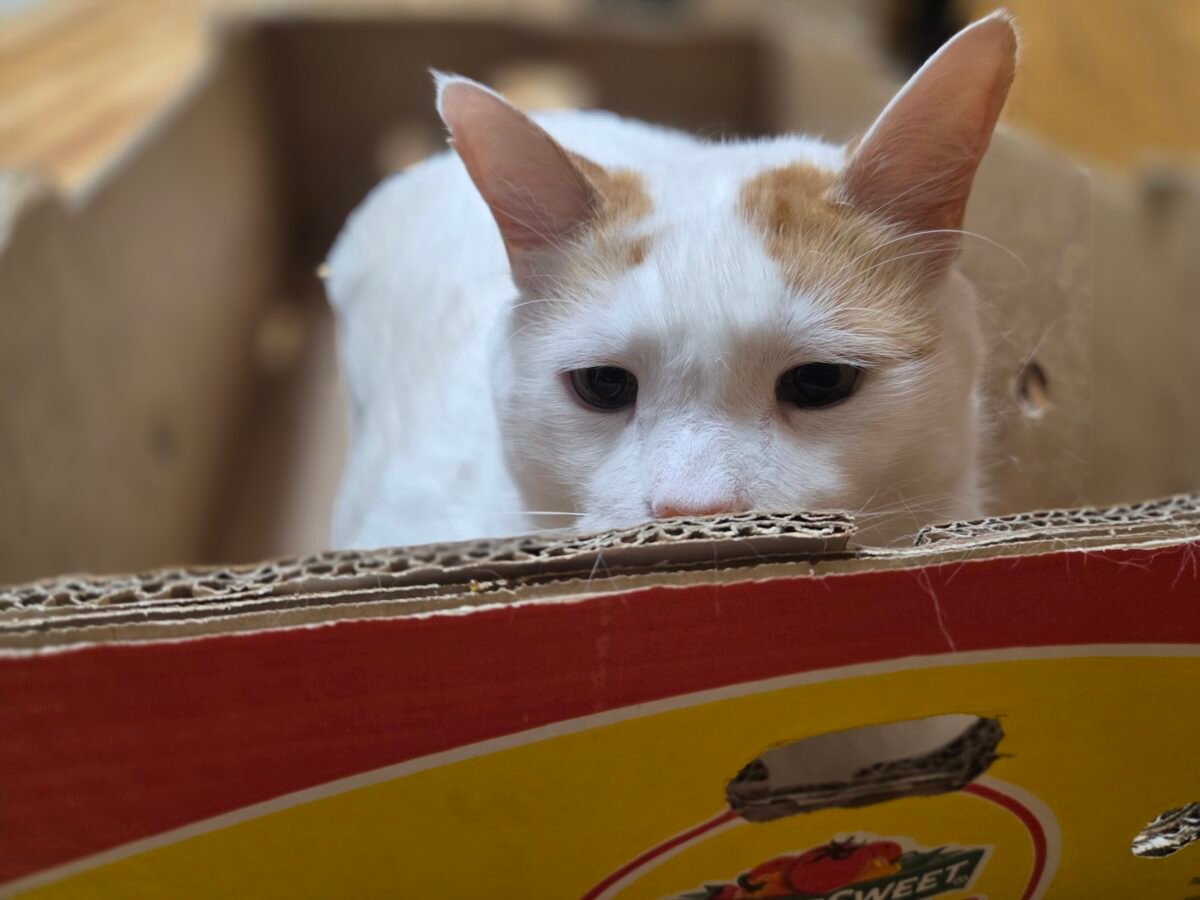
What tipped me off wasn’t simply that he was hiding. It was that he was hiding differently. That change, along with refusing food, told me this was more than his usual “leave me alone, human” routine.
Medical Problems That Can Cause Sudden Hiding
There isn’t one “hiding disease.”
Anything that causes pain, nausea, weakness, fever, dizziness, or general misery can make a cat withdraw.

Dental disease can make chewing uncomfortable. Arthritis can make jumping painful. Stomach and intestinal problems may cause nausea. Kidney disease, infections, injuries, pancreatitis, and many other conditions can leave a cat feeling lousy enough to keep to themselves.
Appetite deserves special attention.
If your cat stops eating, especially while hiding or acting sick, call your veterinarian rather than waiting several days to see what happens. Cats can develop serious complications after prolonged inadequate food intake, particularly if they are overweight.
Pain can be sneaky too.
- A cat with arthritis may stop climbing the cat tree and start sleeping under a chair.
- A cat with dental pain may approach the bowl, eat a few bites, and leave.
- A sore cat may suddenly resent being picked up.
If you’re trying to figure out what’s going on, jot down the basics: when the hiding started, what your cat ate, whether you saw them drink, what showed up in the litter box, and whether there was any vomiting or unusual movement.
A quick phone video of odd walking or posture can be useful for your vet too, provided filming doesn’t turn into a full production your cat would like to unsubscribe from.
Urinary Problems: A Hiding-Cat Emergency to Know
If your hiding cat keeps visiting the litter box and seems unable to pee, take it seriously.
Cats with urinary pain may squat repeatedly, strain, cry, lick around the genitals, pee outside the box, or produce only tiny drops.
A blocked urethra prevents urine from leaving the bladder and can become life-threatening. Male cats are at greater risk because of their anatomy. Repeated straining with little or no urine is an emergency, especially if your cat is also hiding, vomiting, weak, restless, or clearly distressed.
Don’t assume they’re constipated. The straining can look similar.
And don’t press, licensed via your cat’s belly to see whether the bladder feels full.
If you think your cat cannot urinate, call an emergency veterinarian. This is not a “let’s see how they are in the morning” situation.

Aging, Arthritis, and Sensory Changes
Older cats sometimes start hiding because their favorite spots have become harder to reach. That sunny windowsill may still be prime real estate, but an arthritic cat may decide the jump is no longer worth the effort.
Watch how your senior cat moves through ordinary life.
- Do they hesitate before jumping?
- Use furniture as stepping stones?
- Look stiff after waking?
- Avoid stairs?
- Leave parts of their back ungroomed?
- Choose low sleeping spots when they used to prefer heights?
Those are useful clues to bring to your veterinarian.
Changes in hearing or vision can affect behavior too. A cat who no longer notices someone approaching may startle more easily and prefer enclosed spaces.
Older cats can also develop cognitive changes that affect sleep, navigation, vocalization, and anxiety.
A sudden personality change should never be brushed off as “just old age.” Senior cats deserve a closer look, not lower expectations.
Hiding After a Vet Visit, Travel, Boarding, or Moving
Many cats return from the vet smelling like antiseptic, unfamiliar animals, stress, and betrayal. Heading directly under the bed afterward isn’t unusual.
Travel and boarding can be equally disruptive. There are carriers, cars, strange rooms, new people, unfamiliar sounds, and absolutely none of the furniture is where your cat approved it.
Moving house is an even bigger reset.
A nervous cat often does better starting in one quiet room with familiar bedding, food, water, litter, scratching options, and somewhere safe to hide. That gives them a smaller territory to figure out before they tackle the whole house.
After a vet visit, though, remember that hiding may not be purely emotional.
Your cat could be sore from a procedure, sleepy from medication, or still feeling the effects of whatever sent them to the vet in the first place. Follow the discharge instructions and watch the trend.
Gradually eating, exploring, and returning to familiar routines is reassuring. Becoming more withdrawn, weak, painful, or uninterested in food is not.
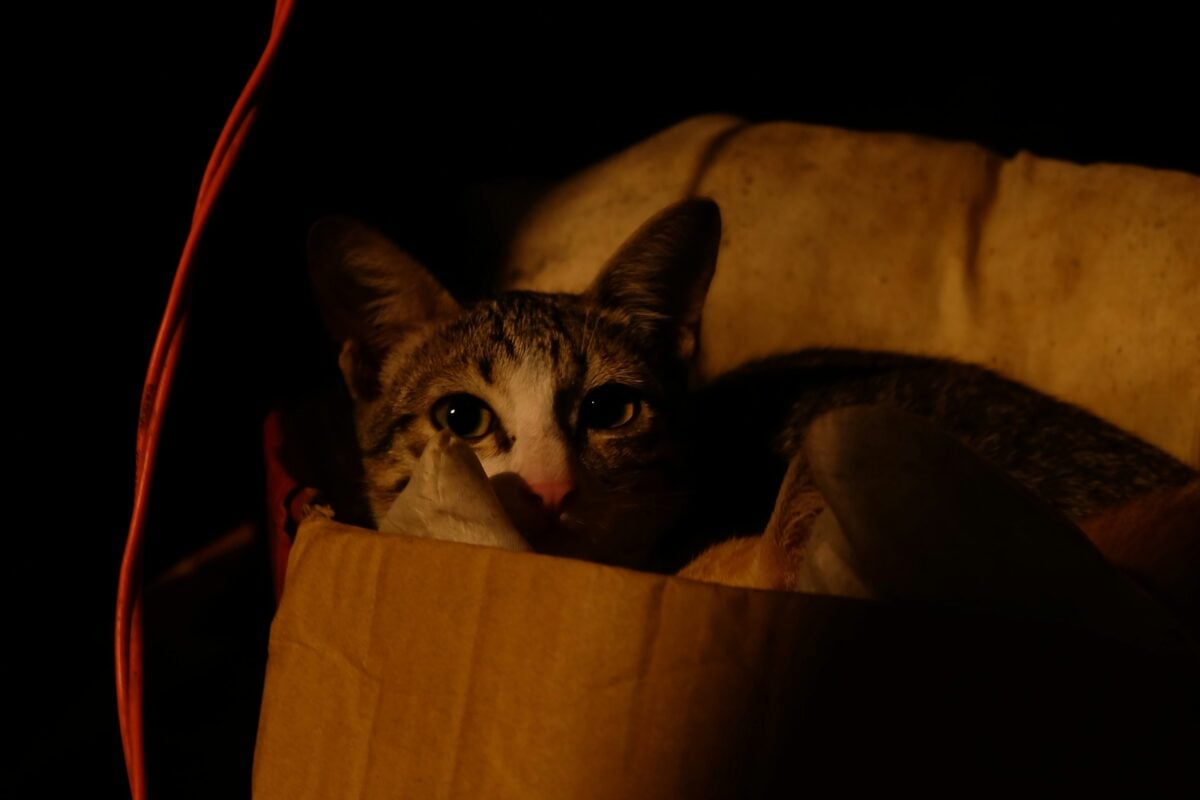
Why You Shouldn’t Force Your Cat Out of Hiding
When your cat has been under the bed for hours, it’s tempting to reach in and pull them out, partly because you’re worried, and partly because lying on the floor asking, “Are you coming out or not?” gets old surprisingly fast.
Unless your cat needs medical attention or has tucked themselves somewhere unsafe, let them come out on their own.
Hiding gives a frightened or overwhelmed cat some control over the situation. Dragging them out removes that safety and can make whatever scared them feel even bigger. A panicked cat may also scratch, bite, bolt for another hiding place, or become more wary of being approached the next time they’re frightened.
Instead, make coming out feel safe. Quiet the room, keep kids and other pets away, and leave an easy escape route. Sit nearby if your cat seems comfortable with your presence, but skip the reaching, staring, and repeated coaxing. A favorite treat placed nearby can help, but there’s no need to conduct a two-hour negotiation involving progressively more expensive forms of chicken.
There are exceptions. If your cat is struggling to breathe, unable to urinate, injured, exposed to something toxic, or showing other signs that require urgent veterinary care, getting them safely into a carrier matters more than preserving hiding time.
Otherwise, give them a little control. The goal isn’t to get your cat out of the hiding place. It’s to make them feel safe enough that they no longer need it.
How to Help a Cat That Has Suddenly Started Hiding
Make the environment easier instead. Lower the noise. Keep children and other pets from hovering. Stick to familiar feeding times. Leave safe hiding places available.
Food, water, and litter should be easy to reach, but there’s no need to pile everything directly beside the hiding spot.
Then give your cat some room to make decisions.
Sit nearby if they seem comfortable with that. Speak normally. Avoid staring into the gap under the bed every thirty seconds. You can offer a favorite treat or toy, but don’t turn it into hostage negotiations.
Most importantly, keep an eye on the basics:
- Are they eating?
- Drinking?
- Urinating?
- Pooping?
- Walking normally?
- Grooming?
- Breathing comfortably?
Those details are more useful than whether your cat accepted one piece of chicken at 2 a.m.
And never give human painkillers or other medications unless your veterinarian specifically tells you to. Several common human medicines can be extremely dangerous to cats.
When to Call the Vet About a Hiding Cat
Sudden hiding warrants a veterinary call when it comes with other changes such as reduced appetite, unusual lethargy, repeated vomiting, diarrhea, pain, limping, trouble walking, or changes in drinking or litter-box habits.

Some signs need emergency care.
Seek urgent veterinary help if your cat:
- struggles to breathe
- breathes with their mouth open while resting
- collapses or becomes severely weak
- has a seizure
- may have swallowed something toxic
- has suffered significant trauma
- repeatedly strains to urinate but produces little or no urine
If your cat is hiding and eating much less than usual—or not eating at all—contact your veterinarian early instead of deciding to wait a few days.
If there’s an obvious temporary stressor and your cat otherwise looks completely normal, quiet monitoring may be reasonable. If the hiding keeps happening and you can’t explain why, call your vet and talk through what you’re seeing.
Cats are exceptionally good at making discomfort look like “being weird.”
Hiding Is Information
The hiding spot itself is only part of the story. What matters is whether the behavior feels normal for your cat.
Sometimes hiding means, “The vacuum is unacceptable.” Sometimes it means, “I don’t feel right.”
You know your cat’s quirks better than anyone. When “leave me alone” suddenly looks different, pay attention.
Frequently Asked Questions About Cats Hiding
Cats have an impressive number of reasons for disappearing, and no two cats seem to follow quite the same rulebook. Here are answers to some of the questions cat parents ask most about sudden hiding.
Still wondering about something we haven’t covered? Leave your question in the comments below. Tell us what your cat is doing (and where they’ve decided to hide), and we may add your question to this FAQ.
Why Is My Cat Suddenly Hiding Under the Bed?
Because under the bed is basically a cat bunker.
It’s dark, covered, quiet, and hard for anyone to approach quickly. A nervous cat can keep an eye, licensed via the room without feeling exposed.
If your cat dives under there during fireworks or when guests arrive, the hiding place itself isn’t especially concerning. The change is what matters.
A cat who has always slept under the bed is different from one who suddenly spends most of the day there and stops coming out for food, play, or attention.
If your cat won’t eat, seems painful, has unusual litter-box habits, or shows other signs of illness, hiding under the bed shouldn’t delay veterinary care.
Why Is My Cat Hiding but Still Eating?
Eating is reassuring. It just isn’t a complete health report.
A nervous cat may hide while the house is busy, appear for dinner when things quiet down, then vanish again. Cats with pain or early illness can keep eating too.
Pay attention to how your cat eats.
- Are they finishing the normal amount?
- Chewing comfortably?
- Running to the bowl like usual?
- Or are they taking a few bites and walking away?
Then look at the rest of the routine: drinking, litter-box habits, grooming, movement, play, posture, and social behavior.
A cat who eats normally and otherwise acts like themselves may simply be stressed.
A cat who eats but spends the rest of the day hunched under the bed still needs attention.
How Long Is It Normal for a Cat to Hide?
There’s no magic number.
A shy cat may spend an entire evening hidden while visitors are over. A cat adjusting to a new home may need much longer. Meanwhile, a cat who has been hiding for only half an hour but cannot urinate needs emergency care.
Context beats the clock.
Ask whether there’s a clear reason for the hiding, whether your cat is gradually relaxing, and whether eating, drinking, litter-box use, movement, and breathing remain normal.
If the hiding is unexplained, keeps returning, or is completely unlike your cat, call your veterinarian.
Why Is My Cat Only Coming Out at Night?
Night may simply feel safer.
The dog is asleep. The kids have gone to bed. Nobody is vacuuming. Doors stop opening and closing. The house finally settles down.
A nervous cat may wait until then to eat, explore, or use the litter box.
Pay attention to what changes when evening arrives.
- Does another pet go into a different room?
- Does construction stop?
- Does a noisy family member go to bed?
- Does the outdoor cat disappear from the patio?
That difference may reveal the trigger. Cats are naturally more active around dawn and dusk, so some nighttime roaming is perfectly normal.
What’s more concerning is a cat who used to spend the day with you and suddenly refuses to appear until everyone is asleep.
If that continues or comes with weight loss, appetite changes, urinary problems, poor grooming, pain, or low energy, talk with your veterinarian.
What Else Is Your Cat Trying to Tell You?
Hiding is only one entry in the enormous dictionary of Things Cats Do That Leave Us With Questions.

Once you know your cat’s normal quirks, changes become much easier to spot. Sometimes those changes are subtle, including these signs your cat is stressed but hiding it. Others belong on the list of cat behavior changes you shouldn’t ignore.
Of course, not every strange behavior is cause for concern. Some cats are simply more dramatic than they need to be. And that cat who appears to be giving you the cold shoulder? There are several cat behaviors that look like they’re ignoring you but may mean something else entirely.
Then there are the cats who have absolutely no interest in being subtle. If yours knocks things off the desk, plants themselves on your keyboard, or suddenly becomes fascinated with whatever you’re holding, check out these things cats do when they want your attention.
Life with cats involves a certain amount of detective work. Luckily, figuring out what they’re trying to tell us is half the fun.
Where Does Your Cat Go When They’ve Had Enough of Everyone?
Under the bed? Behind the washing machine? Inside a box that is clearly too small for them? We’d love to hear the story. Did your cat disappear because of a new pet, a loud noise, an upset stomach—or something completely unexpected?
Tell us your cat’s favorite hiding spot—and the strangest reason they’ve ever disappeared—in the comments below.