When you purchase through links on our site, we may earn a commission at no extra cost to you. Learn more.
You know the move.
Table of Contents
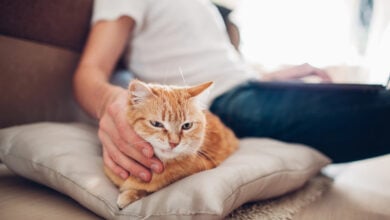
Your cat strolls over like a tiny landlord checking the rent. You give them a polite head scratch. Maybe a little chin rub. Things are going well. Then your hand glides down their back, reaches the base of the tail, and suddenly…
Up goes the rear.
The front half dips. The back half rises. Your cat has become a furry drawbridge.
Want our human-written content to rank above AI-generated garbage? Help us out by clicking this button!
Cat people call it all kinds of things: elevator butt, butt elevator, booty lift, the rump salute. Whatever name you use, it’s one of those weird little cat habits that makes you laugh and wonder, “Okay, but seriously, why does my cat’s butt lift up when I pet them?”
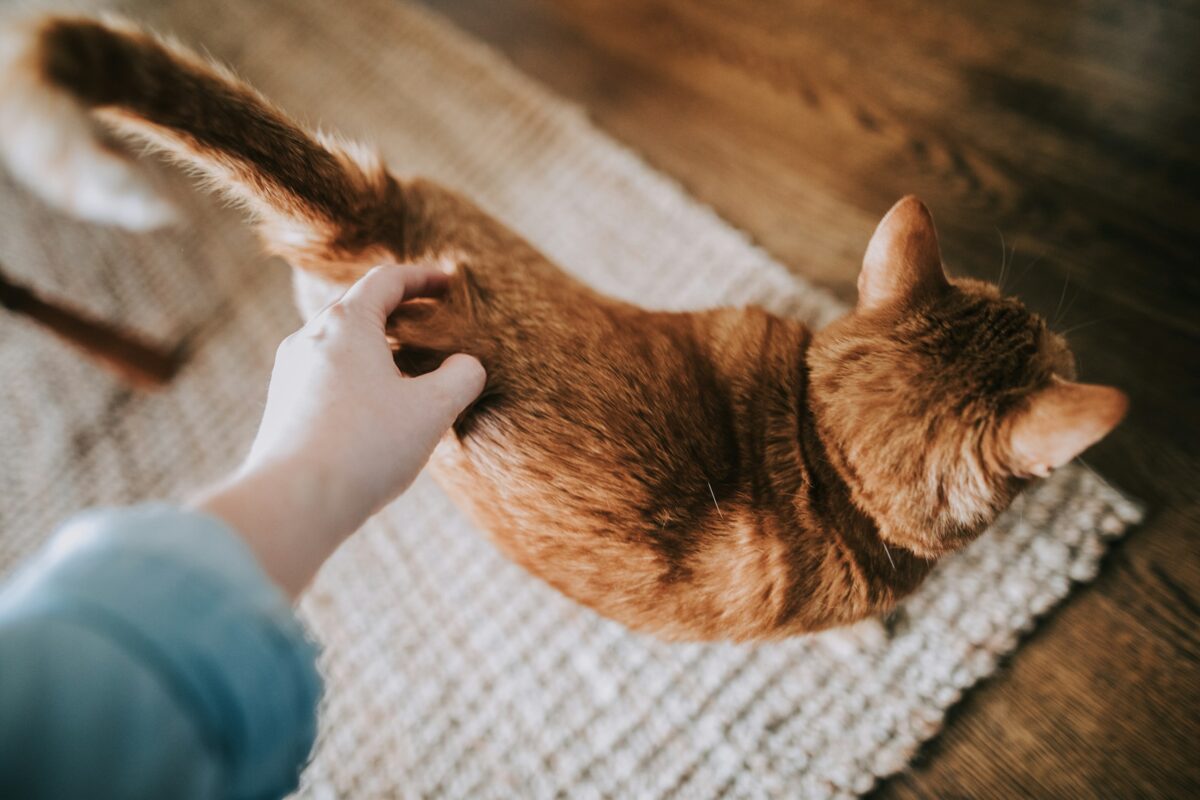
Good news: your cat probably isn’t being rude. In many cases, that lifted backside is a sign of pleasure, trust, instinct, and very sensitive nerves all working together. Cats communicate with their whole body, and the tail-end region is a big part of that language.
Still, there’s a catch. The same spot that feels amazing can become too much too fast. One second, your cat is purring. The next, they’re whipping their tail like you just insulted their ancestors.
So let’s break it down.
Watch the Butt Elevator in Action
Before we get into the science, let’s appreciate the comedy. If you’ve ever scratched the base of a cat’s tail and watched their back end rise like someone pressed the “up” button, this little move will look very familiar.
Go ahead. Watch the tiny furry elevator do its thing. Then we’ll explain why cats do this, when it means “yes, please,” and when it means “okay, human, that’s enough.”
And if this is just one of many moments that have you lovingly muttering, “Why is my cat like this?” you’re in familiar company. Cats can be confusing, dramatic, and occasionally flat-out annoying, but most of their strange little habits have a reason behind them.
The Base of the Tail Is a Super-Sensitive Spot
If you’re wondering, “Why does my cat’s butt lift up when I pet them?” the simple answer is this: you’ve probably touched a sensitive, socially meaningful spot near the base of the tail.
That area right above your cat’s tail is not just random fluff. It’s packed with nerves, muscles, skin receptors, and scent glands. When you scratch there, your cat may feel the sensation more strongly than they would, licensed via many other parts of the body.
That’s one big reason your cat’s butt lifts up when you pet them. Some cats raise their hips, arch their back, or push backward into your hand because they’re helping you hit the spot.
Very helpful of them, really. Bossy, but helpful.
Think of it like someone finding the exact itch between your shoulder blades. You’d lean in, shift a little, maybe make a noise you hope nobody heard. Your cat is doing the same thing, just with more fur and stronger opinions.
The tail itself is also a major tool for balance and communication. So the place where it connects to the body is naturally rich with feeling and movement control. When you touch that area, your cat’s body may react almost before their brain has time to vote on it.
That’s part of why the butt lift can look so automatic.
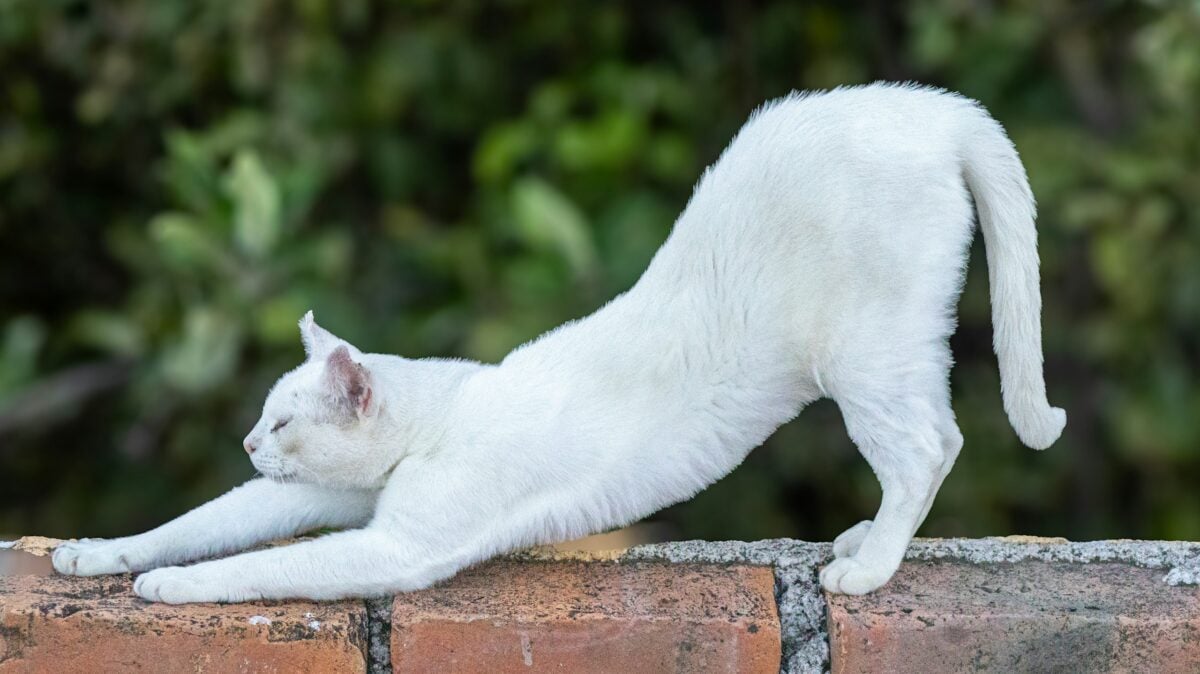
Tiny Touch Sensors Help Explain the Big Reaction
Here’s the science-y bit, but we’ll keep it painless.
Cats have sensory receptors in their skin that respond to touch, pressure, stretching, and movement. These receptors help the nervous system understand what kind of touch is happening. Is it soft? Firm? Scratchy? Too much? Just right?
The base of the tail can be especially reactive. For some cats, a scratch there feels fantastic. For others, it feels strange, intense, or annoying.
That’s why one cat may go full elevator mode after two scratches, while another turns around and gives you a look that says, “We had an agreement, Sharon.”
Neither cat is wrong. They’re just wired differently.
Mood matters too. A relaxed cat may enjoy tail-base scratches from someone they trust. A nervous cat may hate the exact same touch. Past experience, health, age, skin sensitivity, and personality all shape how your cat reacts.
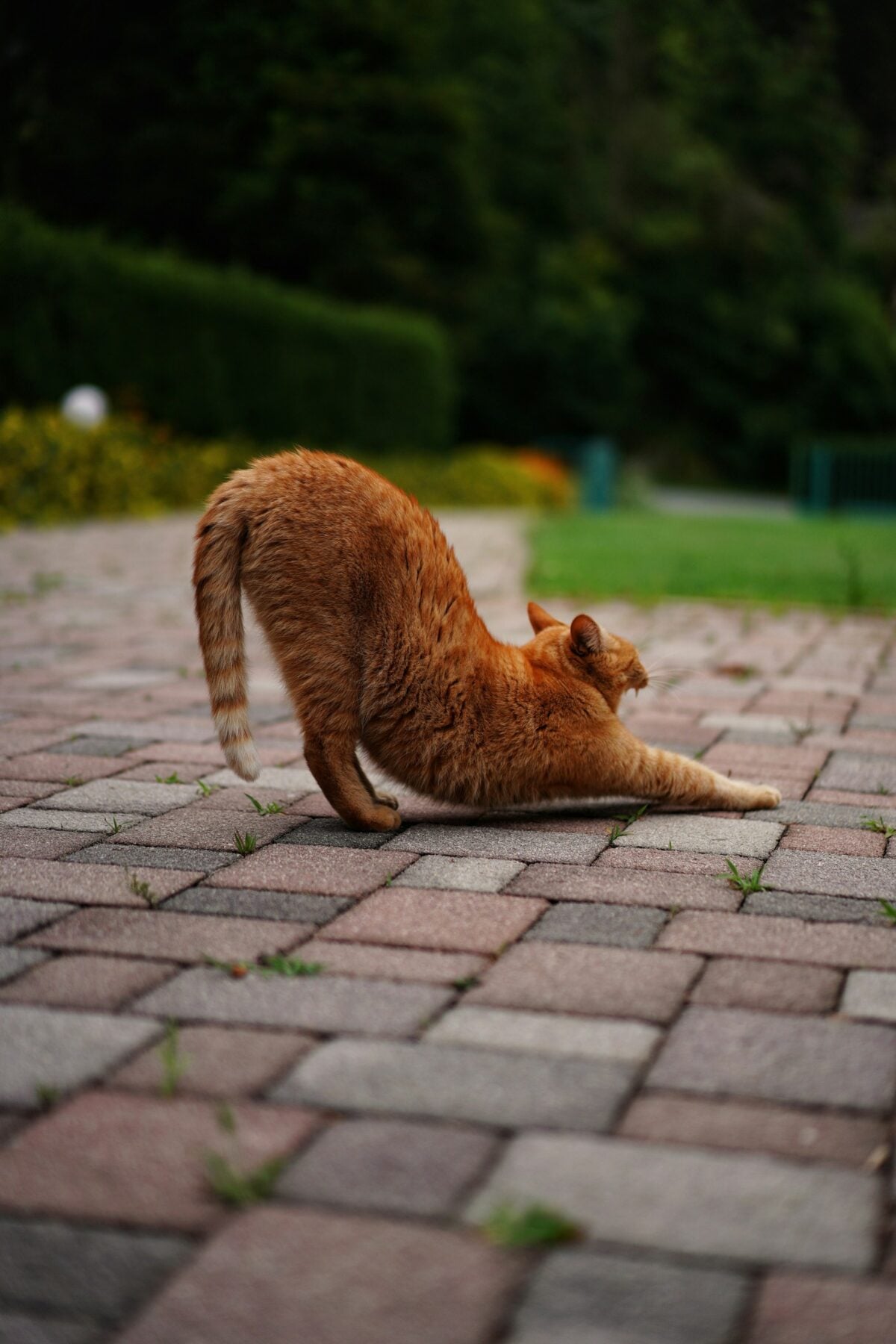
That sudden skin twitch or tail flick can look a little like your cat is ticklish, but it usually has more to do with sensitive touch receptors and overstimulation. If your cat’s back ripples when you pet them, this guide, licensed via whether cats are ticklish is a helpful next read.
Why It Feels So Good to Some Cats
Some cats love rump scratches because that area can be hard for them to reach with satisfying pressure. Yes, cats are bendy little yoga instructors, but even they have limits.
A good scratch near the tail base may feel like relief. It may also feel a bit like social grooming. Cats groom each other when they’re bonded, relaxed, or maintaining peace in the group. When you pet your cat, you’re not exactly grooming them like another cat would, thankfully, but your hand can still feel comforting.
That’s why your cat may lift their rear, raise their tail, purr, knead, or push into your hand.
In plain English, they may be saying:
“Ah, yes. There. Carry on, my loyal servant.”
But don’t let the enthusiasm fool you. This is not an all-access pass. The tail base is sensitive. A few seconds can be lovely. Too much can feel overwhelming.
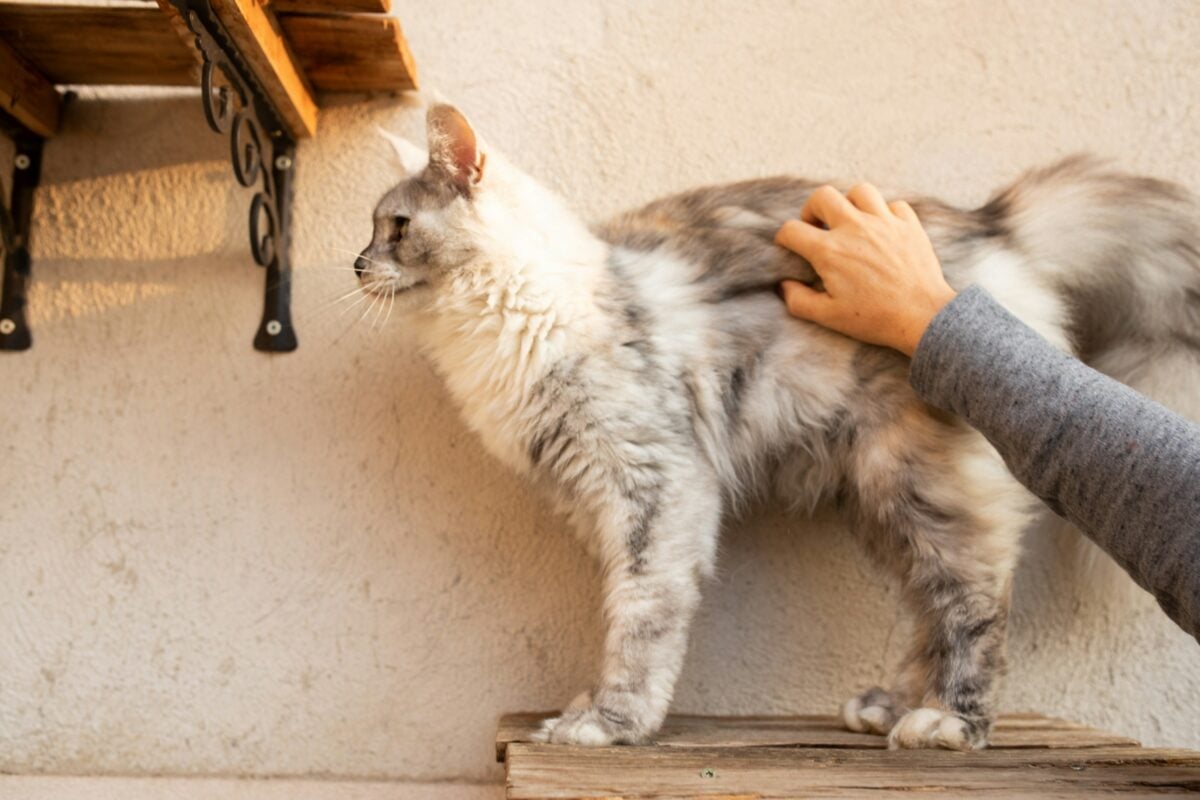
You may notice the butt elevator during brushing, too. A brush passing over the lower back or base of the tail can trigger the same sensitive, “oh yes, right there” reaction. Keep it gentle, though. For some cats, brushing that spot goes from relaxing to rude in about two seconds.
It Can Also Be Cat Communication
Humans tend to think rear-end presentation is awkward.
Cats do not.
In the cat world, scent is serious business. Cats use scent to understand who’s safe, who’s familiar, who’s been where, and what belongs to whom. International Cat Care notes that scent and pheromone signals help cats identify territory and friendly individuals.
So when your cat raises their rear while relaxed, it may be part of a friendly social signal. They’re allowing you near a vulnerable, scent-rich area. That doesn’t mean they expect you to sniff them. Please don’t take cat etiquette that far.
It simply means your cat feels comfortable enough to let that part of their body be near you.
Cats also have scent glands in several areas, including the cheeks, chin, paws, and around the tail base. These glands help them leave familiar scent messages behind. Sources on feline scent behavior note that sebaceous glands around the mouth, chin, perianal area, and tail base all play a role in scent marking.
So yes, your cat may be turning a funny petting moment into a little scent-and-trust exchange.
Romantic? No.
Meaningful? Absolutely.
That same scent-sharing habit can show up in other funny ways, too. If your cat meows, rubs against furniture, weaves around your legs, or acts extra clingy, they may be mixing communication, scent marking, affection, or even hormonal behavior. For a deeper look, see why cats meow and rub against everything.
A Raised Butt Can Mean “I Trust You”
Cats are careful creatures. Even the indoor ones who lose fights with laundry baskets still carry survival instincts.
The rear, belly, throat, and underside are all vulnerable spots. When a cat feels unsure, they usually protect those areas by crouching low, tucking in, or slipping away. So if your cat casually lifts their backside while they’re close to you, that means something. They’re showing a level of trust they wouldn’t offer to just anyone.

So when your cat raises their butt during petting, especially with a relaxed body and soft expression, it can be a sign of safety.
Not every cat makes trust look big and obvious. One cat may flop over for belly rubs, while another prefers quiet company from three feet away. Some hate being picked up, some only want chin scratches, and some adore you completely but still look betrayed when your sock brushes their tail. That’s cats for you: affectionate, particular, and just a little dramatic.
Cats are complicated little poets.
The butt elevator may be one of their odd compliments. Your cat is saying, in their own very cat-like way, “You’re safe. You may continue touching the royal fluff.”
Cats don’t always show trust in obvious, movie-scene ways. Sometimes trust looks like sleeping near you, blinking slowly from across the room, staring at you as if they see into your soul, or letting you touch a spot they would normally protect. If your cat also likes to curl up close at night, that can be another sweet sign of comfort. Here’s more, licensed via why cats sleep pressed up against their people.
It May Go Back to Kittenhood
There’s also a kitten connection.
When kittens are very young, their mother grooms them and stimulates their rear area to help them eliminate. Kittens often respond by lifting their hindquarters. That early body pattern can stick around in small ways.
Adult cats don’t think you’re literally their mother. Well, probably not. Cats are private about these things.
But a familiar touch from a trusted person can bring out old comfort behaviors. That’s why grown cats may knead blankets, suckle fabric, curl into baby-like sleeping positions, or lift their rear during petting.
These are often “I feel safe” behaviors.
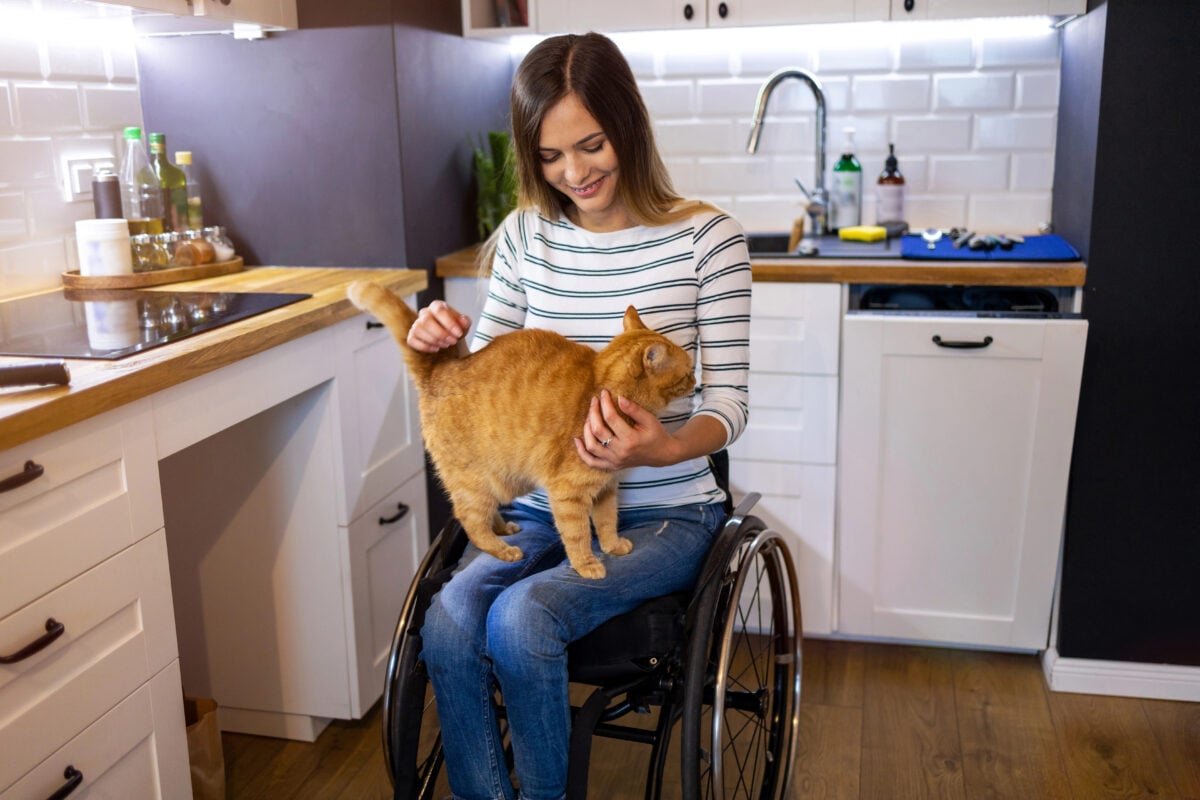
Your cat may be fully grown, deeply dignified, and still willing to knock your mug off the counter for sport. But inside that sleek little body are old memories of warmth, grooming, and care.
That’s kind of sweet, isn’t it?
When the Elevator Butt Means “Too Much”
Here’s where many cat owners get tricked.
A raised rear can mean “yes, that feels good.”
But it can also be the start of “that’s getting intense.”
Cats can become overstimulated from petting, especially around sensitive areas like the lower back and tail base. Humane Colorado describes overstimulation as something that can show up through body signals like tail twitching and may escalate to biting when a cat has had enough.
So don’t only watch the butt. Watch the whole cat.
A happy cat may:
- Lean into your hand
- Purr with a loose body
- Keep the tail relaxed or softly raised
- Blink slowly
- Stay near you after you pause
A cat who’s had enough may:
- Twitch or whip the tail
- Ripple the skin along the back
- Flatten or rotate the ears
- Turn their head sharply toward your hand
- Tense their body
- Nip, swat, or walk away
That tail twitch is not decoration. It’s a text message.
And the message may be, “Friend, you are about three scratches away from consequences.”
If those warning signs are ignored, some cats may escalate from tail flicks and tense posture to hissing, swatting, or biting. Here’s more on why cats hiss and what that sharper warning usually means.
Why Cats Sometimes Bite After Lifting Their Butt
This is one of the most common complaints:
“My cat lifts her butt like she wants more, then bites me. What gives?”
Usually, it means the petting felt good at first, then crossed the line. The nervous system got overloaded. The same touch went from pleasant to irritating.
Think of being tickled. For the first second, maybe it’s funny. By the fifth second, you’re ready to file charges.
Cats can hit that point quickly.

The trick is to stop before your cat has to get loud about it. Scratch for a few seconds, then pause. If your cat leans back in or nudges your hand, you can offer a little more. If they flick their tail, tense up, or walk away, the session is over.
This builds trust. Your cat learns that you listen. And when a cat knows you listen, they often become more affectionate over time.
If your cat often goes from sweet to spicy during affection, that pattern may also show up as licking followed by a sudden nip. Here’s more on why cats lick and then bite, especially when petting tips into overstimulation.
When It Could Be a Health Issue
Most elevator-butt moments are normal. But sudden changes are worth noticing.
If your cat suddenly hates being touched near the tail, bites at their back, chases their tail, has twitchy skin, overgrooms, cries, or acts as if they are in pain, check with your veterinarian.

One possible issue is feline hyperesthesia syndrome, sometimes called “twitchy cat syndrome.” VCA describes it as involving exaggerated responses to touch, rolling skin, muscle spasms, vocalization, dilated pupils, and sudden dashing or startling in some cats.
That does not mean every sensitive cat has hyperesthesia. Far from it.
Fleas, allergies, skin infections, arthritis, injuries, and general pain can also make the tail-base area uncomfortable. If your cat’s reaction seems new, intense, painful, or strange, it’s better to have a vet take a look.
Cats are experts at hiding discomfort. Sometimes their “weird habit” is the first clue.

The Heat-Related Exception: Lordosis
There’s one more important reason a cat may raise her rear.
If your cat is an unspayed female, the posture could be related to heat. During estrus, female cats may crouch low, raise their rear, tread with their back feet, move their tail to one side, roll, rub, yowl, and act restless. Veterinary references describe lordosis, vocalization, treading, and tail deviation as common signs of estrous behavior in cats.
This is different from a normal petting response.
A cat in heat may do the posture even without much petting. She may vocalize loudly, seem clingier than usual, roll on the floor, and try to escape outside. It can be surprising if you’ve never seen it before. It can also be stressful for both the cat and the humans in the home.
Spaying prevents heat cycles and pregnancy. MSD Veterinary Manual notes that estrus prevention is typically accomplished by spaying.
So if your unspayed female cat is doing the butt-up, tail-to-the-side, yowling-at-midnight routine, she may not just be asking for scratches. Her hormones may be running the show.
If you have more than one intact cat at home, heat behavior can get complicated fast. Female cats in heat may raise their hindquarters, roll, yowl, and attract intact males, including related cats. Here’s what to know about whether cats may mate with their siblings.
So, Should You Scratch the Base of Your Cat’s Tail?
Maybe.
Very cat answer, right?
If your cat enjoys it, keep it gentle and brief. Let them guide the session. Think of petting as a conversation, not a button you press until the machine dispenses purrs.
Start with safer zones first: cheeks, chin, forehead, and shoulders. Many cats prefer those areas. If your cat invites back scratches and lifts their rear with a relaxed body, you can briefly scratch the base of the tail.
Then pause.
That pause is magic. It gives your cat a choice. And cats love choice almost as much as they love sitting on the one piece of paper you need.
Try These Safer Petting Spots First
Not every cat wants a tail-base scratch. Some love it. Others awkwardly tolerate it. Some react like you’ve pressed the self-destruct button.
So if you’re still learning your cat’s preferences, start with the safer social zones. These are the spots many cats use during friendly rubbing and scent marking, which makes them feel more natural and less invasive.

The cheeks are usually a good place to begin. Many cats love cheek rubs because they have scent glands there, and rubbing that area can feel familiar and comforting. The chin is another crowd-pleaser, especially for cats who like gentle upward scratches. The forehead, between the ears, and the sides of the face are also common favorites.
In other words, start near the “hello” end of the cat before working your way toward the “permission-only” end.
Good starter spots include:
- Cheeks
- Chin
- Forehead
- Between the ears
- Behind the ears
- Shoulders
- Upper back
More sensitive spots often include:
- Belly
- Paws
- Tail
- Base of the tail
- Hind legs
- Lower back
Of course, cats are individuals. There’s always one cat who loves belly rubs and another who treats a belly touch like a legal offense. That’s why your cat’s reaction matters more than any general rule.
Start with a gentle touch. Use one or two fingers for smaller cats or nervous cats. Keep your hand relaxed. Don’t loom over them, grab them, or trap them in place. Let them walk away when they want to.
That last part is big.
Cats tend to enjoy affection more when they know they can leave. Choice makes them feel safe. And when a cat feels safe, they’re more likely to come back for another round of scratches later.
So if your cat isn’t a fan of the butt elevator routine, don’t take it personally. They may be more of a chin-scratch connoisseur. Refined taste, honestly.
The 3-Second Pause Trick
Here’s a simple trick that can save you from a lot of confused bites: pet for three seconds, then pause.
That’s it.
Three seconds of petting. Stop. Watch what your cat does next.
If they lean into your hand, nudge you, raise their rear again, or step closer, they’re probably asking for more. Go ahead and offer another short round.
If they look away, flick their tail, tense up, start grooming, or walk off, they’re done. Let them be done. No hard feelings. Cats are allowed to leave the party early.
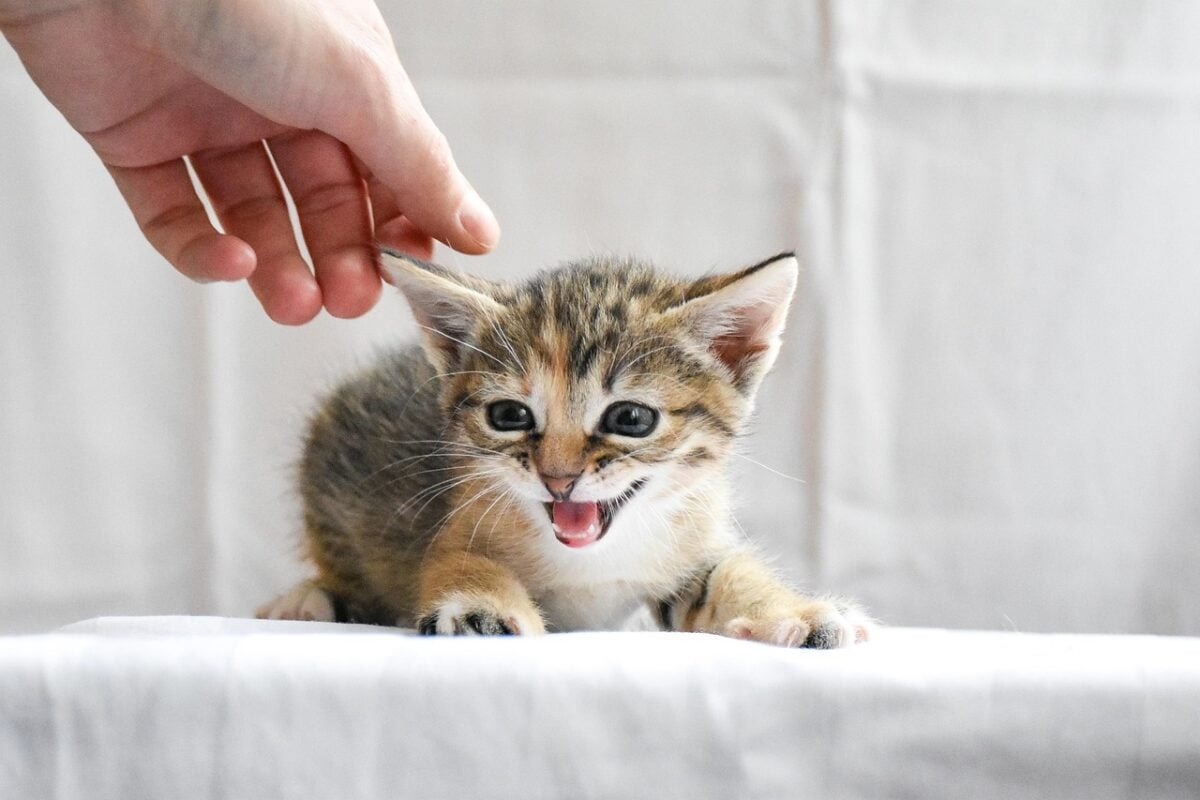
This little pause works because it turns petting into a conversation instead of a one-sided performance. You’re not just doing something to your cat. You’re checking in with them.
A good pattern looks like this:
- Pet.
- Pause.
- Watch.
- Continue only if your cat asks.
It may feel a bit silly at first, especially if you’re used to petting dogs, who often respond to affection with the emotional volume of a parade. Cats are usually more selective. They may want three seconds, not thirty. Or, they may want cheek rubs, not rump scratches. They may want affection now and personal space twelve seconds later.
That doesn’t mean they’re cold. It means they have opinions.
The 3-second pause is especially helpful when petting sensitive areas like the lower back or base of the tail. That spot can go from “oh yes” to “absolutely not” in a blink. By pausing often, you give your cat a chance to reset before their nervous system gets overloaded.
You can also use this trick with shy cats, newly adopted cats, senior cats, or cats who have a history of nipping during petting. It builds trust because your cat learns that their signals matter.
And when a cat realizes you’re paying attention? That’s when the good stuff starts. They loosen up, lean in, and come back, licensed via their own very specific, very cat-like terms.
Which, let’s be honest, is the only way cats were ever going to do it anyway.
And if your cat’s “too much” signals turn into swats, bites, or general household chaos, punishment usually backfires. Reading the signal and redirecting works better. Here’s how to discipline a cat without yelling.
Yes, It’s Usually a Compliment
When your cat lifts their butt during petting, they’re probably not trying to be weird.
Well, not only weird.
They may be enjoying a sensitive scratch, guiding your hand, sharing scent cues, showing trust, or slipping into an old kittenhood reflex. It’s a funny little behavior with a lot going on under the fur.
Take it as a compliment, but don’t get carried away. The tail base is a high-volume sensory zone. What feels good for five seconds may feel annoying after ten. Keep an eye on the ears, the tail, and even that little ripple of skin along the back. Listen with your eyes.
Because in cat language, love doesn’t always look like cuddling on command.
Sometimes love looks like a proud little backside rising toward the ceiling while your cat silently demands premium rump service.
And honestly? That’s very on-brand.
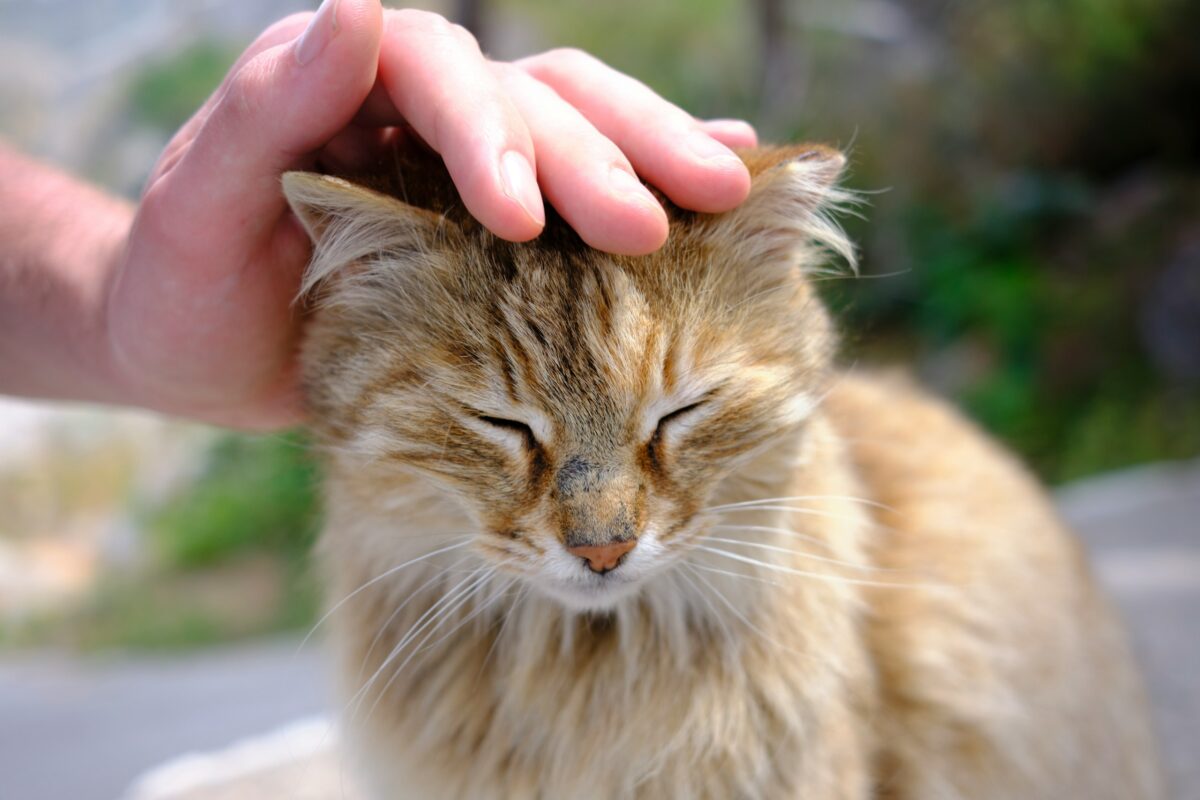
FAQs About Cats Lifting Their Butt When Petted
And because one answer about cats always creates three new cat questions, here’s the FAQ. Got your own weird cat mystery? Drop it in the comments.
Why does my cat’s butt lift up when I pet them?
Your cat’s butt usually lifts up because you’ve touched the sensitive area near the base of the tail. For many cats, that spot feels good, triggers a natural body response, and may also connect to trust, scent communication, or old kittenhood reflexes. Just watch for signs of overstimulation, like tail twitching, skin rippling, or sudden nipping.
Is elevator butt a sign my cat loves me?
It can be a sign of comfort and trust, which are big parts of feline affection. Cats don’t always show love in obvious ways. If your cat raises their rear, rubs on you, slow blinks, purrs, or chooses to be near you, you’re probably in their inner circle.
Why does my cat lift her butt and then bite me?
The petting may have become too intense. The tail-base area is sensitive, and some cats get overstimulated quickly. Watch for warning signs like tail twitching, skin rippling, tense muscles, ears turning back, or your cat turning toward your hand. Stop before the bite happens.
Do all cats like being scratched at the base of the tail?
That is a definite no. Some cats love it. Some hate it. Some enjoy it for exactly four seconds and not a whisker more. If your cat moves away, flicks their tail, flattens their ears, or nips, stick to safer spots like the cheeks, chin, or forehead.

More Weird Cat Behaviors Worth Decoding
Once you start noticing cat body language, it’s hard to stop. The butt elevator is only one entry in the grand encyclopedia of “Why is my cat like this?” And honestly, that encyclopedia is thick.
Maybe your cat gets the zoomies at midnight like a tiny haunted horse. Maybe they treat cardboard boxes like luxury real estate, follow you from room to room with deep emotional urgency, or roll in dirt like they’re breading themselves for the fryer.
The funny thing is, most of these odd habits do make sense once you look at them through a feline lens. Cats are strange, specific, and endlessly entertaining little roommates. The more you learn their signals, the easier it gets to tell the difference between normal weird, happy weird, and “hmm, maybe we should call the vet” weird.
Does Your Cat Do the Butt Elevator?
Now we need to know: is your cat a polite little elevator operator, a dramatic rump-lifter, or a “touch the tail base and face consequences” type?
Share your cat’s funniest butt-lift story in the comments. Bonus points for weird timing, dramatic facial expressions, or any situation where your cat clearly believed they were giving you very important instructions.