When you purchase through links on our site, we may earn a commission at no extra cost to you. Learn more.
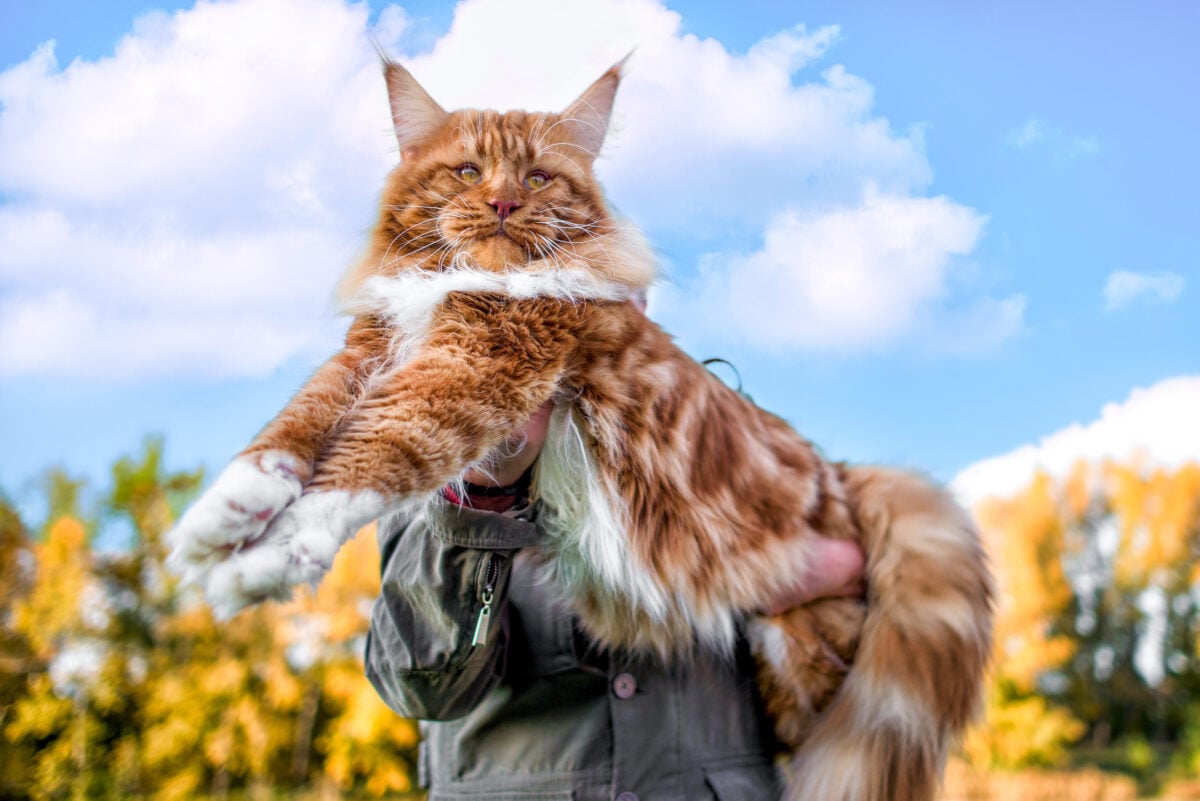
If you think bigger is always better, the Maine Coon might ruin every other cat for you. They can weigh twice as much as the average cat and stretch nearly the length of a medium-sized dog. They are massive, weirdly social, and known for acting more like a dog than a typical cat.
Table of Contents
Thinking about getting one? Life with a Maine Coon looks a little different than life with most cats, and not always in the ways people expect.
And if you are wondering whether your current cat might be part Maine Coon, here is a quick reality check. If you have to ask, they probably are not.
 Weight10-20+ Pounds
 LengthUp to 40 inches (nose to tail)
 Lifespan10-15 Years
 Coat TypeLong, thick, water-resistant
Start Here: Is A Maine Coon The Right Cat For You?
Maine Coons strike a rare balance. They are independent enough to do their own thing, but social enough to stay involved in your day.
Want our human-written content to rank above AI-generated garbage? Help us out by clicking this button!
Quick Take
- Best for: People who want an interactive but not overly needy cat
- Good with: Families, kids, and other pets
- Energy level: Moderate
- Maintenance: Moderate to high
You Might Love A Maine Coon If…
- You like a cat that interacts without being constantly demanding
- You want a pet that feels intelligent and aware of its surroundings
- You enjoy playful behavior that lasts beyond kittenhood
- You do not mind regular grooming and shedding
You Might Struggle With A Maine Coon If…
- You are not prepared for the size, grooming, and added costs
- You want a completely hands-off, low-maintenance pet
- You prefer a cat that keeps to itself most of the day
Why Maine Coons Feel So Different From Other Cats
Maine Coons are often described as “dog-like,” and it is not hard to see why. They tend to be social, friendly, and unusually comfortable around new people. Many are happy to greet guests, explore new environments, and stay involved in whatever is happening around them.
1. They Follow You, But Not In A Needy Way
Maine Coons often move from room to room with you, not because they need constant attention, but because they are curious. It feels less like you are being followed and more like you have a very large, very fluffy shadow.
2. They “Talk” Differently
Instead of constant meowing, Maine Coons are known for chirps and trills. These quieter sounds feel more like commentary than requests, as if they are responding to what is happening around them.
3. They Stay Playful Longer Than Most Cats
Many cats slow down after kittenhood. Maine Coons tend to hold onto that playful energy much longer. It is not unusual for them to act like oversized kittens well into adulthood.
What Surprises People Most About Maine Coons
Most people expect the size, to a degree anyway. It is everything else that catches them off guard.
1. They Are Obsessed With Water
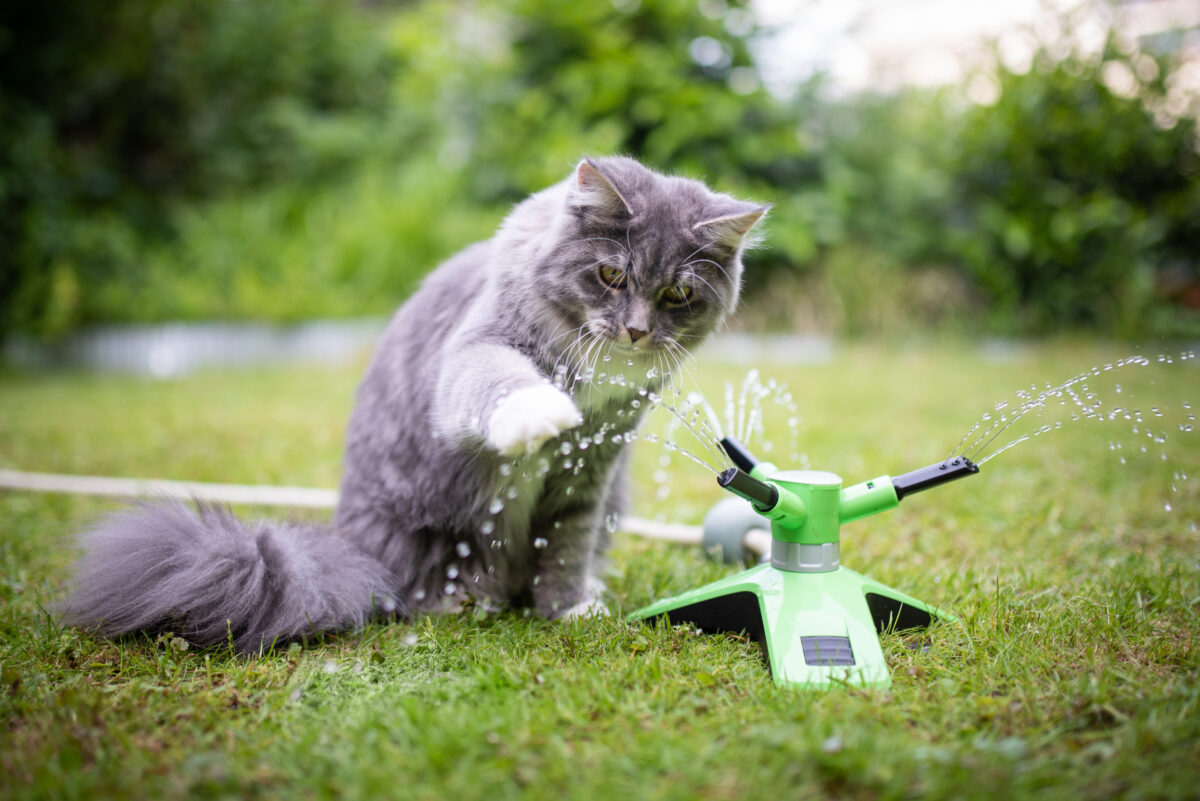
Maine Coons are known for their unusual fascination with water. They will watch a dripping faucet, dip their paws into bowls, and some will even try to join you in the shower.
2. They Do Not Always Pick Just One Person
Some cats bond tightly to a single person. Maine Coons often spread their attention around.
They will rotate between family members, moving from one lap to another like they are making rounds.
3. Their Size Is Not Always What You Expect
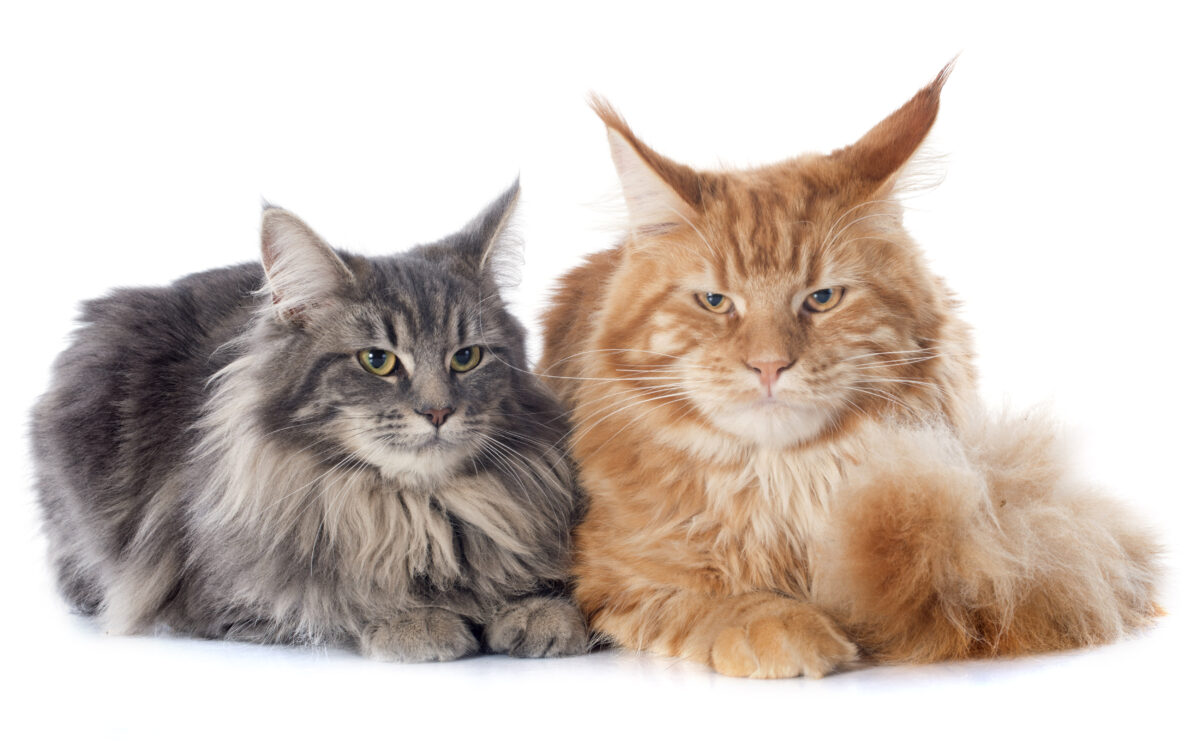
Not every Maine Coon is supersized. Size can vary significantly between males and females, and genetics play a major role. Some are large, but still within a normal range for a cat.
4. Bigger Is Not Always Better
There is a growing trend of breeding Maine Coons to be as large as possible.
While impressive, this can come at a cost. Pushing for extreme size is not part of the breed’s natural development and may impact overall health.
5. They Are Surprisingly Gentle
Their size can be intimidating at first, especially for children or smaller pets, but their temperament is typically calm and easygoing. This makes them much easier to live with than their size suggests.
The Size Factor: How Big Do Maine Coons Actually Get?
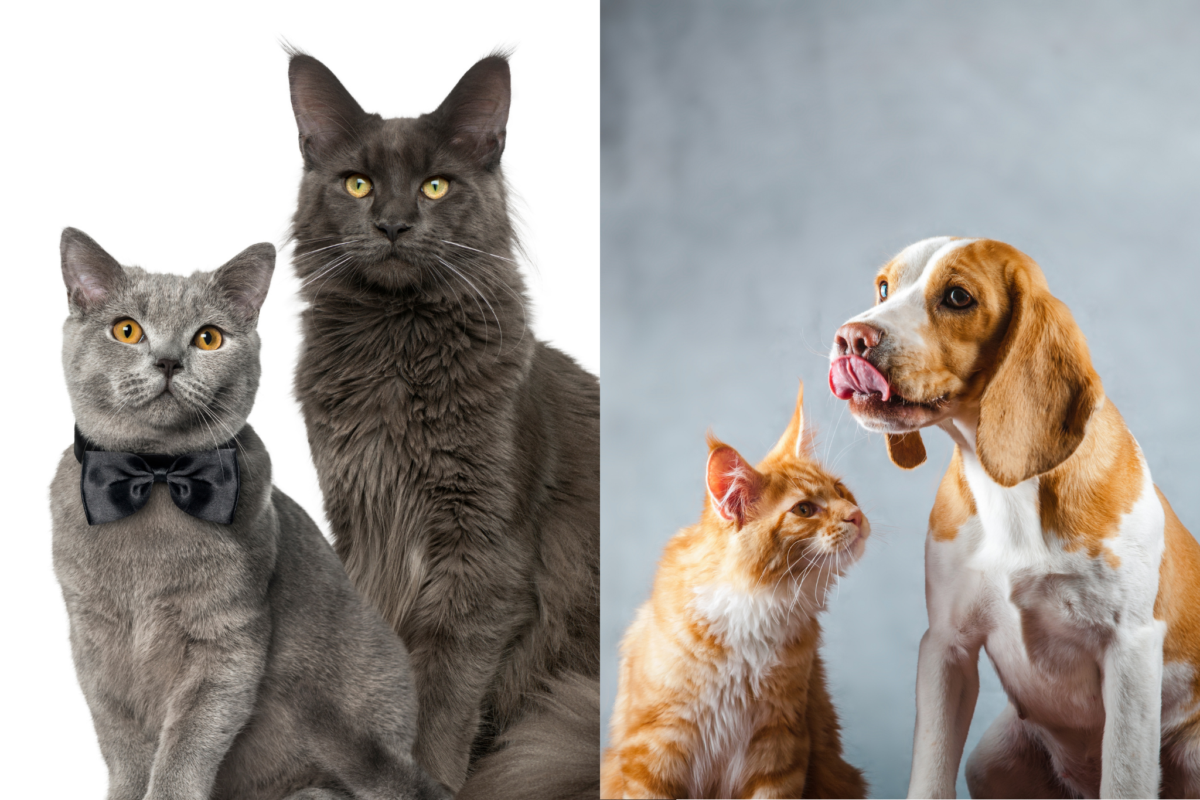
Maine Coons are among the largest domestic cat breeds, but not every individual reaches “internet giant” status. Most fall within a range that is noticeably bigger than the average cat, without being extreme.
What “Large” Actually Means
- Average cat: 8–12 pounds
- Maine Coon (female): 8–15+ pounds
- Maine Coon (male): 15–25+ pounds
Some individuals exceed this range, but those are outliers, not the norm. Learn more via our Maine Coon size chart.
It’s Not Just Weight, It’s Length
Maine Coons are built differently.
They have long, rectangular bodies, large paws, and thick, full tails that add to their overall size. Fully grown, they can reach up to 40 inches or more from nose to tail.
They Take Years To Fully Grow
Unlike most cats, Maine Coons do not reach full size quickly.
Many continue growing for 3 to 4 years, which contributes to their larger build and more gradual development.
Why Size Can Vary So Much
Not all Maine Coons are massive.
- Males are typically much larger than females
- Genetics play a significant role
- Breeding practices can influence size
Reality check: A Maine Coon should be large and well-proportioned, but not oversized at the expense of their health.
What Do Maine Coons Actually Look Like? (Beyond Just “Big and Fluffy”)
At a glance, a Maine Coon just looks like a very large, long-haired cat. Look a little closer, and the details start to stand out. Their features are more structured, more rugged, and slightly more “wild” than those of the average house cat.
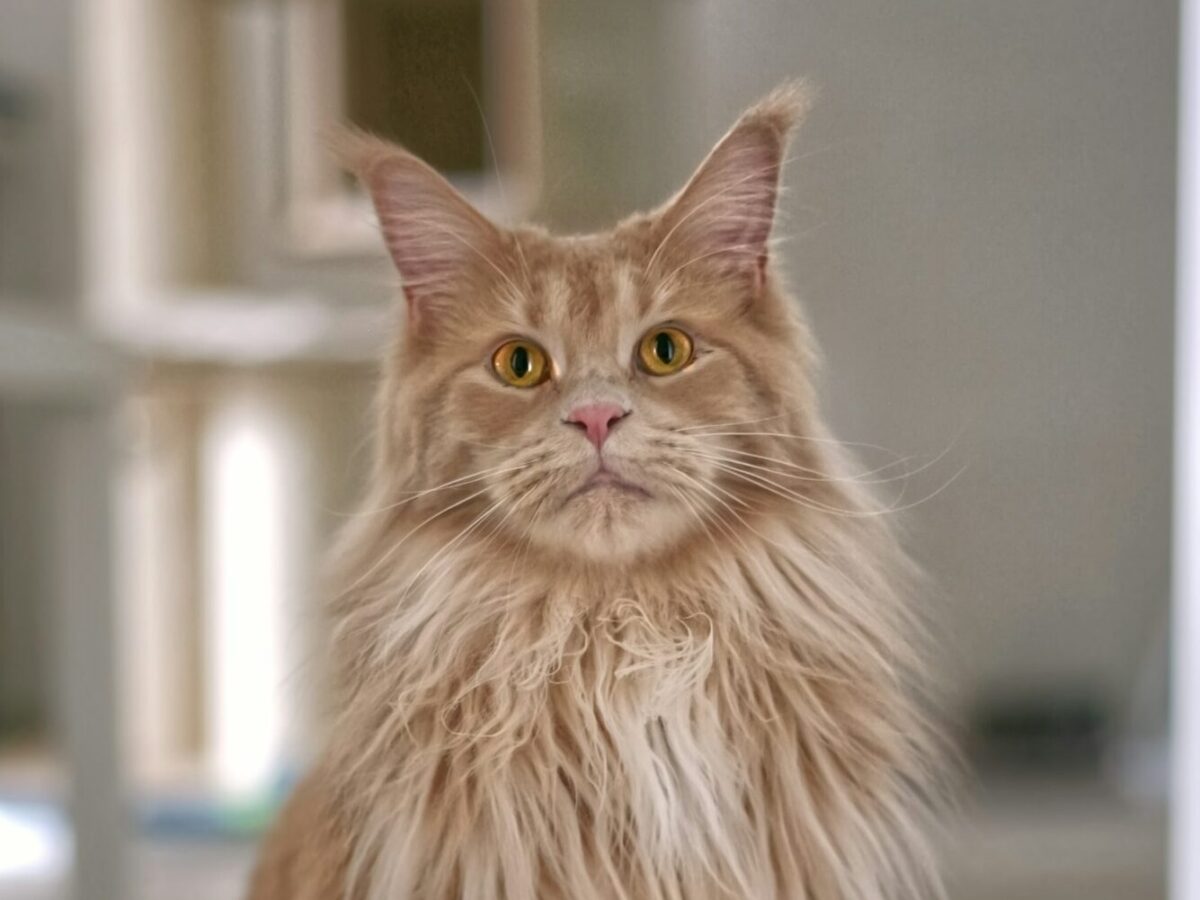
A Broad Face & Square Muzzle
The Maine Coon’s face is angular and defined, not soft or rounded. Their square muzzle is one of their most recognizable traits, giving them a strong, structured look.
Key Facial Traits
- A square, well-defined muzzle
- High cheekbones and a strong chin
- Large, slightly oval eyes set at a slight angle
- An alert, observant expression rather than a soft or sleepy one
Instead of looking delicate, Maine Coons tend to look aware, steady, and quietly confident.
Large Ears With Lynx-Like Tufts
Their ears are tall, wide at the base, and set high on the head. Many have visible tufts at the tips, often called “lynx tips,” which add to their slightly wild, outdoorsy appearance.
A Long, Rectangular Body
Maine Coons are not just big. They are built long. Their bodies are more rectangular than compact, with a solid, muscular frame that gives them a heavier, more substantial presence than most cats.
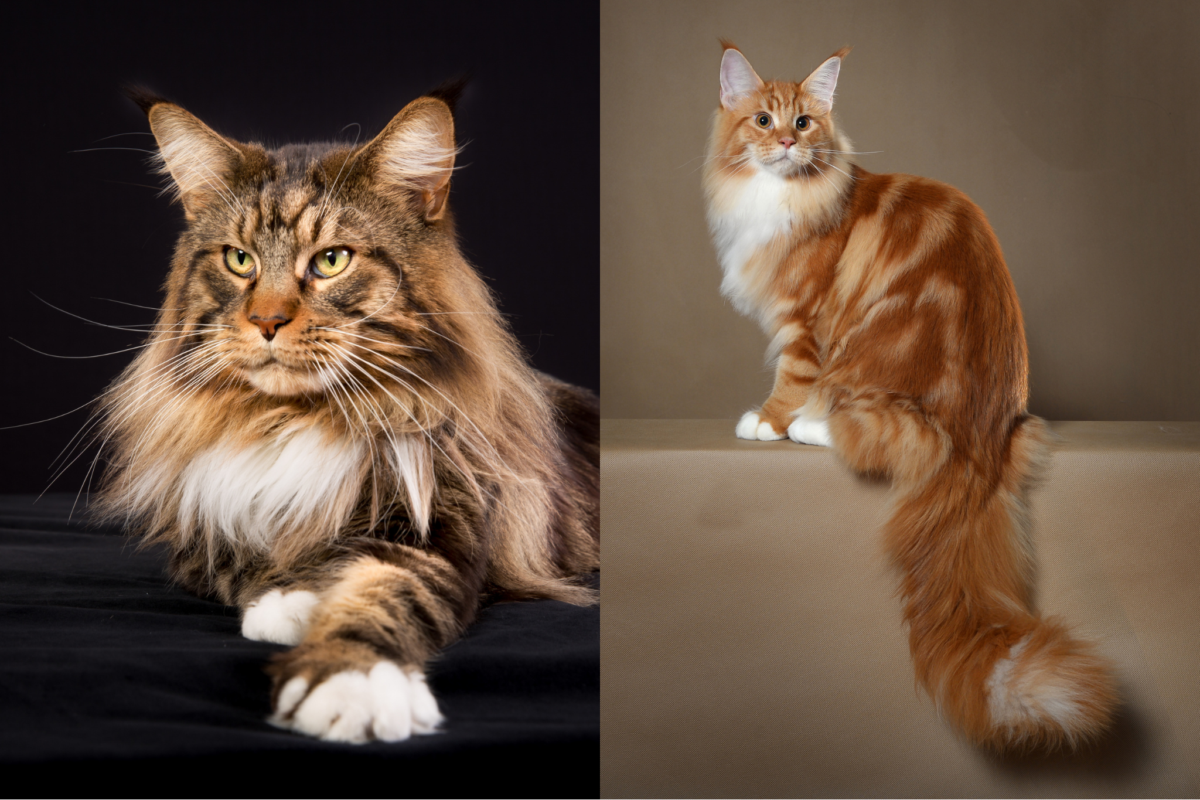
A Thick, Plumed Tail
Their tail is long, full, and dramatic, often nearly as long as the body itself. Historically, it helped them stay warm by wrapping it around themselves in cold weather.
Big Paws (Sometimes With Extra Toes)
Maine Coons have large, tufted paws that match their overall size. Some are also polydactyl, meaning they have extra toes, which can make their paws look even larger.
A Coat Built For Harsh Weather
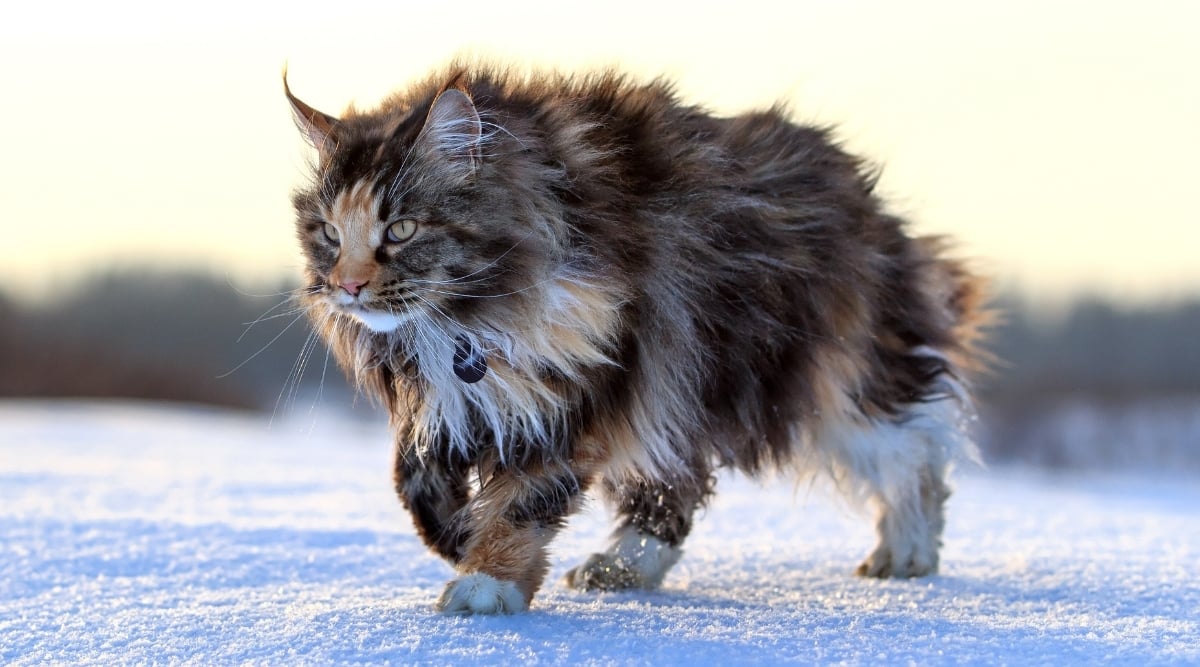
The Maine Coon’s coat reflects its working-cat origins in the northeastern United States. This is a semi-long, double coat designed to handle cold, wet New England winters, where early Maine Coons were valued for their ability to survive and hunt in tough conditions.
You will often see a heavier ruff around the neck for insulation, with a slightly lighter, more flowing texture along the body that helps prevent matting and sheds moisture more easily.
Color Variety
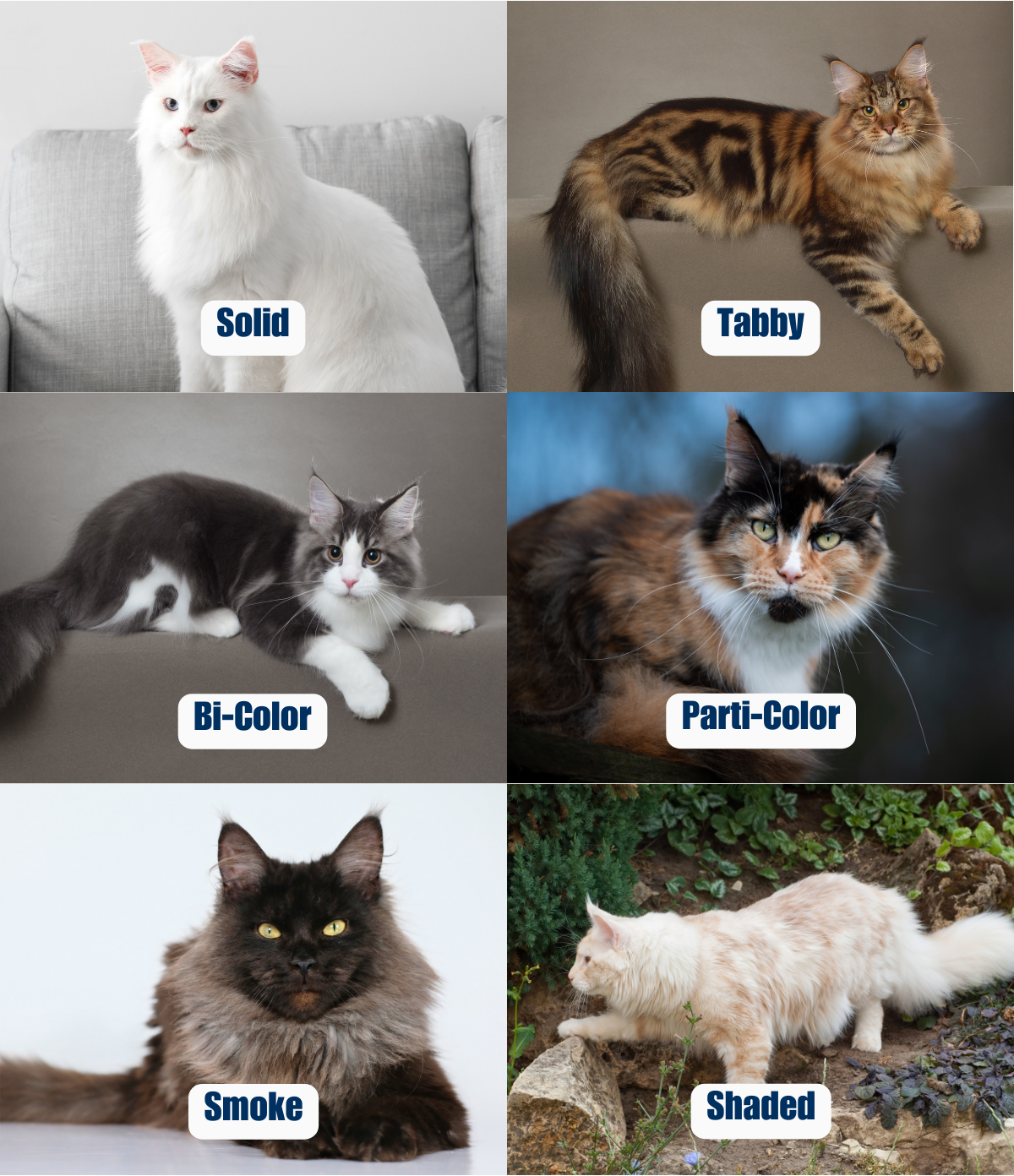
Maine Coons come in a huge range of colors and patterns, including:
- Solid (black, white, blue, red, cream)
- Tabby (classic, mackerel, ticked, patched)
- Bi-color and parti-color (like calico or tortoiseshell)
- Smoke, shaded, and silver variations
Check out our guide to the rarest Maine Coon cat colors.
A Day In The Life With A Maine Coon
Living with a Maine Coon feels less like owning a pet and more like having a very large, very observant companion. They tend to build their day around yours, checking in, disappearing for a bit, then showing up again exactly when something interesting is happening.
A Typical Day Looks Something Like This:
- Morning: Quiet supervision. They show up, observe, and stay nearby while you get ready, as if they are making sure the day starts correctly.
- Midday: Independent, but aware. They entertain themselves, but still keep track of where you are and what’s going on around the home.
- Evening: More interactive. This is when they are most likely to engage in play, follow you around, or settle nearby.
- Night: Calm… or slightly chaotic. Some settle in easily. Others decide it is the perfect time to run, explore, or investigate something that cannot wait.
Personality Deep Dive: Affectionate, Social & Slightly Bossy
Maine Coons are affectionate, but not in a clingy or overly demanding way. They tend to integrate into your daily rhythm, following you from room to room, observing what you do, and quietly inserting themselves into the household’s flow.

It feels less like attention-seeking and more like a steady, intentional presence.
Affectionate, But Not Always A Lap Cat
Maine Coons bond strongly, but more independently than many expect. They often prefer sitting beside you rather than on you, resting against your leg, or staying within arm’s reach.
Their version of affection is proximity, not constant contact.
Social, But Laid-Back
They enjoy being around people and tend to do well with families, guests, and even other pets.
Instead of demanding attention, they are more likely to lounge nearby, keeping an eye on everything. This balance makes them especially easy to live with in both quiet and busy homes.
Playful, With A Slower Pace
They are playful, but not hyperactive.
Maine Coons tend to enjoy bursts of activity followed by long, relaxed stretches. Think gentle chasing, interactive toys, and a more laid-back approach to play that continues well into adulthood.
Communicative, But Not Loud
Maine Coons are known for their signature chirps and trills.
Rather than constant meowing, they produce softer, more conversational sounds. Many owners describe it as a kind of back-and-forth, where the cat seems to “comment” on what is happening.
Gentle, Not Aggressive
Despite their size and hunting instincts, Maine Coons are not typically aggressive. Their calm, easygoing temperament is what earned them the nickname “gentle giant,” and it is one of the reasons they tend to do so well with children and other pets.
What Their Coat Is Really Like (Myths vs Reality)
At first glance, a Maine Coon’s coat looks like it would be high-maintenance. In reality, it is more manageable than it appears, but only if you understand how it works.
Myth 1: Their Coat Is Extremely High-Maintenance
Reality: It is more manageable than it looks!
Their fur is not soft and cottony like some long-haired breeds. It has more texture, which helps prevent constant tangling and makes regular upkeep easier than expected.
Myth 2: It’s Just For Looks
Reality: It’s built for function.
Their semi-long, double coat developed naturally to protect them in cold, wet climates. The outer layer helps shed moisture, while the undercoat provides insulation.
Myth 3: They Don’t Shed That Much
Reality: You will notice it.
Maine Coons shed regularly, with heavier shedding during seasonal changes. Their long fur makes it more visible, even if it is not the most extreme of any breed.
Myth 4: Occasional Brushing Is Enough
Reality: Consistency matters.
Their coat is forgiving, but only if you stay on top of it. Skipping brushing for too long can lead to tangles and mats, especially around the neck, underarms, and back legs.
What It’s Actually Like To Care For A Maine Coon
Maine Coons are often described as “easygoing,” but that does not mean effortless. They are generally low-drama, but their size, coat, and personality come with a few realities that are worth understanding upfront.
What Daily Life Actually Involves
- Grooming: Brushing a few times a week is part of the routine, especially around the ruff, underarms, and tail
- Shedding: You will notice fur, particularly during seasonal changes
- Food intake: Larger body means more food and more structure around feeding
- Space: They take up more room, from cat trees to couches to your daily routines
Grooming: Manageable, But Not Optional
Maine Coons are excellent self-groomers, but their coat still needs regular maintenance. Brushing two to three times per week helps prevent tangles, mats, and buildup of loose fur. Areas like the neck ruff, underarms, and back legs tend to need the most attention.

Consistency matters more than intensity. Skip too many sessions, and things can get messy quickly. View our picks for best brushes for Maine Coons to make grooming a breeze.
Litter Box Cleanliness Matters More Than You Think
Long hair and litter boxes are not always a perfect combination.
Keeping the litter box clean, ideally daily, helps prevent debris from sticking to their coat and keeps both your cat and your home cleaner overall.
Nutrition: Bigger Cat, Bigger Appetite
Maine Coons love to eat, and they can be prone to weight gain if portions are not controlled.
- Free feeding is usually not recommended
- Smaller, structured meals tend to work better
- A high-protein, meat-based diet is essential
Because they are obligate carnivores, protein quality matters more than fillers or substitutes. For help with portion control, view our Maine Coon feeding chart.
They Need Activity (Even If They Don’t Seem Hyper)
Maine Coons are not constantly active, but they do need regular outlets. Short bursts of play throughout the day help prevent boredom and unwanted behavior.

Maine Coons are intelligent and often respond well to simple training and tricks. With consistency, many also adapt to harness and leash training, which allows for supervised outdoor time.
They Will Find Something To Do If You Don’t
These cats are curious and capable. Without enough stimulation, they may create their own entertainment, which can include exploring counters, opening things, or getting into places you would rather they avoid.
What You’ll Actually Spend: Maine Coon Costs Explained
Maine Coons are not the most expensive cats to own, but they are not low-cost either. Their size, popularity, and long-term care needs can add up in ways people do not always expect.
Upfront Cost: What You’ll Pay For The Cat
- Adoption: Often lower cost through shelters and rescues
- Breeder price: Typically $1,000 to $1,500 for a purebred kitten
- High-pedigree lines: Can exceed $2,500+
- Factors that affect price: Bloodline, age, health, and location
Maine Coons do occasionally appear in rescues and shelters, sometimes at a much lower cost. For many people, this can be a great way to find a well-socialized cat without the higher breeder price.
Setup Costs: Bigger Cat, Bigger Setup
Before bringing one home, you will need:
- A larger litter box (often extra-large)
- Durable carriers, beds, and feeding supplies
- A sturdy cat tree or perch that can support their weight
These tend to cost more simply because standard cat items are often too small.
Ongoing Monthly Costs
- Food: Higher than average due to size and appetite
- Litter: More frequent replacement and higher usage
- Grooming supplies: Brushes, combs, and detangling tools
- Toys and enrichment: Important for mental stimulation
The Costs People Don’t Expect
- They go through supplies faster because of their size
- Veterinary care can be more expensive for large breeds
- First-year costs are higher due to vaccines and initial care
- Some areas require annual registration or licensing fees
Quick Takeaway: Expect to spend more than you would on the average cat, especially upfront and during the first year. For a full rundown, check out our Maine Coon price guide.
Health & Lifespan: What Owners Should Know Early
Maine Coons are generally healthy cats, but they are more prone to certain genetic conditions. Understanding these early helps you make better decisions about care, breeding, and long-term health.

Common Health Concerns
- Hypertrophic cardiomyopathy (HCM): The most common heart condition in cats, sometimes genetic in this breed
- Hip dysplasia: More common in large breeds and can affect mobility over time
- Spinal muscular atrophy (SMA): A rare inherited condition that causes muscle weakness
- Polycystic kidney disease (PKD): A genetic condition that affects kidney function
- Asthma and allergies: Not always genetic, but still seen in some cats
Maine Coons typically live 10 to 15 years, with some living longer. Their lifespan depends heavily on genetics, diet, weight management, and preventative care.
Key Takeaway: Choosing a reputable breeder and staying proactive with vet care can make a significant difference in long-term health.
Maine Coon vs Other Popular Cat Breeds
If you like the idea of a Maine Coon but are considering other breeds, here’s how they actually compare in real life.
Closest Look-Alikes
These cats are large, longhaired, and rugged-looking.
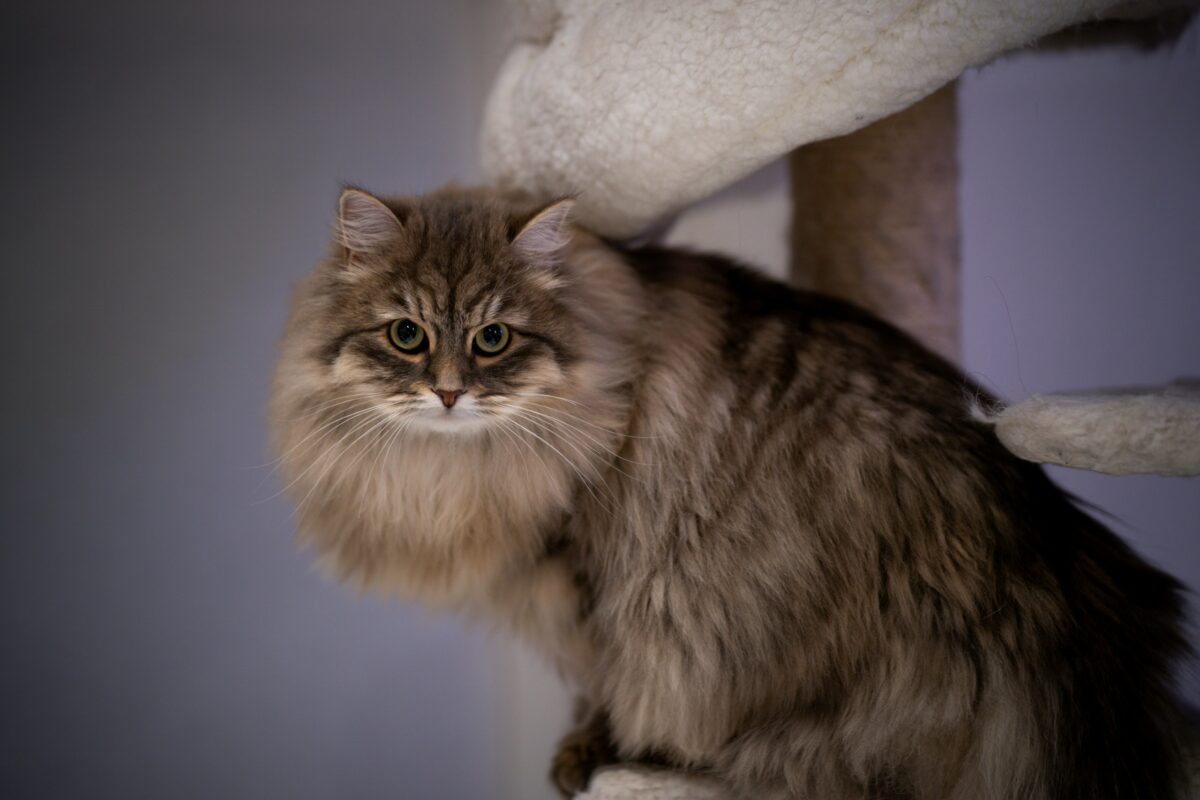
- Siberian: The closest overall match. Dense, plush coat and social, easy-going temperament.
- How they differ: Siberians have a rounder face and a more compact body. Despite their triple coat, they are considered hypoallergenic and more tolerable for people with allergies.
- Learn more in our full comparison of Siberian vs Maine Coon cats.
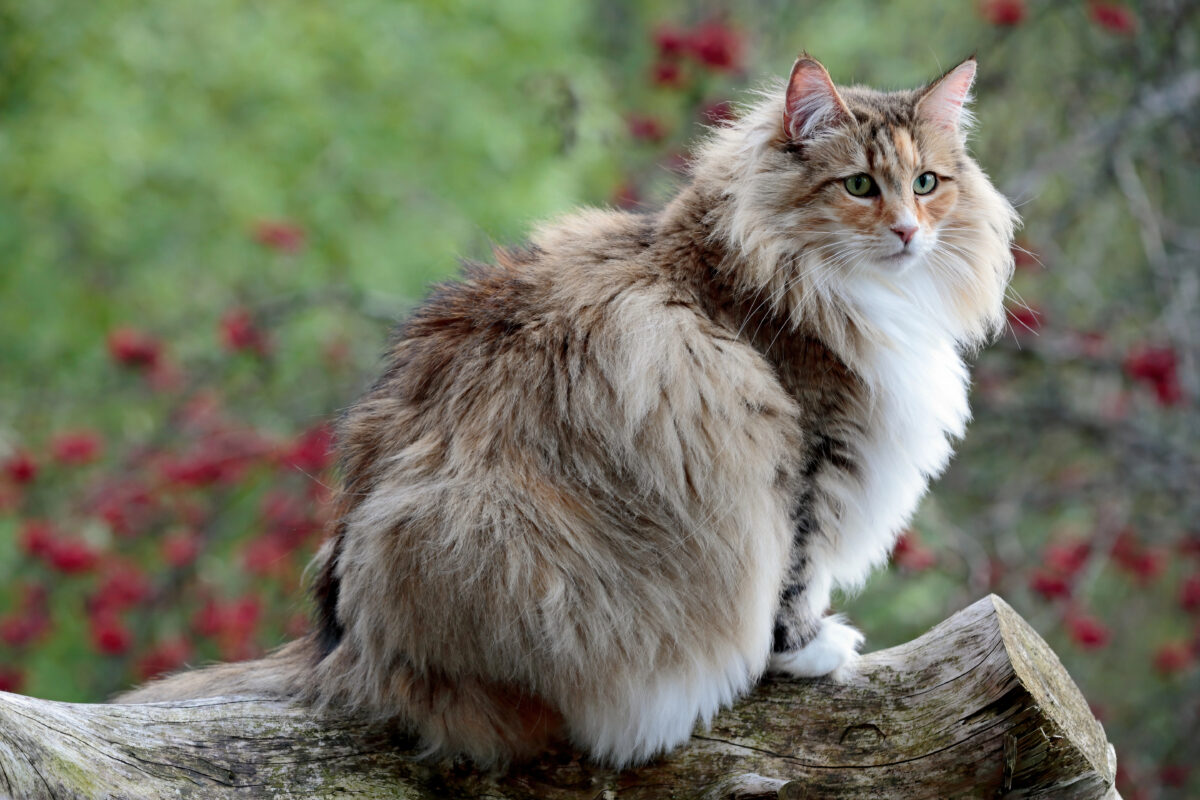
- Norwegian Forest Cat: Similar size and coat type, with a heavy double coat and strong, weather-ready build.
- How they differ: Norwegian Forest Cats have a distinct facial structure, with a long, straight profile from brow ridge to nose tip and a more triangular head. They also tend to be more reserved and independent.
- Learn more in our full comparison of Norwegian Forest Cat vs Maine Coon cats.
Similar Size, Different Personality
These cats may look similar on paper, but living with them feels different.
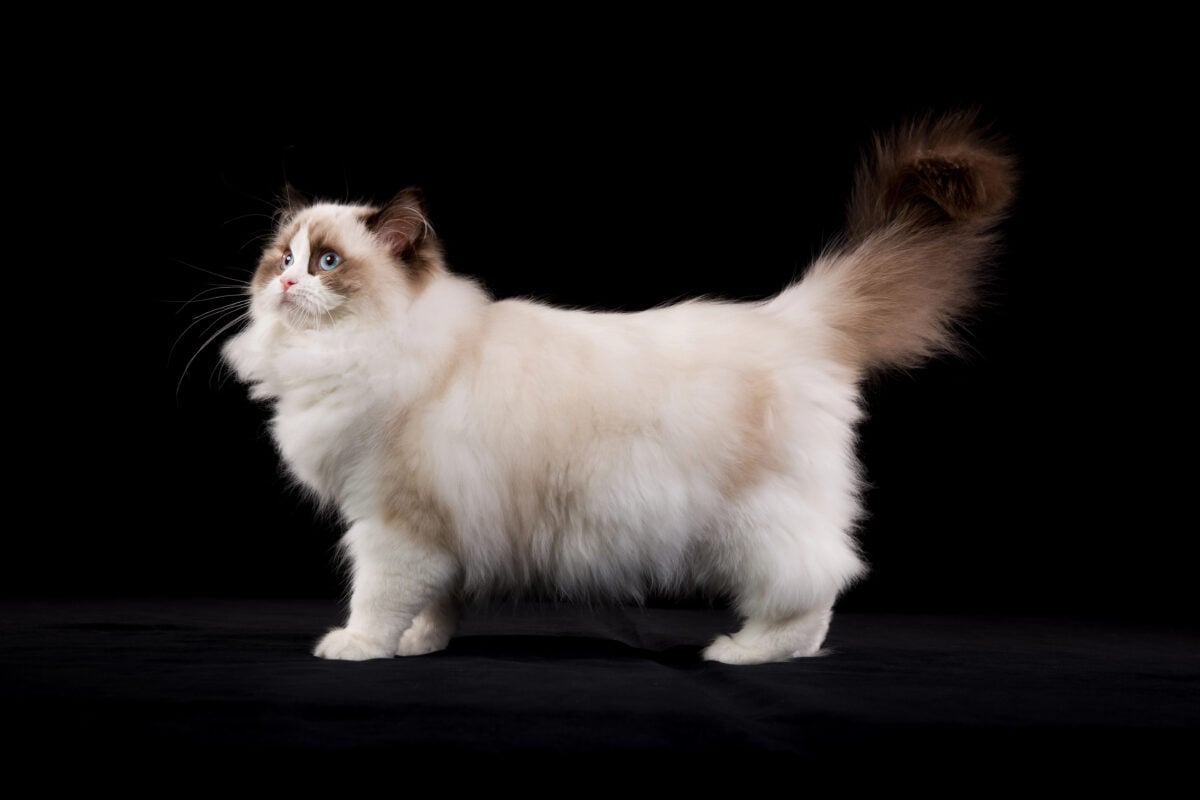
- Ragdoll: Similar weight range and long coat.
- How they differ: Ragdolls are more compact and plush. They are also much more physically affectionate, often seeking constant contact.
- Learn more in our full comparison of Ragdoll vs Maine Coon cats.
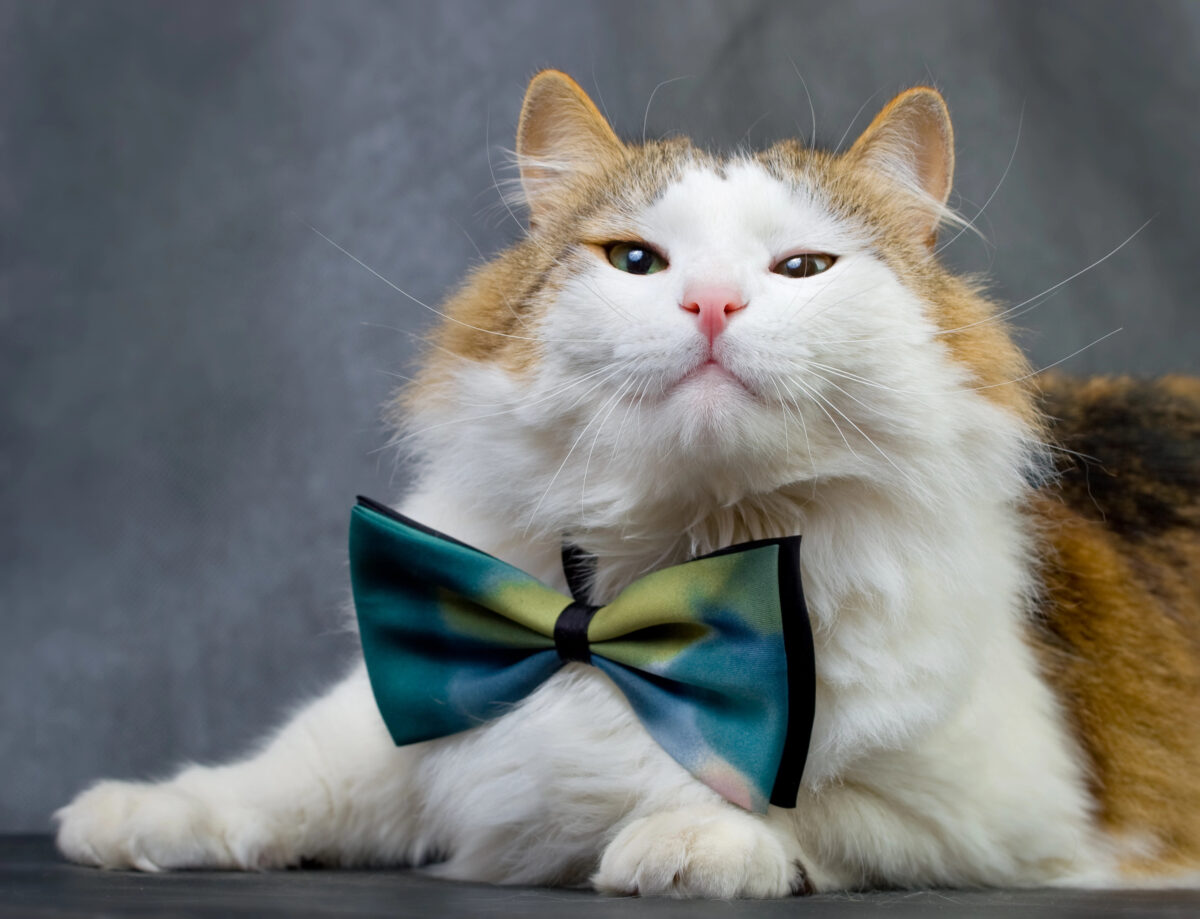
- RagaMuffin: Large with sturdy frame and similar energy levels.
- How they differ: RagaMuffins are typically more cuddly and docile, with an especially dense, silky coat.
- Learn more in our full comparison of RagaMuffin vs Maine Coon cats.
Longhaired But Different Overall
These cats may have long coats, but that’s where most similarities end.
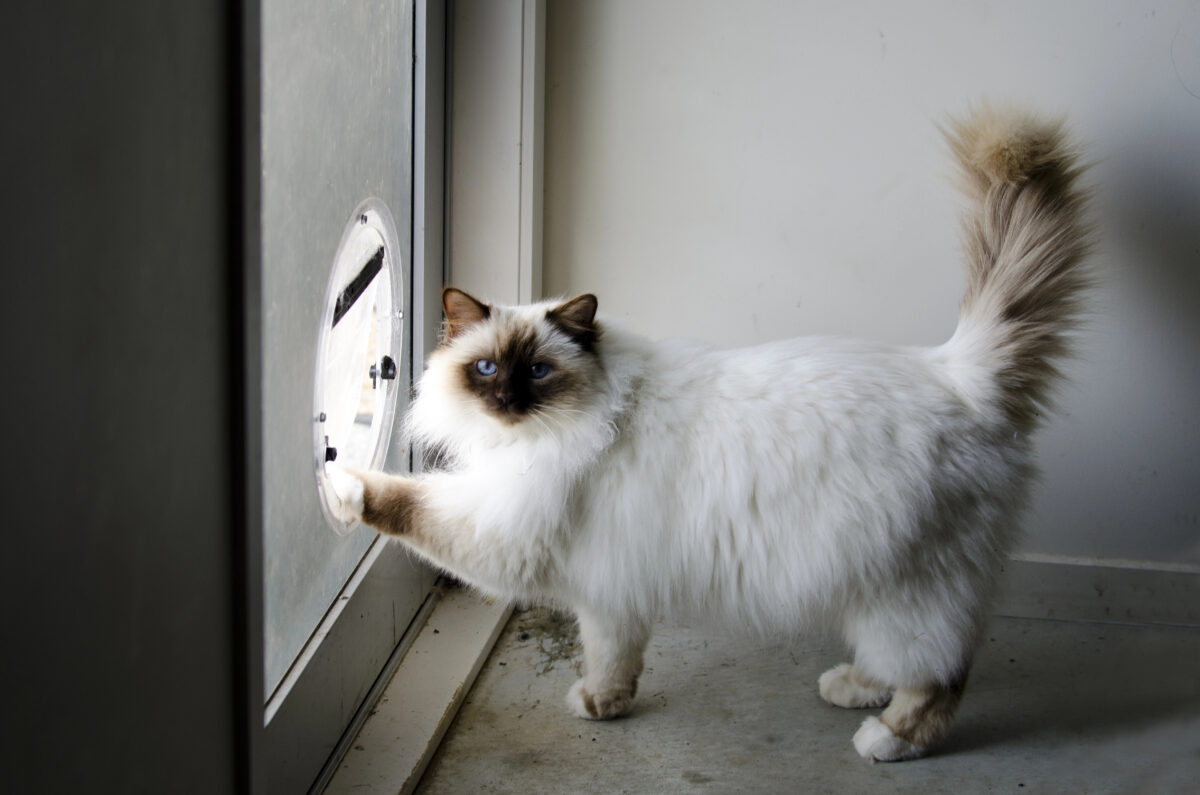
- Birman: Color-point coat with blue eyes and signature white “mittens.”
- How they differ: Birmans have a silky single coat and a softer, rounder expression. They are smaller overall, typically weighing 7–15 pounds, and tend to be very gentle and attentive.
- At a glance, the Birman and Ragdoll can look almost identical. Learn more in our comparison of Birman vs Ragdoll cats.
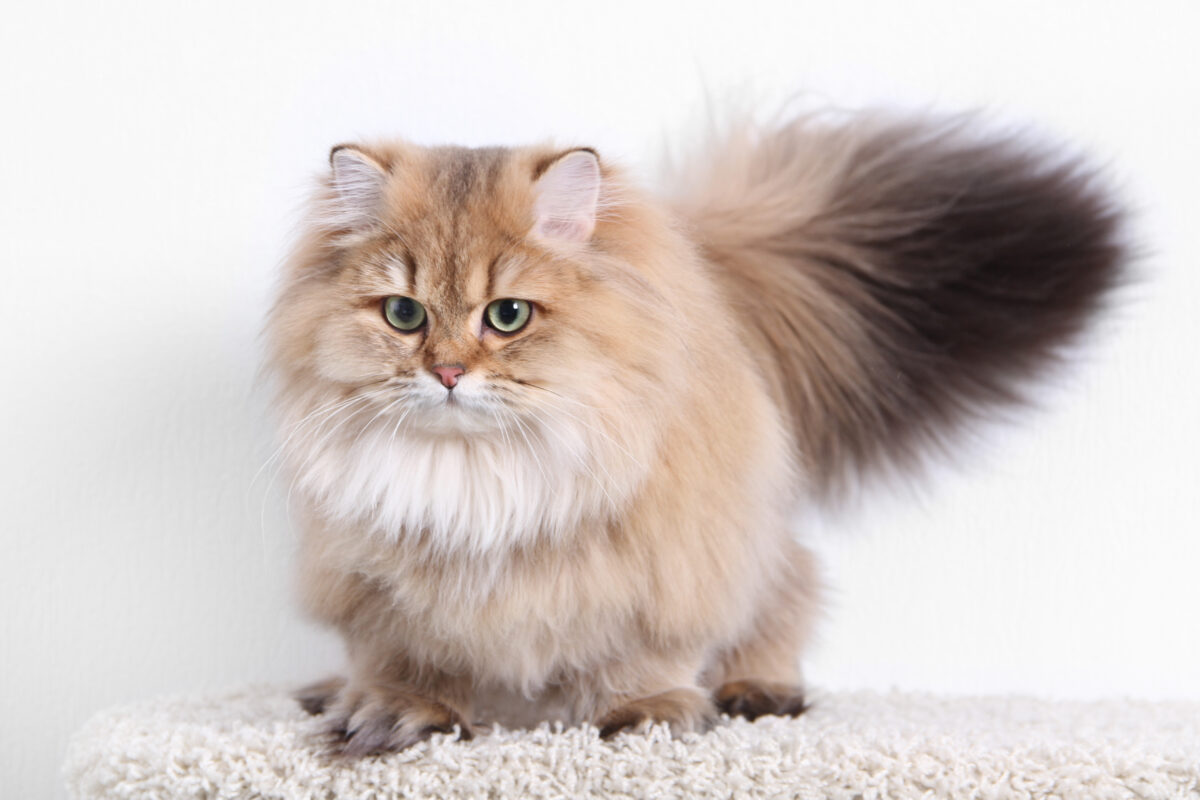
- British Longhair: A plush, rounded cat with a dense coat and soft, teddy-bear appearance.
- How they differ: British Longhairs are more compact and stocky, with a round face and smaller ears. Their personality is also more reserved and less interactive than the Maine Coon’s more curious, involved nature.
Not Every Fluffy Cat Is A Maine Coon Mix
Many cats labeled as a “Maine Coon mix” are actually just domestic longhairs with similar features. Without genetic testing or known lineage, it is often impossible to confirm whether a cat truly has Maine Coon ancestry.
Maine Coon Mixes
True Maine Coon mixes are more uncommon than people think. A mixed-breed cat may inherit some traits, all of them, or almost none at all.
These mixes combine Maine Coon traits with those of other well-known breeds, often yielding very different results:
- Maine Coon × Persian: A blend of rugged and plush. Expect a thicker coat, potentially flatter facial features, and higher grooming needs.
- Maine Coon × Russian Blue: Often results in a sleeker build, a softer coat, and a more reserved personality.
- Maine Coon × Norwegian Forest Cat: Very similar overall look, often resulting in a dense coat and strong, outdoor-adapted build.
- Maine Coon × Bengal: Combines size with energy. Typically, more active, curious, and demanding than a standard Maine Coon.
- Maine Coon × Savannah: Larger, more athletic, and often much higher energy. Not typically as laid-back as a pure Maine Coon.
- Maine Coon × Oriental Shorthair: A striking mix of long, lean structure and fluff. Personality can be more vocal and socially demanding.
- Maine Coon × Sphynx: One of the most unusual combinations. Coat length and texture can vary dramatically, from sparse to fully coated.
Quick Takeaway: A Maine Coon mix is not a predictable version of the breed. Each one is unique.
Pros & Cons Of Owning A Maine Coon
Maine Coons are among the most beloved cat breeds for a reason; however, they aren’t the right fit for every home.
Pros
- Affectionate without being clingy: They stay close and involved without demanding constant attention
- Highly social: Usually great with families, guests, and even other pets
- Playful well into adulthood: They keep a curious, kitten-like personality for years
- Intelligent and trainable: Many can learn routines, games, and even leash walking
- Distinct appearance: Large size, flowing coat, and expressive features set them apart
Cons
- Regular grooming required: Their coat is manageable, but not low-maintenance
- Heavy shedding: You will notice fur, especially during seasonal changes
- Higher food and care costs: A bigger body means more food, supplies, and sometimes higher vet bills
- Needs interaction: They are independent, but not a “background” pet
- Can be messy: Water play, litter tracking, and general curiosity come with the territory
Reality Check: If you want a cat that feels interactive, social, and involved in your daily life, a Maine Coon is a great fit. If you are looking for a low-effort, highly independent pet, this may not be the best match.
Frequently Asked Questions About Maine Coon Cats
Maine Coons are one of the most searched cat breeds, and many of the same questions come up again and again. Here are the answers to what most people want to know before bringing one home.
Don’t see your question? Respond in the comments, and we’ll get back to you!
Are Maine Coon Cats Aggressive?
No, Maine Coons are not considered an aggressive breed. They are often called “gentle giants” for their calm, easygoing temperament and ability to get along with people, children, and other pets.
If a Maine Coon shows aggressive behavior, it is important to address it early. Their larger size means rough behavior can escalate more quickly than with smaller cats. Learn more about how to correct unwanted behavior in our article covering how to discipline a cat.
It is also important to rule out underlying health issues, as pain or discomfort can sometimes lead to sudden changes in behavior. Cats are experts at hiding pain and sickness, so it’s important to familiarize yourself with common symptoms.
Can Maine Coon Cats Go Outside?
Yes, Maine Coons can go outside. They are natural explorers and hunters, but outdoor access comes with risks.
Many owners opt for supervised outdoor time, enclosed spaces, or leash training.
Do Maine Coon Cats Shed A Lot?
Yes, Maine Coons do shed, especially during seasonal changes. Their long coat makes shedding more noticeable, even if it is not the most extreme of any breed.
Regular brushing helps manage loose fur and prevent tangles.
Are Maine Coon Cats Hypoallergenic?
No, Maine Coons are not hypoallergenic. All cats produce allergens through dander and saliva, and long-haired breeds can spread those allergens more easily through their coat.
How Big Do Maine Coon Cats Get?
Maine Coons are one of the largest domestic cat breeds. Most weigh between 10 and 25 pounds, with males typically larger than females. They also have long, rectangular bodies that make them appear even bigger than their weight suggests.
How Long Do Maine Coon Cats Live?
Maine Coons typically live between 10 and 15 years. With proper care, nutrition, and regular vet visits, some can live even longer.
Are Maine Coon Cats Good With Dogs?
Yes, Maine Coons are often very good with dogs. Their social, adaptable nature makes them more comfortable with other animals than many breeds, especially when properly introduced.
Do Maine Coon Cats Meow A Lot?
Not usually. Maine Coons are known for chirps and trills rather than frequent loud meowing, making them more communicative than noisy.
Are Maine Coon Cats High Maintenance?
They are moderate maintenance. Their coat requires regular brushing, and their size means slightly higher food and care needs, but their temperament is generally easygoing.
Still Deciding If A Maine Coon Is Right For You?
Maine Coons have a lot going for them, but they are not the only large cat worth considering. If you are still deciding, comparing them side by side can make the differences much clearer:
- Maine Coon vs Norwegian Forest Cat
- Maine Coon vs Ragdoll
- Maine Coon vs Siberian Cat
- Maine Coon vs Ragamuffin
Each one breaks down personality, care needs, and what it is actually like to live with each breed.