When you purchase through links on our site, we may earn a commission at no extra cost to you. Learn more.
It’s a quiet evening. I’ve got a good book, a cozy blanket, and the smug little satisfaction of pretending I have my life together.
Table of Contents
Then… whoosh.
A blur of fur rockets past my face. Claws skid across the hardwood. Something thumps in the hallway. Within seconds, my peaceful living room has become a high-speed feline racetrack.
No, it’s not a ghost. It’s not an intruder. It’s not the beginning of a low-budget horror movie.
Want our human-written content to rank above AI-generated garbage? Help us out by clicking this button!
The whirlwind is just Zaphod and Twilight, my two resident chaos goblins, surrendering completely to one of the most baffling and hilarious cat behaviors: the zoomies.
If your cat has ever launched into a midnight sprint, bounced off the furniture, or thundered down the hallway at 3 a.m., you know the drill. And if they haven’t? Congratulations. You may be living with the rare housecat who respects quiet hours.
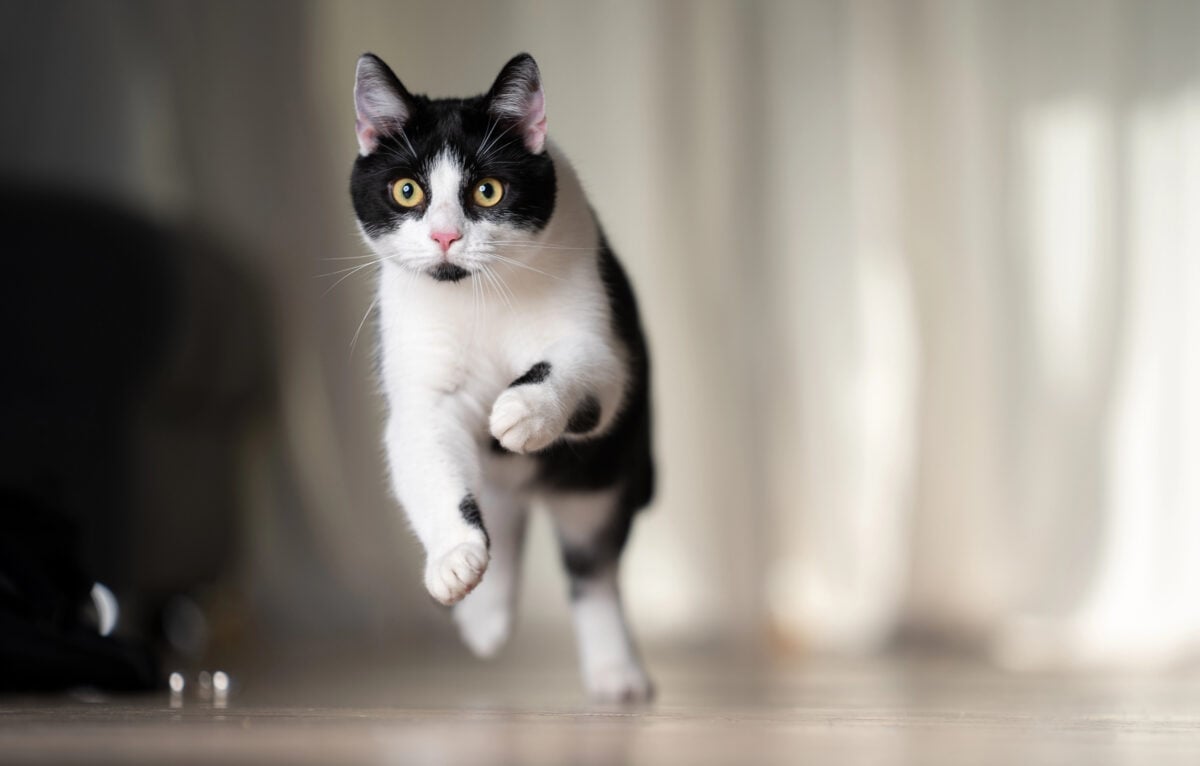
But while cat zoomies are usually normal, they are not always random. These sudden bursts of energy can be tied to play, hunting instincts, boredom, litter box relief, nighttime routines, or even discomfort.
So how do you know whether your cat is just burning off steam or trying to tell you something?
Let’s decode the chaos.
What Are Cat Zoomies?
“Zoomies” is the charming nickname for frenetic random activity periods or FRAPs, those sudden bursts of wild energy when your calm, dignified cat transforms into a furry missile. One minute, they’re lounging like royalty; the next, they’re sprinting full-speed through every room in your house, eyes wide, tail puffed, and logic out the window.
In simple terms, zoomies are short bursts of energy. They often look dramatic, but in many cats, they are a normal way to release excitement, instinct, or pent-up energy.
Are Cat Zoomies Normal?
Yes, cat zoomies are usually normal. Those sudden hallway sprints, couch launches, sideways hops, and wild-eyed laps around the house are often just your cat’s way of burning off extra energy.
Many cats get zoomies after a nap, after using the litter box, during playtime, or late at night when their natural hunting instincts kick in. Indoor cats may be especially prone to these dramatic energy bursts because they do not always have enough chances to chase, climb, stalk, and pounce during the day.
Most zoomies are nothing to worry about if your cat seems happy, playful, and relaxed afterward. A normal zoomie episode is usually short, energetic, and harmless. Your cat may sprint through the house, flop, licensed via the floor, groom themselves, and then act as if nothing happened.
Pay closer attention if the behavior is new, extreme, suddenly more frequent, or paired with signs like crying, hiding, overgrooming, twitching skin, appetite changes, or litter box problems. In those cases, your cat may be dealing with stress, discomfort, or a health issue.
Why Is My Cat Racing Around the House?
Because they’re a cat, and cats occasionally abandon reason for chaos. When your sweet, sleepy companion suddenly explodes into motion, it is often their body’s way of saying, “Too much energy. Must zoom now.”
These spontaneous sprints help cats burn energy, shake off boredom, and flex their inner athlete. Sometimes they are triggered by the litter box, a random sound, a play session, or a mysterious burst of excitement only your cat understands.
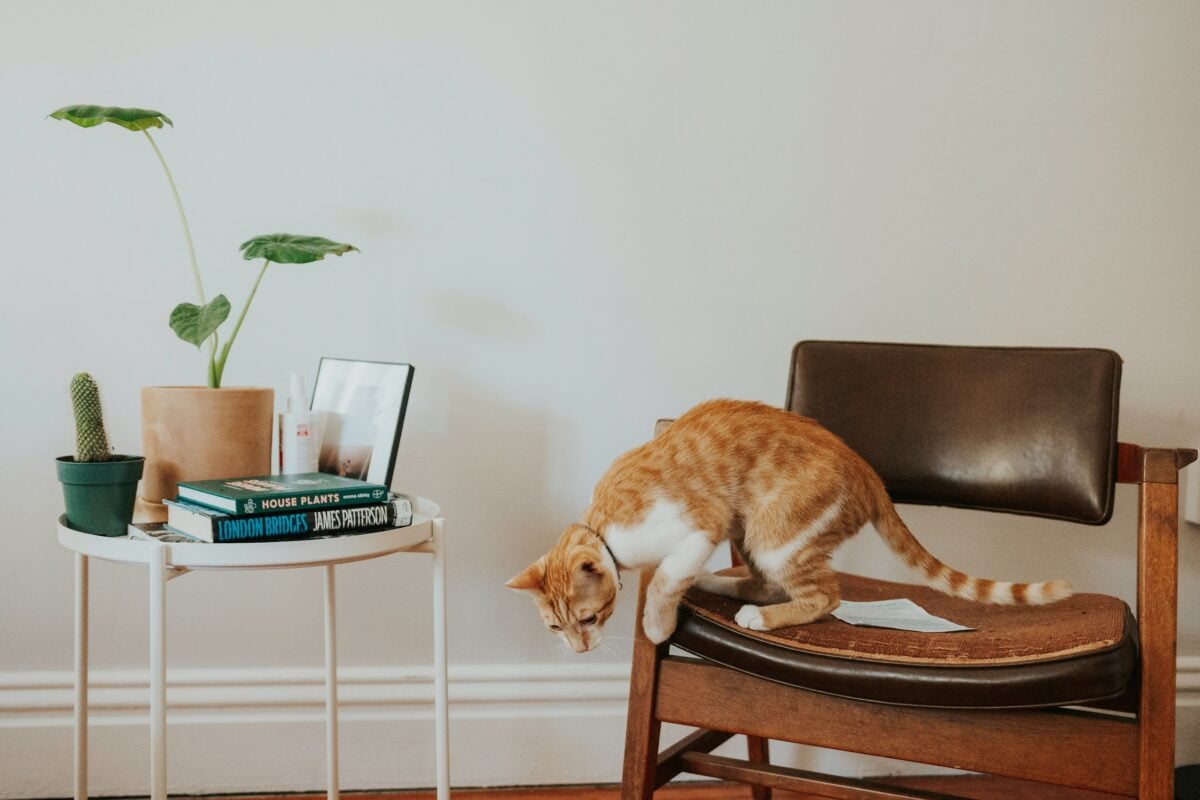
So when your cat darts through the house like a caffeinated toddler, don’t worry. It’s not mischief. It’s maintenance.
Common Cat Zoomie Behaviors
If you’ve ever wondered whether your cat’s wild sprint qualifies as a true case of the zoomies, here are some tell-tale signs:
- Sudden, explosive speed: One second, they’re napping. Next thing you know, they’re sprinting as if they’ve just remembered an urgent appointment in the kitchen.
- Sideways crab-runs: Bonus points if the tail is puffed to triple size and they look both terrified and thrilled at the same time.
- Wild eyes and half-pounced poses: Think “tiny lion who just spotted invisible prey.”
- Lap-around-the-house marathons: Furniture, curtains, and your dignity are all fair game.
- The random stop-and-stare: They’ll freeze mid-run, eyes dilated, as if pondering the meaning of life, and then take off again.
- Invisible enemy combat: Some cats throw in a few air swats or back-arched hops for dramatic effect.
Most zoomie sessions last only a few minutes, even if they look like total chaos. Once the burst passes, many cats collapse in a heap and carry on, as if nothing happened.
Cat Chaos Compilation: Zoomies in Action
If you still needed proof that zoomies are real, ridiculous, and occasionally gravity-defying, this compilation delivers. From hallway sprints to furniture launches, surprise skids, wall bounces, and full-blown living room parkour, these cats show exactly what zoomie chaos looks like in motion.
Why Do Healthy Cats Get the Zoomies?
If your cat suddenly tears through the house like they are being chased by invisible forces, there is usually a perfectly normal reason behind the chaos. Most zoomies are short bursts of energy, instinct, or excitement, especially in cats who spend their days indoors.
Here are the most common reasons healthy cats hit turbo mode.
1. They Are Releasing Pent-Up Energy
Indoor cats do not always get enough chances to climb, chase, stalk, and pounce throughout the day. When that energy builds up, it has to go somewhere.
Sometimes, that “somewhere” is across your couch, down the hallway, over the rug, and directly past your ankles at top speed.
Regular play sessions, cat trees, scratching posts, and puzzle toys can help give that energy a healthier outlet before it turns into a midnight racetrack.
2. They Just Used the Litter Box
Many cats bolt out of the litter box like they just escaped a crime scene. These post-potty sprints are often called poop zoomies, and they are usually harmless when your cat is eating, drinking, peeing, and pooping normally. We’ll dig into this strange little ritual more below.
3. Their Hunting Instincts Kick In
Zoomies can look random, but they often mimic parts of the feline hunting cycle. Your cat may sprint, freeze, pivot, pounce, and then take off again like they are chasing prey, only they can see.
Even if the target is a dust bunny, a shadow, or absolutely nothing, your cat’s brain is still wired for the thrill of the hunt.
This is why wand toys, feather teasers, tunnels, and chase games are so helpful. They let your cat act out those natural instincts in a safer, more satisfying way.
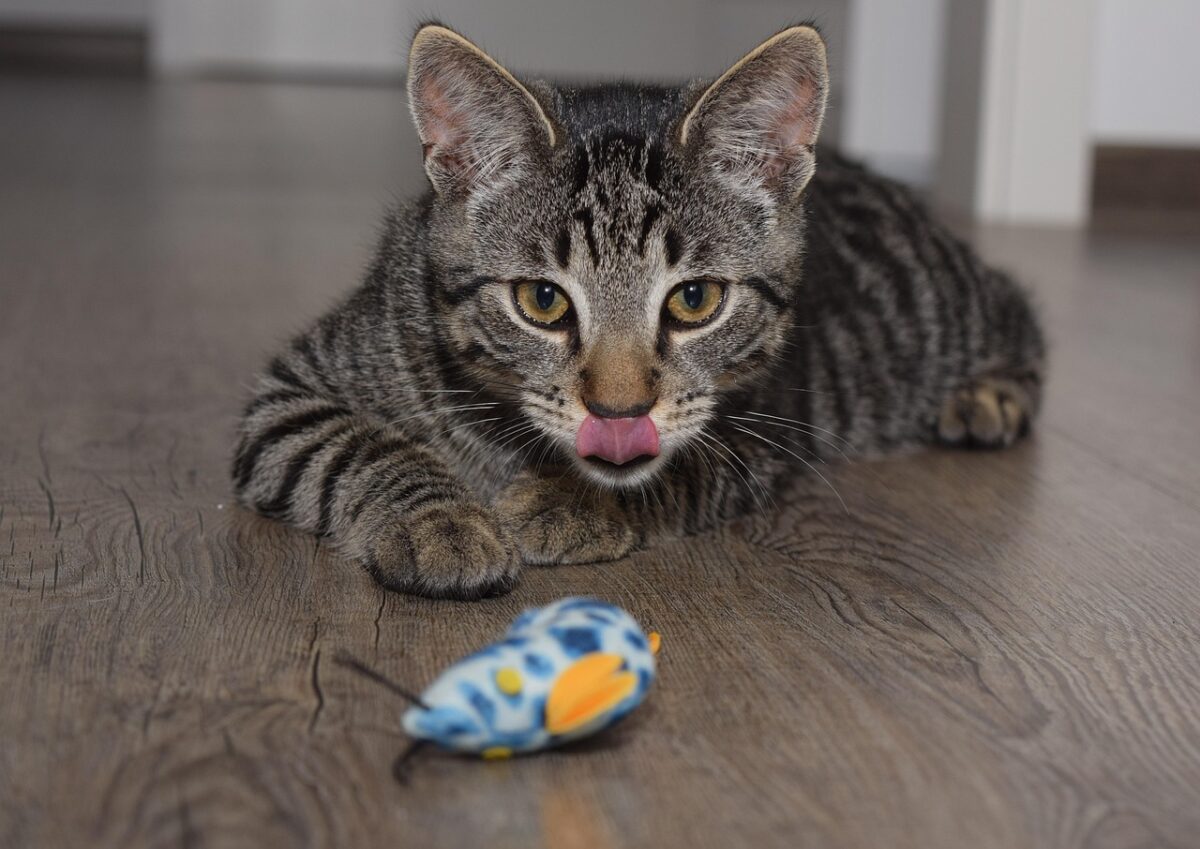
4. They Are Riding Playtime Momentum
Sometimes a fun play session does not end when you think it ends.
Your cat may chase the toy, catch it, flop over, and then suddenly launch into another lap around the house. That extra burst is often just excitement spilling over.
Healthy, happy cats may run simply because it feels good. Think of it as your cat’s version of a victory lap.
5. They Are Relieved, Excited, or Just Feeling Good
Not every zoomie needs a deep explanation. Some cats get a sudden spark of energy after a nap, a meal, a grooming session, or a moment of affection.
As long as your cat seems relaxed afterward and the behavior is not paired with distress, zoomies are often just part of a normal, playful cat routine.
We’ll cover medical red flags in more detail below, but sudden changes, signs of pain, or litter box trouble are always worth taking seriously.
Why Cats Get Zoomies After Using the Litter Box
Some cats exit the litter box like they just pulled off a bank heist.
One second, they are calmly doing their business. In a split second, they are rocketing down the hallway, pupils wide, tail high, and dignity nowhere to be found.
These post-potty sprints are often called poop zoomies, and in many cats, they are completely normal.

Some experts suspect that the post-litter box dash may be linked to physical relief, stimulation, or an instinctive urge to move away from a strong scent. Whatever the exact trigger, many cats seem to treat a successful bathroom trip like a reason to celebrate.
They May Feel Instant Relief
Using the litter box can create a sudden sense of physical relief, especially after a bowel movement.
That “all done” feeling may trigger a quick burst of energy, like your cat is celebrating a successful mission.
They May Want to Leave the Smell Behind
Cats are both predators and prey in the wild. Scent matters.
After using the bathroom, some cats may instinctively move away from the smell as quickly as possible. Even indoor cats can carry that old survival wiring, which may explain the dramatic sprint away from the box.
They May Be Excited or Overstimulated
For some cats, the litter box is oddly energizing.
The digging, scratching, covering, and stepping out of the box can create a little burst of stimulation. Add in relief, scent, and a sudden change in body sensation, and you get a full-speed hallway launch.
They May Just Be Feeling Good
This is cats we are talking about.
Sometimes the answer is not deep. Sometimes your cat poops, feels fantastic, and decides the only appropriate response is parkour.
When Post-Litter Box Zoomies Are Not Normal
Poop zoomies are usually harmless if your cat is eating, drinking, peeing, pooping, and acting normally.
But pay close attention if the sprinting seems frantic, painful, or different from your cat’s usual routine.
Call your veterinarian if you notice:
- Straining in the litter box
- Crying, growling, or yowling while trying to pee or poop
- Repeated trips to the box with little or nothing produced
- Blood in the urine or stool
- Diarrhea or constipation
- Excessive licking around the rear or urinary area
- Hiding, appetite changes, vomiting, or lethargy
In those cases, your cat may not be doing a victory lap. They may be trying to escape discomfort.
Bottom line: a quick sprint after the litter box is often just a strange but normal cat habit. A sudden change, repeated straining, or signs of pain warrant a call to the vet.
Why Cats Get Zoomies at Night
Cats are crepuscular, which means they are naturally wired to be most active around dawn and dusk.
That timing is adorable in theory.
In practice, it means your bedtime can line up perfectly with your cat’s internal hunting schedule. While you are turning off the lights, your cat’s brain may be switching on:
“Perfect. Time to chase imaginary prey down the hallway.”

Nighttime zoomies usually happen for a few simple reasons:
Their Body Clock Says “Go”
Your cat may look like a sleepy loaf all afternoon, but their instincts still follow a hunter’s rhythm. Evening is often when cats feel most alert, playful, and ready to move.
They Have Energy Left to Burn
Domestic cats sleep an average of 12 to 16 hours a day. That leaves plenty of stored energy for sudden bursts of chaos, especially if they spent most of the day lounging indoors.
They Are Bored
A cat who has not had enough play, climbing, chasing, or mental stimulation may wait until the house gets quiet to create their own entertainment.
Unfortunately, their idea of entertainment may involve sprinting across your bed, launching off the couch, or attacking a rug corner like it threatened to take their dinner.
The House Becomes a Racetrack
At night, the home is quieter. Fewer people are moving around. The lights are low. Distractions are gone.
Nighttime zoomies are usually a mix of instinct, stored energy, and opportunity. Your cat’s body clock says “go,” the house is quiet, and there are fewer distractions. The good news: you can often shift that energy earlier with a better evening routine.
The Midnight Zoomies Survival Guide: How to Survive 3 A.M. Cat Chaos
If your cat’s zoomies always seem to hit around 3:00 AM, there is a reason. Cats are naturally more active around dawn and dusk, but indoor cats can push that energy into the middle of the night when their days are too quiet, too predictable, or too nap-heavy.
The goal is not to erase the zoomies completely. That would be like asking a cat not to be a cat.
The goal is to move the chaos to a better time, preferably one that does not involve your cat using your ribcage as a launchpad.
Why Your Cat Wakes Up Ready to Party
Your cat may be sleeping while you work, clean, run errands, or stare blankly into the fridge. By the time you are ready for bed, they may be rested, bored, and fully prepared to become the household cryptid.
Nighttime zoomies often happen because your cat slept most of the day, did not get enough active play, feels hungry, expects food, or has learned that waking you gets a reaction. Their natural hunting instincts may also kick in before dawn, when your home is quiet, and every hallway suddenly feels like a racetrack.
In other words, your cat may not be trying to ruin your sleep. They may simply have a full battery and terrible scheduling.
Create a Pre-Bedtime Play Routine
A good bedtime routine starts before your head hits the pillow.
About 20 to 30 minutes before bed, give your cat a focused play session that mimics a real hunt. Use toys that dart, skitter, or roll unpredictably so your cat can stalk, chase, pounce, catch, and finally wind down.
Start slowly by moving a wand toy around furniture, under a blanket edge, or behind a corner. Let your cat watch, crouch, and plan their attack. Once they are locked in, speed things up with quick movements across the floor, around a chair, or through a tunnel.
Do not make the game impossible. Cats can get frustrated if they never get the satisfaction of a successful catch. Let them grab the toy several times, then slow the movement down toward the end of the session.
After playtime, offer a small meal or snack. This follows the natural feline rhythm:
hunt → catch → eat → groom → sleep
This routine will not turn your cat into a perfect angel, but it can help take the edge off those middle-of-the-night energy bursts.
Time Dinner Strategically
Feeding time can make a big difference in nighttime behavior.
If your cat eats dinner too early, they may wake up hungry before morning. If they graze all day and nap constantly, they may have no reason to follow a more active daytime rhythm.

Try shifting part of their evening meal closer to bedtime, especially after a play session. This can help your cat settle into a fuller, calmer state before everyone goes to sleep.
For cats who wake you up demanding breakfast, an automatic feeder may help break the connection between you waking up and food appearing.
That part matters.
If your cat learns that yelling at 4:47 AM makes you stumble into the kitchen and serve breakfast, congratulations. You have been trained.
An automatic feeder can move that job to a machine, which is far less vulnerable to feline manipulation.
If meal timing changes come with vomiting, scarf-and-barf episodes, or morning stomach upset, this guide on why a cat throws up after meals can help you spot feeding issues that may need a different approach.
Use Puzzle Feeders and Treat Toys Overnight
Some cats need more than one evening play session to stay busy. Puzzle feeders and treat-dispensing toys can give them a quiet activity that does not require you to be awake.
These tools make your cat work for a small portion of food, which adds mental stimulation and slows down eating.
Good overnight options include puzzle feeders, treat balls, lick mats, snuffle mats, hidden kibble stations, and slow feeders.
For cats who wake up because they are bored, these can be especially helpful. Instead of inventing their own entertainment at 3:00 AM, they have a job.
Ideally, that job does not involve knocking your water glass off the nightstand.
Do Not Reward the Wake-Up Routine
This is the hard part.
When your cat wakes you up, your sleepy brain wants the fastest possible solution. You may pet them, talk to them, feed them, toss a toy, open the bedroom door, or whisper threats you do not mean.
To your cat, that is all encouragement.
Even negative attention can teach them that nighttime chaos gets a response. If your cat is safe and not showing signs of distress, keep your reaction as boring as possible.
Avoid rewarding 3:00 AM wakeups with food, treats, playtime, petting, talking, chasing, or opening doors after they scratch or yell.
The more excited you become, the more likely your cat is to repeat the behavior.
Make the Bedroom Boring
If your bedroom is part obstacle course, part snack bar, and part emotional support station, your cat may see it as the main event.
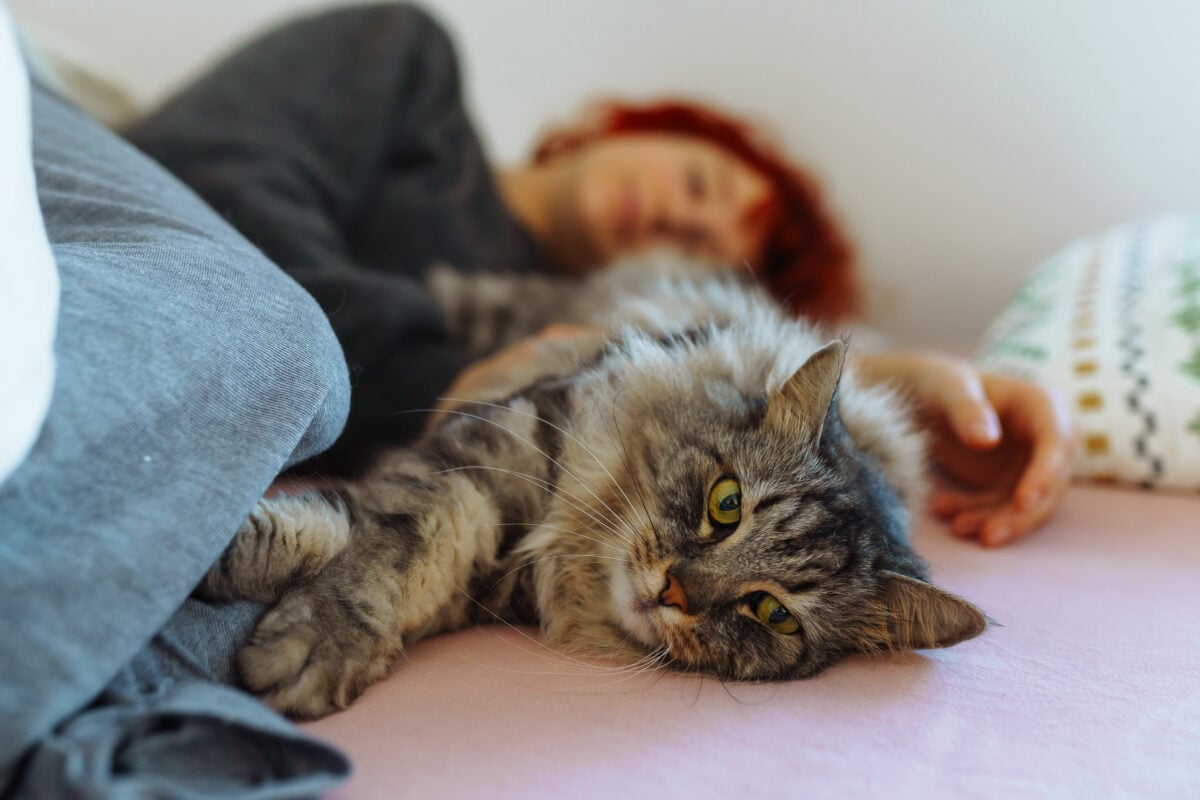
Before bed, remove the obvious temptations. Put away crinkly bags, cords, and small objects. Move breakables off nightstands. Keep food out of the bedroom. Close closet doors if your cat likes to explore. Offer a cozy sleeping spot away from the main traffic path.
Some cats sleep better with access to the bedroom. Others do better with a separate cozy space, especially if they use your bed as a trampoline.
The right setup depends on your cat, your home, and how much sleep you are currently losing.
If your cat seems anxious when the house goes quiet, small changes like dim lighting, a predictable routine, or a safe sleeping area may help. Here’s more on what can happen when cats are left in a dark house.
How Long Does It Take to Reset the Habit?
A nighttime zoomie routine usually does not change overnight.
Many cats need one to three weeks of consistency before the new pattern starts to stick. Some adjust sooner. Stubborn cats, highly energetic cats, and cats who have been rewarded for nighttime wakeups may take longer.
The key is consistency.
If you ignore the 3:00 AM yelling six nights in a row but feed your cat on the seventh because you are exhausted, your cat may learn to try even harder next time.
That does not mean you failed. It just means your cat is an excellent negotiator.
Stick with the routine as much as possible:
more daytime enrichment → active evening play → food after play → boring overnight responses
That pattern gives your cat a clearer schedule and fewer reasons to treat your sleep cycle like a personal challenge.
When 3 A.M. Activity Is a Red Flag
Most midnight zoomies are normal, especially if your cat is playful, alert, and relaxed afterward. But sudden nighttime pacing, crying, hiding, confusion, increased thirst, weight loss, repeated litter box trips, or trouble jumping can point to something more serious.
Senior cats deserve extra attention. Nighttime vocalizing, restlessness, or disorientation can sometimes be linked to pain, vision changes, hearing loss, thyroid disease, high blood pressure, or cognitive dysfunction.
If the behavior is new, intense, or paired with physical changes, check with your veterinarian rather than trying to train it away.
Cat Zoomies by Age: Kittens, Adults, and Senior Cats
Cat zoomies can look different depending on your cat’s age. A kitten tearing through the house like a wind-up toy is usually very different from a senior cat suddenly pacing, crying, or sprinting at night.
Age does not explain every zoomie episode, but it can help you understand what is normal, what needs more enrichment, and what may deserve a closer look.
Kitten Zoomies: Tiny Chaos With Endless Energy
Kittens are basically tiny athletes with no schedule, no impulse control, and a deep commitment to attacking things that do not move.
Frequent zoomies are usually normal in kittens. They are growing fast, building coordination, practicing hunting skills, and learning how their bodies work.
This is why a kitten may sprint across the room, launch sideways into a toy, climb the furniture, and then collapse into a nap like they have completed a full Olympic event.
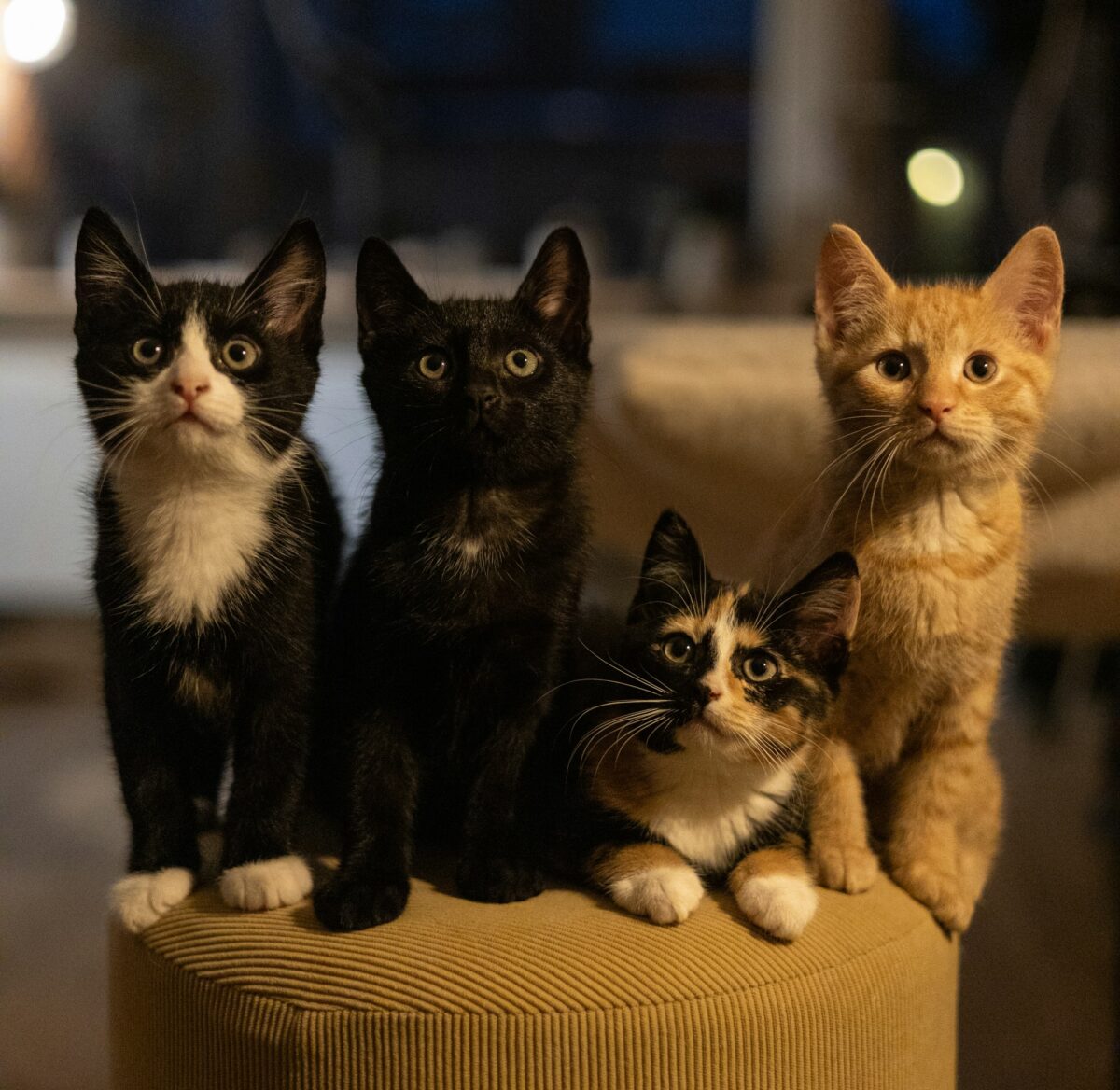
Kitten zoomies often happen after naps, meals, litter box trips, or short bursts of play. Because kittens have small bodies and big energy, their activity may come in fast, dramatic waves.
To keep kitten zoomies safer, give them plenty of appropriate outlets. Wand toys, soft balls, tunnels, scratching posts, climbing spaces, and short play sessions throughout the day can help burn energy without turning your curtains into a ladder.
Pay attention if your kitten seems frantic rather than playful, cannot settle, cries during activity, limps, hides, stops eating, or has litter box trouble.
Adult Cat Zoomies: Routine, Boredom, and Pent-Up Instincts
Adult cats may look calmer than kittens, but they still need daily chances to stalk, chase, climb, scratch, and pounce. When those needs are not met, the energy can burst out all at once.
Adult cat zoomies often show up after long naps, before mealtimes, after using the litter box, during evening hours, or after a short play session gets them fired up. For many healthy adult cats, these bursts are normal and brief.
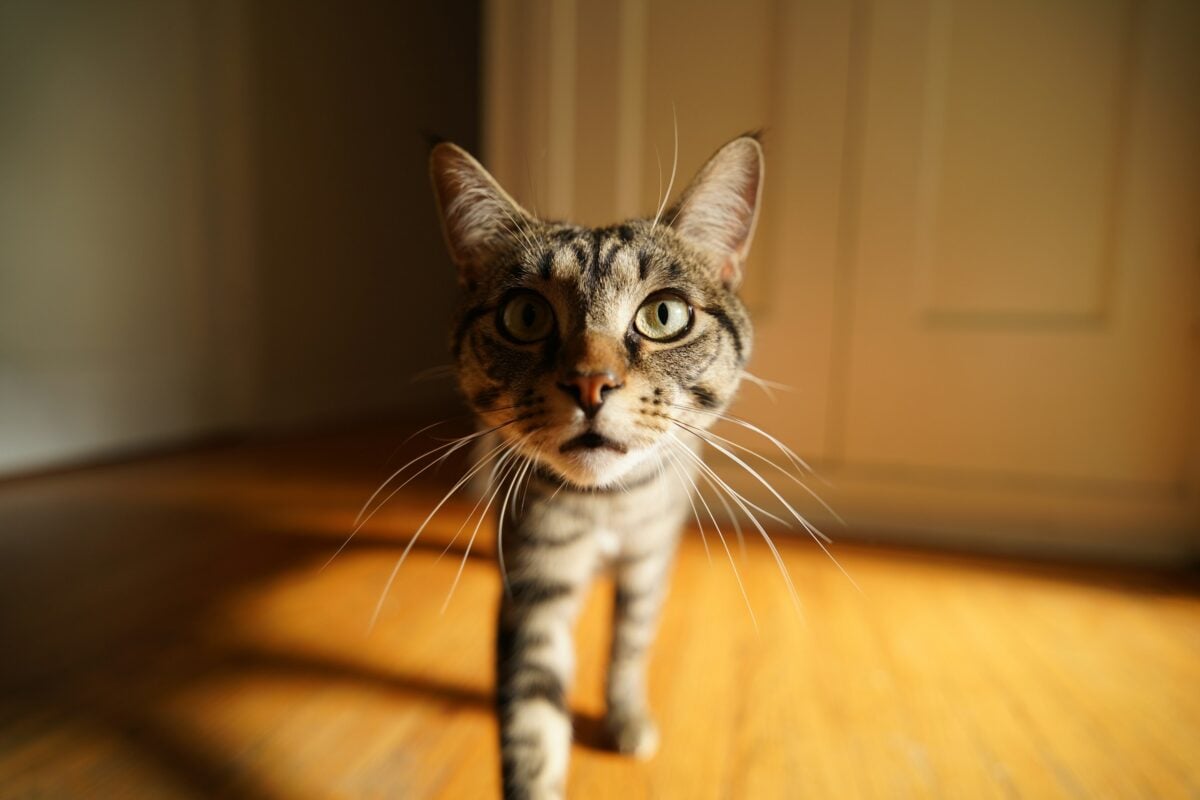
The biggest trigger for adult cats is often boredom. Indoor life is safe and comfortable, but it can also be predictable. If your cat spends most of the day sleeping, watching the same window, and waiting for you to finish work, they may create their own excitement after dark.
A predictable routine can help. Try giving your adult cat active play before meals, vertical space for climbing, scratching surfaces, rotating toys, and food puzzles that make them work for part of their meal.
Adult zoomies are usually not concerning if your cat acts normally afterward. Sudden aggression, fear, litter box issues, appetite changes, vomiting, limping, or overgrooming are worth a closer look.
Senior Cat Zoomies: When Nighttime Restlessness Needs Attention
Senior cats can still get the zoomies. A playful older cat may have a quick burst of energy, bat a toy across the floor, or surprise everyone with a sudden hallway sprint.
That said, new or unusual nighttime activity in a senior cat deserves more attention than the same behavior in a kitten or young adult.
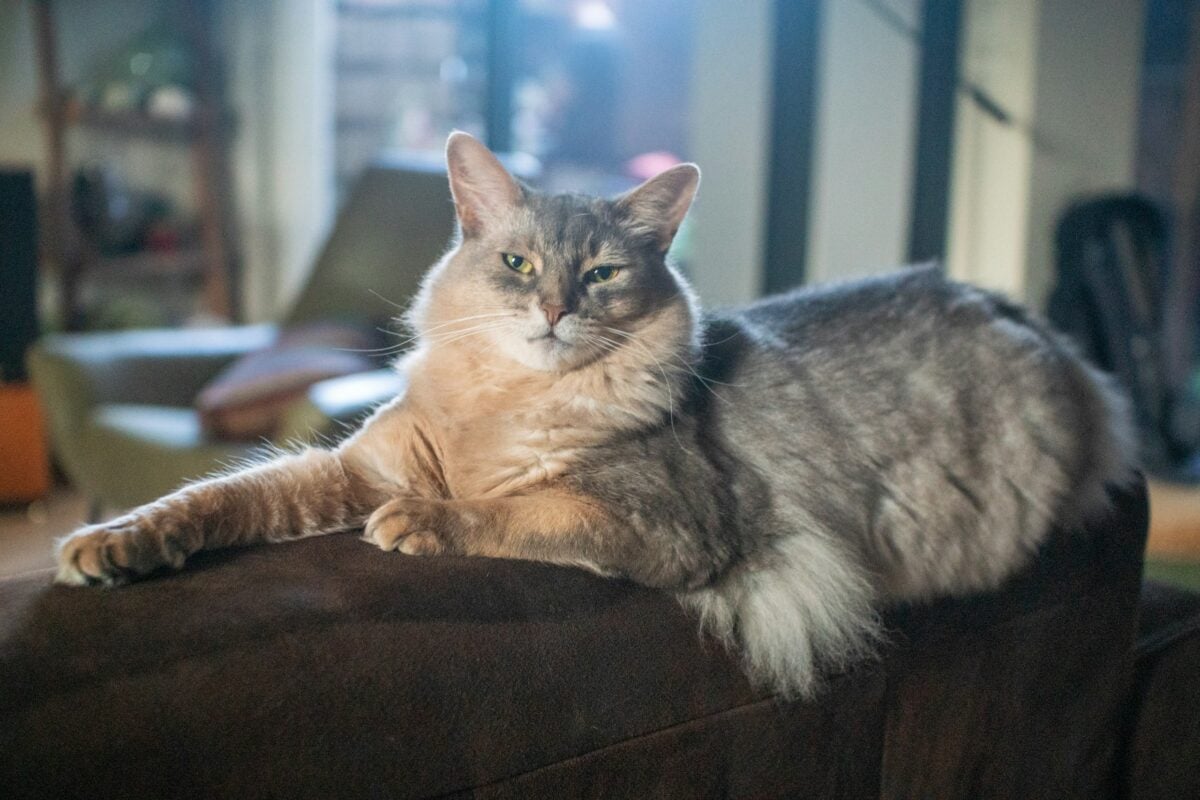
In older cats, sudden pacing, crying, confusion, restlessness, or frantic movement may be linked to something other than playful energy. Pain, arthritis, vision changes, hearing loss, high blood pressure, thyroid disease, anxiety, or cognitive changes can all affect nighttime behavior.
Senior cats may also become more active at night if they are uncomfortable, hungry, disoriented, or having trouble settling. What looks like zoomies may actually be pacing, agitation, or an attempt to get help.
Call your veterinarian if your senior cat’s nighttime activity is new, frequent, or paired with signs like weight loss, increased thirst, increased hunger, yowling, bumping into objects, hiding, trouble jumping, litter box changes, or confusion.
For healthy senior cats who still enjoy the occasional zoom, keep play gentle and predictable. Soft toys, low climbing surfaces, easy-access beds, warm resting spots, and short interactive play sessions can help them stay active without overdoing it.
Quick Age-Based Zoomie Guide
Here is a quick breakdown of what zoomies can look like at different life stages and when they may deserve a closer look.
| Cat Age | What’s Often Normal | When to Pay Attention |
|---|---|---|
| Kitten | Frequent sprints, pouncing, climbing, wrestling, and sudden naps | Constant agitation, limping, crying, not eating, hiding, or litter box trouble |
| Adult Cat | Short bursts after naps, meals, play, or litter box use | Sudden changes, aggression, fear, vomiting, appetite changes, or litter box symptoms |
| Senior Cat | Occasional playful bursts or short, gentle zoomies | Night pacing, yowling, confusion, weight loss, increased thirst, pain, or disorientation |
Bottom line: kittens usually zoom because they are growing, learning, and bursting with energy. Adult cats often zoom because they need more play, routine, or stimulation. Senior cats can still have playful bursts, but new nighttime restlessness, crying, confusion, or sudden behavior changes should be checked by a veterinarian.
Cat Zoomies vs. Feline Hyperesthesia: How to Tell the Difference
Most cat zoomies are playful, harmless bursts of energy. Your cat sprints down the hallway, launches over the furniture, skids around a corner, and then curls up for a snooze as if nothing happened.
If your cat suddenly twitches, bites at their back, attacks their tail, vocalizes, or runs as if something startled or hurt them, it may be worth looking closer.
One condition that can sometimes be confused with zoomies is Feline Hyperesthesia Syndrome, sometimes called twitchy cat syndrome. Hyperesthesia means increased sensitivity, and in cats, it often affects the skin along the back, especially near the base of the tail.
This does not mean every weird sprint is a medical emergency. Cats are weird. That is part of the contract. But knowing the difference between normal zoomies and possible discomfort can help you decide when to laugh, when to redirect, and when to call your veterinarian.
Normal Zoomies vs. Possible Feline Hyperesthesia
Here is a quick side-by-side look at normal cat zoomies versus signs that may point to Feline Hyperesthesia Syndrome.
| Normal Cat Zoomies | Possible Feline Hyperesthesia |
|---|---|
| Usually playful and brief | Episodes may look frantic, tense, or distressed |
| Often happens after rest, play, meals, or litter box use | May happen after touching, petting, or scratching the back |
| May run, jump, skid, pounce, or bounce off furniture | May twitch, ripple their skin, whip around, or stare at their back |
| Usually recovers quickly and acts normally afterward | May seem agitated, vocal, fearful, or hard to redirect |
| Often improves with more play, enrichment, and routine | Needs veterinary evaluation to rule out pain, skin problems, fleas, seizures, or neurological issues |
What Normal Zoomies Usually Look Like
Normal zoomies tend to look like sudden, silly bursts of movement. Your cat may sprint from room to room, leap onto furniture, pounce at shadows, or skid across the floor with wild eyes.
The key difference is that normal zoomies usually look playful. Your cat may seem energized, excited, or mischievous, but not panicked or in pain. Once the burst passes, they typically go back to grooming, lounging, eating, or pretending they did absolutely nothing unusual.
These episodes are especially common after naps, after using the litter box, during evening play, or when an indoor cat has extra energy to burn.
What Feline Hyperesthesia Can Look Like
Feline Hyperesthesia Syndrome can look more intense than ordinary zoomies. A cat may suddenly twitch or ripple the skin along their back, especially near the base of the tail. They may whip around as if something touched them, bite or lick at their back or flank, chase or attack their tail, vocalize, or dash away as if startled.
Some cats also seem unusually sensitive when touched along the back. A petting session that normally feels good may suddenly trigger irritation, twitching, or frantic movement.
Because these signs can overlap with other problems, it is important not to assume your cat has hyperesthesia based on one strange episode. Fleas, allergies, skin irritation, pain, spinal issues, anxiety, and seizure-like disorders can create similar behaviors.
When Twitching, Tail-Chasing, or Skin Rippling Is a Red Flag
A single odd sprint may not mean much, especially if your cat quickly returns to normal. But repeated episodes deserve attention.
Call your veterinarian if you notice signs like:
- Rippling or twitching skin along the back
- Sudden biting, licking, or chewing at the back, flank, or tail
- Tail-chasing that seems frantic or aggressive
- Yowling, growling, or distressed vocalizing during episodes
- Dilated pupils, agitation, or a startled appearance
- Sensitivity when touched near the lower back or base of the tail
- Episodes that are becoming more frequent or intense
- Self-injury, hair loss, scabs, or irritated skin
- Sudden behavior changes, hiding, aggression, or fearfulness
These signs do not automatically mean your cat has Feline Hyperesthesia Syndrome, but they do mean your cat should be checked. Your veterinarian can look for more common causes first, including fleas, allergies, skin infections, pain, arthritis, or neurological concerns.
Why a Vet Visit Matters
Feline Hyperesthesia Syndrome is not something to diagnose at home. It is usually considered after other possible causes have been ruled out.
If your cat’s “zoomies” look distressed, painful, or compulsive, take a short video of the episode and show it to your veterinarian. A video can help your vet see the difference between playful chaos and behavior that may be linked to discomfort or a medical condition.
Bottom line: normal zoomies look playful, brief, and harmless. Possible hyperesthesia episodes may involve skin twitching, tail attacking, back sensitivity, vocalizing, or frantic behavior that seems distressing. When in doubt, record what you are seeing and ask your veterinarian.
How to Channel Your Cat’s Inner Chaos Into Healthy Fun
Zoomies are often your cat’s way of saying, “I have too much energy and nowhere to put it.” The best way to reduce the chaos is to make sure your feline friend has plenty of ways to play, climb, and explore throughout the day.
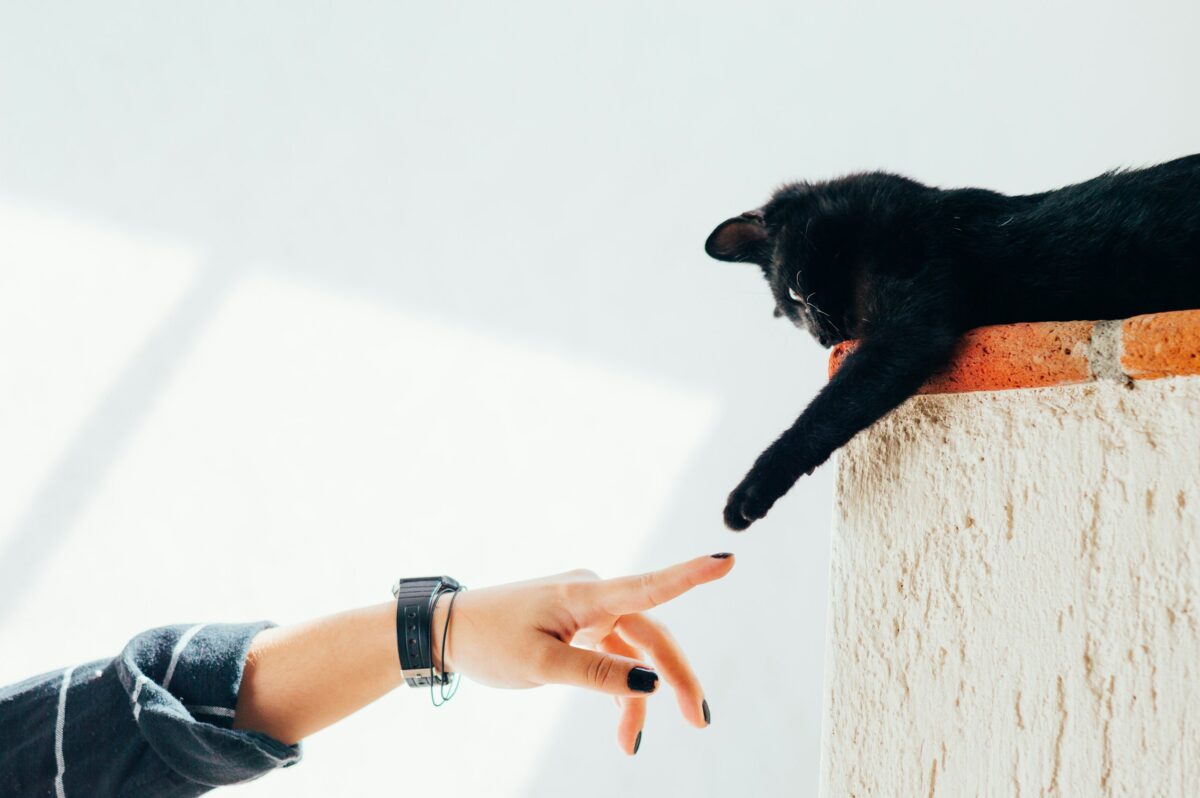
Start by giving them something to watch. A simple window perch overlooking a bird feeder, tree, or busy street can keep a cat entertained for hours. Think of it as high-definition Cat TV. Many owners even set up “bird buffets” outside, just a few seeds or a suet feeder, to keep their indoor cats visually engaged and mentally sharp.
Next, give them room to climb. Cats are natural acrobats who love vertical space. A tall cat tree, wall shelves, or even a repurposed bookcase offers the perfect place to stretch, scratch, and supervise their humans from above. Climbing not only burns energy but also helps reduce stress and boredom.
Interactive toys are another game-changer. Wand teasers, laser pointers, and motion-activated toys mimic the thrill of hunting. To keep things fresh, rotate toys every few days so your cat doesn’t lose interest. Remember, even a simple cardboard box can become an epic adventure with a curious cat and a little imagination.
One-on-one playtime is equally important. Short, focused sessions—five to ten minutes, a few times a day—help your cat bond with you while burning energy in a healthy way. Try ending each session with a small treat to mimic the “catch and feast” that would follow a successful hunt in the wild.
Mental enrichment matters too. Puzzle feeders and treat-dispensing toys encourage your cat to think and move, keeping both their mind and body busy. These activities turn mealtime into a mini hunting mission, which is deeply satisfying for their instincts.
And finally, don’t underestimate the power of good nutrition. A balanced diet helps maintain steady energy levels and supports overall health. Cats who feel physically well are less prone to restless behavior, stress, or erratic zoomies.
What Not to Do During Zoomies
When your cat’s doing laps like they’re auditioning for Fast & Furious: Feline Drift, resist the urge to chase or yell. That’ll only ramp up their adrenaline or make them think you’ve joined the race.
Avoid:
- Trying to stop them mid-zoomie: You’re more likely to get scratched or startled than to be successful. Let it play out.
- Punishing or scolding: Zoomies aren’t bad behavior; they’re instinct. Redirect, don’t reprimand.
- Picking them up mid-sprint: That’s like grabbing a running athlete; they’ll panic, twist, and possibly nip.
- Overstimulating play: While you want to help them burn energy, too much rough play right before bed can backfire. Gentle chase toys are your friend here.
The goal isn’t to stop the zoomies, but to make them safe, short, and slightly less destructive. The calmer you stay, the faster your cat will, too.
Good to Know:
One feline research study found that cats who engaged in regular, active play and interactive games scored significantly higher in overall quality of life. In other words, the more chances cats had to chase, pounce, and play with their humans, the happier and more balanced they were. Researchers noted that daily interactive play isn’t just fun; it helps reduce stress, maintain a healthy weight, and strengthen the bond between cat and owner.
When to Call the Vet
Most zoomies are harmless, especially when your cat seems playful and relaxed afterward. But certain patterns are worth a closer look. Use this section as your quick gut check for when zoomies may be more than ordinary cat chaos.

Contact your vet if you notice:
- Repeated or distressing zoomies that seem triggered by pain, fear, or confusion.
- Zoomies that seem focused on one area of the body, such as the tail or back, especially with biting, licking, or scratching.
- Changes around the litter box—such as straining, crying, or sudden avoidance — can signal digestive or urinary issues.
- Signs of illness such as vomiting, loss of appetite, overgrooming, or sudden lethargy after a zoomie session.
- Senior cats acting disoriented during zoomies, pacing, or bumping into things afterward.
Healthy zoomies end in a satisfied flop. If your cat’s sprints look more like distress signals than celebration, a quick vet visit can help keep their zooms happy and you worry-free.
Frequently Asked Questions About Cat Zoomies
Still curious about your cat’s sudden bursts of chaos? If we didn’t cover your specific question, or if your cat’s zoomies come with their own brand of mayhem, drop it in the comments. We love hearing your stories (especially the wall-climbing kind).
Why does my cat get zoomies right after using the litter box?
Many cats get a quick burst of energy after using the litter box. It may come from relief, excitement, or an instinctive urge to move away from the scent. If your cat is eating, drinking, peeing, and pooping normally, post-potty zoomies are usually harmless. If they cry, strain, make repeated trips, or seem uncomfortable, check with your vet.
How do I know if my cat has zoomies or Feline Hyperesthesia Syndrome?
Normal zoomies usually look playful and brief. Feline Hyperesthesia Syndrome may involve skin rippling, back twitching, tail biting, sudden vocalizing, or frantic running that seems distressed rather than fun. These signs can also be linked to fleas, pain, allergies, or neurological issues, so repeated episodes should be checked by a veterinarian.
Can too much energy cause bad behavior?
Absolutely. When cats do not get enough stimulation, that pent-up energy can spill over into scratching furniture, knocking things off counters, ambushing ankles, or zooming through the house at 3 a.m. What feels like “bad” behavior is often your cat looking for an outlet.
If your cat’s antics are starting to test your patience, it may help to look at the bigger pattern behind the behavior. Some of those annoying cat habits can be signs that your feline needs more play, enrichment, routine, or attention at better times of day.
Why does my cat get zoomies after I go to bed?
Because your bedtime is their party time. Cats are hardwired to hunt at dawn and dusk. To minimize nighttime madness, tire them out before bed with toys that let them chase and pounce, then offer a small snack. Full bellies and spent energy = better sleep for both of you.
Is it true that some cats get zoomies after grooming?
Yes! Licking stimulates nerve endings, and sometimes that sensory overload tips into a quick case of the zoomies. It’s the feline equivalent of a post-shower energy rush. Totally normal, unless it turns into excessive licking or self-biting.
Do calming diffusers help with cat zoomies?
Sometimes, yes, especially if your cat’s zoomies are driven by stress or anxiety rather than play. Calming diffusers release synthetic pheromones that mimic the ones cats naturally produce to mark safe, familiar spaces. Products like these can help reduce tension in multi-cat homes or during big changes like moving, remodeling, or adding a new pet.
That said, diffusers won’t stop healthy, playful zoomies. They’re designed to create a sense of calm, not to suppress normal bursts of energy. Think of them as mood smoothers, not energy switches.
Can CBD help calm cat zoomies?
CBD should not be the first solution for normal cat zoomies. Research in cats is still limited, and product quality varies. If your cat’s zoomies seem stress-related, start with play, enrichment, routine, and a vet conversation. Only use pet-specific, THC-free, third-party-tested CBD with your veterinarian’s guidance.
Catnip may be a better first step for some cats, but it does not calm every feline. Some cats relax after catnip, while others get more playful and energized, so test it during the day before using it as part of a bedtime routine.
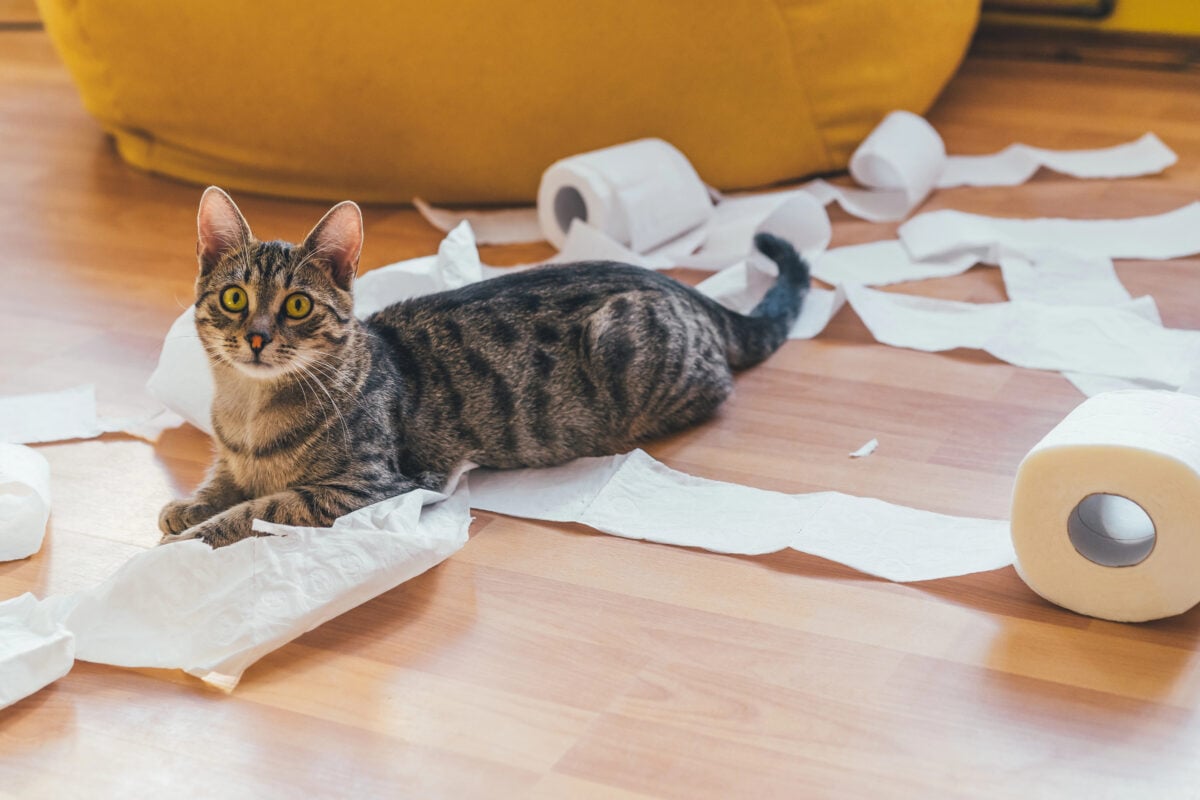
From Zoomies to Slow Blinks: Decoding Your Cat’s Quirks
Zoomies are only one piece of the wonderfully weird cat-behavior puzzle. Once you start paying attention, you’ll notice your cat is constantly communicating through tiny signals: a stare, a blink, a tail flick, a hiss, or a sudden obsession with something you absolutely cannot see.
A slow blink is one of the sweetest examples. It is not boredom; it is trust, affection, and the feline version of a love note. A long, unblinking stare, on the other hand, can mean curiosity, focus, a tiny power move, or your cat deciding whether you are late with dinner. And when they seem to be staring at things we can’t see? They may be reacting to tiny sounds, subtle movement, or shadows your human senses completely missed.
A hiss is another signal worth respecting. It is not your cat being dramatic or rude; it is a clear request for space. Tail language can be just as revealing. A thumping tail may signal irritation, while a twitching tip can mean focus, excitement, or building mischief. And if your cat licks your face or rubs against your beard, consider yourself claimed. Licking and scent-marking are bonding behaviors, your cat’s way of saying, “You’re part of my world now.”
Cats may act mysterious, but their quirks usually have meaning. The more you learn their signals, the easier it becomes to tell the difference between play, affection, stress, curiosity, and classic cat nonsense.
Tell Us Your Cat’s Wildest Zoomie Moment
Have a legendary zoomie story of your own? We’d love to hear it in the comments, especially if it involves wall-scaling, surprise attacks, or narrowly saved coffee mugs.