When you purchase through links on our site, we may earn a commission at no extra cost to you. Learn more.
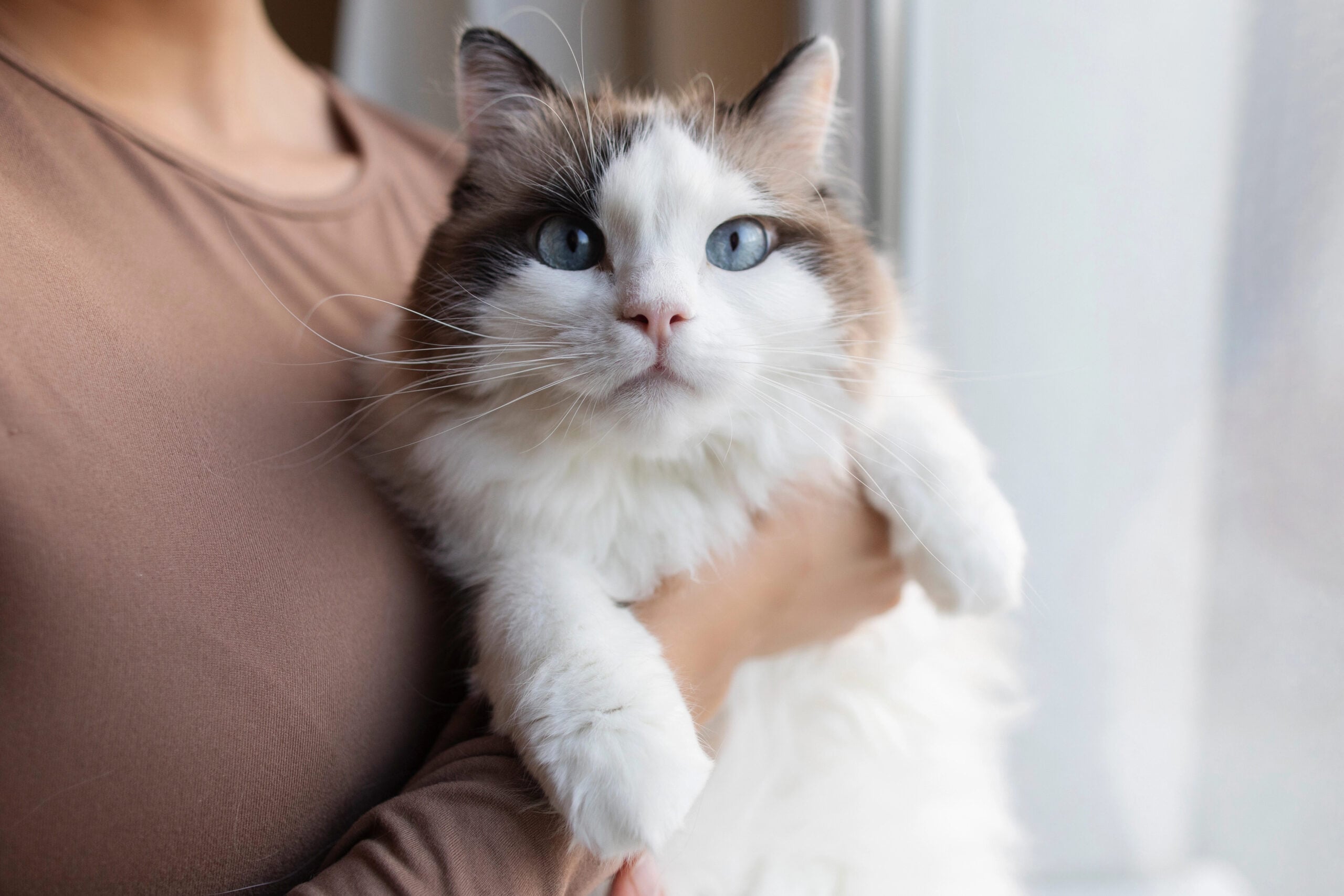
Pick up a Ragdoll, and you will notice it right away. Instead of tensing or trying to get away, they tend to relax completely in your arms.
Table of Contents
This unusual response is where the breed gets its name, but it is far from the only thing that makes Ragdolls stand out. They are one of the most popular cat breeds in the world for a reason, combining a calm personality, striking blue eyes, and a highly people-oriented nature.
If you are considering one, here is what you need to know.
 Weight10–20+ pounds
 LengthUp to 40 inches (nose to tail)
 Lifespan12-17 Years
 Coat TypeSemi-long, silky, dense
Start Here: Why Everyone Wants A Ragdoll
Ragdolls are one of the most popular cat breeds in the world, and it is not just because of how they look.
Want our human-written content to rank above AI-generated garbage? Help us out by clicking this button!
They are known for their calm temperament, strong attachment to people, and a unique tendency to relax completely when held. Combine that with their large size, soft coats, and striking blue eyes, and it is easy to see why so many people are drawn to them.
Before getting into the details, here is a quick snapshot of what stands out about this breed and what to realistically expect.
Quick Take
- Best for: People who want an affectionate, people-focused cat
- Energy level: Low to moderate
- Grooming: Moderate, requires consistency
- Shedding: Noticeable, but manageable
- Temperament: Calm, gentle, and highly tolerant
- Independence: Low, prefers company
- Experience level: Beginner-friendly
What This Breed Is Not
- Not suited for unsupervised outdoor living
- Not low-maintenance despite their relaxed personality
- Not independent or content being left alone all day
- Not hypoallergenic and will shed regularly
- Not a high-energy or highly active breed
Is A Ragdoll The Right Cat For You?
Ragdolls are often described as easygoing and affectionate, but that does not automatically make them the right fit for every home. They tend to be people-oriented, adaptable, and relatively calm, but they also have specific needs that are easy to overlook at first glance.
Here is where they tend to be a great match and where they can be more challenging.
You Might Love A Ragdoll If…
- You want a cat that enjoys being around people most of the time
- You like a calm, easygoing temperament rather than a high-energy pet
- You are looking for a cat that is generally tolerant of handling
- You have other pets or children and want a breed that typically adapts well
- You do not mind regular grooming and some shedding
- You are home often or want a cat that will spend time near you
You Might Struggle With A Ragdoll If…
- You prefer a more independent, low-interaction cat
- You are away from home most of the day regularly
- You want a very active or highly playful cat
- You are looking for a low-maintenance coat
- You want a cat that can safely roam outdoors on its own
- You are sensitive to shedding or allergens
Watch: Say goodbye to personal space. Ragdolls prefer to stay close, often following from room to room and settling in right beside you.
What Makes Ragdolls So Different From Other Cats?
Here are the traits that define the breed in everyday life.
1. The Famous “Flop” Behavior
Ragdolls are known for their tendency to relax completely when picked up, which is how they got their name.
This trait traces back to the breed’s origins in the 1960s, when California breeder Ann Baker selected cats specifically for a calm, tolerant temperament. That selection is what led to the relaxed, easygoing handling behavior many Ragdolls are known for today.
Not every cat will go fully limp every time, but many will soften their body rather than resist being held. For owners, this often means a cat that is easier to handle and less reactive to everyday interaction.
Watch: A breeder demonstrates the “Ragdoll test,” gently picking up her cats to show how they relax completely when handled.
2. They Are Extremely People-Oriented
Ragdolls tend to stay close to their people. They are not usually demanding in a high-energy way, but they do prefer consistent companionship. This makes them a strong fit for homes where someone is often around, but a weaker fit for those looking for a more independent cat.
Ragdolls also tend to be unusually comfortable around people, including visitors. They are more likely than many breeds to approach, stay nearby, or settle into shared spaces rather than keeping their distance. This ease around people also tends to carry over into new environments.
While personalities vary, many Ragdolls are known for being friendly, approachable, and less wary of strangers than the average cat.
3. Blue Eyes Are The Standard
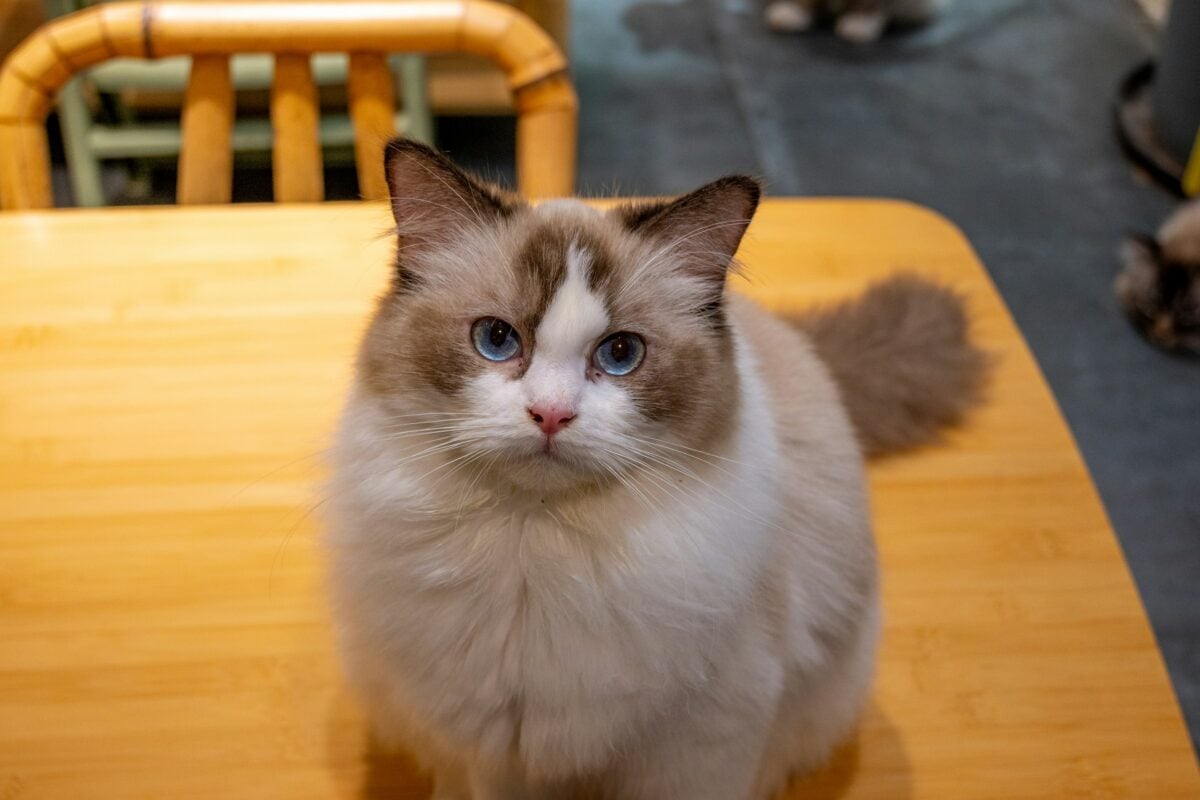
All true Ragdolls have blue eyes, regardless of coat color or pattern. The shade can range from soft to vivid, but blue eyes are part of the breed standard.
If a cat does not have blue eyes, it may resemble a Ragdoll, but it would not meet the official criteria for a Ragdoll.
4. Their Coat Pattern Is Distinct
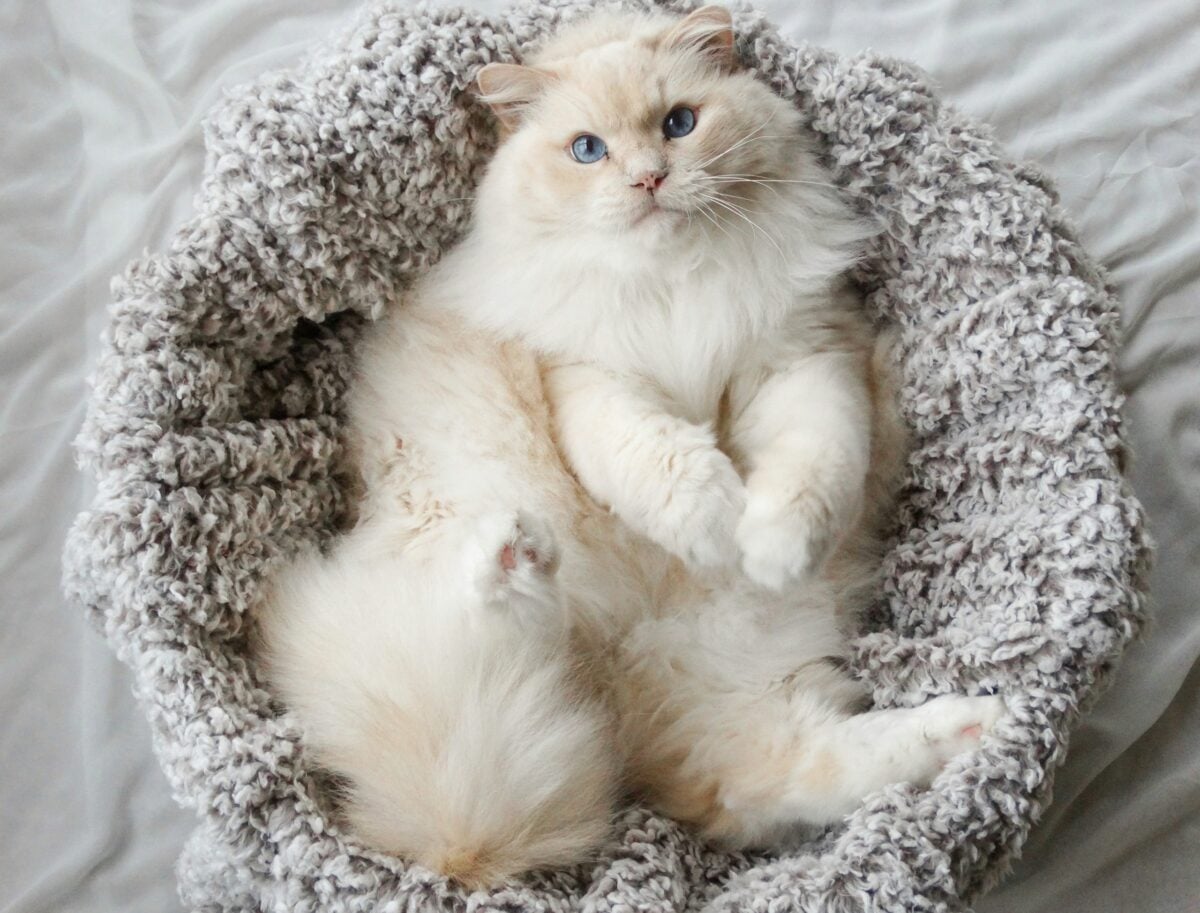
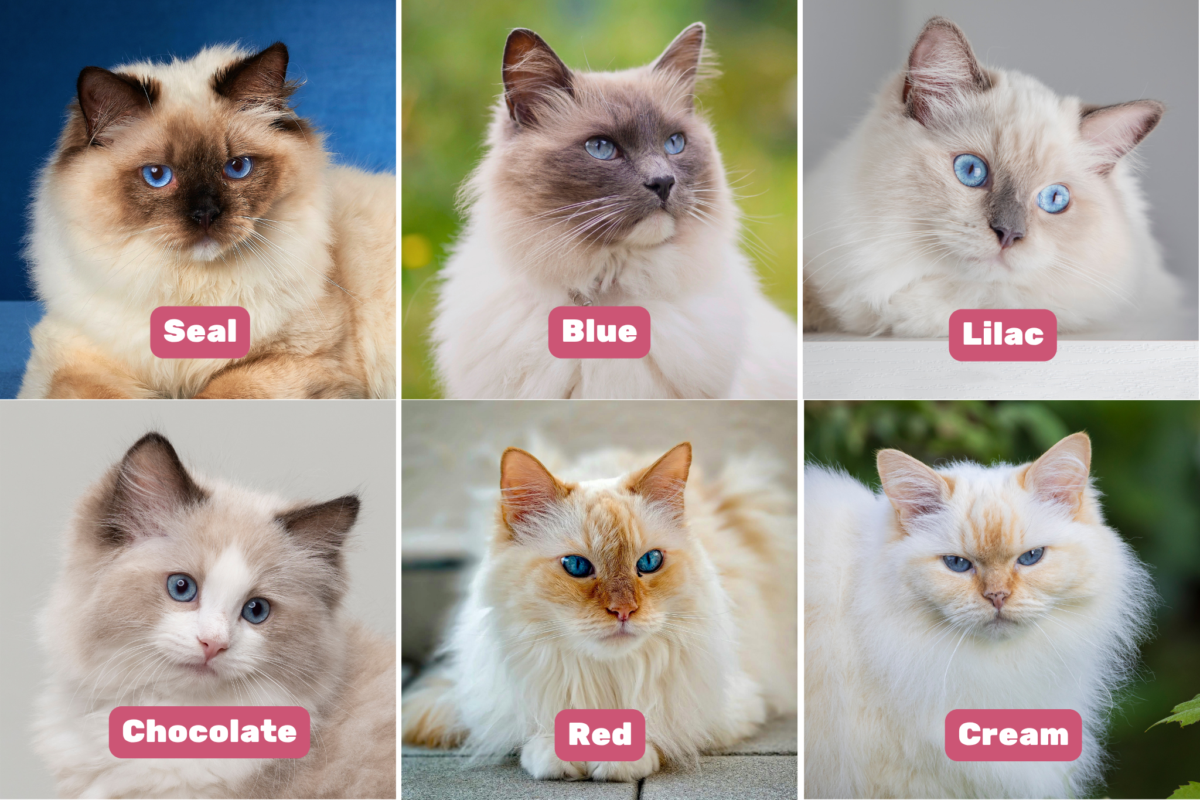
Ragdolls are a colorpoint breed, meaning their bodies are lighter while their face, ears, legs, and tail are darker. They are only seen in six point colors: seal, blue, chocolate, lilac, red and cream.
The breed standard for these variations is strict, which is part of what makes Ragdolls recognizable.
Fun Fact: In the 1990s, breeders attempted to expand coat colors of the Ragdoll. Because those variations were not accepted within the Ragdoll standard, that effort ultimately led to the development of a separate breed, the RagaMuffin.
5. They Are Larger Than Most Cats
Ragdolls are not just fluffy. They are physically large cats with a long, substantial build.
Many people expect a typical house cat size and are surprised by how much space a fully grown Ragdoll takes up. Males, in particular, can be quite heavy, but the length of their bodies is often what stands out most.
They also mature slowly, often taking several years to reach their full size.
Watch: This Ragdoll is only one year old and already this big. They take years to fully fill out.
Size & Appearance: What Do Ragdolls Actually Look Like?
Ragdolls are large, long-bodied cats with a soft, balanced look. Their length, proportions, and relaxed posture all contribute to a presence that feels substantial without looking bulky. Combined with their blue eyes and colorpoint coats, they are one of the most recognizable breeds.
Face & Expression
A Ragdoll’s face is broad with gently rounded contours, giving it a soft, approachable appearance.
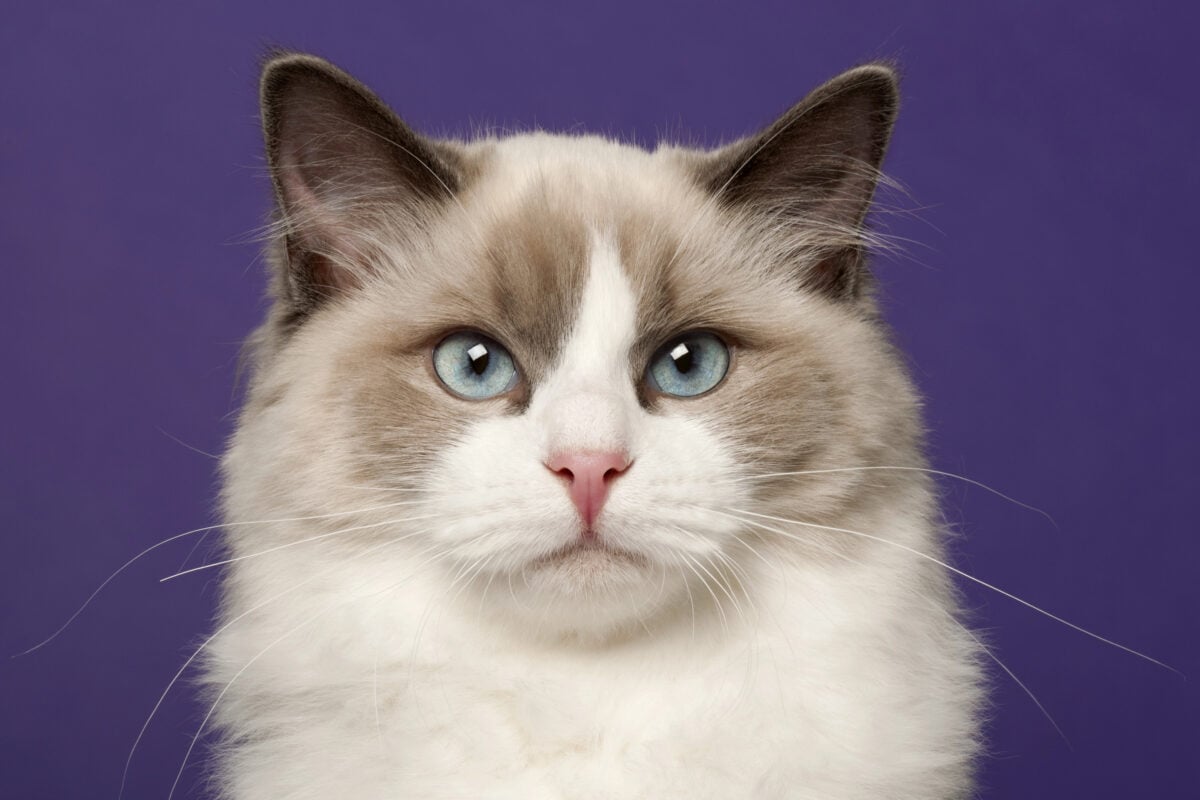
Their most noticeable feature is their eyes. They are large, oval, and always blue, standing out clearly against the lighter base coat. Their placement and shape create an open, attentive expression that reads as calm rather than intense.
Overall, nothing about their face feels sharp or angular. The lines are smooth, and their expression tends to look relaxed, even when the cat is alert.
Key Facial Traits
- Large, oval blue eyes
- Broad head with a soft wedge shape
- Medium-length nose with a slight curve
- Rounded features rather than sharp angles
- Open, relaxed expression
Body & Build
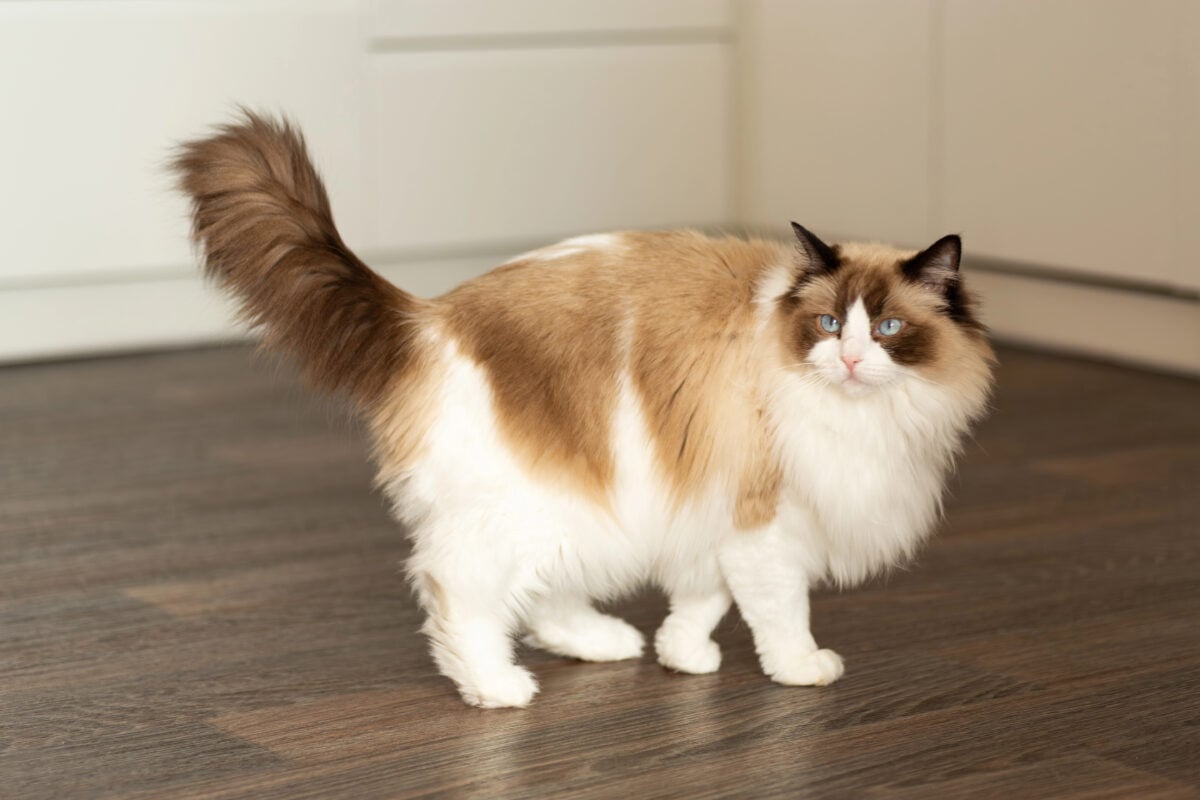
Ragdolls have a long, rectangular body supported by a solid frame and strong bone structure.
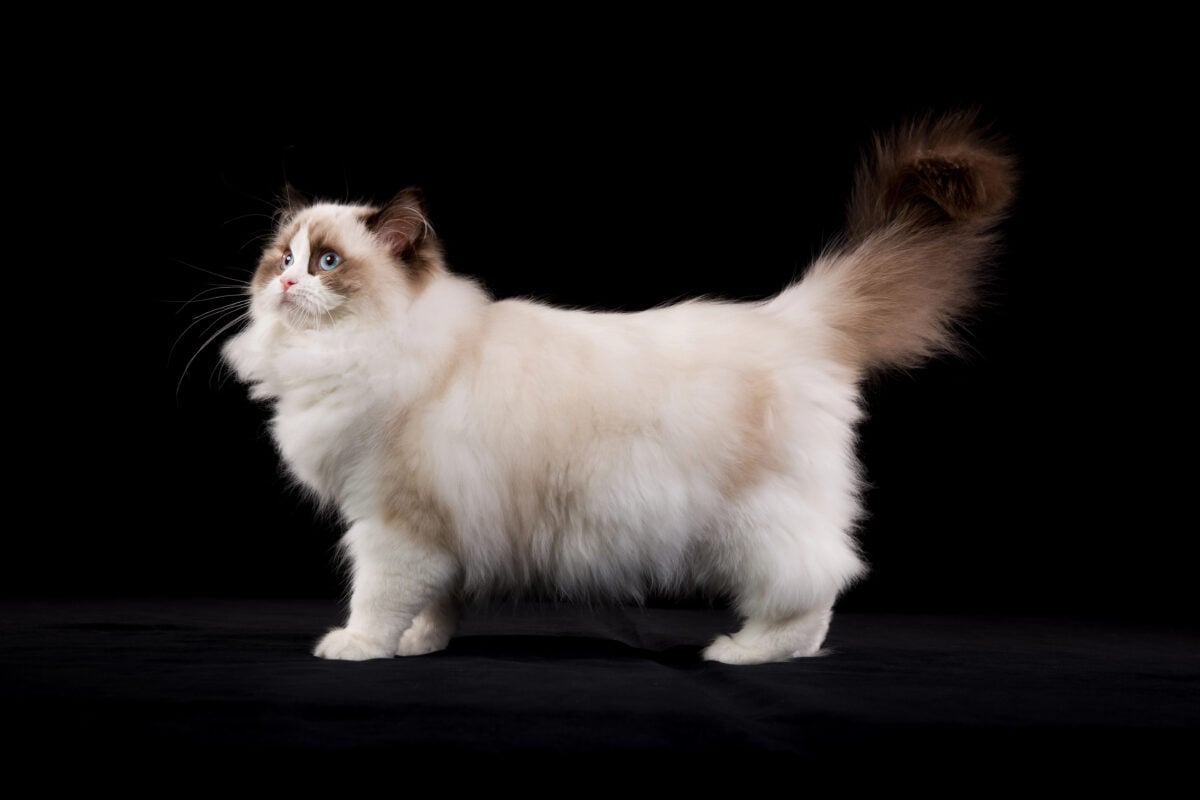
Adults commonly fall between 10 and 20 pounds, but what stands out more than the number is their overall length. When stretched out, they often take up significantly more space than people expect.
Despite their size, they do not look rigid or compact. Their posture tends to be loose and relaxed, which can make them appear even more spread out when resting.
Tail, Ears & Overall Silhouette
The Ragdoll’s ears are medium in size and set wide apart, blending smoothly into the head shape without sharp transitions.
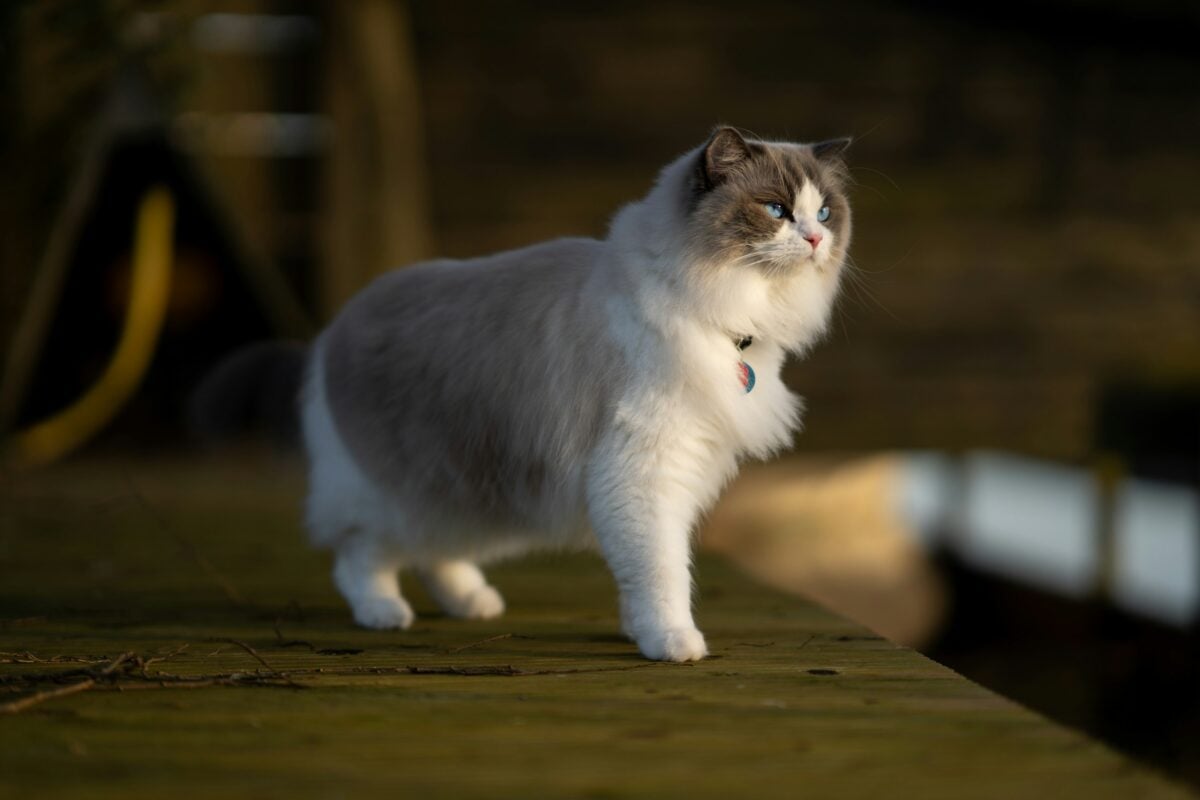
Their tails are long and full, often carried in a relaxed position rather than held upright. It typically matches the body in length, adding to the breed’s extended proportions.
Taken together, these features create a silhouette that feels elongated and fluid. Ragdolls do not have a compact or tightly built look. Instead, their shape emphasizes length, softness, and balance.
Coat, Colors & Patterns
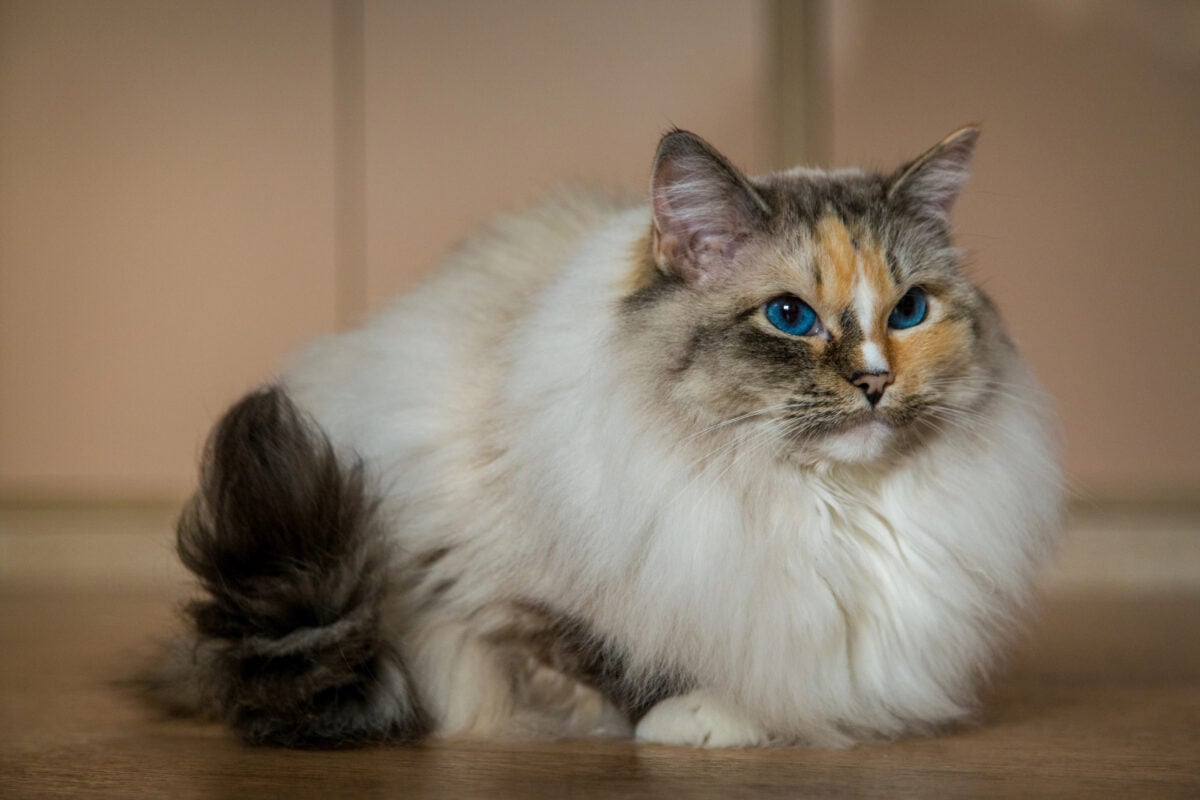
Ragdolls have a semi-long coat that feels soft and silky rather than dense or woolly. Unlike some longhaired breeds, they have minimal undercoat, which gives their fur a smoother, more fluid look and helps reduce heavy matting.
Their coat is shorter around the face and shoulders, then gradually becomes longer along the body, chest, and tail. Many develop a fuller ruff around the neck, especially as they mature.
Overall, the texture is one of the breed’s defining features. It tends to feel plush and smooth rather than thick or heavy.
Color Options
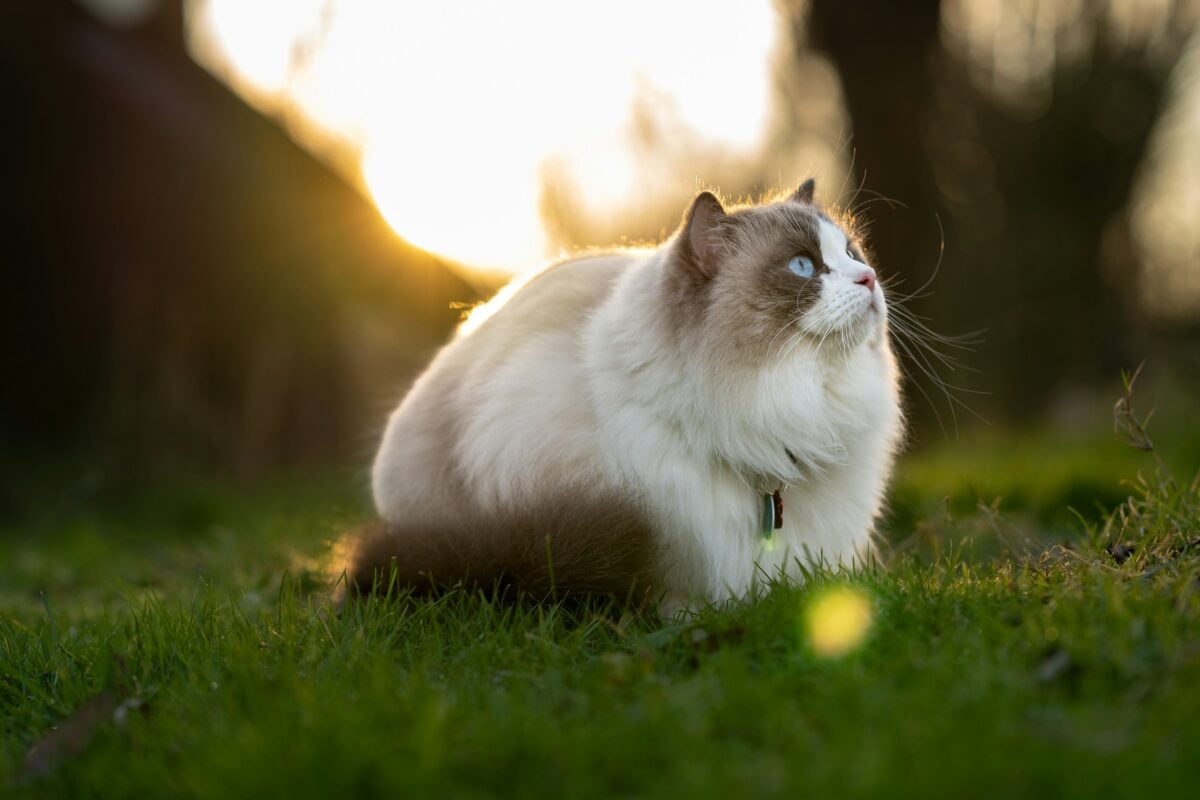
Ragdolls are a colorpoint breed, meaning their bodies are lighter while their faces, ears, legs, and tails are darker.
They are born almost entirely white, and their points gradually develop as they grow. Over time, the darker areas become more defined, giving adult cats their full color contrast.
They come in several colors, including seal, blue, chocolate, lilac, red, and cream.
Pattern Variations
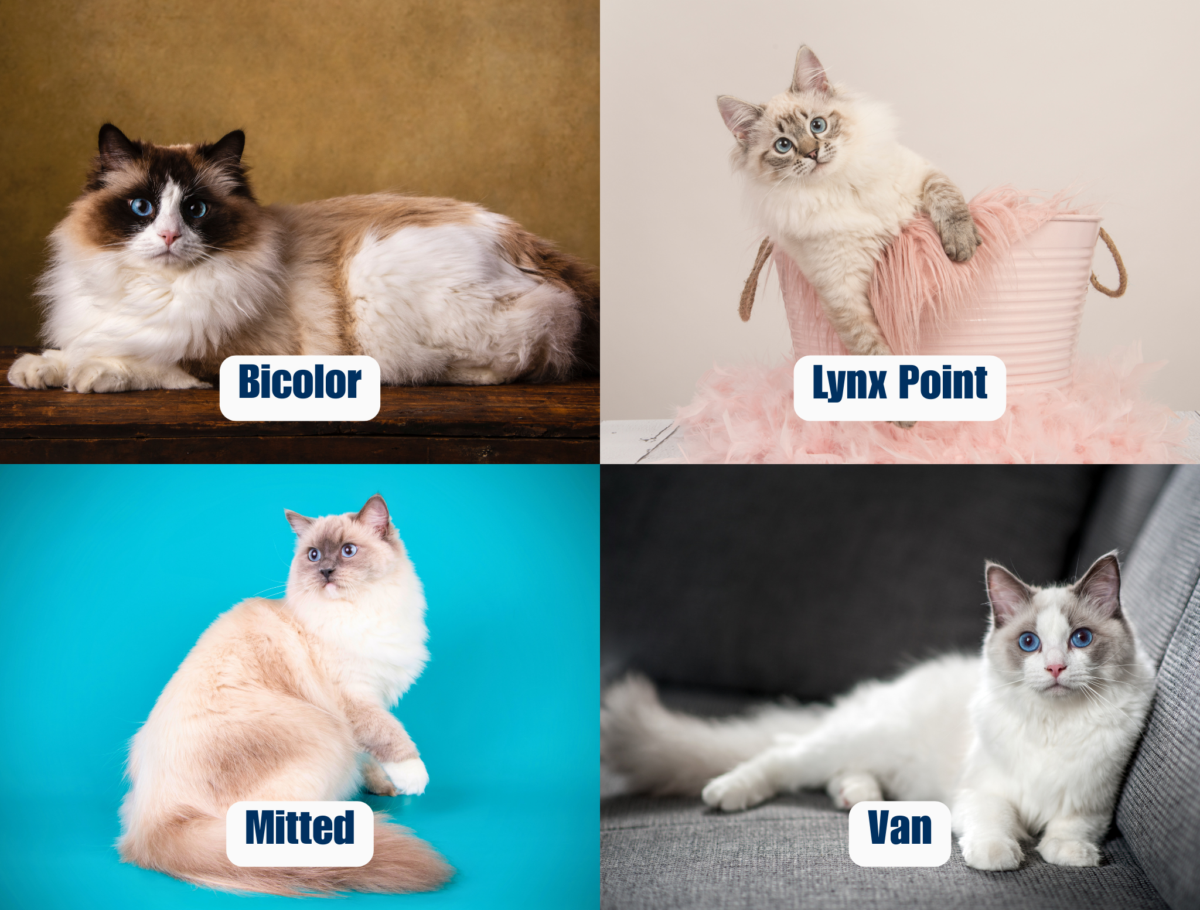
Ragdolls are best known for their bicolor pattern, which creates an inverted white “V” on the face. More broadly, they appear in four main patterns:
- Colorpoint: Darker points with no white markings
- Mitted: Colorpoint with white paws and chin
- Bicolor: White and colorpoint coat with an inverted white “V” on the face, plus a white chest and legs
- Van: White body with color limited to the head and tail
Ragdolls can also appear with subtle variations, such as lynx (tabby striping) or tortie patterns, which add visual complexity without altering the overall colorpoint structure.
A Day In The Life With A Ragdoll
Living with a Ragdoll tends to feel calm, predictable, and very people-centered. A typical day might look like this:
- Morning: They are often already nearby when you wake up, either at the foot of the bed or waiting outside the door. Many will follow you through your morning routine, sitting nearby rather than demanding attention.
- Midday: When things are quiet, Ragdolls tend to nap in open, comfortable spaces rather than hiding. They prefer being in the same room, even if they are not actively interacting.
- Evening: This is when they are most likely to engage. Light play, following you around, or settling next to you on the couch are all common behaviors.
- Night: Many Ragdolls will choose to sleep near their owners, whether that means at the foot of the bed or somewhere close by.
What This Means For You
Ragdolls fit best into homes where someone is around regularly and where a calm, steady presence is appreciated. They are not the type of cat that thrives on constant stimulation, but they are also unlikely to be fully independent. Their behavior sits somewhere in between, leaning toward companionship over solitude.
Personality Deep Dive: Sweet, Gentle & Very Attached
Ragdolls are often described as affectionate and docile, but their personality is more specific than that. While individual personalities vary, many Ragdolls share a similar pattern of behavior that becomes noticeable over time.
Affection & Bonding Style
Ragdolls tend to form strong attachments, and they prefer to stay close, settle nearby, and join whatever you are doing. Some enjoy being held or sitting in your lap, while others choose proximity over physical contact.
Their approach to affection is consistent rather than intense, which many owners find easier to live with day to day.

Sociability & Strangers
Compared to many cats, Ragdolls are often more relaxed around new people. They are less likely to hide when guests arrive and may approach or remain nearby rather than keeping their distance. This makes them feel more social and adaptable.
That said, they are not universally outgoing. Some will still take time to warm up, especially in unfamiliar environments.
Playfulness & Energy Levels
Ragdolls have a moderate energy level. They enjoy play, but they are not typically high-drive or constantly active. Short bursts of activity followed by long periods of rest are more common than sustained play sessions.
They also tend to maintain a playful side longer than some breeds, often continuing to engage in simple games well into adulthood.
Voice & Communication
Ragdolls are generally quiet cats. They do not rely heavily on vocalization and are less likely to meow frequently or loudly.
When they do vocalize, it is usually soft and easy to miss. Because of this, they tend to communicate more through presence and behavior than sound.
Watch: Ragdolls are not loud, but they will talk to you.
What It’s Actually Like To Care For A Ragdoll
Ragdolls are often described as easygoing, but they are not low-maintenance pets. Their calm temperament makes them relatively easy to live with, but their size, coat, and need for companionship mean they still require consistent care and attention.
Grooming
Ragdolls have a semi-long coat that needs regular upkeep, even though it is less prone to matting than some longhaired breeds.

Brushing a few times a week is usually enough to remove loose hair and prevent tangles. Areas like the chest, underarms, and tail tend to need the most attention.
Most tolerate grooming well, especially when it is introduced early and kept consistent.
Litter Box Cleanliness
Because of their longer fur, Ragdolls can track litter more easily than shorthaired cats. Frequent scooping helps prevent buildup that can stick to their fur, particularly around the back legs and tail area.
Many owners also find that larger litter boxes or low-tracking litter help reduce mess.
Nutrition
Ragdolls are a large breed, and their diet should reflect that. They need a balanced, protein-focused diet to support their size and maintain a healthy weight.
Because they are not highly active, portion control matters just as much as food quality. Consistent feeding routines tend to work well, as many Ragdolls adapt quickly to predictable schedules.
Time / Attention Needs
Ragdolls do best in homes where they are not left alone for long periods. They tend to form strong attachments and prefer spending time with people throughout the day.
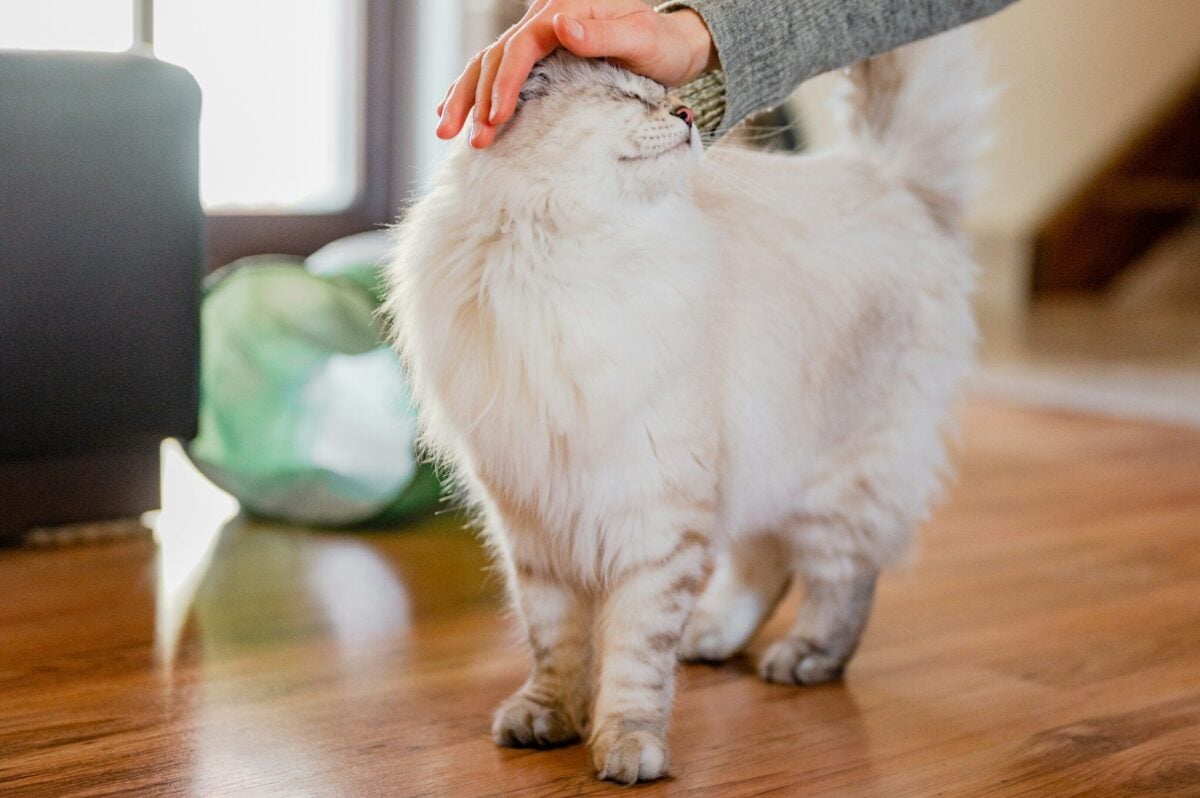
While they are not usually demanding in a high-energy way, they do rely on consistent presence and interaction. This is one of the most important factors to consider before bringing one home.
Play Needs
Ragdolls are not high-energy, but they still need regular play. Short, interactive sessions are usually enough to keep them mentally and physically engaged. Without that stimulation, they can become bored, even if they do not show it in obvious ways.
They tend to prefer simple games over intense activity, especially as they get older.
Indoor Life
Ragdolls are best suited to indoor living. Their calm, trusting nature makes them less cautious than some breeds, which can put them at risk if left to roam freely. Keeping them indoors helps protect them from traffic, predators, and other hazards.
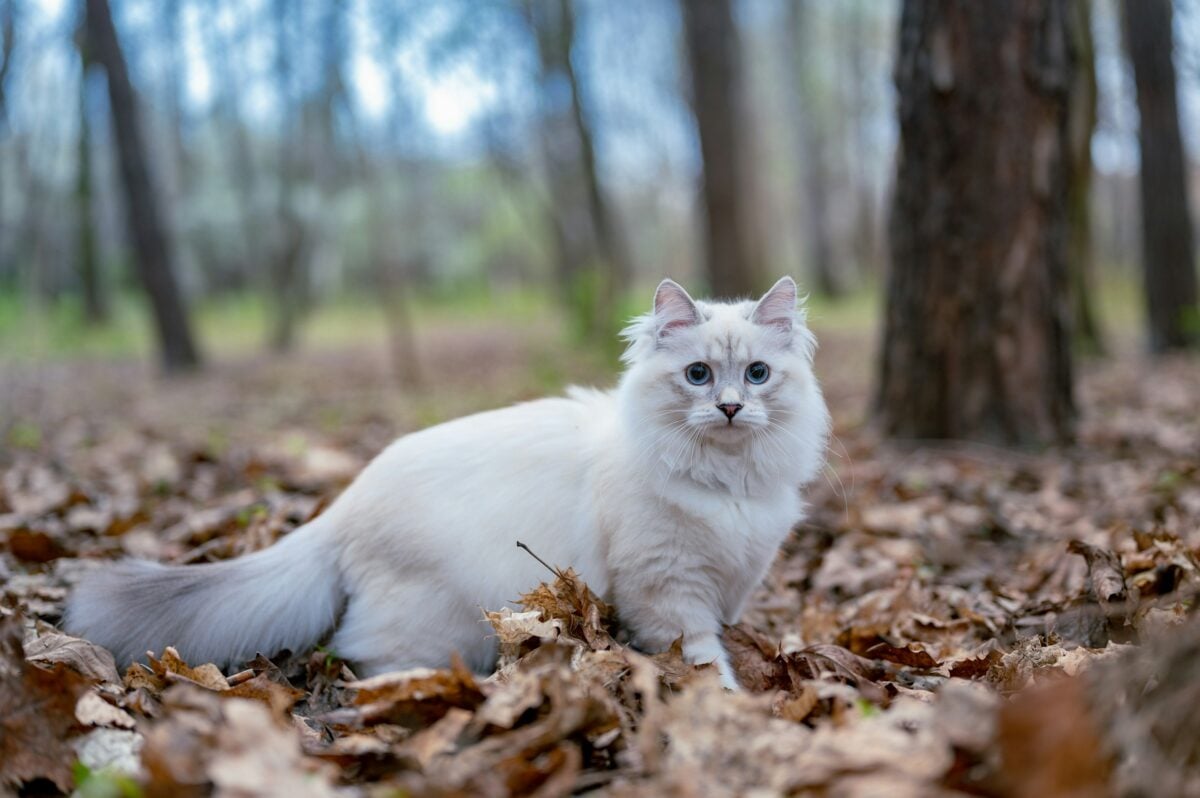
Some can be trained to tolerate a harness or supervised outdoor time, but they are not typically independent outdoor cats.
What You’ll Actually Spend: Ragdoll Costs Explained
Ragdolls are not the most expensive cat breed, but they are rarely a budget-friendly choice. Their size, coat, and overall care needs mean costs can add up over time.
Typical Costs
- Kitten price: $800–$2,500+ from a breeder
- Setup: $150–$400 for supplies (litter box, cat tree, grooming tools)
- Monthly: $80–$190 for food, litter, and basic care
What People Don’t Always Expect
- Larger cats tend to eat more and use more litter
- You may need bigger or sturdier supplies
- Vet care and insurance can add up over time
Health & Lifespan: What Owners Should Know Early
Ragdolls are generally a healthy breed. Most live between 12 and 17 years, with many reaching the mid-teens or beyond.
Lifespan depends on a mix of genetics, diet, and overall care. Cats kept indoors with consistent veterinary care tend to live longer.
Common Health Concerns
- Hypertrophic cardiomyopathy (HCM): A genetic heart condition seen in many cats, including Ragdolls
- Joint issues: Their larger size can put extra strain on hips and joints over time
- Weight gain: Their lower activity level can make them more prone to becoming overweight
For more information, see our guide to Ragdoll health issues.
Reputable breeders will typically screen for known genetic conditions, especially heart disease. This significantly reduces the chances of serious inherited problems.
Ragdoll vs Other Popular Cat Breeds
Ragdolls are often compared to other well-known breeds, especially when it comes to temperament, coat, and overall lifestyle fit. Here’s how they stack up.
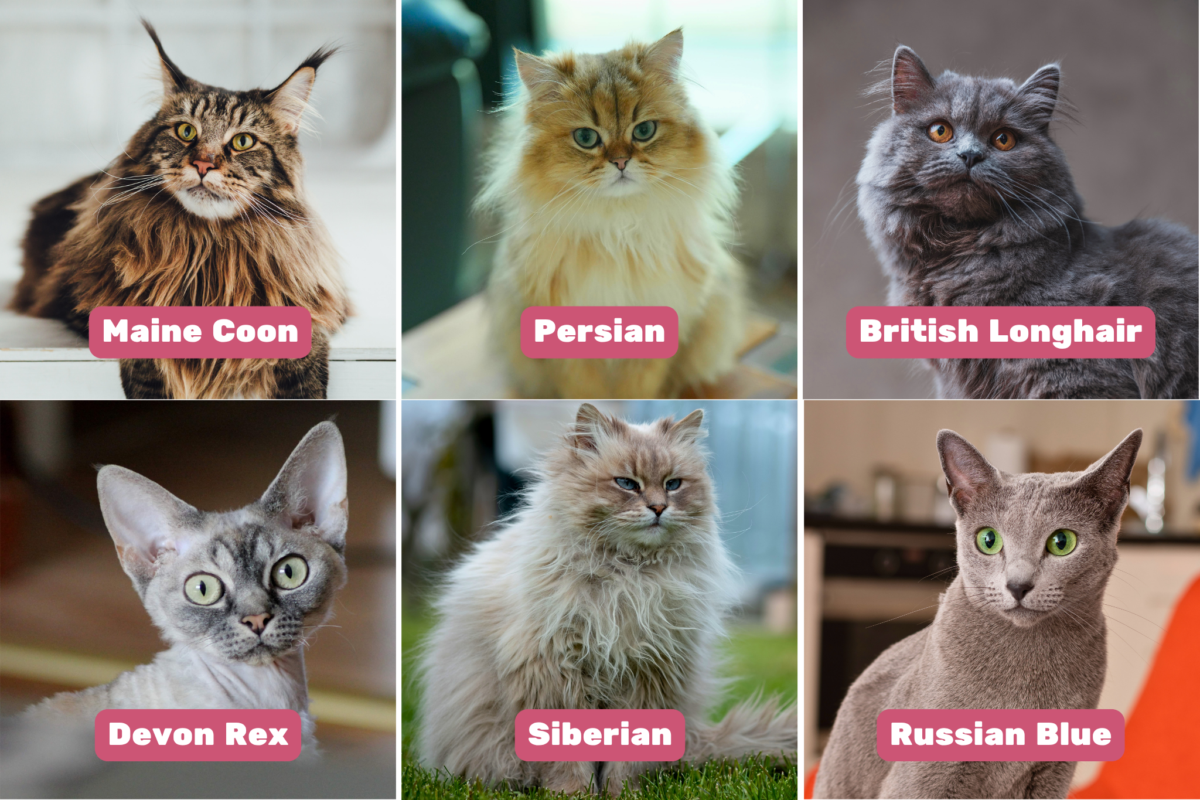
- Ragdoll vs Maine Coon: Both are large, longhaired cats, but Maine Coons tend to be more active and rugged, while Ragdolls are calmer and more relaxed in how they move and interact.
- Ragdoll vs Persian: Persians are smaller with flatter faces and much denser, high-maintenance coats, while Ragdolls have a more natural face shape and a lighter, easier-to-manage coat.
- Ragdoll vs British Longhair: Both have plush, soft coats, but British Longhairs are more playful and independent, while Ragdolls are typically calmer and people-oriented.
- Ragdoll vs Devon Rex: Devon Rex cats are smaller, highly energetic, and have short, curly coats, while Ragdolls are larger, slower-paced, and have long, silky fur.
- Ragdoll vs Siberian: Siberians have a thicker, hypoallergenic coat and higher energy levels, while Ragdolls have a lighter coat and a more relaxed temperament.
- Ragdoll vs Russian Blue: Russian Blues are more reserved and often bond closely with one person, while Ragdolls are typically more sociable and bond with multiple people.
Frequently Asked Questions
Ragdolls are one of the most searched cat breeds, and many questions come up repeatedly from potential owners. Here are clear, straightforward answers to the ones people ask most often.
Don’t see your question? Respond in the comments, and we’ll get back to you!
Why Do Ragdolls Go Limp When You Hold Them?
Ragdolls are known for relaxing their bodies when picked up, which is how they got their name. This behavior comes from selective breeding for a calm, tolerant temperament. Not every Ragdoll will go completely limp every time, but many will soften instead of resisting being held.
Are Ragdolls Hypoallergenic?
No, Ragdolls are not hypoallergenic. They do not produce less of the protein that triggers allergies, and because they shed, that protein can spread more easily. People with allergies may still react to them.
Do Ragdolls Shed A Lot?
Ragdolls do shed, but usually less than people expect for a longhaired cat. Regular brushing helps keep shedding under control.
How Big Do Ragdolls Get?
Ragdolls are one of the larger domestic cat breeds. Most adults weigh between 10 and 20 pounds, with males typically on the larger end. Their long bodies and tails often make them feel even bigger than the numbers suggest.
How Long Do Ragdolls Live?
Most Ragdolls live between 12 and 17 years. With good care, some live longer, especially when kept indoors and given regular veterinary care.
Are Ragdolls High Maintenance?
They are moderate in terms of care. They require regular grooming, a consistent routine, and time with their owners, but they are not as demanding as high-energy or high-grooming breeds.
Are Ragdolls Good With Kids?
Ragdolls are generally known for being gentle and tolerant, making them a good fit for families. As with any cat, interactions should still be supervised, especially with younger children.
Can Ragdolls Go Outside?
Ragdolls are best kept indoors. Their calm and trusting nature makes them less cautious, which can put them at risk outdoors.
Some can enjoy supervised outdoor time, but they are not suited to free-roaming.
Are Ragdolls Expensive?
Yes, Ragdolls can be expensive. Kittens from reputable breeders typically range from $800 to $2,500 or more, depending on lineage and location.
Still Deciding If A Ragdoll Is Right For You?
Ragdolls are a great fit for the right home, but they are not the only option. If you like the idea of a calm, people-oriented cat with a soft coat and striking appearance, it can help to compare a few similar breeds before making a decision.
- If you love the look of longhaired, plush-coated cats, browse our guide to fluffy cat breeds to see how Ragdolls compare to other popular options.
- If you are curious about cats that look similar, take a look at our Birman vs. Ragdoll comparison. Birmans are less widely known, but they share some visual traits that often lead to confusion.
- If you are interested in personality variations or mixed traits, explore Ragdoll mixes to see how this breed is combined with others.
Choosing a cat is as much about lifestyle fit as it is about appearance. Taking a few extra minutes to compare breeds can help you find the right match for your home, routine, and expectations.