When you purchase through links on our site, we may earn a commission at no extra cost to you. Learn more.
If being extremely chill were a job, these cats would be CEOs. They don’t knock stuff off counters, and they don’t sprint across your face at 3 a.m. They just… vibe. Well, at least most of the time.
Table of Contents
Whether you want a cuddle potato or a feline roommate who respects your peace, these calm cat breeds were born to loaf and look adorable doing it. So, let’s meet the cats of quiet magic, whose love-filled presence can turn chaos into calm.
These Cats Chill So Hard, It’s Basically a Lifestyle
Some cats chase lasers.
These cats chase inner peace. 🧘♂️

They’re the nap pros, the expert loafers, the feline equivalents of emotional support weighted blankets. If you’ve ever wished your cat would stop treating your hallway like a racetrack, you’re about to meet your dream team.
Want our human-written content to rank above AI-generated garbage? Help us out by clicking this button!
Whether you live in a tiny apartment or just want a cat that naps through your Zoom calls, these are the ultimate no-drama purr machines.
11 Calm Cat Breeds That Come With Nap Mode Preinstalled
If you’re dreaming of a cat who brings more peace than chaos, these breeds are famous for their gentle hearts, easygoing spirits, and love of cozy companionship.
These cats aren’t plotting world domination. They’re plotting where to nap next. Scroll slowly, because you might fall asleep just reading about them.
1. American Shorthair
Classic Cat Energy, But Toned Way Down
Calm, confident, and unbothered by chaos, the American Shorthair is the cat version of “keep calm and carry on.” Whether kids, dogs, or vacuum cleaners invade their space, they’ll just blink slowly and nap it off.

The American Shorthair is even-tempered, friendly, and quiet. If you’re looking for a low-maintenance breed, the American Shorthair is for you. The American Shorthair’s amiable personality makes it a friend of all, including children, dogs, and other pets.
This lazy kitty often suffers from excessive weight gain, so encourage regular playtime to boost activity levels.
- Best for: Families with kids, multi-pet homes
- Lifespan: 15–20 years
- Personality: Easygoing, affectionate, independent
- Health concerns: Prone to obesity if under-exercised
- Energy levels: Moderate; playful but loves downtime
2. Birman
Blue Eyes, Angel Personality
With silky fur and sapphire eyes, the Birman isn’t just a pretty face. These kitties crave cuddles and have a sweet, mild nature that makes them perfect lap companions.

A sweet and affectionate kitty, the Birman is a quiet cat that thrives on human companionship. This breed makes a great addition to families or multi-pet households.
Their calm demeanor allows them to adapt to busy households, and they don’t mind being left alone for short periods.
The Birman is patient and gentle. Prepare for this kitty to follow you around the house. While less active than many cat breeds, the Birman is happy to play and participate in household activities.
- Best for: Families, singles, multi-pet households
- Lifespan: 12–16 years
- Personality: Sweet, loyal, gentle
- Health concerns: Hypertrophic cardiomyopathy (heart)
- Energy levels: Low to moderate; calm with playful bursts
3. British Shorthair
Too Dignified For Drama
Imagine a plush teddy bear… that purrs. British Shorthairs are famously calm, independent, and happy to lounge next to you without demanding constant attention.

The British Shorthair has a calm and quiet personality. These cats are easygoing and affectionate and get along with humans and other pets, including small animals like birds and rabbits.
The British Shorthair learns quickly and is adaptable. They get attached to their family but enjoy their private time. This cat is rarely vocal and usually dislikes being carried.
- Best for: Apartment dwellers, families, singles
- Lifespan: 12–20 years
- Personality: Calm, reserved, loving
- Health concerns: Obesity, hypertrophic cardiomyopathy
- Energy levels: Low; prefers lounging to leaping
4. Exotic Shorthair
Persian Face, Easier Maintenance, Sleepy Vibes
All the smooshy-faced cuteness of a Persian, minus the grooming drama. Exotic Shorthairs are relaxed, playful, and love a good sunbeam nap.

Exotic Shorthairs tend to be more aloof than other kitties on this list. This breed has a similar temperament to the Persian cat. In fact, this cat was bred to meet the Persian standard, with one notable exception: its short, plush coat.
This feline is sweet and affectionate but is also happy to have its alone time. Their docile attitude makes them great for small homes or apartment living.
- Best for: Apartment living, people wanting a lap cat
- Lifespan: 12–15 years
- Personality: Affectionate, quiet, sometimes aloof
- Health concerns: Brachycephalic (flat-face) issues, dental problems
- Energy levels: Low to moderate; relaxed, enjoys play
5. Maine Coon
Big, Fluffy, Surprisingly Chill
Big, fluffy, and surprisingly mellow, Maine Coons are known for their dog-like loyalty and chill vibes. They’re social but not needy, the best of both worlds.

The Maine Coon holds a position as one of the largest domestic cat breeds and is easygoing, intelligent, and active. This breed loves to play and enjoys attention.
Don’t confuse this cat’s laid-back personality with laziness, as they love being active. They adore spending time with you all day and will happily follow you around the house.
Earning the moniker the “Gentle Giant,” Maine Coons are popular as family pets, therapy cats, and personal companions.
- Best for: Families, homes with space, cat lovers wanting interaction
- Lifespan: 12–15 years
- Personality: Playful, social, dog-like
- Health concerns: Hip dysplasia, hypertrophic cardiomyopathy
- Energy levels: Moderate to high; active but easygoing
6. Persian
Snooze Mode: Always On
Sure, they look like royalty, but Persians are happiest lounging like queens on the sofa. Be prepared for daily brushing sessions!

The Persian cat is sweet, affectionate, and quiet, making them the perfect buddy for a chill household. This cat prefers lounging with their humans over jumping and playing. Think of them as a furry pillow that also purrs and cuddles with you.
While Persian cats are recognized for their calm, affectionate demeanor, they may be less friendly with children and other pets.
A Persian is a lazy, cuddly cat that thrives in a secure and serene home. This breed is content to spend their day in a sunny window and watch the day go by.
- Best for: Seniors, calm households, cat parents who love grooming time
- Lifespan: 12–17 years
- Personality: Gentle, sweet, affectionate
- Health concerns: Brachycephalic issues, tear staining, and kidney disease
- Energy levels: Low; prefers lounging over leaping
7. RagaMuffin
Built Like A Loaf, Behaves Like A Teddy Bear
These cats are basically weighted blankets with whiskers. RagaMuffins adore human contact and will flop into your arms like a plush toy.

The RagaMuffin is a delightful breed that is people-loving and affectionate. This kitty develops a strong bond with their family and wants to please.
RagaMuffins are a great cat for those who live alone, as this cat has lots of love and support to give. While this cat is active and enjoys play, the RagaMuffin is happy to curl up in your lap for the afternoon.
Take your RagaMuffin on a stroller ride; this cat’s calm and patient attitude pairs well with new adventures. Your RagaMuffin will happily attend events with you and will be purring by your side the entire time.
- Best for: Singles, families, anyone craving a lap cat
- Lifespan: 12–18 years
- Personality: Loving, patient, playful
- Health concerns: Hypertrophic cardiomyopathy
- Energy levels: Moderate; playful but loves snuggling
8. Ragdoll
Floppy By Nature, Snuggly By Choice
Known for going limp when picked up, Ragdolls are as relaxed as their name suggests. Expect a loving, chill companion who follows you everywhere.

Docile, even-tempered, and affectionate, the Ragdoll loves humans and thrives on play. This intelligent and active breed will love to follow their companion around the home and will play with anyone.
They are an excellent addition to a house with young kids, thanks to their gentle nature. Your child can safely play with the Ragdoll without the worry that your cat will expose their claws.
Ragdolls are known to go limp and flop into the arms of the person holding them, giving them the appearance of a ragdoll, hence the name.
- Best for: Families with kids, multi-pet homes, people wanting a velcro cat
- Lifespan: 12–17 years
- Personality: Docile, friendly, intelligent
- Health concerns: Hypertrophic cardiomyopathy, bladder stones
- Energy levels: Moderate; enjoys play but stays calm
9. Russian Blue
Elegant, Quiet, And Suspiciously Peaceful
Quiet, shy with strangers, but a total lovebug with their people. Russian Blues thrive in calm environments and love gentle routines.

Good-natured and affectionate, the Russian Blue is a gentle cat that can become somewhat shy around strangers.
This kitty is devoted to their loved ones and will want to spend all their time with you. The Russian Blue prefers a quiet house with plenty of safe spaces to hide if needed.
- Best for: Quiet households, singles, couples
- Lifespan: 15–20 years
- Personality: Gentle, intelligent, affectionate
- Health concerns: Obesity, dental disease
- Energy levels: Moderate; enjoys play, needs calm spaces
10. Scottish Fold
Laid-Back With A Hilarious Talent For Sitting Weird
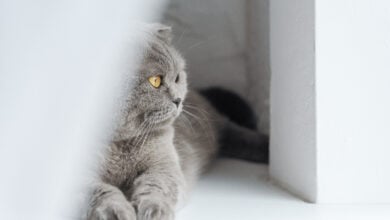
Those folded ears! That round face! Scottish Folds have a mellow, affectionate nature and love perching nearby to watch the world go by.

The Scottish Fold is a hardy cat with an easygoing disposition. This cat adapts to any environment with ease, including noisy homes, busy airports, unfamiliar hotel rooms, and overly friendly houseguests.
Scottish Folds adore their family and shower them with plenty of love. All of these reasons, and more, are why Taylor Swift owns two Scottish Folds.
The Scottish Fold loves to relax and prefers gentle play to intense activity. This cat has a tiny voice to match their sweet expression.
- Best for: Families, apartments, people seeking an affectionate cat
- Lifespan: 11–14 years
- Personality: Easygoing, gentle, affectionate
- Health concerns: Joint issues (due to folded ears), arthritis
- Energy levels: Low to moderate; light play preferred
11. Selkirk Rex
Curls + Calm = Underrated Legend
With their curly coats and cuddly personalities, Selkirk Rexes are affectionate and easygoing, making them delightful companions.

While the first thing you may notice about the Selkirk Rex is their curly coat, the breed’s loving and patient personality really steals the show. While these cats can be playful and silly, they are not hyperactive.
The Selkirk Rex is a quiet breed; you won’t hear your pet demanding attention or treats. This breed enjoys socializing in a relaxed environment and is happy to cuddle and be held all day long.
Consider a companion pet for the Selkirk Rex, as this breed prefers company when you’re away.
- Best for: Families, multi-pet homes, anyone wanting a unique-looking companion
- Lifespan: 12–15 years
- Personality: Loving, tolerant, playful
- Health concerns: Polycystic kidney disease, hip dysplasia
- Energy levels: Low to moderate; playful, but not hyper
Video Proof That Lazy Cats Are Winning at Life
Need a laugh (or a life lesson)? Watch these expert-level nap champions show us how calm cats do it best, one stretch, yawn, and flop at a time.
Is Your Cat Secretly a Calm Breed Mix?
Not all chill cats come with fancy pedigrees or official breed names. Some of the calmest felines out there are total mystery mixes who just happen to vibe at a lower frequency.
If your rescue kitty sleeps like it’s a sport, rarely meows, or treats chaos with quiet judgment, they might have some laid-back breed DNA hiding under the fluff.
Here’s how to spot a secretly mellow cat, no papers required:
- They nap in multiple locations per day (with zero guilt)
- They prefer observing to interacting (especially with loud humans)
- They don’t panic during vacuums, thunderstorms, or toddlers
- They have a plush, heavy-set build or naturally “folded” body language
- They tolerate being held without turning into a blender
If you’re extra curious, DNA tests like Basepaws or Wisdom Panel can reveal if your cat has calm breeds like Ragdoll, Persian, or British Shorthair mixed in. But honestly, some cats are just born to loaf, paperwork or not.
Pro Tip: Shelter staff often know who the true couch potatoes are, just ask which cat hasn’t moved since Tuesday.
Calm vs Lazy: What’s the Difference?
A calm cat is choosing peace.
A lazy cat might be quietly screaming on the inside.
While they can look the same (sleeping 18 hours a day), there’s a big difference between a healthy chill cat and one that’s too tired, bored, or not feeling great. Here’s how to tell if it’s calm or a red flag:
Calm
- Still shows interest in toys, snacks, or sunbeams
- Changes nap spots throughout the day
- Responds to your voice or petting
- Has normal appetite and grooming habits
Lazy:
- Hides all day or avoids interaction
- Stops playing completely, even when engaged
- Eats way less (or way more) than usual
- Looks scruffy or stops grooming
If your cat used to be more active and suddenly turns into a full-time throw pillow, it’s worth checking in with your vet. Calm cats still have some spice, even if they mostly express it with slow blinks and tiny chirps.
Bottom Line: A healthy, calm cat is zen. A sick, lazy cat is a potato with warning signs.
Why Some Cats Are Calmer Than Others
Turns out, some cats are just built differently, literally.
While your average tabby might oscillate between nap mode and 3 a.m. hallway zoomies, certain breeds were selectively bred for calm, predictable, low-drama behavior. Think: softer reactions to noise, more tolerance for cuddling, and a natural love for routine.

What Makes a Cat Calm by Nature?
Just like people, cats come with their own unique personalities, shaped by a mix of breed traits, individual temperament, environment, and early socialization.
- Genetics – Breeds like Ragdolls and Persians were developed specifically for mellow temperaments
- Body Type – Bigger, stockier cats (like Maine Coons) tend to be slower-moving and less reactive
- Energy Balance – Calm breeds often have a lower prey drive or less intense play instincts
- Early Socialization – Kittens raised in calm environments often grow up with chill baked in
For cat owners, this means it’s not just about choosing the right breed; it’s about providing the right environment, handling, and care, especially in the early stages. Calm cats are often the result of both nature and nurture working together.
Which Calm Cat Fits Your Life?
Not all calm cats are created equal; some want to be glued to your side, others prefer silent companionship from the other side of the room. Here’s a quick guide to finding the loaf that vibes with your lifestyle.
Best Calm Cats for Families with Kids
If you have little hands eager to pet and play, you need a cat who is gentle, patient, and forgiving. No sharp tempers or diva attitudes here. The best calm cat breeds for families love interaction and handle the hustle and bustle of kids with grace.
Top picks:
- Ragdoll: Famously floppy and affectionate, great with kids.
- Maine Coon: Playful, dog-like, and big enough to handle toddler snuggles.
- Birman: Gentle and loyal, loves being part of the family action.
Pro Tip: Always teach children how to handle cats respectfully. Even the calmest kitty has boundaries.
Best Calm Cats for Seniors or Small Apartments
Looking for a low-key companion to share a cozy space or quiet days? Some cats are practically made for apartment living or keeping seniors company. These breeds are low-energy, undemanding, and happiest curled up beside you.

Top picks:
- Persian: Serene, affectionate, and perfectly content on the couch.
- British Shorthair: Dignified, independent, and not too needy.
- Exotic Shorthair: Persian charm without the heavy grooming.
Pro Tip: Look for older or senior cats at shelters. They are often the calmest of all and deeply appreciative of a loving home.
4 Expert Tips: How to Choose the Right Calm Cat
Even within calm breeds, every cat has its own unique personality. So, how do you find your perfect match?
- Visit in Person: Spend time with potential cats to see how they react to you, your family, and your home’s energy.
- Ask About History: Shelter staff and breeders can tell you a lot about a cat’s temperament and preferences.
- Consider Age: Kittens are almost always more energetic. Adult and senior cats are your best bet for calm companionship.
- Think About Lifestyle Fit: Need a lap cat? Look for ultra-affectionate breeds. Want a little independence? Choose a calm but confident type.
And remember, no matter the breed, love, patience, and a safe environment go a long way in helping any cat feel calm and secure.
12 Lazy Ways to Keep Calm Cats Happy
Just because your cat’s not bouncing off the walls doesn’t mean they don’t need anything. Even the chillest loaf still wants a little stimulation (and a lot of comfort).
Luckily, calm cats are easy to please, and you don’t need to become a “cat enrichment TikToker” to do it.
5 Low-Energy Toys That Actually Work
- Wand toys you barely flick from the couch
- Crinkle tunnels (they’ll walk through once, then nap inside)
- Catnip kickers they can bunny-kick, then forget about
- Slow-feeder bowls that double as a snack and a puzzle
- A window seat = hours of entertainment without moving a muscle
7 Chill Routines That Keep Them Calm
- Feed them at the same time every day
- Create “soft zones” with blankets, beds, or warm spots. A cat tree, hideaway bed, or even a soft blanket in a quiet corner works wonders.
- Keep background noise consistent (some cats love TV!)
- Offer gentle play, not chaotic chase sessions
- Let them initiate cuddles, as many calm cats are often subtle about affection
- Respect their boundaries and pay attention to body language. If your cat wants alone time, let them have it. Forced interaction can cause stress, even for affectionate breeds.
- For especially nervous cats, consider pheromone diffusers, calming treats, CBD, or vet-recommended anxiety solutions.
With love, patience, and attention, any cat can feel like the calmest breed on the block.
Bottom Line: Calm cats aren’t boring. They’re just minimalists. A single feather toy and a warm patch of sunlight can be all it takes.
Proof These Cats Are Basically Fuzzy Zen Masters
Let’s be honest, I could’ve shown you a calm cat quietly napping. But I’ve found something better. One cat. One spa day. Zero thoughts, just bliss.
This cat isn’t just calm, it’s main character calm. Getting massaged, steam-toweled, and pampered like it booked a wellness retreat in Bali.
And the best part? Cats like this exist, maybe not with cucumber slices on their eyes, but with the same mellow, unbothered energy you’re seeing right now.
Don’t Want to Buy a Breed? Here’s How to Find a Chill Cat at a Shelter
You don’t need a pedigree or a breeder’s waitlist to get a calm cat. Some of the chillest felines alive are just… sitting in shelters. Waiting. Napping. Not causing a single problem.
Here’s how to spot a cat that’s got that spa-day energy, no breed label required. Here’s what to look for:
- They’re curled up in their kennel while everyone else is yelling
- They lean into your hand instead of flinching away
- They blink slowly when you make eye contact (aka “cat I love you”)
- They don’t instantly bolt when the door opens
- Shelter staff says, “Oh, that one? Super chill. Barely moves.”
Don’t be afraid to ask, “Who’s your laziest cat right now?” You’ll instantly know which one’s been living rent-free in the same bed for a week and probably deserves a soft couch and a calmer life.
Bonus Tip: Foster First
If you’re not ready to commit, fostering a cat is a low-pressure way to see if their chill vibe matches yours. And many fosters end in a permanent nap buddy.
Bottom Line: Calm cats come in all shapes, sizes, and adoption fees. You might just find your emotional support loaf at the local shelter.
The Science Behind a Calm Cat
Recent research indicates that male cats introduced to humans at an early age and with lower testosterone levels exhibit significantly more social bonding and affectionate behavior toward people.
This highlights how both genetics and early socialization influence a cat’s calmness and temperament throughout its lifetime.
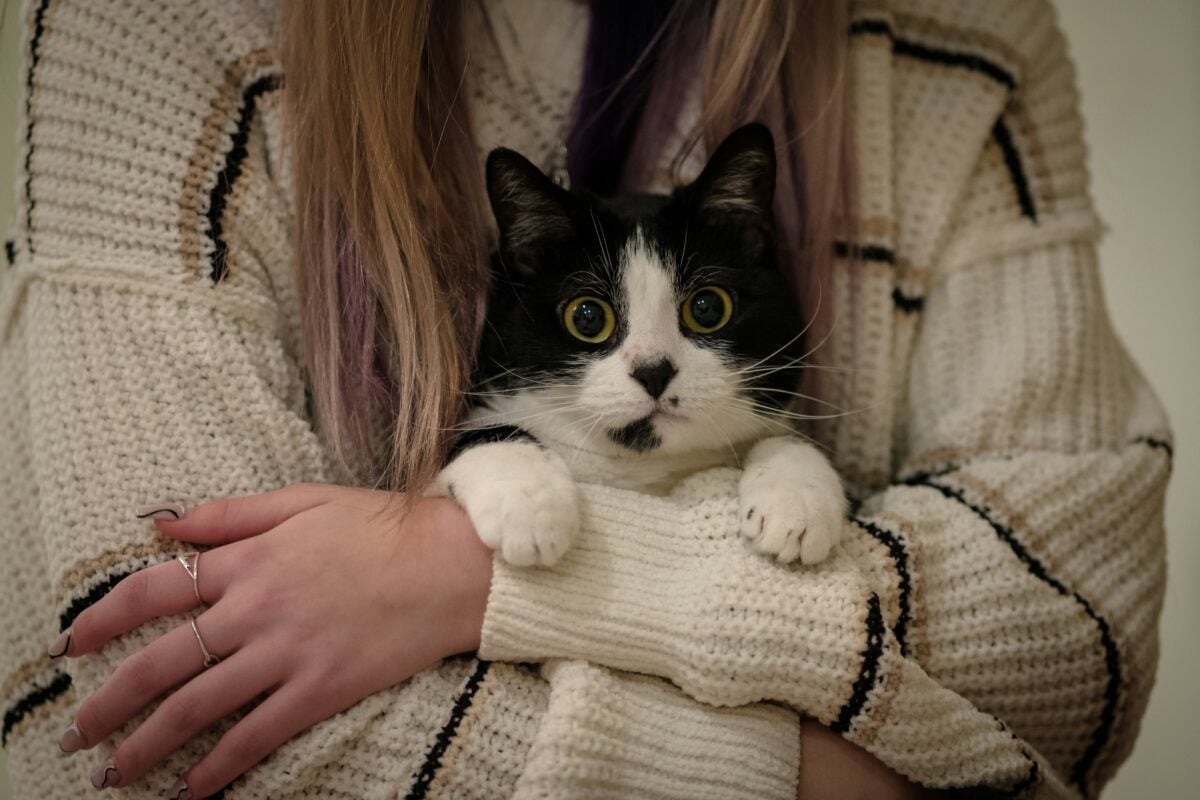
While breed traits are essential, a cat’s upbringing plays an equally significant role. Kittens who experience gentle handling, positive human interaction, and a stable environment during their critical early weeks are more likely to grow into confident, relaxed adults.
On the other hand, a lack of socialization or stressful early experiences can make even a typically calm breed more skittish or anxious.
Frequently Asked Questions
Still have questions about calm cat breeds or how to choose the right feline friend? These frequently asked questions address some of the most common concerns cat lovers have, helping you feel confident in finding your perfect calm companion.
If I missed yours, share it with us in the comments.
What is the Calmest Cat Breed?
That depends on how you define calm. If you mean placid and not easily upset, the Ragdoll cat is famous for its laid-back, affectionate nature and adaptability.
If you’re looking for a low-energy option that’s great for peaceful homes or seniors, the Persian takes the title as the ultimate lounger.
What is the Most Chill Cat?
The Maine Coon is often called the ultimate chill cat. They are smart, loyal, independent, and happy to join whatever you’re doing, whether that’s playtime, adventure, or just hanging out at home.
Are Calm Cat Breeds Good with Kids?
Yes, many calm breeds like the Ragdoll, Maine Coon, and Birman are excellent with children. Their patient, gentle natures make them more tolerant of noise, movement, and playful little hands.
Still, teaching kids how to interact respectfully is key.
Which Calm Cat Breeds do Well Alone?
If you have a busy lifestyle, breeds like the British Shorthair, Russian Blue, or Exotic Shorthair are more independent and content to nap while you’re away. Just be sure they still get quality time with you daily.
Do Calm Cats Still Need Playtime and Exercise?
Absolutely. Even the calmest cats benefit from daily play to stay healthy and prevent boredom. Laser toys, interactive toys, feather wands, or gentle puzzle feeders can keep their minds and bodies active without overwhelming them.
Can I Find Calm Cats at a Shelter or Rescue?
Yes! Many adult or senior shelter cats are naturally calm and make wonderful companions. Ask the shelter staff for recommendations; they know the cats’ personalities and can help match you with a mellow, loving pet.
A Healthy Cat Is a Happy Cat
No matter how calm or affectionate your cat’s breed may be, their true happiness comes from feeling healthy, safe, and loved. A high-quality diet is essential for supporting energy, coat health, and longevity.
Regular veterinary care, including checkups, dental cleanings, and vaccinations, helps catch health issues early and ensures your cat stays in top shape.
Even calm cats crave interaction. Make time every day for gentle play, bonding, and mental stimulation. Simple activities like brushing, using puzzle toys, or offering a sunny window perch can strengthen your connection and keep your cat engaged.
Planning Ahead for Vet Bills
Calm cats are often low-drama, but vet bills can still show up fast, especially with surprise illnesses, dental work, or heart-related conditions that some breeds on this list are prone to.
Pet insurance can help cover eligible accident and illness costs for new conditions, which can make it easier to say “yes” to diagnostics and treatment when something changes.
If you want to compare options, our best cat insurance guide breaks down what to look for. You can also get a quote for your cat using the form below.

Share Your Calm Cat Stories and Tips! Do you have a calm cat who’s stolen your heart? We’d love to hear about them! Share your stories, favorite moments, or personal tips for keeping cats calm and happy in the comments below.