When you purchase through links on our site, we may earn a commission at no extra cost to you. Learn more.
You call your cat from three feet away… Nothing.
Table of Contents
No head turn. No meow. Not even a polite acknowledgment that you exist. They continue staring at the wall as though it has just shared information unavailable to humans.
You try their name again… Still nothing.
At this point, there are two possible explanations: your cat has suddenly forgotten who you are, or they heard you perfectly and have chosen not to encourage this behavior.
Want our human-written content to rank above AI-generated garbage? Help us out by clicking this button!
The second explanation is usually more likely.
Cats respond to us all the time, but their signals are easy to overlook—especially when we expect the kind of obvious enthusiasm more commonly associated with dogs. What looks like indifference may actually be attention, trust, curiosity, or a carefully considered refusal to participate.

Here are 10 subtle ways your cat responds to you, including the tiny signs that they heard you and the quieter behaviors that show they feel safe and connected.
How to Tell When Your Cat Is Actually Listening
The clearest clue is timing. When an ear turns, a gaze shifts, or your cat changes position immediately after you speak, your voice probably registered—even if the rest of the cat remains stubbornly motionless.
Research supports this. In a 2019 study, cats distinguished their own names from other spoken words, often responding with small ear or head movements rather than walking toward the speaker.
That is why it helps to watch for several small changes rather than waiting for one dramatic reaction. A glance, a pause, or a slight adjustment in posture may not look like much, but together they can reveal that your cat is paying closer attention than they let on.
They may not follow the instruction. They may not approve of the instruction. But the message almost certainly made it through.
10 Subtle Ways Your Cat Responds to You
Cats respond to people in more than one way. Some behaviors suggest that your voice or another sound caught their attention. Others reveal that your cat feels relaxed, secure, and socially connected to you.
The difference matters. An ear turn immediately after you say your cat’s name is a stronger sign of listening than a slow blink or a decision to stay in the same room. Those quieter social behaviors still mean something—they simply communicate trust and comfort rather than confirming that your cat heard a particular word.
Here are five signs your cat may have heard you, followed by five signs they feel safe and connected around you.
Signs Your Cat Heard You
These are the feline version of a read receipt. An ear turns, an eye shifts, or the body adjusts by half an inch. Your cat may not come over, look impressed, or acknowledge your authority in any meaningful way, but the message was received.
1. One Ear Turns Toward You
You say your cat’s name. Their head stays still, but one ear swivels in your direction like a tiny satellite dish.
That small movement is one of the clearest signs that a sound registered. Your cat may not turn around or walk toward you, but their ear has already tracked the source of your voice.
Think of it as the feline equivalent of reading a message without replying.

2. Their Eyes or Head Shift
Sometimes the response is no more than a quick glance, a slight head movement, or a brief pause in whatever your cat was doing.
These tiny orientation changes can show that something caught their attention. The more closely the movement follows your voice, the more likely it is that your cat noticed the sound.
They heard you. They simply did not believe the situation required a full-body response.
3. Their Posture Changes
Your cat may sit up, lift their head, uncurl slightly, or move from a deeply relaxed position into a more alert one after you speak.
That change does not necessarily mean they plan to come over. It means they have checked the situation and decided whether further action is necessary.
Input received. Assessment underway.
4. They Reposition to See You
You call your cat, and they do not come closer. But they move to the edge of the bed, turn around, or choose a spot where they can see you better.
That small adjustment can be a form of checking in. They heard something, located you, and decided visual supervision was enough.
They are not joining the meeting, but they have opened the link.
5. They Respond to Familiar Sounds and Words
Your cat may ignore a long emotional speech but react instantly to a treat bag, food cupboard, can lid, or familiar phrase such as “dinner.”
That does not mean they can only hear food-related sounds. It means those sounds have become meaningful through repetition and reward.
Your conversation may be heartfelt, but the snack cupboard has better branding.

Signs Your Cat Feels Safe and Connected
These behaviors are less about whether your cat heard a specific word and more about whether they enjoy having you around. Slow blinks, strategic room-sharing, and affection delivered strictly on their schedule can all signal trust and feeling safe. The bond is real. The response time is entirely up to them.
Cats may also be far more expressive than their reputation suggests. Researchers observing cat-to-cat interactions identified 276 facial expressions made from combinations of ear positions, eye movements, whisker shifts, blinks, and other tiny changes. So when your cat appears to be doing absolutely nothing, there may be an entire conversation happening across three square inches of face.
6. They Slow Blink at You
You catch your cat watching you. Their eyes close slowly, open again, and then drift away.
A slow blink is often associated with relaxed, positive interaction. It does not prove that your cat understood a particular word, but it can show that they feel comfortable in your presence.
You can try returning the gesture by softening your expression and blinking slowly back.
Your cat may respond—or immediately begin washing one foot as though the emotional moment never happened.
7. They Choose to Stay Near You
Some cats show affection by sitting in a lap. Others settle several feet away with their back turned.
A cat who regularly chooses the same room may be enjoying your company without wanting direct attention. You move to the desk; they appear under the chair. You go to the bedroom; they relocate to the doorway.
This is parallel play, cat edition: “We’re spending time together. Please don’t make it weird.”
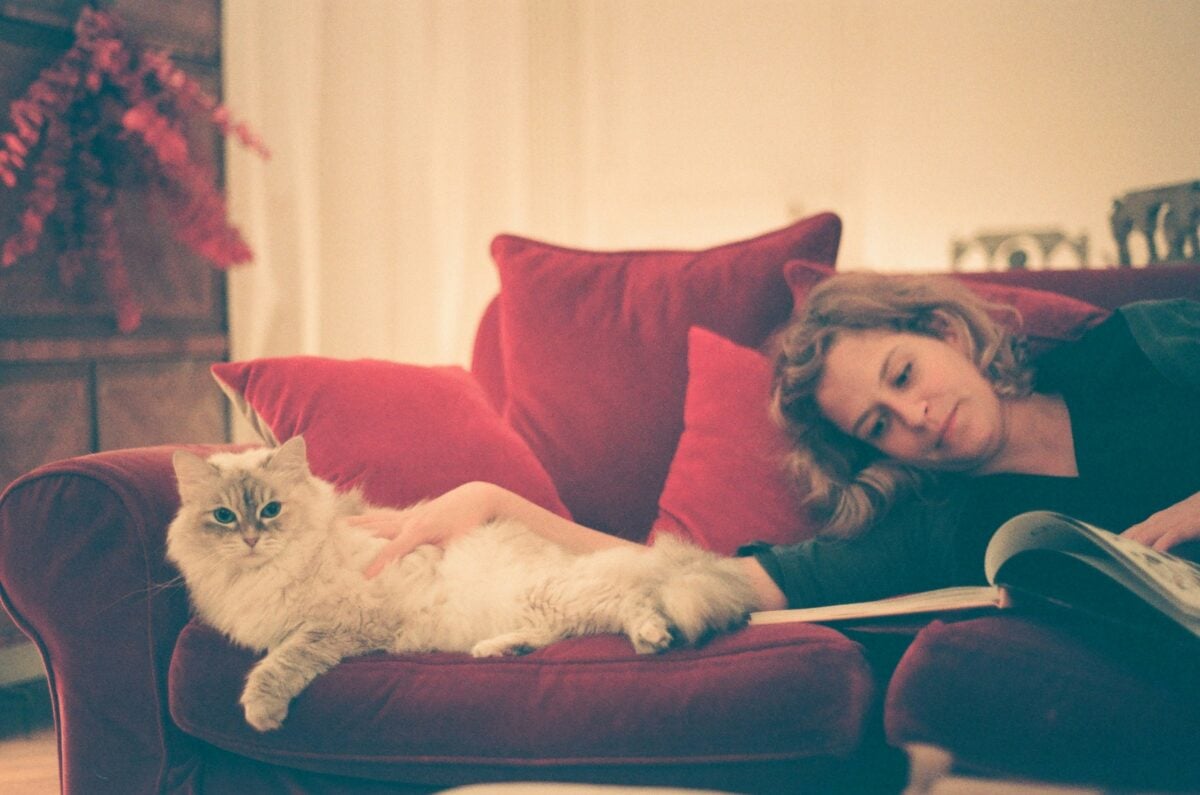
8. They Look Away Calmly After Eye Contact
Direct staring can feel intense to cats. When your cat meets your eyes and then calmly looks away, it may show that they feel relaxed rather than threatened.
To a human, it can look dismissive. To a cat, breaking eye contact may help keep the interaction calm and nonconfrontational.
They may trust you.
They may also have noticed a dust particle.
Several explanations can be true at once.
9. They Approach on Their Own Schedule
You invite your cat onto the couch, and they walk away. Ten minutes later, they climb onto your chest while you are holding a hot drink and urgently need to stand up.
Many cats prefer to control when an interaction begins, how long it lasts, and what kind of contact is involved. One cat may love chin scratches but dislike being picked up. Another may sit beside you every evening but leave the moment you touch them.
The relationship is real. The terms and conditions are simply detailed.
10. They Follow You Later
You call your cat into the kitchen.
Nothing happens.
Several minutes later, they appear, inspect the room, and then follow you back to the couch as though the entire visit was their idea.
It is not always possible to know whether a delayed appearance is a direct response to your call. But when the pattern happens repeatedly, it can show that your cat is monitoring your movements and choosing when to rejoin you.
You summoned them. They reviewed the request and responded within three to five business days.
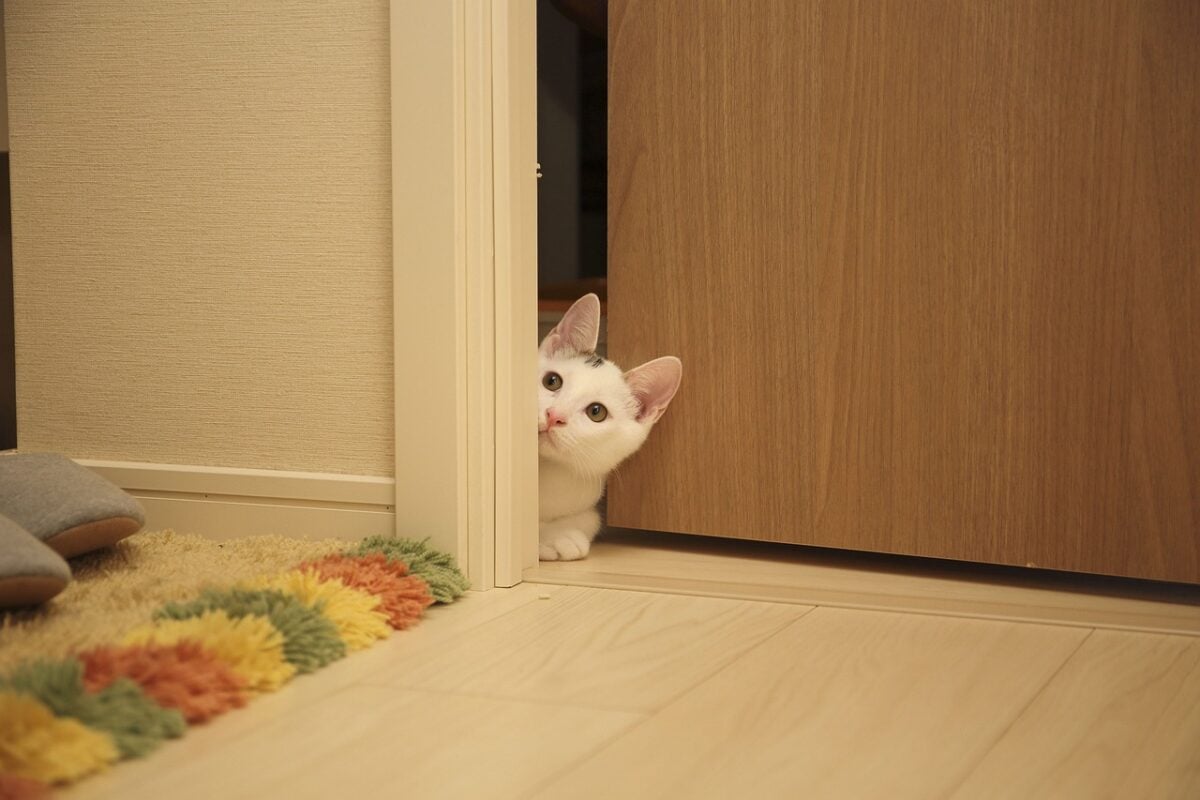
What “Listening” Looks Like in My House
My cat often acts like I am only a little more than the person assigned to manage the food bowl. She rarely comes when I call, and she can ignore an entire conversation without the slightest sign of guilt.
But when I look more closely, she is almost always responding in some small way. Her eyes shift toward me. She lifts her head. Sometimes she turns just enough to keep me in view, then quietly moves to a spot nearby. She may not give me the dramatic reaction I am hoping for, but she is paying attention—and apparently choosing proximity over participation.
Cat Logic vs. Dog Logic
Dogs and cats can both learn human cues, but they do not always advertise that knowledge in the same way.
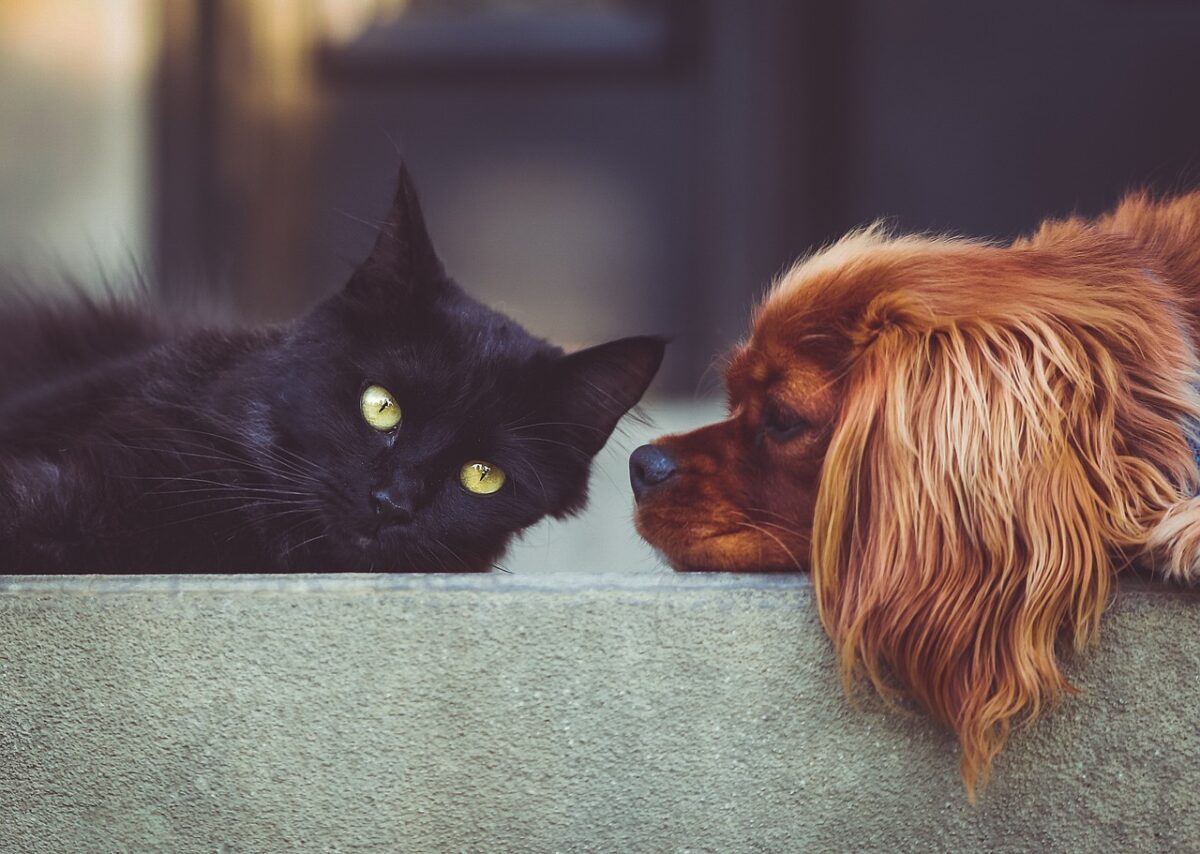
Dogs have been studied extensively for their ability to follow human gestures, respond to commands, and use cues such as pointing or eye contact. Their long history of living and working closely with people may help explain why many dogs respond in ways humans find obvious—by approaching, looking toward us, or immediately joining whatever activity appears to be happening. Individual dogs still vary, and experience matters, but as a group, they tend to make their participation difficult to miss.
Cats are not necessarily less aware. They are often simply less theatrical about it. Cats can distinguish their own names from other spoken words, yet their response may be no more than an ear twitch or slight head movement. In other words, a dog may hear their name and report for duty. A cat may hear the same request, confirm receipt, and remain exactly where they are.
| Situation | The Dog Response | The Cat Response |
|---|---|---|
| Name called | Runs over at top speed | Rotates one ear |
| You come home | Full-body celebration | Opens one eye |
| Wants affection | Climbs into your lap | Sits four feet away |
| Asked to come | Arrives immediately | Appears later without explanation |
| Treat bag opens | Runs to the kitchen | Teleports |
Neither communication style is better. One is simply much harder to photograph.
Your Cat Heard You
Cats aren’t heartless. They’re just energy-efficient communicators.
They notice your footsteps in the hallway. They know when you say their name. They recognize the sound of your voice, the routine of your day, and the exact moment you sit down with a clean black shirt.
They simply prefer micro-responses over grand gestures.
So the next time you call your cat and receive one tiny ear twitch, don’t take it personally. That was a response.
By cat standards, it may have been an enthusiastic one.
What’s your cat’s favorite way to give you the bare minimum response? Share it in the comments.
Try This Tiny Listening Test
The next time your cat appears to be ignoring you, resist the urge to repeat their name six times in increasingly dramatic tones.
- Instead, call them once from a quiet room and watch closely.
- Look at their ears, eyes, head, and posture. Does one ear turn? Do their eyes shift toward you? Do they lift their head, pause, or move to a spot where they can see you better?
- Give them a few seconds before trying again. Cats often respond so subtly that a second call can happen before you notice the first reaction.
You are not testing whether your cat will obey. You are simply looking for signs that the sound registered.
For the most honest results, avoid holding a treat bag. That turns the experiment into a very different branch of science.
How to Get a Bigger Response From Your Cat
Cats are more likely to respond when the cue is familiar, the reward is worthwhile, and the request does not interrupt something critically important—such as sleeping in a patch of sunlight.
1. Use the Same Cue Every Time
Choose one word or phrase and stick with it. If you alternate between your cat’s name, “come here,” “kitty,” and a desperate series of kissing noises, the request may not be especially clear.
Say the cue in a consistent tone, then give your cat a moment to process it.
2. Call Them Once
Try not to repeat the cue over and over. Calling your cat’s name seven times may teach them that the first six calls are optional.
Say it once, pause, and watch for a response. Remember that success may begin with nothing more than an ear turn, lifted head, or quick glance in your direction.
3. Reward Small Responses
Do not wait until your cat walks all the way across the room to acknowledge them. Reward the small steps first, including looking toward you, sitting up, or moving slightly closer.
The reward does not always have to be food, although your cat may strongly disagree. Depending on what motivates them, you can offer a treat, gentle praise, a favorite toy, or a quick chin scratch.
The goal is to help your cat associate responding with something pleasant.
4. Practice When the Odds Are in Your Favor
A quiet room is better than a house full of noise, and a mildly interested cat is a better student than one who is deeply asleep, watching a bird, or midway through an important bath.
Start with short, easy practice sessions when your cat is already alert and nearby. Once they begin responding consistently, you can gradually practice from farther away or around mild distractions.
5. Keep Your Expectations Realistic
You may be able to teach your cat to look at you or come when called, but you are not transforming them into an unpaid intern.
Progress might begin with an ear turn and eventually become a slow walk in your direction. Some cats will respond eagerly, while others will pause to consider whether your offer is worth leaving the couch.
By cat standards, either one may be practically a standing ovation.
When Ignoring You Might Mean Something Else
Subtle reactions are normal for many cats, especially when they are relaxed, independent, or deeply committed to pretending you are not there.
A sudden change is different.
A cat who has always treated your voice as optional is probably being a cat. But if they suddenly stop reacting to familiar sounds, seem disoriented, startle when approached, or no longer appear when the food bowl makes its usual noise, it is worth paying attention.
Watch for other changes too, including frequent head shaking, ear scratching, redness, discharge, an unusual odor, balance problems, or difficulty locating where a sound came from. Hearing changes, ear irritation, infections, age-related issues, and other health problems can all affect how a cat responds.
Avoid testing their hearing by making loud noises close to their ears. Instead, notice how they react to ordinary sounds they know well and mention any unexplained changes to your veterinarian.
You know your cat’s normal behavior better than anyone. Sometimes silence is classic cat behavior. Sometimes it is useful information.
Your Cat Is Always Saying Something
Cats may not respond the way we expect, but that does not mean they are not paying attention. An ear turn, a shifted glance, or a quiet decision to settle nearby can say plenty once you learn to notice it.
Of course, listening is only one part of the mystery. Cats also have creative ways of demanding your attention, and many behaviors that seem rude usually are not. They may even act completely differently when guests arrive or become suspiciously affectionate right before causing trouble.
Eventually, these are just some of the things every cat owner stops questioning. Your cat heard you. Whether they plan to do anything about it remains entirely up to them.
How Does Your Cat Ignore You?
Does your cat respond with one tiny ear twitch, show up several minutes later, or save all signs of recognition for the sound of the food bowl?
Share their favorite form of selective hearing in the comments. Bonus points if they are currently ignoring you while you write it.