When you purchase through links on our site, we may earn a commission at no extra cost to you. Learn more.
You’re finally ready to bring home a cat, but let’s be real, not all felines are low-maintenance cuddle bugs.
Table of Contents
Choosing your first cat sounds simple… until you realize there are over 70 recognized cat breeds, each with wildly different personalities, energy levels, and care needs.
While cats are beautifully complex creatures, the reality of a 3 AM zoomie session or a highly demanding diva can be a rude awakening for a rookie owner. Maybe you already have a dog and are looking to expand the pack, or maybe you’re simply ready for your very first pet. Either way, you want a breed that fits seamlessly into your lifestyle, not one that dictates it.
Pour yourself a cup of coffee, settle in, and let’s break down exactly what makes a feline perfect for a beginner, and which breeds are practically foolproof.
Want our human-written content to rank above AI-generated garbage? Help us out by clicking this button!

What Makes a Cat “Beginner-Friendly”?
Before you fall in love with a pair of big eyes at the shelter or a breeder’s website, it helps to know what you are actually looking for. The best cats for first-time owners generally share a few key traits:
- A Forgiving Nature: You are going to make rookie mistakes. A great beginner cat rolls with the punches and doesn’t hold a grudge if you are ten minutes late with dinner.
- Sociability (Without the Cling): You want a cat that enjoys your company and wants to be in the same room, but doesn’t suffer from severe separation anxiety the second you leave for work.
- Adaptability: The ideal first cat adjusts easily to new environments, loud noises, and even other pets.
- Manageable Grooming Needs: Unless you are prepared for daily brushing sessions and frequent vacuuming, you’ll want a coat that is relatively easy to maintain.
- Clear Communication: Some cats are incredibly subtle. Beginner-friendly breeds tend to be straightforward about what they want—whether that’s a chin scratch, a play session, or just some space.
In this guide, we’ll break down the best cat breeds for first-time owners, including friendly, low-maintenance, and easygoing cats that are perfect for beginners.
Tips for Choosing the Right Cat
While every cat has a unique personality, a few simple factors can help first-time owners find a good match.
- Match energy levels. Some breeds are very playful and active, while others are more relaxed.
- Consider grooming needs. Long-haired cats require more brushing than short-haired breeds.
- Think about personality. Some cats are very social, while others are more independent.
- Evaluate your living space. Calm breeds often adapt better to apartments.
- Meet cats before adopting. Spending time with a cat can help you find the right personality match.
20 Best Cat Breeds for First-Time Owners
Cats are wonderfully complex creatures, but if you’ve never shared your home with one, prepare for a bit of a learning curve. Fortunately, certain breeds are practically tailor-made for inexperienced owners.
While choosing one of these 20 breeds doesn’t guarantee a flawless roommate right out of the gate, they are famously easier to care for, train, and bond with than others. Just keep in mind that every cat is an individual, and how quickly they settle in depends entirely on their unique personality and how safe they feel in your space.
Did You Know?
The average indoor cat lifespan is 12–18 years, according to research from the Royal Veterinary College, and some cats can live into their 20s with proper nutrition, veterinary care, and a safe indoor environment.
Friendly & Affectionate Cats (Best for Families)
For many first-time cat owners, personality matters just as much as appearance. Cats that are friendly, patient, and people-oriented are often easier to bond with and tend to adapt quickly to new homes.
The breeds below are known for their gentle temperaments and affectionate nature. Many enjoy being around their families, tolerate children and other pets well, and are generally relaxed companions. While every cat has a unique personality, these breeds have strong reputations for being especially loving and easygoing.
1. Ragdoll
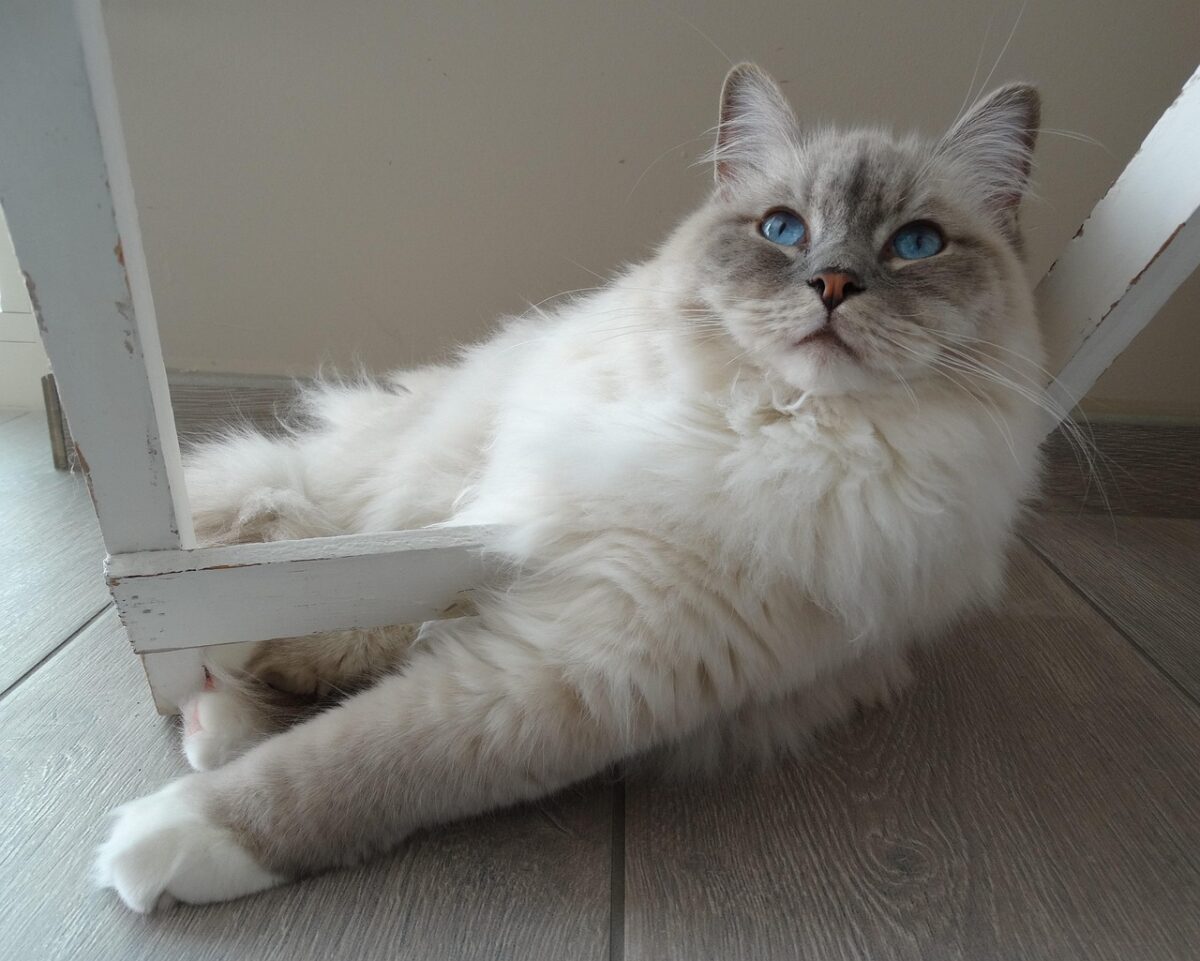
Ragdolls are widely considered one of the best cat breeds for first-time owners thanks to their famously calm and affectionate personalities. These large, gentle cats are known for forming strong bonds with their families and often enjoy following their owners around the house.
The breed gets its name from its tendency to relax completely when picked up, much like a ragdoll toy. Because of their gentle and trusting nature, Ragdolls are often described as one of the most people-oriented cat breeds.
Size
- Average Weight: 10–20 pounds
- Length: 15–23 inches
Lifespan
The average Ragdoll lifespan is 12–17 years with proper care and regular veterinary visits.
Personality & Temperament
Ragdolls are exceptionally sweet and patient cats. They are known for being tolerant of children and other pets when properly introduced. While they enjoy interactive playtime, they are not overly energetic and generally prefer a relaxed household environment.
Many Ragdolls also enjoy cuddling or being carried, which makes them especially appealing for owners who want an affectionate companion.
Care Needs
Despite their semi-long coats, Ragdolls are relatively low-maintenance compared to many long-haired breeds. Brushing once or twice a week is usually enough to prevent tangles and remove loose hair.
They benefit from daily play sessions and interactive toys, but do not require intense activity to stay happy and healthy.
Why Ragdolls Are Great for First-Time Owners
- Extremely gentle and affectionate personality
- Adapt well to families and multi-pet households
- Moderate grooming requirements
2. Ragamuffin
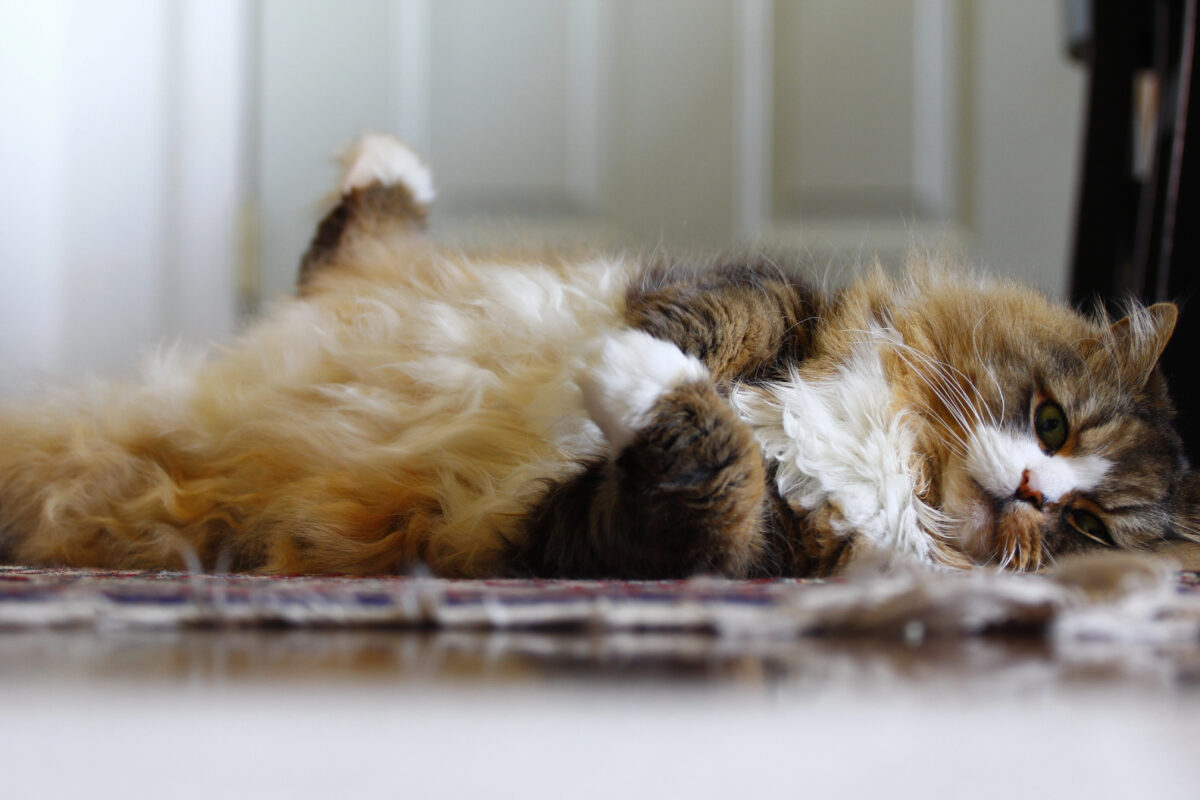
Ragamuffins are affectionate, easygoing cats that thrive on human companionship. Often described as the “teddy bears of the cat world,” these cats are known for their calm demeanor and love of cuddling.
Closely related to the Ragdoll, Ragamuffins share many of the same gentle personality traits. They enjoy spending time with their families and tend to be very trusting and sociable pets.
Size
- Average Weight: 10–20 pounds
- Length: 12–18 inches
Lifespan
The average Ragamuffin lifespan is 12–16 years.
Personality & Temperament
Ragamuffins are incredibly sweet and patient cats. They usually greet their owners at the door and enjoy being held, petted, or lounging nearby. They typically get along well with children and other pets and are known for their relaxed and tolerant personalities.
Care Needs
Their soft, medium-to-long coat requires regular brushing to keep it smooth and free of mats. However, their fur tends to be less prone to tangling than some other long-haired breeds.
Ragamuffins are moderately active and benefit from daily play sessions and enrichment toys.
Why Ragamuffins Are Great for First-Time Owners
- Extremely affectionate and gentle
- Adapt well to family households
- Generally calm and easygoing temperament
3. Birman
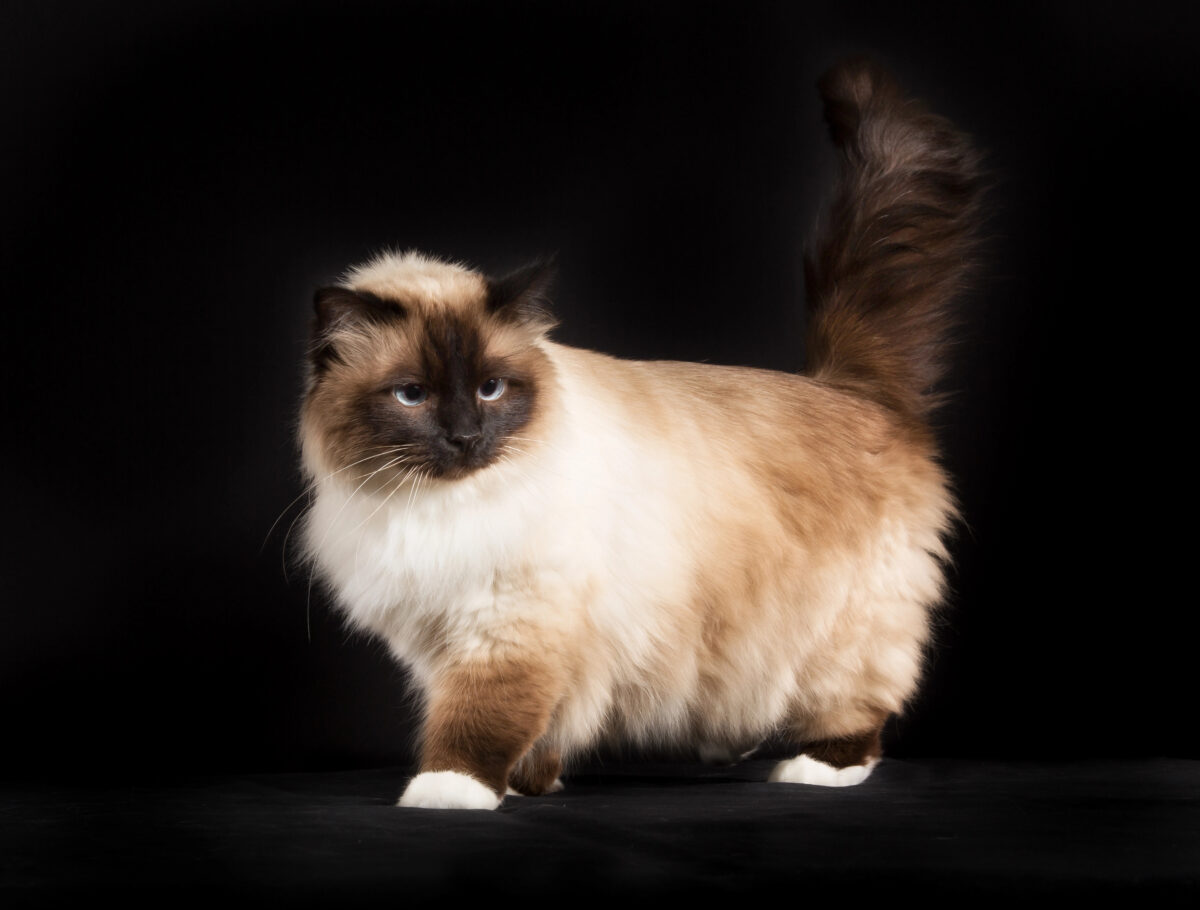
The Birman is a beautiful and friendly breed known for its striking blue eyes, silky coat, and distinctive white “gloves” on its paws. These cats have a calm, affectionate nature that makes them wonderful companions for new owners.
Birmans are social cats that enjoy spending time with their families but are usually not overly demanding or clingy. That said, the Birman cat price can be high for a purebred. Expect to pay between $600 to $3,000 for a high pedigree.
Size
- Average Weight: 8–15 pounds
- Length: 15–18 inches
Lifespan
The average Birman lifespan is 12–16 years.
Personality & Temperament
Birmans are known for their balanced personalities. They enjoy attention and affection but are generally relaxed and easygoing. Many Birmans are playful without being overly energetic.
They typically get along well with children, other cats, and even dogs when introduced gradually.
Care Needs
Their silky coat is medium-length but surprisingly easy to maintain. Weekly brushing is usually enough to keep their fur looking its best.
Birmans enjoy interactive toys and light play sessions, but are not overly demanding when it comes to exercise.
Why Birmans Are Great for First-Time Owners
- Gentle and affectionate personality
- Adapt well to families and other pets
- Playful but not overly energetic
4. Maine Coon
The Maine Coon is one of the largest domestic cat breeds, but their friendly personality has earned them the nickname “gentle giants.” Despite their impressive size, these cats are known for their affectionate and playful nature.
Maine Coons are highly social animals and often form strong bonds with their families. Many owners describe them as having almost dog-like personalities.
Size
- Average Weight: 9–25 pounds
- Length: Up to 40 inches, including the tail
Lifespan
The average Maine Coon lifespan is 12–15 years.

Personality & Temperament
These cats are intelligent, curious, and friendly. They typically get along well with children and other pets and are known for their patient demeanor.
Maine Coons remain playful well into adulthood and enjoy interactive toys, puzzle feeders, and games with their owners.
Care Needs
Their long, thick coat requires regular brushing to prevent tangles and reduce shedding. Most Maine Coons benefit from brushing several times a week. They are also food-motivated, so you must keep a close eye on your Maine Coon’s diet to prevent obesity.
They are moderately active cats and enjoy climbing, exploring, and interactive play.
Why Maine Coons Are Great for First-Time Owners
- Friendly and social personality
- Generally patient with children and pets
- Intelligent and trainable
5. Burmese
Burmese cats are known for their affectionate personalities and strong desire to interact with their humans. These cats are incredibly people-oriented and often enjoy being involved in whatever their owners are doing.
Because of their social nature and easygoing temperament, Burmese cats are frequently recommended as excellent companions for first-time cat owners.
Size
- Average Weight: 8–12 pounds
- Length: 10–14 inches
Lifespan
The average Burmese lifespan is 16–18 years.

Personality & Temperament
Burmese cats are playful, curious, and very affectionate. They often seek out attention from their owners and enjoy spending time with their families.
Unlike some independent breeds, Burmese cats thrive on companionship and are happiest in homes where they receive plenty of interaction.
Care Needs
Their short, silky coat requires minimal grooming and usually only needs occasional brushing.
Burmese cats are moderately active and benefit from regular playtime with toys or interactive games.
Why Burmese Cats Are Great for First-Time Owners
- Very affectionate and people-oriented
- Low grooming requirements
- Adapt well to family households
Low-Maintenance Cats for First-Time Owners
Many new cat owners prefer a breed that is relatively easy to care for. Cats with short coats and balanced personalities typically require less grooming and adapt well to different living situations, including apartments and smaller homes.
The breeds below are known for their manageable grooming needs, adaptable temperaments, and moderate activity levels. While every cat still needs daily care and attention, these breeds tend to be easier for beginners to handle and maintain.
6. American Shorthair
The American Shorthair is one of the most dependable and easygoing cat breeds available. Known for their adaptable personalities and sturdy health, these cats have long been popular companions for families and first-time pet owners.
They are affectionate with their families but also independent enough to spend time alone without becoming stressed. This balanced personality makes them especially suitable for busy households.
Size
- Average Weight: 8–15 pounds
- Length: 12–15 inches
Lifespan
The average American Shorthair lifespan is 15–20 years.

Personality & Temperament
American Shorthairs are friendly, calm, and moderately playful. They enjoy spending time with their owners but are not overly demanding for attention.
They typically get along well with children and other pets and are known for their adaptable nature.
Care Needs
Their short coat is very easy to maintain and only requires occasional brushing to remove loose hair.
American Shorthairs enjoy toys and interactive play sessions, but are generally not as high-energy as some other breeds. The breed is also prone to periodontal and dental disease, so owners must take great care to brush and clean their teeth.
Why American Shorthairs Are Great for First-Time Owners
- Adaptable and easygoing personality
- Independent but affectionate
- Generally healthy and long-lived
7. British Shorthair
The British Shorthair is famous for its plush coat, round face, and calm personality. These cats are known for being relaxed and independent, making them a wonderful match for first-time owners.
While they enjoy spending time near their people, they are not overly clingy and are content to relax nearby while their owners go about their day.
Size
- Average Weight: 9–18 pounds
- Length: 14–18 inches
Lifespan
The average British Shorthair lifespan is 12–20 years.

Personality & Temperament
British Shorthairs are calm, gentle cats that prefer a peaceful household. They are affectionate but typically less demanding than highly social breeds.
Their relaxed temperament makes them well-suited to apartment living or quieter homes.
Care Needs
Their dense short coat requires only weekly brushing to keep it healthy and remove loose fur.
These cats are moderately active and enjoy short play sessions, but are generally quite content to lounge and observe their surroundings.
Why British Shorthairs Are Great for First-Time Owners
- Calm and easygoing temperament
- Low grooming requirements
- Independent yet affectionate
8. Russian Blue
The Russian Blue is a striking breed known for its shimmering silvery-blue coat and bright green eyes. These cats are intelligent, gentle, and often form very strong bonds with their families.
While they may be a bit shy around strangers at first, Russian Blues are loyal and affectionate companions once they feel comfortable in their home.
Size
- Average Weight: 7–12 pounds
- Length: 12–16 inches
Lifespan
The average Russian Blue lifespan is 15–20 years.

Personality & Temperament
Russian Blues tend to be calm and somewhat reserved cats. They enjoy spending time with their owners but are also comfortable entertaining themselves.
This independence can make them a good choice for owners who work during the day.
Care Needs
Their dense double coat requires only minimal grooming. Brushing once a week is typically enough to keep their coat looking smooth and healthy.
They enjoy interactive toys and puzzle games that provide mental stimulation.
Why Russian Blues Are Great for First-Time Owners
- Low grooming needs
- Calm and quiet personality
- Independent but affectionate
9. Exotic Shorthair
The Exotic Shorthair is often described as the short-haired version of the Persian. These cats share the Persian’s sweet personality but have a much easier coat to maintain.
Their round, flat faces, large eyes, rounded ears, and calm demeanor give them an adorable and gentle appearance that many cat lovers find irresistible.
Size
- Average Weight: 7–14 pounds
- Length: 10–12 inches
Lifespan
The average Exotic Shorthair lifespan is 12–15 years.

Personality & Temperament
Exotic Shorthairs are affectionate, quiet, and relaxed cats. They enjoy spending time with their families and often seek out gentle attention and playtime.
Despite their calm nature, they still enjoy interactive play sessions and toys.
Care Needs
Their plush short coat requires less grooming than a Persian’s long fur but still benefits from regular brushing.
They are moderately active and enjoy a mix of relaxation and play.
Why Exotic Shorthairs Are Great for First-Time Owners
- Sweet and gentle personality
- Lower grooming needs than Persians
- Affectionate but not overly demanding
10. Bombay
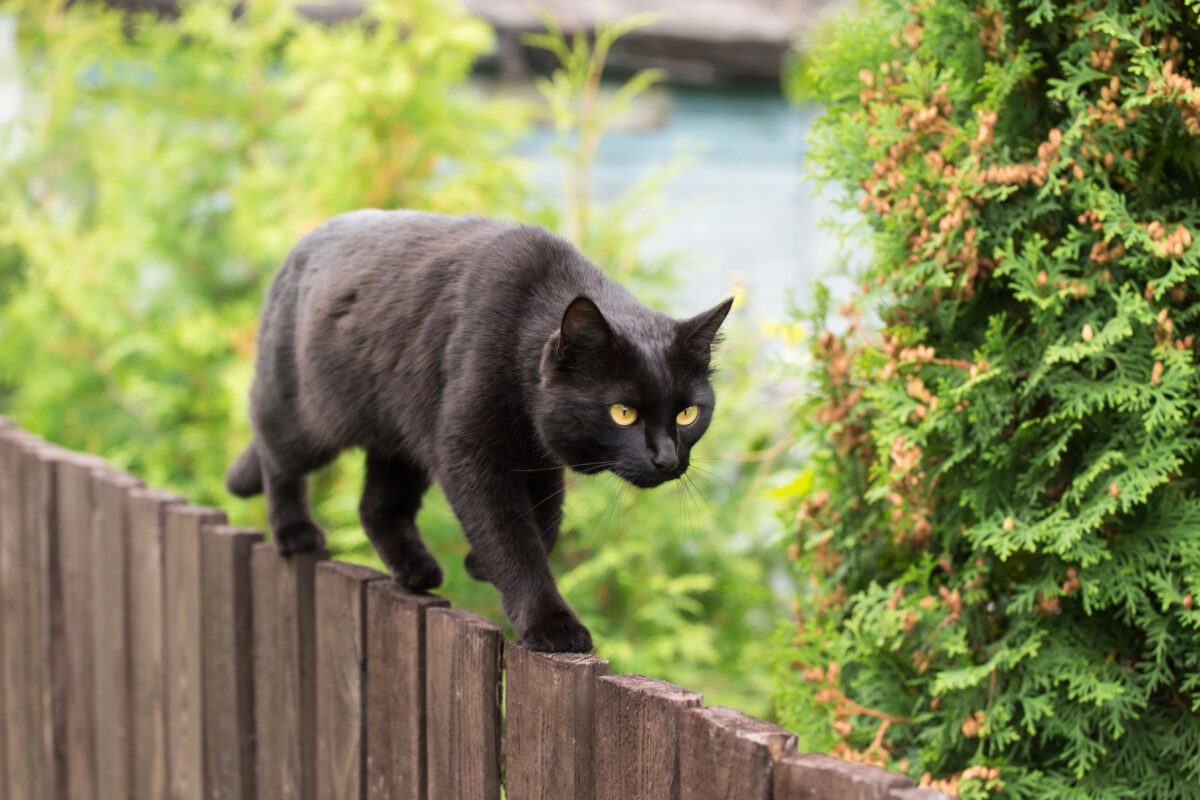
The Bombay cat is often called the “mini panther” because of its sleek black coat and bright copper or gold eyes. Despite their exotic appearance, Bombays are affectionate and easygoing companions.
They are highly social cats that enjoy spending time with their owners and often seek out attention and interaction.
Size
- Average Weight: 8–15 pounds
- Length: 13–20 inches
Lifespan
The average Bombay cat lifespan is 12–16 years.
Personality & Temperament
Bombays are playful, curious, and very people-oriented. They often follow their owners around the house and enjoy participating in daily activities.
They tend to get along well with families and other pets when properly socialized.
Care Needs
Their short, glossy coat requires very little grooming and typically only needs occasional brushing.
Bombays enjoy interactive play and benefit from toys that allow them to chase and explore.
Why Bombay Cats Are Great for First-Time Owners
- Very low grooming requirements
- Affectionate and social personality
- Playful and engaging companion
Playful & Interactive Cats
Some first-time cat owners want a companion that is especially curious, playful, and engaging. These cats tend to be more interactive with their families and often enjoy games, toys, and mental stimulation.
While they may have slightly higher activity levels than calmer breeds, the following cats are still manageable for new owners who are prepared to provide daily playtime and enrichment.
11. Abyssinian
The Abyssinian is one of the most energetic and intelligent domestic cat breeds. Known for their sleek athletic bodies and distinctive ticked coats, these cats are curious explorers that enjoy being involved in household activities.
Because of their playful nature and strong interest in their surroundings, Abyssinians are often described as the “clowns of the cat world.”
Size
- Average Weight: 6–10 pounds
- Length: 12–16 inches
Lifespan
The average Abyssinian lifespan is 9–15 years.

Personality & Temperament
Abyssinians are very active, curious, and social cats. They enjoy interacting with their owners and often follow them around the home.
They are intelligent and love puzzle toys, climbing structures, and games that challenge their minds.
Care Needs
Their short coat requires minimal grooming and typically only needs occasional brushing.
Because of their high energy level, Abyssinians benefit from plenty of playtime and access to climbing spaces like cat trees.
Why Abyssinians Are Good for First-Time Owners
- Very intelligent and interactive
- A short coat requires little grooming
- Form strong bonds with their families
12. Siamese
The Siamese is one of the most recognizable cat breeds in the world thanks to its striking colorpoint coat and bright blue eyes. These cats are known for their outgoing personalities and strong desire to interact with their owners.
Siamese cats thrive on companionship and are often happiest in homes where they receive plenty of attention and engagement.
Size
- Average Weight: 6–10 pounds
- Length: 11–15 inches
Lifespan
The average Siamese cat lifespan is 12–20 years.

Personality & Temperament
Siamese cats are extremely social and vocal. They are known for their talkative nature and often “chat” with their owners throughout the day.
They are intelligent, curious, and affectionate cats that enjoy interactive play and mental stimulation.
Care Needs
The Siamese has a short coat that requires very little grooming.
These cats benefit from daily playtime and toys that keep them mentally stimulated.
Why Siamese Cats Are Good for First-Time Owners
- Highly affectionate and social
- Low grooming needs
- Very intelligent and trainable
13. Tonkinese
The Tonkinese cat combines the best traits of the Siamese and Burmese breeds. These cats are friendly, playful, and highly social, making them wonderful companions for many households.
Tonkinese cats enjoy being around their people and often follow family members from room to room.
Size
- Average Weight: 6–12 pounds
- Length: 12–16 inches
Lifespan
The average Tonkinese lifespan is 12–16 years.

Personality & Temperament
Tonkinese cats are curious, intelligent, and extremely affectionate. They thrive on attention and enjoy interacting with their families.
These cats tend to be playful and energetic, but are usually slightly less vocal than Siamese cats.
Care Needs
Their short coat is easy to maintain and usually only needs occasional brushing.
Tonkinese cats enjoy daily play sessions and benefit from toys that challenge their intelligence.
Why Tonkinese Cats Are Good for First-Time Owners
- Friendly and social personality
- Easy-to-maintain coat
- Highly affectionate companions
Unique Cat Breeds That Can Still Work for Beginners
Some cat breeds have distinctive appearances or slightly higher care needs, but their personalities can still make them great companions for first-time owners.
If new owners are prepared for the grooming or special care these breeds may require, they can be incredibly rewarding pets with affectionate and engaging personalities.
14. Persian
The Persian cat is one of the most recognizable breeds thanks to its luxurious long coat and sweet expression. These cats are known for their calm and gentle personalities.
Persians tend to prefer quiet environments and enjoy relaxing near their owners rather than engaging in high-energy activities. Their soft appearance and nature make them a popular pick as a family pet.
Size
- Average Weight: 7–12 pounds
- Length: 10–15 inches
Lifespan
The average Persian cat lifespan is 12–17 years.

Personality & Temperament
Persians are affectionate, calm, and patient cats. They enjoy attention but are generally not overly demanding.
Their relaxed nature makes them a good match for quieter households.
Care Needs
The Persian’s long coat requires regular brushing to prevent mats and tangles. Persians are not great for allergy sufferers due to their long coats and regular shedding. Despite that, they are a lovely pick for a first-time owner.
They are generally low-energy cats that enjoy calm environments.
Why Persians Can Work for First-Time Owners
- Very calm and gentle temperament
- Affectionate companions
- Moderate activity levels
15. Siberian
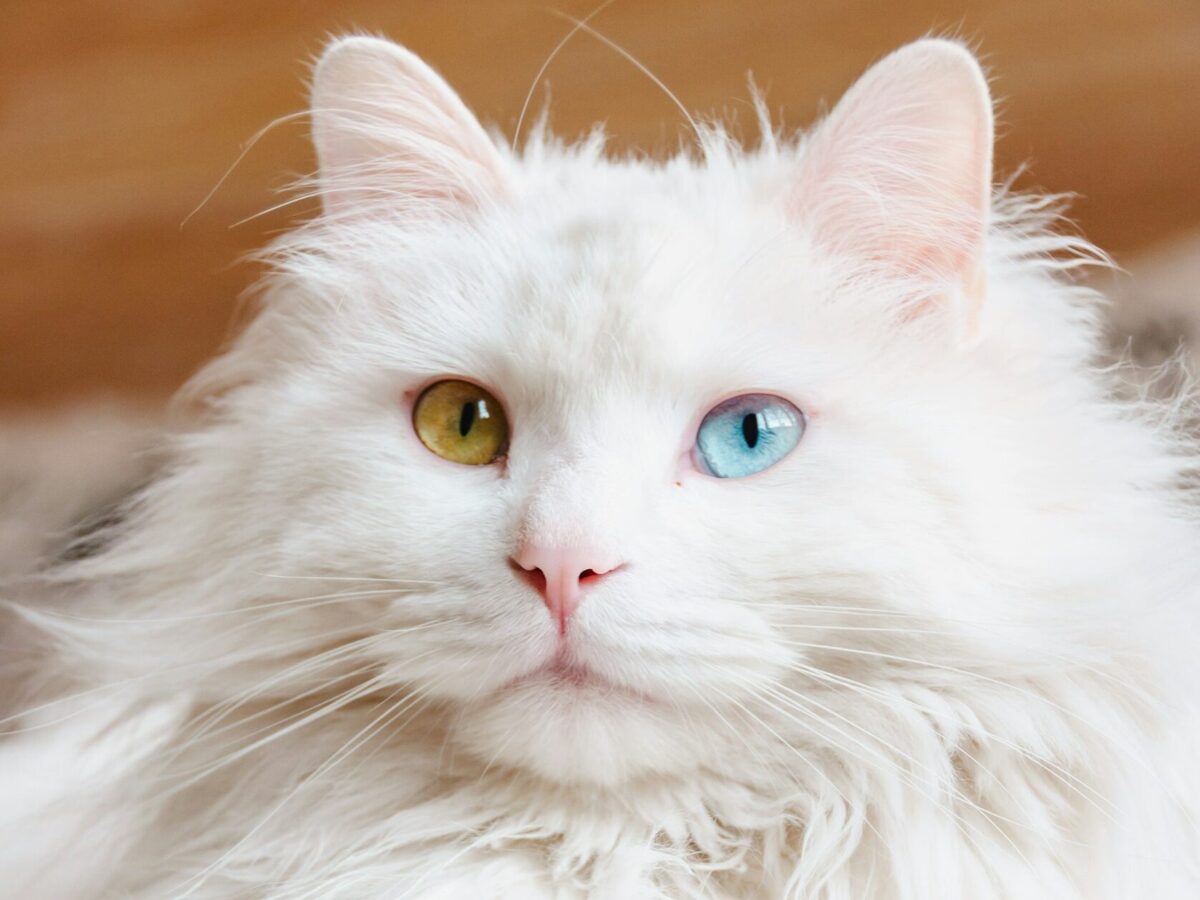
The Siberian cat is a large, powerful breed with a thick, luxurious coat designed for cold climates. Despite their rugged appearance, these cats are affectionate and social companions.
Siberians are known for their playful personalities and strong bonds with their families.
Size
- Average Weight: 10–20 pounds
- Length: 15–18 inches
Lifespan
The average Siberian cat lifespan is 12–15 years.
Personality & Temperament
Siberians are friendly, confident, and playful cats. They enjoy interacting with their owners and often greet them at the door.
They typically get along well with children and other pets.
Care Needs
Their thick coat requires regular brushing to keep it healthy and prevent tangles.
Siberians enjoy climbing and benefit from cat trees or climbing structures.
Why Siberians Are Good for First-Time Owners
- Friendly and social personality
- Playful and intelligent
- Strong bonds with their owners
16. Scottish Fold
The Scottish Fold is famous for its distinctive folded ears and round, expressive face. These cats are known for their gentle and affectionate personalities.
Scottish Folds enjoy spending time with their families and often seek out attention from their owners.
Size
- Average Weight: 6–13 pounds
- Length: 10–12 inches
Lifespan
The average Scottish Fold lifespan is 11–15 years.

Personality & Temperament
Scottish Folds are calm, affectionate, and playful cats. They enjoy interactive play but also appreciate quiet relaxation.
They generally get along well with children and other pets.
Care Needs
Their coat is relatively easy to maintain and typically only requires occasional brushing.
Owners should monitor joint health, as the gene responsible for folded ears can also affect cartilage development.
Unfortunately, the folded ears also come with some specific health risks.
Osteochondrodysplasia, also called “Scottish Fold disease,” can cause some malformations in the bone and joint development. This condition causes the ears to fold, but it can also affect different cartilage around the body. This condition can cause pain, early-onset arthritis, physical discomfort, and behavioral changes.
Because of the risk of developing these health conditions, if adopting a Scottish Fold, owners may want to investigate pet insurance to help manage health care costs.
Why Scottish Folds Are Good for First-Time Owners
- Gentle and affectionate personality
- Moderate grooming needs
- Friendly with families and other pets
17. Himalayan
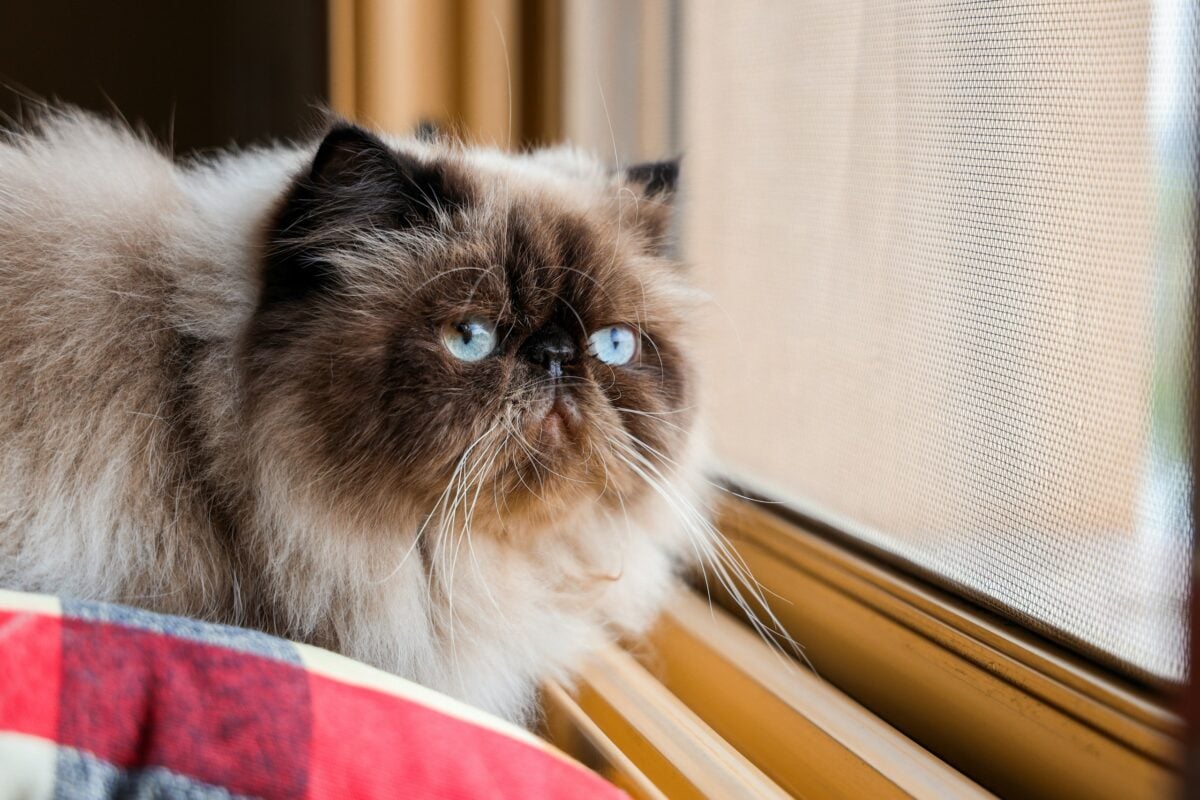
The Himalayan cat is a striking breed known for its long, luxurious coat and beautiful blue eyes. Developed by crossing Persian and Siamese cats, Himalayans combine the Persian’s calm temperament with the Siamese’s distinctive colorpoint pattern.
These cats are gentle, affectionate companions that enjoy spending time with their families. Their relaxed personality and loving nature make them a good choice for first-time owners who want a calm indoor cat.
Size
- Average Weight: 7–12 pounds
- Length: 10–15 inches
Lifespan
The average Himalayan cat lifespan is 12–15 years.
Personality & Temperament
Himalayans are known for their sweet and laid-back personalities. They tend to enjoy quiet environments and are often happiest lounging beside their owners or relaxing in sunny spots around the home.
While they are generally calm cats, they still enjoy occasional playtime and interactive toys.
Care Needs
The Himalayan’s long, thick coat requires regular brushing to prevent tangles and mats. Grooming several times per week is usually recommended to keep their fur healthy and looking its best.
Because of their relaxed personality, Himalayans typically do best in calm indoor homes where they can receive regular attention and grooming.
Why Himalayan Cats Can Work for First-Time Owners
- Calm and gentle temperament
- Affectionate with their families
- Beautiful and distinctive appearance
18. Sphynx
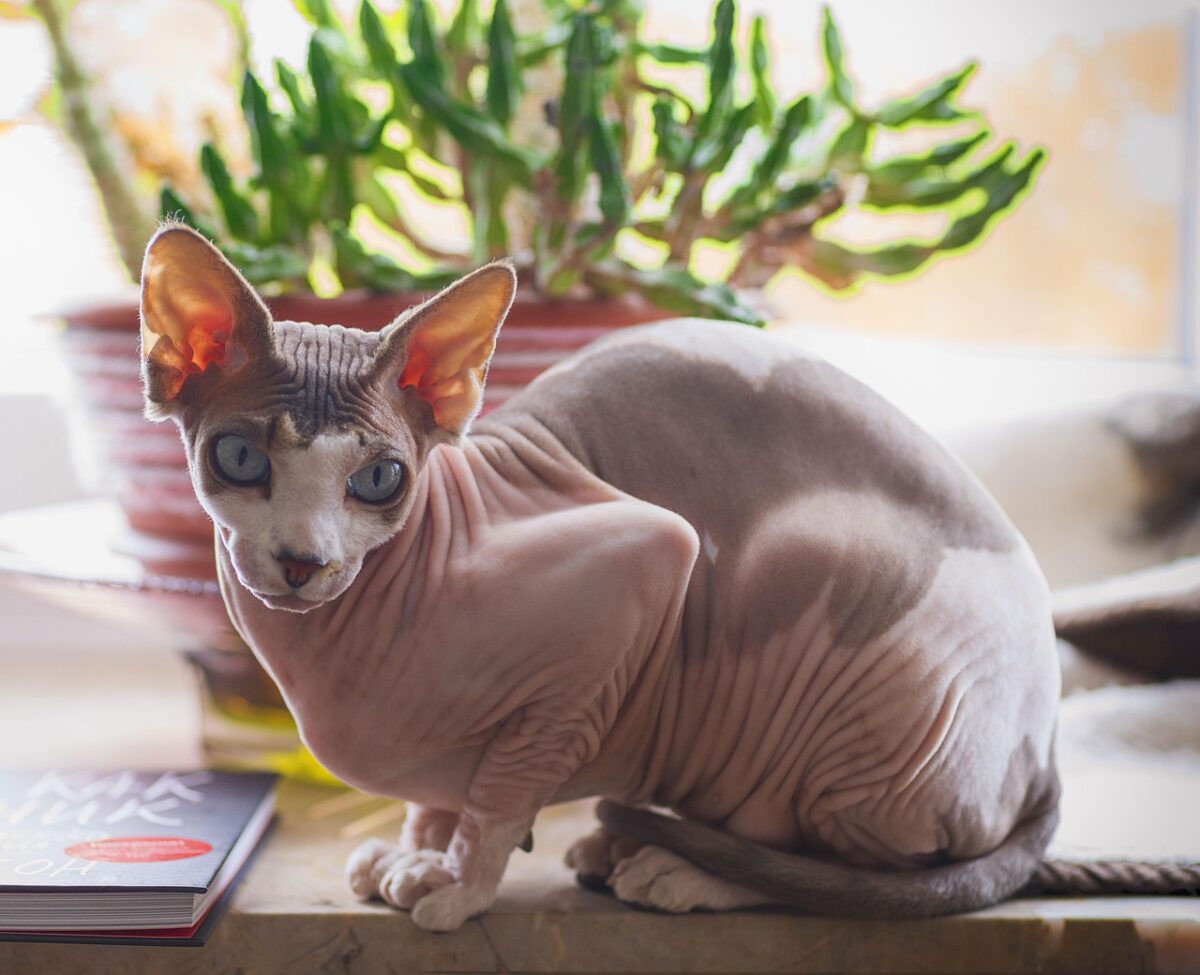
The Sphynx is a unique hairless breed known for its playful personality and affectionate nature. These cats are extremely social and enjoy being the center of attention.
Because they lack fur, Sphynx cats often seek warmth and enjoy cuddling with their owners.
Size
- Average Weight: 6–12 pounds
- Length: 13–15 inches
Lifespan
The average Sphynx lifespan is 9–15 years.
Personality & Temperament
Sphynx cats are energetic, curious, and highly people-oriented. They thrive on interaction and enjoy being involved in their owners’ daily routines.
They are often described as having dog-like personalities.
Care Needs
Although they do not require brushing, Sphynx cats need regular baths to remove oils that would normally be absorbed by fur.
They also benefit from warm environments and soft bedding.
Why Sphynx Cats Are Good for First-Time Owners
- Extremely affectionate and social
- Strong bonds with owners
- Unique appearance and charm
19. Norwegian Forest Cat
The Norwegian Forest Cat is a large, fluffy breed known for its majestic appearance and friendly personality. Originally developed in cold Scandinavian climates, these cats have thick coats and strong bodies.
Despite their rugged look, they are gentle and affectionate companions.
Size
- Average Weight: 12–20 pounds
- Length: 12–18 inches
Lifespan
The average Norwegian Forest Cat lifespan is 14–16 years.

Personality & Temperament
Norwegian Forest Cats are confident, friendly, and moderately playful. They enjoy spending time with their families but are also comfortable being independent.
They are excellent climbers and enjoy elevated spaces.
Care Needs
Their thick coat requires regular brushing, especially during seasonal shedding.
They benefit from climbing structures and interactive play sessions.
Why Norwegian Forest Cats Are Good for First-Time Owners
- Good with families and other pets
- Playful but balanced energy levels
- Strong and generally healthy breed
20. Devon Rex
The Devon Rex is known for its large ears, curly coat, and playful personality. These cats are incredibly social and often form very strong bonds with their owners.
They are curious, energetic, and love exploring their surroundings.
Size
- Average Weight: 6–9 pounds
- Length: 10–12 inches
Lifespan
The average Devon Rex lifespan is 9–15 years.

Personality & Temperament
Devon Rex cats are playful, affectionate, and highly interactive. They enjoy being involved in household activities and often follow their owners around.
They are known for their mischievous and entertaining personalities.
Care Needs
Their short curly coat sheds very little and requires minimal grooming.
Devon Rex cats benefit from plenty of toys and interactive playtime.
Why Devon Rex Cats Are Good for First-Time Owners
- Highly affectionate and social
- Minimal grooming needs
- Strong bonds with their families
Beginner-Friendly Cat Breed Comparison
The table below compares some of the most beginner-friendly cat breeds based on grooming needs, energy level, and overall ease of care.
| Breed | Grooming | Energy Level | Affection Level | Beginner Friendly |
|---|---|---|---|---|
| Ragdoll | Moderate | Low | Very High | ★★★★★ |
| Maine Coon | Moderate | Medium | High | ★★★★★ |
| American Shorthair | Low | Medium | Medium | ★★★★★ |
| British Shorthair | Low | Low | Medium | ★★★★★ |
| Birman | Moderate | Medium | High | ★★★★★ |
| Burmese | Low | Medium | Very High | ★★★★★ |
| Russian Blue | Low | Low | Medium | ★★★★☆ |
| Abyssinian | Low | High | Medium | ★★★★☆ |
| Siamese | Low | High | Very High | ★★★★☆ |
| Devon Rex | Low | High | High | ★★★★☆ |
Don’t Overlook Mixed-Breed Cats
Mixed-breed cats can be just as wonderful as purebred cats. Many cats in shelters are mixed breeds, often called moggies, and they make fantastic companions for first-time owners.
Because of their diverse backgrounds, mixed-breed cats come in many sizes, coat types, and personalities. With proper care, socialization, and regular veterinary visits, they can be affectionate, adaptable pets that thrive in a variety of homes.
Should You Adopt More Than One Cat?
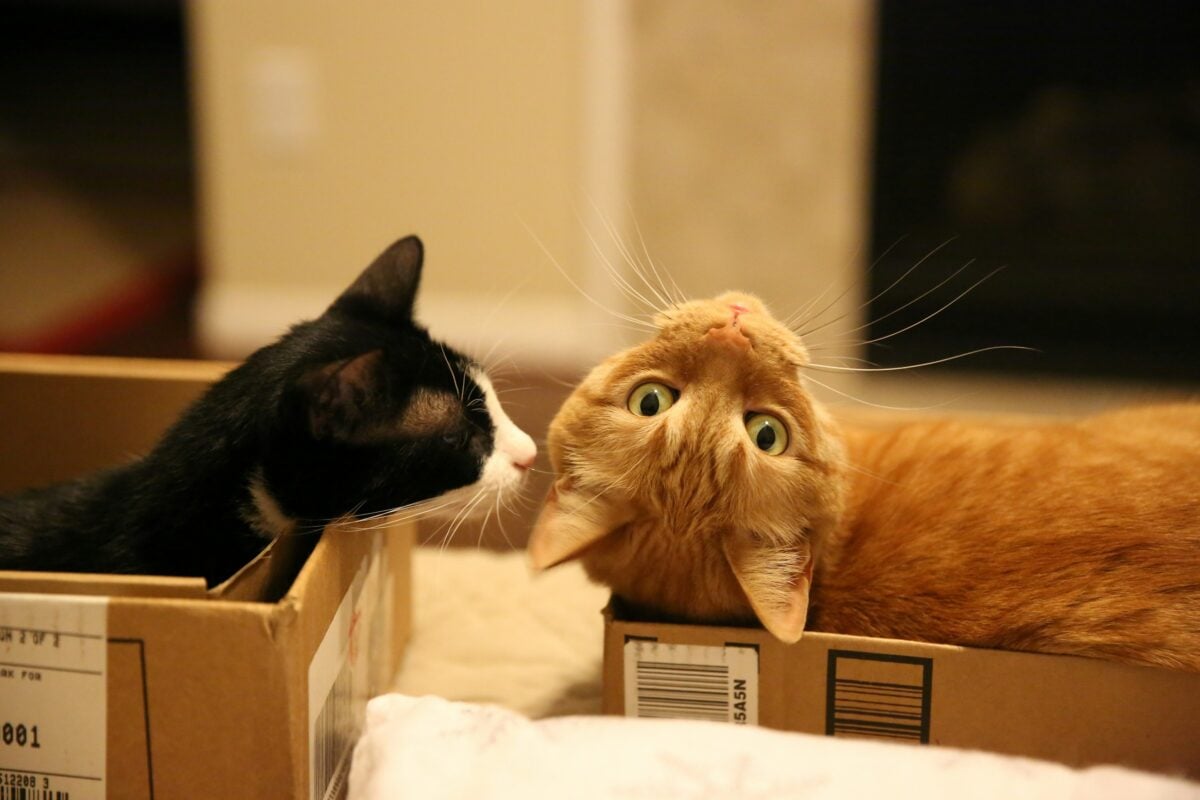
Many first-time cat owners wonder whether they should adopt one cat or bring home two cats at the same time. While a single cat can absolutely thrive with plenty of attention and playtime, adopting two kittens or compatible cats together can have some advantages.
Cats that grow up together often become close companions. They may play, groom each other, and provide entertainment and comfort when their owners are away. This can help reduce boredom and destructive behaviors, especially in younger or more energetic cats.
Benefits of Adopting Two Cats
- They can keep each other entertained and active.
- Playtime together helps burn off energy and reduce boredom.
- Companionship may help prevent loneliness when owners are away.
- Kittens raised together often develop strong bonds.
Things to Consider
While adopting two cats can be rewarding, it does mean additional responsibilities. Owners will need to provide extra food, litter boxes, veterinary care, and space for both pets. It’s also important to introduce cats properly if they are not already bonded.
For many households, adopting a pair of kittens or a bonded pair from a shelter can be a wonderful way to start the journey of cat ownership.
What Is Single Kitten Syndrome?
Animal behavior experts sometimes use the term “single kitten syndrome” to describe behavioral issues that can occur when a young kitten grows up without other feline companions. While not every kitten experiences this, some may develop habits that are harder for new owners to manage.
- Kittens may play too roughly with people because they haven’t learned bite and claw control from another cat.
- They may become bored more easily without a playmate to burn off energy.
- Some kittens develop attention-seeking behaviors or separation anxiety.
- Growing up with another kitten can help them learn social skills and appropriate play.
For this reason, many shelters and rescue organizations recommend adopting kittens in pairs whenever possible.
7 Essential Supplies for Your First Cat
Before bringing a new cat home, it’s important to prepare your space with the basic supplies your pet will need. Having these essentials ready can help your new cat feel safe and comfortable during the transition into their new home.
1. Litter Box and Litter
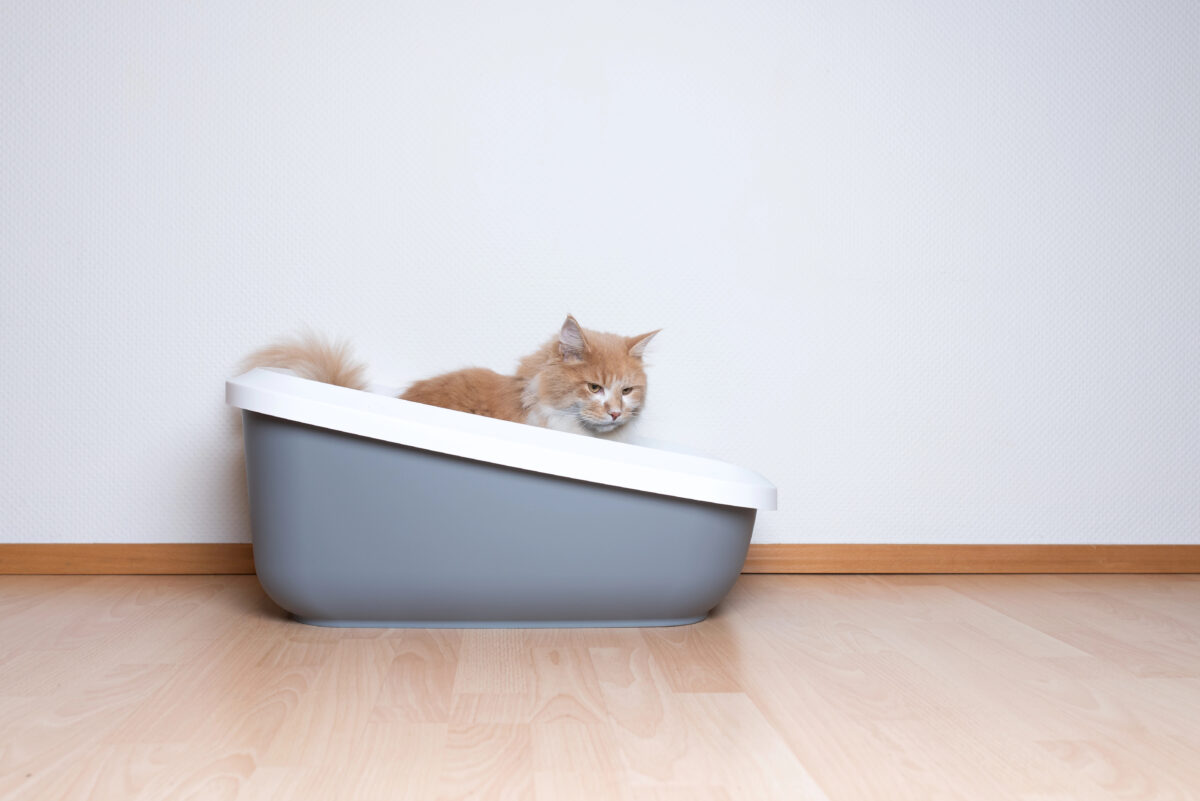
A clean litter box is one of the most important items for any cat owner. Most experts recommend having at least one litter box per cat, plus an extra if possible. Choose a quiet location where your cat can use the box without interruptions.
2. Quality Cat Food
A balanced diet is essential for your cat’s long-term health. Look for high-quality cat food formulated for your cat’s age and activity level. Many first-time owners find it helpful to ask their veterinarian for recommendations.
3. Food and Water Bowls
Stainless steel or ceramic bowls are usually the best option because they are durable and easy to clean. Some cats also prefer drinking from water fountains, which encourage them to stay hydrated.
4. Scratching Post or Cat Tree
Cats naturally scratch to maintain their claws and stretch their muscles. Providing a scratching post or cat tree can help protect your furniture while giving your cat a healthy outlet for this instinctive behavior.
5. Toys and Enrichment
Interactive toys help keep cats mentally stimulated and physically active. Simple toys such as feather wands, balls, and puzzle feeders can provide hours of entertainment. Other options, like a window perch or a window bird feeder, can give your cat hours of quality enrichment.
6. Comfortable Bed
Many cats enjoy having a soft, quiet place to sleep. A comfortable cat bed or blanket can help your new pet feel secure as they settle into their new environment.
7. Cat Carrier
A sturdy cat carrier is essential for safely transporting your cat to the veterinarian, groomer, or when traveling. A secure carrier helps keep your pet calm and protected during trips outside the home.
Preparing these essentials ahead of time will make the transition smoother and help your new cat feel at home from day one.
Did you know? Scientists believe domestic cats were first domesticated around 9,000–10,000 years ago when they began living near early farming communities.
5 Common Mistakes First-Time Cat Owners Should Avoid
New cat owners sometimes make a few common mistakes while learning how to care for their pets. Avoiding these issues can make the adjustment easier for both you and your cat.
- Skipping proper introductions: Introduce cats and other pets slowly.
- Not providing enough enrichment: Cats need toys, climbing areas, and playtime.
- Overfeeding: Follow feeding guidelines to prevent obesity.
- Ignoring routine vet care: Regular checkups help catch health problems early.
- Expecting cats to be fully independent: Cats still need daily attention and interaction.
Watch: Common Mistakes First-Time Cat Owners Make
Even well-prepared first-time cat owners can make a few common mistakes when bringing home a new pet. From feeding habits to litter box setup, small missteps can make the adjustment harder for both you and your cat.
The video below walks through several common mistakes new cat owners make, and how you can avoid them to help your feline settle in comfortably.
Common Questions First-Time Cat Owners Ask
If you have never had a cat before, there is a lot to learn. Even experienced owners have plenty of questions. I have owned cats for decades and still have questions! Below are a few of the most often-asked questions first-time cat owners have. Don’t see yours here? Ask us in our comments.
What cat breed is best for first-time owners?
Several cat breeds are well-suited for new owners because they tend to have friendly personalities and manageable care needs. Popular beginner-friendly breeds include the Ragdoll, Maine Coon, American Shorthair, British Shorthair, and Birman. These cats are typically affectionate, adaptable, and easier to care for than more demanding breeds.
What is the easiest cat breed to take care of?
Short-haired breeds are often the easiest for beginners to care for because they require less grooming. Breeds such as the American Shorthair, British Shorthair, Russian Blue, and Bombay are known for their low-maintenance coats and calm personalities, making them excellent choices for first-time owners.
Are cats good pets for beginners?
Cats can make excellent pets for beginners. While they are generally more independent than many other pets, they still need daily care, attention, and enrichment. Choosing a beginner-friendly breed and preparing your home ahead of time can help ensure a smooth transition for both you and your new feline companion.
What is the first thing you should do when you get a new cat?
When bringing a new cat home, it’s best to place them in a quiet, safe room where they can adjust gradually. Provide essentials such as a litter box, food, water, and a comfortable sleeping area. Allow the cat time to explore and become comfortable before introducing them to the rest of the home.
Are kittens or adult cats better for first-time owners?
Adult cats are often easier for first-time owners because their personalities are already developed, and they typically require less supervision than kittens. However, kittens can also make wonderful pets if owners are prepared for their higher energy levels and training needs.
Can I leave my cat alone the first night?
Yes, it’s generally safe to leave your cat alone overnight in a comfortable, secure room. Make sure they have access to food, water, a litter box, and a cozy place to sleep. Many cats prefer quiet time while adjusting to their new environment.
Did You Know?
Cats communicate with people differently than they do with other cats. For example, the familiar “meow” is used primarily to communicate with humans rather than other cats.
First-Time Cat Owner Guide
Choosing the right breed is an important first step, but new cat owners also need to understand the basics of feline care and behavior. The resources below will help you learn about litter options, common cat behaviors, feeding, and how to solve everyday challenges.
New Cat Owner Basics
Bringing home your first cat is exciting, but there’s a lot to learn along the way. Even if you choose one of the best cat breeds for first-time owners, understanding a few key basics will help you and your new pet settle in comfortably.
- Choose the right litter setup.
The litter box is one of the most important parts of your cat’s daily routine. Learn about the different types of cat litter to find the best option for your home. - Understand common cat behaviors.
Cats often follow their owners from room to room or suddenly race around the house. Learn why cats follow their owners and what causes those bursts of energy known as cat zoomies. - Feed your cat a balanced diet.
Cats should primarily eat high-quality cat food, but some human foods are safe in moderation. See which options are safe in our guide to what human food cats can eat. - Make sure your cat has companionship.
While cats are independent animals, they still need stimulation and interaction. Learn more about whether cats get lonely and how to keep them happy. - Provide appropriate scratching areas.
Scratching is a natural feline behavior. Providing scratching posts and learning how to stop cats from scratching furniture can help protect your home.
Life With Your First Cat
As you begin life with your feline companion, you may also have questions about personality differences between male and female cats. Our guide to male cats vs. female cats explains some of the key traits and considerations that can help you decide which might be the better fit for your home.
Cats can also display some quirky behaviors that puzzle new owners. For example, many cats develop unusual fascinations with their humans’ feet or enjoy quietly observing their owners for long periods. If you’ve ever wondered why cats like feet or asked yourself why your cat stares at you, these behaviors are often completely normal and can reveal interesting insights into feline communication.
Whether you choose a playful breed like an Abyssinian, a gentle companion like a Ragdoll, or adopt a mixed-breed cat from a shelter, the most important thing is providing a loving home, proper care, and plenty of attention. With the right preparation and understanding, your first cat can become a loyal and rewarding companion for many years to come.
Ready to Welcome Your First Cat?
If you already have a cat, we’d love to hear about your experience. What breed did you choose for your first cat, and would you recommend it to other new owners? Share your story or tips in the comments to help other readers who are starting their cat ownership journey.