When you purchase through links on our site, we may earn a commission at no extra cost to you. Learn more.
Cats have a remarkable talent for making their everyday choices feel like commentary on us.
Table of Contents
We’ve all been there. You call their name. Nothing. You buy them a ridiculously nice new bed, and they move into the shipping box instead. You start to wonder where exactly you went wrong.
But spend enough time with cats, and you learn one of the unwritten rules of cat ownership: you can’t apply human social rules to a cat.
Their affection, boundaries, and preferences don’t always look the way we’d expect. And while we eventually learn not to take every snub personally, understanding what’s behind these behaviors can tell us a lot about what our cats actually want, need, and are trying to communicate.
Want our human-written content to rank above AI-generated garbage? Help us out by clicking this button!
10 Things Cat Owners Eventually Stop Taking Personally
As pet owners, we have to develop a slightly thicker emotional skin with our cats, especially vs. dogs. We’ve been ignored, abandoned mid-cuddle, and given looks that seem unnecessarily pointed. Here are 10 things that can feel surprisingly personal at first and why we eventually learn to shrug them off.
1. When They Completely Ignore Their Own Name
You know they heard you. One ear moved. Maybe the tail gave one irritated little flick. There was enough physical evidence to confirm that your message was received, yet your cat remains exactly where they are.
Research suggests many cats really can distinguish their names from other words. The catch is that recognizing a name and feeling compelled to respond to it are two very different things.
Cats weren’t domesticated for the same kind of cooperative work with humans that shaped many dog breeds. So while a dog may hear their name and think, What are we doing?, your cat may simply register, Yes, that’s me, and return to more pressing matters.
And sometimes, we’re competing with something far more interesting:
- A bird committing suspicious activity outside
- A nap that’s already several hours behind schedule
- An unexplained noise three rooms away
- The fascinating corner of the ceiling they’ve been monitoring since Tuesday
Your cat may also learn that being called predicts what happens next. If their name regularly leads to something worthwhile, they’re more likely to pay attention. If it tends to precede being moved off the counter, we shouldn’t be shocked when response rates decline.
Science Says They Heard You
A 2019 study found that cats can distinguish their own names from other words. Their response wasn’t necessarily dramatic, though: more than half responded to voices by moving their ears or heads, while fewer than 10% vocalized, moved their tails, or changed position. In other words, that tiny ear swivel may be doing considerably more work than we give it credit for.
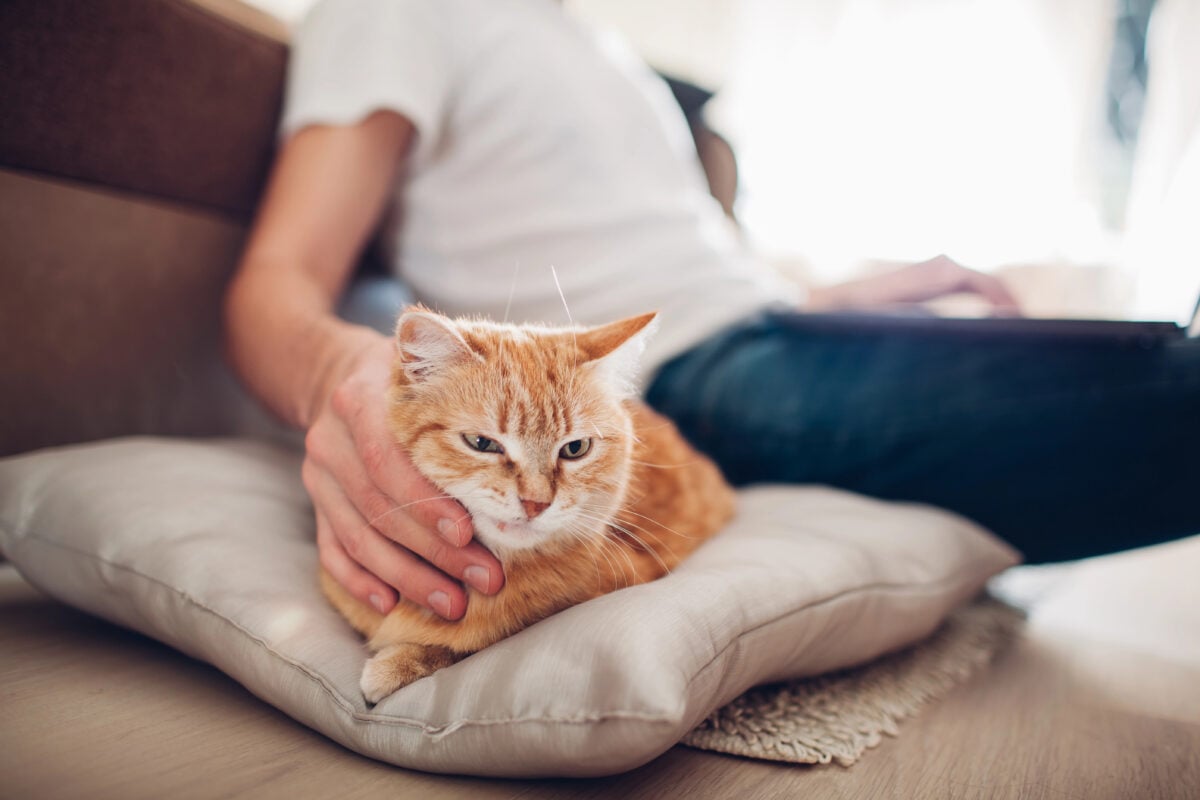
2. When Two Pats Are Apparently The Legal Limit
Your cat walks over, rubs against you, and presents their head for physical affection. Excellent. You have been chosen.
You happily oblige. They’re leaning into it, everything is going beautifully, and then — without any announcement — the allotted petting period expires.
Your cat gets up and leaves.
It can feel like we’ve somehow failed an interaction they started, but cats can be surprisingly particular about how long they want physical contact. Some will happily settle in for a 20-minute massage session. Others operate more like a parking meter.
The important part is that walking away is useful communication. Your cat is choosing to end the interaction before they feel the need to make the message louder.
If you’re paying attention, you may notice their tolerance running out before they leave:
- Tail: Flicking, thumping, or swishing starts
- Ears: Turn sideways or back
- Body: Becomes tense instead of relaxed
- Skin: Twitches or ripples along the back
- Head: Turns toward your hand
- Position: They shift away or stop leaning into you
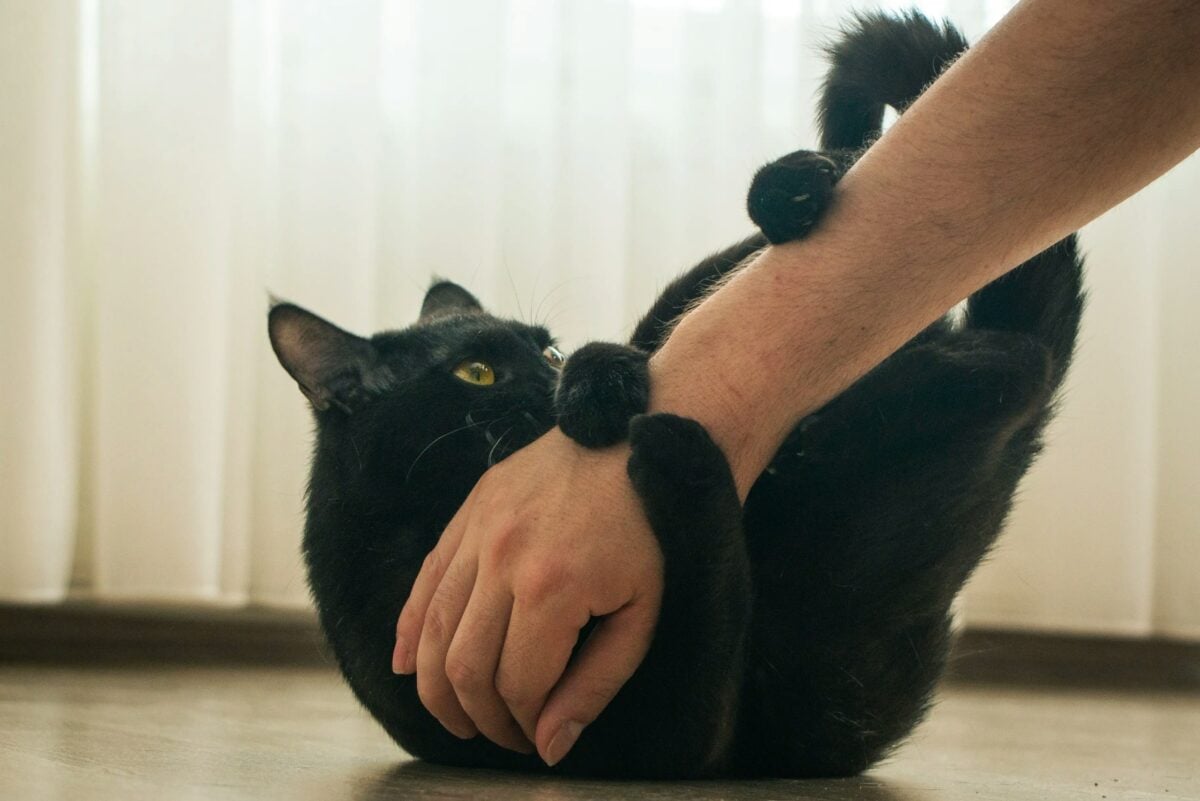
Some cats are also much more particular about where they’re touched. The cheeks, chin, and top of the head are often better received than paws, belly, tail, or prolonged strokes along the body, although every cat gets a vote.
If your cat starts showing those early signals, stop petting before they escalate to a hiss, swat, nip, or dramatic departure. You can even pause periodically and see whether they lean back toward your hand for more.
It’s a small shift, but it turns petting into more of a two-way conversation. And sometimes your cat’s contribution to that conversation is simply, That’ll do.
3. When They Sit Almost Close Enough To Touch You
There’s an entire category of cat affection that happens just outside arm’s reach.
You settle onto the couch. Your cat follows you into the room, walks past the perfectly available spot beside you, and settles three feet away. If you move closer, there’s a decent chance they’ll relocate and restore the original distance.
It can seem like mixed messaging. Why follow us around if you don’t actually want to sit with us?
But for some cats, being nearby is the social interaction. Cats can be remarkably precise about how much physical contact they want, and that preferred distance can change depending, licensed via their mood, the temperature, where they’re resting, and what’s happening around them.
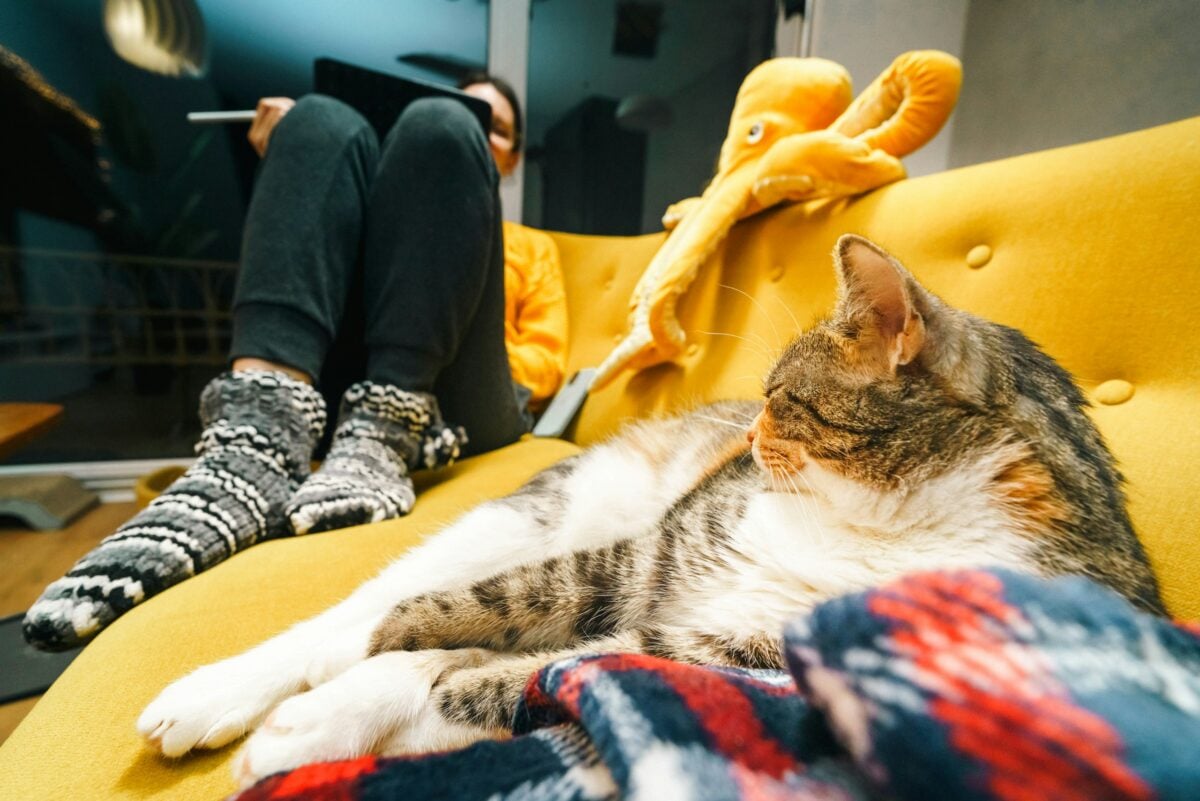
This is why a cat who rarely sits in your lap may still:
- Follow you from one room to another
- Choose a sleeping spot near where you’re working
- Settle at the opposite end of the couch
- Sit with their back toward you while remaining close
- Regularly appear in whatever room you’ve decided to occupy
A cat doesn’t have to be touching us to choose our company. Some cats are lap cats. Some are beside-you cats. And some seem to prefer a relationship with a carefully negotiated buffer zone.
4. When Your $60 Cat Bed Loses To A Cardboard Box
Few purchases humble a cat owner faster than a beautiful new cat bed.
You carefully choose something soft, supportive, and appropriately luxurious. Your cat gives it a brief sniff before climbing into the box it arrived in. The box, naturally, is magnificent.
Annoying as this may be for those of us who just spent actual money, your cat isn’t making a statement about our shopping abilities. A cardboard box happens to check several boxes on the feline wish list:
- Enclosure: The sides create a protected little space.
- Concealment: Cats can watch what’s happening without feeling completely exposed.
- Warmth: Cardboard provides some insulation, and snug spaces help cats conserve body heat.
- Texture: Cardboard is satisfying to scratch, bite, rub against, and generally modify without consulting us.
- Novelty: A new box brings unfamiliar smells and an entirely new territory to investigate.
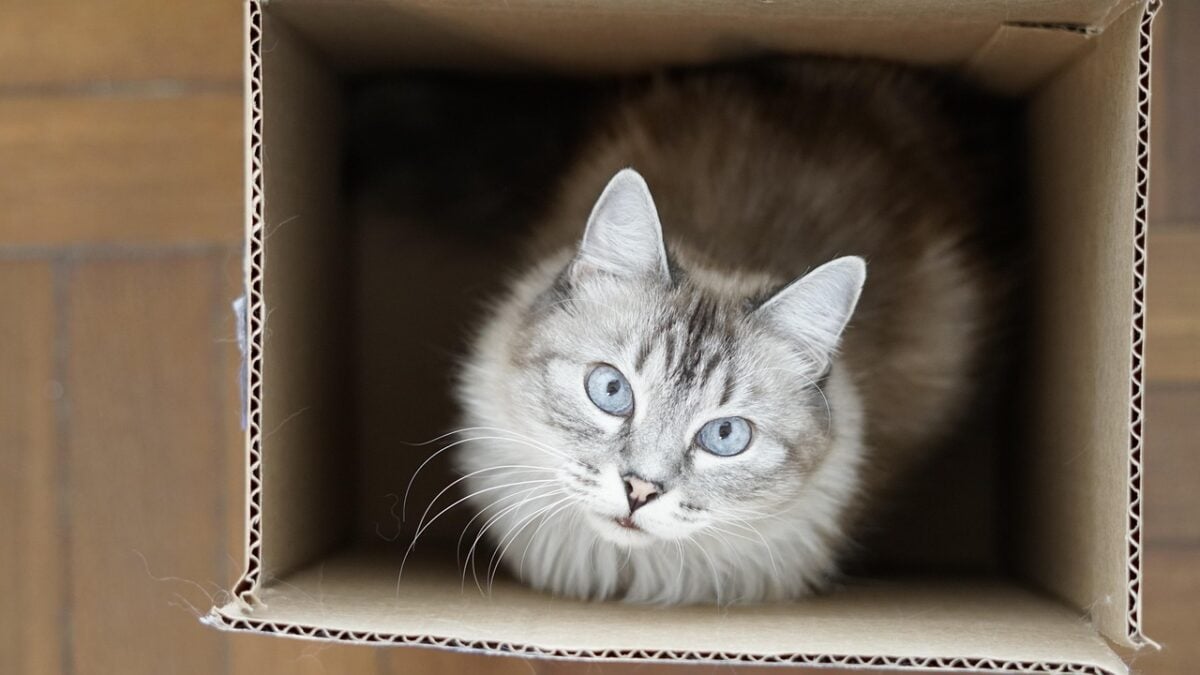
There’s an instinctive component here, too. Cats are both predators and potential prey, so small, sheltered spaces can offer security while still giving them a good vantage point to watch what’s happening around them.
If your cat immediately claims the packaging, you might as well consider the box part of the purchase. Clean, sturdy boxes can become temporary hideouts, play spaces, or inexpensive enrichment, especially if you rotate them rather than leaving the same one sitting around forever.
And maybe leave the expensive bed nearby. Cats have been known to discover that something exists approximately three weeks after we’ve given up, licensed via them ever using it.
Did You Know?
That cardboard-box obsession isn’t entirely frivolous. In a 2019 study of newly arrived shelter cats, cats given hiding boxes adapted to their new environment faster than cats without them. Apparently, one of the cheapest pieces of cat furniture has research on its side.
5. When They Stare At You Like You’ve Been Called Into HR
Few things make you question your recent decisions quite like looking across the room and discovering your cat has been staring at you for an unknown amount of time.
No meow. No movement. Just prolonged eye contact and a facial expression that seems to suggest there will be a meeting about this later.
Before you start reviewing our performance, though, a stare doesn’t have one universal meaning. The useful clues are in what the rest of your cat is doing.
- Soft eyes + relaxed body: Your cat may simply be watching you comfortably.
- Slow blinking: Often associated with relaxed, friendly social interaction.
- Looking at you, then toward something else: Check the food bowl, door, toy, or other object that may be involved in this negotiation.
- Wide pupils + tense posture: Could signal fear, stress, excitement, or high arousal depending on what’s happening around them.

Cats also spend a surprising amount of time studying what we do. We’re the household creatures who make meals appear, open forbidden doors, operate toys, lift blinds, and somehow control access to the good closet. Our movements can predict what happens next.
So when your cat watches you walk toward the kitchen with unnerving concentration, they may not be contemplating your shortcomings. They may simply know your routine better than you do.
6. When They Suddenly Stop Sleeping With You
For six months, your cat sleeps beside you every night. You’ve accepted the loss of legroom, learned not to roll over too enthusiastically, and somehow adjusted to sleeping around an eight-pound animal occupying the spatial footprint of a Labrador.
Then one night, they don’t show up.
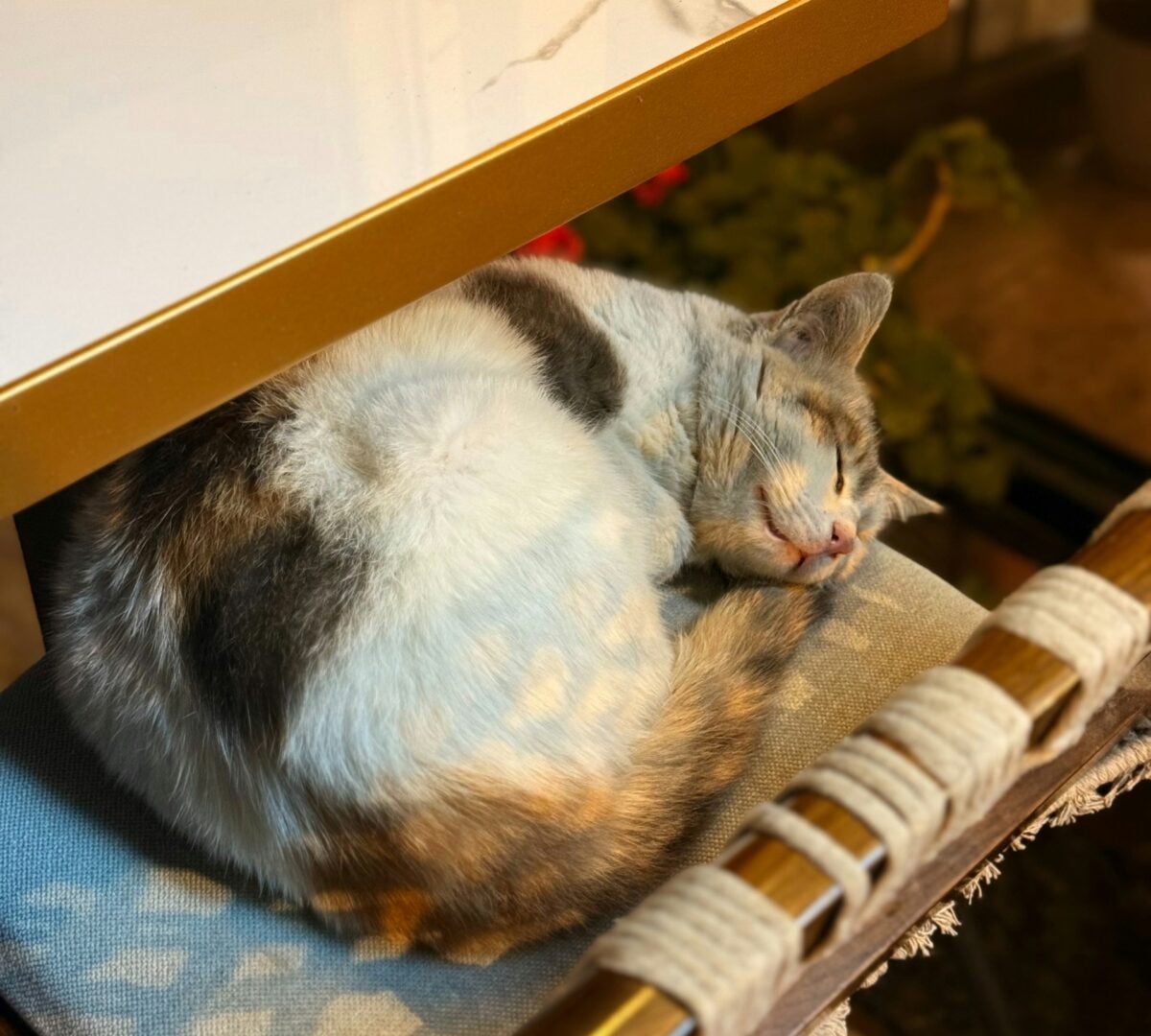
Instead, you find them asleep on a dining room chair. The next night it’s the couch. By Thursday, they’ve apparently relocated to a laundry basket, and we’re wondering what happened to us.
Often, nothing did. Cats commonly have several preferred sleeping spots and may rotate between them based on what feels best at the moment. Their decision can be influenced by:
- Temperature: That warm bed may be perfect in January and unbearable in July.
- Noise and movement: A cat looking for uninterrupted sleep may choose somewhere with less human activity.
- Sunlight: The best sleeping location can migrate across the house with the sun.
- Security: Elevated, enclosed, or tucked-away spots can feel especially appealing.
- Household changes: Guests, another pet, new furniture, or a changed routine can alter where a cat feels comfortable resting.
And sometimes, the new spot is baffling only because we’re evaluating it as humans. The hard wooden chair that looks objectively inferior to your bed may offer the temperature, vantage point, or solitude your cat wants right then.
Of course, a sudden change in sleeping habits, along with hiding, reduced activity, appetite changes, or other unusual behavior, deserves more attention. We’ll get into those changes later.
Otherwise, we may simply have to accept that we’ve lost our nightly sleeping companion to a laundry basket for reasons known only to Facilities Management.
7. When They Suddenly Decide Someone Else Is Their Favorite
You’ve handled meals for four years. You scoop the litter, provide the treats, buy the toys, and do countless other duties your tiny employer requires.
Then a guest comes over, sits down, and your cat climbs straight into their lap. Within minutes, the relationship appears alarmingly serious.
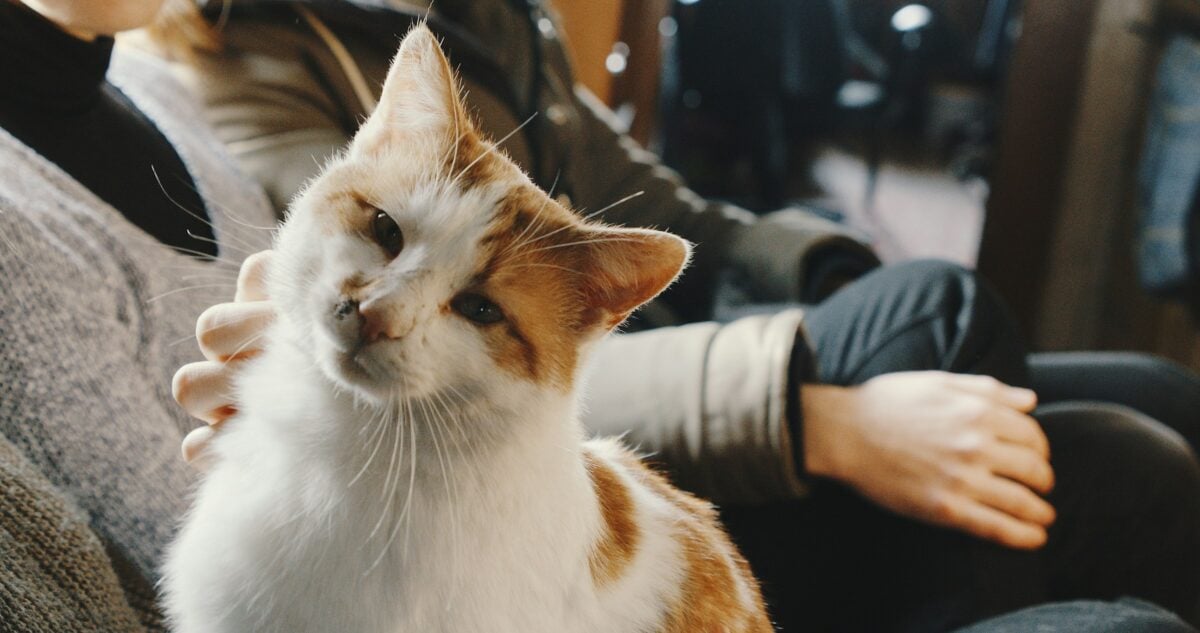
Before we start calculating everything we’ve invested in this arrangement, it helps to know that cats don’t necessarily have one permanent “favorite person.” Some seem to prefer different people for different parts of their lives.
One person might be:
- Catering: The reliable source of breakfast and treats
- Entertainment: The human who makes the wand toy worth chasing
- Furniture: The warm, motionless lap available every evening
- Security: The person they seek when something feels unfamiliar
- Company: The human they like following around without necessarily touching
Who gets chosen can change with the situation. Cats notice how people move, how loudly they speak, whether they initiate contact, what they smell like, and how predictable their behavior is. Sometimes the person trying hardest to win them over is less appealing than the guest sitting across the room doing absolutely nothing.
Which explains one of cat ownership’s more humbling discoveries: you may indeed be one of your cat’s favorite people. You’ve just been assigned Catering.
8. When Dinner Gets A Bigger Welcome Than You Do
You walk through the door after being gone for hours and receive a moderately interested glance.
You walk toward the cabinet where the cat food lives, and suddenly you’re the most exciting person they’ve seen all day.
It’s difficult not to notice the discrepancy.
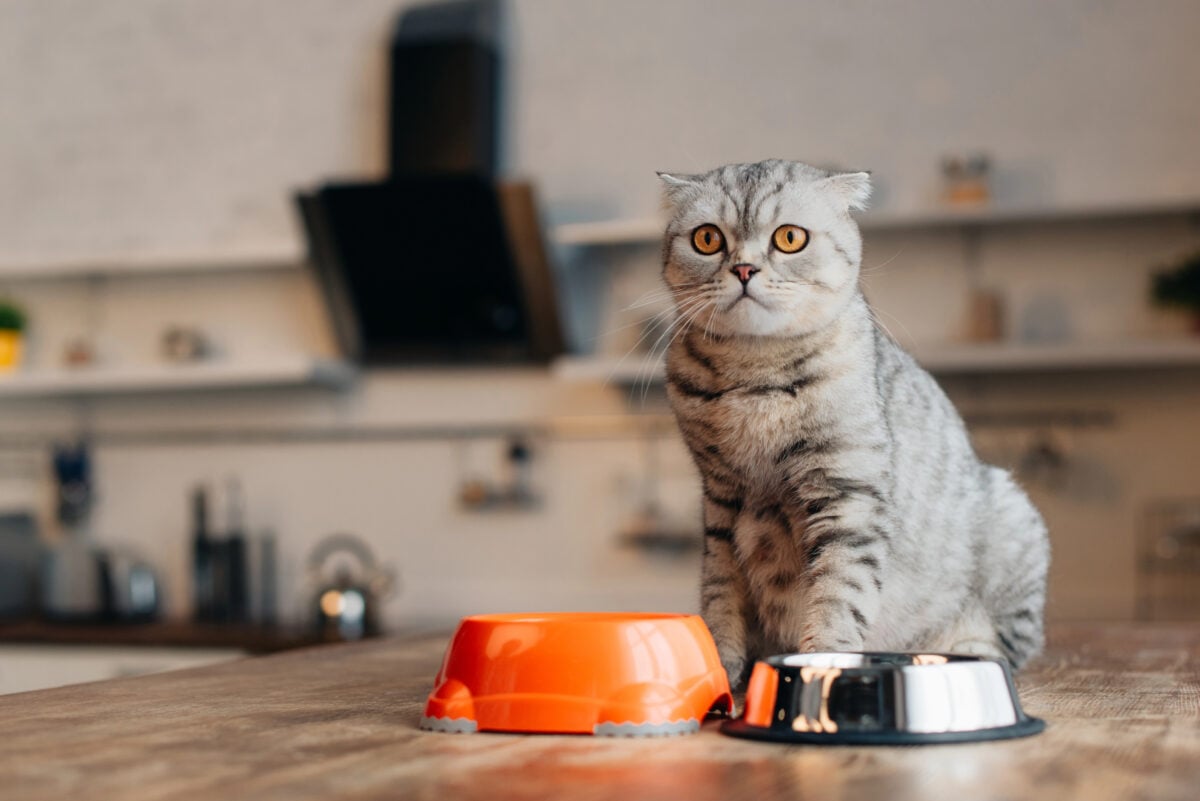
But food is a powerful motivator, and cats are remarkably good at learning the little cues that predict its arrival. Long before dinner actually appears, your cat may recognize the sequence that leads to it.
That might be:
- A sound: The pop of a can, crinkle of a pouch, or opening a cabinet
- Your movements: That familiar trip toward the kitchen
- The clock: Cats can become remarkably tuned in to regular feeding routines
- What happens beforehand: Even an unrelated habit you consistently perform before feeding them
That’s why some cats seem to know dinner is coming before we’ve made any obvious move toward the bowl. They’ve been paying attention to the entire routine.
And once a cat learns which cues reliably lead to something valuable, those cues can trigger plenty of enthusiasm on their own. The same learning happens around treats, play sessions, doors being opened, and other favorite events.
So yes, we may occasionally find ourselves competing for excitement with a can of pâté.
The pâté has had excellent conditioning on its side.
9. When They Reject The Toy You Were Sure They’d Love
There are few better ways to discover that our idea of fun is irrelevant than buying a cat toy we’re certain will be a hit.
It moves. It chirps. It has feathers. It may have cost considerably more than something with feathers should cost.
Your cat sniffs it once and walks away.
But not all cats play the same way. Play taps into predatory behavior, and individual cats can have strong preferences for how their “prey” behaves. One cat may go wild for something fluttering overhead while another couldn’t care less until a toy starts skittering across the floor.
Watch what reliably gets your cat interested:
- Stalkers may prefer toys that creep, pause, and disappear behind objects.
- Chasers may respond to fast movement across the floor.
- Leapers often enjoy toys that dart or flutter through the air.
- Pouncers may wait patiently for the perfect moment to ambush something.
- Wrestlers may prefer larger toys they can grab and bunny-kick.
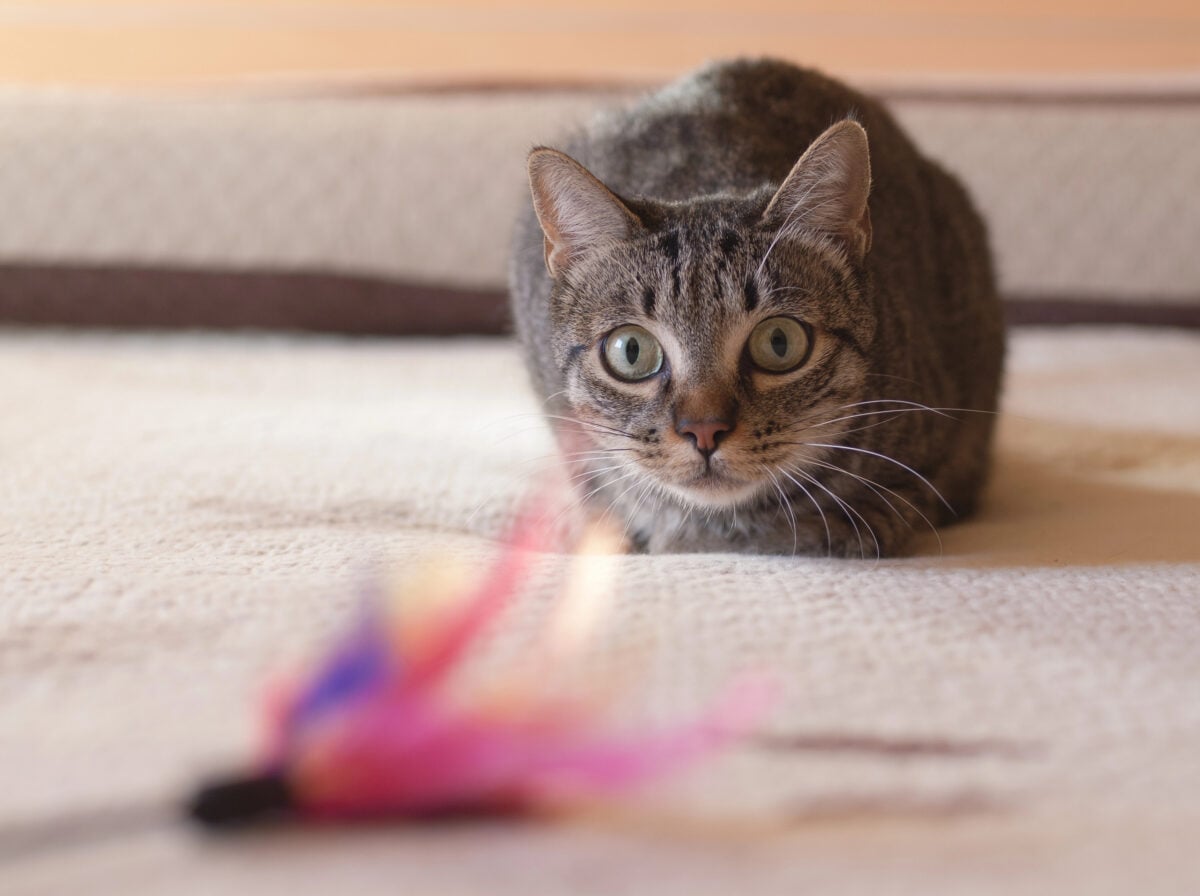
The way we move the toy can matter as much as the toy itself. A wand dragged slowly behind a chair can suddenly become far more interesting than one being enthusiastically waved in your cat’s face.
So before retiring another rejected purchase to the ever-growing basket of feline disappointments, try changing what the toy is pretending to be.
10. When Affection Has To Be Their Idea
Your cat follows you into the bathroom because apparently privacy was never included in this relationship. They weave around your legs while you’re cooking. They appear beside the laptop the moment you need both hands.
But reach for them when you’re in the mood for affection?
Suddenly, everyone has somewhere else to be.
This apparent contradiction makes more sense when we consider how much cats value choice and control over their interactions. Many cats are more comfortable approaching, licensed via their own terms than being picked up, pursued, or repeatedly reached for.
If your cat tends to retreat when you initiate contact, try making yourself available instead. Sit nearby, offer a relaxed hand for them to investigate, and let them close the distance. If they walk away, resist the urge to immediately follow and renegotiate.
There’s a peculiar point in cat ownership when we discover that trying slightly less hard can make us considerably more popular.
Did You Know?
Research into cat-human interactions has found that interactions tend to last longer when the cat initiates them. So your cat’s insistence that affection happen on their schedule isn’t entirely in your imagination. Sometimes playing hard to get really is the better strategy.
Why We Can Take Cat Behavior So Personally
After 10 examples, there’s an uncomfortable possibility we should probably acknowledge: sometimes we’re the ones making things weird.
Humans naturally look for meaning in behavior. When another person ignores us, walks away, or chooses someone else’s company, we tend to assume it says something about the relationship. Then we bring those same social expectations to our cats.
There’s a word for part of this tendency: anthropomorphism, or attributing human characteristics and intentions to animals. The tricky part is that cats do have emotions, preferences, relationships, and individual personalities. The problem comes when we assume those things operate according to human social rules.
So while we’re sitting on the couch wondering what we did, our cat may not realize there’s a situation to explain.
Understanding cat behavior gives us something useful in those moments: a better explanation than, apparently, this is about me.
Why Cat Affection Can Look So Different From Dog Affection
If you’ve lived with both cats and dogs, you’ve probably noticed that dogs often make their feelings remarkably easy to identify.

You come home, and there’s a full-body celebration. Your dog follows you to the couch, leans against your leg, watches for your next move, and generally leaves very little mystery about their interest in you.
Cats can be just as socially attached to people, but the relationship developed along a very different path.
Dogs descended from highly social canids and were domesticated alongside humans for thousands of years, with people selectively breeding them for jobs that often required cooperation, responsiveness, and close attention to human cues.
Herding, hunting, guarding, retrieving, and companionship all favored dogs that were good at interacting with us.
Cats arrived at the arrangement differently. Their wild ancestors were more solitary hunters, and early domestication appears to have been driven largely by cats taking advantage of rodents around human settlements.
We benefited from their pest control; they benefited from the buffet. For much of that history, humans had far less reason to select cats for obedience or cooperative work.
How That Shows Up In Everyday Life
That difference still shows up in how the two species interact with us.
- Dogs often look to humans for direction. Many cats are more inclined to make their own decisions.
- Dogs were heavily selected for cooperation with people. Cats retained much more behavioral independence.
- Dog social signals can be exuberant and sustained. Feline signals are often shorter, smaller, and more context-dependent.
- Many dogs readily accept human-initiated interaction. Cats can place greater value on controlling when and how an interaction happens.
None of this means cats are antisocial. Domestic cats can and do form social relationships with humans and other cats, and individual cats vary enormously.
It does explain why using dog behavior as our benchmark for affection can make cats look emotionally stingy when they’re really playing by a different social rulebook.
When You Shouldn’t Shrug It Off As “Just Being A Cat”
We’ve spent most of this article learning not to read too much into our cats’ choices. But there’s an important exception: when your cat starts behaving differently from what’s normal for them.
A cat who has never enjoyed being held isn’t suddenly concerning because they decline a cuddle. A cat who normally sleeps on your chest every night and abruptly starts hiding under the bed deserves a closer look.

Pay attention to changes such as:
- Hiding or withdrawing much more than usual
- Avoiding touch they previously enjoyed
- New aggression or irritability
- Eating significantly more or less
- Changes in litter box habits
- Hesitating to jump, climb, or move normally
- Major changes in sleeping or activity levels
Cats can alter their behavior because of pain, illness, stress, fear, or changes in their environment, and some are very good at masking physical discomfort. That makes knowing your own cat’s baseline especially useful.
If a change is sudden, significant, persistent, or accompanied by physical symptoms, contact your veterinarian rather than assuming your cat is simply being moody.
Behavior Changes Can Lead To Expensive Vet Bills
Sometimes a behavioral change is the first clue that something medical is going on, which can lead to an exam, bloodwork, imaging, or other diagnostic testing — and any treatment needed.
Pet insurance is generally most beneficial when coverage is already in place before symptoms or diagnosed conditions appear, since policies typically exclude pre-existing conditions. If you’ve been considering coverage, check out our guide to the best pet insurance for cats before you need coverage for a health problem.
Frequently Asked Questions
Of course, cats have invented far more than ten ways to leave us questioning the arrangement. Here are a few other behaviors that deserve an explanation. And if your cat has a baffling habit we haven’t covered, ask us about it in the comments. There’s a decent chance someone else’s cat is doing the exact same inexplicable thing.
Why Does My Cat Show Me Their Butt?
It may not be the insult it appears to be. Cats use scent and body position as part of social communication, and turning their back on someone can also indicate that they feel comfortable enough not to keep watch. Unfortunately, they have no concept of how this gesture translates when performed six inches from a human face.
Why Does My Cat Knock Things Off The Table While Looking At Me?
Sometimes we’re giving ourselves too much credit for the eye contact. Cats investigate objects with their paws, and something that rolls, falls, or makes noise can be immediately interesting.
That said, cats also learn from consequences. If knocking your pen onto the floor reliably makes you look up, talk, or get out of your chair, your cat may discover that gravity is an excellent attention-getting device.
Why Does My Cat Lick Me And Then Bite Me?
Context matters. During grooming or social interaction, a cat may transition from licking to a gentle nip without it being aggressive. During petting, however, a bite can also mean the interaction has gone on long enough.
Watch what happens immediately beforehand. A relaxed cat giving a soft little nibble is telling a different story from one whose tail is lashing and whose body has become tense.
Why Does My Cat Sit On Whatever I’m Trying To Use?
Laptop. Book. Newspaper. Important piece of mail.
Sometimes the thing we’re using is appealing precisely because we’re using it. It’s warm, it’s in a prime location, it smells like us, and it has our undivided attention. Cats are also naturally drawn to novel objects and changes in their environment.
Your tax documents may be boring to you. To your cat, they are a newly installed premium seating surface.
Why Does My Cat Follow Me Into The Bathroom?
Bathrooms combine several things cats appreciate: routine, a small enclosed space, interesting smells and sounds, and a human who has temporarily stopped wandering around.
Some cats also simply follow their people from room to room. The bathroom only makes the behavior more noticeable because we’ve entered with the unreasonable expectation that we might be going alone.
Why Does My Cat Suddenly Run Around The House Like Something Is Chasing Them?
The famous zoomies can be a normal burst of pent-up energy, play, or excitement, especially in younger cats and around times when they’re naturally more active.
If your cat occasionally launches down the hallway as though they’ve just remembered an extremely urgent appointment, that’s generally very different from frantic behavior accompanied by distress, vocalizing, disorientation, or other unusual symptoms.
Your Cat Has Plenty More To Explain
Once you stop expecting cats to follow our social rules, their strange little habits become a lot more interesting. Of course, understanding 10 behaviors only gets us so far with an animal that can turn sitting on a laptop into a communication strategy.
If your cat still has you guessing, keep decoding them with these Love Your Cat guides:
- How To Tell If Your Cat Loves You… Or Just Wants The Warm Spot On The Couch
- Why Does My Cat Sit On Everything I’m Using?
- Why Do Cats Knock Things Over? The Answer Is More Calculated Than You Think
- Why Does My Cat Touch My Face? 7 Reasons Behind Those Little Paw Taps
- Why Does My Cat Bring Me Gifts? The Answer Is Surprisingly Sweet
What has your cat done that you’ve had to learn not to take personally? Tell us in the comments. We would particularly like to hear from anyone who has spent actual money trying to win the approval of an animal currently asleep in a reusable grocery bag.