When you purchase through links on our site, we may earn a commission at no extra cost to you. Learn more.
It’s 6:00 AM. The birds are chirping, the sun is peeking out from behind the clouds, and you’re stumbling toward the kitchen in search of caffeine. Then your bare foot lands on something cold, damp, and deeply suspicious. You freeze. You look down.
Table of Contents
On the floor is a mangled felt mouse, a stolen ankle sock, a soggy hair tie, or… if your cat has outdoor privileges, something that was very recently breathing. Your cat sits beside it, purring like a tiny chainsaw and staring up at you with the proud, unblinking confidence of a warrior who has just saved the kingdom.
Congratulations. You’ve been gifted a treasure. Unfortunately, your definition of “treasure” and your cat’s definition of “treasure” are not currently aligned.
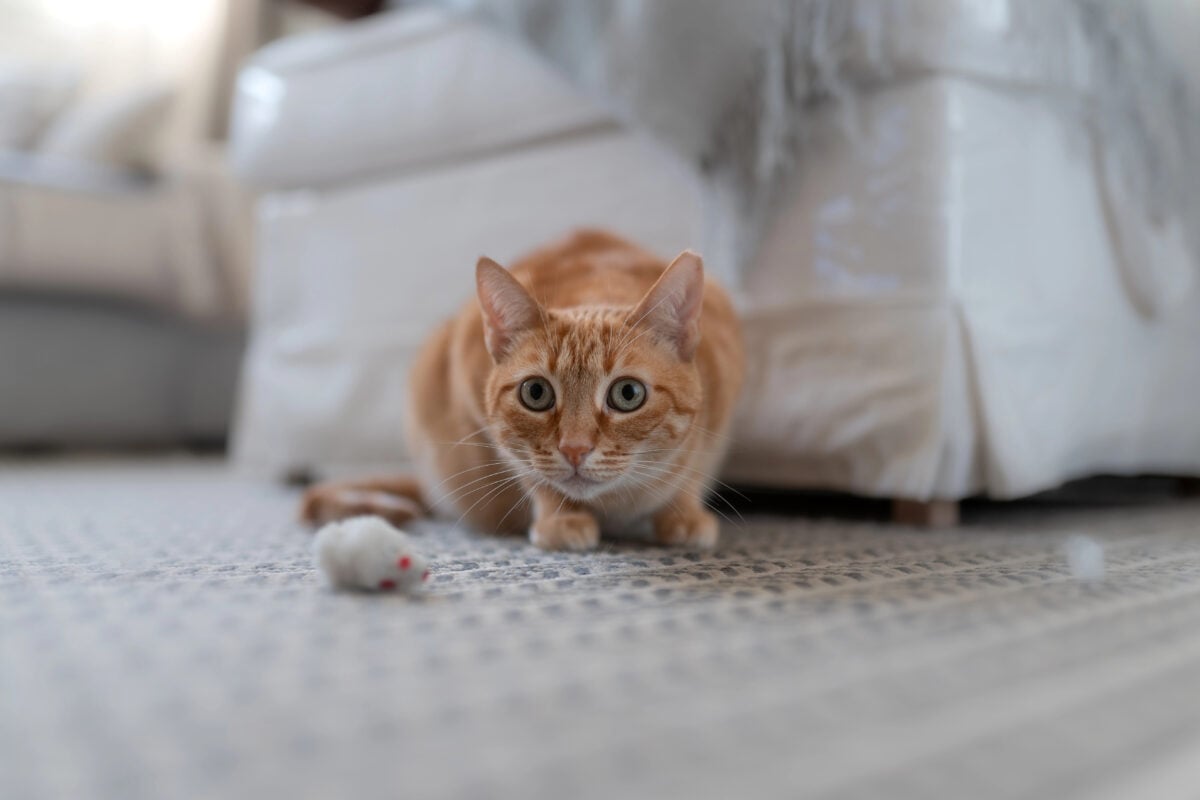
So, is this a gift? A threat? A warning from a tiny, furry mob boss? Probably not.
Want our human-written content to rank above AI-generated garbage? Help us out by clicking this button!
As strange and occasionally horrifying as this habit is, your cat is usually acting from a messy little cocktail of hunting instinct, trust, feline education, and affection. To them, that questionable offering may be a trophy, a compliment, or a much-needed survival lesson for the helpless giant who keeps failing to catch breakfast.
To you, it may be a biohazard in the shape of love.
So why do cats bring us dead animals, toy mice, socks, and other questionable treasures? The answer is strange, surprisingly sweet, and very, very cat.
Quick Answer: Why Does My Cat Bring Me Gifts?
Most of the time, your cat is not trying to threaten you. When cats bring “gifts” like mice, toys, socks, bugs, or mystery objects, the behavior usually comes from instinct, trust, play, or a very cat-like attempt to include you in their world.
Your cat may be bringing you gifts because:
- They are actingon hunting instinct: Cats are wired to stalk, chase, catch, and carry prey, even when they are well-fed.
- They see your home as a safe place: Your cat may bring their prize back to the territory where they feel most secure.
- They trust you: Delivering a toy or prey item near you can be a sign that you are part of their inner circle.
- They want to play: A toy dropped at your feet may be an invitation to join the hunt.
- They may be “teaching” you: Some cats seem to treat their humans like hopeless hunters who need a little help.
- They like your reaction: If bringing a toy gets attention, praise, or playtime, your cat may turn it into a routine.
So if you have ever wondered, “Why does my cat bring me gifts?” the answer is usually not aggression or revenge.
It is instinct, trust, and affection, just with terrible packaging.
And if you need proof that cats take their “gift-giving” duties very seriously, this family’s tiny hunter has turned surprise deliveries into a full household tradition.
Built to Hunt: The Evolutionary Wiring
To understand why your cat leaves trophies on your rug, you have to look past the fluffy face, the premium kibble, and the adorable toe beans. Deep down, your cat is still a predator.
They may live in an apartment, wear a tiny collar with a bell, answer to a name like Muffin or Sir Whiskers, and eat salmon pâté from a polished bowl, but biology has not forgotten the assignment. Domestic cats come from a long line of small, efficient hunters built for stalking, pouncing, grabbing, and delivering one very decisive bite.
Your Cat Is Built Like a Tiny Hunter
One of the easiest mistakes we make with cats is confusing softness with tameness.
A sleeping cat looks so peaceful that it is almost impossible to imagine the same animal exploding into motion after a bug, a feather wand, or your bare foot moving under the blanket. But cats are masters of switching states. One moment, they are a warm loaf of bread on the windowsill. Next, they are a silent missile with whiskers.
That sudden transformation is not random drama. It is predatory wiring doing exactly what it was built to do.
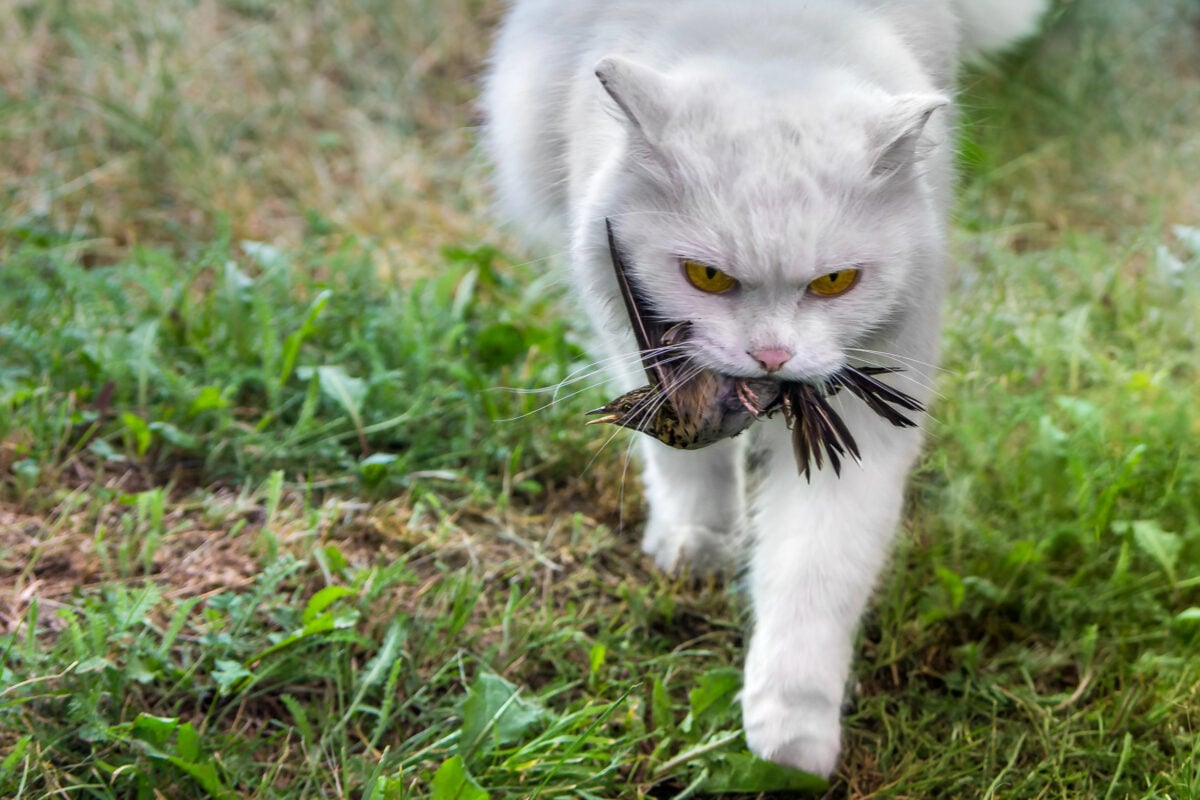
Your cat’s body tells the story. They have forward-facing eyes for depth perception, whiskers for judging tight spaces, padded paws for silent movement, sharp claws for grabbing, and a flexible spine that helps them launch across the room because a dust bunny looked suspicious.
“Domesticated” Does Not Mean “Deactivated”
The word “domesticated” can be a little misleading. Yes, cats are domesticated. No, they are not tiny dogs with better cheekbones.
Your cat does not need to hunt to survive when dinner appears in a bowl twice a day, but the instinct to hunt is still running in the background like an app that never got deleted. A sound, a shadow, a texture, a twitch, or a suspiciously wiggly blanket can flip the switch.
That is why your cat may attack your ankles under the covers, chase dust in a sunbeam, or treat a stray rubber band like public enemy number one. They are not being dramatic for no reason. Their brain is responding to movement and opportunity.
Hunting Is Not Always About Hunger
This is the part that confuses a lot of cat owners. You might look at your well-fed, slightly round tabby and think, But you are not even hungry.
Correct. They probably are not.
Cats are opportunistic hunters. In the wild, prey is unpredictable, and a small predator cannot afford to say, “No thanks, I had brunch.” A mouse is not a full meal. It is more like a protein bar with feet. Because prey is small and escape is common, cats evolved to attempt hunts when the chance appears.
Even a full food bowl does not erase the hunter underneath the house cat; according to International Cat Care, cats may still hunt because the behavior is driven by instinct, opportunity, and movement, not hunger alone.
The hunting pattern usually follows a sequence:
Locate → stalk → chase → pounce → grab → bite → carry
Hunger can influence behavior, but it is not required. The chase and capture can be rewarding on their own, which is why a cat may hunt a mouse, toy, moth, sock, or unlucky bottle cap without any plan to eat it.
That same instinct is why even a harmless housefly can become the most important event of your cat’s afternoon. A buzzing, unpredictable bug can trigger the hunter in even the fluffiest indoor lap cat.
Why the “Gift” Comes Home
So why bring the prize back to you? Because home is the safe zone.
To your cat, your house is not just the place with the couch, the food bowl, and the suspiciously closed bathroom door. It is their safest territory. It smells familiar, feels protected, and contains the food, naps, humans, and best sunbeams.
In wild terms, bringing prey back to a secure place makes sense. A cat may want to eat it, stash it, play with it, or present it somewhere safe. And since you are part of that safe space, you may become the lucky audience.
Unfortunately, your cat’s idea of “somewhere safe” may be your bedroom carpet, kitchen floor, or favorite rug.
So while stepping on a damp mystery object in the dark is never ideal, the behavior does come from a very cat-shaped kind of logic. Your living room has been officially recognized as the safest kingdom in the land.
Your rug, apparently, is the royal presentation mat.
Welcome to the Clowder: You’re Family Now
Now that we know your cat’s hunting drive is mostly instinct, we have to answer the bigger question: Why involve you? Why not hide the prize under the couch like a normal little gremlin and call it a day?
The answer may come down to your status in the household. Congratulations: you are not just the person who cleans the litter box. You are part of the inner circle.
A group of cats is sometimes called a clowder, which sounds like either a cozy soup or a secret society with excellent whiskers. And while cats are often described as independent, that does not mean they are emotionally detached.

Cats can form strong bonds with humans, other cats, and even other animals in the home. They build those bonds through scent, proximity, grooming, play, sleeping near trusted companions, and those slow blinks that feel like tiny love letters.
Some cats show trust by bringing you “gifts.” Others show it by following you from room to room like a tiny emotional support shadow. If your cat has suddenly become extra attached, there are several possible reasons behind clingy cat behavior, from routine changes to stress or boredom.
Gift-giving is only one possible sign of feline affection; cats may also show love through slow blinks, kneading, following you around, sharing space, and other quiet little rituals that are easy to miss if you expect dog-style devotion.
You Belong in the Safety Bubble
To your cat, your home is not just a building; it is shared territory. It smells familiar, feels safe, and contains all the essentials: the food bowl, the best sunbeams, the suspiciously closed bathroom door, and you.
When your cat brings a toy, sock, bug, or unfortunate outdoor creature into your space, they may be including you in that safe little world. They are not delivering a threat. They are bringing something important into the place where trusted things belong.
In cat logic, this is almost touching. In human logic, it may still require gloves.
The Ultimate Feline Compliment
Humans show affection with hugs, kind words, thoughtful gifts, and occasionally remembering someone’s coffee order.
Cats have a different system. They rub their cheekson you. They sit on your laptop. Some knead your stomach like emotionally complicated bread dough. They follow you into the bathroom because privacy is apparently not part of the clowder agreement.
Even that classic “elevator butt” behavior — when your cat’s back end rises as you pet them — can be part of how cats respond to touch, trust, and a very well-placed scratch.
And sometimes, they bring you a prize.
To a cat, prey or a captured toy has value. It represents a successful hunt, a satisfying chase, or a household achievement worthy of recognition. So when your cat drops that prize near your feet, your bed, or your favorite rug, they may be sharing their big moment with you.
They are not giving you roses. They are giving you what their instincts say is valuable, which is sweet. And also terrible.

Love, Wrapped Weirdly
Of course, not every mouse is a handwritten thank-you card. Cat behavior usually has several motives layered together: hunting instinct, safety, play, learned routines, attention, and social connection can all overlap.
But the emotional piece is still real.
Your cat chose your space: the rug, the slipper, the bedroom, or your side of the bed… because apparently boundaries are fictional. Even if the gift wrapping is horrifying, the delivery address says something.
So the next time your cat drops a mystery object at your feet, try to remember: it is probably not an insult, and it is probably not a threat.
It may be love. Just wrapped in the most bizarre wrapping paper imaginable.
Professor Kitty: The Teaching Behavior
If you thought your cat bringing you a gift was only about affection, brace yourself for a slight blow to your ego.
One common theory is that your cat may be treating you like a deeply underqualified hunter. In other words, your cat may look at you, sigh internally, and think: This poor human is going to starve.
To understand the idea, we have to look at how mother cats teach their kittens.
The Feline Lesson Plan
Kittens are born with hunting instincts, but they are not born as tiny professionals. They need practice.
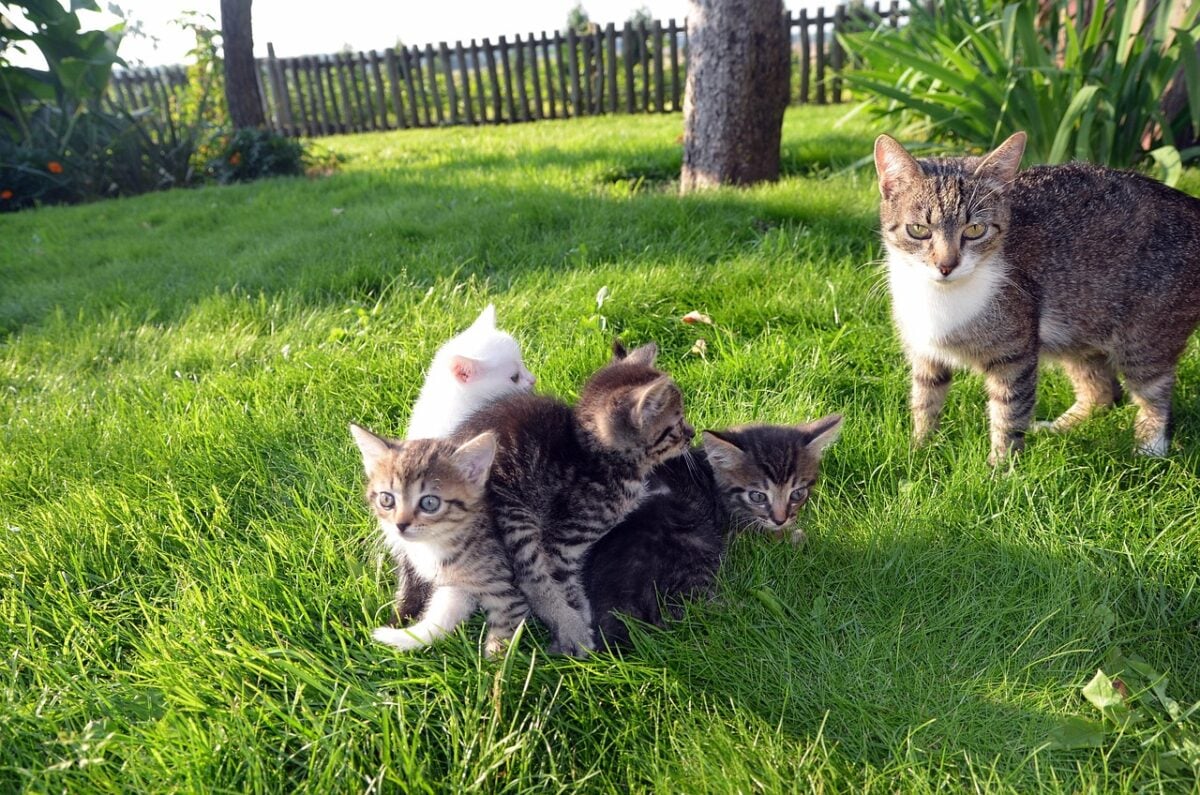
Mother cats often help kittens learn by bringing prey back in stages:
- Dead prey so kittens can sniff, bite, and investigate
- Injured or dazed prey so they can practice the final catch
- Live prey so they can learn timing, movement, and control
It is a practical education system. A slightly horrifying one, yes, but practical.
There are no chalkboards in kitten school. There are mice.
“Here, You Try”
When an adult cat brings prey to a human, some people see echoes of that teaching behavior. This is especially easy to imagine when the “gift” is still alive, moving, or turning your household into a nature documentary with worse lighting.
Your cat drops it. The mouse runs under the bookshelf. You grab a broom, a mixing bowl, and the emotional strength of a medieval knight entering battle.
Meanwhile, your cat watches from the sidelines like a disappointed professor.
From your cat’s point of view, the evidence is concerning. You walk loudly, miss obvious bugs, and spend hours staring at glowing rectangles. Even when you leave the house, you return with grocery bags instead of freshly captured prey.
And your pouncing form? Honestly embarrassing.
So when your cat brings you something, there may be a teaching-like element to it. Not a formal lesson plan titled Mouse Handling 101, but a very cat-shaped message:
Here. I caught this. You seem to need help.
Not Just Mother Cats
This behavior is not limited to female cats or cats that have had kittens.
Male cats, spayed females, young cats, and indoor-only cats may also carry toys, socks, or prey-like objects to their humans. That is because carrying, dropping, and presenting can come from a mix of instinct, play, social bonding, and learned attention.
In other words, your cat may not be consciously trying to educate you. But the behavior can still feel a lot like being enrolled in a class you never signed up for.
Whether your cat is truly trying to teach you or simply following instinct, the behavior usually happens in a relationship of trust. A nervous cat is unlikely to make a grand delivery to someone they do not feel safe around.
So yes, you may be the one paying the mortgage, buying the kibble, and decoding veterinary invoices. But in your cat’s mind, they may still be the professor.
Humbling? Absolutely. Kind of sweet? Also yes.
An Invitation to Play
Sometimes, your cat is not trying to feed you, teach you, or formally welcome you into the clowder. Sometimes, they are simply saying: Play with me, you under-stimulated can opener.
Cats are excellent at figuring out what gets a reaction. If your cat brings you a toy mouse and you laugh, talk to them, toss it across the room, or give them attention, they may learn that delivering a “gift” is a very effective way to summon you.
To your cat, this is not random. It is communication.
The Toy Is the Invitation
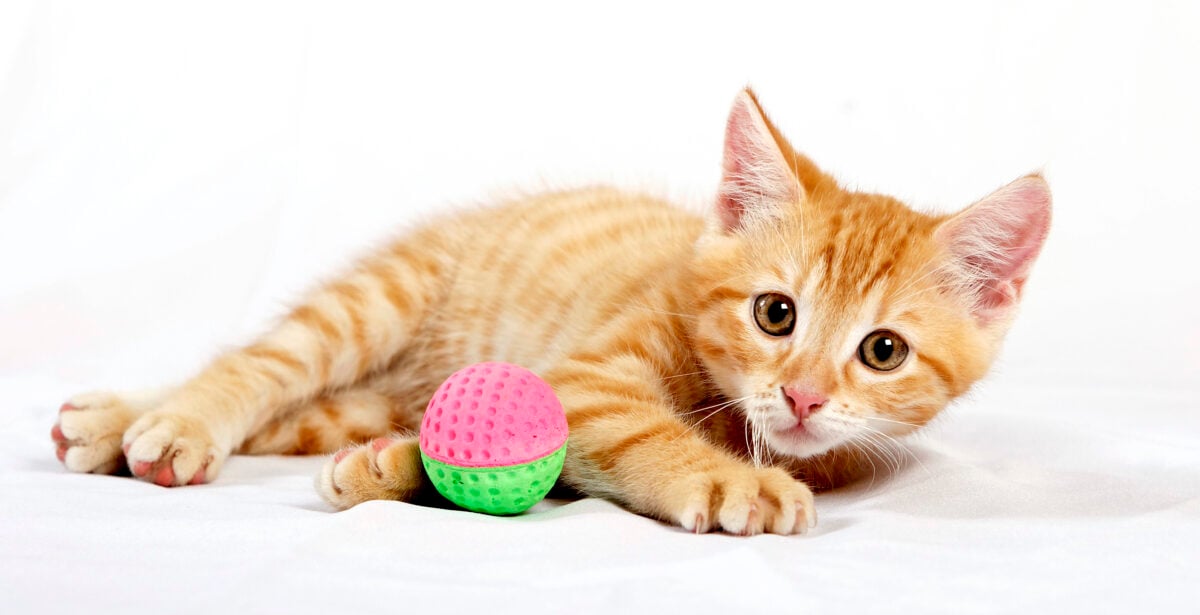
When your cat drops a toy at your feet, on your desk, or directly onto your sleeping face, they may be trying to start a game. That object is not just a trophy. It is a request.
A plush mouse might mean, throw this. A feather toy could be your cat saying, make it fly. A crinkle ball is basically your cat asking you to witness their athletic greatness. And a sock? Honestly, that one is between your cat and the sock.
Over time, your cat may learn that bringing the object gets a reaction. They deliver the thing, you respond, and suddenly a little ritual begins.
How to Answer the Invitation
If the “gift” is a safe toy, go ahead and accept the invitation. Toss it, wiggle it, drag it behind a chair, and let your cat stalk, chase, pounce, and catch it.
The best play mimics prey: hide, pause, dart, flutter, escape sometimes, then let your cat win. Afterward, a small meal or treat can help complete the natural rhythm of hunt → catch → eat → groom → nap.
That pattern can be especially helpful in the evening if your cat likes to deliver toys, yowl in the hallway, or hold mysterious business meetings at 2:00 AM.
When your cat drops a toy at your feet, try seeing it as an invitation instead of an interruption. They are asking you to join the hunt.
The Better Kind of Gift
A toy may be one of the best versions of this behavior: no gloves, no cleanup crisis, and no sudden need to ask, Was that alive five minutes ago? Just a small predator with a fake mouse and a very real desire to connect.
So when your cat drops a toy at your feet, try seeing it as an invitation instead of an interruption. They are not just giving you something or being annoying.
They are asking you to join the hunt.
Plastic Mice vs. Real Mice
Thankfully, not every cat gift used to have a heartbeat.
Indoor cats may never encounter real prey beyond the occasional housefly, unlucky spider, or mysterious hallway bug that apparently requires immediate action. But they may still bring you “gifts” because toys and household objects can trigger the same hunting instincts as real prey.
To your cat, the object does not have to be realistic. It just has to feel interesting.
Common indoor “prey” includes:
- Toy mice: Small, bite-sized, easy to chase, and very satisfying to carry
- Feather toys: Bird-like movement without the actual bird situation
- Socks: Soft, drag-friendly trophies from the laundry kingdom
- Hair ties or bottle caps: Bouncy, skittery, and dangerously exciting
- Crumpled receipts or paper: Lightweight chaos with excellent sound effects
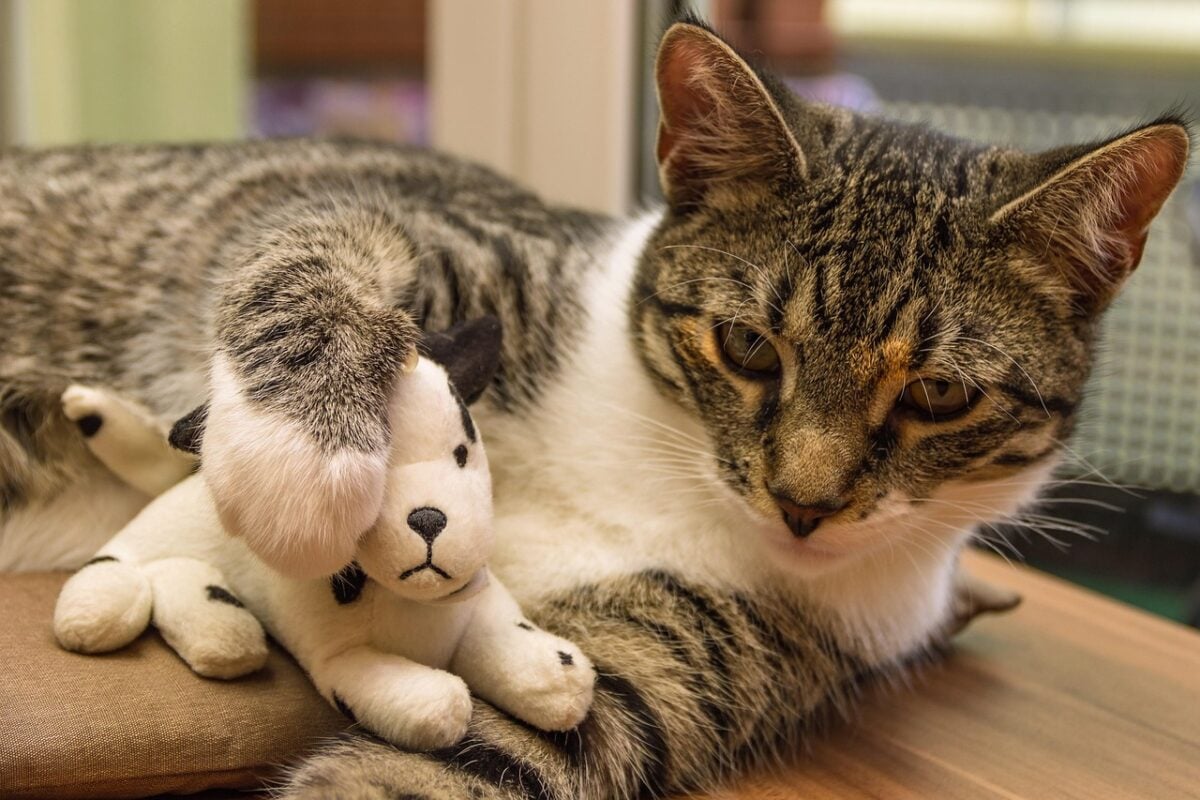
- Plush animals: Larger “kills” for cats with dramatic ambitions
To humans, these are random household items.
To cats, they are trophies.
Why Fake Prey Still Feels Real
A toy mouse may look like a cheap felt blob with stuffing and maybe a little catnip inside. But to your cat, it checks the right boxes: it moves, it can be chased, it can be grabbed, and it can be carried.
That is enough.
When your cat stalks a toy, pounceson it, bites it, and drops it proudly at your feet, they are acting out the same basic pattern they would use with real prey. The victory is fake, but the instinct is real.
Your cat hunted. Your cat won. Now everyone must be informed.
Why Toy Gifts Are the Better Version
Toy gifting is usually a good thing. It means your cat is engaging with their environment, satisfying their hunting instincts, and connecting with you in a safer way.
If your cat brings toys, socks, or plush objects, you can encourage that version of the behavior. Praise them, toss the toy, play for a few minutes, and rotate toys so old favorites feel new again.
Just keep unsafe small items out of reach. Hair ties, rubber bands, string, dental floss, and twist ties can be dangerous if chewed or swallowed.
A toy trophy is far better than a real one. All the affection. None of the biohazards.
The Great Outdoors vs. The Living Room Couch
Not all cat gifts are created equal. An indoor cat’s “prey” is usually symbolic: a toy mouse, a stolen sock, a bottle cap, a hair tie, or one very unlucky spider.
An outdoor or indoor-outdoor cat, however, has access to actual prey. That means the “gift” may come with bigger concerns than, Why is there a plush banana in my shoe?
When cats hunt outside, the behavior is still instinctive. But the consequences are much more real.
Outdoor Gifts Come With Real Risks
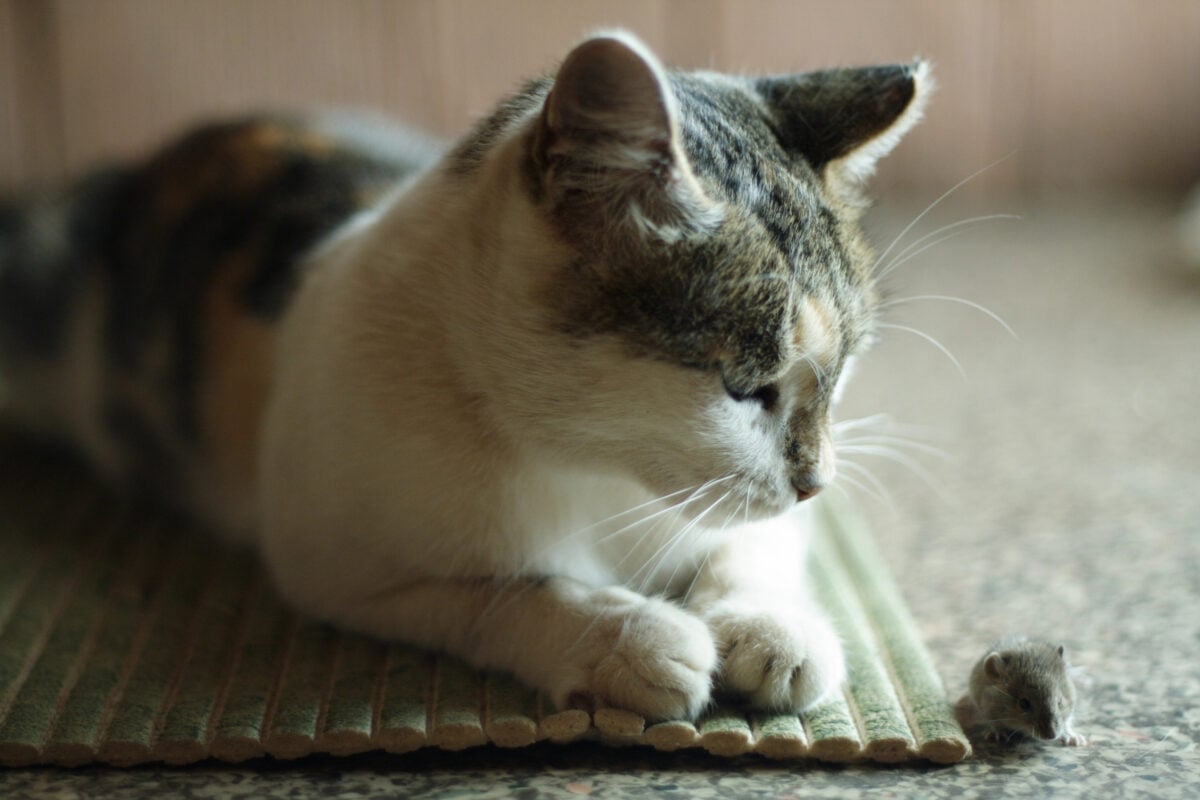
Outdoor cats may bring home mice, voles, birds, lizards, rabbits, insects, or other small animals, depending on where you live.
To your cat, this may be a normal hunting success. For your household, it may be a cleanup problem. To local wildlife, it may be part of a much larger issue.
Free-roaming domestic cats can affect birds, mammals, reptiles, and other small animals, especially in areas with vulnerable native species. A single “gift” on your doorstep may not seem like much, but across a neighborhood, that hunting can add up.
There are also risks for your cat. Hunting outdoors can expose cats to:
- Fleas, ticks, and worms
- Bites, scratches, and eye injuries
- Toxins or poisoned prey
- Traffic and neighborhood hazards
- Fights with other animals
- Infectious diseases
Cats may look invincible when they are crouched in the grass like tiny jungle assassins, but they are still small animals in a very large world.
Freedom can come with danger.
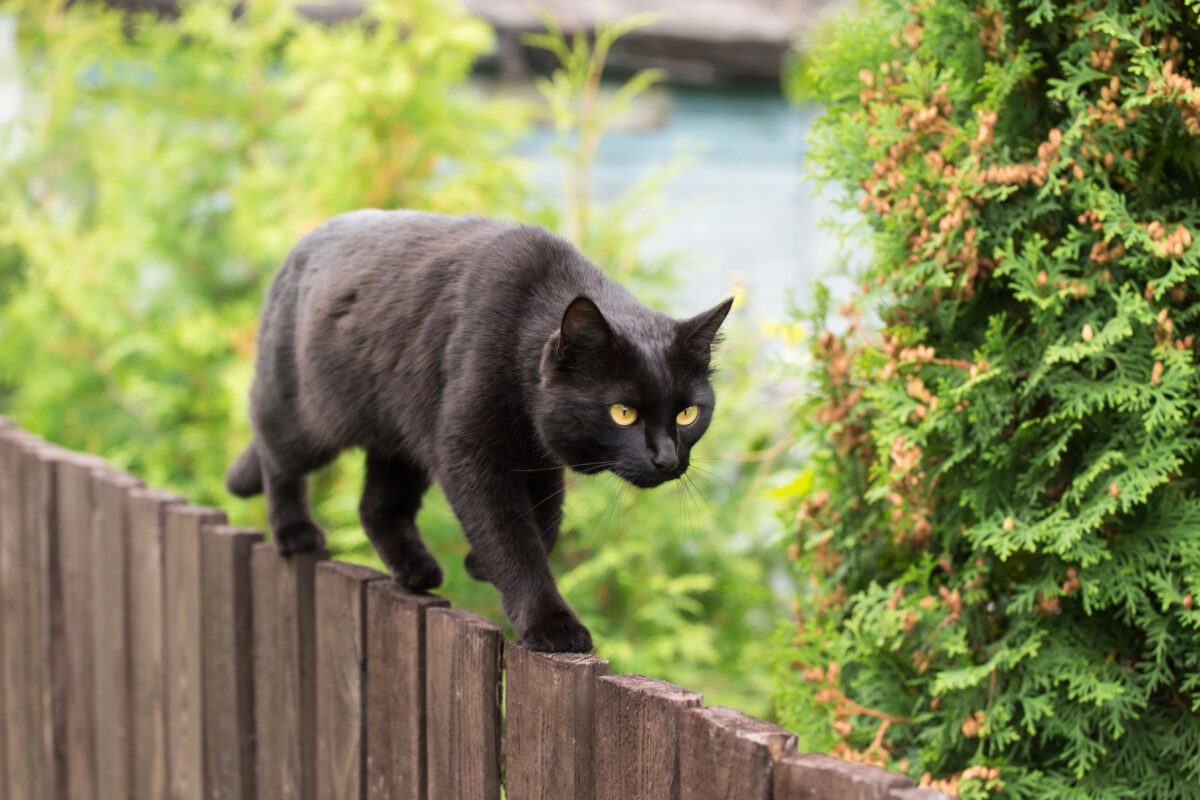
If your indoor cat seems obsessed with going outside, that curiosity can often be managed with enrichment, catios, or supervised time. That matters because some cats who slip outdoors may panic, wander too far, or run away instead of calmly returning home.
Indoor Hunting Is Safer — But Still Necessary
Keeping a cat indoors does not erase the hunting instinct. It just changes the target.
Indoor cats still need chances to stalk, chase, pounce, grab, and “win.” Without that outlet, they may create their own entertainment, and their ideas may involve your ankles, curtains, laundry basket, or emotional stability.
That is where enrichment comes in. Interactive toys, puzzle feeders, climbing spaces, scratching posts, window perches, cardboard boxes, and scent games all help your cat use their instincts in safer ways.
The goal is not to turn your cat into a couch ornament. The goal is to give your tiny predator a satisfying indoor kingdom where the trophies are made of felt, not feathers.
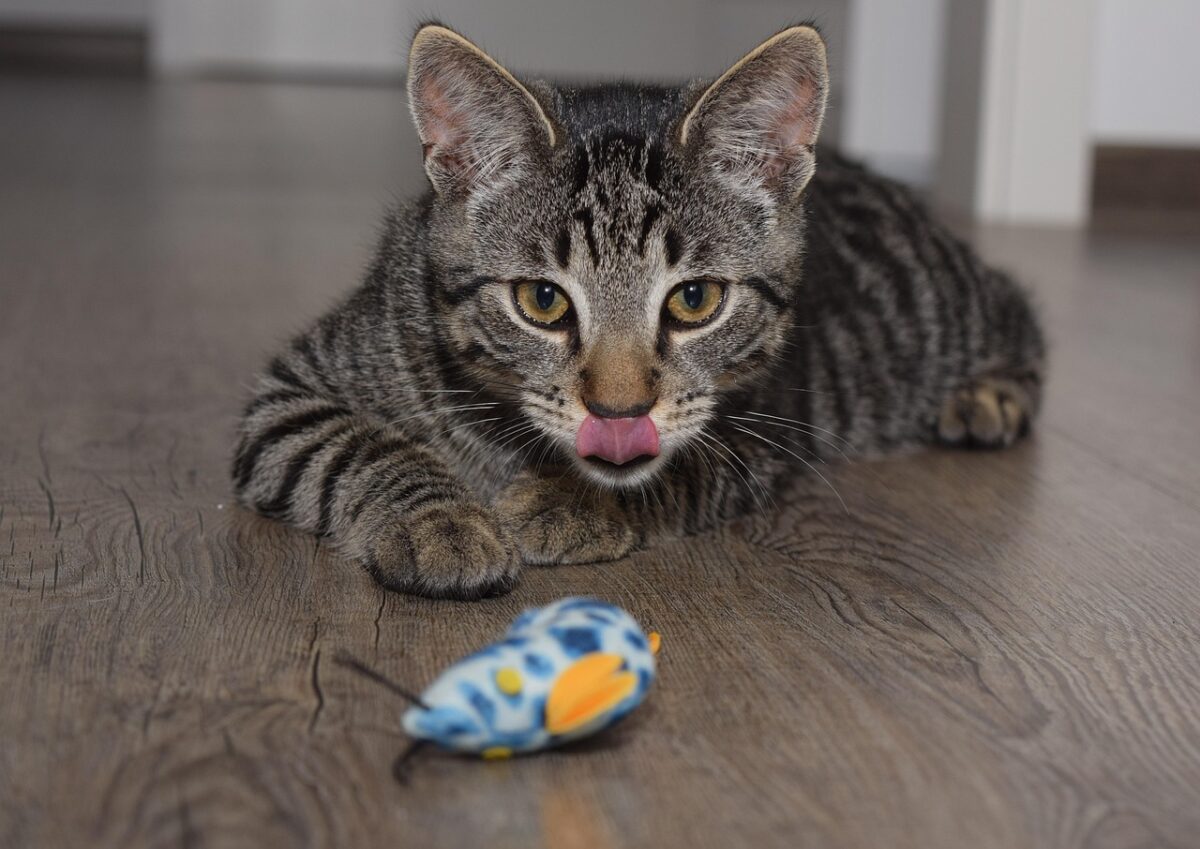
Make the Safe Version More Fun
The best way to reduce unwanted hunting is to make indoor hunting more satisfying.
Offer better targets, such as:
- Wand toys that flutter, dart, and hide
- Small toys your cat can bat, bite, and carry
- Puzzle feeders or treat balls
- Cat trees, shelves, and climbing spaces
- Window perches for supervised bird-watching
- Rotated toys so old favorites feel new again
If your cat goes outdoors, you can also reduce real hunting opportunities by limiting outdoor time around dawn and dusk, trying supervised harness walks, or using a catio so they can enjoy fresh air without turning the yard into a crime scene.
Bells and bright collar covers may help reduce hunting success for some cats, but they are not foolproof. Some cats simply become stealthier, because apparently, espionage is part of the job description.
The Better Kind of Trophy
A bored indoor cat is not the goal. A fulfilled indoor cat is. When your cat’s instincts are satisfied, the “gifts” are more likely to be toy mice, socks, bottle caps, or a dramatic stuffed fish instead of actual mice, birds, or lizards.
And honestly, compared with a real mouse, a stolen sock is practically a love poem.
The Action Plan: What to Do When Your Cat Brings You a Gift
Your reaction matters more than you might think.
When your cat brings you a “gift,” especially one that used to be alive, your first instinct may be to scream, panic, or emotionally leave your body. Understandable. Nobody wants to meet a dead mouse before coffee.
But from your cat’s point of view, they just approached you with something important. If you yell, scold, or leap onto a chair like a Victorian ghost seeing a rat, they may not understand that the problem is the “gross indoor biohazard.”
They may only understand that they came near you with something valuable, and you became terrifying.
So the goal is simple: Stay calm. Handle the gift safely. Redirect the instinct.
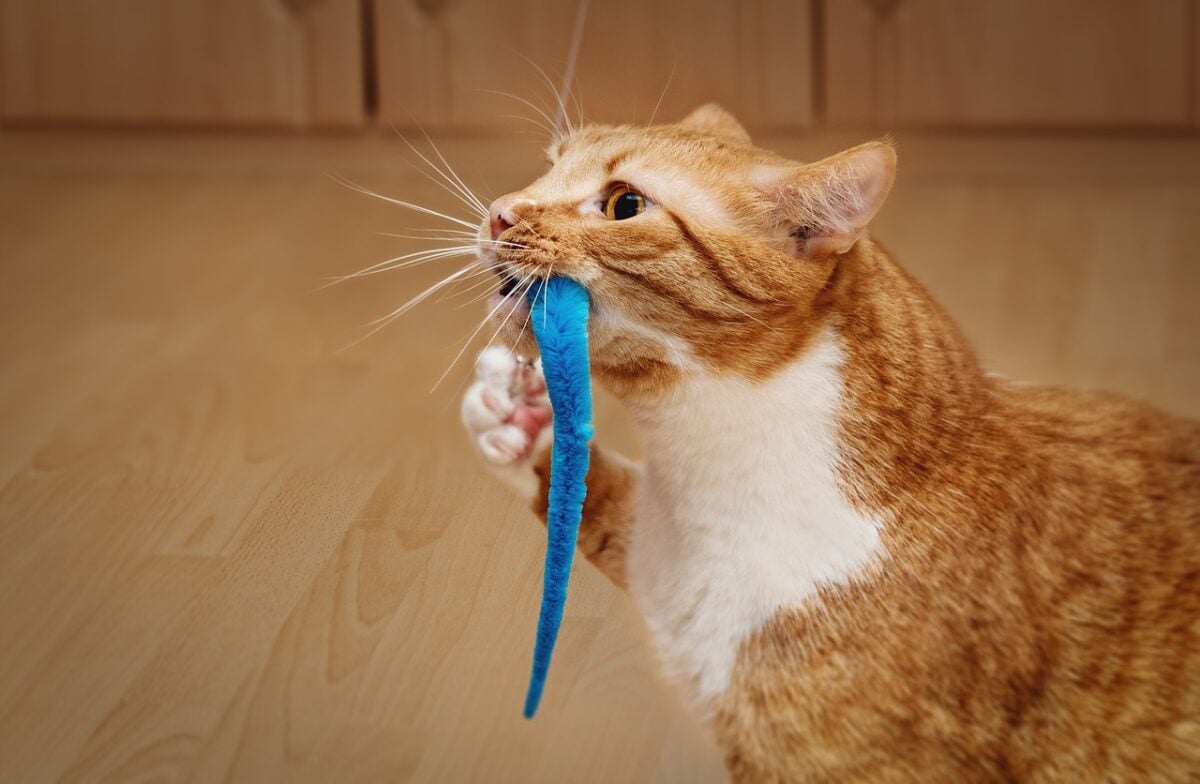
Step 1: Do Not Punish the Tiny Hunter
Yelling, spraying water, pushing your cat away, or scolding them usually does not teach the lesson you think it does. Your cat is not thinking, Ah, yes, I violated the household prey policy.
They are acting from instinct. Punishment can confuse them, stress them out, or damage trust without actually stopping the behavior. A better approach is calm redirection and prevention. Translation: less courtroom drama, more quiet cleanup.
Step 2: Stay Calm and Boring
Try not to make the moment exciting.
Big reactions can accidentally reward some cats, especially if the “gift” is a toy. If your cat brings you a plush mouse and you leap up, shout, chase them, or create chaos, they may think:
Excellent. The ritual has worked.
For real prey, staying calm also keeps the situation safer. Use a gentle voice, move slowly, and do not grab the item with your bare hands. Your emotional breakdown can happen later, privately, while washing your hands for the fifth time.
Step 3: Use the Polite Thank You Method
The Polite Thank You Method is simple:
Acknowledge. Distract. Remove. Clean. Redirect.
You might say, “Thank you, clever cat,” even if your soul has briefly left your body. Then distract your cat with a treat, toy, or closed door. Once they are away from the gift, remove it safely.
If the gift is dead:
- Use gloves, a bag, a dustpan, or another barrier
- Dispose of it safely
- Clean and disinfect the area
- Wash your hands thoroughly
- Check your cat for scratches, bites, fleas, or signs of illness
If the gift is alive:
- Secure your cat in another room first
- Use a box, towel, or container if it is safe to do so
- Avoid direct contact with bare hands
- Release the animal only where it is safe, legal, and humane
- Contact a local wildlife rehabilitator if the animal is injured
The goal is not to pretend you are thrilled. The goal is to separate the object from the relationship.
You can hate the mouse and still understand the cat.

Step 4: Reward the Better Version
If your cat brings a toy, sock, or plush object, you can be more openly positive.
Praise them. Toss the toy. Play for a minute. Make the safe version of the behavior more rewarding than the horrifying version.
That tells your cat: Yes, this gift-giving format is preferred by management. Over time, you can encourage toy trophies while reducing access to real prey.
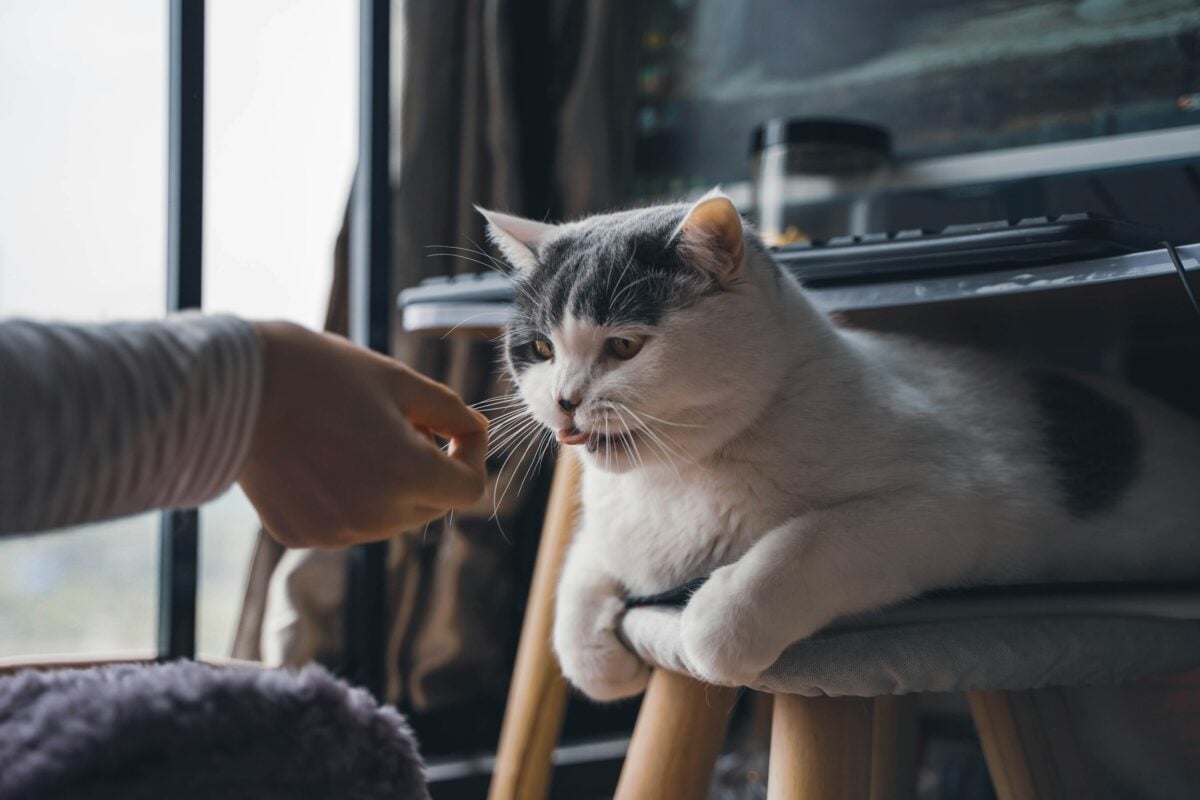
Step 5: Redirect the Hunting Instinct
The long-term solution is not to erase your cat’s hunting instinct. Good luck with that.
The goal is to give it a safer target. Interactive play is one of the best tools because it lets your cat stalk, chase, pounce, catch, and “win” without involving wildlife, your slippers, or your nervous system.
Try:
- Wand toys that hide, dart, pause, and escape
- Small toys your cat can bat, bite, and carry
- Puzzle feeders or treat balls
- Cat trees, shelves, and climbing spaces
- Scratching posts and cardboard boxes
- Window perches for supervised bird-watching
- Rotating toys every few days to keep them interesting
Cat tunnels can also give indoor cats a safe place to hide, stalk, chase, and pounce, which makes them a simple way to support natural hunting behavior without involving your ankles or the local wildlife.
Aim for play that mimics prey: hide, pause, dart, and let your cat catch the toy a few times before the session ends.
Aim for a few satisfying catches before the session ends.
Step 6: Manage Outdoor Access
If your cat goes outside and regularly brings home real animals, prevention matters.
Consider:
- Keeping your cat indoors
- Building or buying a catio
- Try harness walks if your cat tolerates them
- Limiting outdoor time around dawn and dusk
- Using bright collar covers or bells, while remembering they are not foolproof
- Keeping parasite prevention current
The point is not to shame your cat for being a predator. The point is to protect your cat, your home, and the wildlife around you.
The Big Takeaway
You are not trying to turn your cat into a couch ornament. You are trying to channel the tiny predator river away from your bedroom carpet.
When your cat brings you a gift, stay calm, handle it safely, and redirect the hunting instinct into toys, puzzles, and play. Your cat can still feel proud. You can still protect the bond. And ideally, the next “gift” will be made of felt instead of feathers.
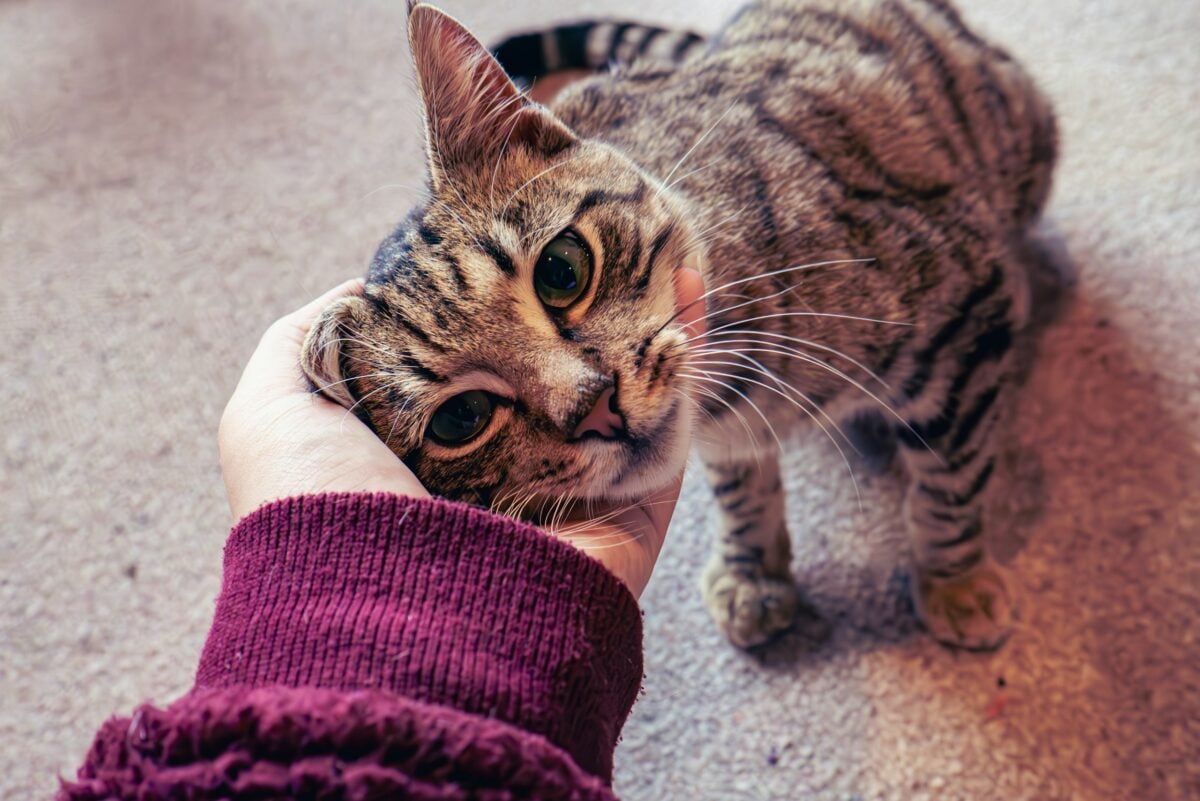
FAQs About Why Cats Bring Gifts
Cats are mysterious little creatures with tiny murder mittens and very strong opinions about household contributions. Here are the quick answers to the most common questions.
Still wondering what your cat’s “gift” means? Share your question in the comments, especially if your tiny hunter has a signature treasure, suspicious delivery routine, or mystery object you cannot identify.
Does my cat bring me dead animals because they love me?
Possibly. It can be connected to trust, bonding, and shared territory. Your cat may see you as part of their safe social group and bring their prize to the place or person who feels secure.
Is my cat trying to threaten me?
Probably not. A threatening cat is more likely to hiss, growl, flatten their ears, puff up, swat, or act defensively. A cat bringing a “gift” often looks proud, excited, relaxed, or eager for your reaction.
It may be gross, but it is usually not a warning.
Why does my indoor cat bring me toys at night?
Because cats are often more active around dawn and dusk, and toys can trigger the same stalk-catch-carry pattern as real prey. Some cats also yowl while carrying toys because they are excited, seeking attention, or announcing their successful “hunt.”
A strong evening play session followed by a small meal may help reduce the 3:00 AM plush-mouse parade.
Should I punish my cat for bringing mice or birds inside?
Most definitely not. Your cat is acting from instinct, not spite. Punishment can confuse them, stress them out, or damage trust without solving the behavior. Stay calm, separate your cat if needed, remove the prey safely, clean the area, and redirect their hunting energy into toys and play.
How can I stop my cat from hunting wildlife?
The most reliable option is limiting unsupervised outdoor access. You can keep your cat indoors, use a catio, try harness walks, or supervise outdoor time. Bells and bright collar covers may help some cats, but they are not foolproof.
Indoors, offer daily play, puzzle feeders, climbing spaces, scratching posts, and window perches so your cat still gets a satisfying “hunt.”
Why does my cat bring me socks, hair ties, or random objects?
Because your cat has declared them important, indoor cats often turn household items into prey-like treasures. A sock can be dragged. A hair tie can skitter. A bottle cap can become the most thrilling object in the known universe.
Just keep dangerous swallowable items, like rubber bands, string, dental floss, twist ties, and hair ties, out of reach.
What should I do if my cat brings me a live animal?
Secure your cat first so the chase does not continue.
Then avoid touching the animal with your bare hands. Use gloves, a box, a towel, or a container if it is safe to do so. If the animal is uninjured, release it only where safe, legal, and humane. If it is injured, contact a local wildlife rehabilitator or animal control resource.
Then clean the area and check your cat for injuries, fleas, ticks, or anything unusual.
Is it safe to let my cat keep playing with a dead mouse or bird?
Absolutely not. Wild prey can carry parasites, bacteria, fleas, ticks, or disease. Use gloves, a bag, or another barrier to remove it, then clean the area and wash your hands well.
Your cat may think it is a trophy. Your floor disagrees.
The Curious Logic of Cat Love
A cat leaving “presents” at your feet can feel like a threat when you first see it, especially if the present has legs, wings, or a damp little tail. But once you look past the shock, the behavior becomes less sinister and more fascinating.

Your cat is not plotting against you. They are acting from a blend of hunting instinct, trust, safety, play, and possibly a generous belief that you are terrible at catching your own breakfast.
Cats do not love like humans. They love sideways. They love through scent, routine, proximity, slow blinks, kneading, and bizarre offerings. Sometimes that affection arrives as a warm body curled against your legs. Sometimes it arrives as a toy mouse on your pillow. And sometimes, unfortunately, it arrives wrapped in feathers or fur.
And this is only one chapter in the great mystery novel of cat behavior. The same tiny hunter who brings you socks may also launch into sudden cat zoomies, sit directly on everything you’re trying to use, or stare at a corner like they’re scared of something you can’t see. Eventually, most cat owners learn there are just some cat behaviors you stop questioning and start lovingly documenting instead.
What Has Your Cat Gifted You?
Has your cat ever brought you a “gift” that made you question your life choices? Drop the story in the comments: toy mouse, sock, bug, mystery object, or full-blown crime scene.