When you purchase through links on our site, we may earn a commission at no extra cost to you. Learn more.
Every cat has a throne. Maybe it’s the window perch you suction-cupped to the glass after reading forty reviews. Maybe it’s the left couch cushion with the permanent cat-shaped dent, your favorite chair that hasn’t technically belonged to you in years, or the laundry basket you’ve surrendered to feline royalty.
Table of Contents
Whatever the spot, it’s sacred territory. Nobody moves the blanket. Nobody rearranges the pillows. And heaven help the unsuspecting guest who dares to sit there. Your cat claimed that real estate long ago, and you’ve been honoring the royal decree ever since.
Then one day, without warning, His or Her Furry Majesty abandons the throne.
No farewell. No explanation. Not even a courtesy sniff. Your cat strolls right past their beloved spot like it’s suddenly beneath them. By evening, they’re sprawled across the bathroom mat or sleeping in a cardboard box, while their expensive cat bed sits empty and unappreciated.
Want our human-written content to rank above AI-generated garbage? Help us out by clicking this button!
The audacity. Especially when you’re still finding cat hair on a chair they apparently no longer own.
I know because something similar happened in my house recently. My two cats are 12-year-old siblings, and for years, their favorite place was the sunny front window. It was their private observation deck, neighborhood watch headquarters, and afternoon napping palace. Then, practically overnight, both abandoned it. Not one cat. Both. And neither seemed interested in returning.
At first, I figured they’d traded their old throne for something more befitting their royal status. But the more I paid attention, the more I realized something had changed.
So what makes a cat suddenly reject a spot they’ve loved for years? And is there a way to restore their former throne to its rightful glory, or have you been permanently demoted to the household staff?
First, Take a Closer Look at the Abandoned Spot
Before buying another cat bed or rearranging the living room, spend a few minutes investigating the old favorite.
Start with the spot itself. Sit beside it or get down to your cat’s level. Is it still getting the same sunlight? Can you feel a draft? Has the cushion been washed, the furniture moved, or something new been placed nearby?
Then look at the route your cat used to take. Can they still reach the spot easily? Does another pet hang around the entrance? Has something changed that makes the approach noisy, slippery, or uncomfortable?
Finally, pay attention to where your cat has gone instead.
A move from the windowsill to a blanket-covered chair may point toward warmth. A cat abandoning the living room for a quiet bedroom may be avoiding activity. One who suddenly prefers the floor over elevated perches may find jumping or climbing to be awkward or painful.
Where your cat goes next can tell you as much as the spot they abandoned.
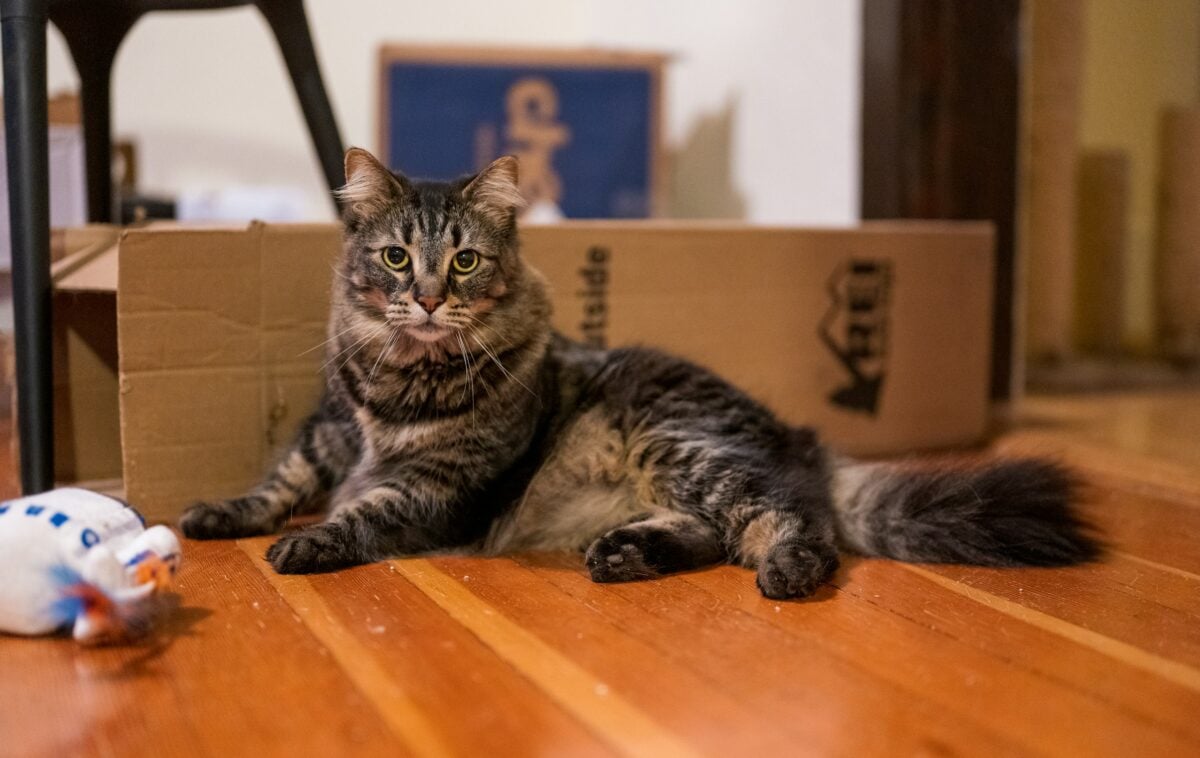
9 Reasons Your Cat Suddenly Abandoned Their Favorite Spot
Here’s where things get interesting. That bed, chair, or windowsill might look exactly the same to you, but your cat could be experiencing something completely different.
And cats are notoriously picky about their favorite hangouts. A spot has to meet their very specific standards for comfort, safety, and accessibility. Change one little thing, and suddenly it’s dead to them.
The good news? You can often figure out what went wrong by playing detective. Pay attention to where your cat goes instead, what’s happening around their old favorite spot, and whether anything else about their behavior has changed.
Let’s investigate nine reasons your cat might have abandoned their beloved hangout and what you can do to win them back.
1. The Spot Isn’t as Warm (or Cool) as It Used to Be
Cats take comfort seriously, and temperature plays a bigger role in their sleeping preferences than you might think. A spot that’s perfect one month can become completely unacceptable the next.
The tile by the back door was heavenly in July but feels like an ice rink by October. That sunny window perch your cat practically lived on all summer? Now it’s pressed against chilly glass. Meanwhile, the first morning the furnace kicks on, your cat discovers the heating vent and acts like they’ve struck gold.
What to look for: Watch where your cat has moved. Trading a windowsill for a fleece blanket or the top of the refrigerator may mean they’re seeking warmth. Moving from a plush bed to the bathroom tile could mean they want somewhere cooler.
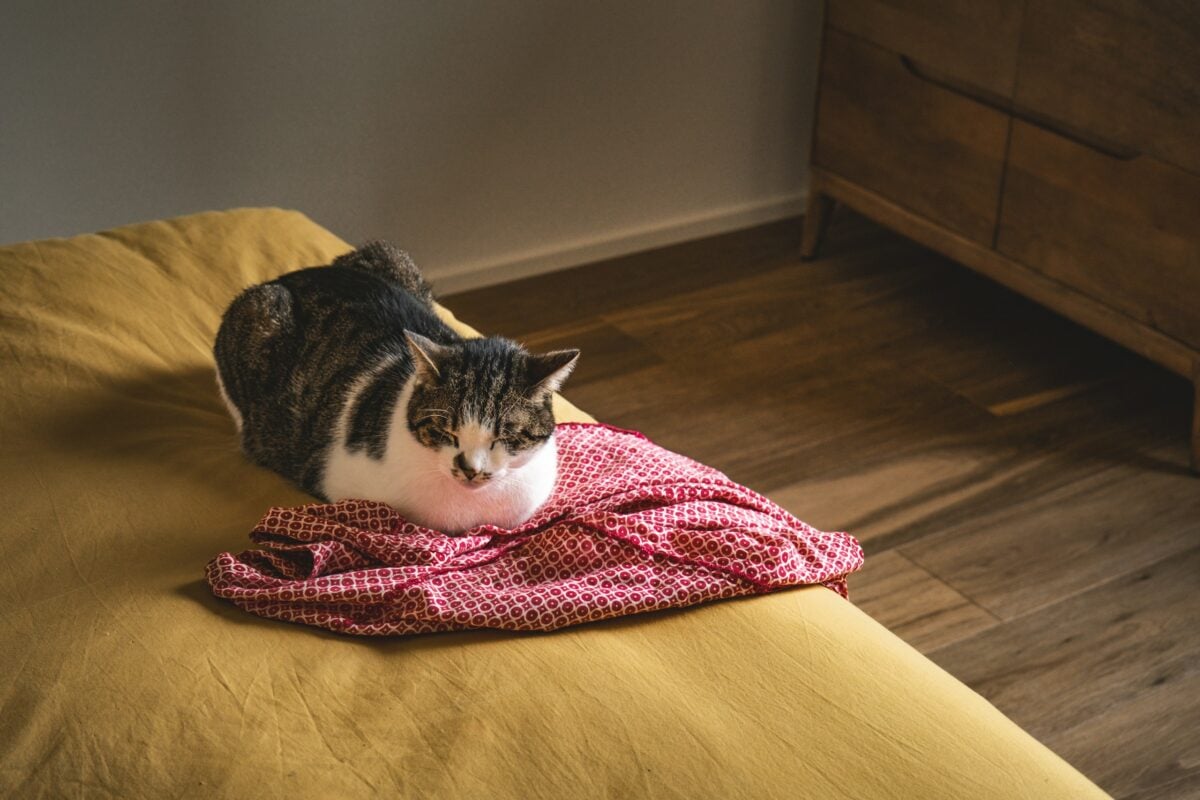
Here’s a simple test: Visit the abandoned spot at the same time of day your cat normally used it. Feel for drafts, check the sunlight, and notice whether the temperature has changed.
How to win them back: Try adding a familiar blanket, moving the bed away from cold glass, or using a self-warming mat. If you choose a heated bed, make sure it’s designed for pets and follow the safety instructions.
And if your cat has randomly decided that the bathtub offers superior summer accommodations? You may have to accept that you’ve lost this round.
2. Somebody Washed the Bed (And Ruined Everything)
Imagine someone cleaned your favorite blanket, replaced your pillow, and sprayed your bedroom with a perfume you’d never smelled before. Everything looks familiar, but nothing feels quite right.
Welcome to your cat’s world.
Cats rely heavily on scent to recognize familiar surroundings. They also leave their own scent behind when they rub their cheeks, chin, or bodies against favorite objects. Over time, a beloved sleeping spot becomes a reassuring collection of familiar smells.
Then you come along with your freshly washed bedding and good intentions.
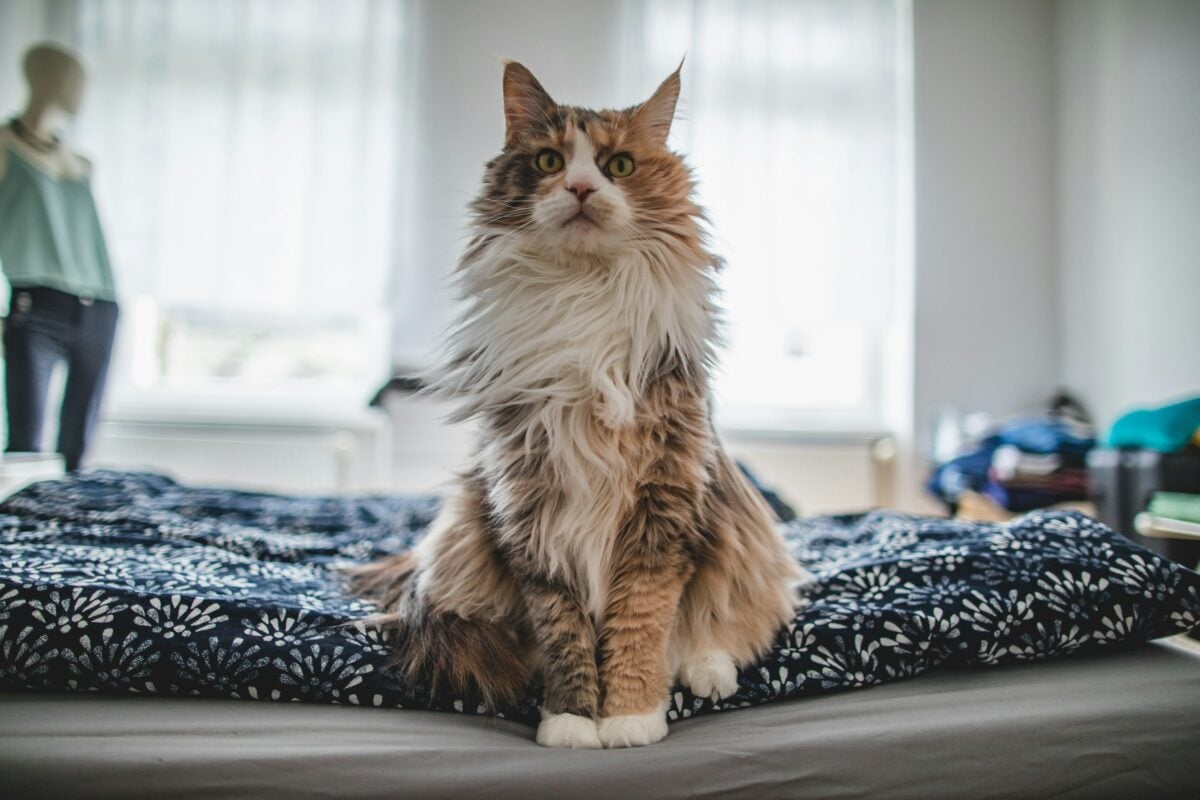
You run the cat bed through the wash with lavender detergent and a dryer sheet. It comes out fluffy, spotless, and smelling amazing. Your cat takes one sniff and looks at you like you’ve committed a personal offense.
What to look for: Think about what happened shortly before your cat abandoned the spot. Did you wash the bedding, shampoo the carpet, or buy new furniture?
Other possible scent offenders include:
- Plug-in air fresheners near the bed
- New candles, diffusers, or scented cleaners
- A houseguest who spent the weekend in “their” chair
- A visiting dog, or someone who arrived smelling like other animals
- A new couch or rug with an unfamiliar scent
How to win them back: Wash cat bedding with unscented detergent and skip the fabric softener. Try washing one blanket at a time so your cat always has something familiar.
You can also place a T-shirt you’ve worn or a favorite unwashed blanket in the old spot.
Avoid enticing your cat with essential oils. Some are toxic to cats, and strong fragrances can make the problem worse.
That expensive cat bed might just need a little of its old, familiar smell to earn your cat’s approval again.
3. The House Got Louder (And Your Cat Had Enough)
Cats can spend a remarkable amount of their day sleeping, but they’re surprisingly particular about where they feel comfortable enough to let their guard down.
And nothing ruins a perfectly good nap like chaos.
Maybe the neighbors hired roofers. Maybe your teenager discovered a passion for bass-heavy music. Perhaps holiday guests have taken over the living room, or someone bought a soundbar that makes every television explosion sound like it’s happening in the house.
One spectacularly bad nap can be enough to put a place on your cat’s blacklist

If a pan crashes to the floor while your cat is sleeping on the kitchen chair, that chair might be off the approved-napping list for a while. Cats can associate locations with frightening experiences, even after the original disturbance disappears.
And if your cat seems unsettled in other ways, keep an eye out for these subtle signs of stress. Cats don’t always advertise when something is bothering them.
What to look for: Spend time near the abandoned spot during your cat’s usual resting hours. Is the room louder or busier than it used to be? Does your cat leave when certain people enter, or particular noises begin?
Notice where they’re sleeping now, too. A cat who trades the living room couch for the back of a quiet closet may be telling you that peace and quiet matter more than prime real estate.
How to win them back: Give your cat a quieter alternative while the household settles down. A covered bed, cardboard box, or cozy perch in a low-traffic room can provide some much-needed security.
When things calm down, restore familiar bedding and allow your cat to rediscover the original spot at their own pace.
Don’t keep carrying them back and insisting it’s safe. Cats aren’t particularly impressed by that argument.
4. Another Pet Has Claimed the Territory
In a multi-cat household, the battle for the best sleeping spot doesn’t always involve hissing, swatting, or dramatic confrontations.
And the sneakiest territorial takeovers happen without so much as a hiss.
One cat starts lounging near the cat tree. Another parks in the hallway leading to the favorite bed. Someone sits nearby and stares just a little too long.
And this isn’t just feline drama. The 2024 AAFP Intercat Tension Guidelines identify subtle behaviors like staring, blocking, and stalking as possible signs of tension between household cats. No flying fur required.
To you, everyone looks perfectly relaxed. To the cat who abandoned the spot, the message may be loud and clear.
And dogs can complicate things, too. Even a friendly dog wandering through the room may make a previously peaceful resting place feel less secure.

Window perches have their own version of this problem. A neighborhood cat strolling past the glass, staring inside, or spraying nearby can turn your cat’s favorite entertainment into something much less enjoyable.
What to look for: Watch what happens when your cat approaches the abandoned area. Does another pet block the route, stare, follow, or interrupt them? Is the spot only empty when a certain animal is nearby?
If the location is near a window, check whether neighborhood cats have started visiting.
How to win them back: The solution is usually more comfortable choices, not a competition over one prized location.
Add resting spots in different rooms, offer perches at varying heights, and make sure your cat can reach them without squeezing past another animal. A second cat tree or a few well-placed shelves can make a surprisingly big difference.
If outdoor cats are causing the problem, frosted window film along the lower portion of the glass can help block the view while preserving natural light.
The goal isn’t to force everyone to share one throne. It’s to make sure every cat has somewhere they can relax without worrying about who’s watching.
5. You Moved the Furniture (And Changed the Rules)
You moved the armchair two feet to the left. Big deal, right?
To your cat, apparently, yes.
That tiny adjustment may have changed everything they liked about the spot. The chair no longer catches the afternoon sun. It’s closer to a drafty doorway. Your cat can’t watch people entering the room, or the ottoman they used as a stepping stone is suddenly on the other side of the couch.
The furniture might not even be the problem.
A new throw blanket, decorative pillow, slipcover, or rug can turn a familiar resting place into something your cat no longer enjoys.

Some cats adore sinking into fleece. Others want a firm, flat surface and seem personally offended by anything too plush.
What to look for: Compare the current setup with how the room looked when your cat still used the spot. Did anything move, even slightly? Has the surface texture changed? Is the route less convenient?
Watch whether your cat approaches the spot, sniffs it, and walks away. That may suggest something about the location or surface has changed, though it won’t reveal the exact reason.
How to win them back: If possible, restore the original arrangement. Otherwise, add familiar bedding, clear the approach, and make the spot easier to reach.
Even closing the curtains during prime napping hours can change the appeal of the entire spot.
Your cat may not care about your interior design vision. They had an arrangement that worked, thank you very much.
6. The Sunbeam Moved (Or You Accidentally Blocked It)
If you’ve ever watched a cat relocate three times in one afternoon, carefully following a shrinking patch of sunlight across the floor, you already know they’re basically furry sundials.
That glorious sunbeam is often the entire reason a particular window or chair became the favorite in the first place.
But sunlight changes throughout the day and across the seasons. A spot that baked in afternoon sunshine all summer may barely get any direct light by fall.
And sometimes we accidentally interfere.
New blinds, curtains, window coverings, or even a piece of furniture can change how sunlight enters a room. Something as simple as closing the curtains during your cat’s favorite napping hours could make the entire location less appealing.
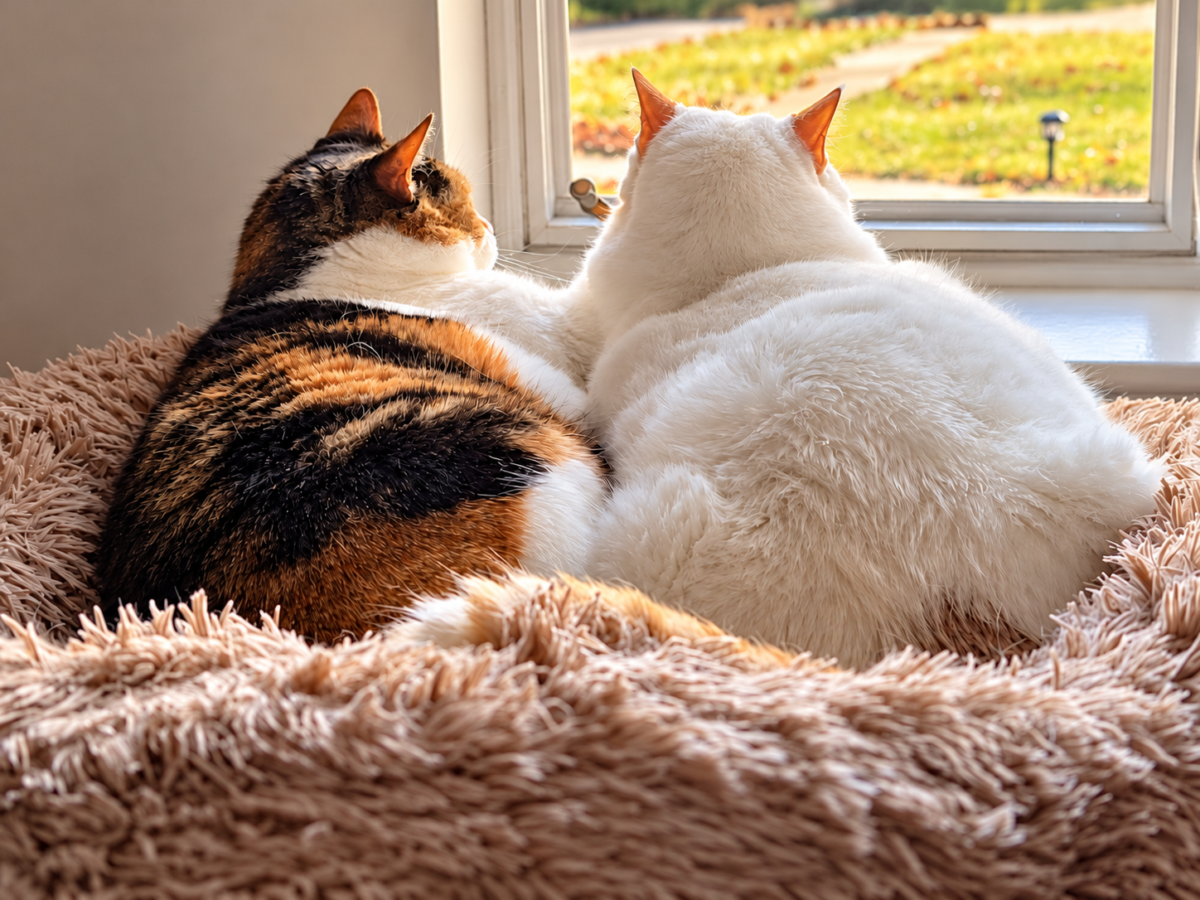
This is one of the things I looked at when my cats suddenly abandoned their favorite front window. I had recently upgraded the curtains there because the cats snagged the old ones too many times with their nails.
I was tired of looking at the fraying fabric. The new drapes looked great to me, but had I accidentally ruined my cats’ favorite sunbathing spot? The curtains changed how the light filtered in, and I hadn’t considered how much that might matter to two cats who practically worship the sun.
As it turned out, getting them interested in that window again took a little experimenting. But the curtains gave me a good place to start.
It was a good reminder that what looks like a tiny decorating decision to us can make a familiar place feel different to a cat.
What to look for: Visit the old spot at the exact time your cat used to settle there. Is the sunbeam still reaching it? Are new curtains or blinds blocking the light? Has the view changed?
How to win them back: Try opening the curtains during your cat’s usual nap time, adjusting the blinds, or moving the bed slightly to catch the sunlight.
If your cat enjoys looking outside, make sure the new window coverings still allow a pleasant view and don’t create cords or other hazards.
You may discover that your cat wasn’t particularly attached to the windowsill after all. They were attached to the sunshine, and you’ve accidentally rearranged their entire solar schedule.
7. Getting Up There Has Become Harder
This is one reason I wouldn’t write off too quickly, especially if your cat is getting older.
Cats are experts at hiding discomfort. Instead of limping dramatically or making their pain obvious, they may quietly stop doing things that have become uncomfortable.
And a surprising number of favorite sleeping spots require a jump.
The windowsill. The back of the couch. Your bed. That impossibly high shelf your cat somehow claimed as their personal penthouse.
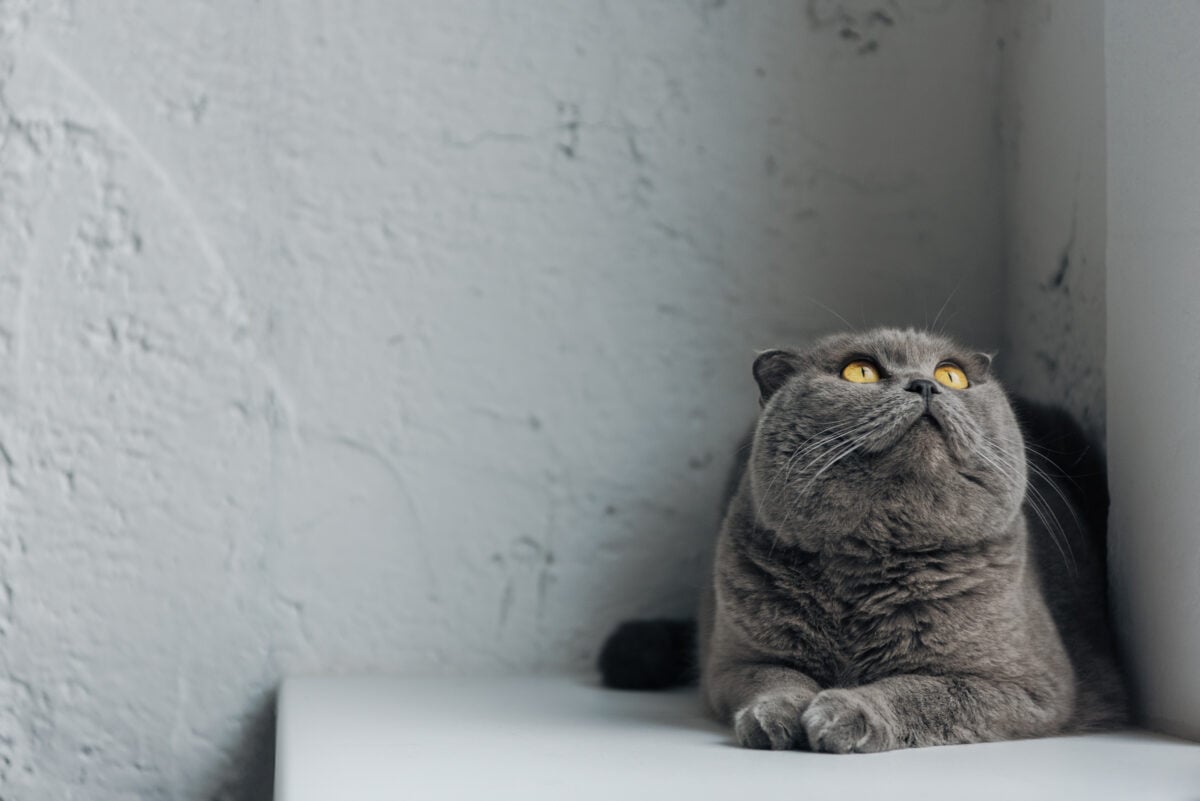
Arthritis and other mobility problems can make these everyday movements more difficult. In fact, Cornell University’s Feline Health Center highlights research in which 90% of cats over age 12 showed signs of degenerative joint disease on X-rays. Those findings don’t necessarily mean every affected cat experiences pain, but they show why changes in mobility deserve attention.
What to look for: Watch how your cat approaches elevated places, not just the one they’ve abandoned.
Possible signs of discomfort include:
- Stopping at the bottom and staring up, like they’re doing math
- Jumping in stages rather than making one smooth leap
- Scrambling with their back legs or landing heavily
- Choosing lower surfaces more often
- Taking stairs slowly or hesitating before climbing
- Grooming less around the lower back or hips
- Moving stiffly after resting
Your cat may not have fallen out of love with the windowsill. Getting there might require more effort than it used to.
How to win them back: Add sturdy pet steps, a ramp, or a stable ottoman as a halfway point. Make sure surfaces aren’t slippery, and consider moving their favorite bed to an easier-to-reach spot.
But don’t stop at rearranging the furniture. If your cat suddenly avoids jumping or shows other signs of discomfort, schedule a veterinary examination. Arthritis and other painful conditions can often be managed, and your vet can help determine what’s causing the change.
The goal isn’t just to get your cat back onto the windowsill. It’s to make sure they’re comfortable getting around in general.
8. The Spot Comes With a Bad Memory
Here’s where the mystery gets frustrating. Nothing about the spot seems different.
It’s the same bed. Same temperature. Same sunny view.
But your cat still won’t go near it.
One possibility is that something unpleasant happened there.
Maybe they slipped while jumping onto the bookshelf. Perhaps the dog startled them during a nap, or a loud crash sent them scrambling out of their favorite chair.
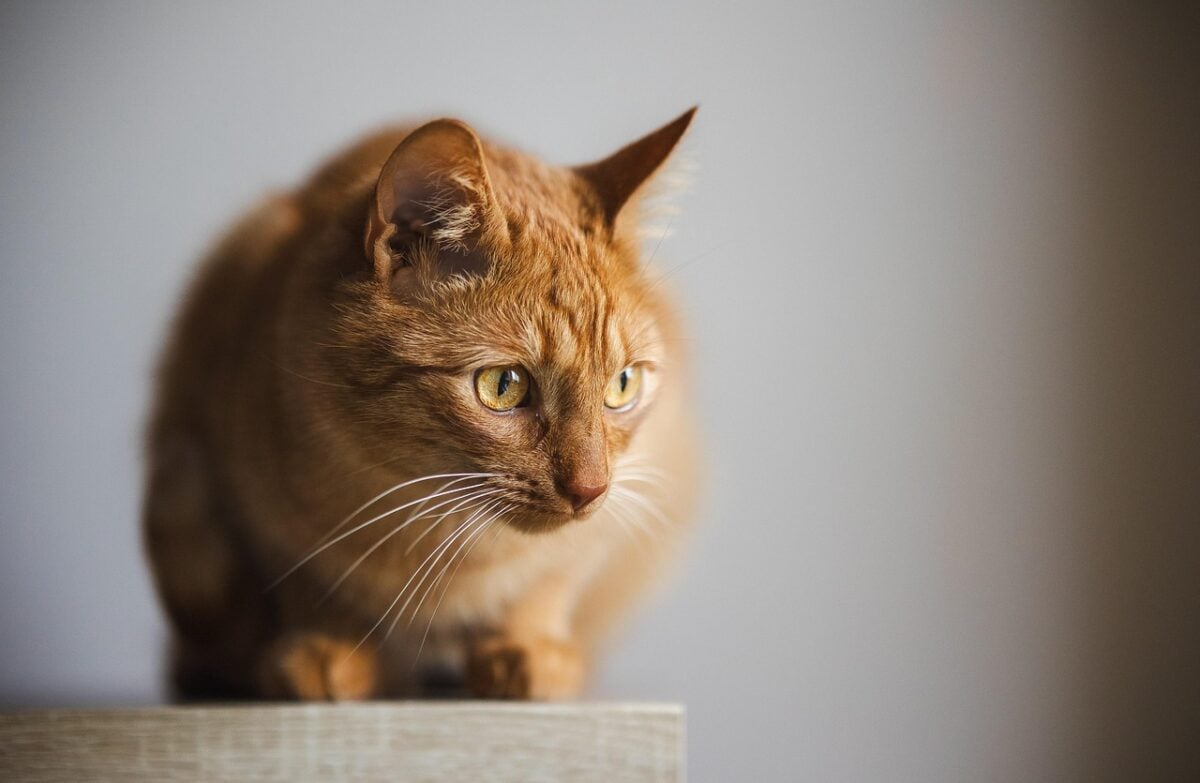
Cats can develop negative associations with places where they’ve experienced fear, stress, or discomfort.
Physical discomfort can complicate things further. If settling into a particular position hurts, a cat may start avoiding the surface or location associated with that feeling.
What to look for: Think back to the days before your cat stopped using the spot. Was there a fall, loud noise, frightening encounter, or other unusual event?
Watch their reaction from a distance. Do they approach cautiously and retreat? Do they seem unsure or reluctant to climb or settle down?
Remember that avoidance alone doesn’t prove your cat remembers a particular incident. Pain, stress, and environmental changes can look similar.
How to win them back: First, check for wobbly furniture, slippery surfaces, or anything that might make your cat hesitate.
Then allow your cat to explore without pressure.
You can place a familiar blanket or a few favorite treats nearby, but don’t force your cat onto the spot or prevent them from leaving.
If you suspect pain or notice other behavior changes, contact your veterinarian rather than assuming the problem is a bad memory.
Your cat might need a little time before deciding the place deserves another chance.
9. They Found a Better Offer
And finally, there’s the explanation every cat owner knows is entirely possible.
Your cat found something better.
A delivery box. A pile of warm towels. The laptop you left open on the couch. Your office chair, approximately four seconds after you stand up.
There has been no trauma. No territorial dispute. No dramatic change in household conditions.
Just a cat making a cat decision.
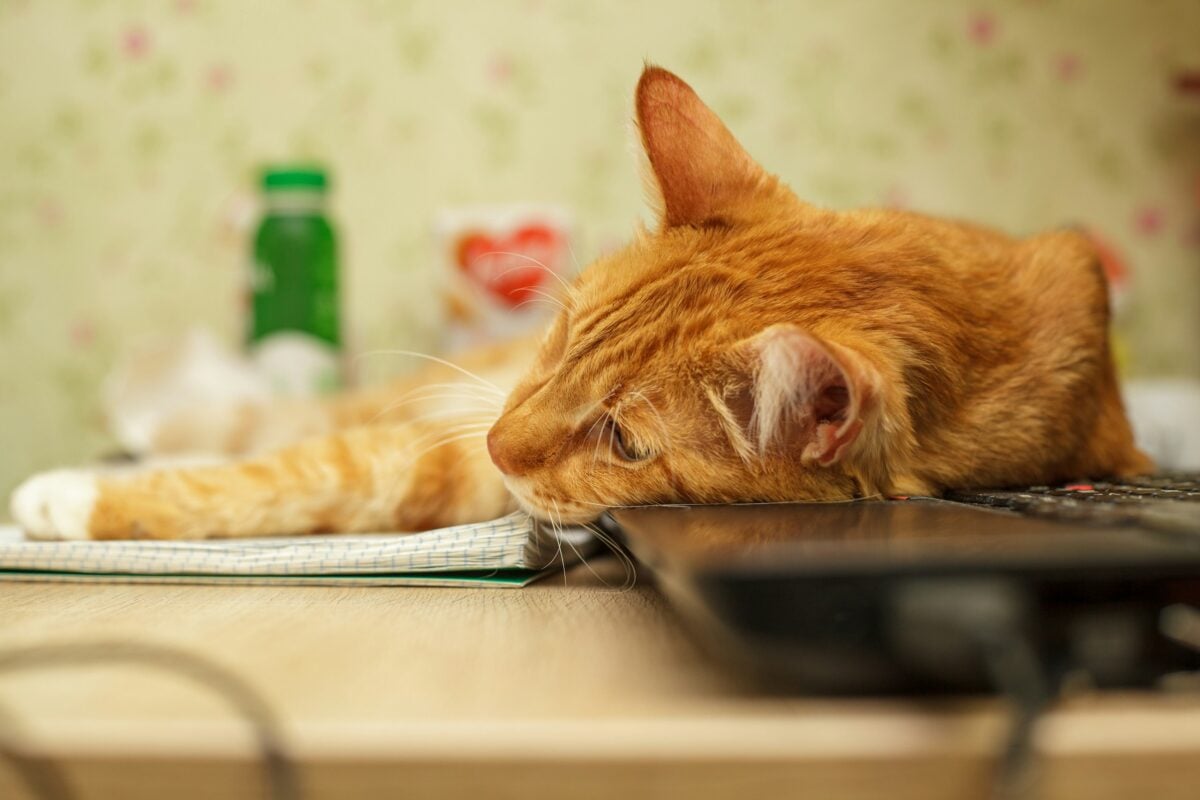
Many cats rotate through favorite resting places, especially as the seasons change. The expensive heated bed you bought may still be perfectly acceptable. It’s just not having its month.
What to look for: Check your cat’s overall behavior. Are they eating normally, playing, grooming, using the litter box, and acting like their usual weird self?
If they seem comfortable and healthy, and the only change is a new sleeping location, there may be nothing to worry about.
How to win them back: Leave the old spot accessible, tidy, and ready for whenever your cat decides it’s worthy of their attention again. Add a familiar blanket if you like, but don’t feel obligated to launch an elaborate campaign to win it back.
Your cat has made their choice. You might as well let them enjoy their new real estate.
And if that happens to be the cardboard box your expensive cat bed arrived in?
You’ve been outbid by packaging. It happens to the best of us.
When It’s More Than a Change of Scenery
A cat abandoning one favorite spot isn’t necessarily cause for concern. But when that empty bed or windowsill comes with other changes in behavior, it’s worth paying closer attention.
Cats are remarkably good at hiding pain and illness. They don’t always give us obvious warning signs. Instead, you might notice little things: a cat who used to greet you at the door now stays in the bedroom, or your fearless furniture climber suddenly prefers the floor.
Watch for these behavior changes alongside a new sleeping preference:
- Hiding more than usual, especially if your cat normally enjoys being around people
- Changes in appetite, including eating significantly less, refusing food, or becoming unusually hungry
- Increased thirst or urination, which can be associated with several medical conditions
- Stiffness, limping, or hesitation to jump, particularly onto surfaces your cat previously reached with ease
- Litter box changes, including accidents, straining, or going more or less frequently
- Changes in grooming, such as a greasy, unkempt coat or excessive licking in one area
- Unusual vocalizations or behavior, including nighttime yowling, withdrawal, or increased irritability
You don’t need to see several warning signs before calling your veterinarian. One significant or unexplained change can be enough, particularly if it appears suddenly or persists.
Some symptoms need immediate attention. Straining to urinate with little or no urine, difficulty breathing, collapse, or severe pain are emergencies. A cat who stops eating also needs prompt veterinary guidance.

A cat who suddenly disappears under the bed or starts avoiding people may be telling you something else, too. Our guide to why cats suddenly start hiding explains how to distinguish an ordinary need for privacy from changes that deserve a closer look.
If something feels off, jot down when your cat abandoned the spot and what else you’ve noticed. A few notes, or even a short video of unusual movement, can help your vet piece together what’s happening.
And because unexpected veterinary expenses have a talent for arriving at the worst possible time, it’s worth having a plan. Some owners set aside emergency savings, while others choose pet insurance. If you’re considering insurance, enrolling before health problems develop generally offers more coverage options, since most policies exclude pre-existing conditions.
Quick Check: What Changed About Your Cat’s Favorite Spot?
Still trying to crack the case? Before replacing that rejected cat bed or moving half the living room, take five minutes to investigate.
- Temperature: Did the weather change, or has the heat or AC started running?
- Sunlight: Has the sunbeam moved, or are new curtains or blinds blocking it?
- Familiar smells: Did you wash the bedding, shampoo the carpet, or introduce a new scent?
- Noise: Is the room louder or busier than it used to be?
- Other pets: Is another cat or dog hanging around the spot or blocking access?
- Furniture: Did you move anything, change the bedding, or make the spot harder to reach?
- Bad experiences: Could something have startled your cat or made the location uncomfortable?
- Mobility: Does your cat hesitate, struggle, or avoid jumping onto other surfaces?
- Health: Have you noticed changes in eating, drinking, grooming, litter box habits, or personality?
Found a possible culprit? Start with one small adjustment. Restore the familiar blanket, open the curtains, move the footstool back, or give your cat a quieter route to their old hangout.
Then let them investigate on their own terms. If there’s no sign of illness or pain, you don’t need to rush the process. Your cat might decide the place is worthy of their presence again tomorrow, next week, or whenever the mood strikes.
Frequently Asked Questions
Cats have a way of turning the smallest household changes into full-blown mysteries. And even after you’ve investigated the abandoned bed, chair, or windowsill, you might still have a few questions. Here are some common ones. If your cat has you completely stumped, share what’s happening in the comments!
How Long Will It Take My Cat to Return to Their Favorite Spot?
There’s no set timeline. Some cats return within a day or two once the problem is resolved. Others may need weeks before they’re willing to give the place another chance, especially after a frightening experience or a major household change.
And some never return. If your cat is healthy, comfortable, and enjoying other resting places, that’s not necessarily a problem. They may have retired that particular piece of real estate for good.
Should I Put My Cat Back in Their Old Favorite Spot?
It’s better to let your cat make that decision. Repeatedly placing them somewhere they’re avoiding can increase their anxiety, particularly if they associate the area with a frightening experience.
Instead, make the spot welcoming with familiar bedding, easy access, and a quiet environment. You can encourage voluntary exploration with treats or gentle praise, but always let your cat leave when they want.
Why Did Both of My Cats Suddenly Stop Using the Same Spot?
When multiple cats abandon the same location, look for something that changed in their shared environment. New curtains, unfamiliar smells, increased noise, changes in sunlight, or another animal nearby could affect both cats.
Pay attention to when they stopped using it and what happened around that time. If both cats show changes in appetite, energy, or other behaviors, contact your veterinarian to rule out a health or environmental concern.
Is It Normal for Older Cats to Stop Sleeping in High Places?
Older cats may begin choosing lower resting spots, but don’t automatically dismiss the change as normal aging. Arthritis, pain, muscle weakness, and other health problems can make climbing or jumping uncomfortable.
If your senior cat suddenly avoids elevated places, schedule a veterinary examination. Meanwhile, sturdy steps, ramps, and appealing ground-level beds can make their favorite resting areas easier to enjoy.
More Cat Quirks Worth Investigating
Figured out why your cat abandoned their favorite spot? Congratulations, you’ve solved one feline mystery. There are plenty more where that came from.
Ever wonder why your cat steals your seat the moment you stand up? Or why they follow you to bed but refuse to sleep there? Those little sleeping quirks can reveal a lot about what makes your cat feel comfortable.
And if you’re curious about the happier side of feline behavior, explore these signs your cat feels truly relaxed at home. You might recognize more than a few.
Will Your Cat Ever Go Back to Their Favorite Spot?
Your cat was never going to leave a note explaining their sudden change of heart. They do leave clues, though. Where they went instead. When they stopped. What’s different about the room, the view, or the journey to get there?
For my two cats, the mystery involved a familiar window that wasn’t quite as familiar anymore. I’d put up new curtains, changing the light and the setup around their longtime sunny hangout. Around the same time, one of them had been sick, which gave me another reason to pay attention.
Once things settled down, I made sure the window was easy to reach, and the sunshine wasn’t hidden behind the new curtains. Eventually, both cats returned to their favorite lookout, soaking up the sun as if they’d never abandoned it.
The window hadn’t moved. But enough had changed around it to make a difference.
That’s the thing about cats. We see an empty bed or windowsill and wonder why they’ve suddenly lost interest. They may be responding to something we’ve barely noticed.
And if you’ve investigated everything and your cat still prefers the cardboard box? Keep the expensive bed around. They’ll probably rediscover it approximately three days after you’ve decided to give it away.
Has Your Cat Ever Abandoned a Perfectly Good Spot?
One day they’re obsessed with a particular chair, window, or bed. The next, it’s dead to them. Has your cat ever pulled this disappearing act on a favorite hangout? Did you figure out what changed, or is the mystery still unsolved? Share your story in the comments. I’d love to hear where your cat decided to relocate.