When you purchase through links on our site, we may earn a commission at no extra cost to you. Learn more.
One minute, your cat is purring, leaning into your hand, and loving every affectionate rub. Then their tail starts twitching. An ear swivels backward. Then, they turn to watch your hand like it’s suddenly become suspicious.
Table of Contents
Cats have a talent for asking for attention, enjoying it, and then deciding they’ve had quite enough, thank you.
But overstimulation rarely comes with a clear announcement. Whether it’s petting, playtime, or cuddling, cats often give subtle clues that they’re reaching their limit.
The tricky part? Many of us don’t realize what we’re seeing until our cat makes their feelings impossible to ignore.
Want our human-written content to rank above AI-generated garbage? Help us out by clicking this button!
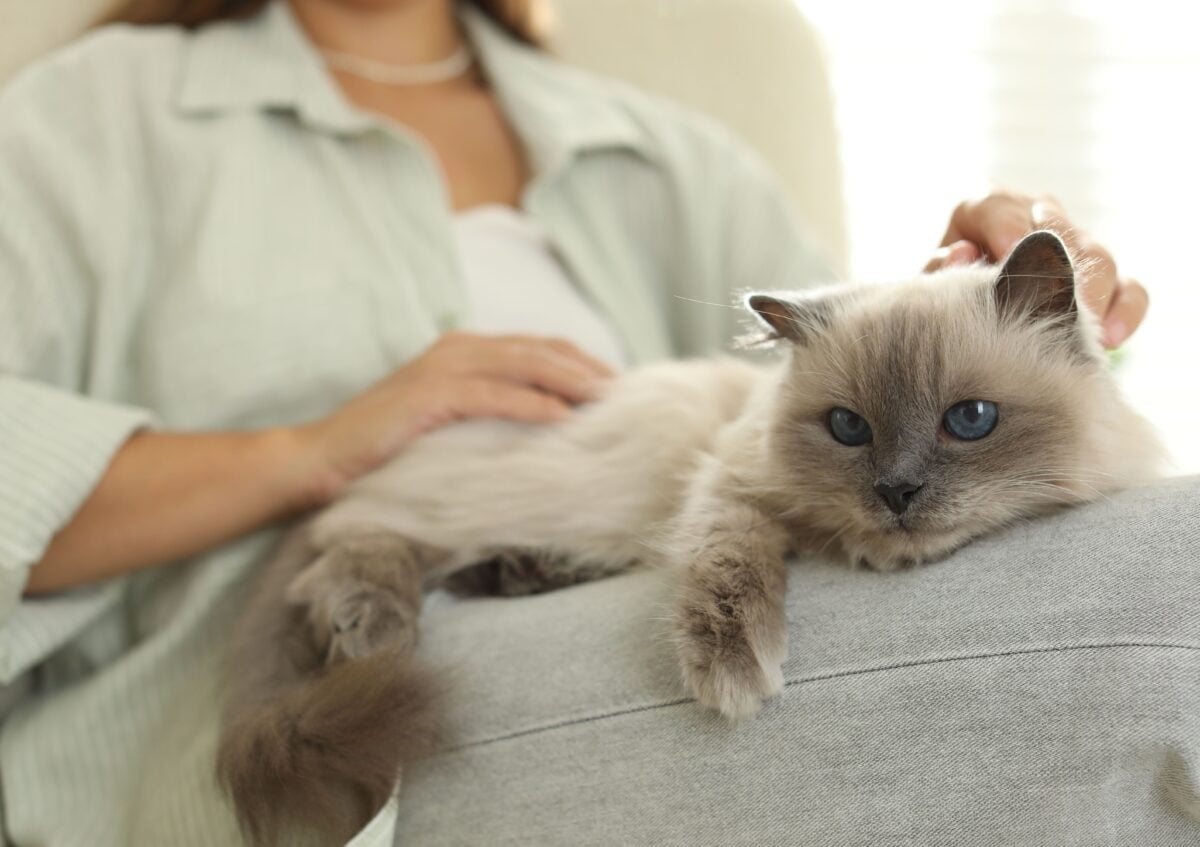
What Does It Mean When A Cat Gets Overstimulated?
Your cat might be perfectly happy getting scratched behind the ears, only to decide three strokes later that you’ve officially overstayed your welcome. The affection was real. So was the sudden change of heart.
Overstimulation happens when touch, excitement, or activity becomes more than a cat can comfortably handle. And that limit isn’t always where we expect it to be.
A cat’s tolerance can depend on several things:
- Personality: Some cats love prolonged attention, while others prefer affection in small doses.
- Type of interaction: A cat might enjoy chin scratches but have absolutely no patience for belly rubs or being held.
- Mood and surroundings: A cuddle that’s welcome one afternoon might be too much when your cat is already excited, stressed, or tired.
- Intensity and duration: Even enjoyable activities can become overwhelming when they go on too long.
And petting isn’t the only culprit. Energetic play, repeated handling, or a house full of visitors can leave a cat increasingly wound up.
The interesting part is what happens before they reach that limit. Cats often show small changes in their body language as their tolerance wears thin, and those changes can be surprisingly easy to overlook.
6 Early Signs Your Cat Is Getting Overstimulated
Your cat doesn’t need to hiss, bite, or make a dramatic exit to tell you something’s wrong. Some of the earliest clues are surprisingly small, especially when you’re focused on giving them attention.
1. Their Tail Starts Twitching, Flicking, Or Thumping
Your cat is stretched out beside you, enjoying a good scratch, when the tip of their tail starts moving. Just a little flick at first. Nothing worth interrupting the royal treatment over, right?
That tiny movement might be your first clue that your cat’s patience is wearing thin.
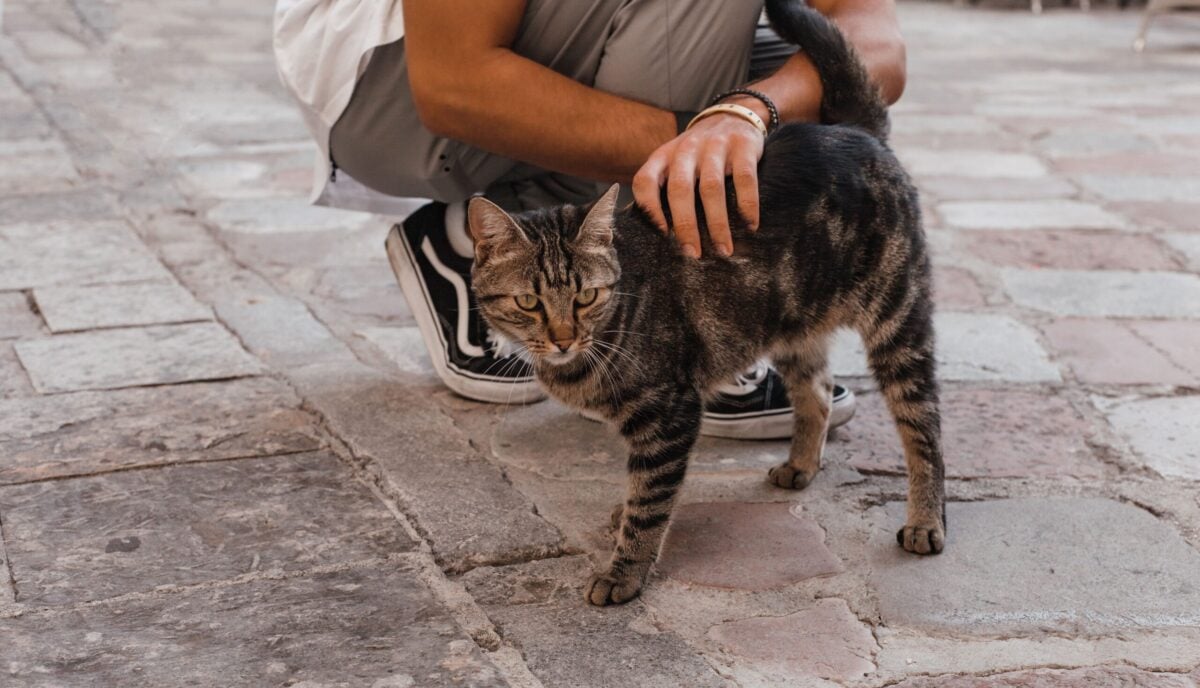
Cat tails are remarkably expressive, but it’s not just whether the tail moves that matters. Pay attention to how the movement changes:
- Small, occasional twitches: Can signal growing alertness or irritation, especially during petting.
- Repeated flicking: May indicate that your cat is becoming increasingly uncomfortable with the interaction.
- Broad swishing or thumping: Can signal stronger agitation, particularly when accompanied by tense body language.
Of course, a moving tail doesn’t automatically mean your cat is overstimulated. Cats also flick their tails when they’re focused, excited, or watching something interesting.
The giveaway is often the timing. If your cat’s tail was relaxed when you started petting but becomes increasingly active as you continue, it’s a good moment to stop and see whether they actually want more.
2. Their Ears Start Turning Sideways Or Backward
Those little ears can reveal a change in your cat’s mood before the rest of their body catches up. And unless you’re paying attention, it’s remarkably easy to miss.
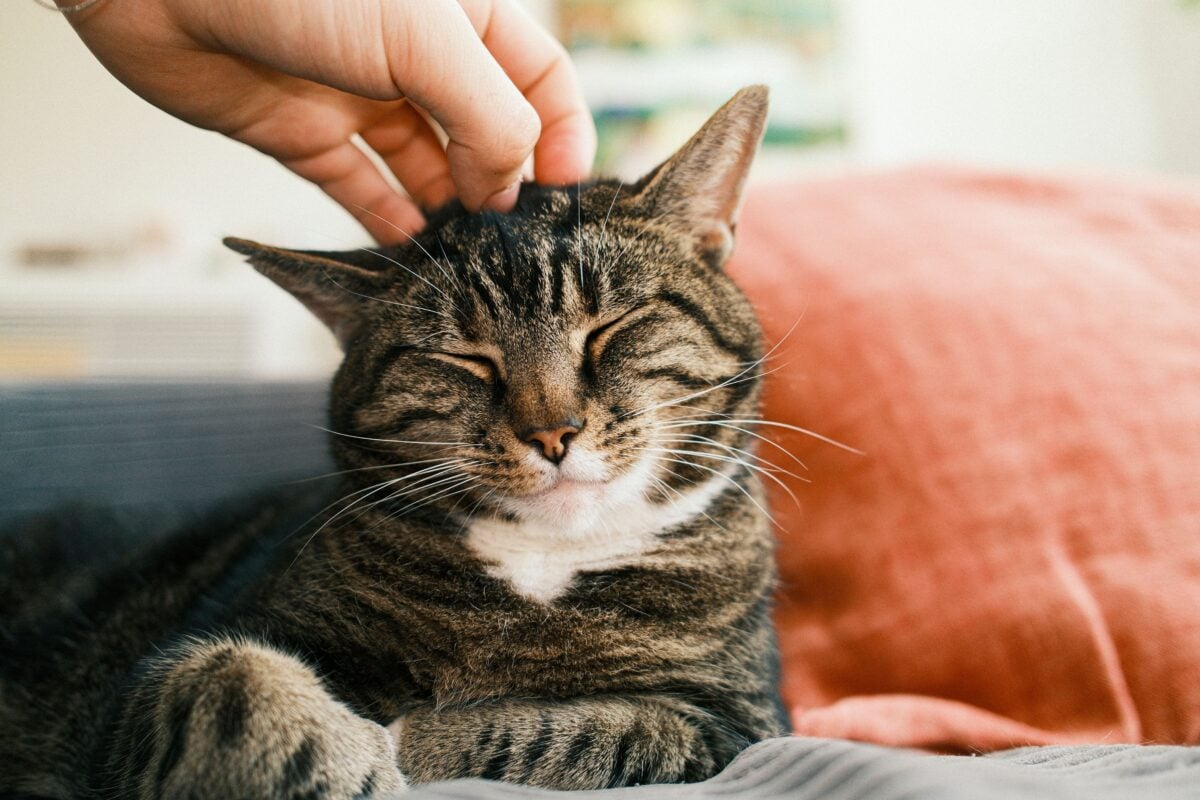
A relaxed cat typically holds their ears upright or comfortably angled. But as irritation or discomfort builds, you might notice:
- Ears rotating sideways: Sometimes called “airplane ears,” this position can signal uneasiness or growing tension.
- Ears turning backward: Your cat may be becoming less comfortable with what’s happening.
- Ears flattening against the head: A stronger sign of distress, fear, or defensive behavior.
Of course, cats also rotate their ears to track sounds. An ear swiveling toward the refrigerator doesn’t necessarily mean your cat has developed strong feelings about your petting technique.
What matters is a change that coincides with continued touching, especially when your cat’s body also becomes tense.
And don’t wait for full airplane mode. By the time those ears are pinned flat, your cat may already be well past the point of enjoying the interaction.
3. Their Skin Starts Twitching Or Rippling
Ever notice your cat’s back twitch when you stroke it, almost like they’re trying to shake off an invisible bug? That little ripple of movement can be another clue that your touch is becoming irritating.
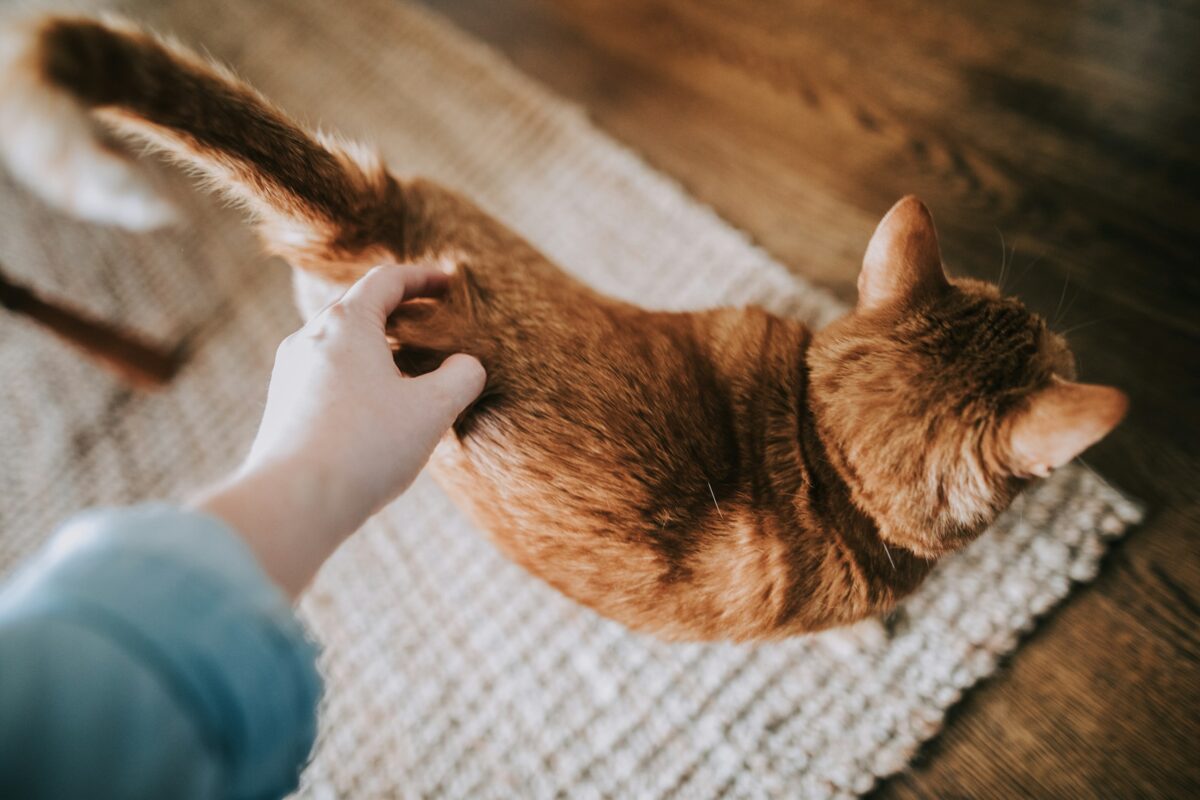
Cats have a thin layer of muscle beneath their skin that allows them to twitch specific areas, much like a horse shaking off a fly. Sometimes those movements are completely ordinary. But during petting, they can also signal increasing sensitivity.
Watch for:
- Small ripples along the back: The skin briefly contracts or moves beneath your hand.
- Repeated twitching: The movement happens more frequently as you continue petting.
- A sudden flinch: Your cat reacts to a stroke they seemed perfectly comfortable with moments earlier.
This is especially worth noticing if your cat becomes sensitive when you stroke their lower back or the area near the base of their tail.
The important distinction is whether the twitching appears connected to your touch. If your cat repeatedly reacts when you pet a particular area, stop rather than testing how many more strokes they’ll tolerate.
One medical distinction matters here: frequent, dramatic skin rippling accompanied by frantic licking, biting at the back or tail, or sudden frantic behavior can indicate pain, skin problems, or a condition called feline hyperesthesia syndrome. Those episodes deserve a veterinary evaluation rather than being dismissed as ordinary overstimulation.
Try The Three-Second Pause
Not sure whether your cat wants more attention or has had enough? Give them a chance to decide.
Stop petting, move your hand away, and give your cat a few seconds to respond.
- If they lean into your hand, rub against you, or nudge you, they’re likely interested in more attention.
- If they stay put but don’t seek more contact, don’t assume they’re inviting you to continue.
- If they turn away or shift position, end the interaction.
This simple technique is sometimes called a consent test, and it’s especially helpful with cats who seem to go from affectionate to irritated without much warning.
4. Their Pupils Suddenly Get Bigger
Ever catch your cat staring at you with enormous, round pupils, looking like they’ve just spotted something either fascinating or deeply offensive?
Dilated pupils can be signal rising arousal, meaning your cat’s nervous system is becoming more activated. This can happen when they’re excited, frightened, playful, or increasingly uncomfortable.
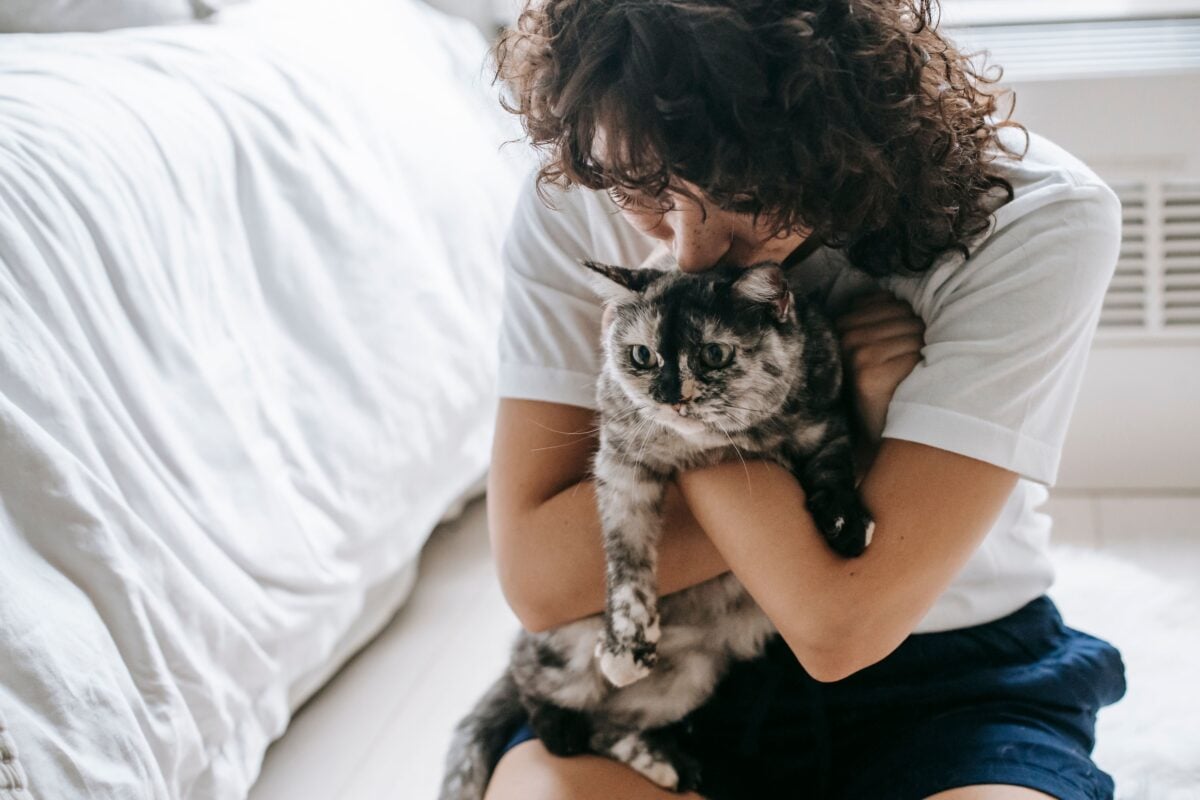
Big pupils don’t automatically mean your cat is overstimulated. Their eyes also adjust to lighting, and a cat preparing to pounce on a favorite toy might have pupils the size of dinner plates.
During petting or handling, watch for a noticeable change in pupil size when the lighting hasn’t changed, especially if your cat tenses up or suddenly seems less comfortable with your touch.
Wide eyes during an exciting game of chase are very different from wide eyes accompanied by a rigid body while you’re holding your cat.
5. They Suddenly Turn Their Head Toward Your Hand
You’re scratching your cat behind the ears when their head suddenly swivels toward your hand. Not for another affectionate nuzzle, either. They’re watching exactly what you’re doing, and your performance appears to be under review.
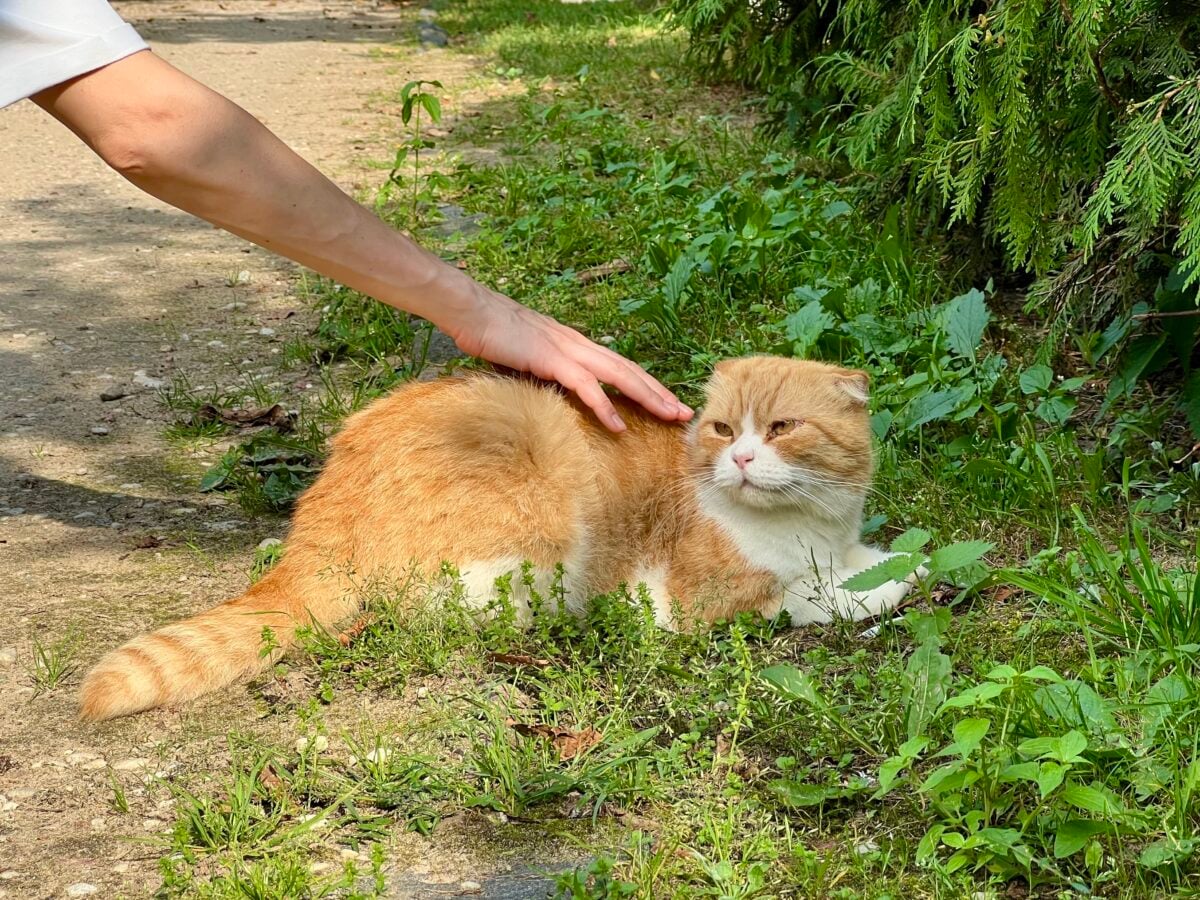
A sharp head turn can be an early warning that your cat is becoming uncomfortable with the attention. They might suddenly focus on your fingers, follow your hand with their eyes, or pull their head away to avoid another stroke.
Of course, turning toward your hand isn’t always a warning. A cat who nudges your fingers or rubs against them may be asking for more affection. But one who stiffens and watches your moving hand closely may be preparing to defend their personal space.
That sudden head turn can come shortly before a nip or swat. It’s worth recognizing before your cat feels the need to make their objection more obvious.
6. They Start Shifting, Tensing, Or Pulling Away
Some cats don’t bother with an obvious warning. Instead, they start make small adjustments that are easy to mistake for getting comfortable. Except your cat isn’t settling in. They’re trying to get comfortable away from you.
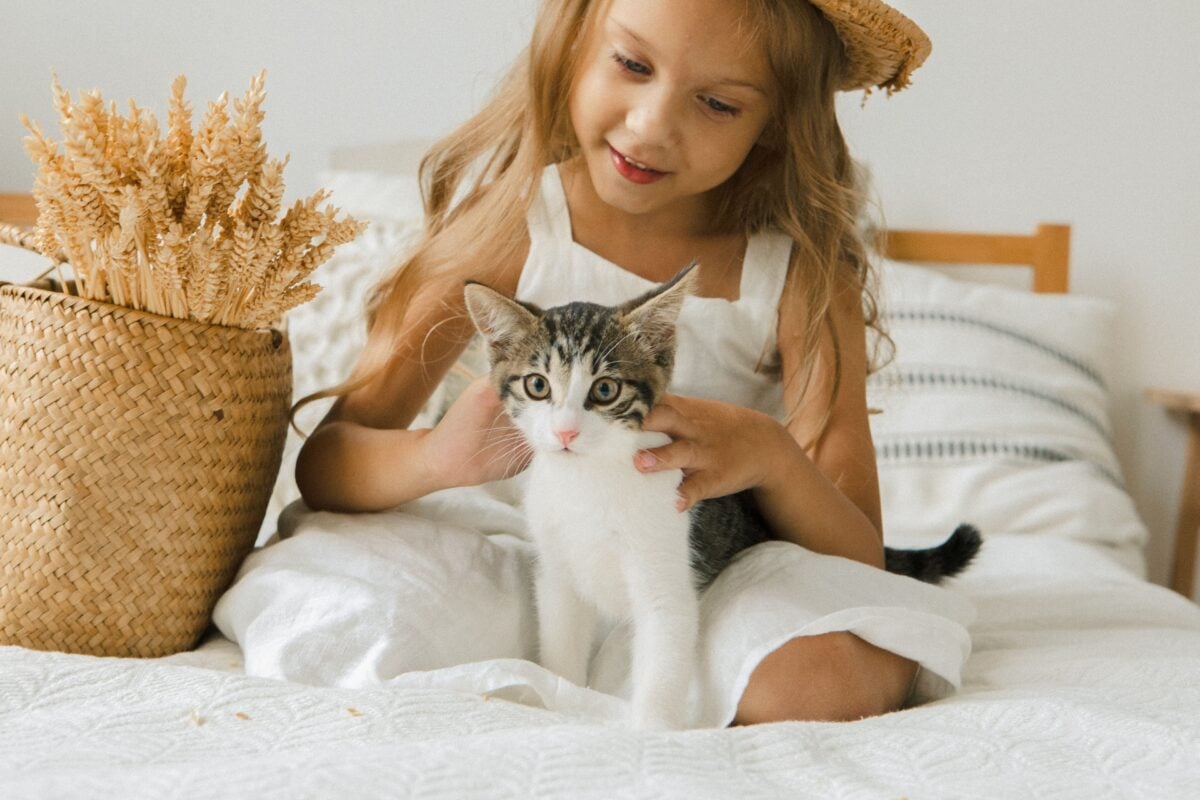
You might notice:
- Restless shifting: Repeatedly changing position instead of relaxing.
- A stiffening body: Their muscles tense, and that loose, comfortable posture disappears.
- Leaning away: Moving their head or body out of reach of your hand.
- Preparing to leave: Sitting up, repositioning their paws, or edging toward the end of your lap.
One particularly easy signal to misread is a cat that stops actively participating but doesn’t leave. Staying beside you isn’t necessarily an invitation to keep petting, especially if they’re no longer leaning into your touch.
And there’s a reason some cats don’t simply walk away. They might be curled up in their favorite spot, comfortably settled on your lap, or being held in a position that makes leaving difficult.
Is Your Cat Feeling Playful, Irritated, Afraid, Or Overstimulated?
Here’s where reading cat behavior gets interesting: the same behavior can mean very different things depending on what’s happening around your cat.
A swishing tail might mean excitement, while wide pupils could signal playful anticipation or fear. The biggest clue is often what was happening immediately before your cat’s behavior changed.
| What Your Cat May Be Feeling | What’s Happening During The Interaction |
|---|---|
| Playful or excited | Your cat willingly engages, chases toys, pounces, and returns for more. Their movements are generally loose and purposeful. |
| Overstimulated | An initially welcome interaction becomes too intense or prolonged, and your cat begins showing signs of discomfort or rising agitation. |
| Irritated | Your cat objects to an interaction from the beginning or wants an unwanted activity to stop. |
| Fearful | Your cat perceives a threat and may crouch, retreat, hide, or respond defensively, particularly when escape feels difficult. |
These feelings can overlap. An overstimulated cat may become irritated or frightened, especially if they can’t get away from whatever is bothering them.
When The Subtle Warnings Become Much Less Subtle
Sometimes those early signals go unnoticed, and your cat resorts to a more obvious response. This is when an ordinary interaction can take a sudden turn, leaving you wondering what went wrong.
1. They Nip, Bite, Or Swat During Petting
There’s a special kind of betrayal that comes from a cat who climbs into your lap, demands affection, and then bites the hand providing it.
But that sudden nip or swat isn’t necessarily aggression out of nowhere. It may be what’s called petting-induced aggression, a reaction that can happen when an otherwise enjoyable interaction becomes uncomfortable or unwanted.
And then there’s the classic belly-rub trap.
A cat rolling onto their back isn’t necessarily requesting a belly massage. Exposing their stomach can mean they feel relaxed or secure, but reaching for that tempting patch of fluff may get a very different response.
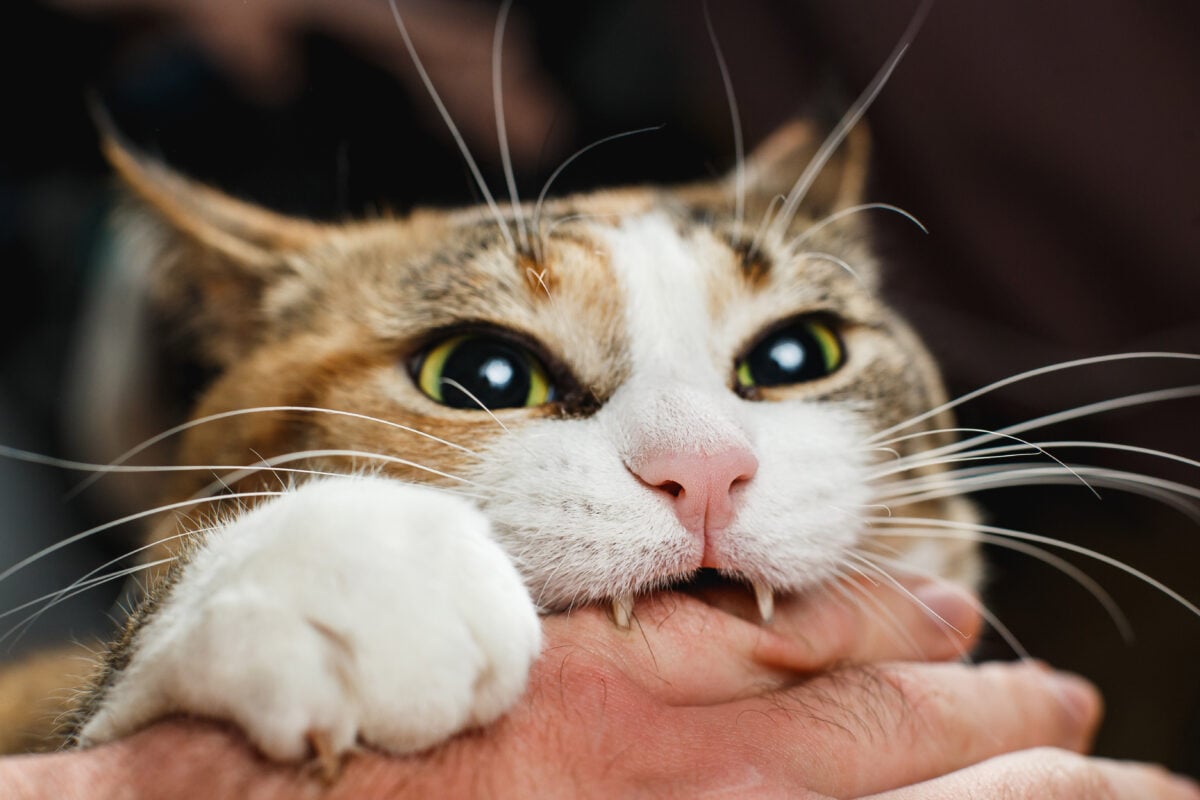
When your cat bites or swats:
- Stop touching immediately. Don’t try to squeeze in one last scratch.
- Avoid punishment. Yelling, tapping their nose, or spraying water can increase fear and make future interactions more difficult.
- Give them space. Let your cat decide when they’re ready to interact again.
One distinction worth making: a gentle nip isn’t always a sign of overstimulation. Cats may also use their mouths during play or other social interactions. But when a bite happens during prolonged petting, especially after their body language has changed, it’s a strong sign the interaction needs to end.
2. They Suddenly Run Away After Petting Or Play
One moment, your cat is happily chasing a feather wand. The next, they’re tearing down the hallway like they’ve just remembered an urgent appointment in another room.
Sometimes that sudden exit means the interaction has become too intense. Excitement can build during energetic play, and a cat may decide they’ve had enough.
But running away isn’t always a sign of distress. Some cats naturally sprint, hide, and reappear during play. What happens next can tell you more than the sprint itself.
- They return to stalk or chase the toy: They may simply be repositioning for another attack.
- They retreat and stay away: They may be finished playing or need a break.
- They flee with tense body language: Something may have startled or overwhelmed them.
A similar exit can happen during petting, brushing, or handling. A cat who jumps down and heads for another room may be choosing to end the interaction, not inviting you to follow.
3. They Hide When Things Get Too Overwhelming
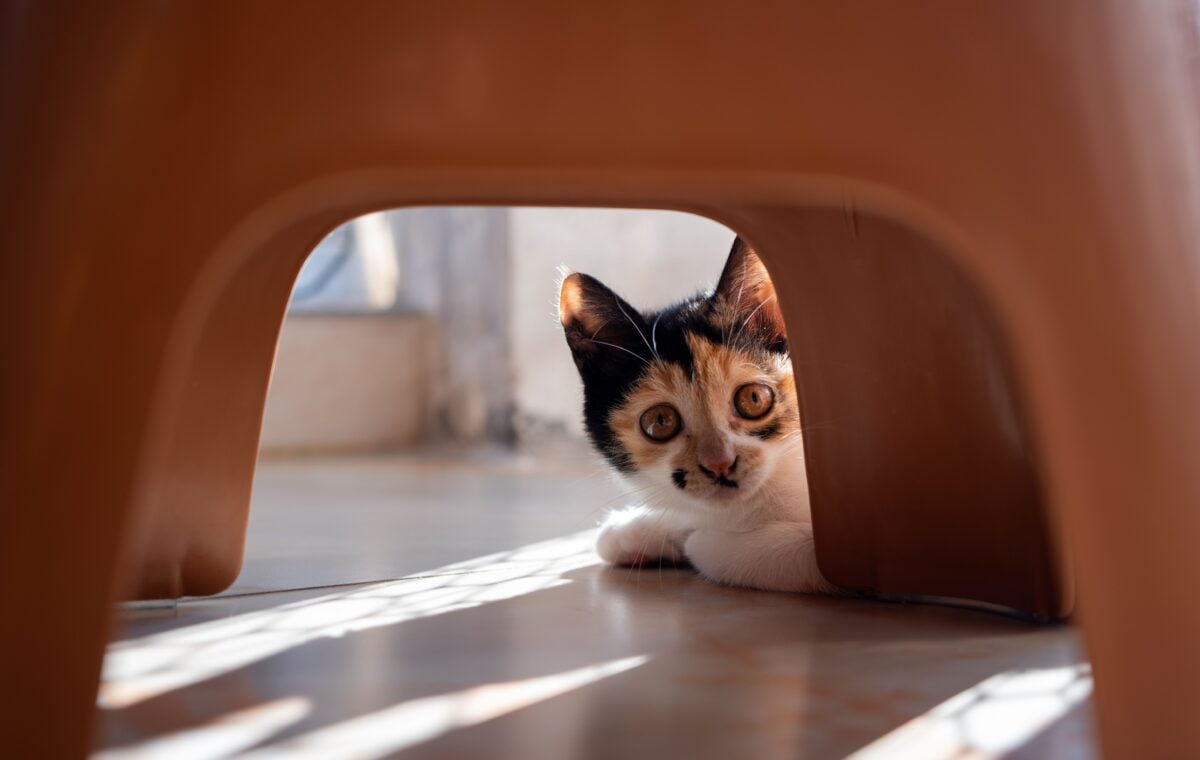
Your cat was perfectly sociable this morning. Now you’ve got six guests in the living room, someone laughing at full volume, and a cat who has apparently decided the underside of your bed is the only civilized place left in the house.
Too much noise, activity, or unwanted attention can overwhelm a cat, even one who’s normally friendly and affectionate.
Unlike petting overstimulation, which often builds through repeated physical contact, environmental overload can involve several things happening at once. Unfamiliar visitors, excited children, other pets, loud noises, and repeated handling can all contribute.
Hiding gives cats a way to escape the commotion and regain some control over their surroundings. A closet, covered cat bed, or high perch can provide a welcome retreat.
If your cat disappears when the house gets busy, let them stay hidden. Don’t pull them out to meet visitors or encourage children to coax them back into the action. Make sure they have access to water, a litter box, and a comfortable place where nobody will disturb them.
Why Does Your Cat Suddenly Start Grooming After You Pet Them?
You finish scratching your cat’s back, and they immediately start licking the exact spot you just touched. Nothing like watching someone give themselves a thorough cleaning right after you’ve shown them affection.
Sometimes, sudden grooming can be a displacement behavior, an ordinary activity cats may perform when they’re feeling conflicted, stressed, or uncertain about what to do next.
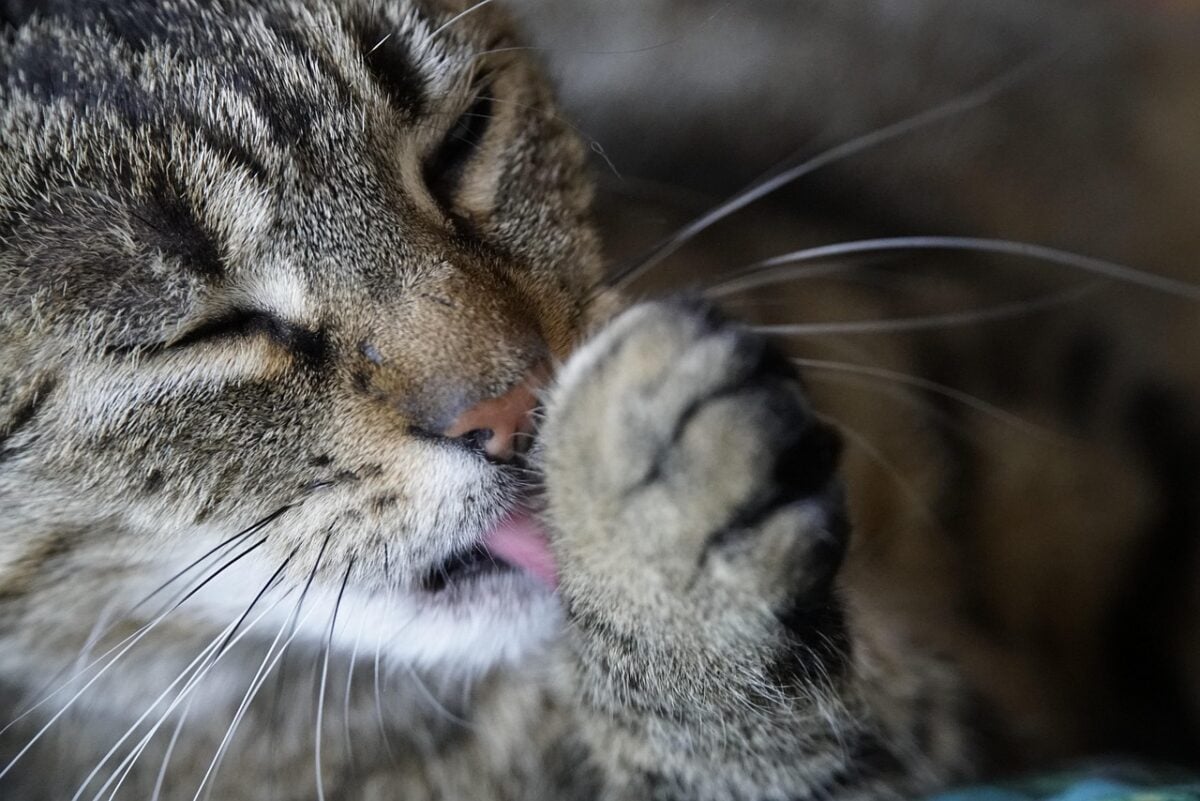
Grooming after petting doesn’t automatically mean your cat was overstimulated. They may simply be smoothing their fur back into place.
What’s more revealing is the pattern. If your cat regularly stops interacting, turns away, and starts grooming after prolonged petting, the grooming may be part of how they disengage from the interaction.
Why Having A Choice Matters To Your Cat
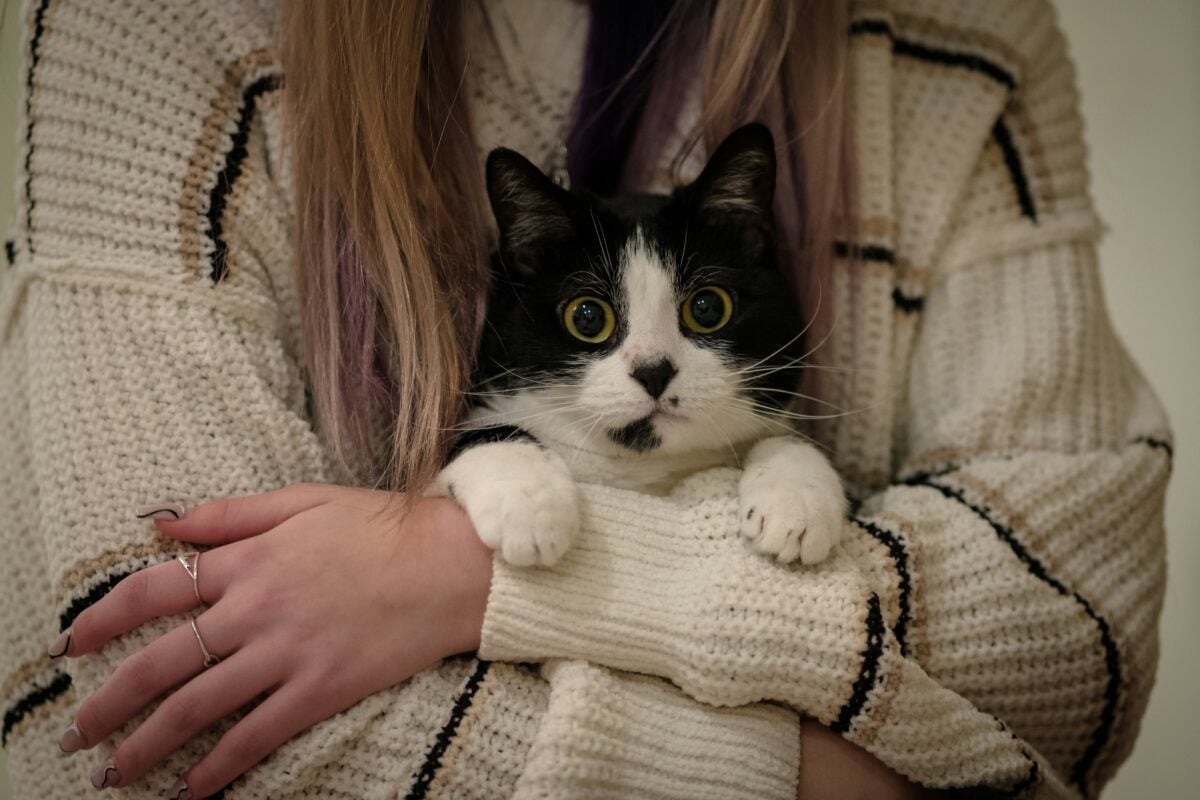
Your cat might happily climb into your lap for affection but object the moment you pick them up. Or they may enjoy having visitors around until someone decides they absolutely must hold the cat.
The difference often comes down to how much control your cat has over the interaction. Cats generally feel more comfortable when they can choose whether to approach, participate, or leave.
Some situations make that choice harder:
- Being held or restrained: Even affectionate cats may become uncomfortable when they can’t move freely or decide when contact ends.
- Attention from children: Repeated hugs, petting, or attempts to pick up a cat can become overwhelming, especially when children don’t recognize that the cat wants to leave.
- Being disturbed while resting: A cat settled into a favorite sleeping spot may tolerate unwanted attention rather than immediately abandoning their comfortable perch.
This is particularly important with children. Teach kids to let the cat approach them, avoid grabbing or chasing, and stop interacting when the cat wants space. Always supervise young children around cats.
And remember, a cat who chooses to sit beside you hasn’t necessarily agreed to being picked up, cuddled, or carried around the house.
Why Your Cat’s Tolerance Can Change From Day To Day
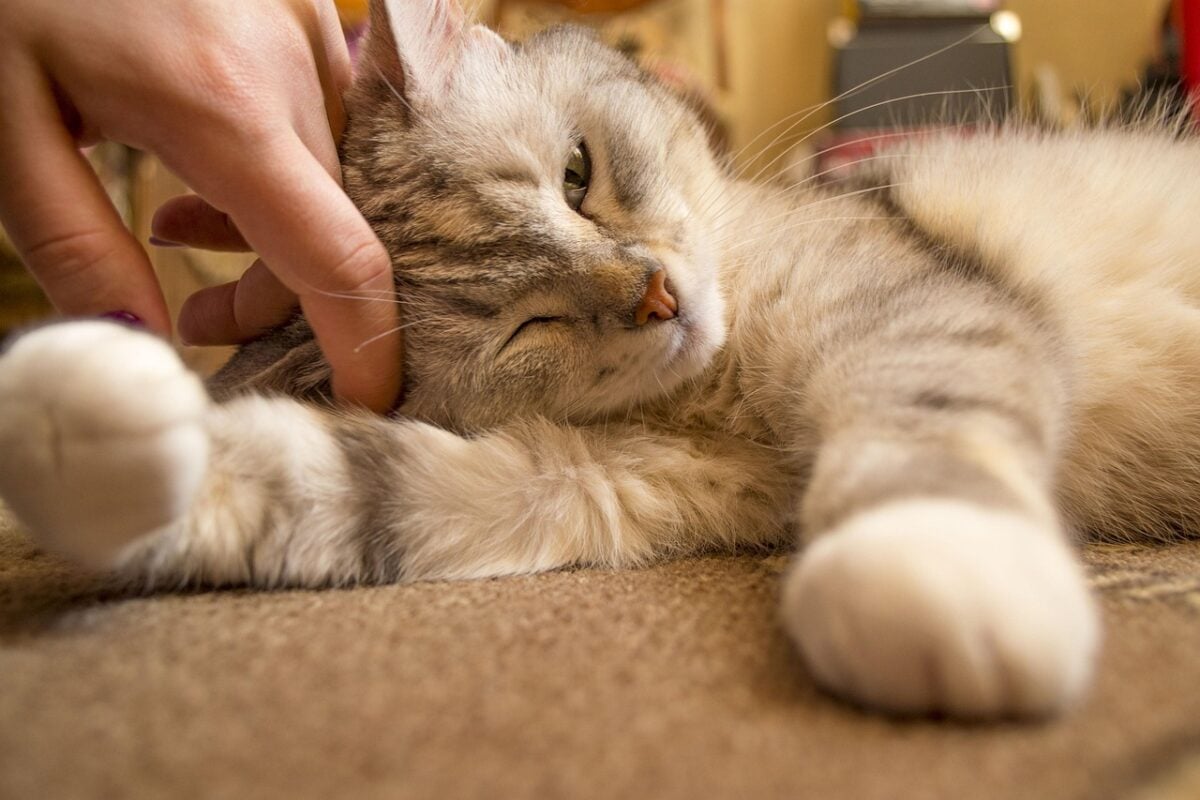
Yesterday, your cat practically melted into your lap for 20 minutes. Today, they’re giving you a look after three chin scratches. Same cat, same human, apparently very different terms and conditions.
A cat’s tolerance for stimulation isn’t fixed. Even the most affectionate cats can have days when they’re less interested in being touched, handled, or entertained.
Several things can influence how much interaction they’re comfortable with:
- Stress and surroundings: A recent move, unfamiliar visitors, or tension with another pet may leave your cat with less patience for additional attention.
- Recent excitement: A cat who’s just finished an intense play session or spotted another animal outside may still be highly aroused.
- Rest and sleep: A tired cat may prefer being left alone, especially if you’ve interrupted a particularly important nap.
- Physical discomfort: Pain, illness, or age-related changes can make previously enjoyable handling unpleasant.
The change itself can be an important clue. If your normally affectionate cat suddenly becomes unusually sensitive to touch or consistently avoids interactions they once enjoyed, consider whether something beyond their mood has changed.
How To Stop Before Your Cat Gets Overstimulated
Once you recognize the warning signs, the next step is figuring out what works for your particular cat. Some need shorter petting sessions, others need calmer play, and a few would appreciate it if everyone stopped treating their afternoon nap as a social event.
A few habits can help prevent overstimulation:
- Let your cat initiate contact.
Give them opportunities to approach and request attention instead of automatically reaching for them. - End interactions while they’re still comfortable.
If your cat tends to get irritated after prolonged petting, keep sessions shorter instead of testing their patience. - Adjust how you play.
Use wand toys instead of your hands, and give them chances to stalk, chase, and catch the toy without keeping the excitement constant. - Protect their downtime.
Give your cat resting places where children, visitors, and other pets won’t repeatedly disturb them.
Learn Your Cat’s Personal Warning Sequence
Most cats have their own recognizable patterns when they’re approaching their limit. The challenge is noticing yours before the interaction turns.
Maybe your cat starts with a tiny tail flick, then turns an ear backward, and finally gives your hand a long, disapproving stare. Another might simply stop leaning into your scratches before walking away.
Pay attention to which behaviors appear first and what tends to trigger them. You may discover that your cat enjoys cheek scratches much longer than back strokes, becomes irritated more easily after energetic play, or has very little patience for being held.
The more familiar you become with those individual preferences, the easier it is to adjust an interaction before your cat becomes uncomfortable.
When Your Cat Is Already Highly Agitated
An intensely agitated cat may react defensively if you try to touch or pick them up, even when you’re only trying to help.
This is especially important with redirected aggression. For example, a cat who becomes worked up watching an unfamiliar cat outside may suddenly lash out at a nearby person or pet who wasn’t involved.
If your cat is growling, hissing, lunging, or intensely fixated on something:
- Keep your distance. Don’t try to pick them up, restrain them, or soothe them with petting.
- Reduce the trigger when safe. Close the blinds if an outdoor cat is causing the agitation, or give your cat access to a calmer space.
- Let them settle on their own. Wait until they’re relaxed and voluntarily seeking interaction before approaching.
When Overstimulation Could Actually Be A Sign Of Pain
Sometimes what looks like overstimulation is actually a reaction to pain or physical discomfort. This is especially important if your cat previously enjoyed being touched but now flinches, pulls away, or becomes defensive.

Watch for changes such as:
- Sudden sensitivity to touch: Your cat begins biting, swatting, or flinching when you pet an area they previously enjoyed having touched.
- Changes in movement: Hesitating before jumping, moving stiffly, or avoiding favorite elevated spots can indicate joint pain, including arthritis.
- Unusual skin reactions: Frequent, pronounced skin rippling, frantic licking, or biting at the back or tail can occur with skin conditions, pain, or feline hyperesthesia syndrome, a condition associated with episodes of extreme skin sensitivity and unusual reactions along the back.
- Excessive grooming: Repeated licking that causes bald patches, irritated skin, or hair loss can indicate allergies, pain, or other health problems.
- Other behavioral changes: Reduced appetite, persistent hiding, or withdrawing from normal activities may suggest an underlying illness.
Older cats deserve particular attention. Arthritis and other age-related conditions can make ordinary handling uncomfortable, even when a cat still seeks affection.
If your cat’s sensitivity is new, persistent, worsening, or accompanied by other changes, schedule a veterinary examination rather than assuming they’re simply becoming less tolerant of attention.
Frequently Asked Questions About Cat Overstimulation
Cats aren’t always easy to read, especially when affection, excitement, and irritation seem to overlap. Here are a few questions cat owners often have about overstimulation. Have another question? Drop it in the comments!
Why Does My Cat Bite Me While Purring?
Purring doesn’t always mean a cat is completely relaxed or enjoying everything that’s happening. Cats also purr when stressed, uncomfortable, or seeking reassurance.
A cat may continue purring even as petting becomes unpleasant. Instead of treating the purr as permission to keep going, pay attention to whether your cat is actively seeking contact.
Why Does My Cat Bite Me And Then Want More Attention?
Your cat’s desire for affection can change quickly, particularly after an intense interaction. They might want a break from physical contact without wanting to leave your company.
Returning for attention doesn’t necessarily mean they’re inviting the same kind of petting. Let your cat initiate contact and choose how much interaction they’re comfortable with.
Can Cats Get Overstimulated Just From Watching Something?
Yes! A cat watching birds, squirrels, or another cat through a window can become highly aroused without anyone touching them.
Frustration can build when a cat becomes intensely focused on something they can’t reach. Some may become agitated or even redirect their aggression toward a nearby pet or person.
How Long Does It Take An Overstimulated Cat To Calm Down?
There’s no universal timetable. A mildly irritated cat may relax within minutes, while one who’s frightened or intensely agitated can take considerably longer.
Give your cat space and let their behavior guide you. Avoid approaching just because a certain amount of time has passed. If they’re still tense, hiding, or reacting defensively, they may need more time without interaction.
Want To Get Better At Reading Your Cat?
Cats have plenty of ways to communicate, and some of their most interesting behaviors are also the easiest to misunderstand. If you’ve ever wondered what your cat is really trying to tell you, these guides are worth exploring:
- Why Do Cats Wag Their Tails? — Discover what different tail movements reveal about your cat’s mood.
- Why Does My Cat Lick Me, Then Bite Me? — Explore the surprising reasons affection sometimes comes with teeth.
- Are Cats Ticklish? — Learn why certain touches trigger twitching, kicking, or unexpected reactions.
- Why Does My Cat’s Butt Lift Up When I Pet Them? — Find out what that familiar elevator-butt move can tell you about your cat’s preferences.
Now we’re curious: What’s your cat’s unmistakable “I’ve had enough” signal? A twitching tail, a particular look, or a dramatic exit? Tell us in the comments. We’d love to hear your cat’s signature move!