When you purchase through links on our site, we may earn a commission at no extra cost to you. Learn more.
The signs your cat is aging better than you think often show up in the little things they still enjoy every day.
Table of Contents
Watching your cat get older can make even small changes feel bigger than they are. Maybe they pause before jumping onto the couch now, take the chair route instead of launching straight up, or spend even more of the day asleep in a sunny spot.
It’s natural to wonder whether those changes mean something is wrong. But a senior cat doesn’t need to act like a kitten to be healthy, comfortable, and enjoying life. In fact, some of the most reassuring signs your cat is aging better than you think show up in the ordinary things they still do every day.
What matters more is whether they still seem like themselves. Do they show up for meals, groom, use the litter box normally, seek you out in their own way, and remain curious about birds, boxes, treat packets, and whatever mysterious noise just happened in the hallway?
Want our human-written content to rank above AI-generated garbage? Help us out by clicking this button!
Those everyday habits can tell you a lot about how your cat is really doing.
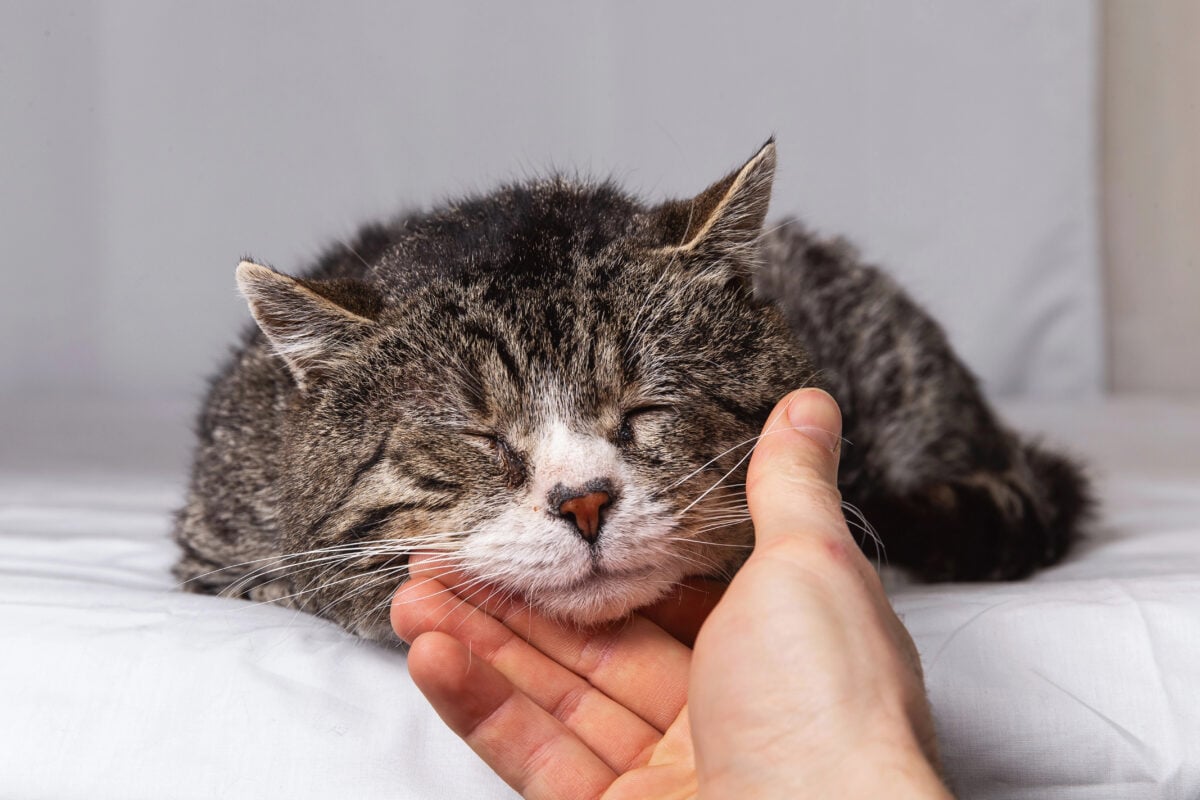
What Healthy Aging Can Look Like in Senior Cats
Caring for a senior cat is less about waiting for one dramatic sign and more about noticing the little changes that happen over time. Older cats often sleep more, move a bit more carefully, and become even more attached to familiar routines. None of that automatically means they’re unwell.
The useful thing is knowing what normal looks like for your cat now. If their appetite, mobility, grooming, social habits, and interest in daily life stay fairly steady, that can be a reassuring sign that they’re aging comfortably.
Here are the everyday signs worth paying attention to.
1. Their Appetite, Drinking, and Weight Are Fairly Consistent
Cats have many talents, and pretending they have never been fed is among the most reliable. If your older cat still appears when dinner is served, recognizes the sound of the treat container, or somehow hears a can of tuna opening from two rooms away, that interest in food is encouraging.
The important thing isn’t whether they eat exactly as they did five years ago. Older cats may prefer smaller meals, eat more slowly, or become pickier about texture. What you’re looking for is relative stability: they still want food, they drink about the same amount they usually do, and their weight isn’t shifting for no obvious reason.
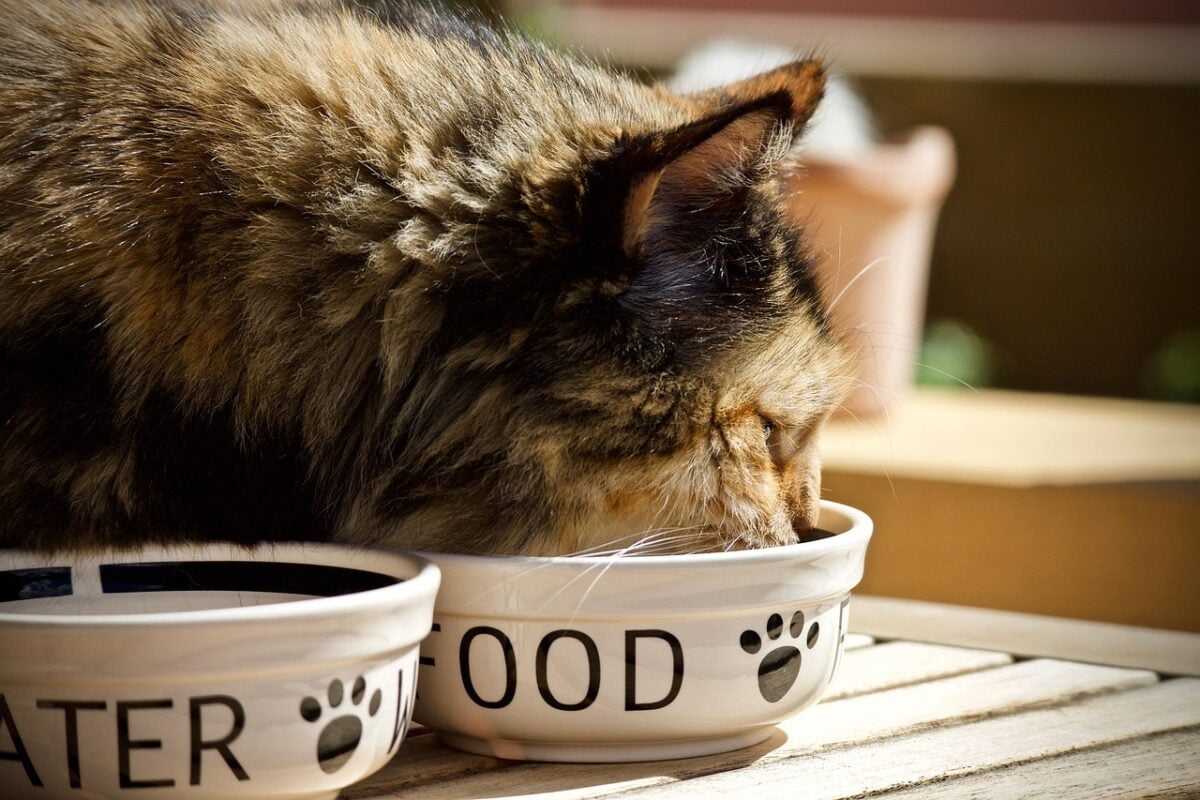
Weight changes can be surprisingly easy to miss, especially with fluffy cats. You see them every day, so gradual weight loss may not stand out until you notice their spine or hips feel a little more prominent under your hand.
You don’t need to weigh your cat constantly, but it helps to know what normal looks and feels like.
Eating much less, suddenly acting ravenous, drinking noticeably more, losing weight, or struggling with food are all worth mentioning to your veterinarian. But if your senior is still campaigning for dinner 40 minutes early, some things clearly survive aging intact.
2. Their Litter Box Habits Are Still Predictable
Nobody adopts a cat because they dream of becoming emotionally invested in litter box output.
And yet, once a cat gets older, a boring litter box becomes strangely reassuring.
A senior cat who can get into the box, use it normally, and walk away without obvious discomfort is managing an important part of daily life just fine.
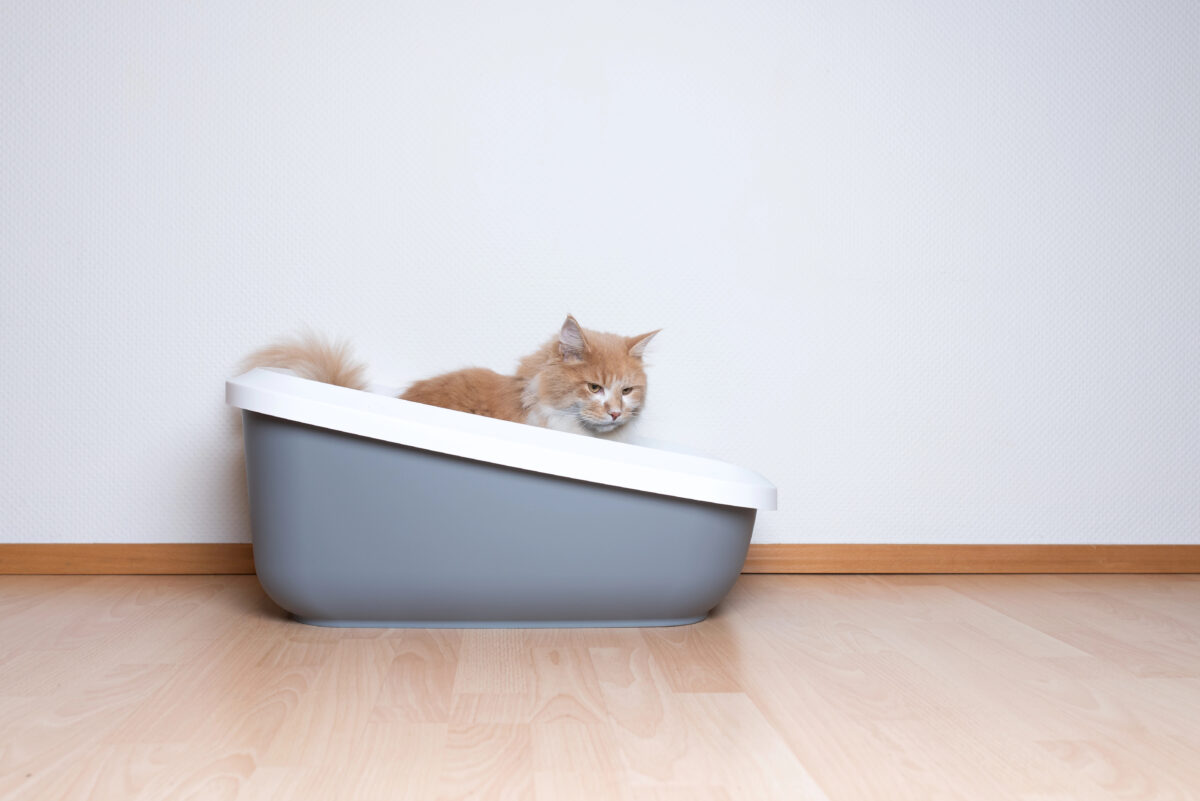
Every cat has their own bathroom style. Some bury everything with the seriousness of an archaeologist. Others scratch the side of the box for 45 seconds, cover absolutely nothing, and leave convinced they’ve done excellent work.
The point isn’t neatness. It’s consistency.
If your cat suddenly starts urinating outside the box, straining, making repeated trips, becoming constipated, or having diarrhea, don’t assume it’s simply part of getting older. Those changes can have medical causes.
Sometimes the problem is much simpler: the box itself has become awkward. A high-sided litter box can be a hassle for a cat with stiff hips, and stairs may feel like unnecessary effort when the nearest box is on another floor.
A low-entry box or an extra box in an easy-to-reach spot can make senior life much easier.
Reliable litter box habits may not be glamorous, but in an older cat, boring is often very good news.
3. They Still Groom Themselves
Cats take grooming seriously. Even a senior who has retired from climbing curtains may still spend a good portion of the day washing paws, smoothing chest fur, and making sure their face is presentable.
That familiar grooming routine is worth noticing.
Grooming takes flexibility, coordination, energy, and enough comfort to twist into positions that would send most humans straight to physical therapy.
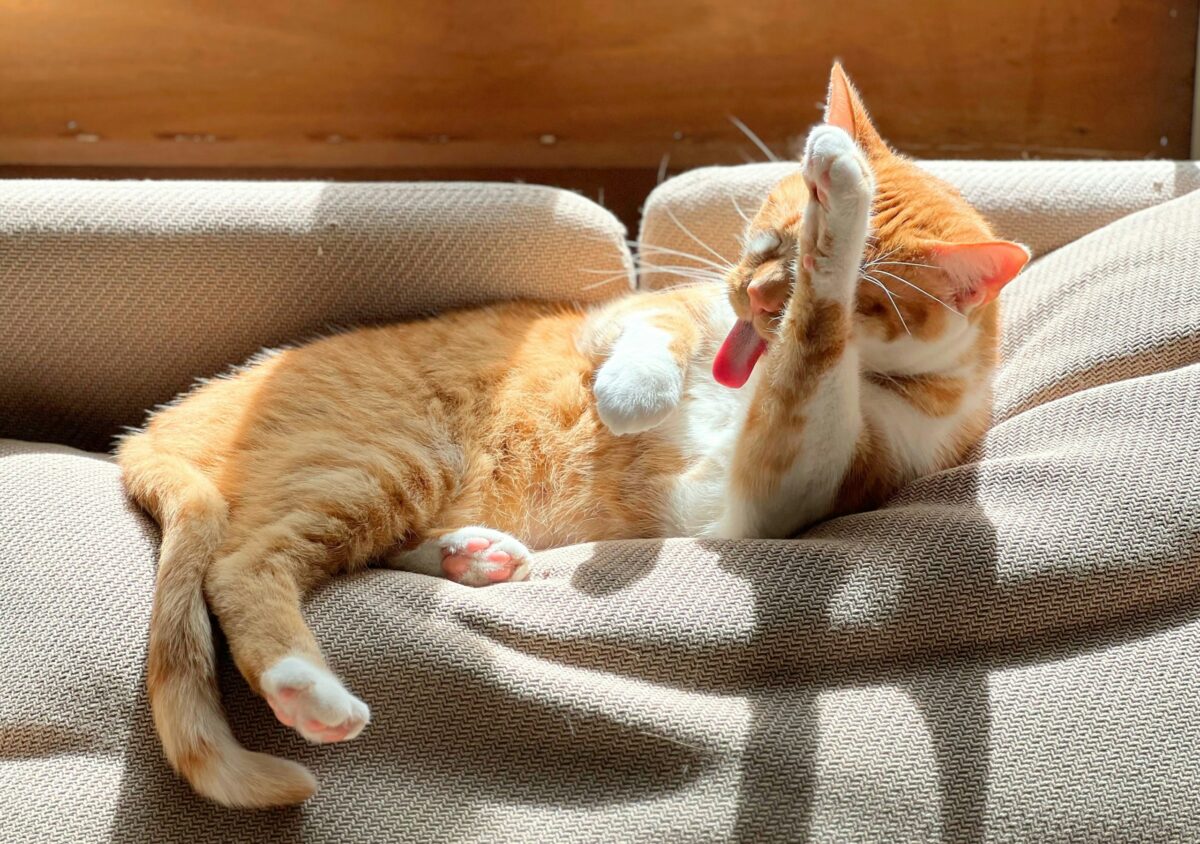
Older cats may not be quite as thorough as they once were, especially around the lower back, hips, or base of the tail. Long-haired seniors sometimes need more help with brushing because those harder-to-reach spots can mat quickly.
That’s not necessarily a problem. Sometimes your cat is still handling most of the job and simply expects staff assistance with the rest.
A clear change is more important. If their coat suddenly becomes greasy, matted, flaky, or noticeably neglected, or if they’re licking one area so much that the fur starts thinning, that can be a sign of discomfort, irritation, or stress.
But if your senior is still sitting in a ridiculous pretzel shape while carefully washing one paw, appreciate it. An old familiar ritual is still going strong.
4. They Still Want to Be Around You
Not every cat is cuddly, and that matters.
Some cats want to sleep directly on your chest. Others prefer to sit three feet away, facing the opposite direction, while making it very clear that you are not allowed to leave.
Both are forms of companionship.
What matters is whether your older cat still chooses some kind of connection with you.
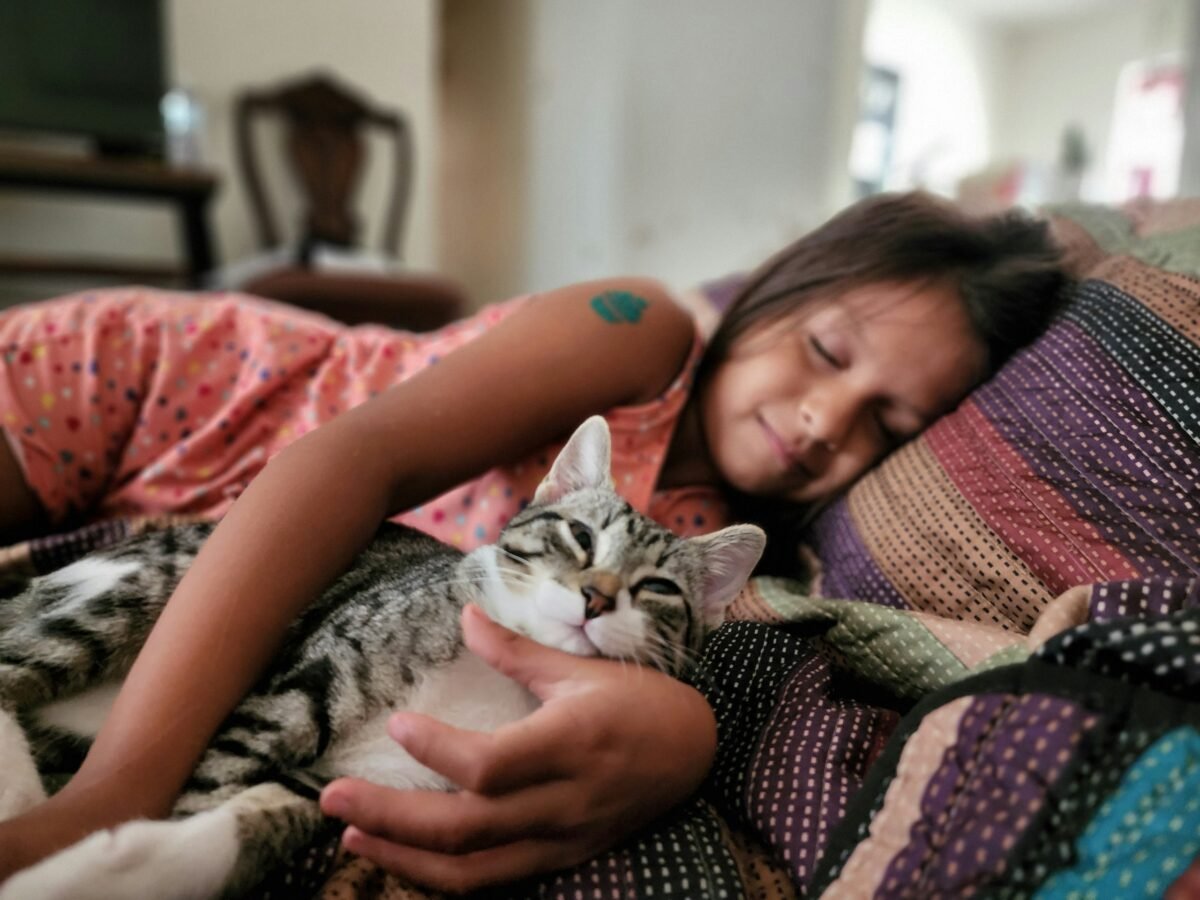
Maybe they follow you into the kitchen. Maybe they sleep beside your laptop while you work. Maybe they appear in the same chair every evening, greet you at the door, head-butt your hand, or slow-blink from across the room.
Senior cats sometimes change how they ask for attention. A cat who used to jump onto the bed may start waiting beside it. One who loved long cuddle sessions may prefer shorter visits.
Look at the intention rather than the exact behavior.
Are they still choosing your company? Do they still respond when you talk to them, lean into a cheek scratch, or appear in rooms where absolutely nothing concerns them?
That connection matters.
A sudden change is different. If a normally social cat starts hiding, avoids touch, becomes unusually irritable, or withdraws from the household, it’s worth checking in with your veterinarian.
But if your cat still nudges your hand until you remember your job as official chin-scratcher, the relationship is very much intact.
5. They Still Play, Even If the Games Are Shorter
Senior play often looks different.
A young cat might chase a wand toy across the sofa, up the wall, under a chair, and directly through your water glass. An older cat may watch the same toy for 20 seconds, make one excellent pounce, and then decide that was enough athletics for the day.
Still counts. Play is really about interest, not stamina.
Watch for stalking, pawing, chasing, kicking, tracking a toy with the eyes, or even that little pre-pounce butt wiggle that sometimes ends in absolutely nothing.
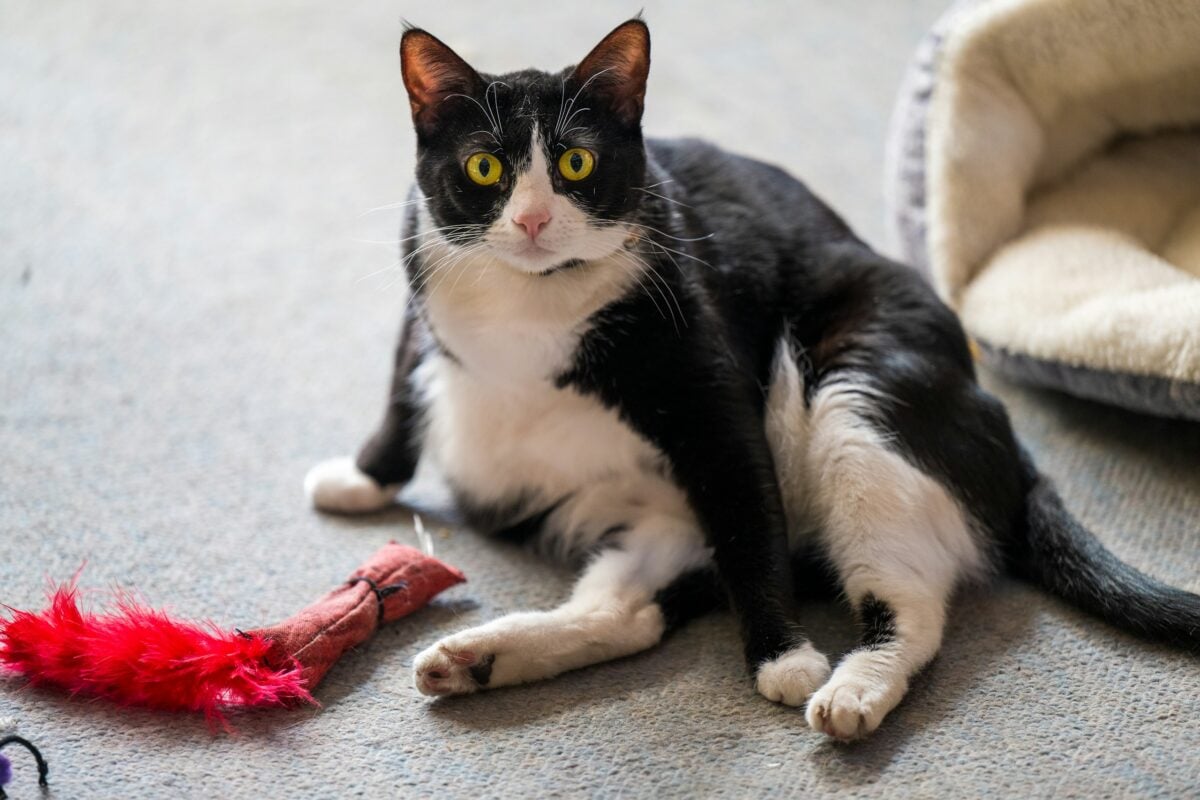
Older cats may not play with the same intensity they once did, although some still get a sudden case of the zoomies when the mood strikes. More often, senior play becomes shorter, slower, and a little more selective.
Older cats often enjoy play more when you adjust the game. Drag a wand slowly across the floor instead of making them jump. Roll a ball a short distance. Try a kicker toy or an easy food puzzle.
Some senior cats seem to prefer strategy over cardio.
Fair enough.
The goal isn’t to make them exercise like kittens. It’s to give them a reason to stay interested.
A sudden loss of interest in toys or activities they’ve enjoyed for years is worth paying attention to, especially if you notice other changes at the same time.
But one paw reaching out from under a blanket to smack a toy? That spark is still there.
6. Their Daily Routines Still Matter to Them
Cats love routine.
Senior cats often love routine with even more enthusiasm.
Breakfast happens at a certain time. The afternoon nap belongs in a particular chair. The bathroom door must remain open because human activities require supervision. The blanket on the couch is theirs regardless of who bought it.
When those little rituals stay intact, it can be reassuring.
Your cat remembers what normally happens and still cares enough to participate.
Maybe they move from one favorite sleeping spot to another as the sunlight changes. Maybe they wait outside the shower every morning. Maybe they start circling the kitchen half an hour before dinner.
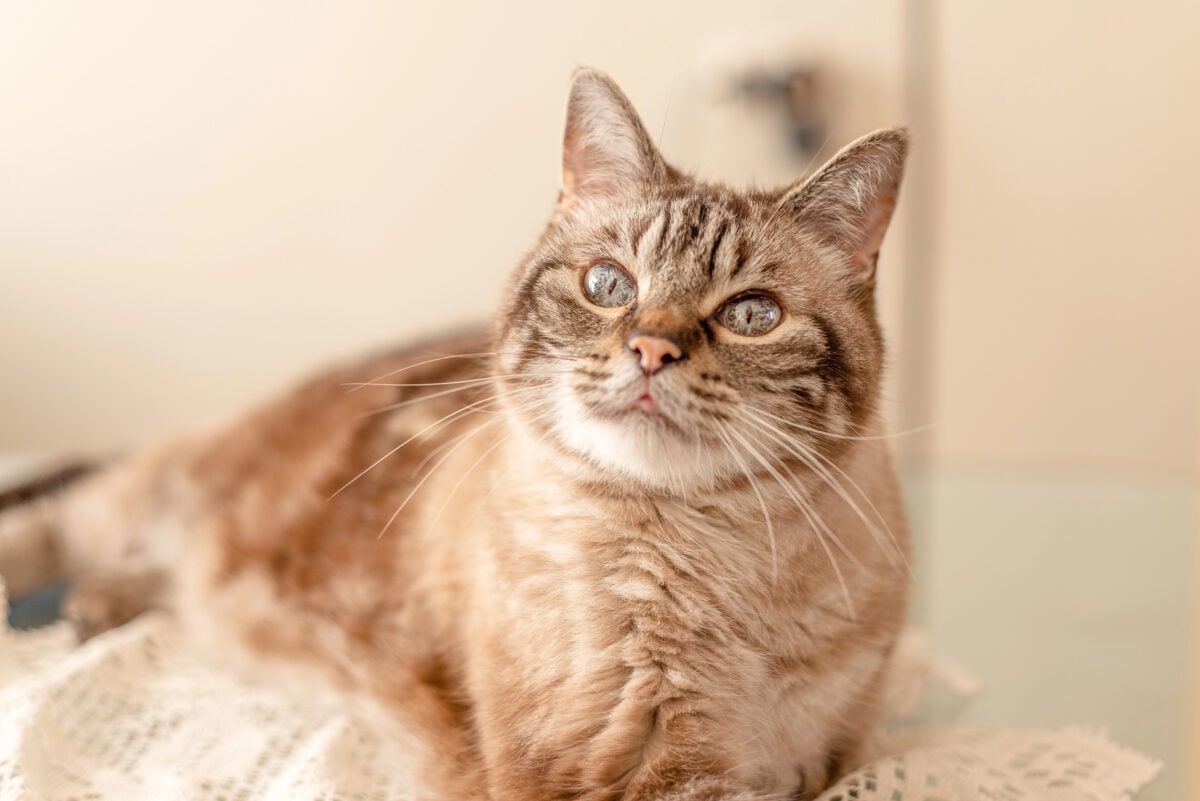
Those things may seem small, but they’re part of the structure of your cat’s day.
Familiarity can be especially helpful as cats age, so try to keep important resources in predictable places. Food, water, beds, and litter boxes should be easy to find and easy to reach.
If your cat suddenly seems lost in familiar rooms, stops showing up for normal routines, becomes unusually restless, or starts vocalizing differently at night, it’s worth paying attention. If the meowing itself is new, there are several reasons an older cat may suddenly start vocalizing more.
But if they still know dinner is at five and begin filing complaints at 4:28, their internal clock appears to be working beautifully.
7. They Can Get Where They Need to Go
A senior cat doesn’t need to sprint upstairs or launch onto the top shelf to have good mobility.
Older cats often become more thoughtful about how they move. They may pause before jumping, use a chair as an intermediate step, or choose a lower sleeping spot.
That can be completely fine.
The more useful question is whether they can comfortably reach the important parts of their life.
Food. Water. Litter boxes. Favorite beds. Sunny windows. You.
Cats are also very good at hiding pain, so watch the little things rather than waiting for a dramatic limp.
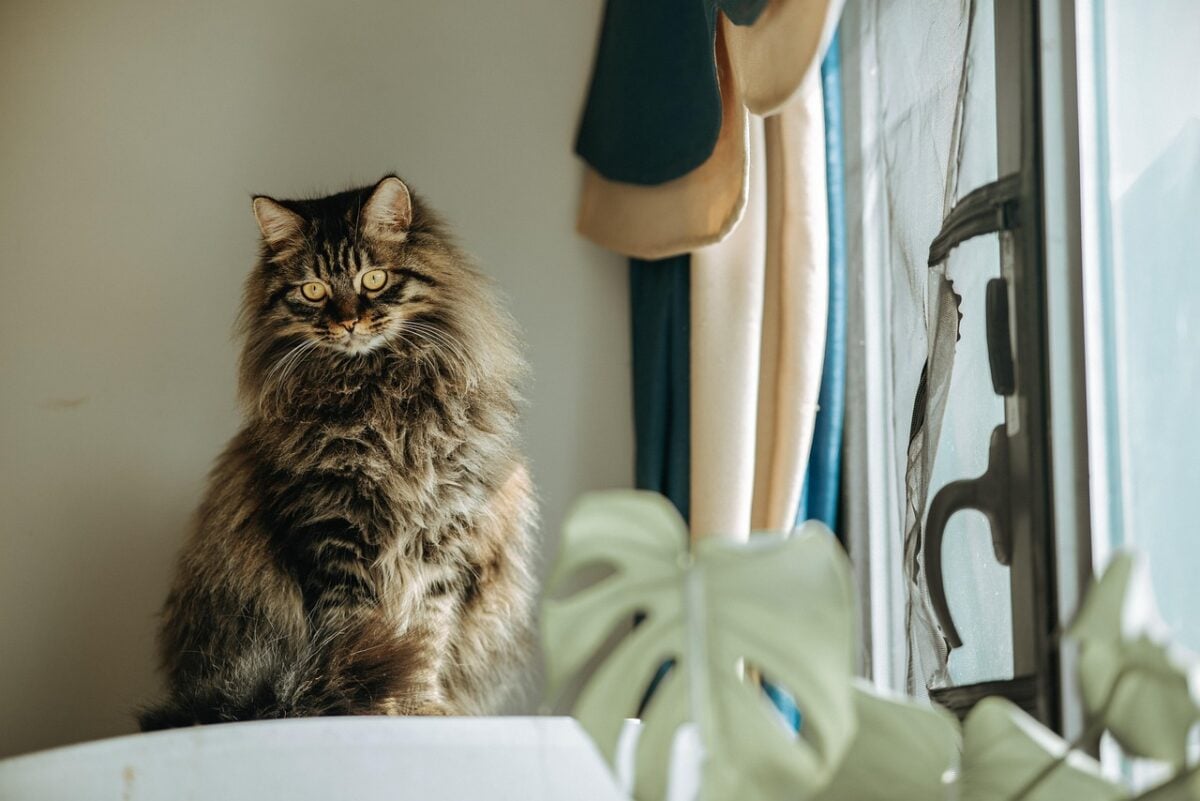
Repeated hesitation before jumping, stiffness after sleeping, trouble with stairs, slipping on smooth floors, or avoiding favorite perches can all be signs that movement has become uncomfortable.
Home videos can help here. Cats have an impressive habit of walking perfectly normally at the veterinary clinic after spending a week limping through the kitchen like a Victorian invalid.
Small changes around the house can make a big difference. A stool beside the bed, a stable step to the couch, a rug over slippery flooring, or a lower-entry litter box may be all your cat needs.
They do not care whether the solution matches the décor.
They care whether they can reach the blanket.
8. They’re Still Curious About What’s Going On
Curiosity in an older cat can be wonderfully subtle.
They may not climb straight into every delivery box anymore, but perhaps they still sniff it. They still inspect grocery bags, watch birds, notice a new blanket, or come into the kitchen when something interesting hits the floor.
That’s engagement.
A senior cat doesn’t need to be constantly busy to be interested in life.
Sometimes curiosity is simply lifting their head when the door opens, following a sound with their ears, or watching household activity from the couch.
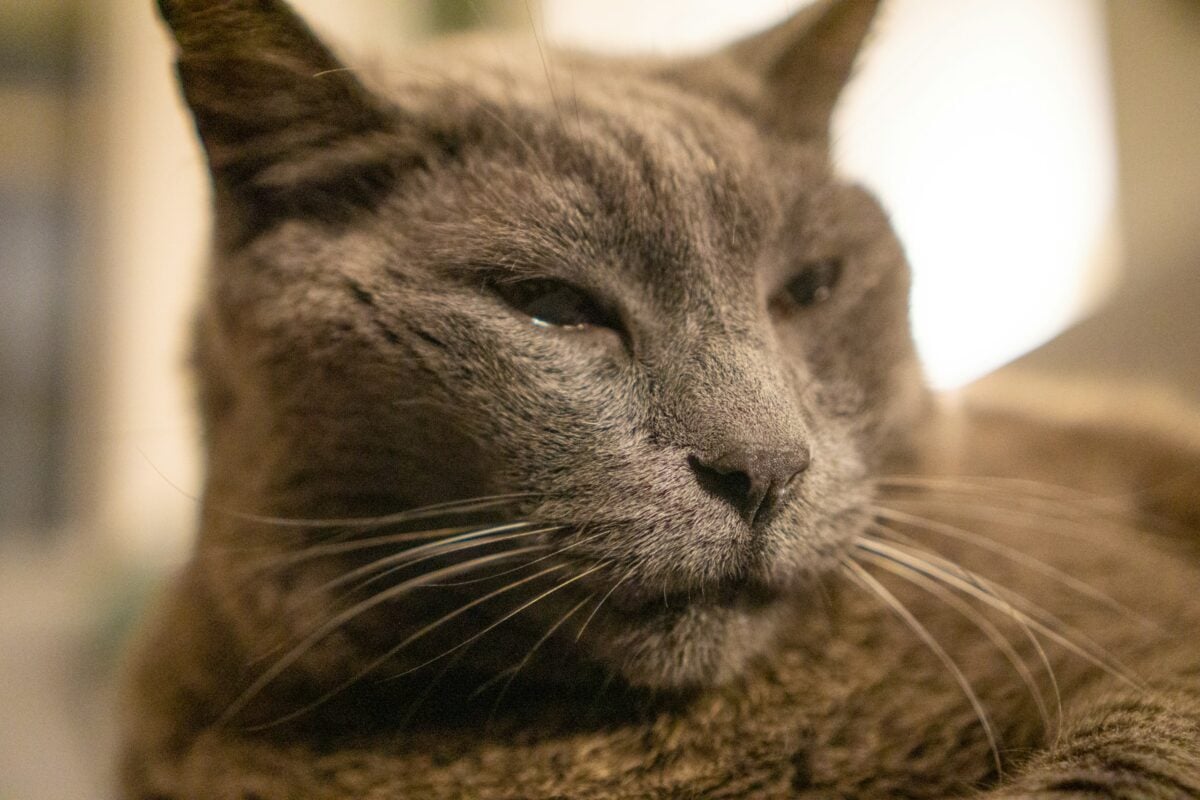
You can encourage that without turning your home into a feline theme park. Rotate a few toys, offer an easy-access cardboard box, keep a comfortable window perch available, or try a simple food puzzle.
Older cats often enjoy novelty best when it’s optional.
A sudden loss of interest is different. If your cat seems persistently confused, gets lost in familiar areas, or stops noticing things they used to care about, bring it up with your veterinarian.
But if every incoming package still needs to pass a full sniff inspection, the household security department remains operational.
9. They Sleep More, but They’re Still Present When Awake
Senior cats can sleep an impressive amount. This is especially notable considering cats were already very committed to sleep in the first place.
The total number of naps isn’t always the most useful thing to watch. Pay attention to what your cat does when they’re awake.
Do they get up for meals? Groom? Use the litter box? Change sleeping spots? Watch birds? Ask for attention? Follow you into another room for reasons known only to them?
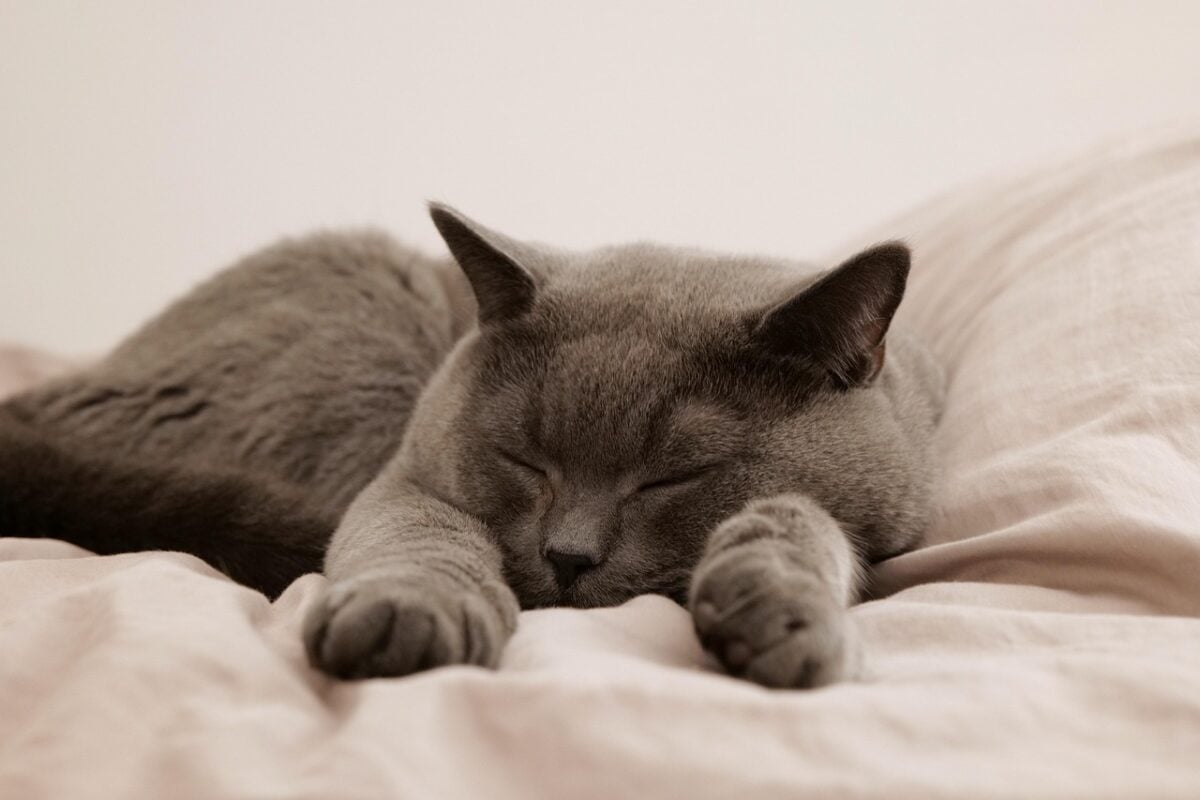
A cat can sleep through most of the afternoon and still have perfectly engaged waking hours.
What matters more is whether the pattern changes.
If your cat suddenly becomes difficult to engage, stops getting up for normal activities, seems weak, becomes restless at night, or develops a very different sleep routine, that’s worth discussing with your vet.
But if they spend Sunday wrapped like a croissant in a blanket, wake up for dinner, wash their face, check the window, and go back to bed, they may simply be enjoying retirement.
Honestly, it looks pretty good from here.
10. Eating Still Looks Comfortable
Cats can hide dental pain surprisingly well.
Some will keep eating even when their mouth hurts, which is why it helps to watch how they eat rather than simply whether the bowl empties.
Do they chew normally? Drop pieces of food? Suddenly prefer softer textures? Approach the bowl and then back away? Have you noticed drooling, bad breath, pawing at the mouth, or chewing only on one side?
Those little details matter.
Dental problems become more common with age and can affect far more than meals. A sore mouth can make grooming uncomfortable, change a cat’s mood, and take some of the pleasure out of everyday life.
Regular veterinary exams are the best way to keep an eye on teeth and gums, especially since most cats do not volunteer for home dental inspections.
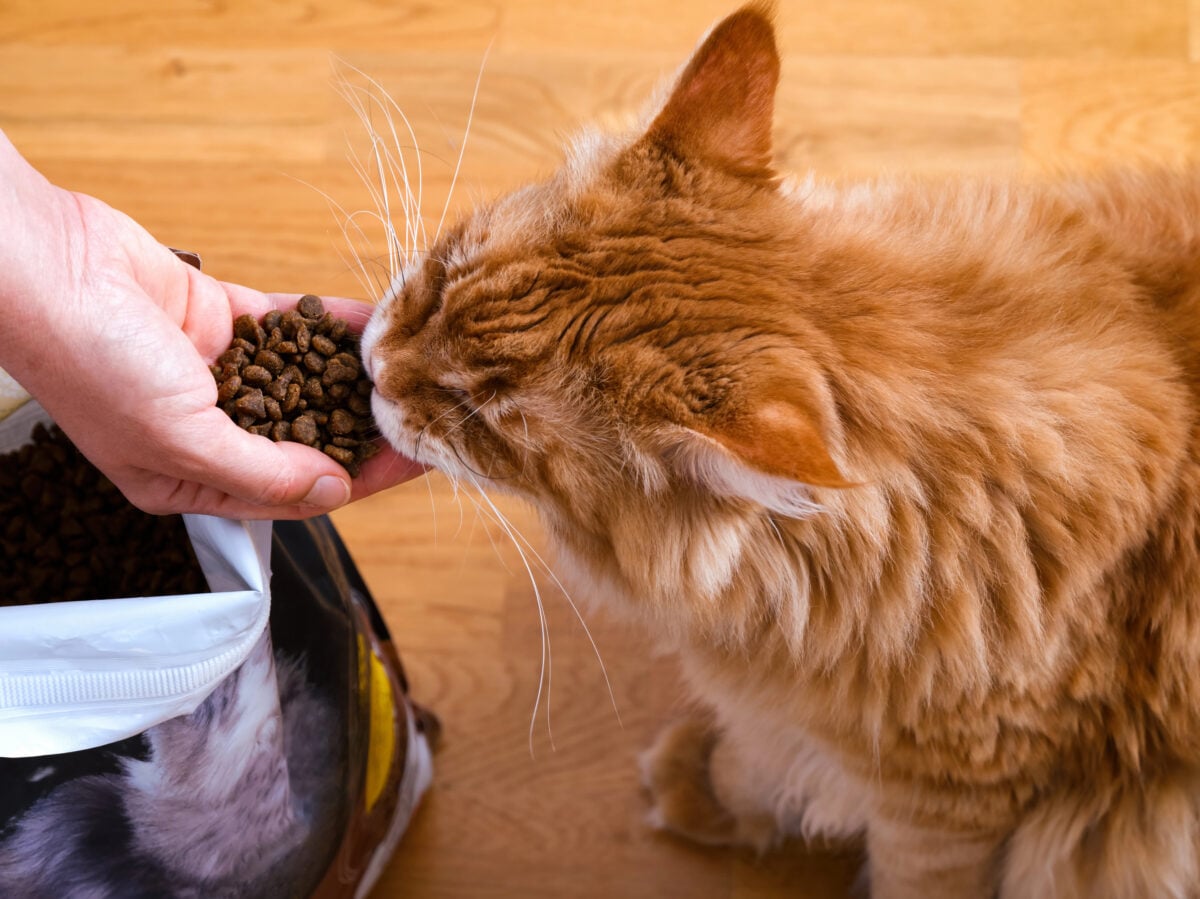
A senior cat who is still eating comfortably, grooming, and showing interest in meals is doing something important without their mouth obviously getting in the way.
Just don’t wait for them to stop eating before taking dental changes seriously.
Cats can be extremely stoic about pain and completely unreasonable about a closed bathroom door.
Both things are true.
Small Changes Can Make Senior Life Much Easier
A cat can be aging very well and still appreciate a few upgrades.
You don’t need to turn your house into a senior-cat wellness center. Just look for the spots where daily life has become a little harder than it needs to be.
- If the bed is becoming a difficult jump, add a step.
- If hardwood floors are getting slippery, put down a washable runner.
- If the litter box has tall sides, try a lower-entry one.
- If the favorite window perch has become harder to reach, create an easier route.
Warm sleeping spots are often a hit too, especially in drafty rooms. If you have younger pets, it also helps to give your senior somewhere they can rest without being tackled, chased, or enthusiastically sat on.
Keep offering play. Keep food, water, and litter boxes easy to reach. Keep familiar routines where you can.
And before buying every product with “senior cat” printed on the label, watch what your cat actually uses.
You can spend a small fortune on an orthopedic memory-foam bed and still find them asleep in the shipping box.
That is between you, your credit card, and the cat.
When Changes Deserve a Call to Your Veterinarian
One of the least useful phrases in senior-cat care is, “They’re just getting old.”
Age explains some things. It doesn’t explain everything.
A senior cat may naturally sleep more or move more slowly, but sudden, substantial, or persistent changes from their normal routine are worth paying attention to.
That includes changes in appetite, drinking, weight, grooming, litter box habits, mobility, breathing, sleep, social behavior, or personality.
Some situations need prompt care. Difficulty breathing, collapse, severe weakness, obvious pain, or repeated attempts to urinate without producing urine shouldn’t wait for a routine appointment.
Behavior can be especially easy to brush off as personality or old age, but some cat behavior changes are worth taking seriously, particularly when they appear suddenly or alongside other changes.
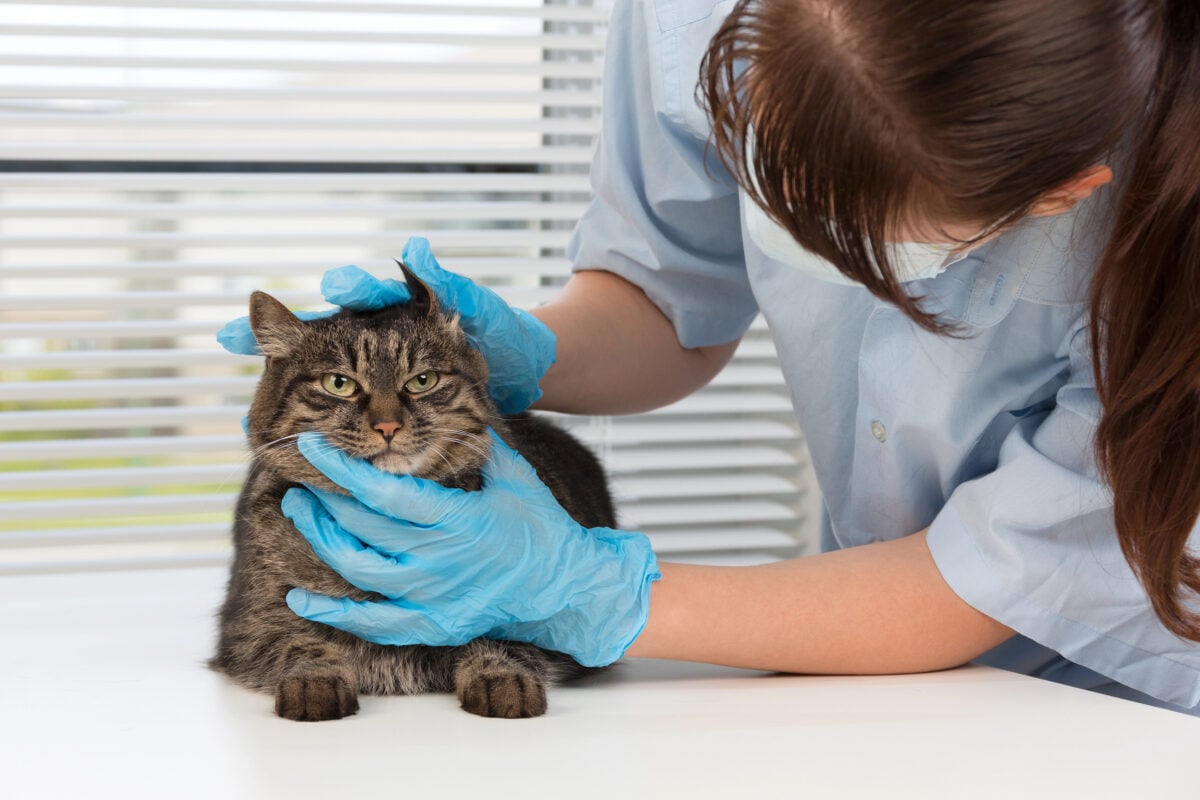
If you’re unsure, call your veterinary clinic and describe what you’re seeing.
Stress can show up quietly in cats, too. Changes in grooming, hiding, appetite, sleep, or social behavior can all be subtle signs that a cat is stressed, especially when several appear at once.
It can also help to keep notes or take videos. Record unusual walking, write down when a behavior started, or keep track of how often something is happening.
You’re not trying to diagnose your cat at home. You’re giving your veterinarian a clearer picture of what life looks like outside the exam room.
And that can be incredibly useful.
Aging Gracefully Can Look Surprisingly Ordinary
There probably won’t be one big moment when you suddenly realize your cat is aging beautifully.
It usually looks much more ordinary than that.
Breakfast. A face wash. A trip to the litter box. A nap in the sun. A slow walk into the kitchen because somebody opened cheese. Another nap. An inspection of a cardboard box. A quiet evening beside you.
That ordinary rhythm matters.
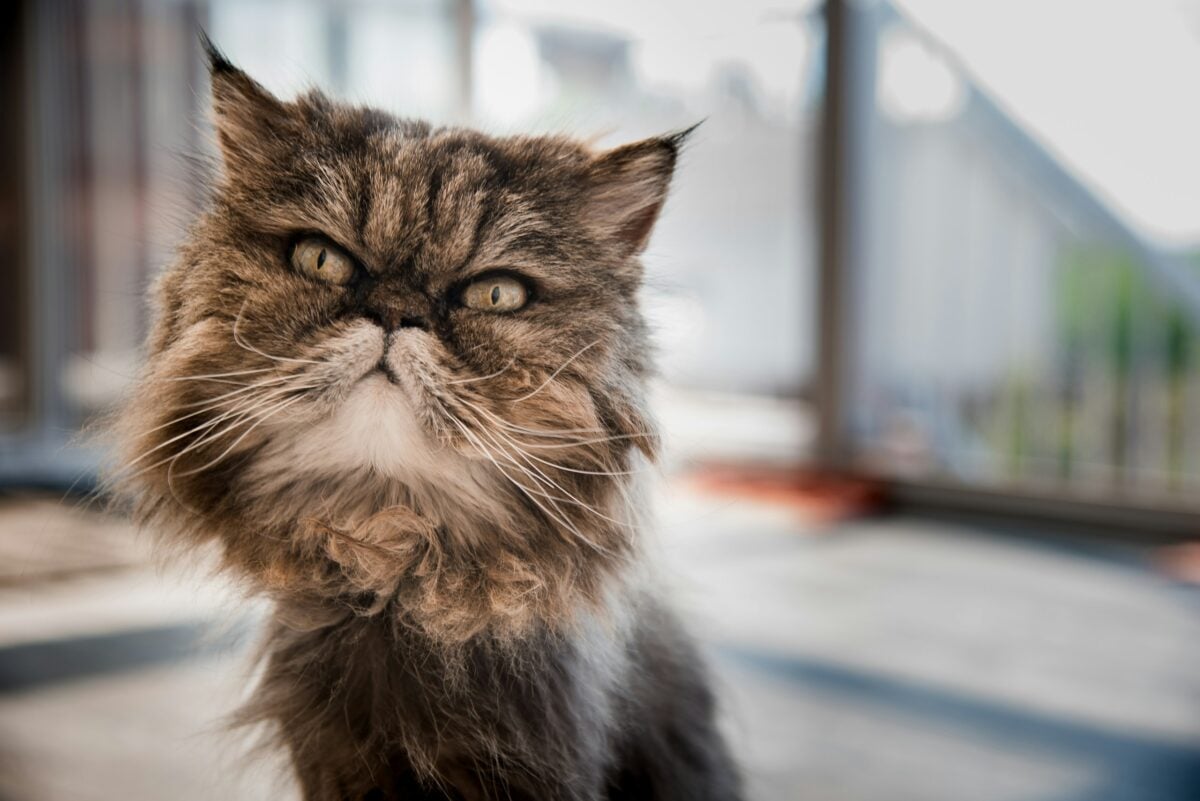
A senior cat doesn’t need to behave like a kitten to have a good life. They need to be comfortable enough to move around, interested enough to participate, and able to enjoy the things that have always mattered to them.
Their version of fun may change.
Their body will change.
Their commitment to napping may become frankly impressive.
None of that automatically means they’re fading.
Learn what normal looks like for your cat now, not the cat they were five years ago. Notice their routines, make life easier where you can, keep up with veterinary care, and speak up when something changes.
The rest of the time, enjoy them.
Senior cats have a lovely way of reducing life to the essentials: a comfortable place to sleep, food arriving on schedule, a familiar person nearby, decent bird activity outside the window, and complete confidence that every chair in the house belongs to them.
They may be onto something.
Frequently Asked Questions About Senior Cats
Once a cat reaches their senior years, the questions tend to multiply. Is all that sleeping normal? Should their food change? How often should they see the vet? And at what point does “getting older” become something worth worrying about?
Still have a question about your senior cat? We’ve covered some of the most common ones below, but every cat ages a little differently. If we missed yours, leave it in the comments—we’d love to hear what you’re wondering about, and your question may help another cat person too.
What Age Is a Cat Considered Senior?
Cats are generally considered senior once they’re over 10 years old, although individual cats age very differently. One 12-year-old may still climb cat trees, chase toys, and sprint into the kitchen at dinner. Another cat the same age may already need help with mobility or be managing a chronic health condition.
Age gives you context, but it doesn’t tell you the whole story. Appetite, weight, grooming, movement, litter box habits, behavior, and interest in daily life are much more useful things to watch.
Your cat, incidentally, has no idea they’ve entered a new life stage. They know breakfast is late.
Is It Normal for Senior Cats to Sleep a Lot?
Yes. Many older cats spend a large part of the day sleeping. The better question is what they do when they’re awake.
A senior cat who naps for hours but still gets up for meals, grooms, uses the litter box, changes sleeping spots, seeks attention, watches the window, or plays briefly may simply be living at a slower pace.
Pay more attention to sudden changes than to the total number of hours asleep.
If your normally engaged cat becomes difficult to wake or interest, stops showing up for meals, seems weak, or develops unusual nighttime restlessness, contact your veterinarian.
Otherwise, let them nap.
They’ve been very busy being a cat.
How Can I Tell if My Older Cat Is Happy?
Look for comfort, choice, and interest.
A content senior cat usually still has preferences. They choose where to sleep, who to sit near, when to eat, what to investigate, and when you have petted them exactly one stroke too many.
They may groom, seek company, watch household activity, enjoy food, or play for a minute or two.
Purring alone isn’t enough to judge happiness. Look at the whole pattern.
Do they still seek out things they enjoy? Do they relax comfortably? Do they seem interested in what’s going on around them?
Happiness in older cats can be very quiet.
Sometimes it looks like a 17-year-old sleeping beside you with one paw resting against your leg because apparently that counts as cuddling now.
It counts.
Should I Change My Cat’s Food Because They’re Getting Older?
Not automatically. A food labeled “senior” isn’t necessarily the right choice for every older cat. The best diet depends on your cat’s weight, muscle condition, appetite, activity level, dental comfort, overall health, and any medical conditions they may have.
If your cat is doing well on their current food, ask your veterinarian whether there’s a specific reason to change it. If a change is recommended, gradual transitions are often easier.
Cats can treat an unexpected menu adjustment as a shocking personal betrayal, and the healthiest food in the world isn’t very useful if your cat refuses to eat it.
How Often Should a Senior Cat See a Veterinarian?
Many senior cats benefit from veterinary checkups about every six months, although the ideal schedule depends on the individual cat.
Cats with chronic conditions, ongoing medications, weight changes, or other health concerns may need more frequent visits.
Regular exams can help track changes in weight, muscle condition, teeth, joints, behavior, and other health markers over time, even when your cat seems perfectly fine at home.
Between visits, pay attention to normal habits.
If appetite, drinking, weight, mobility, grooming, litter box behavior, or personality changes noticeably, don’t wait for the next scheduled appointment just because it’s already on the calendar.
You know what your cat looks like when they’re relaxed at home. That knowledge matters.
Understanding Your Senior Cat’s Behavior
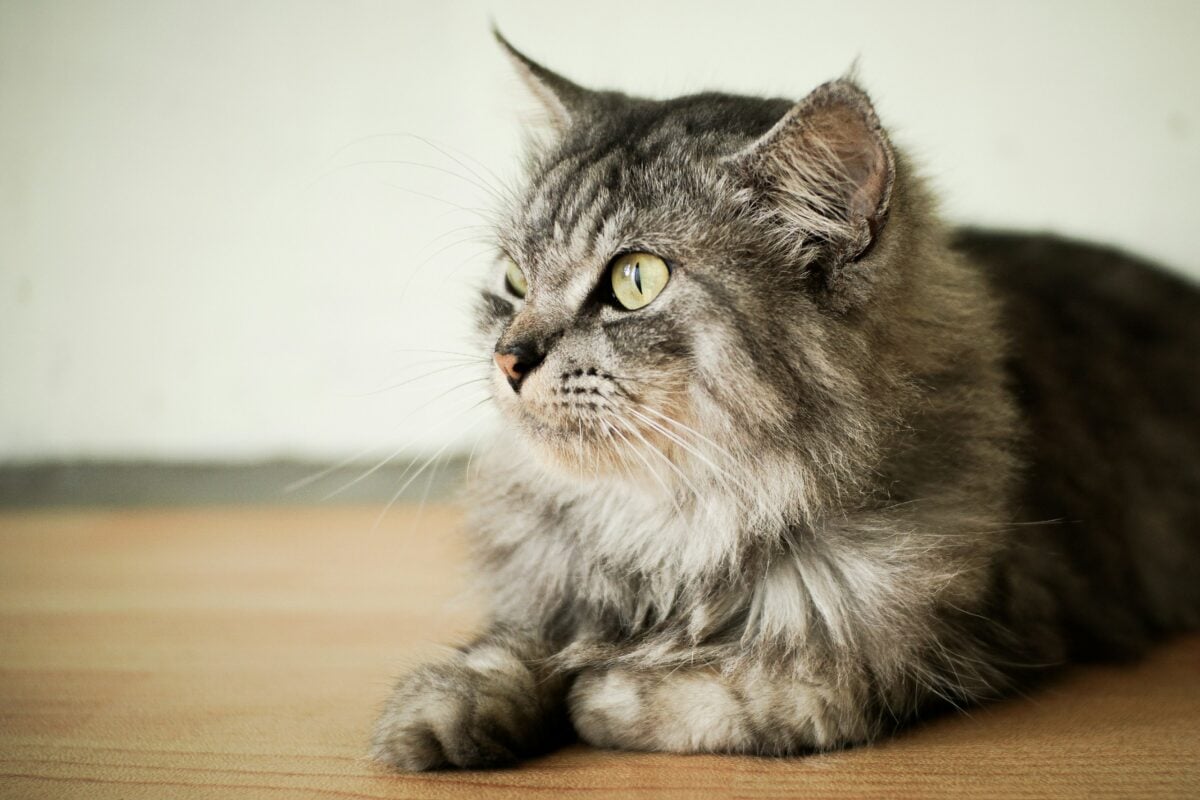
As cats get older, knowing their normal behavior becomes even more useful. A new habit may be harmless, but sudden changes can also be your first clue that something feels different.
Pay attention to shifts in vocalizing, hiding, social behavior, sleep, and daily routines. If your older cat is suddenly meowing more, hiding more often, or acting noticeably unlike themselves, it’s worth looking a little closer.
Cats communicate in small ways, from changes in tail movement to shifts in vocalizing, hiding, posture, and even when and why they purr. The better you know your cat’s usual quirks and signals, the easier it becomes to recognize when something has truly changed.
What Has Getting Older Looked Like for Your Cat?
Every senior cat seems to have their own way of growing older. Maybe yours has become cuddlier, more talkative, deeply devoted to a particular nap spot, or simply a little slower while remaining completely themselves.
We’d love to hear about your aging cat. What changes have you noticed, and what has helped them stay happy and comfortable? Share your story—or your senior cat questions—in the comments below.