When you purchase through links on our site, we may earn a commission at no extra cost to you. Learn more.
We’ve all been there, staring down at a plush mouse and asking: why does my cat bring me toys but not play with them? It usually happens during a quiet moment, maybe you’re napping, or maybe you’re right in the middle of a high-stakes Zoom call, when your cat saunters in and deposits a random gift at your feet.
Table of Contents
You look down at the toy bird sitting on the floor, then over to your cat, who is looking back at you with a dramatic meow and that classic, unmistakable “thank me, human” expression.
You pick up the toy, wave it around, and make enthusiastic bird noises, fully expecting your cat to jump in, pounce, and burn off some energy. But no. Instead, they sit completely frozen like a statue, staring at you even more intently with one of those deep, unblinking “I can see into your soul” glares.
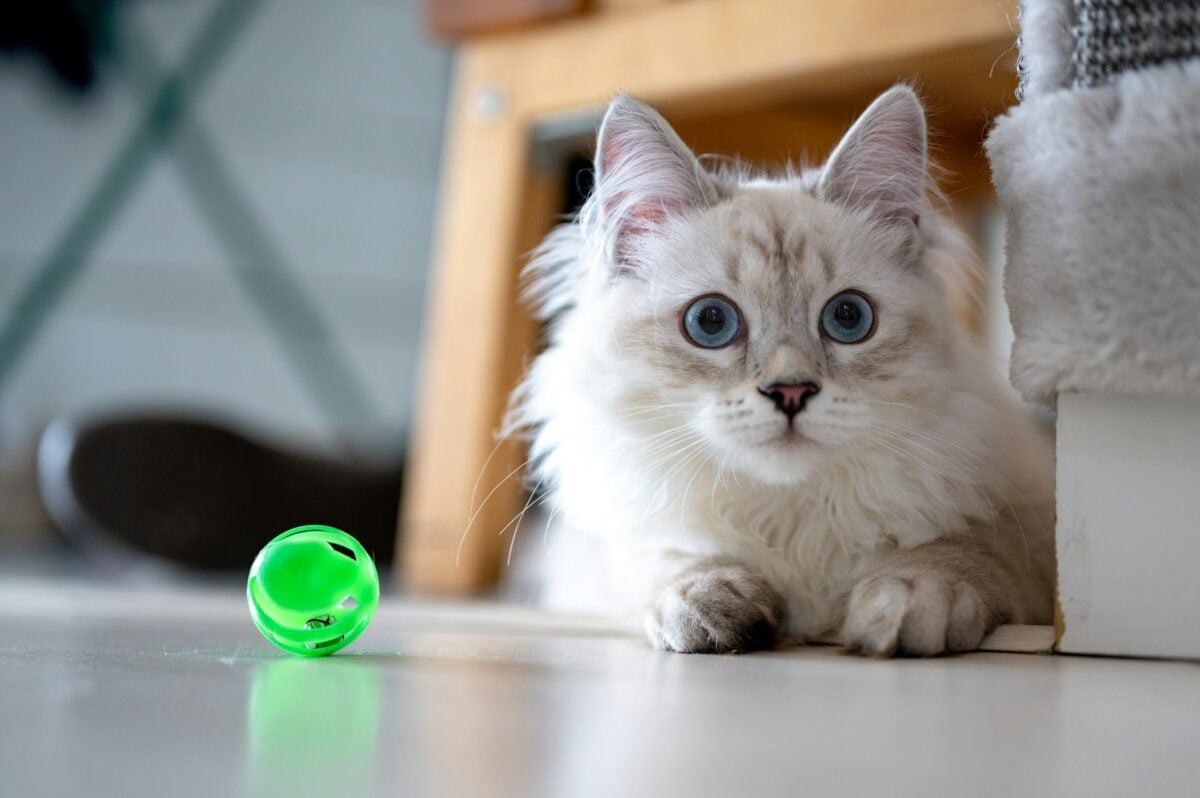
Once again, you are left questioning your cat’s baffling behavior, why you put up with it, and eventually, all of your major life choices. If you’ve asked both the internet and the universe why your cat does this, rest assured: you have officially found your people. Let’s get into it.
Want our human-written content to rank above AI-generated garbage? Help us out by clicking this button!
Quick Answer: Why Your Cat Brings a Toy but Walks Away
Cats do not always bring toys because they want you to throw them. Some enjoy finding, carrying, and depositing an object more than chasing it afterward. Others have learned that arriving with a toy earns an immediate response from their favorite person.
Your cat may want you to notice them, speak to them, pet them, or simply witness what they have done. Once that happens, the mission is complete.
That is why the most useful clue is not the toy itself. It is what your cat does immediately after dropping it.
See this adorable cat demonstrate the classic toy drop: proudly carry it over, place it down, and leave the human to interpret the ceremony.
5 Reasons Your Cat Brings You a Toy but Doesn’t Want to Play
The behavior only seems contradictory if we assume that carrying a toy always means “throw this for me.” Here are five reasons your cat may consider the delivery more important than the game.
1. Delivering the Toy Was the Entire Activity
Humans tend to see a toy and assume a game is about to begin. Your cat may see the same toy and believe the game has just ended.
For some cats, the rewarding sequence looks like this:
Find the toy. Pick it up. Carry it through the house. Announce the journey loudly. Deposit it in an important location.
Once the toy reaches your feet, bed, desk, or freshly folded laundry, the activity may feel complete. Throwing it down the hallway does not continue the game from your cat’s perspective. It begins a new game they may never have requested.
This can explain the classic blank stare after you toss the toy. You think you have accepted an invitation to play. Your cat thinks you have taken their carefully delivered object and launched it into another room for no apparent reason.
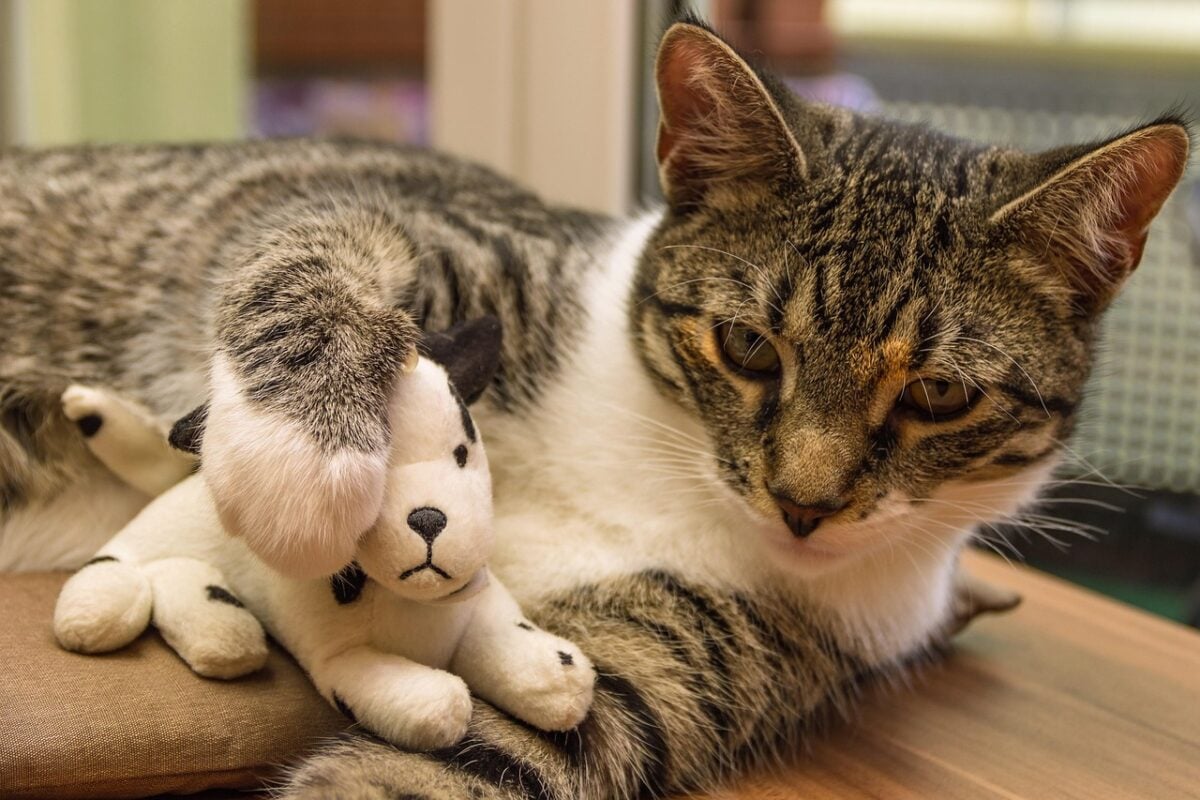
The carrying itself may be especially satisfying. A cat gets to choose an object, grip it, transport it, and decide where it belongs. That can be more interesting than chasing the same object after a human throws it.
Some cats also appear to enjoy the dramatic arrival. They may walk slowly into the room, vocalize around the toy, and wait until they are certain you have noticed. The delivery has a beginning, a buildup, and a grand conclusion.
It is less like fetch and more like a tiny award ceremony.
2. They Wanted Acknowledgment, Not Entertainment
Sometimes your cat brings a toy because it reliably makes you react.
A cat walking quietly into the room may not interrupt your work, television show, or sleep. A cat arriving with a stuffed mouse while making a sound like a haunted trumpet is much harder to ignore.
You look up, say their name, and ask what they have. You may pet them, laugh, or follow them into another room.
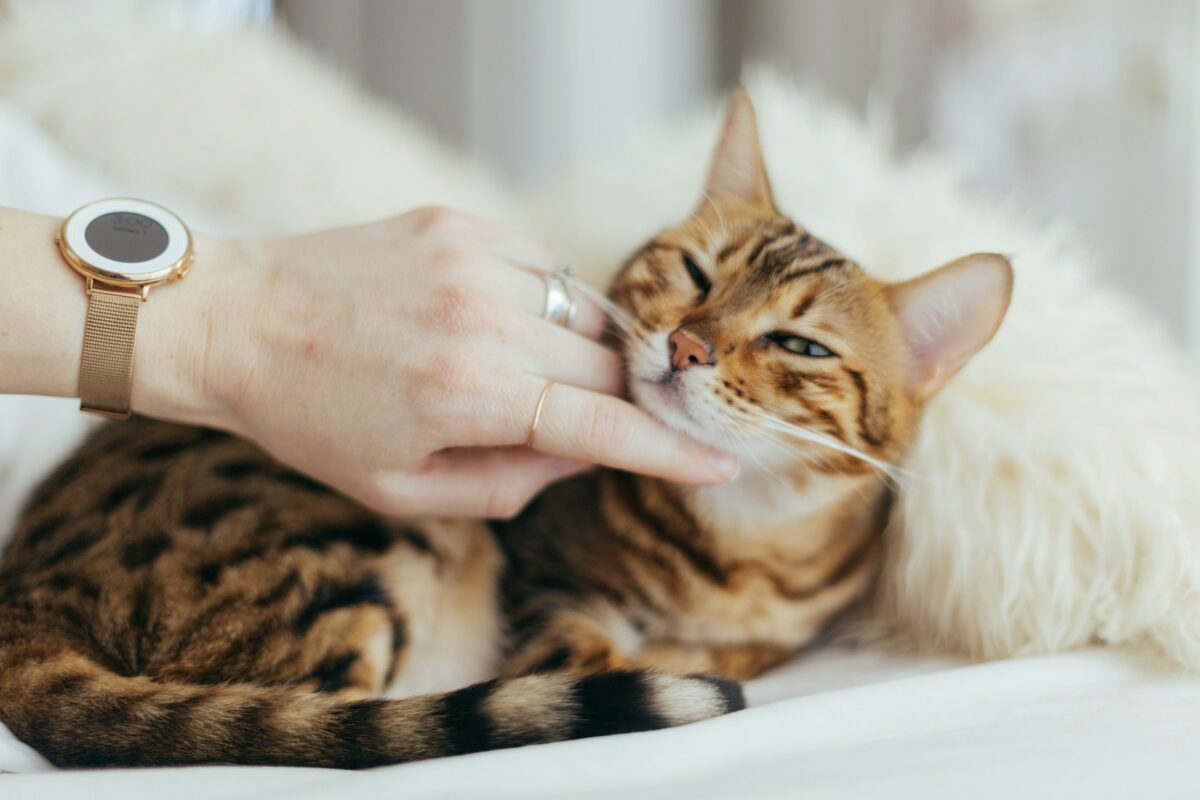
From your cat’s perspective, that is an extremely successful communication strategy.
The important point is that attention does not always mean a demand for active play. Your cat may want a brief social check-in rather than ten minutes of sprinting after a toy.
In one study of pet and shelter cats, social interaction with a person was the most preferred reward category for the majority of cats tested, even outranking food and toys. Individual preferences varied, but the findings help explain why your reaction may sometimes be more valuable than the object your cat carried over.
They may be asking for:
- Eye contact
- A spoken response
- A quick scratch behind the ears
- Your presence nearby
- Recognition of the object
- Reassurance that you are still available
Watch what happens after you acknowledge them. If your cat relaxes, rubs against you, sits beside the toy, or walks away looking satisfied, your response was probably the reward.
The toy was simply the most effective way to get it.
Cats are remarkably good at noticing what captures your focus, which also helps explain why they sit on the exact object you are using.
This also explains why the behavior can become increasingly theatrical. If a quiet toy delivery gets a small response but a loud midnight parade gets you out of bed, your cat may decide that subtlety is overrated.
3. You Threw It, but They Wanted You to Make It “Alive.”
Your cat may want to play without wanting fetch.
Throwing a toy seems like the obvious response to a human, especially when a cat has just carried it directly to us. But many cats are less interested in objects flying away from them than in objects that move like something they can stalk.
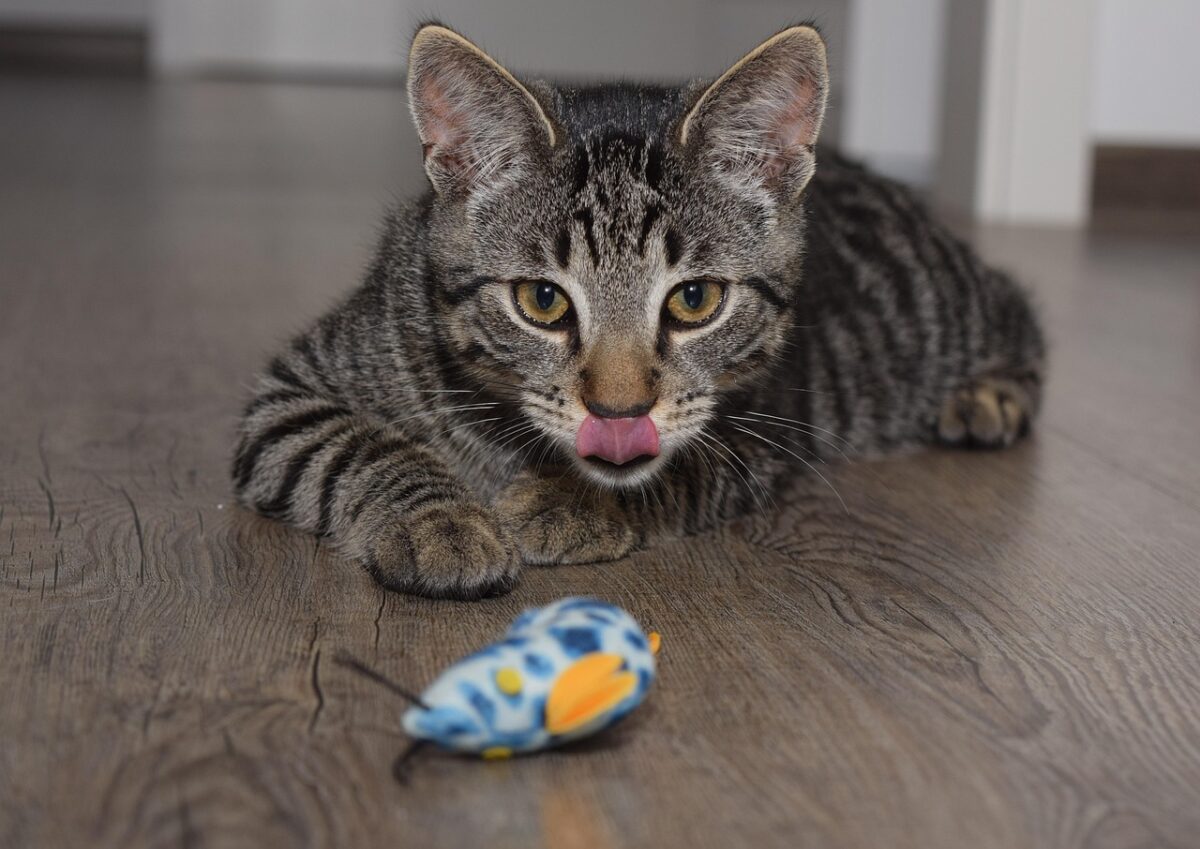
A toy sliding slowly around a corner may be fascinating. The same toy sailing across an open hallway may be completely uninteresting.
Your cat may expect you to make the toy:
- Twitch slightly
- Creep away along the floor
- Pause and move again
- Disappear beneath a blanket
- Hide behind a chair
- Dart out from the edge of a rug
That kind of movement gives the cat time to watch, crouch, calculate, and pounce. An immediate throw removes the suspense.
Try placing the toy on the floor and moving it slowly away from your cat rather than tossing it. Let it disappear briefly behind furniture or beneath a towel. Pause occasionally instead of moving it constantly.
A wand toy can also help because it gives you more control over speed and direction while keeping your hands away from grabbing claws.
Pay attention to your cat’s posture. A low crouch, fixed stare, shifting hind legs, or twitching tail can signal that they are interested, even if they are not charging forward immediately.
Cats often prefer a buildup. What looks like “doing nothing” may actually be intense concentration.
And if your cat still walks away? That is useful information too. They may not have been requesting play in the first place.
4. The Delivery Has Become a Time-and-Place Ritual
Cats are remarkably good at noticing patterns.
They learn when you wake up, when you start work, when the television turns off, and when you begin preparing for bed. They also learn which behaviors reliably produce a response during those moments.
A cat that brings the same toy to your bedroom every night may not be making a brand-new request each time. They may be following a familiar household ritual.
The pattern might look like this:
You turn off the lights. Your cat finds the plush mouse. They carry it down the hallway while vocalizing. They drop it near the bed. You speak to them. They settle down.
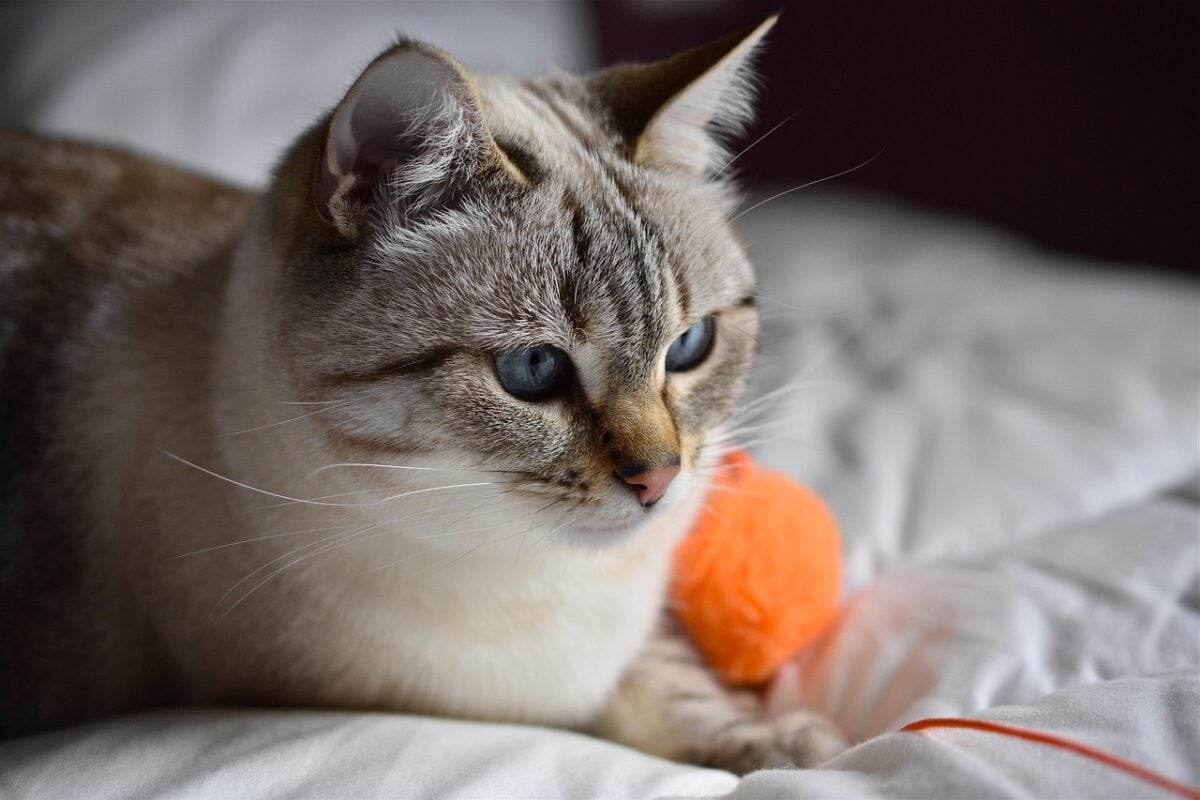
Over time, the sequence becomes predictable. The toy, location, timing, and your response all become part of the routine.
This is why some cats appear deeply committed to one specific object. It may not be the most exciting toy in the house, but it is the official toy associated with the ritual.
The same thing can happen during the day. A cat may bring a toy whenever you open your laptop, take a phone call, or sit in a particular chair. The delivery becomes a way to insert themselves into a familiar moment.
To identify a ritual, look for repetition:
| What you notice | What it may suggest |
|---|---|
| The same toy appears every time | The object has become part of the routine |
| It happens around the same hour | The delivery may be linked to your household schedule |
| The toy always goes to one room | That location may be part of the ritual |
| It is brought to one particular person | That person’s response may reinforce the behavior |
| Your cat settles after you respond | Acknowledgment may complete the routine |
A ritual does not necessarily mean your cat is distressed or bored. Sometimes it is simply one of the small traditions that develops between a cat and a person.
5. Their Interest Ended Before You Responded
Cats can become intensely interested in something and then appear completely finished with it moments later.
Your cat may have experienced a brief burst of excitement while locating and carrying the toy. By the time you notice, pick it up, speak to them, and prepare to throw it, that burst may already have passed.

Their attention may have shifted to:
- A sound outside
- A smell in another room
- Grooming
- Food
- A comfortable sleeping spot
- Something invisible on the wall that only cats understand
The change can seem abrupt because cats do not always transition between activities in a way that makes sense to us. They can move from dramatic toy delivery to complete emotional detachment in seconds.
Your involvement can also change the situation. A cat may enjoy controlling the object itself, but lose interest once you pick it up. Others become cautious when the movement becomes faster, louder, or less predictable.
This does not mean your cat was teasing you. Their interest may have been tied to a specific part of the experience.
The carrying mattered. The arrival mattered. But the interaction afterward did not.
The Midnight Parade: Why Cats Carry Toys Around at Night
If this happens at 2 a.m., congratulations: you have been selected for the midnight presentation of The Captured Mouse.
The performance may include:
- A plush toy carried down the hallway
- Several muffled cries
- A dramatic delivery beside your pillow
- Absolutely no interest in playing afterward

Cats Are Crepuscular
Cats are not strictly nocturnal. They are naturally crepuscular, meaning their activity often increases around dawn and dusk. Indoor cats can adjust that schedule around household routines, however, so a burst of evening energy may easily spill into the middle of the night.
That same evening energy can also fuel nighttime zoomies, when an otherwise peaceful cat suddenly treats the hallway like a racetrack.
Their Vision Works Well in Low Light
Cats are built to notice movement in dim conditions. Their eyes have:
- Large pupils that let in more light
- Many light-sensitive rod cells
- A reflective layer called the tapetum lucidum
Together, these features help cats detect movement and navigate in dim conditions much better than humans can. They still need some available light, however, and cannot see in complete darkness.
A Quiet House Makes Toys More Exciting
Once everyone goes to bed, the house becomes calmer. With fewer footsteps, voices, and distractions, your cat may suddenly become more interested in chasing or carrying a toy.
That ordinary plush mouse may now feel like the most important object in the building.
It May Be Part of a Bedtime Ritual
Your cat may have developed a predictable routine:
- Find the toy
- Carry it down the hallway
- Announce the discovery
- Drop it near you
- Receive a sleepy response
- Walk away, satisfied
The delivery does not always mean your cat wants to play. They may simply be burning off energy, completing a carrying ritual, or making sure someone witnesses their achievement.
While you are trying to sleep, your cat may be hosting a one-animal victory parade—and you have been assigned the role of exhausted but appreciative audience.
The Social Side of Toy Delivery
For all the jokes about cats being tiny freeloaders with excellent boundaries, many of their most unusual habits are social.
When your cat carries a toy into the room, drops it nearby, and meows until you respond, they are including you in the moment. That does not prove the toy is a gift or reveal one precise emotion, but it can be part of a familiar exchange between the two of you.
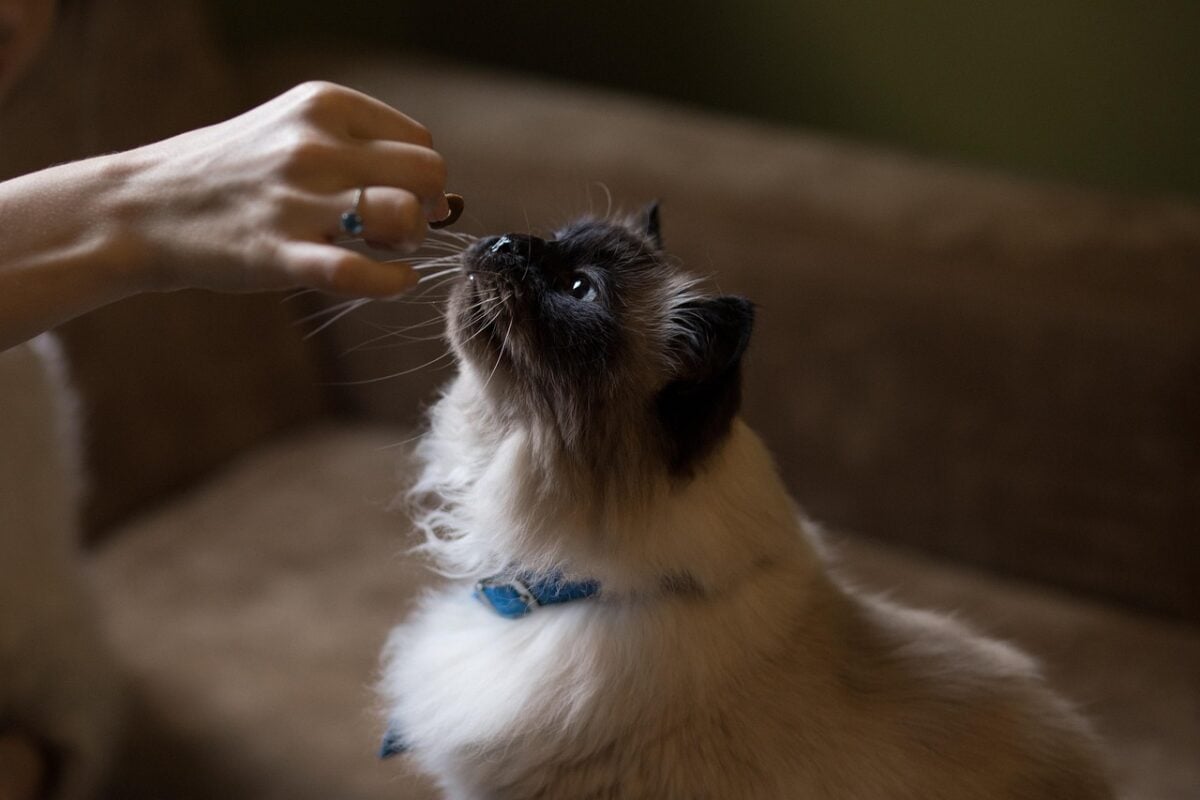
The message may be surprisingly simple:
- “Notice me.”
- “Come see what I have.”
- “Stay here with me.”
- “This is something we do together.”
Once you speak to them, look at the toy, or offer a quick pet, the interaction may feel complete. They were not necessarily asking for fetch. They were asking you to participate.
Kittens vs. Adult Cats: Same Delivery, Different Energy
Age can also shape what happens after the toy arrives.
Kittens May Want a Full Production
Kittens may be more likely to turn a toy delivery into a full play session because they are still developing coordination and experimenting with movement. When they bring over a toy, they may be ready to chase, pounce, wrestle, and turn the living room into a tiny disaster zone.
Their toy deliveries are often less predictable because almost anything can become part of the game.
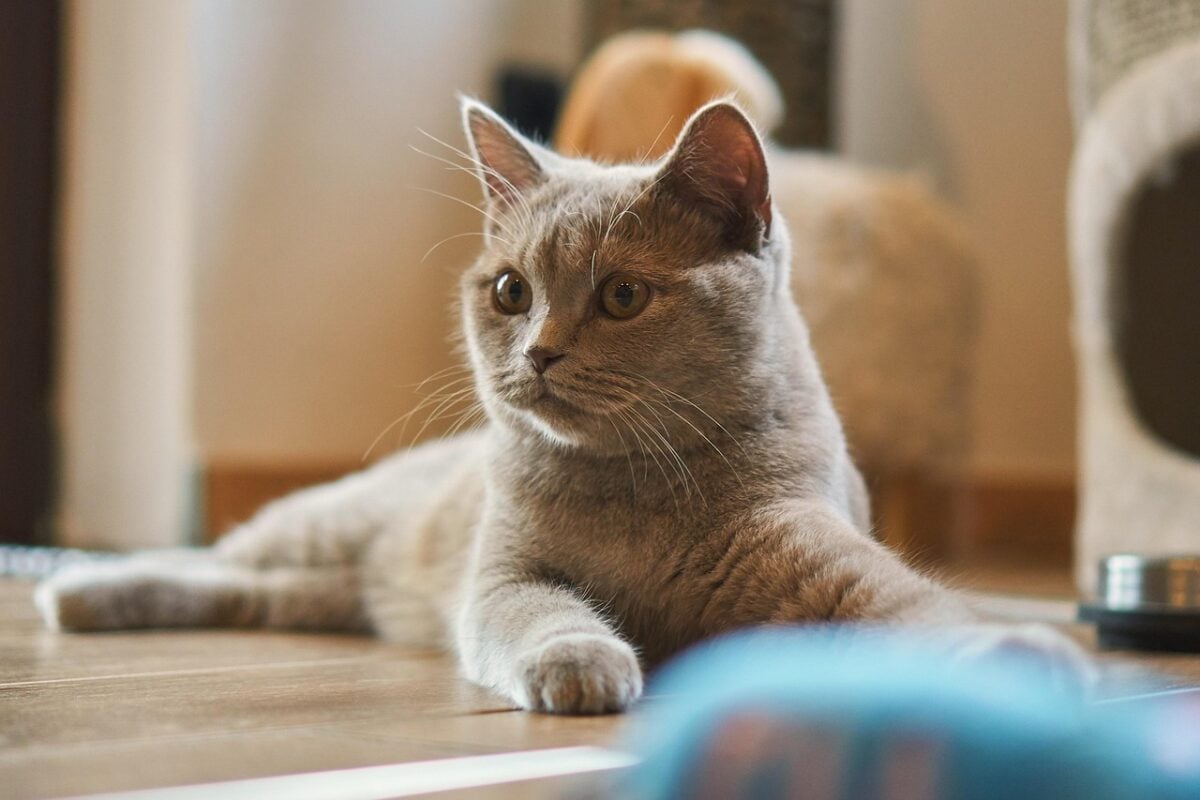
Adult Cats May Become More Ritualized
Adult cats may be more selective or ritualized about the behavior. Some carry the toy to a familiar place, wait for acknowledgment, and then move on.
For them, the routine may matter more than the workout:
- Find the chosen toy.
- Carry it to their person.
- Announce its arrival.
- Receive appropriate admiration.
- Leave before anyone asks follow-up questions.
Personality matters just as much as age. Some cats want applause for every sock they drag into the room. Others reserve toy deliveries for particular objects, people, or times of day.
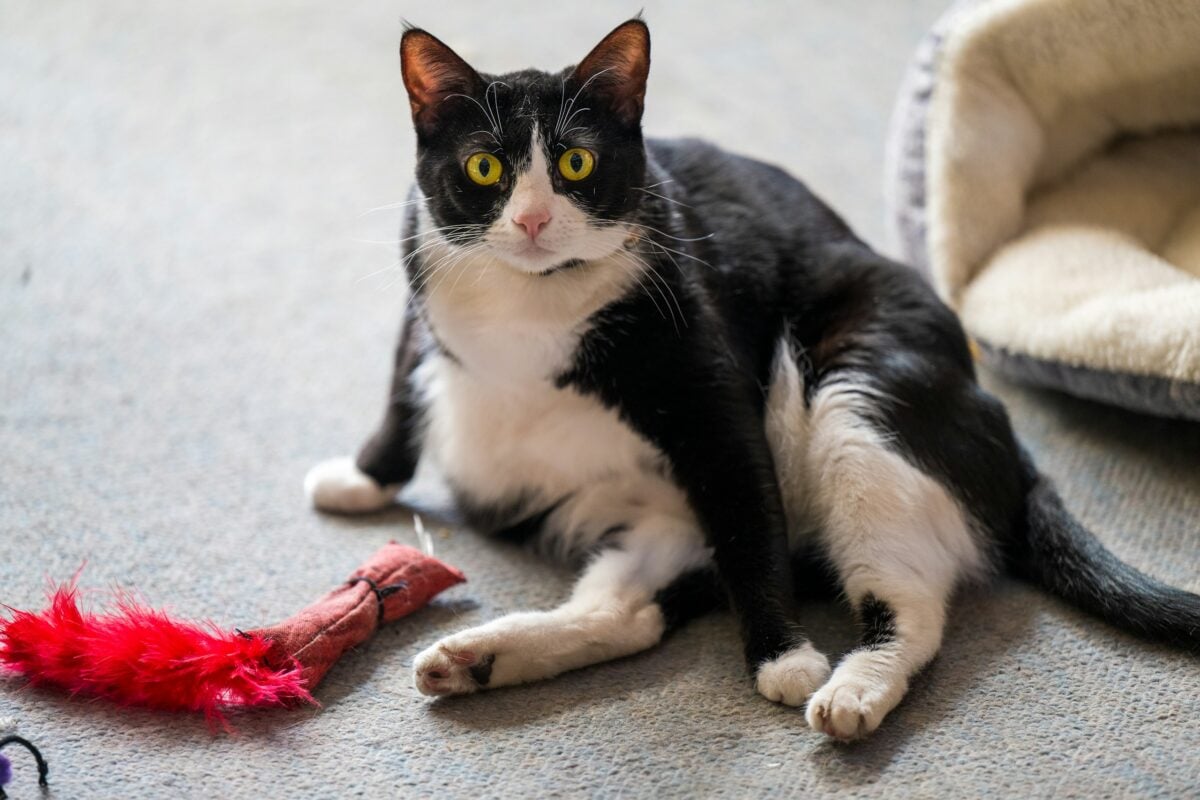
How to Tell What Your Cat Actually Wants
Instead of automatically throwing the toy, pause for a few seconds and watch your cat.
A cat that wants active play may remain focused on the object, crouch, paw at it, or follow small movements closely. A cat that wants attention may look at you, vocalize, rub against you, or settle once you respond.
Cats completing a ritual may leave after the delivery.
- Acknowledge them. Speak softly or offer a pet if they enjoy being touched.
- Move the toy slightly. Slide or twitch it instead of throwing it.
- Wait for their response. Let your cat decide whether the interaction continues.
Your cat’s reaction can help you determine whether they wanted attention, prey-like movement, or nothing more than an appreciative audience.
Avoid forcing the interaction. Repeatedly throwing the toy, pushing it toward the cat, or attempting to excite them can turn a pleasant ritual into an annoying one.
Sometimes the correct response is simply, “Thank you. This is an excellent mouse.”
What to Do When Your Cat Drops a Toy Beside You
You do not need to turn every delivery into a full play session.
- Acknowledge your cat first. Speak to them, offer a quick pet if they enjoy being touched, and notice whether that satisfies them.
- If they remain focused on the toy, move it slowly rather than throwing it immediately. Experiment with short, prey-like movements and give your cat opportunities to catch it.
- For cats who make frequent nighttime deliveries, an earlier play session may help channel some of that energy. You can also rotate toys so that only a few are available at one time, making familiar objects feel more interesting when they return.
- Food puzzles, climbing areas, window views, scratching surfaces, and short interactive play sessions can provide additional stimulation during the day.
Be careful with household objects your cat decides to adopt as toys. Hair ties, string, ribbon, elastic or rubber bands, small plastic pieces, and other swallowable items should not be left available for unsupervised play.
Your cat may consider them sacred treasures. Their digestive system may disagree.
When a Change in Play Could Be a Concern
If your cat has always enjoyed delivering toys more than chasing them, the behavior may simply be normal for that individual cat.
A sudden or persistent reduction in play should be given more attention, especially if your cat previously chased toys enthusiastically. Changes in activity can sometimes be associated with discomfort, stress, or illness.
Contact a veterinarian if reduced interest in play appears alongside other changes, such as:
- Hiding more than usual
- Difficulty jumping or climbing
- Stiff or cautious movement
- Changes in appetite
- Unusual aggression
- Increased nighttime vocalization
- Changes in litter-box habits
- Low energy throughout the day
The key distinction is whether your cat has always enjoyed delivering toys more than chasing them, or whether their behavior has changed recently.
A new or unusually intense nighttime cry should not automatically be dismissed as part of the toy ritual. Review the warning signs that a cat may be crying for help, and contact your veterinarian when you notice a significant change.

Understanding Other Cat Behaviors
Bringing you a toy is only one way your cat turns an ordinary moment into a message. The same principle applies to many feline habits: look at the timing, the surrounding situation, and the rest of your cat’s body language before deciding what the behavior means.
A long cat stare can reflect anything from curiosity to a request for dinner. Repeated kneading may be connected to comfort, scent, or a familiar settling routine. A gentle bite might signal affection, play, attention-seeking, or the end of a petting session. And when your cat sleeps pressed against you, warmth and companionship may both be part of the appeal.
The more you notice these patterns, the easier it becomes to understand what your cat is asking for. The message may arrive as a stare, a paw, a tiny bite, or a toy mouse dropped beside the bed—but your cat is rarely acting without a reason.
Does Your Cat Bring Toys but Refuse to Play?
Does your cat proudly deliver a toy, wait for you to notice, and then walk away the moment you try to start a game? Share the routine in the comments: what toy they bring, when it happens, and what they do after dropping it.