When you purchase through links on our site, we may earn a commission at no extra cost to you. Learn more.
Big paws. Wild looks. Surprisingly gentle personalities. Maine Coon mixes are some of the most captivating cats you’ll ever encounter, and also some of the most misunderstood.
Table of Contents
While purebred Maine Coons are famous for their massive size and affectionate nature, mixed-breed Maine Coons can look and behave very differently depending on the traits they inherit. Some are energetic and athletic, others calm and cuddly, and a few may even surprise you with dog-like intelligence.
In this guide, we explore 13 popular (and rare) Maine Coon mixes, breaking down what each crossbreed looks like, how they behave, their grooming and health needs, and what kind of home they thrive in. Whether you’re trying to identify your cat’s ancestry or deciding if a Maine Coon mix is right for your family, this article will give you the clarity you need, without the guesswork.
What Is a Maine Coon Mix?
A Maine Coon mix is a cat with Maine Coon ancestry combined with another breed or unknown lineage. Because mixed-breed cats do not follow breed standards, Maine Coon mixes can vary widely in size, appearance, and temperament.
Want our human-written content to rank above AI-generated garbage? Help us out by clicking this button!
Common Maine Coon mix traits may include:
- Large paws or a sturdy build
- Tufted ears or paws
- Long or bushy tails
- Medium to long coats
No two Maine Coon mixes are exactly alike, even within the same litter.
To better understand why Maine Coon mixes can look and behave so differently, it helps to look at the core traits of the Maine Coon breed itself.
The Maine Coon Cat: Traits That Shape Every Mix
Understanding the Maine Coon breed itself helps explain why Maine Coon mixes are so diverse. Many of the traits people hope to see in a mix come directly from the Maine Coon’s size, personality, and physical characteristics.
Size, Lifespan, and Personality Overview
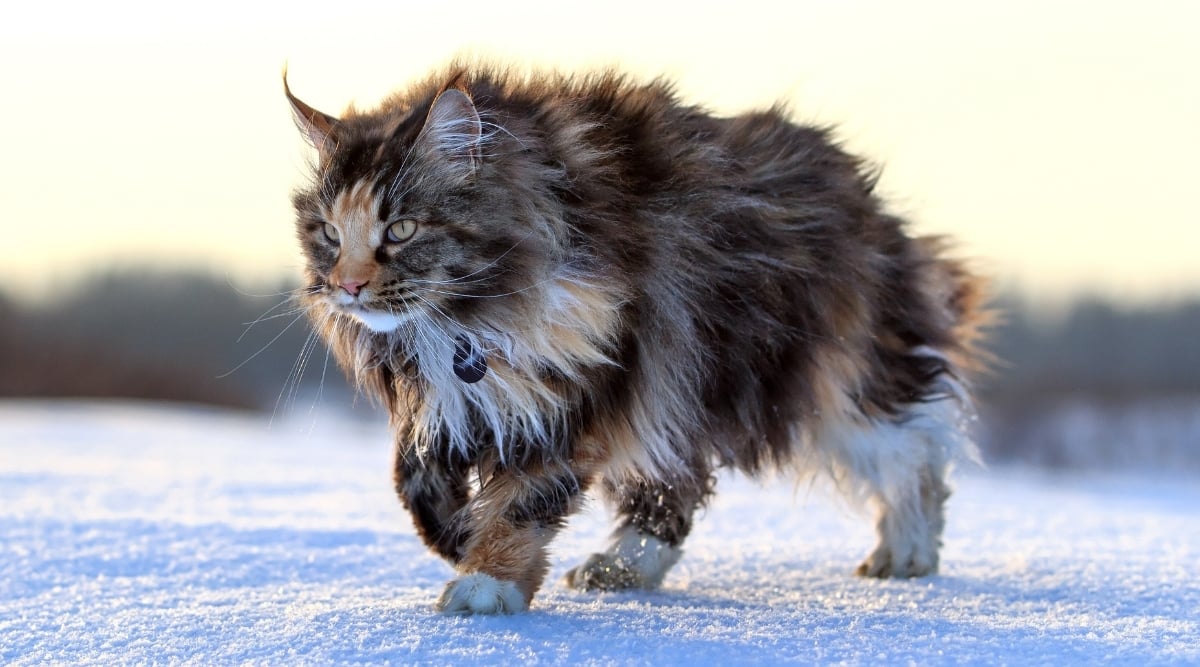
The Maine Coon is considered the largest domestic cat breed native to the United States and is the official state cat of Maine. Fully grown adults typically weigh between 9 and 25 pounds and stand about 10 to 16 inches tall. Their lifespan averages 12 to 15 years or longer with proper care.
- Maine Coons are often called gentle giants because of their large size paired with a friendly, easygoing personality.
- They mature more slowly than many other breeds, which means they often retain playful, kitten-like behavior well into adulthood.
- Many are highly intelligent and capable of learning games, routines, and even leash walking.
- Another distinctive trait is their vocalization, which often sounds more like chirps or trills than a traditional meow.
Signature Physical Features
Maine Coons are known for their rugged, wild appearance.
- They typically have long, shaggy coats designed to protect them from harsh weather, along with bushy tails that are often marked with rings.
- Large, tufted ears and expressive eyes give them a distinctive look.
- Some Maine Coons are polydactyl, meaning they have extra toes, which can make their paws appear especially large.
These physical traits frequently appear in Maine Coon mixes, though not all mixes inherit them equally. A mixed cat may display only one or two of these features, or several at once.
Temperament Traits Commonly Passed to Mixes
Many Maine Coon mixes inherit the breed’s social and adaptable nature. Traits commonly passed down include curiosity, intelligence, playfulness, and a strong bond with human companions.
While individual personality depends heavily on genetics and upbringing, Maine Coon ancestry often contributes to a cat that enjoys interaction, tolerates children and other pets well, and prefers to be near its people without being overly demanding.
- Strong bonds with human companions
- Curiosity and problem-solving skills
- Tolerance of children and other pets
- Desire to stay near people without being overly clingy
According to The Cat Fanciers Association (CFA), the Maine Coon ranked as the most popular pedigreed cat breed in 2025, which helps explain why Maine Coon traits appear so frequently in mixed-breed cats today.
Maine Coon Mix Breeds: Meet 13 Popular Crosses
Maine Coon mixes come in many forms, from massive, fluffy companions to sleek, athletic cats with a hint of wild ancestry. While all of these cats share some connection to the Maine Coon, each mix brings its own look, personality, and care needs. Some are commonly found in shelters, while others are rare and highly sought after.
Below, you will find the most well-known Maine Coon mixes grouped by shared traits. This makes it easier to compare them and quickly identify which types may be the best fit for your home and lifestyle.
Large and Gentle Maine Coon Mixes
These mixes tend to inherit the Maine Coon’s size, relaxed temperament, and love of human companionship. They are often well-suited to families and homes with space to accommodate a larger cat.
1. Maine Coon Ragdoll Mix
The Maine Coon Ragdoll mix is a large, affectionate cat that combines the gentle temperament of the Ragdoll with the intelligence of the Maine Coon. The mix of these two breeds creates an almost perfect feline.

They are highly energetic, social, curious cats with a lot of smarts. Ragcoons may be one of the most intelligent feline breeds around.
What to expect:
- Large size, often 15 to 20 pounds or more
- Long, soft coat in many colors
- Friendly, social, and highly trainable
Care notes:
- Regular grooming required
- Needs space due to size
Lifespan: 10 to 15 years
Cost: $500 to $800 or more
2. Maine Coon Persian Mix
The Maine Coon Persian mix has been around since about the 1970s. This mix is known for its thick coat and calm, reserved personality.

Both breeds are quite popular, so it is no surprise that a crossbreed would be as well. These two breeds were handpicked to create a docile, intelligent, highly trainable, medium-sized house cat with a long, soft coat.
What to expect:
- Large size, often 10 to 20 pounds
- Long, dense fur
- Affectionate but less demanding
Care notes:
- Daily grooming recommended
- Prefers quiet environments
Lifespan: 12 to 15 years
Cost: Varies
3. Maine Coon Norwegian Forest Cat Mix
A very large, cold-weather-adapted mix with thick fur and a sturdy build. This is a very rare crossbreed and has a bit of controversy surrounding it.

Maine Coon cats and Norwegian Forest cats are closely related. Some believe they may even have the same common ancestor that made its way to North America aboard explorer ships.
What to expect:
- Very large size
- Dense, water-resistant coat
- Confident but more reserved personality
Care notes:
- Heavy shedding
- Needs regular brushing
Lifespan: Up to 15 years or more
Cost: Rare and varies
4. Maine Coon Siberian Mix
A cold-weather-ready mix with a thick coat and family-friendly personality. The Maine Coon and Siberian types are so similar that it may be difficult to tell if your blended kitten is a different breed than whichever parent they are with. Both large breeds look ready for a day in the snow, with long hair, tufted ears, and paws.

Both breeds enjoy your company and love to follow you around the house, especially if you’re working with water. They’re social and might visit you in the shower or offer to help you wash the dishes or perhaps even the baby.
The Maine Coon Siberian mix requires daily brushing to keep hair in check, but although they shed heavily, research shows the Siberian side produces less of the Fel-d1 protein that triggers symptoms in most people who are allergic to cats.
What to expect:
- Large size
- Very dense, long fur
- Social, gentle, and adaptable
Care notes:
- Daily brushing recommended
- Heavy seasonal shedding
Lifespan: 12 to 15 years
Cost: Varies
Athletic and High-Energy Maine Coon Mixes
These cats combine Maine Coon intelligence with athleticism, curiosity, and strong prey drive. They do best in active households that can provide enrichment, playtime, and mental stimulation.
5. Maine Coon Bengal Mix
This mix blends the Maine Coon’s size with the Bengal’s athleticism and wild appearance. It is energetic and highly intelligent.

A Maine Coon Bengal mix is one gorgeous cat. This mixed breed is quite rare. They are beautiful, with a wild feline look and a cunning personality. Both parent breeds are true American felines. The gentle giant is native to New England, and the Bengal cat was created in the United States.
What to expect:
- Muscular build, usually 10 to 20 pounds
- Spotted or striped coat possible
- Very active, curious, and bold personality
Care notes:
- Needs daily mental and physical stimulation
- Best for experienced owners
Lifespan: 9 to 16 years
Cost: Several hundred dollars or more
6. Maine Coon Abyssinian Mix
This is an active, intelligent designer mixed kitty with strong hunting instincts. Crossbreeding a purebred Abyssinian cat with a Maine Coon creates some of the most expensive kittens ever found. Abyssinian cats are believed to be descendants of sacred cats worshiped by the Egyptians.

They are intelligent, aloof, independent cats who love to hunt. These kitties are active, energetic, and quite bright, making them a delight and a challenge.
What to expect:
- Medium to large size
- Short to medium coat, sometimes ticked
- Energetic, independent, and curious
Care notes:
- Needs constant enrichment
- Not ideal for quiet homes
Lifespan: 12 to 15 years
Cost: $4,000 or more
7. Maine Coon Siamese Mix
A vocal, social mix that combines Maine Coon playfulness with Siamese confidence and intelligence. This fluffy, striking-looking mixed cat is a beautiful, exotic-looking feline. Picture a rugged, shaggy, yet regal cat with a bit of a wild side.

Both parent breeds are extremely popular, and it is no surprise that a crossbreed may appeal to many cat lovers
What to expect:
- Medium to large size
- Possible colorpoint markings
- Talkative, opinionated, and affectionate
Care notes:
- Needs attention and interaction
- Strong prey drive possible
Lifespan: 12 to 15 years
Cost: Varies widely
Common and Easily Recognizable Maine Coon Mixes
These mixes are frequently seen in rescues and homes. They often have more moderate grooming needs and a wide range of appearances, making them harder to identify at a glance.
8. Maine Coon Tabby Mix
A common mix defined by a tabby pattern rather than a specific second breed. The tabby Maine Coon mix has developed over the last couple of decades.
These kitties are smaller than the purebred Maine Coon but can still get quite large. They may take longer to mature than breeds with no mixed genetics.

Cat breeds known for having tabby coloring include the Abyssinian, Maine Coon, American Shorthair, Oriental, American Curl, American Bobtail, Exotic, Manx, Norwegian Forest Cat, Ocicat, Ragdoll, Rex, Siberian, Scottish Fold, Somali, Turkish Van, Turkish Angora, Persian, and the Egyptian Mau.
What to expect:
- Variable size and appearance
- Classic, mackerel, spotted, or ticked tabby coats
- Adaptable and friendly personality
Care notes:
- Traits depend on unknown lineage
- Grooming varies by coat length
Lifespan: 12 to 15 years
Cost: Common and affordable
9. Maine Coon American Shorthair Mix
The Maine Coon American Shorthair mix is one of the most common Maine Coon crosses and is frequently found in shelters and rescues. This mix blends the Maine Coon’s size and friendliness with the American Shorthair’s adaptability and low-maintenance nature.
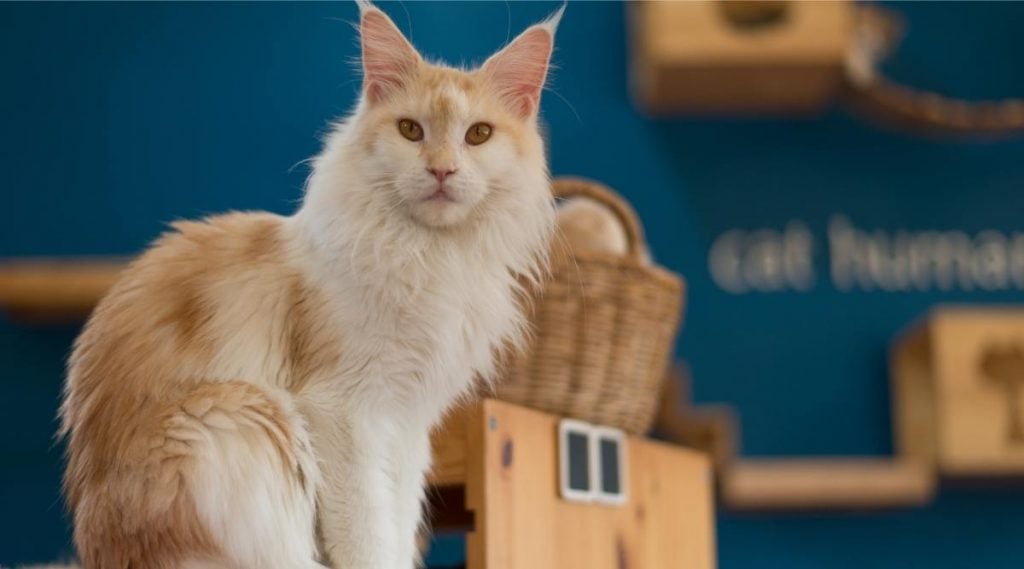
It is often a great choice for owners who want some Maine Coon traits without the heavy grooming demands.
What to expect:
- Medium to large size
- Short to medium coat
- Balanced temperament with moderate energy
Care notes:
- Lower grooming needs
- Easygoing and adaptable
Lifespan: 12 to 15 years
Cost: Low to moderate, often adoption-based
10. British Shorthair Maine Coon Mix
Maine Coon mixes have a wild look. The British Shorthair looks like a teddy bear, so this specific mix is nothing short of adorable. Temperament is usually relaxed, loyal, and quietly affectionate.

This mix often appeals to owners who want a calm, affectionate cat that enjoys companionship without constant attention. It tends to adapt well to structured households and predictable routines.
What to expect:
- Medium to large size
- Dense coat, short to long
- Calm, loyal, and family-friendly
Care notes:
- Moderate grooming needs
- Adapts well to households with children
Lifespan: 12 to 15 years
Cost: Varies
Rare and Unusual Maine Coon Mixes
These mixes are less common and often stand out due to unusual coats, coloring, or body types. They can be harder to find and may require more specialized care.
11. Maine Coon Calico Mix
A visually striking mix defined by calico coloring rather than breed alone. A Maine Coon Calico cat sounds like the best of both worlds. Picture a large, Calico-colored kitty that acts like a kitten.

An interesting fact about this crossbreed is that most of them are female. This is because Calico cats have a unique genetic formula that decides what color their coats are. Almost all Calico-colored kitties are female, and this includes crossbreeds
Calico-colored breeds include the Maine Coon, Arabian, Persian, Manx, American Shorthair, Japanese Bobtail, Cornish Rex, Scottish Fold, Siberian, Turkish Van, Exotic Shorthair, Norwegian Forest Cat, and Turkish Angora, just to name a few.
What to expect:
- Medium to large size
- Orange, black, and white coat
- Independent but affectionate temperament
Care notes:
- Coat length determines grooming needs
- Personality can be unpredictable
Lifespan: 10 to 15 years
Cost: $1,000 to $2,500 or more
12. Maine Coon Sphynx Mix
Despite common assumptions, this mix is not hairless because the Sphynx hairless gene is recessive. Most Maine Coon Sphynx mixes have short or sparse fur and retain a muscular, athletic build. These cats are typically social, people-focused, and enjoy warmth, attention, and interactive play.

Temperament often reflects a blend of the Maine Coon’s friendly curiosity and the Sphynx’s extroverted, affectionate nature, resulting in a cat that seeks out human interaction and prefers being involved in daily activities.
What to expect:
- Medium to large muscular build
- Short or sparse coat
- Social, playful, and people-focused
Care notes:
- Skin care may still be needed
- Enjoys warmth and attention
Lifespan: 12 to 15 years
Cost: Rare and varies
13. Maine Coon Russian Blue Mix
The Maine Coon Russian Blue mix is a rare and elegant cross known for its plush coat and thoughtful, observant nature. This mix often combines the Maine Coon’s size and intelligence with the Russian Blue’s refined appearance and calm demeanor.

Temperament tends to be loyal and quietly affectionate rather than overly demanding. Many form strong bonds with one or two people and prefer peaceful environments, making this mix a good fit for homes that value routine and low noise.
What to expect:
- Medium to large size
- Blue or gray-toned coat
- Intelligent, loyal, sometimes shy
Care notes:
- Regular grooming recommended
- Needs a calm environment
Lifespan: 12 to 20 years
Cost: High due to rarity
Other Maine Coon Mixes
In addition to the more common crosses listed above, there are several other Maine Coon mixes that appear less frequently but are still worth noting. These mixes are often rare, loosely defined, or dependent on individual breeding circumstances, which makes them harder to categorize in detail.
Other Maine Coon mixes you may encounter include:
- Maine Coon Savannah Mix
Known for a tall, athletic build and high energy, this mix may display a more exotic appearance and requires an experienced owner. - Maine Coon Oriental Shorthair Mix
Often lean and vocal, with a sleek coat and strong attachment to people. - Maine Coon Turkish Angora Mix
Typically elegant and active, with a silky coat and playful personality. - Maine Coon American Bobtail Mix
Recognizable by a shorter tail and a confident, intelligent temperament. - Maine Coon Manx Mix
Rare and unpredictable in appearance, sometimes featuring a shortened tail or tailless look.
Because these mixes are less standardized, their appearance and temperament can vary widely. Parent breeds, genetics, and early environment all play a role in how these cats develop.
Are Maine Coon Mixes Good Pets?
Maine Coon mixes can make excellent companions, but suitability depends on lifestyle, space, and expectations.
- Families with children
Often a good fit due to their friendly, tolerant nature, especially when properly socialized. - Multi-pet households
Many Maine Coon mixes do well with other cats and dogs, though prey drive varies by mix. - First-time cat owners
Some mixes are beginner-friendly, particularly those with calmer temperaments and lower grooming needs.
Caring for a Maine Coon Mix
Maine Coon mixes thrive when their basic needs are met consistently. While care requirements vary by coat type and personality, most benefit from routine, enrichment, and consistent health care.

Feeding and Nutrition
Proper nutrition supports growth, muscle tone, and coat health.
- Feed a high-quality diet with animal protein as the primary ingredient
- Adjust portions based on size, age, and activity level
- Larger mixes may need more calories than average cats
- Fresh water should always be available
Consult a veterinarian before changing diets or adding supplements.
Grooming Routines
Grooming needs depend heavily on coat length and density.
- Short-haired mixes may only need weekly brushing
- Long-haired or fluffy mixes benefit from brushing several times per week
- Regular grooming helps prevent mats, hairballs, and excessive shedding
- Nail trimming and dental care should be part of a routine schedule
Starting grooming early helps cats become comfortable with handling.
Exercise and Enrichment
Mental and physical stimulation are essential for these intelligent cats.
- Daily play sessions help prevent boredom and obesity
- Interactive toys encourage problem-solving and movement
- Cat trees and climbing structures satisfy natural instincts
- Puzzle feeders can provide enrichment during meals
Some Maine Coon mixes enjoy leash training and supervised outdoor time.
What to Know Before Adopting a Maine Coon Mix
Before bringing one home, consider a few practical factors.
- Adoption vs. breeder: Many Maine Coon mixes are found in shelters and rescues. Breeder mixes may cost more and vary in health screening.
- Cost of care: Larger cats often eat more and may need higher-quality food, grooming supplies, and durable furniture.
- Space and lifestyle: Some mixes need room to climb and play, while others adapt well to smaller homes.
Health Issues in Maine Coon Mix Cats
Maine Coon mixes are often healthy, but like all cats, they can be predisposed to certain medical conditions inherited from either parent breed. Health outcomes vary widely, especially when parentage is unknown. While some breeders screen for genetic conditions, this is less common with mixed-breed cats, so regular veterinary care is essential.

Health conditions sometimes seen in Maine Coon mixes include:
- Hip dysplasia
- Hypertrophic cardiomyopathy (HCM)
- Spinal muscular atrophy
- Patellar luxation
- Kidney disease
- Obesity
- Bacterial or viral infections
- Dental disease
- Parasites
- Deafness in some blue-eyed cats
Not every Maine Coon mix will develop these conditions, but awareness helps owners spot issues early. Maine Coon mixes often live long lives and thrive with consistent care.
Providing high-quality nutrition, regular veterinary visits, routine vaccinations, and proper dental care all play an important role in long-term health. If behavioral challenges arise, working with a veterinarian or professional trainer can make a meaningful difference in creating a happy, well-adjusted home.
Maine Coon Mix FAQs: Quick Answers to Common Questions
Maine Coon mixes often spark a lot of curiosity, especially for owners trying to identify their cat or decide whether this type of mix is right for them. These frequently asked questions address the most common concerns about size, shedding, cost, and care.
If you don’t see yours, let us know in the comments.
How big do Maine Coon mixes get?
Maine Coon mixes vary widely in size depending on genetics. Some grow nearly as large as purebred Maine Coons, while others remain closer to the average domestic cat. Most fall somewhere in between, with sturdy builds and noticeable weight.
Are Maine Coon mixes hypoallergenic?
No cat is truly hypoallergenic. Some Maine Coon mixes may shed less or produce fewer allergens, but allergy reactions depend on the individual cat and the person’s sensitivity.
How can I tell if my cat is part Maine Coon?
Common clues include a large body, long or bushy tail, tufted ears, shaggy coat, and a friendly, intelligent personality. These traits are not definitive, and DNA testing is the only way to confirm Maine Coon ancestry.
Do Maine Coon mixes shed a lot?
Shedding depends on coat length and density. Long-haired Maine Coon mixes tend to shed more and require frequent brushing, while short-haired mixes usually shed less and are easier to maintain.
Are Maine Coon mixes expensive?
Many Maine Coon mixes are affordable and commonly adopted from shelters or rescues. Rare or intentionally bred mixes can be more expensive, especially when sold by breeders.
Are Maine Coon mixes good indoor cats?
Yes, most Maine Coon mixes adapt well to indoor living when provided with enrichment such as climbing trees, toys, and regular playtime.
Do Maine Coon mixes get along with other pets?
Many Maine Coon mixes are social and tolerate other cats and dogs well. Compatibility depends on the individual cat’s temperament and early socialization.
Is a Maine Coon Mix Right for You?
Maine Coon mixes offer a unique combination of size, intelligence, and personality, but they are not one-size-fits-all cats. Some thrive in busy family homes, while others prefer quieter spaces with predictable routines. Understanding your lifestyle, space, and willingness to groom or provide enrichment is key to choosing the right fit.
If you are considering adding a Maine Coon mix to your home, exploring related care topics can help you feel confident and prepared. Learning more about nutrition, grooming routines, and enrichment ideas can make the transition smoother for both you and your cat. Living with a Maine Coon mix is an ongoing learning experience. From behavior changes to health and care needs, taking time to understand your cat’s signals and preferences can lead to a calmer, happier household.
Do You Live With a Maine Coon Mix?
Do you have a Maine Coon mix? Share your experience with us in the comment section. Your cat’s personality, care tips, or unique traits may help other readers learn what living with a Maine Coon mix is really like.