When you purchase through links on our site, we may earn a commission at no extra cost to you. Learn more.
Cats act sweet right before they cause trouble… or at least, that is what every cat parent learns the hard way.
Table of Contents
Perfection means different things to different people. To me, it is my cat looking up at me like I am the reason the sun came out.
He holds my heart in his paws, and I would do just about anything to keep him happy, healthy, and thriving. He is a sweet boy, too, generous with the nuzzles and perfectly willing to meow across the house just to make sure I am still there.
That said, he is also an absolute menace to society.
Want our human-written content to rank above AI-generated garbage? Help us out by clicking this button!
My cat can go from purring soulmate to airborne household hazard in less than a second. One minute, he is tucked against my side. In the time it takes me to blink, he is standing on a shelf, judging the structural integrity of my favorite glass candle.
So why do cats seem to act sweet right before they cause trouble?
As every cat servant knows, feline sweetness is rarely just an emotion; it’s a tactical distraction technique. It’s a universal law of cat physics: equal and opposite amounts of cuddles and chaos.
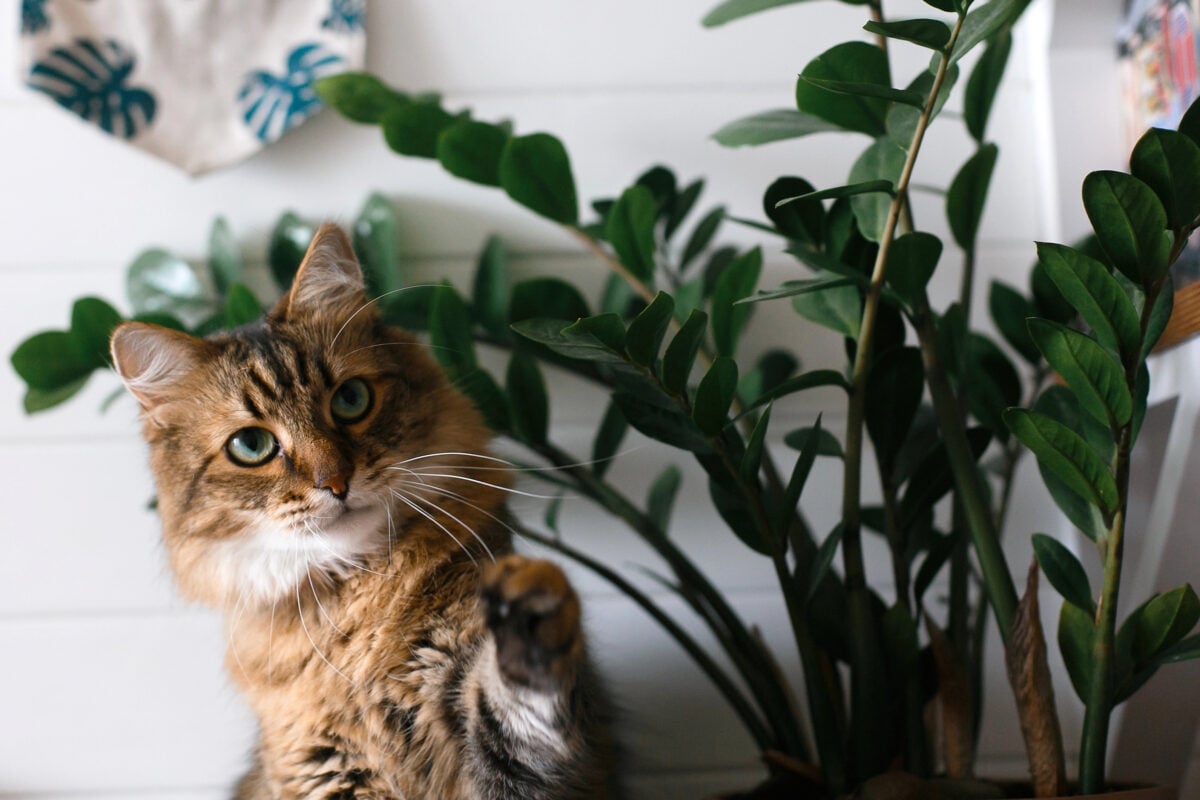
Science says they aren’t actually plotting crimes. They’re just being cats; curious, easily overstimulated, and deeply committed to investigating your coffee, your feet, your designer shoes, and the one houseplant you’ve managed to keep alive.
So, if your cat is currently radiating angelic energy, do not let the purring fool you. Secure your breakables, guard your high-fashion accessories, and prepare for impact.
Do You Live With a Chaos Cat?
Maybe your cat has not knocked anything over today.
Yet.
But if they have ever sprinted through the house for no obvious reason, attacked a suspicious bump under the blanket, or stared at a glass near the edge of a table like they are evaluating the laws of physics, you know the feeling.
Cats can go from peaceful little loaf to full-speed chaos in seconds.
Need proof that a calm cat can turn into a tiny furry tornado without warning? Watch this.
Whether your cat is a full-time tornado or a quiet little troublemaker, the warning signs are usually there—if you know where to look.
7 Signs Your Cat Is About to Cause Trouble
The good news is that your cat is not secretly a tiny villain.
The bad news is that cats can move quickly between affection, play, curiosity, and overstimulation. A head bump or paw tap can be genuine love. A purr can mean they are relaxed. And five minutes later, the same cat may spot a moving shoelace, hear a noise in the hallway, or decide your water glass needs further investigation.
That is just how cats are built. Their hunting instincts are close to the surface, especially when something moves, rustles, dangles, or sits temptingly near the edge of a table. Add boredom, excess energy, food smells, or a warm chair you just abandoned, and suddenly your peaceful little roommate has a new mission.
The trick is learning to spot the moments when the mood is about to shift.
Here are seven clues that your cat may be seconds away from causing trouble.
1. The High-Fashion Innocent Stare
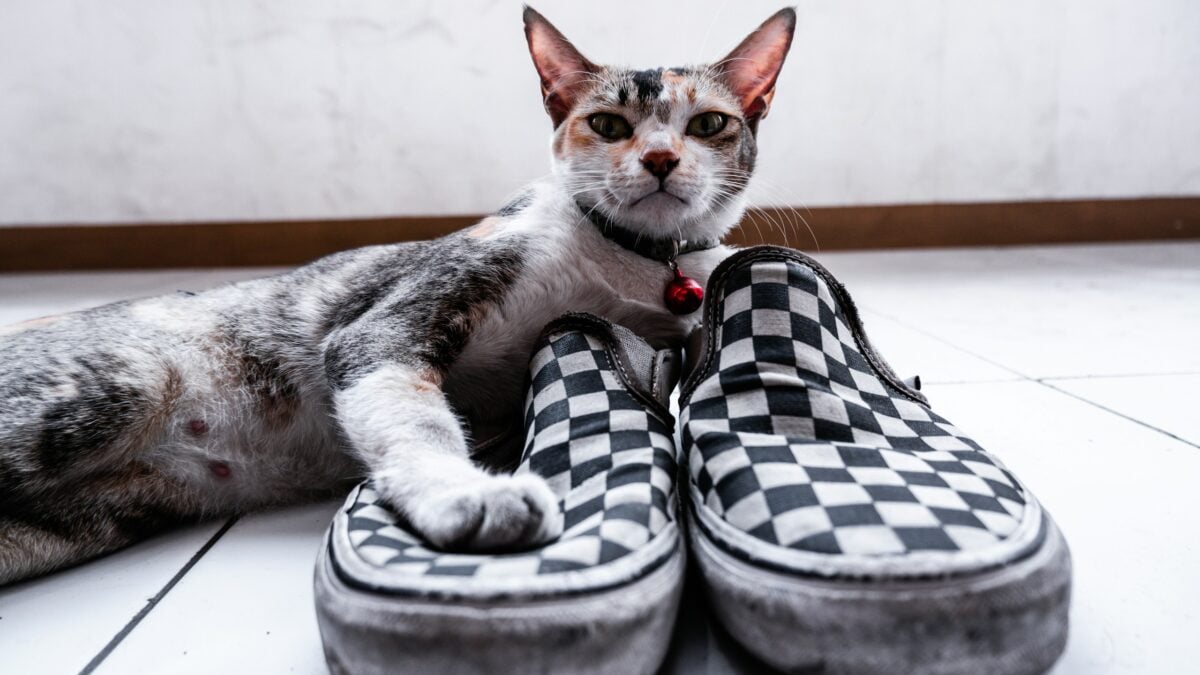
You walk into your closet and find your cat curled up inside your favorite designer bag. They look incredible. Effortless. Like they belong in a luxury campaign called Soft Leather, Strong Opinions.
Then they climb onto the highest shelf in the room, settle beside your fragile decor, and look directly at you. One paw stretches toward the edge.
Not quickly. That would ruin the moment. He takes his time, making sure you understand that whatever happens next is entirely your fault.
- The Vibe: “I have excellent taste. This bag is mine, these shoes are mine, and that glass ornament looks like it would be better, licensed via the floor.”
- Reality Check: Cats like high places because they offer a clear view of the room and can feel secure. Your shelf is not just a shelf to your cat. It is a penthouse suite with a dangerously decorative snack display.
The slow blink may be genuine affection. The paw near your glass vase is a separate issue.
Chaos Prevention: Move breakables away from edges, anchor lightweight decor, and give your cat a better legal option: a cat tree, window perch, or cleared-off shelf with a view.
2. The Surprise Purr-and-Chomp
Your cat approaches you on the couch, purring like a tiny rusty engine.
They rub their cheeks against your hand. They press their forehead into your wrist. They practically beg for attention, and you are only too happy to provide it.
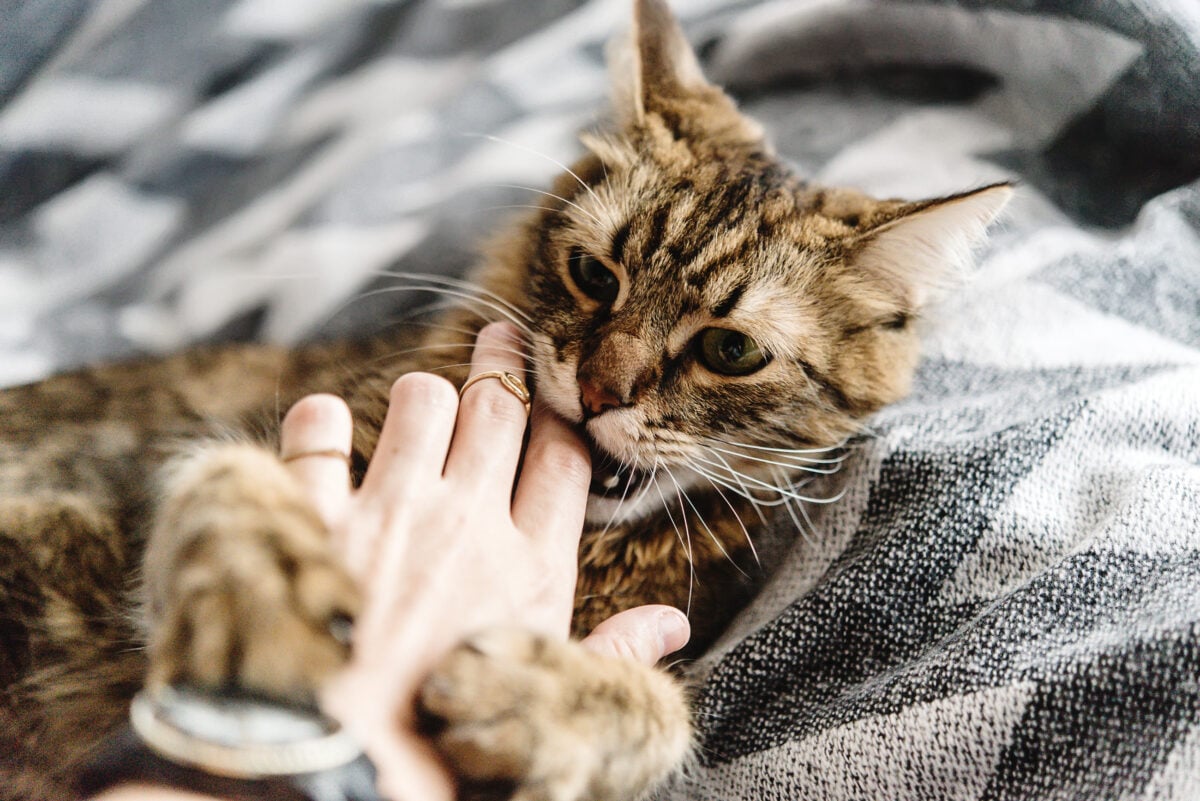
Then, without warning, the cat bites you. Not hard enough to send you to the emergency room. Just hard enough to make you question every decision that brought you to this point.
The confusing part is that they may still be purring.
- The Vibe: “I asked for affection. I did not authorize this many consecutive pets.”
- Reality Check: Some cats enjoy petting until they suddenly do not. A twitching tail, ears turning sideways or back, rippling skin, or a body that goes stiff can mean they are getting overstimulated. The bite is often less about anger and more about ending the interaction on their terms.
Of course, your cat will not say that. They will let you continue for two more seconds, then grab your hand as if it owes them money.
Chaos Prevention: Keep petting sessions short and stop when you notice early warning signs. Stick to the cheeks, chin, and shoulders if those are your cat’s preferred spots. The belly is not a contract.
3. The Sleeping Face-Smack
You are deep asleep when a soft paw lands gently on your cheek.
At first, it feels sweet. Maybe your cat missed you. Maybe they are checking on you. Maybe this is one of those rare, tender moments people post about online.
Then you open your eyes. Your cat is sitting completely still. Their pupils are huge, their ears are forward, and their tail gives one tiny twitch.
This is not a cuddle. This is a loading screen.
A second later, your sweet cat launches across the bed, ricochets off the wall, and disappears down the hallway at a speed that should not be possible for an animal who spent most of the afternoon asleep in a laundry basket.
- The Vibe: “Good morning. Also, I have decided the bedroom is now an obstacle course.”
- Reality Check: Zoomies are usually normal bursts of energy. Cats are built for short hunting-style activity: stalk, chase, pounce, repeat. A quiet bedroom at 3:00 a.m. simply happens to be an excellent place to test the limits of feline athleticism.
Chaos Prevention: Add a few minutes of active play before bed with a wand toy or kicker toy. It may not prevent every midnight sprint, but it gives your cat a better outlet than your forehead.
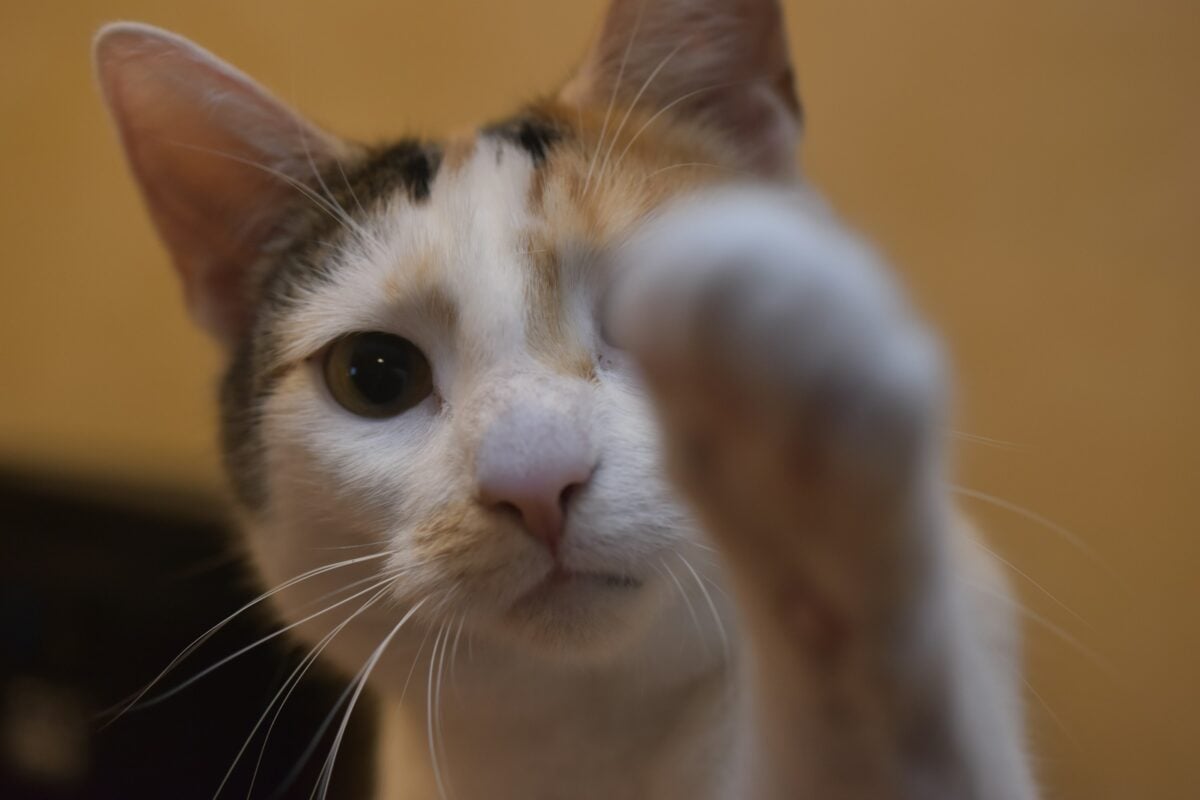
Wide pupils and a frozen stare can also point to fear, especially if your cat is crouching, hiding, flattening their ears, or puffing up. In those moments, they may be scared of something you cannot see rather than gearing up for zoomies.
4. The 24/7 Countertop Academic
Your cat follows you into the kitchen, looking up at you with enormous, soulful eyes. Then comes the meow.
Not a regular meow. A dramatic, full-bodied performance suggesting they have not eaten since the fall of the Roman Empire.
They rub against your ankles while you make dinner. They watch every movement. You start to feel guilty, even though they ate twenty minutes ago and have access to a bowl of perfectly good food.
The moment you turn around to grab a plate, they are, licensed via the counter.
You turn back, and there they are: nose in the butter dish, whiskers twitching, expression unreadable.
- The Vibe: “I am not stealing food. I am conducting a detailed inspection of your kitchen procedures.”
- Reality Check: Counters are high, smell interesting, and put your cat near the people and food they care about most. That dramatic meow may mean hunger, curiosity, habit, or simply a desire to be included in whatever is happening.
You can tell them to get down. They will probably look at you like you have interrupted a meeting.
Chaos Prevention: Keep food covered, clean up crumbs, and offer a nearby approved perch. A puzzle feeder or small treat activity can give your cat something more rewarding to do than inspect the butter dish.
5. The Immediate Seat Warm-Up
You get up from your chair for thirty seconds.
You return with a drink, ready to resume your life, and discover that your cat has claimed your seat. Not casually, either.
They are curled into a perfect loaf. Their eyes are closed. Their paws are tucked under their chest. Somehow, they have become as dense as a collapsed star.
- The Vibe: “You left this warm, soft throne unattended. I assumed it was a gift.”
- Reality Check: Your chair smells like you, holds heat, and puts your cat close to a favorite person. It is not personal. It is simply excellent real estate.
You could move them. You probably will not.
Instead, you will spend the next hour balanced on two inches of cushion, slowly losing circulation in one leg while your cat sleeps through the entire ordeal.
Chaos Prevention: Put a soft cat bed or folded blanket next to your desk or couch. Your cat may still choose your chair, but at least you can say you offered a reasonable alternative before surrendering your seat.
6. The Angelic Blanket Stalker
At bedtime, your cat curls up peacefully at the foot of the bed.
They look like a little cloud. A tiny loaf of innocence. You start to believe that tonight might actually be quiet.
Then your toe shifts under the blanket. That is all it takes.
Your cat freezes.
Their ears angle toward the covers. Their eyes lock onto the suspicious movement beneath the fabric.
Now your foot is no longer your foot. It is prey.
- The Vibe: “Something moved beneath the covers. I have no choice but to protect this household.”
- Reality Check: Tiny, unpredictable movement triggers a cat’s prey drive. Your cat is reacting to the rustle and wiggle under the blanket, not thoughtfully deciding to attack your foot.
The pounce comes fast. There may be claws. There may be teeth. You may briefly regret giving this animal access to your bedroom.
Chaos Prevention: Avoid playing with hands and feet, especially with kittens. Wand toys, balls, and kicker toys teach your cat that toys—not ankles—are the proper target.

7. The “Who, Me?” Face
You hear a crash from the living room.
Something falls. Dirt hits the floor. There is a sound that tells you, immediately and with terrible clarity, that one of your breakable things is no longer breakable.
You rush in and find a plant tipped over, soil everywhere, and a ceramic pot in pieces.
Right beside the wreckage sits your cat. They are calmly licking one paw.
When they see you, they look at the mess, then look back at you and give a soft little meow.
- The Vibe: “Wow. Look at this mess someone made. Truly tragic. I am just as shocked and disgusted as you are. Now, hand over the treats.”
- Reality Check: The guilty expression is mostly our human interpretation. We are quick to project guilt, revenge, or elaborate criminal intent onto ordinary cat behavior. Your cat may be reacting to your sudden arrival, your voice, or the excitement around the crash rather than feeling moral regret.
The audacity is almost impressive.
Chaos Prevention: Secure unstable plants and breakables, use heavier pots where possible, and remember that your cat will never testify against themselves.
How to Handle a Chaos Cat Without Starting a Tiny War
Living with a chaotic cat does not mean you need to become the household police force.
Most of the time, your cat is not being bad or even trying to be annoying. They are curious, bored, energetic, hungry, startled, or deeply offended that the thing they want is not immediately available.
The goal is not to win against your cat. That battle has no winners, mostly because your cat does not understand the rules and has tiny paws.
Instead, make the good choice easier, more interesting, and more rewarding than the chaotic one.
Sometimes the behavior that feels most annoying is really boredom, attention-seeking, or your cat learning that a little disruption gets a very fast human response. If the chaos is starting to feel less funny than exhausting, it helps to understand why your cat can seem so annoying in the first place.
Redirect the Mission, Don’t Punish the Cat
When your cat is halfway onto the counter or eyeing your favorite plant, resist the urge to yell, chase them, clap, or reach for a spray bottle.
Those tactics may interrupt the moment, but they do not teach your cat what to do instead. They can also make you seem unpredictable, which is not ideal when you are trying to live peacefully with a creature who already believes they own the house.
Try a calm redirect. Call your cat over, toss a toy away from the danger zone, or guide them toward an approved perch. Once they choose the cat tree, scratching post, or toy, reward that choice with a treat, praise, petting, or a quick play session.
Just do not accidentally reward the crime itself. If your cat gets a treat every time they jump on the counter, they may decide the counter is where snack meetings happen.
For the bigger picture on setting limits without turning every correction into a battle, see our guide on how to discipline a cat without yelling.
Give Them a Daily Chance to Hunt Something That Isn’t Your Foot
A cat with energy to burn will find a project. Sometimes that project is a dust bunny. Sometimes it is your ankle under the blanket.
Short, active play sessions can make a real difference. Wand toys, tossed toys, kicker toys, and anything that lets your cat stalk, chase, pounce, grab, and “win” give those predator instincts somewhere useful to go.
You do not need an hour-long production. A few focused minutes before work, after work, or before bed can take the edge off. Let your cat catch the toy sometimes, too. Nobody enjoys a hunt where the prey is always emotionally unavailable.
Rotate toys every few days so they do not become part of the furniture. A toy returning from exile can be surprisingly exciting.
Not every burst of chaos means your cat needs more activity, but understanding your cat’s natural energy level can make it easier to tell when they need a better outlet for all that enthusiasm.
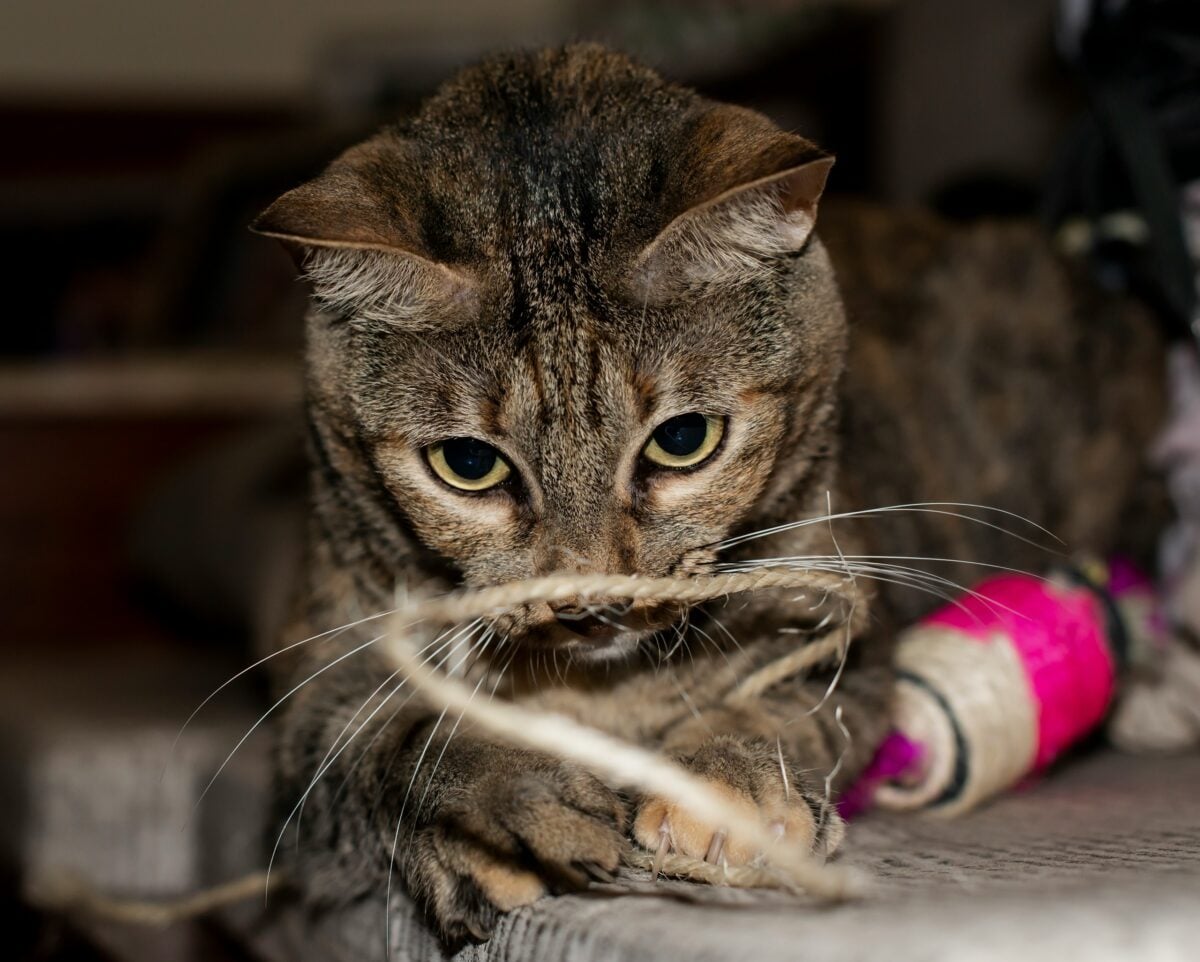
Make the Right Spot Better Than the Forbidden Spot
Your cat may be on the counter because it is high, interesting, smells like food, and puts them near you.
Fair enough. That is a strong sales pitch.
- Give them an alternative with similar benefits: a window perch, a cat tree near the kitchen, a chair beside your desk, a blanket in a sunny corner, or a sturdy shelf that is actually theirs.
- The closer the approved spot is to the action, the more likely your cat is to use it. A perch hidden in the spare bedroom is not going to compete with the countertop while you are opening a can of tuna.
- Make the approved spot worth their time. Toss a treat there. Leave a favorite toy on it. Offer attention when they settle there. Your cat may still inspect the counter now and then, but at least they have a better option.
Give Them Attention Before They Have to Demand It
Some chaos is really just your cat saying, “Hello. I would like to be included in your life now.”
That need to stay involved can show up in oddly specific places, too—like when your cat waits outside the bathroom door as though you have disappeared into a restricted wing of the house.
That does not mean you need to stop everything whenever they meow, walk across your keyboard, or sit directly on the book you are reading. Regular attention still helps.
Build a few small rituals into the day: a morning cuddle, a play session before dinner, a few minutes of brushing, a treat puzzle after work, or a quiet check-in before bed.
Cats often do better when affection and play are predictable. Your cat learns they do not need to knock a pen off your desk to get your attention. They can wait because they know their people time is coming.
Notice them when they are calm, too. Pet them while they are resting nearby. Offer a treat when they use the scratching post. Let them know that being sweet and quiet works just as well as creating a scene.
Set Up the House Like You Know Who You Live With
You would not leave a cake unattended at a toddler birthday party and expect perfect restraint.
The same logic applies to a curious cat and an open butter dish.
Secure breakables. Keep toxic plants out of reach. Put tempting food away. Use heavier pots for plants that have already become repeat victims. Close doors when needed. Keep a few toys in the rooms where your cat tends to get restless.
This is not surrender. It is a strategy.
Your cat does not need access to every shelf, every plant, every wire, or every expensive object you own. They need safe ways to climb, scratch, chase, explore, rest, and get your attention.
Know When “Chaos” Might Be Something Else
Normal mischief is one thing. A sudden behavior change is another.
New aggression, hiding, appetite or litter-box changes, unusual restlessness, or pain when touched are worth discussing with your veterinarian. Cats can hide discomfort well, and behavior changes may be the first clue that something else is going on.
Normal mischief is one thing. A sudden behavior change is another.
For everyday chaos, keep the toys handy, protect the breakables, and remember that your cat is not trying to ruin your life. They are just trying to make it more interesting.
Frequently Asked Questions About Chaos Cats
Most cat chaos has a perfectly normal explanation, even when it looks personal.
A moving foot can turn into prey. A countertop can become the best seat in the house. A purr can mean your cat is content right up until they decide they have had enough petting.
Here are a few questions cat parents ask when life with a tiny predator gets a little too interesting.
Why does my cat go from cuddly to chaotic so quickly?
Cats do not always separate affection, curiosity, and play into neat little categories. Your cat may genuinely want a head scratch, then notice a dangling drawstring, a moving shadow, or a bird outside the window. Their attention shifts, and suddenly the cuddle session is over.
That does not mean the affection was fake. It just means something more interesting happened.
Why does my cat get zoomies at night?
Cats are often most active around dawn and dusk, so their schedule does not always line up with yours. A late-night sprint through the hallway can also be a sign that they have energy to burn.
A short play session before bed can help. Let them stalk, chase, pounce, and catch a wand toy or kicker toy before you settle in for the night. It will not turn every cat into a perfect sleeper, but it may make 3:00 a.m. less dramatic.
Why does my cat bite me while purring?
A purring cat can be relaxed, but they can also become overstimulated during petting. Watch for a twitching tail, ears turning back, rippling skin, or a body that suddenly gets tense.
Some cats enjoy a few chin scratches and then reach their limit without much warning. The bite is often their way of saying, “That was lovely. We are done now.”
Does my cat know they did something wrong after knocking something over?
Probably not in the human sense.
That guilty face is usually your cat reacting to your voice, body language, or the sudden commotion, not reflecting, licensed via the moral consequences of knocking your plant off the table.
They may know that the crash got your attention. They are less likely to understand why you are upset about the pot than why you are suddenly standing in the living room talking loudly.
Why does my cat attack my feet under the blanket?
To your cat, a toe wiggling under the covers can look a lot like small prey moving through tall grass.
The blanket hides the source, the movement is unpredictable, and their hunting instincts take over. This is why it helps to avoid playing with hands or feet, especially when your cat is young. Save the chasing and pouncing for toys.
How do I keep my cat off the counter without yelling or using a spray bottle?
Make the counter less rewarding and give your cat a better place to be.
Keep food covered, wipe up crumbs, and offer a perch nearby where they can watch what you are doing. Then reward them when they choose that spot. A treat, a little praise, or a quick play session can make the approved area more appealing than the counter.
The goal is not to convince your cat that the counter is evil. It is to make the better option worth their time.
When is “chaos” a reason to call the vet?
Normal cat mischief is one thing. Sudden behavior changes are another.
Talk with your veterinarian if your cat becomes newly aggressive, hides more than usual, seems painful when touched, stops eating, changes litter-box habits, becomes unusually restless, or starts vocalizing far more than normal. Cats can hide discomfort well, and behavior changes may be the first sign that something is wrong.
Have another chaos-cat question? Leave it in the comments. Your question may save another cat parent from a butter-dish incident, a midnight ankle attack, or a suspiciously innocent plant-related disaster.
The Verdict: We Never Learn
You can buy the cat tree, hide the butter, secure the plants, and schedule the evening playtime. Your cat may still steal your chair, investigate your countertops, and look directly at you while considering whether your favorite glass needs to be on the floor.
That is part of the deal.
Then they curl up beside you, press a cold little nose against your cheek, start purring, and suddenly the entire criminal record disappears. They know they are cute. They know we are weak.
And, somehow, it works every time.
Which Chaos-Cat Move Does Your Cat Pull Most Often?
Is your cat a midnight zoomie specialist, a countertop researcher, a blanket-foot hunter, or a professional chair thief? Share their signature move in the comments.