When you purchase through links on our site, we may earn a commission at no extra cost to you. Learn more.
Why would a self-cleaning animal roll in dirt?
Table of Contents
It’s a fair question. But that bizarre belly-flop into the soil is more than play — it’s instinct, comfort, and communication all rolled into one.
What’s Going On When Cats Roll In Dirt?
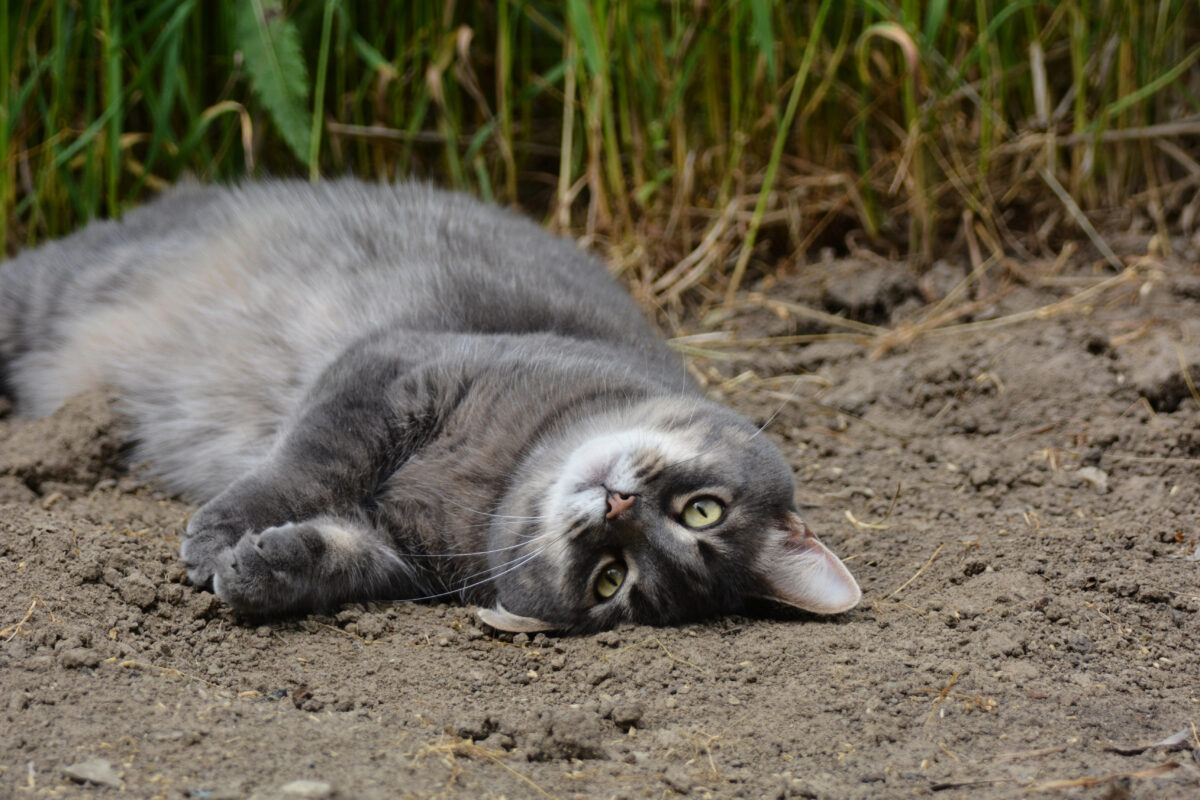
Your cat struts into the yard, spots a patch of soil, and collapses dramatically. Within seconds, she’s writhing, flopping, and twisting like a furry tornado. You call her name, but she’s in another world.
This weird display is called dust bathing, and while it might look ridiculous, it’s one of the most natural feline behaviors there is. From cooling off to scent marking, rolling in dirt serves real physical and emotional purposes.
Want our human-written content to rank above AI-generated garbage? Help us out by clicking this button!
And sometimes, it’s just for fun.
The Scene Every Cat Parent Knows
Cats are famous for their self-grooming routines, basically, the feline version of a daily spa day.

My cat Zaphod takes that reputation seriously. He’s a handsome boy and knows it, always looking perfectly fluffed and camera-ready. But he’s got one dirty little secret. Literally.
Zaphod loves dust bathing. Not just enjoys: adores.
The second he sees an open door, he’s gone like a furry escape artist. Once free from the velvet prison of indoor luxury, he beelines straight for his favorite patch of dirt by the fence, his personal spa, complete with nature’s finest exfoliant.
And then? He goes all in. We’re talking full roll, belly up, back down, a cloud of dust big enough to set off the smoke alarm.
By the time he’s done, he looks less like a sleek housecat and more like a fuzzy churro.
I don’t love the cleanup, but honestly, it’s worth it. It’s pure joy watching him live his best dirt-covered life.
So I keep a brush and wipes by the door, and let him go for it once every couple of weeks, when the weather (and the dirt) are just right for a proper Zaphod spa day.
10 Reasons Why Cats Roll In Dirt
Zaphod isn’t weird. He’s wired. Cats have an instinct to roll in dry soil or sand as a means of cleaning, cooling off, and communicating.
In the wild, big cats like lions and cougars also engage in dust bathing. Domestic cats inherited this same behavior — it’s part hygiene, part sensory therapy, and part social signal.
Let’s dig into the 10 most common reasons why cats roll in dirt.
1. It Feels Really, Really Good
Sometimes, the most straightforward answer is the right one. Cats roll in dirt because it feels incredible.
The texture of soil or dust against their skin helps massage muscles, loosen shedding fur, and satisfy hard-to-reach itches.
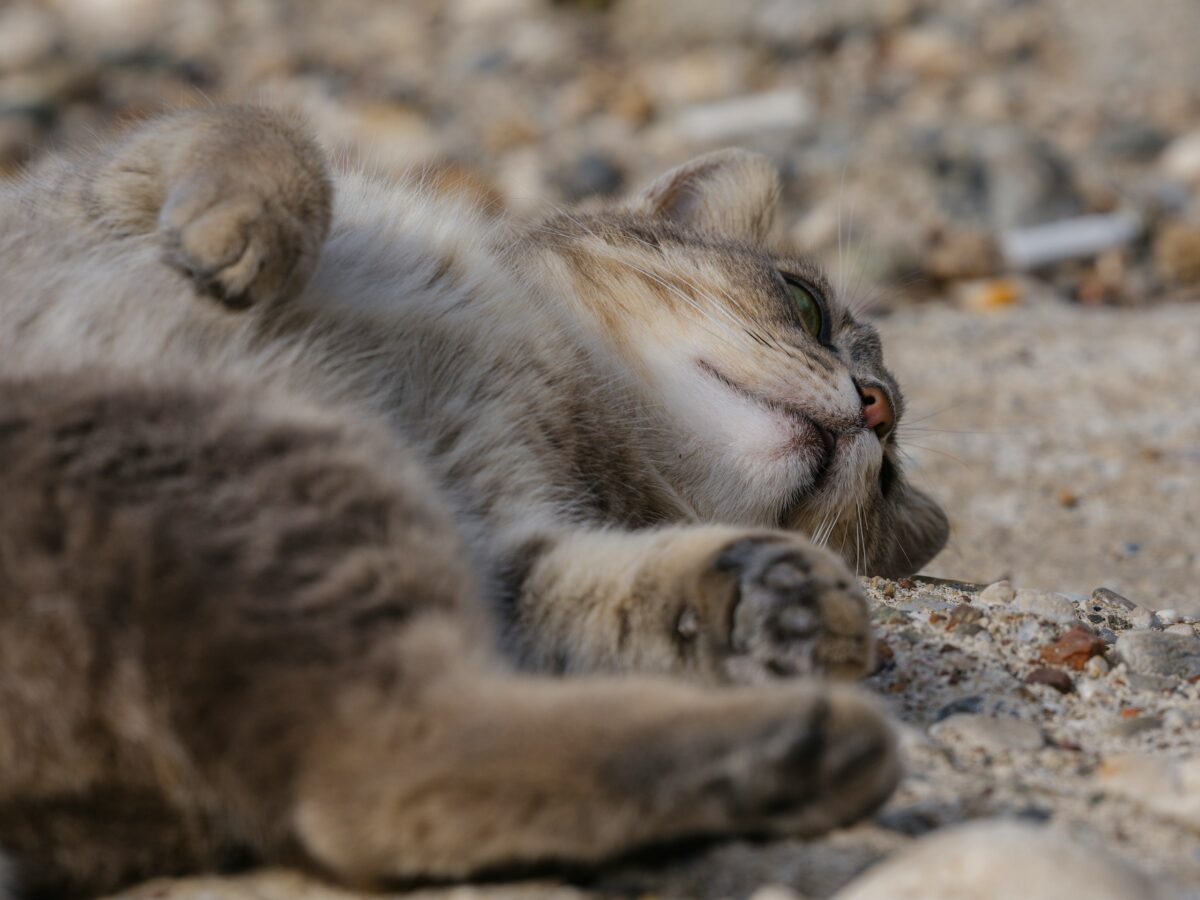
Rolling also releases tension, stretches the spine, and provides sensory pleasure, like a mini feline massage session.
Pro Tip: Brush your cat afterward. It helps remove excess dust and keeps the experience itch-free.
2. The Dirt Keeps Them Cool
Soil acts like natural air conditioning. Beneath the surface, it’s cooler and holds moisture. When a cat flops down and wiggles around, that cooler dust helps regulate body temperature.
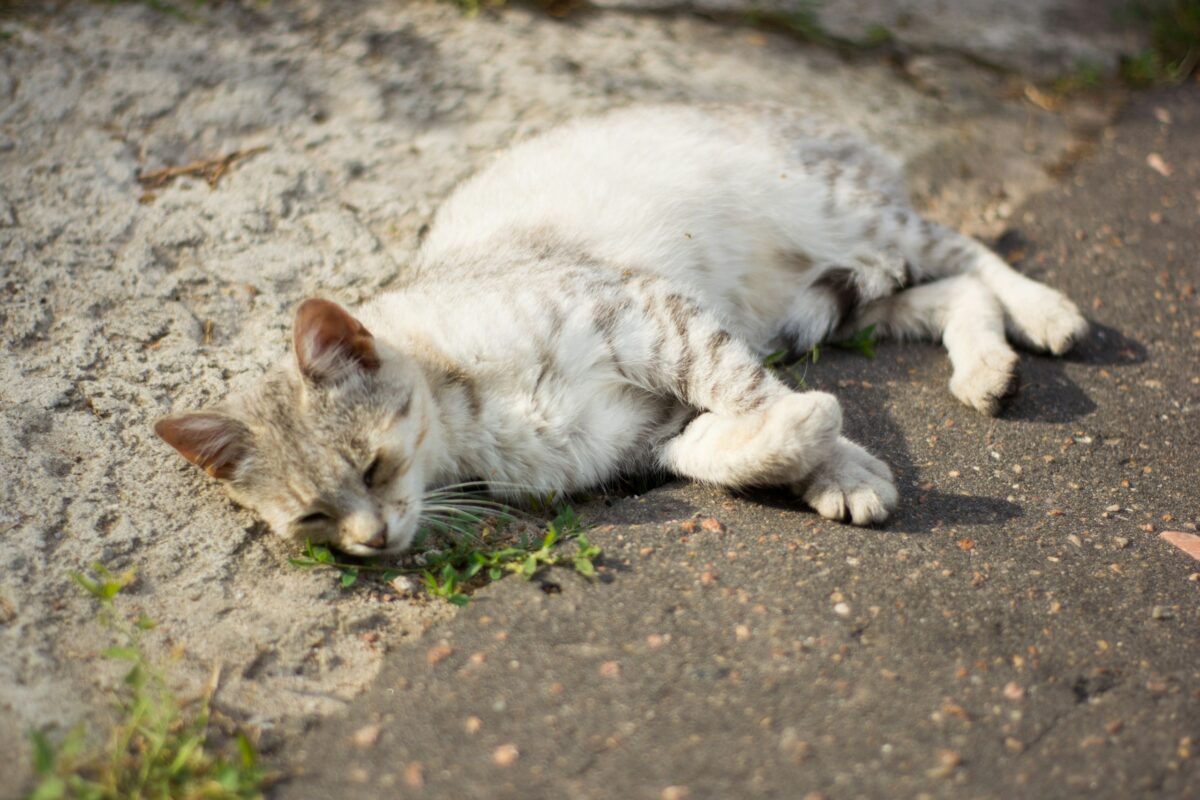
You may notice more dirt rolling during warm months, especially from long-haired breeds like Maine Coons, Persians, or Ragdolls, which tend to overheat easily.
3. They’re Relieving An Itch
Cats can’t scratch every spot, no matter how flexible they are. When an itch strikes in a hard-to-reach area, rolling in dirt provides instant relief. The rough texture massages their skin and helps remove loose fur or debris.
If your cat rolls in dirt more than usual or seems uncomfortable, though, it might signal skin irritation, dryness, or fleas.
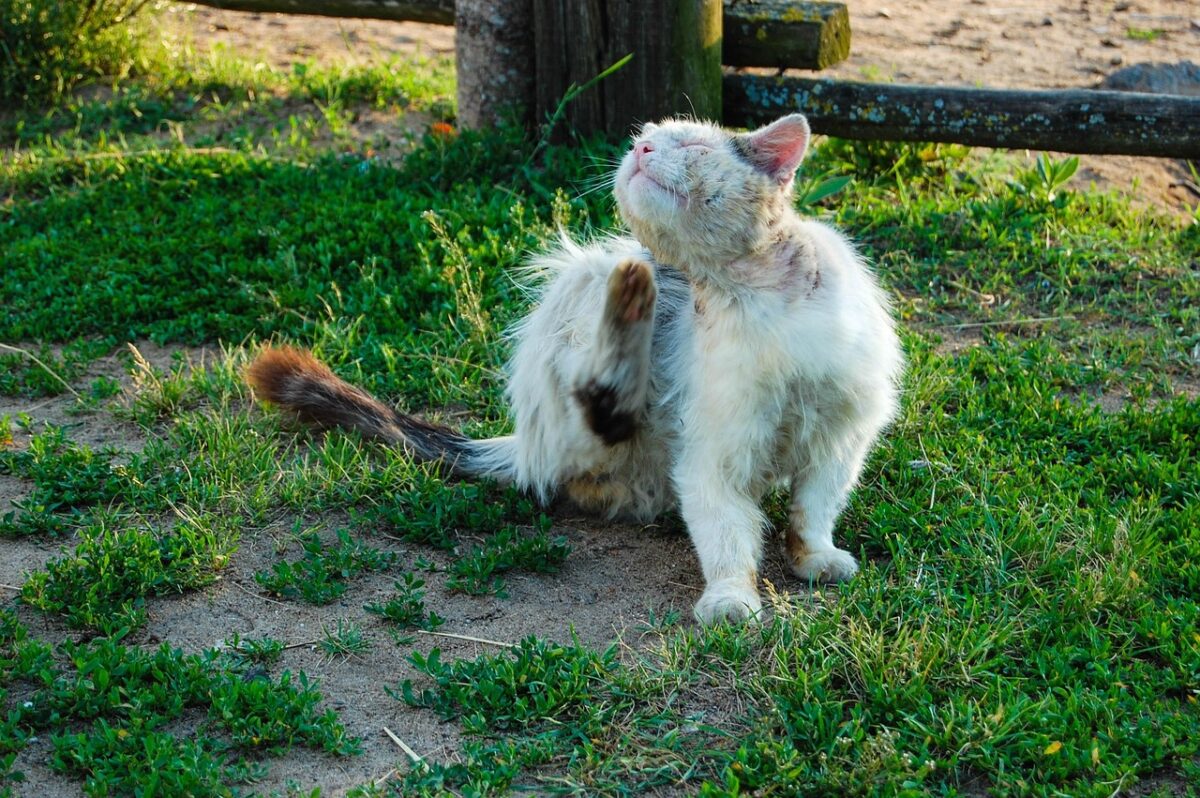
Allergies or pests like mites, fleas, and ticks can find their way to your cat’s fur and skin and cause an extremely uncomfortable situation. If you are concerned that your kitty is playing with the soil excessively due to skin irritation, infection, or allergy, it is best to contact your vet and have your kitty examined.
Quick Takeaway: Rolling can relieve itches, but persistent rolling might mean skin trouble. If you’re unsure, contact your vet. Thankfully, this is not an emergency unless your pet is in great distress or showing other signs of an allergic reaction or injury.
4. They Feel Safe & Relaxed
Rolling onto their back is one of the most vulnerable positions a cat can take. When they do it, it means they trust their surroundings, and often, you.
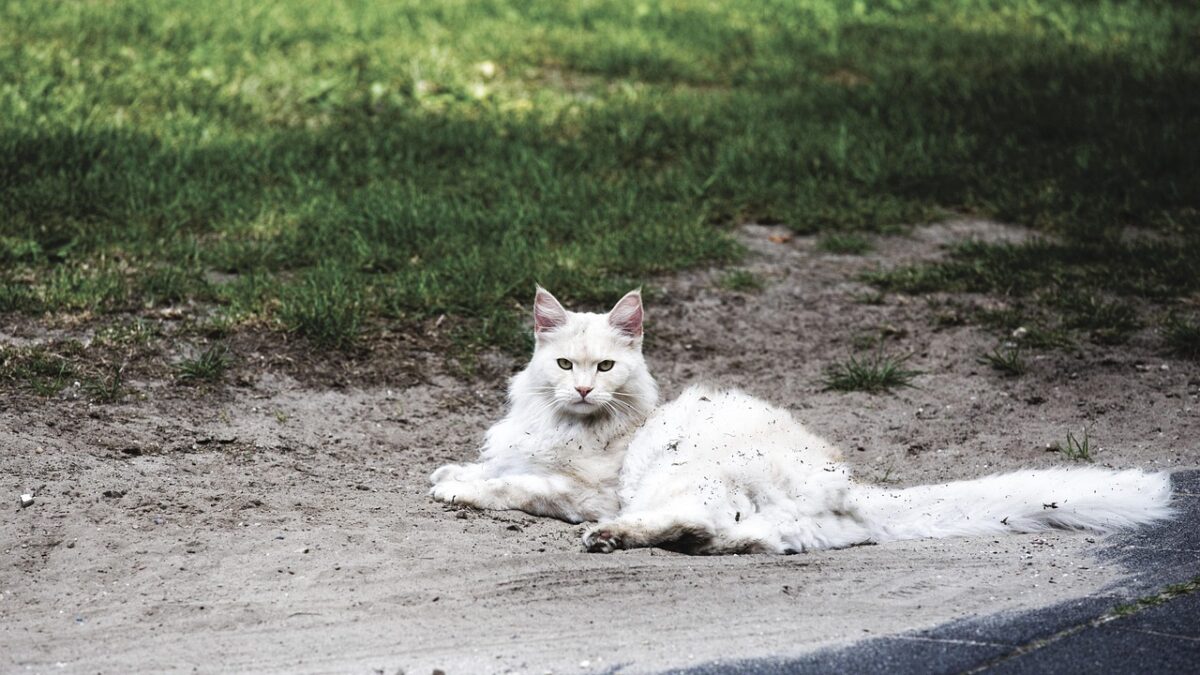
Dirt, grass, or a familiar outdoor spot can hold comforting scents that make your cat feel secure. Think of it as a feline version of kicking off your shoes and sinking into the couch after a long day.
5. It’s A Form Of Scent Marking
Cats have scent glands along their cheeks, flanks, and tails. As they roll, they deposit pheromones onto the ground.
This tells other animals, “This is mine.” It’s territorial communication through invisible scent language.

Outdoor cats often roll in their favorite spots repeatedly, refreshing their personal scent markers like a furry little landlord.
Why It Matters: Scent marking helps cats feel secure and calm in their environment.
6. Catnip Made Them Do It
When catnip, silvervine, or valerian enters the picture, all bets are off. The active compound in catnip, nepetalactone, triggers a temporary euphoric reaction in sensitive cats.
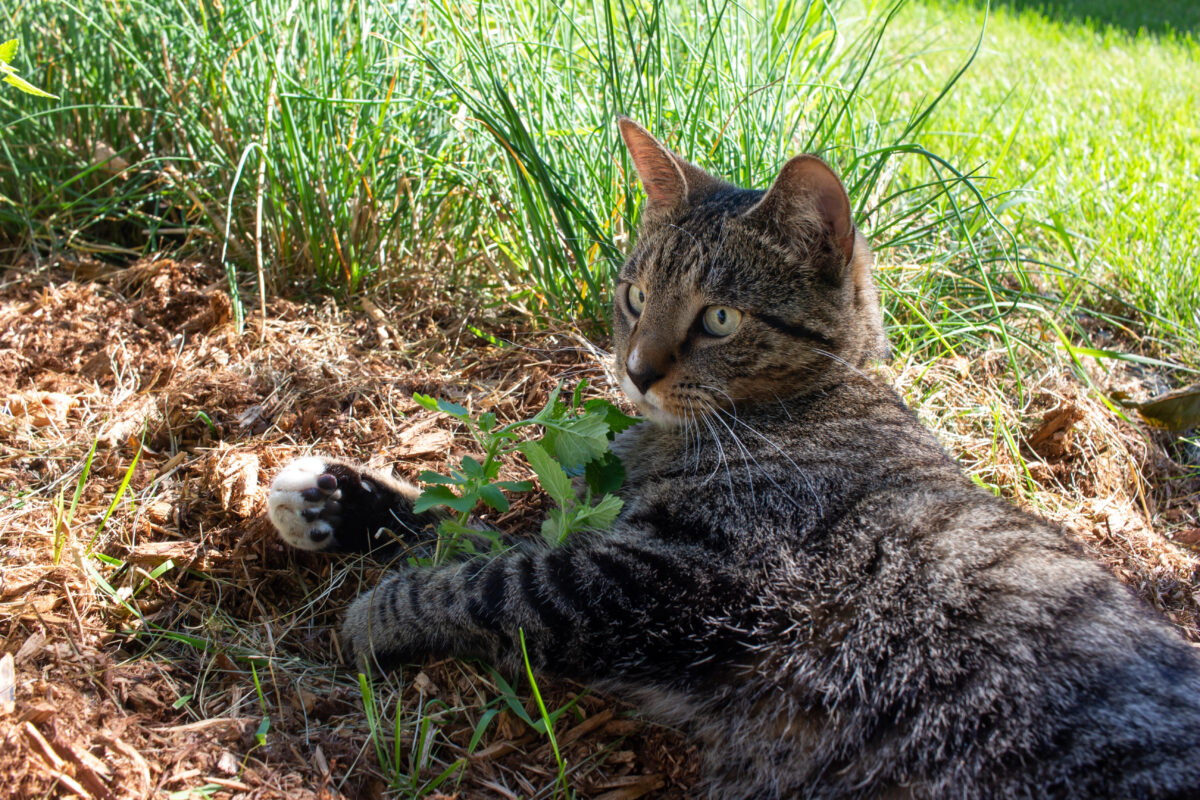
Rolling, rubbing, and blissed-out writhing are part of the high, and it’s completely harmless. The effect fades within about 10 minutes, leaving your cat calm, content, and maybe a little dusty.
7. It’s Play (And Practice For The Hunt)
Kittens and playful adults often roll as part of mock hunting or wrestling behavior. The dirt becomes a stage for imaginary battles — rolling, kicking, pouncing, and sprinting off again.
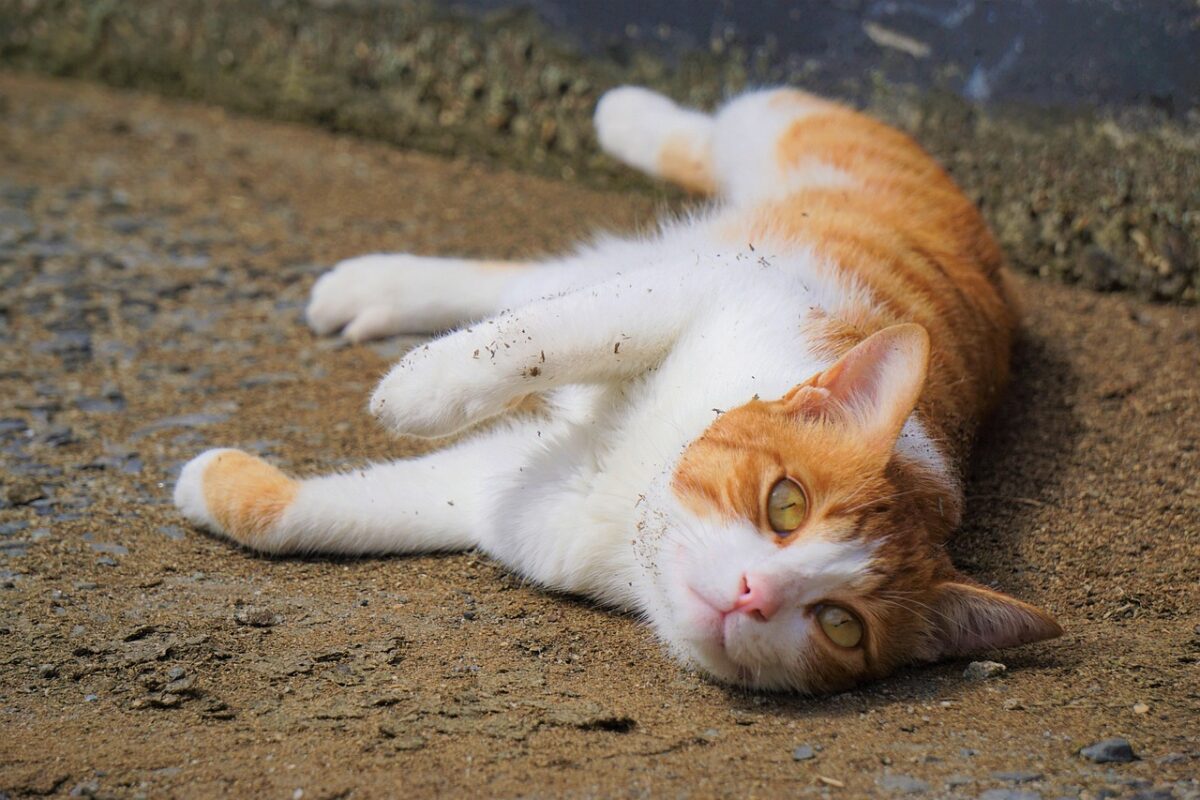
This helps them develop coordination and muscle strength while releasing pent-up energy. You might see tail flicks, chirps, or sudden zoomies afterward. That’s all part of the play cycle.
8. It’s Part Of Mating Behavior
If your female cat isn’t spayed and starts rolling more than usual, hormones could be the cause.
When cats are in heat, rolling can help spread pheromones that attract males. Some females roll right before or after mating as part of a hormonal ritual that helps stimulate ovulation.

Neutered or spayed cats can still roll out of habit, but the intensity usually fades.
Quick Takeaway: Rolling + loud meowing + restlessness? Likely mating behavior.
9. Digestive Health
It might not seem obvious, but rolling in dirt can actually play a small role in your cat’s digestive health. Cats are intelligent animals with strong instincts for self-maintenance, and sometimes they seem to know exactly what their bodies need.
After rolling in the soil, many cats lick their coats clean. In doing so, they may ingest trace amounts of beneficial microbes found in natural dirt.
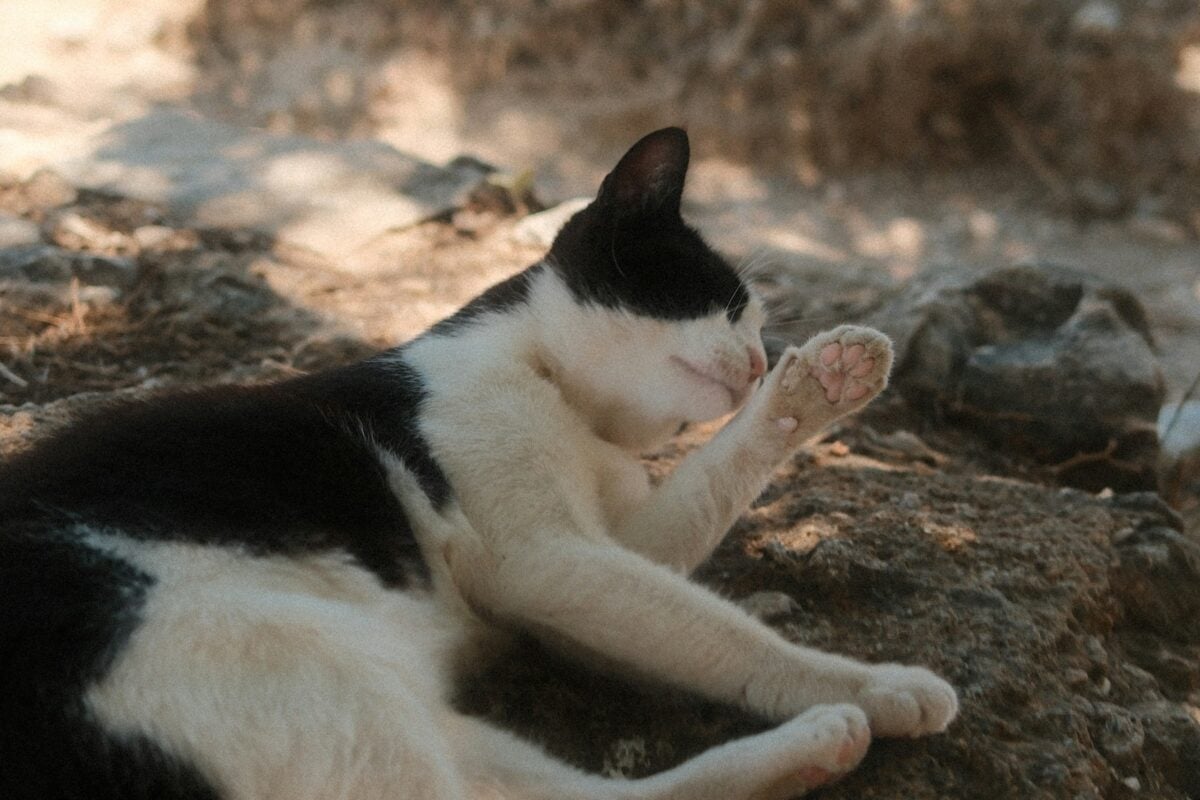
These microorganisms can support a healthy gut microbiome, which helps with digestion and overall immune balance.
Quick Takeaway: Rolling in dirt and grooming afterward may help cats maintain a balanced gut through natural bacteria exposure.
10. They Want Your Attention
Rolling isn’t always about dirt; it can also be a social move. Cats quickly learn that a dramatic flop earns instant human attention.
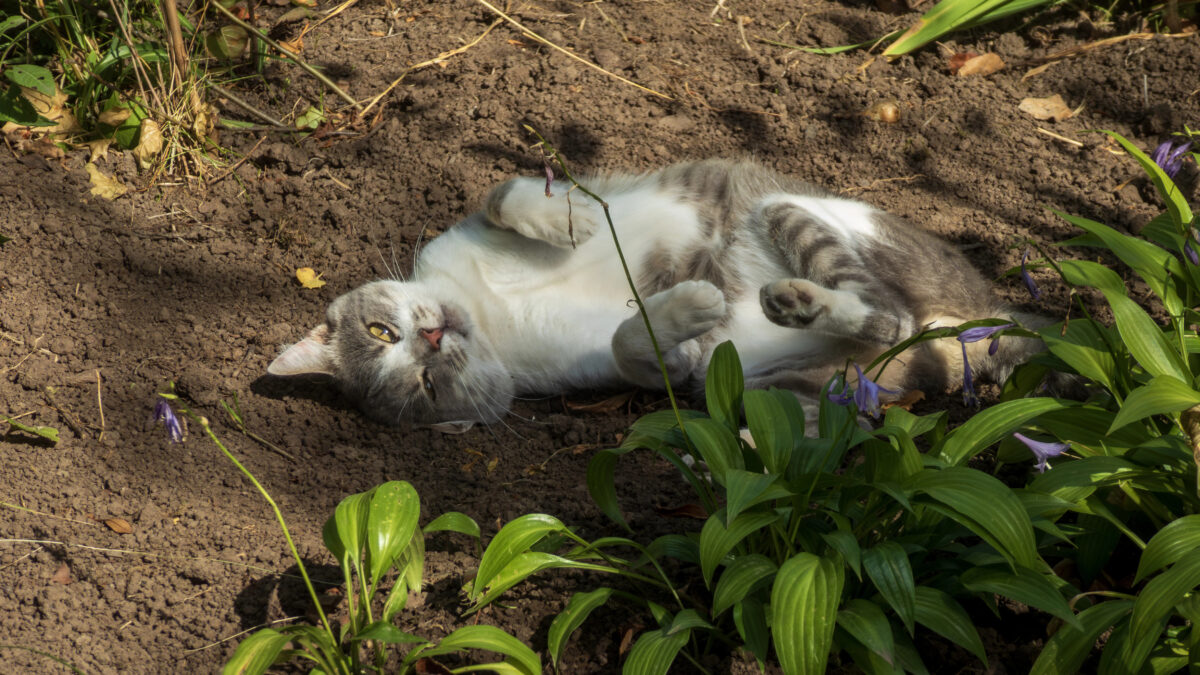
When your cat rolls in front of you, chirps, or makes eye contact, she’s inviting interaction and showing affection.
Warning: Rolling near you means affection and trust, but not always a belly rub request.
When Rolling Signals Something Else
Not all rolling is innocent. Sometimes, it’s a clue your cat’s uncomfortable.
Possible medical causes include:
- Allergies: Grass pollen, dust, or detergents.
- Parasites: Fleas or mites.
- Dry skin: Especially during winter or low humidity.
- Pain relief: Cats sometimes roll when trying to ease discomfort along their spine or belly.
If rolling is excessive or accompanied by distress, schedule a veterinary visit. Skin scrapings or allergy panels can pinpoint the issue.
When Rolling Might Be A Problem
Most dirt-rolling is harmless, but a few red flags are worth watching:
- Rolling combined with frantic scratching, hair loss, or scabs
- Rolling in areas treated with fertilizer, pesticides, or motor oil
- Sudden obsession with rolling paired with behavior changes
- Sneezing or skin irritation after outdoor exposure
If you notice any of these symptoms, check for fleas, allergies, or environmental triggers, and consult your veterinarian.
How To Let Your Cat Roll Safely
If your cat lives for dirt baths, you can let them indulge safely.
- Create a clean “rolling zone.” Choose a pesticide-free patch of soil or sand.
- Brush after each session. Removes debris, pollen, and possible insects.
- Use wipes for paws and coat. Especially important for indoor cats.
- Stay current on flea prevention. Rolling in dirt can expose your cat to parasites and other pests.
- Provide indoor alternatives. Cat grass trays or textured mats can mimic the feeling.
Indoor Versions Of Dust Bathing
Don’t have access to safe dirt? Your cat will find substitutes.
Many roll on carpet, catnip, or even warm laundry fresh from the dryer. It’s the same impulse: comfort, scent, and stimulation.
Try these dirt-free enrichment options:
- Sprinkle a little catnip or silvervine on a mat.
- Offer a low-pile rug or scratch mat in a sunny window.
- Keep a soft brush nearby for post-roll grooming.
Watch: This cat’s human took enrichment to the next level by bringing a warm concrete block inside.
Frequently Asked Questions
Even the most devoted cat parents still have questions about this strange habit. These quick answers cover the most common curiosities about feline dust bathing and why cats roll in dirt.
Don’t see your question? Respond in the comments, and we’ll get back to you!
Is a cat playing in its litter box like dust bathing?
No, these are not the same behavior. Some kitties will play around a bit, with some extra scratching and pawing after they do their business. However, a kitty rolling around the litter box is not normal.
Stop your cat from doing this if you can. Investigate what might be going on to cause this action.
Felines can start to do this if they are stressed or experiencing urinary tract issues, kidney malfunction, or cysts can all trigger this behavior. In some cases, felines may be itchy and try to use the litter to scratch. Intact females may start this if they are pregnant because of changing hormones.
Why Do Cats Roll In Dirt Right After I Garden Or Mow The Lawn?
Freshly turned soil smells irresistible. It’s full of new scents that cats love to investigate and claim.
Is It Okay To Let My Cat Roll In Dirt Daily?
Yes, as long as the area is clean, free of chemicals, and you groom them afterward. A quick brushing keeps their coat healthy.
Should I wash my cat after dust bathing?
That is always an option. Felines should not be bathed every day, though, so try to avoid allowing your cat to get dirty enough for that.
A good, thorough brushing can help keep your cat clean, as can pet wipes.
Can Dirt Rolling Help With Fleas?
It might temporarily soothe itching, but it doesn’t kill fleas. Use a vet-approved flea preventative instead.
More Curious Cat Behaviors Explained
Curious about other cat behaviors? heck out our guides on why cats twitch in their sleep, why cats lick then bite, and why cats tare at their owners.