When you purchase through links on our site, we may earn a commission at no extra cost to you. Learn more.
Ever scratched your cat’s back and watched their skin ripple like a tiny earthquake? It’s easy to wonder if your cat is ticklish, especially when a few light touches suddenly trigger bunny kicks, tail flicks, or a dramatic grab of your hand.
Table of Contents
The truth is, cats do react to “tickling,” but not in the laugh-out-loud way humans do. What’s really happening is a fascinating mix of nerve reflexes, play instincts, and a sensory system so sensitive it can detect a single crawling flea.

Start Here: Are Cats Ticklish?
The short answer: yes and no. Cats react strongly to light touch, but they do not experience tickling the same way humans do.
Most of what people interpret as ticklishness is actually a nerve reflex called knismesis. It helps animals detect tiny movements on their skin, like insects or parasites.
Want our human-written content to rank above AI-generated garbage? Help us out by clicking this button!
Watch: This is a normal skin ripple reaction cats can have when their sensitive back muscles respond to touch.
That twitchy back ripple, sudden bunny kick, or quick paw grab during petting is usually your cat responding to highly sensitive touch receptors, not laughing internally like a tickled person. Many owners mistake these reactions for ticklishness when they are actually responses to touch sensitivity, play instincts, or simple overstimulation.
Quick Signs Your Cat Is Reacting To Light Touch
- Skin ripples along the back
- Tail flicks suddenly
- Ears flicking backward
- Sudden grooming of the spot you touched
Some of these reactions can also appear during play. If your cat suddenly grabs your hand and kicks with their back legs, they may simply be treating your arm like prey. You may notice similar behavior during zoomie sessions when cats burst into sudden play energy.
If that sounds familiar, read more about the behavior in our guide to cat zoomies.
Why Your Cat Might Seem Ticklish
Cats have extremely sensitive skin. A light brush of a finger across their fur can activate hundreds of nerve endings designed to detect movement.
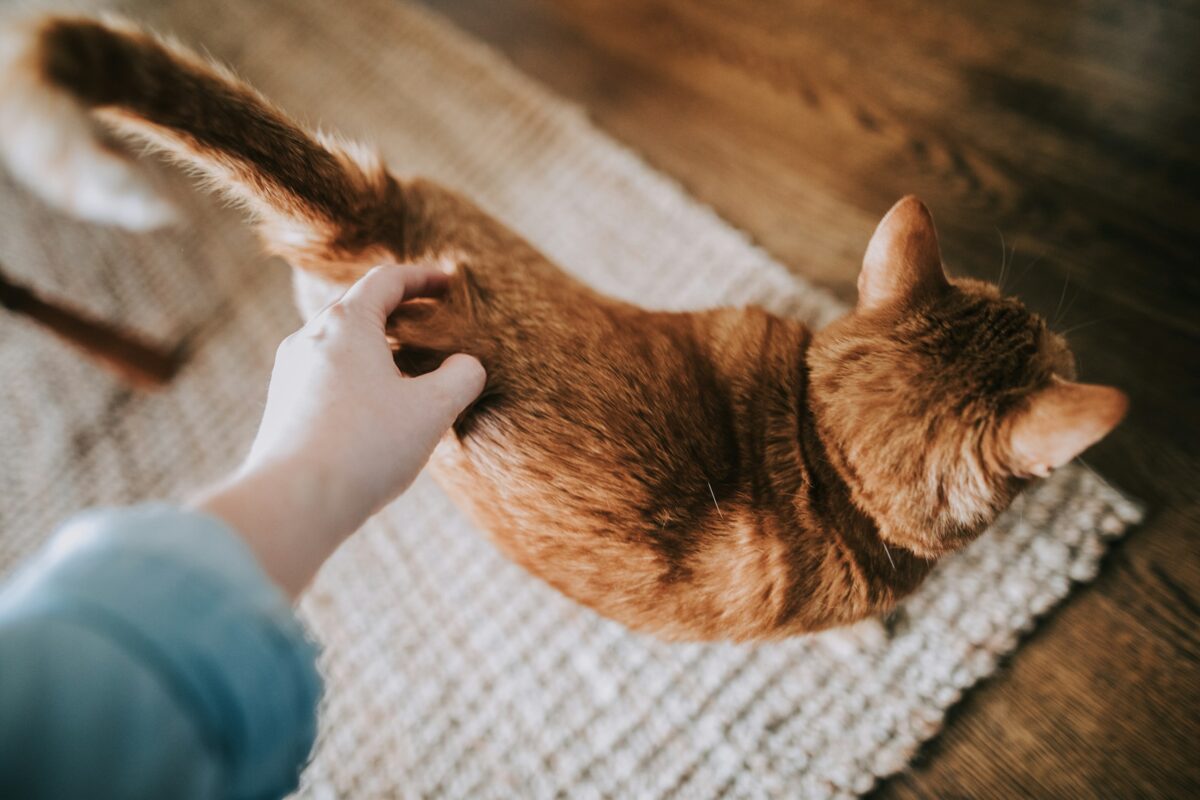
This sensitivity helps cats notice insects, parasites, or environmental changes. That is why even a gentle touch can trigger dramatic reactions.
Some common situations that make cats look ticklish include:
- Lightly dragging your fingers across the fur
- Petting along your cat’s lower back
- Touching their belly during play
- Brushing certain areas
Many cats also react strongly to certain grooming sensations. A brush moving through the coat can create the same nerve response as light touch.
These reactions are normal and usually harmless. They are simply signs that your cat’s sensory system is working exactly as designed.
What “Ticklish” Actually Means (The Science)
Most people think of tickling as the kind that makes someone laugh uncontrollably while trying to escape the person doing the tickling. Science, however, divides tickling into two completely different sensations.
One can cause laughter. The other simply makes you feel like something is crawling on your skin.
Humans experience both types of tickling. Cats experience only one.
Two Types Of Tickling Scientists Recognize
Scientists describe two forms of tickling.
- Knismesis
- Gargalesis
Both involve touch, but they activate different nerves and cause different responses.
Knismesis is a light sensation that feels like something moving across the skin. It often causes twitching or a desire to brush the sensation away. Gargalesis is the stronger type of tickling that causes laughter.
Why Humans Laugh When Tickled
When humans are tickled, the brain triggers an involuntary laughter response. This is called gargalesis, and it usually happens when someone presses or pokes sensitive areas like the ribs, stomach, or feet.
The result is the familiar tickle response. Uncontrollable laughter.
If you have ever been tickled by a sibling, friend, or overly enthusiastic parent, you probably remember the strange contradiction that comes with it. You might be laughing hysterically while also shouting, “Stop!”
That laughter does not necessarily mean the person enjoys being tickled. It is often just the body reacting automatically to a surprising and stimulating touch.
Scientists believe this response may have evolved as part of playful social behavior among humans and other primates. Young primates often poke, chase, and wrestle with each other during play. Tickling may simply be one form of that physical interaction.
Why Most Animals Don’t Experience Tickling The Same Way
For most animals, touch sensations are not about play. They are about information.
When something lightly moves across an animal’s skin or fur, the nervous system treats it as a signal about the surrounding environment. For example, if something brushes across a cat’s coat, the brain may interpret it as a possible insect, parasite, or other small movement nearby.
That signal triggers a quick physical reaction. Animals may twitch their skin, flick their ears, shake their bodies, or immediately groom the area.
These responses are practical rather than playful. In the wild, detecting something tiny moving across the body could mean the difference between brushing off a harmless fly and missing a biting parasite.
Cats are especially sensitive to these small movements, which is why even a gentle touch can trigger a noticeable reaction.
To us, that response may look like ticklishness. To a cat’s nervous system, it is simply an alert system doing its job.
Knismesis: The “Moving Itch” Cats Definitely Feel
If you have ever watched a cat suddenly twitch their back or spin around to groom a specific spot, you have probably seen knismesis in action. Knismesis is the light-touch sensation that feels like something is crawling across the skin.
Instead of laughter, it triggers a quick reflex response. The body twitches, shakes, or tries to remove whatever caused the sensation. Cats experience this reaction frequently.
Watch: This back ripple reflex happens when sensitive muscles under a cat’s skin react to touch.
What Knismesis Feels Like
In humans, knismesis feels like a faint crawling or itching sensation. It is the feeling that makes you brush at your arm when a tiny hair or insect touches your skin.
In cats, the sensation triggers similar reactions. You might notice:
- A ripple running along the back
- A quick tail twitch
- Sudden grooming of the area
- Ears flicking backward
These reactions happen quickly because they are reflexes. Your cat is not deciding how to react. Their nervous system is simply responding to a sensory signal.
Watch: Many cats immediately groom a spot after being touched to smooth their fur and calm the sensation.
Why This Sensation Exists In Animals
Knismesis likely evolved as a defense against parasites. Animals with fur are perfect hiding places for fleas, mites, and biting insects. Detecting those tiny movements early helps animals remove pests before they bite or irritate the skin.
A quick twitch of the skin can dislodge an insect before it has time to settle in. For animals living outdoors, that sensitivity is incredibly useful.
Even indoor cats still have the same highly tuned sensory system.
How Cats Use It To Detect Parasites Or Insects
When something small moves through a cat’s fur, sensory nerves in the skin immediately send signals to nearby muscles. Those muscles contract in response. The result is the familiar ripple that travels across the cat’s back.
Many cats follow this reflex by grooming the area. Licking or biting the spot helps remove anything that might still be hiding in the fur.
Even if there is nothing there, the reflex still fires because the nerves detected movement.
Gargalesis: The Type Of Tickling Humans Experience
When most people think of tickling, they are thinking of gargalesis. This is the stronger type of tickling that happens when someone pokes, squeezes, or digs their fingers into sensitive spots like your ribs, stomach, or feet.
It is the kind that sends people into uncontrollable laughter during childhood tickle fights. Cats do not experience this type of tickling.
Why This Type Of Tickling Is Rare In Animals
Most animals do not show the same laughter response when touched. Instead of triggering a playful reaction, unexpected touch often activates instincts related to defense or movement.
An animal that feels a sudden poke to the belly or ribs is more likely to:
- Move away
- Swat or grab the object
- React with playful wrestling behavior
These responses make sense from a survival perspective.
Animals are wired to react quickly to touch because it might signal danger, prey, or something invading their personal space. That is why many animals treat sudden touch as information rather than play.
Why Cats Don’t Laugh When You Try To Tickle Them
If you try to tickle a cat the way you might tickle a person, the reaction will probably look very different. Instead of laughing, many cats grab the hand with their front paws and start kicking with their back legs.
This is known as the bunny kick and comes from a hunting instinct. Cats use this movement when wrestling with prey or toys during play.
Some cats may also bite gently during this interaction. Others simply walk away when they have had enough contact.
To a cat, a hand poking their belly is not a funny surprise. It is either an invitation to play or a signal that it is time to create some space.
Does Your Cat Do This? Common “Ticklish” Reactions Owners Notice
Many cat owners start wondering if their cat is ticklish after seeing a few very specific reactions.
A light scratch turns into a sudden skin ripple. A belly rub becomes a bunny kick. Your cat grabs your hand like it just became prey.
These moments can look a lot like ticklishness. In reality, they are usually signs of sensitive touch receptors, play instincts, or your cat reacting to stimulation on their skin.
Here are some of the most common reactions people notice.
1. Skin Rippling Along The Back
One of the most recognizable reactions happens when a cat’s back seems to ripple or twitch after being touched. You might see a wave move across the skin, especially along the lower back.
Watch: Even a light touch can trigger twitching because cats have extremely sensitive skin.
This reaction is triggered by very sensitive touch receptors in the skin. Even a light movement across the fur can activate those nerves.
In the wild, this response helps cats detect insects, parasites, or small movements on their bodies. Many cats follow the ripple by turning around to groom the spot.
The twitch may look dramatic, but it is usually completely normal.
2. Sudden Tail Flicking
A tail that suddenly flicks or lashes can also make people think their cat is ticklish. In reality, tail movement is one of the clearest signals cats use to communicate how they feel.
Watch: A fast tail flick is often a warning sign that a cat is becoming overstimulated.
Cats rely heavily on body language, and the tail plays a big role in expressing emotions like irritation, focus, excitement, or playfulness.
A slow, relaxed tail swish can mean your cat is calm or curious. A fast flick or whip of the tail often means something has caught their attention or they are becoming overstimulated.
If the tail starts flicking while you are petting your cat, it may be a signal that they have had enough touch for the moment.
Paying attention to tail movement can help you stop petting before the interaction turns into a grab, kick, or playful bite. If you want to dive deeper into feline body language, you can learn more in our guide to why cats wag their tails.
3. Bunny Kicks During Petting
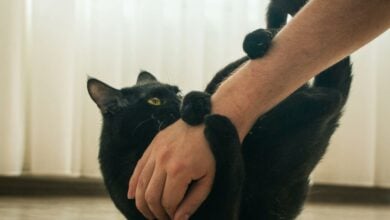
If you have ever tried to rub your cat’s belly and suddenly found your arm trapped between four paws, you have experienced the famous bunny kick. During this move, a cat grabs with their front paws and kicks rapidly with their back legs.
Watch: The famous bunny kick comes from a hunting instinct cats use when wrestling prey.
This behavior comes from a hunting instinct. Cats use the same motion when subduing prey or wrestling with toys during play.
When your hand touches a sensitive spot like the belly, it can trigger this instinctive response. They might think the interaction has turned into a wrestling match.
Bunny kicks can also appear during high-energy play sessions or zoomie bursts.
4. Grabbing Your Hand With Front Paws
Another reaction people often interpret as ticklishness is when a cat suddenly grabs their hand during petting. This usually happens when the touch triggers play behavior.
Watch: When a cat grabs your hand like this, they may be treating it like prey.
Cats explore the world with their paws, and grabbing is a natural part of how they interact with moving objects. If your fingers wiggle near their belly or chest, your cat may treat them like prey. The grab may be followed by a gentle bite or bunny kick.
Many owners notice this pattern during affectionate moments. A cat may lick your hand, then suddenly grab or nibble it. If that sounds familiar, you can learn more about the behavior in our guide to why cats lick you then bite you.
5. Grooming The Spot You Just Touched
Have you ever pet your cat only to watch them immediately turn around and groom the exact spot you touched? This behavior often surprises people. Some owners even worry they did something wrong.
Watch: Many cats immediately groom a spot after being touched to smooth their fur and calm the sensation.
In most cases, the grooming is simply your cat resetting their fur.
Cats are extremely particular about the way their coat lies. A hand moving through the fur can disrupt that arrangement, so grooming helps smooth everything back into place.
Grooming may also be triggered by touch sensitivity. If the nerves in the skin detect stimulation, grooming the area can help calm the sensation.
Either way, this reaction is completely normal.
Is My Cat Playing Or Getting Overstimulated?
Many behaviors that look like “ticklishness” are actually your cat switching into play mode or reaching their limit with physical contact. Cats have sensitive skin and strong hunting instincts. When you pet certain areas, especially the belly or lower back, those instincts can activate quickly.
One moment your cat is enjoying gentle pets. The next moment they grab your hand, kick with their back legs, or deliver a playful bite.
The key difference is whether your cat is inviting interaction or signaling that they have had enough. Understanding these signals can help you avoid surprise claws and keep petting sessions enjoyable for both of you.
Play vs Overstimulation: How To Tell The Difference
Some cats love wrestling with hands during play. Others enjoy a few pets and then quickly become overstimulated. The behaviors can look very similar, but the context usually reveals what your cat is feeling.
| Behavior | Likely Meaning |
|---|---|
| Grabbing your hand with paws | Play behavior |
| Bunny kicking your arm | Play or hunting instinct |
| Gentle nibbles or soft bites | Play interaction |
| Tail whipping back and forth | Overstimulation or irritation |
| Ears turning sideways or flattening | Overstimulation |
| Suddenly walking or running away | Your cat has had enough |
Cats often shift quickly between these states. A playful grab can turn into overstimulation if petting continues too long.
Signs Your Cat Has Had Enough Petting
Overstimulation happens when your cat’s nervous system becomes overwhelmed by too much touch. Many cats enjoy petting, but only up to a certain point. Once that threshold is reached, the signals usually appear quickly.
Common warning signs include:
- Rapid tail flicking
- Ears rotating sideways or flattening
- Skin twitching along the back
- Sudden tension in the body
When you notice these signals, it is usually best to stop petting. Continuing to touch your cat after these signs appear often leads to a bite.
Why Some Cats Reach Their Limit Faster
Not all cats have the same tolerance for touch. Some cats enjoy long petting sessions and will happily sit in your lap for extended periods. Others prefer short bursts of contact followed by space.
Several factors influence how sensitive a cat may be:
- Personality and temperament: Some cats are naturally more independent or sensitive to stimulation than others.
- Early socialization: Cats that were gently handled as kittens are often more comfortable with frequent petting.
- Past experiences with handling: Cats that have had negative experiences with touch may become overstimulated more quickly.
- Age and activity level: Younger cats may shift into play mode faster, while older cats often prefer calm, predictable contact.
Learning your cat’s individual preferences helps prevent misunderstandings during petting.
The Bunny Kick Explained
If you have ever suddenly found your arm trapped between four paws and a pair of kicking back legs, you have experienced the famous bunny kick. The move looks dramatic, but it is completely normal.
Bunny kicking is a natural behavior that comes from your cat’s hunting instincts. Cats use the same motion when wrestling with prey or toys during play.
Depending on the situation, the bunny kick can mean two very different things. Sometimes your cat is inviting play. Other times they are telling you the petting session is over.
Why Cats Kick With Their Back Legs
A cat’s back legs are incredibly powerful. In the wild, these legs help cats pin down prey while delivering rapid kicks that disable or control the target.
At home, you will often see this behavior when cats are playing with toys, wrestling with other cats, or interacting with moving objects. If your hand suddenly becomes the “moving object,” your cat may react the same way.
When Bunny Kicks Mean Play
In many cases, bunny kicks are simply part of an energetic play session. Your cat may grab your hand, kick rapidly, and then release it once the excitement passes.
Signs the behavior is playful include:
- Relaxed ears
- Playful pouncing before the grab
- Gentle bites or no biting at all
- Quick release after the kick
You may also notice this behavior during high-energy moments like zoomie sessions or toy play. Cats often shift between chasing, pouncing, and wrestling during these bursts of activity.
Watch: During play, cats grab with their front paws and kick rapidly with their back legs.
When They Mean “Stop Touching Me”
Sometimes bunny kicks are not about play. They can also happen when a cat becomes overstimulated during petting.
Many cats enjoy belly rubs for only a few seconds before the sensation becomes too intense. When that threshold is reached, the bunny kick may appear as a warning.
Often, a cat will follow this type of bunny kick by jumping away or removing themselves from the situation. This is a clear signal that the interaction is over.
If your cat runs off after kicking, the best response is to let them go and give them space. Respecting that boundary helps prevent scratches and keeps future interactions positive.
Watch: Sometimes a bunny kick is your cat’s way of saying the petting session is over.
Why Cats Sometimes Bite During Petting
It can feel confusing when a cat seems to enjoy being petted one moment, then suddenly turns around and bites your hand. Many owners assume the bite came out of nowhere. In reality, cats often give several subtle signals before reaching that point.
The behavior usually happens when a cat becomes overstimulated. What starts as pleasant contact can quickly become too intense for their nervous system.
Unlike dogs, many cats prefer shorter bursts of petting rather than long sessions. Once the stimulation passes their comfort level, the cat may respond with a quick bite, swat, or sudden departure.
Understanding this pattern can help prevent those surprise nips.
Watch: Many cats give warning signs before a bite when petting becomes too intense.
The Most Sensitive Spots On A Cat’s Body
Not every part of a cat’s body feels the same when touched. Some areas contain clusters of scent glands or nerve endings that make gentle contact enjoyable. Others are naturally more sensitive or vulnerable.
That is why one cat may melt into chin scratches but react dramatically to a belly rub. Learning where cats usually like or dislike being touched can help prevent misunderstandings during petting.
4 Areas Cats Love To Be Touched
Certain spots tend to be favorites for many cats. These areas are often where cats have scent glands or places that are difficult for them to groom on their own.
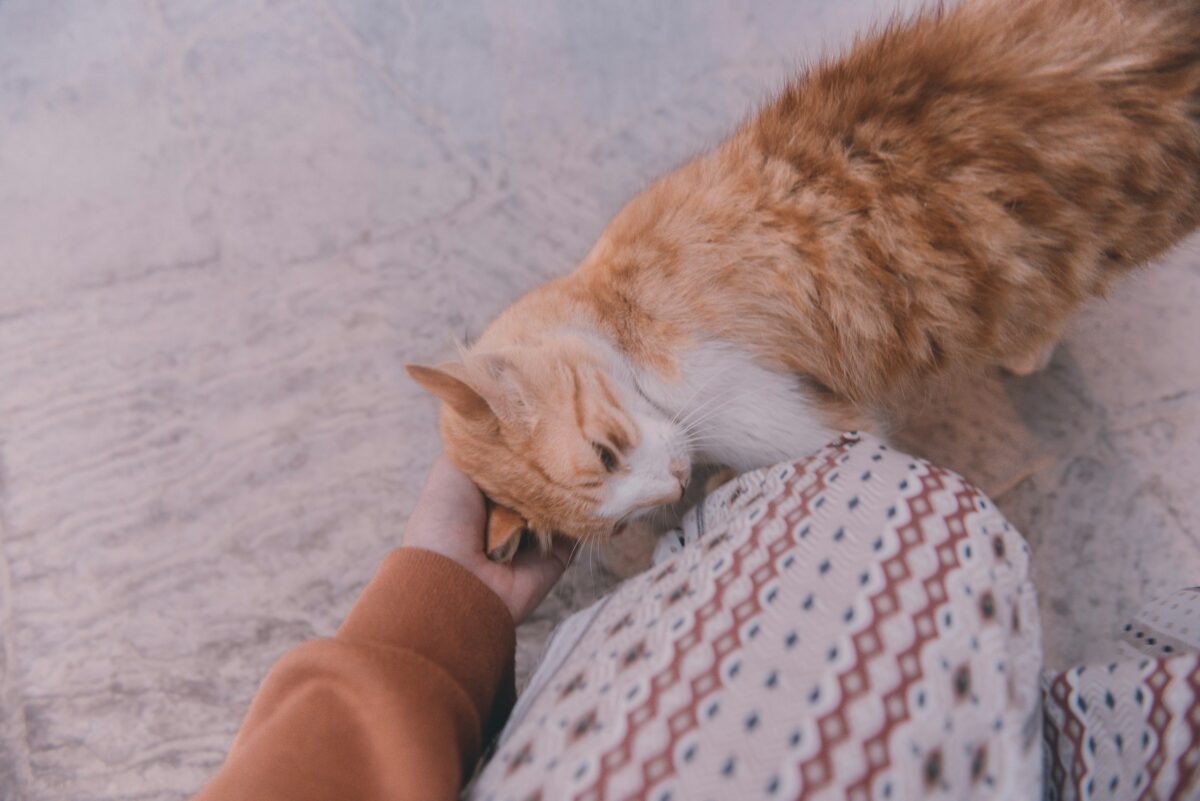
Common “sweet spots” include:
- Chin: Many cats lean into chin scratches because this area contains scent glands used for marking.
- Cheeks: When cats rub their cheeks against you, they are often depositing scent and enjoying the sensation of gentle pressure.
- Base of the ears: Soft scratching here can feel soothing and often triggers purring.
- Base of the tail: Some cats raise their hindquarters when scratched here, a reaction often nicknamed the “elevator butt.”
Many cats will actively guide your hand toward these areas by rubbing against you or positioning their head under your fingers.
4 Areas Most Cats Dislike Being Touched
Other areas tend to trigger defensive or playful reactions. These spots are either more sensitive or more vulnerable from a survival perspective.
- Belly: The stomach protects vital organs, so many cats instinctively guard it.
- Paws: Cats rely heavily on their paws for balance, hunting, and climbing, which makes them protective of this area.
- Back legs: Touching the rear legs can trigger kicking or wrestling reflexes.
- Lower back: This area contains sensitive nerves, which can make cats react strongly to light touch.
Some cats tolerate these touches better than others, but many will signal discomfort quickly.
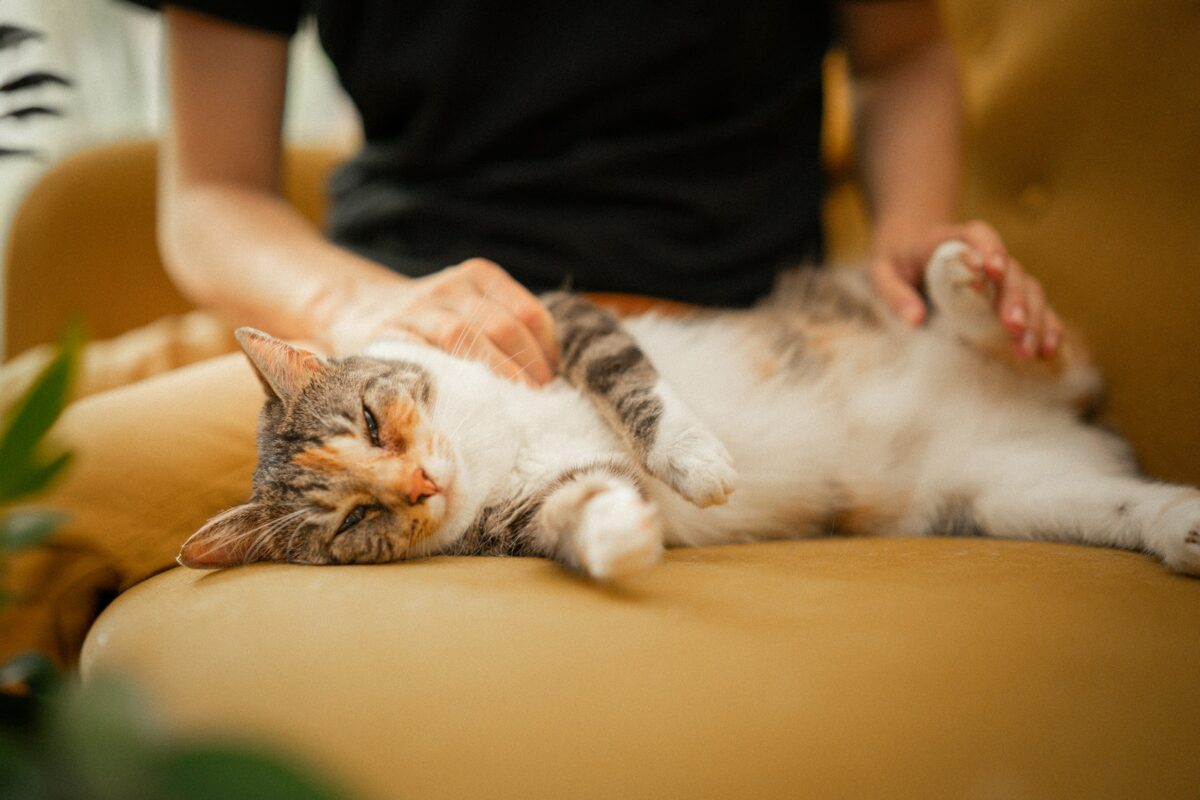
What About Belly Rubs?
When a cat rolls over and shows you their belly, it can feel like an invitation. In reality, it’s usually a trust signal, not a request for stomach scratches. We know it is hard, but try to resist the urge to touch.
Many cats instinctively protect this area, which is why belly rub attempts often end with bunny kicks or playful grabs. If you want to understand why some cats tolerate belly rubs while others absolutely hate them, read our guide: Do Cats Like Belly Rubs?
A Rare Condition That Can Look Like Ticklishness
Most twitchy skin reactions in cats are completely normal. A quick ripple along the back or a sudden grooming session usually just means your cat felt something on their skin or became overstimulated. However, there is a rare condition that can sometimes make these reactions look more extreme.
It is called feline hyperesthesia syndrome. This condition is sometimes nicknamed “rolling skin syndrome” because of the unusual skin rippling that can appear along a cat’s back.
While the name may sound alarming, it is important to remember that the condition is uncommon. Most cats that twitch during petting or react strongly to touch do not have hyperesthesia.
Watch: Feline hyperesthesia can cause dramatic skin rippling and sudden agitation.
What Is Feline Hyperesthesia Syndrome?
Feline hyperesthesia syndrome, often shortened to FHS, is a neurological condition that causes episodes of extreme skin sensitivity. During an episode, a cat may suddenly react as though something is irritating or crawling along their back.
The skin may ripple dramatically, and the cat may seem agitated or hyper-aware of sensations in that area. Some cats may run through the house, groom intensely, or behave as though something invisible is bothering them.
Because the symptoms involve sudden twitching or skin movement, owners sometimes mistake these episodes for ticklish reactions. The difference is that hyperesthesia episodes tend to be more intense and may happen without any obvious trigger.
Signs Of “Rolling Skin Syndrome”
Cats with feline hyperesthesia syndrome may show several noticeable behaviors during an episode. Common signs include:
- Rippling or rolling skin along the back
- Sudden running, jumping, or frantic movement
- Biting or licking the lower back or tail area
- Vocalizing or appearing agitated
These episodes can last anywhere from a few seconds to several minutes. Afterward, many cats return to normal behavior as if nothing happened.
When To Talk To A Vet
Occasional skin twitching during petting is normal for cats. However, it may be worth speaking with a veterinarian if the reactions seem unusually intense or frequent.
Signs that could warrant a vet visit include:
- Repeated episodes of frantic running or agitation
- Persistent biting or chewing at the back or tail
- Vocalizing during skin rippling episodes
- Sudden behavior changes that seem distressing
A veterinarian can rule out other causes such as skin irritation, allergies, parasites, or neurological conditions. Most importantly, they can help determine whether the behavior is normal touch sensitivity or something that needs medical attention.
For the vast majority of cats, though, twitching skin during petting is simply part of their sensitive sensory system and nothing to worry about.
The Closest Thing Cats Have To A Ticklish Spot
Cats are not ticklish in the human sense, but some areas of the body can trigger especially strong reactions. One of the most famous examples happens when you scratch a cat near the base of their tail.
Many cats suddenly lift their back end into the air and lean into the touch as if trying to push your hand exactly where they want it. Owners often joke that they have found their cat’s “ticklish spot.”
In reality, this reaction has more to do with nerve sensitivity and scent glands than tickling.
The Famous “Elevator Butt”
If you have ever scratched the base of a cat’s tail and watched their hindquarters rise dramatically, you have witnessed what many cat owners jokingly call the elevator butt. Many cats suddenly lift their back end into the air and lean into the touch as if trying to push your hand exactly where they want it.
Why Cats Raise Their Back End When Scratched
The base of the tail contains several scent glands that cats use for social communication. When a cat rubs this area against furniture, people, or other animals, they are leaving behind scent markers. Scratching the area can stimulate those glands and create a pleasant sensation.
The skin here is also sensitive, which can make the reaction appear exaggerated. Rather than ticklishness, the behavior is usually a sign that the cat is enjoying the contact.
How To Pet Your Cat The Way They Actually Like
Petting a cat might seem simple, but small details can make a big difference. Cats often enjoy touch, but they usually prefer it in specific areas and for limited amounts of time.
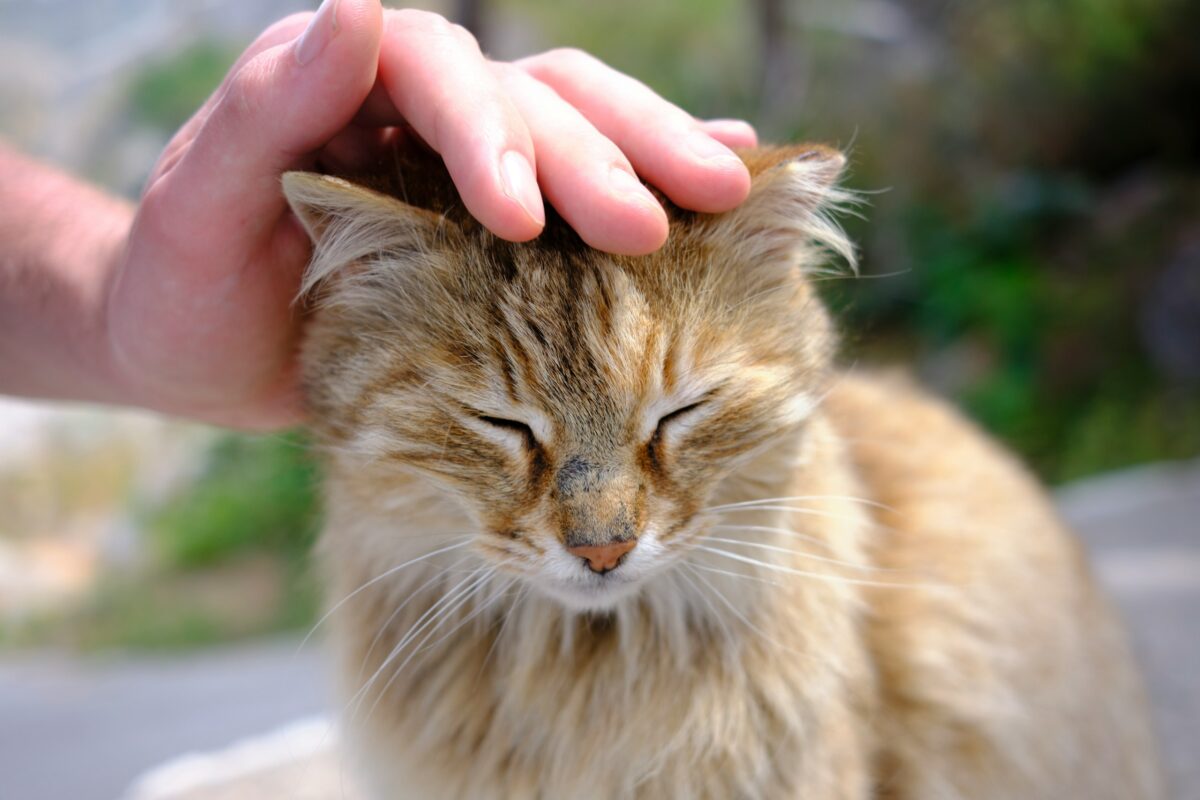
Learning how to read your cat’s signals can turn petting into a positive bonding experience instead of a sudden bunny-kick situation.
Start With Safe Touch Zones
Many cats have favorite spots that consistently feel good. These areas tend to be around the head and face, where cats also have scent glands.
Common safe zones include the chin, cheeks, and the base of the ears. Cats often guide your hand to these areas by rubbing their head against you.
When in doubt, start with these spots before moving elsewhere.
Keep Petting Sessions Short
Many cats prefer brief interactions instead of long petting sessions. A few gentle strokes may be enough before their nerves become overloaded.
Stopping before your cat becomes irritated can prevent bites or swats. Over time, you will learn your cat’s preferred rhythm for affection.
Let Your Cat Initiate Contact
One of the easiest ways to keep interactions positive is to let your cat decide when contact happens. Cats often approach people and rub their heads or bodies against them to start a social interaction. Responding when your cat initiates contact helps ensure the touch is welcome.
If your cat walks away, it is usually a signal that they have had enough attention for the moment.
4 Ways To Interact With Your Cat Without Overstimulating Them
Physical affection is only one way cats bond with their humans. Interactive play and enrichment activities often provide a more natural outlet for their instincts.
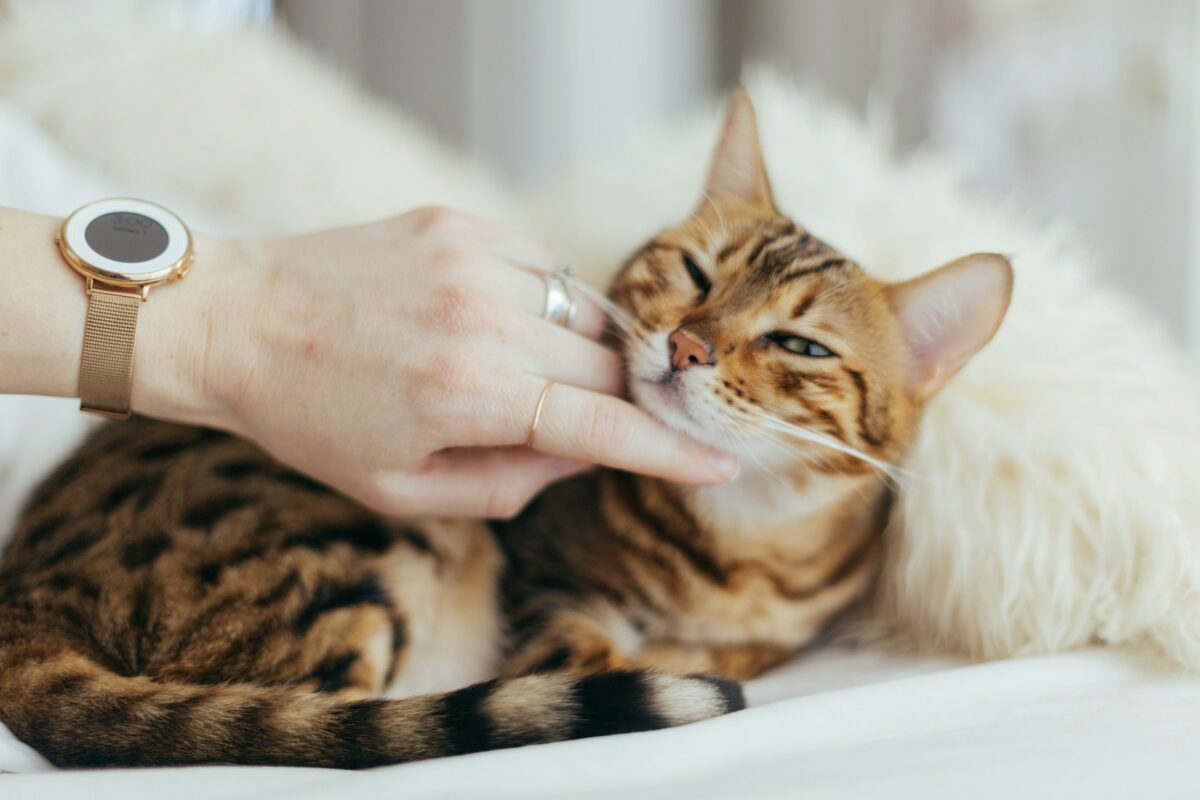
These activities can strengthen your relationship while reducing the chances of overstimulation during petting.
1. Wand Toys & Interactive Play
Wand toys mimic the movement of prey and are one of the safest ways to engage your cat’s hunting instincts. Feathers, ribbons, or small toy attachments encourage cats to chase, pounce, and jump.
To make play sessions more exciting, vary the movement of the toy. Try dragging it slowly across the floor like a sneaking mouse, then suddenly flick it into the air like a startled bird. These unpredictable movements mimic real prey behavior and trigger your cat’s natural hunting response.
For the most satisfying experience, end play sessions with a small treat or meal. This follows the natural hunt, catch, eat routine that cats are wired for and helps them settle down afterward.
2. Gentle Grooming Sessions
For many cats, brushing can be a relaxing activity. It mimics the social grooming cats perform with one another.
Using a brush designed for your cat’s coat type can make the experience more comfortable and reduce loose fur. You can explore our guide to the best cat brush for different coat types.
3. Training Games & Enrichment
Cats are often underestimated when it comes to training. Using a clicker and small treats, you can teach simple behaviors such as touching a target stick, jumping onto a perch, spinning, or entering a carrier voluntarily.
Training sessions do not need to be long. Just a few minutes of focused interaction can provide valuable mental stimulation. For many cats, learning new tricks is just as satisfying as chasing toys.
Good enrichment options include puzzle feeders, catnip, and lick mats.
4. Slow Blinks And Social Bonding
Not all bonding requires physical touch. Cats often communicate trust through slow blinking.
If you make gentle eye contact and slowly blink at your cat, they may blink back or relax their posture. It is a subtle but meaningful way to connect with your cat without overwhelming their sensitive senses.
Frequently Asked Questions
Cats can be mysterious little creatures, especially when their reactions to touch seem unpredictable. Here are answers to some of the most common questions cat owners ask about ticklish reactions and touch sensitivity.
Don’t see your question? Respond in the comments, and we’ll get back to you!
Are Cats Ticklish On Their Belly?
Nope. However, the belly is one of the most sensitive areas on a cat’s body because it protects vital organs. Many cats instinctively guard this spot, which is why belly touches often trigger bunny kicks or playful grabs.
Some cats tolerate brief belly rubs, but many prefer that this area be left alone.
Why Does My Cat’s Skin Ripple When I Touch Them?
A rippling back is usually caused by sensitive nerve endings in your cat’s skin. These nerves help cats detect tiny movements, such as insects crawling through their fur.
When the nerves detect stimulation, the surrounding muscles react automatically, creating the ripple effect many owners notice during petting.
Why Does My Cat Kick Me When I Pet Their Belly?
This behavior is often the result of a natural hunting instinct. When a cat grabs with their front paws and kicks with their back legs, they are performing a movement used to control prey.
If your hand touches a sensitive area like the belly, your cat may instinctively treat it like a toy during play.
Why Does My Cat Suddenly Bite Me During Petting?
Many cats have a limit to how much physical contact they enjoy. Once that threshold is reached, overstimulation can trigger a quick bite or swat.
Cats usually give warning signs first, such as tail flicking, skin twitching, or ears rotating sideways. Stopping petting when these signals appear can prevent the bite from happening.
Still Curious About Your Cat’s Strange Little Habits?
If you enjoy learning about the quirky behaviors cats use to communicate, you might also like these guides:
Understanding these behaviors helps you read your cat more clearly and build a stronger bond with your feline companion.