When you purchase through links on our site, we may earn a commission at no extra cost to you. Learn more.
Every cat owner knows the exact sound. It usually starts at 3:00 AM, echoing from the dark hallway: a deep, dramatic, rhythmic ack-ack-ack that sounds like a tiny, furry demon trying to start a lawnmower. Your cat enters a strange, low-to-the-ground crouch, their neck extends to impossible lengths, and after a few alarming body convulsions… splat.
Table of Contents
There it is. Sitting on your living room rug like a damp, felted sausage.
Sometimes you don’t hear it at all. Instead, you find it with your bare foot in the dark while walking to the bathroom. It is a unique kind of squish that immediately ruins your morning.
It’s one of those quintessential “cat servant” experiences that feels both gross and oddly normal, right up there with scooping a litter box that smells like toxic waste, or discovering your favorite clean sweater has been claimed as a royal sleeping platform. But once the paper towels are put away and the carpet cleaner is drying, a lingering question usually pops up: Is this just part of the feline tax, or is my cat trying to tell me their internal plumbing is broken?
Want our human-written content to rank above AI-generated garbage? Help us out by clicking this button!
Why Cats Get Hairballs
Hairballs don’t happen because your cat is broken; they happen because cats are biologically engineered to be tiny, furry cleaning machines.
A healthy cat can spend up to half their waking hours licking, smoothing, and organizing their coat. This isn’t just vanity. In the wild, grooming is a survival mechanism designed to remove dirt, parasites, and, most importantly for a predator, any lingering scents that might tip off prey.
The problem isn’t the grooming itself. The problem is the equipment.
From Tongue to Tummy: The Squeegee Effect
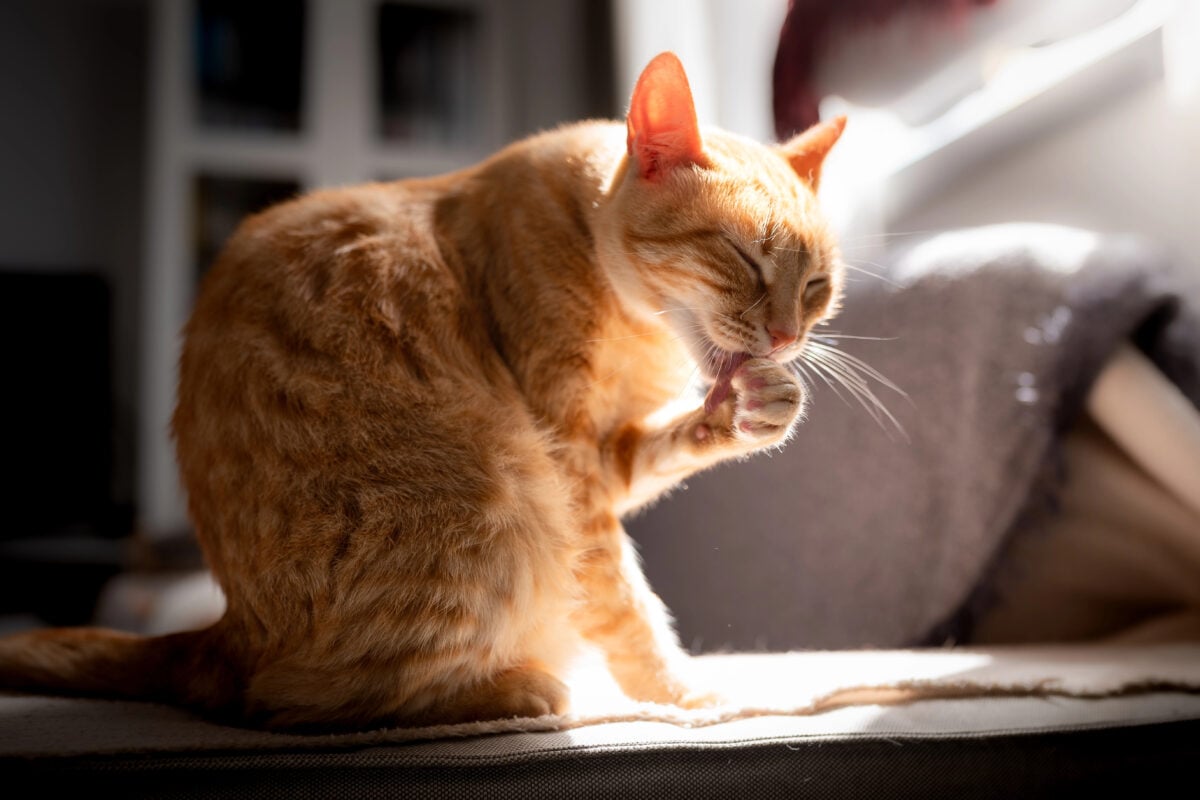
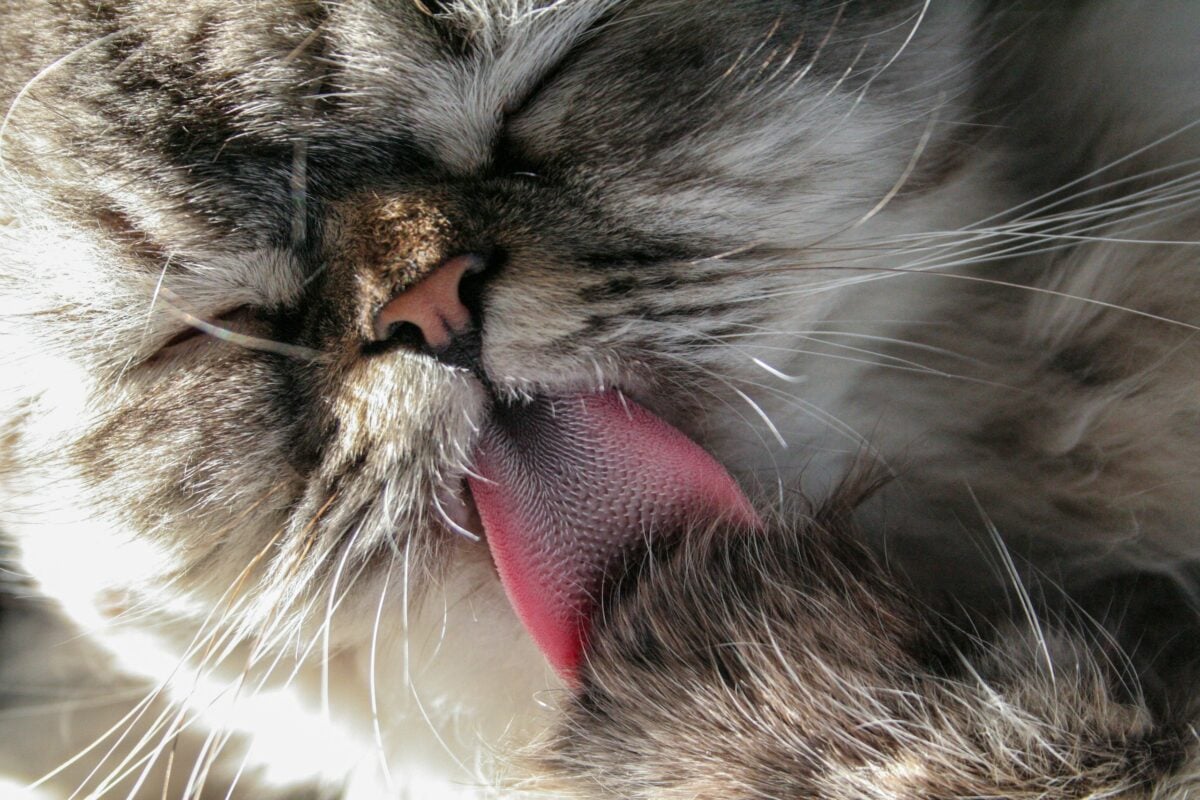
To understand why fur gets trapped, you have to look at your cat’s tongue, which is essentially a built-in, weaponized hairbrush. If you’ve ever been licked by your cat, you know it feels like coarse sandpaper. That’s because it’s covered in papillae; tiny, backward-facing hooks made of rigid keratin.
When your cat grooms, these hooks act like a perfect de-shedding tool, trapping dead, loose hair. But because the hooks point straight back toward the throat, it’s a one-way street. Your cat can’t easily spit a mouthful of fur out. Their only real choice is to swallow it and let their stomach deal with the consequences.
Once swallowed, fur encounters a major anatomical roadblock: it is completely indigestible. While meat proteins break down easily, hair remains pure keratin. It doesn’t dissolve in stomach acid.
- The Happy Path (The Litter Box Route): In a perfectly functioning feline body, swallowed fur travels down the esophagus, hitches a ride on a wave of digested food, glides through the intestines, and exits quietly into the litter box. You never even know it happened.
- The Detour (The Carpet Route): A hairball forms when the stomach’s natural cleaning waves (motility) lag behind. Instead of moving along, loose hairs linger in the stomach pool, swirl around, and gather friends. They mix with mucus, stomach fluids, and half-digested breakfast to form a soggy, felted mass (scientifically known as a trichobezoar).
When the stomach decides “Nope, room is full,” it triggers the dramatic hacking, gagging, and abdominal convulsions every owner hears with dread. Despite the name, hairballs are rarely round. Because they are squeezed back up through the narrow tube of the esophagus, they almost always arrive on your rug looking like a wet, gray sausage.
How Often Are Cat Hairballs Normal?
Let’s define our terms so you don’t panic every time your carpet gets a minor delivery.
An occasional hairball is like a random rainy day. It happens, it makes a mess, and then life goes right back to normal. Your cat hacks, leaves a damp gift, shakes it off, and immediately returns to their daily schedule of eating, napping, and judging you from the back of the sofa. There are no appetite changes, no weight loss, and no ongoing discomfort. This fits firmly into the “normal cat maintenance” category.
But the word “normal” can be a little slippery in veterinary science because it depends heavily on your cat’s personal baseline:
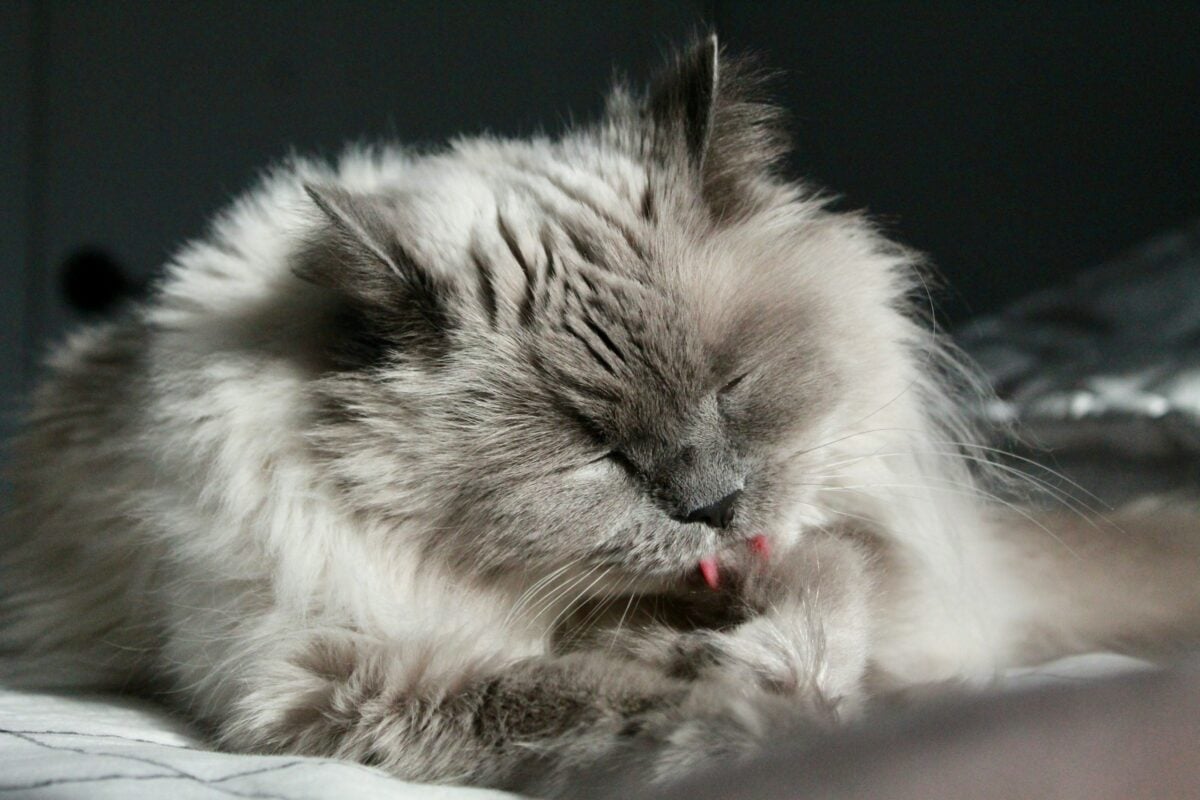
- The Coat Premium: A long-haired Persian or Maine Coon during the spring shedding season is naturally going to have a higher baseline than a sleek, short-haired Siamese.
- The Baseline Rule: If your cat has historically produced one hairball every few weeks for years while thriving, that’s their normal.
A common practical guideline is that hairballs should be occasional, not a routine schedule. If your house has turned into a felt manufacturing plant where hairballs are appearing weekly or multiple times a week, your cat is waving a small flag. Either too much hair is going into the system, or the plumbing isn’t moving things through smoothly.
Next Up: How to tell the difference between a normal hairball hack, a digestive vomit, and a dangerous respiratory cough.
Cat Hairball vs. Cough vs. Vomit: How to Tell the Difference
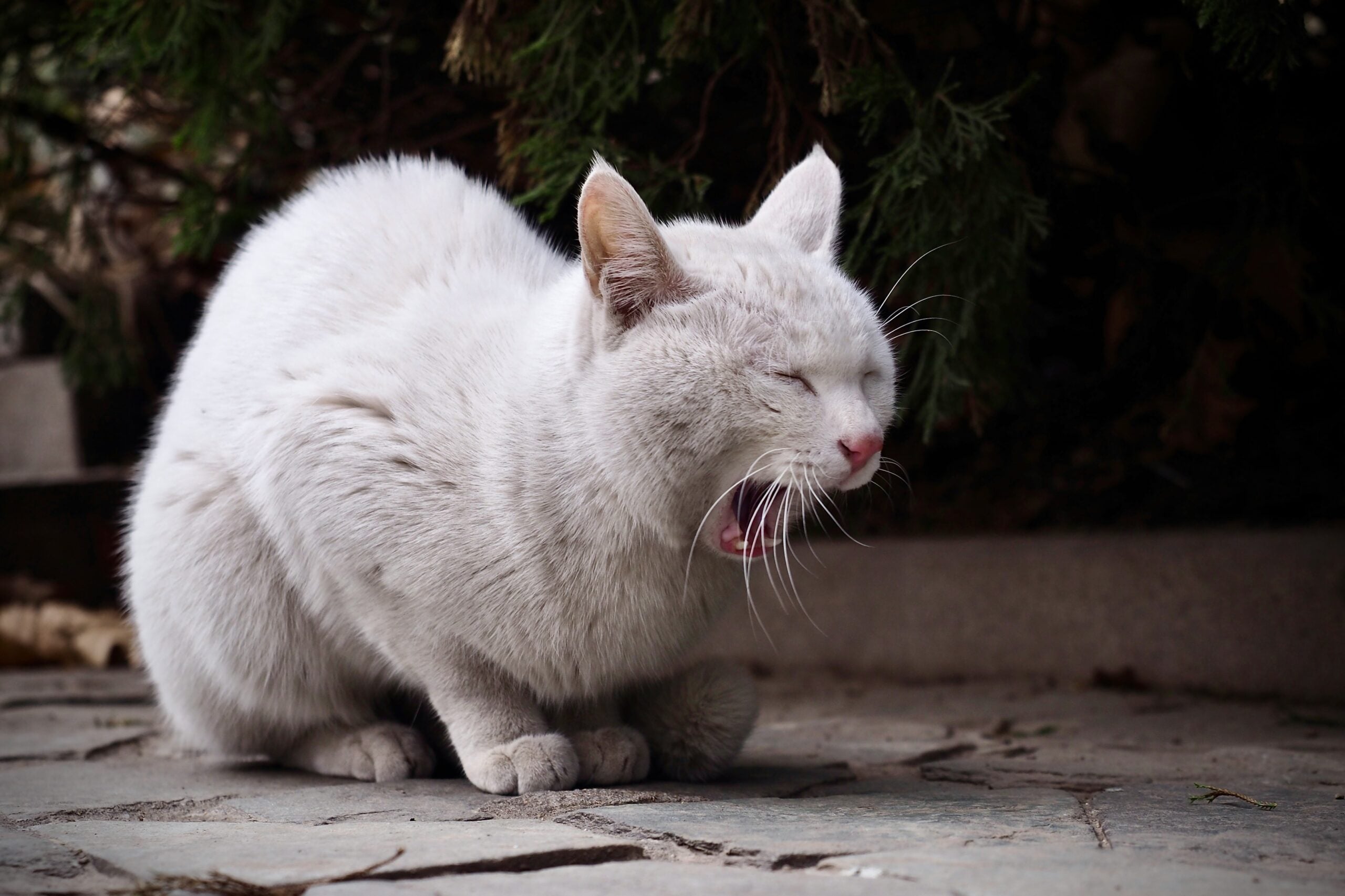
One of the biggest pitfalls for cat owners is that felines have exactly one posture for anything involving throat or torso discomfort. Whether they are coughing, gagging, vomiting, or passing fur, they perform the exact same low-to-the-ground, neck-extended, abdominal-convulsion routine.
Because of this, it is incredibly easy to mistake a serious medical issue for “just a hairball.”
| The Posture | The Physical Cue | What Comes Up | The Real Culprit |
| 🐈 Low Crouched Posture | Chest-driven wheeze (shallow, rapid torso movements) | 💨 Absolutely nothing | True Respiratory Cough (Asthma, bronchitis, or airway irritation) |
| 🐈 Low Crouched Posture | Abdominal retch (deep, rhythmic belly convulsions) | 🥩 Food, yellow bile, or white foam | True Vomiting (GI distress, food allergies, or fast eating) |
| 🐈 Low Crouched Posture | Abdominal retch (deep, rhythmic belly convulsions) | 🪱 A damp, slimy, felted tube of fur | True Hairball (A successfully passed trichobezoar) |
To protect your cat, you have to look past the dramatic sound effects and evaluate the actual evidence left behind:
1. The Respiratory Cough (The Hairball Imposter)
If your cat regularly executes the dramatic “hairball hack” but never actually produces anything, you might not be dealing with a stomach issue at all. Feline asthma, bronchitis, and respiratory infections cause a deep, dry, hacking cough that looks identical to hairball retching because the cat is trying to clear their airways, not their stomach.
2. True Vomiting vs. Fur Passing
Cats swallow fur daily, which means if your cat vomits for any reason, like eating a houseplant, a sudden diet change, or chronic illnesses, there will likely be a few strands of hair mixed in.
Finding a little hair in a puddle of undigested kibble or yellow bile does not mean a hairball caused the issue. The hair was just along for the ride. Regular vomiting of food or fluid is a sign of gastrointestinal distress, not a fur problem.
3. Gagging and Choking
True choking is rare, but an absolute emergency; a choking cat will frantically paw at their mouth, panic, drool heavily, or have blue-tinged gums. A standard hairball hack is loud and dramatic, but your cat should still be able to breathe through it.
Myth Check: “If my cat is hacking, it must be a hairball.”
Not always. A dry, wheezy hack that produces nothing may be a cough, not a hairball. Cats can use the same crouched, neck-extended posture for both, which is why repeated “hairball hacks” with no actual hairball should be treated as a vet-worthy clue.
When to Worry About Cat Hairballs
While an isolated hairball is normal, a pattern of frequent or unproductive hacking means it’s time to stop troubleshooting at home. Cats are notorious for hiding pain and discomfort, meaning subtle shifts in their behavior are your early warning lights.
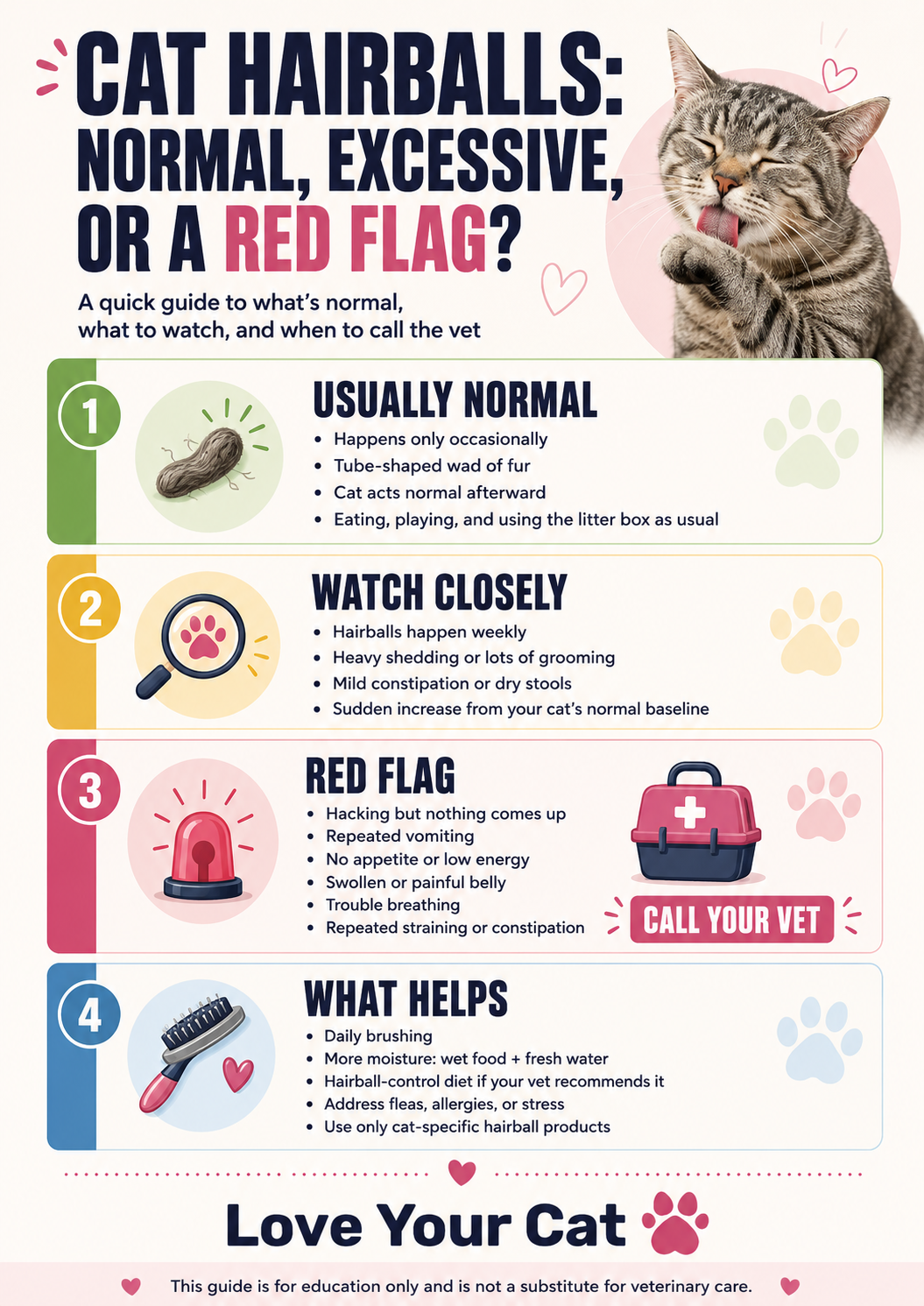
Here are the specific red flags that mean you need to drop the paper towels and call your veterinarian:
- Unproductive Retching: Your cat spends hours or days straining, gagging, and retching without bringing up a hairball. This can indicate a respiratory crisis, a foreign object stuck in the throat, or an internal blockage.
- The Litter Box Lockdown (Constipation): Dehydration and slow intestinal movement (low GI motility) make hairball issues exponentially worse. If the stool is hard, dry, and infrequent, the fur in the stomach is getting trapped because the lower plumbing is backed up.
- Sudden Appetite and Behavior Drops: A cat that skips a meal or hides under the bed after a hairball episode is not “just tired.” If they refuse food for a full 24 hours, they are at risk for serious secondary complications like hepatic lipidosis (fatty liver disease).
- The Silent Danger: Intestinal Blockage: This is the worst-case scenario. A dense, hardened mass of fur (sometimes mixed with a swallowed string or toy) can get completely wedged in the stomach exit or small intestine. This prevents food and water from passing, causing repeated vomiting, a tight, swollen, painful abdomen, and profound lethargy. This is a life-threatening medical emergency.
Veterinary experts at Cornell Feline Health Center note that while a cat bringing up a hairball once every week or two may not be unusual, repeated unproductive retching, lethargy, or refusing food for more than a day can signal a more serious problem, including a possible intestinal blockage or respiratory disease. In other words, the concern isn’t just the hairball itself; it’s the pattern around it.
The Hairball Factory: Why Some Cats Are Worse Than Others
If you have a multi-cat household, you’ve probably noticed that one cat might cough up a hairball like it’s their primary hobby, while another goes years without a single episode. Hairball frequency isn’t random; it sits at a weird crossroads of coat type, environment, and physical health.
1. The Long-Hair & Indoor Premium
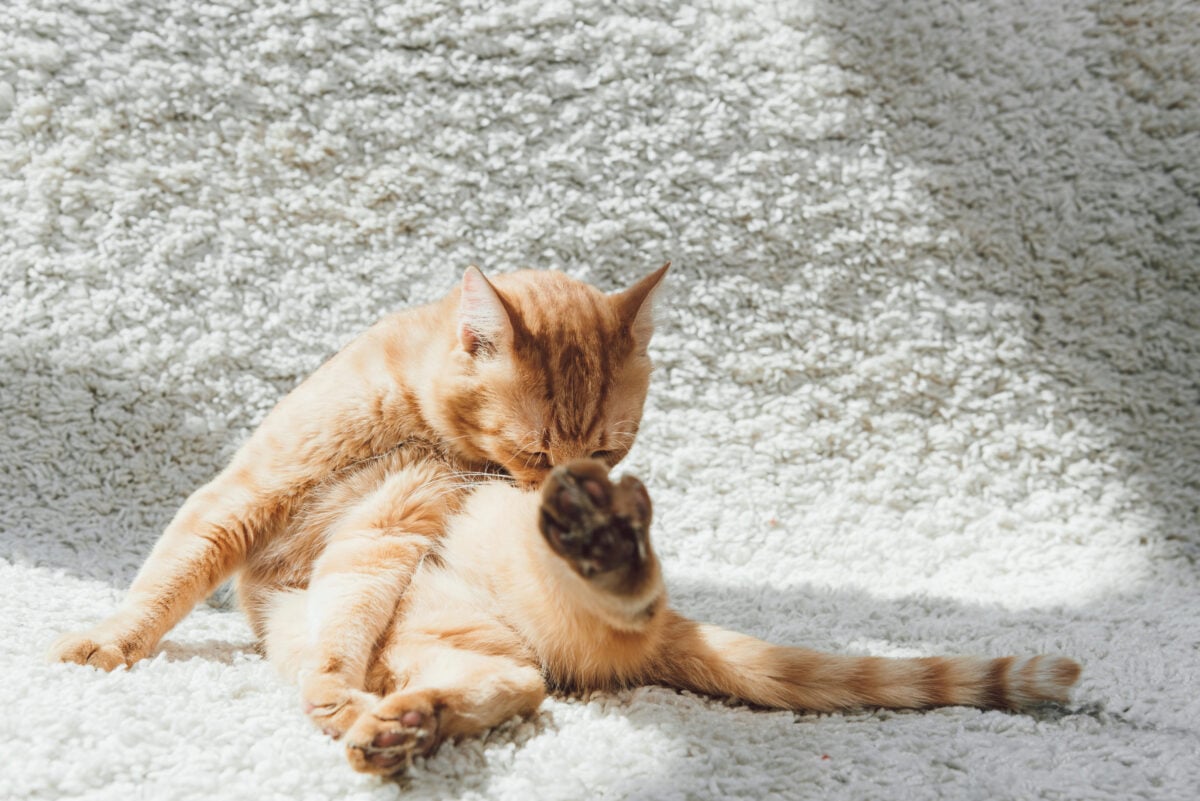
The most obvious culprit is coat length. Long-haired royalty, like Persians, Maine Coons, and Ragdolls, naturally swallow a mountain of fur compared to short-haired cats.
Furthermore, our pampered indoor cats live in a world of artificial lighting and climate control. Their bodies get confused by the constant warmth, leading to a perpetual, year-round shedding cycle instead of the normal spring/fall “blowouts” wild cats experience.
2. Age and Maturity
Young kittens are notoriously sloppy, lazy groomers. They might lick a little, but they aren’t very efficient. As cats mature into adulthood, they become obsessively thorough, which suddenly spikes the volume of swallowed hair.
Senior cats can go the other way: slower digestive tracts struggle to push fur through, or arthritis makes twisting around to groom painful, leading to matted fur that sheds all at once.
3. Skin Issues (The Overflowing Sink)
If a cat is dealing with fleas, mites, food sensitivities, or environmental allergies, their skin gets intensely itchy. To soothe the itch, they lick, chew, and bite at themselves constantly.
Think of treating hairballs in an itchy cat like mopping the floor while the sink is still overflowing. You can give them all the hairball lubricants you want, but until you fix the itchy skin, the stomach will keep filling up with fur.
4. Stress and Feline Anxiety
Cats are microscopic control freaks who hate change. A new baby, a moved couch, a stray cat outside the window, or a changed feeding schedule can cause hidden anxiety.
Some cats deal with stress by hiding; others deal with it by compulsively overgrooming themselves for comfort (psychogenic alopecia). More stress = more licking = more hairballs.
Quick Guide: Why is My Cat Producing Hairballs?
To help you figure out exactly why your house has suddenly turned into a felt manufacturing plant, here is a quick breakdown of what’s actually happening under the hood, and how to fix it at the root source.
| The Trigger | What’s Actually Happening | The Real Fix |
| Long Fur / Year-Round Shedding | Too much loose hair on the body. | Daily brushing and high-quality de-shedding tools. |
| Low GI Motility | The gut is too slow to push fur to the litter box. | Increasing hydration (wet food/fountains) and adding fiber. |
| Allergies & Fleas | Itchy skin causes compulsive, frantic licking. | Strict flea prevention or an allergy elimination diet. |
| Boredom & Stress | Anxiety-driven self-soothing through grooming. | Environmental enrichment (puzzle feeders, interactive play). |
Ultimately, your goal shouldn’t be to stop your cat from grooming; grooming is vital for their mental health. The goal is simply to help that loose fur leave your cat’s body the quiet way (through the litter box) instead of the theatrical way (on your favorite rug).
Choosing the Right Hairball Strategy
Not every hairball problem has the same cause, so the best fix depends on what you’re actually seeing.

If your cat is otherwise healthy but sheds heavily, start with the outside of the cat: daily brushing. This is especially important for long-haired cats, senior cats, and heavy seasonal shedders. The less loose fur your cat swallows, the less fur their stomach has to process.
If your cat also has hard, dry, or infrequent stools, focus on the inside track: more moisture and gentle fiber support. Wet food, fresh water, and vet-approved hairball diets can help swallowed fur move through the digestive system instead of collecting in the stomach.
If your cat has bald patches, scabs, constant licking, or flea dirt, the hairball is probably a symptom of a skin problem. In that case, brushing alone won’t solve it. You’ll need to address the itch, allergy, fleas, or stress that’s causing your cat to overgroom in the first place.
And if your cat keeps hacking but nothing comes up, pause before reaching for a gel or home remedy. Dry, repeated hacking can look like a hairball, but it may actually be coughing, asthma, or another respiratory issue. That’s a “call the vet” situation, not a “grease the pipes” situation.
Think of it this way: brushing helps when too much fur is going in, moisture and fiber help when fur is moving too slowly, and a vet visit is the right move when the symptoms don’t match a normal hairball.
How to Reduce Cat Hairballs at Home
If your cat’s hairball habits are firmly in the green-to-yellow zone, you don’t need a veterinary degree or a cabinet full of overpriced potions to fix it. Think of hairball prevention as basic appliance maintenance, like cleaning the lint trap in your dryer. If you remove the loose fur before your cat’s sandpaper tongue can get to it, there is less material for their stomach to deal with.
The most effective home remedies boil down to two main pillars: plucking the fur from the outside and lubricating the pipes from the inside.
1. Grooming: The Elite First Line of Defense
Brushing your cat is the most direct way to intercept loose fur. The secret here is consistency over intensity. Many owners wait until their cat is a walking tumbleweed, then attempt a grueling, 30-minute brushing marathon that the cat naturally hates.

Instead, aim for a few minutes every single day when your cat is already relaxed. Pair the brush with high-value treats and stop before they start twitching their tail in annoyance. You are building a daily luxury spa routine, not trying to win a wrestling match.
- Choose Your Weapon: Slicker brushes and fine-toothed combs are great for long-haired royalty. If your cat treats a traditional brush like an active threat, try a rubber grooming glove. It feels exactly like a normal petting session to them, but it secretly steals a mountain of loose undercoat.
- The Diagnostic Side Hustle: As you brush, part the fur and look at the skin. Are there red patches, scabs, or tiny black specks of flea dirt? Is the fur thinning on their belly? Finding these clues early tells you if your cat is overgrooming due to an itchy skin crisis rather than a standard shed.
Myth Check: “Shaving my long-haired cat will solve hairballs.”
A professional trim may reduce how much fur your cat swallows during heavy shedding season, but it is not a cure-all. Short-haired cats get hairballs, too, and shaving can sometimes irritate the skin, leading to more licking. Daily brushing and hydration are still the better long-term strategy.
2. Diet, Fiber, and Hydration Support
Once the fur gets swallowed, it needs a smooth, well-hydrated highway to travel down.
- The Moisture Mission: Cats are biologically designed to get their moisture from food, meaning they naturally have a very low thirst drive. A cat eating exclusively dry kibble lives in a state of mild, chronic dehydration. This leads to hard, dry stools, which back up the lower plumbing and cause fur to get trapped in the stomach. Upgrading your cat to high-quality wet or fresh food like Small’s or adding a circulating pet water fountain can dramatically improve GI motility.
- The Fiber Boost: Specialized commercial diets are designed to tackle this exact issue by adding soluble and insoluble fiber to your cat’s bowl. This essentially acts like a microscopic broom, bulking up the stool and gently pushing trapped fur down into the intestines naturally. If you want to go this route, check out our tested review of the best hairball control cat food to find a formula that keeps things moving without upsetting sensitive stomachs.
- Hairball Gels: Over-the-counter petroleum or malt-based hairball lubricants can help grease the tracks for an occasional hairball. However, treat these as a temporary assist, not a permanent cure. If you are feeding your cat hairball gel every single day just to keep them from puking, you are ignoring the root cause.

Myth Check: “Butter, lard, or household oils are good hairball remedies.”
Skip the pantry fixes. Butter, margarine, lard, and large amounts of oil can upset your cat’s stomach and add unnecessary fat without fixing the root problem. If your cat needs occasional lubrication support, use a cat-specific hairball product and follow your vet’s guidance.
Cat Hairball Remedies: What May Help
When your cat starts hacking, it’s tempting to raid the pantry for a quick fix. But hairball support works best when it matches the actual problem: too much loose fur, sluggish digestion, or overgrooming from itch or stress.
Here are a few options that may help when your cat is otherwise acting normal:
Plain pumpkin: A small amount of plain, unsweetened canned pumpkin may help some cats because it adds gentle fiber. Skip pumpkin pie filling, and ask your vet before using pumpkin regularly, especially if your cat has diarrhea, constipation, diabetes, or another chronic condition.
Cat-specific hairball gels: Commercial hairball gels are designed to help swallowed fur move through the digestive tract. They can be useful for occasional support, but they should not become a daily crutch for frequent vomiting or repeated hacking.
Omega-3 support: Fish oil may support skin and coat health, which can reduce shedding in some cats. Use a cat-safe product and check dosing with your vet, since too much oil can cause stomach upset or add unnecessary calories.
Cat grass: Fresh oat or wheat grass gives some cats a safe plant option to nibble. It may help them manage mild stomach irritation, but it should not be used to force vomiting or treat severe symptoms.
The goal is not to cover up a recurring problem. If your cat is hacking often, vomiting food or bile, losing weight, refusing meals, or producing nothing after repeated retching, skip the home remedies and call your vet.
The “Fuzz-Free” Daily Routine: 5 Minutes to Cleaner Carpets
You don’t need to completely rearrange your life to stay ahead of your cat’s internal plumbing. Preventing hairballs is all about small, consistent habits that take less than five minutes a day.
If you want to transition your home from a felt manufacturing plant to a smooth-running sanctuary, here is what a perfect, low-effort daily routine looks like:
The Morning Routine (Elapsed Time: 2 Minutes)
- The Moisture Boost: Start the day with a high-moisture meal. If your cat primarily eats dry kibble, swap breakfast for a can of wet food, or splash a tablespoon or two of warm water directly over their current food to create an instant gravy.
- The Optional Fiber Add-In: If your vet has okayed it, mix a small amount of plain, unsweetened canned pumpkin or a cat-safe omega-3 supplement into your cat’s wet food. Skip this step if your cat has a history of diarrhea, constipation, diabetes, pancreatitis, or any chronic condition unless your vet specifically recommends it.
The Afternoon Checklist (Elapsed Time: 30 Seconds)
- The Fountain Check: On your way past the water bowls, do a quick hydration check. Dump any stale water, rinse the bowl, or top off their circulating pet fountain. Cats are microscopic water snobs; a clean, moving water source is often the only thing standing between them and mild dehydration.
The Evening Lounge (Elapsed Time: 2.5 Minutes)
- The Premium Petting Session: While you are winding down on the couch watching TV, grab your rubber grooming glove or slicker brush. Don’t frame it as a chore; just make it a part of your normal evening affection routine.
- Two Minutes of Glory: Brush down their back, down the sides, and along the neck. By the time the commercial break is over, you’ll have a handful of trapped fur that won’t be showing up on your rug at 3:00 AM. Toss the fur in the trash, give your cat a high-value treat, and congratulate yourself on a job well done.
That’s it. Five minutes of deliberate maintenance a day is usually all it takes to keep the fur moving out through the litter box the quiet way, saving your bare feet from any sudden, slimy midnight surprises.
When to Call the Professional: Partnering With Your Vet
You don’t need to sprint to the emergency clinic for a standard, bi-weekly hairball. But you should call your vet if hairballs become a weekly routine, or if the “hack” is accompanied by systemic changes.
When you do call, leave the vague guesses at home. Instead of saying, “My cat has hairballs all the time,” present a clear, data-driven timeline. Try phrasing it like this:
“My cat has retched four times in the last ten days. She produced two tube-shaped hairballs, vomited clear fluid once, and her appetite has dropped over the last 24 hours.”

Pro Tip: Take a Video
If your cat is executing that terrifying, low-to-the-ground lawnmower hack, pull out your phone and record a 30-second clip. Cats have a legendary, highly frustrating superpower where they act completely, perfectly healthy the absolute millisecond they walk into a veterinary clinic. Showing your vet a video of the exact abdominal movements and sound effects is often the fastest way for them to diagnose whether your cat is retching from the stomach or coughing from feline asthma.
Frequently Asked Questions (FAQs)
Got a weird cat symptom keeping you up at night, or just trying to figure out if your carpet’s latest layout modification is a cause for concern? We’ve rounded up the answers to the most common head-scratchers cat parents face below.
Still scratching your head over a weird feline habit? Leave a comment below with your cat’s specific symptoms, and let’s troubleshoot your favorite furry weirdo together!
How often is it normal for a cat to have a hairball?
An occasional hairball can be standard feline behavior, particularly for long-haired royalty or during major spring and fall shedding transitions. For most cats, a baseline of one hairball every few weeks or less is nothing to lose sleep over. The golden rule is that your cat should bounce back instantly, eating well, playing, and continuing their daily schedule of judging you.
If the deliveries are happening weekly, multiple times a week, or suddenly spike out of nowhere, that is a pattern that warrants a conversation with your vet.
Why does my cat keep hacking, but no hairball comes out?
Repeated hacking without any actual fur production is a massive red flag that you aren’t dealing with a hairball problem at all. This is often a true respiratory cough, which can point to feline asthma, bronchitis, or an upper airway infection. Because cats use the exact same “low crouch, extended neck” posture for coughing as they do for retching, it is incredibly easy to confuse the two.
Pull out your phone and record a quick video; it is the absolute best way to help your vet diagnose the difference between a chest-driven cough and a belly-driven retch.
Can hairballs cause a blockage in cats?
While full blockages are relatively uncommon, they are a genuine, life-threatening emergency when they do happen. A normal hairball event has an ending: the cat hacks, the fur appears, and the drama concludes. A blockage does not resolve cleanly. If a hardened mass of fur gets completely wedged in the plumbing, your cat will experience repeated unproductive retching, a total strike on food, constipation, a swollen or painful belly, and profound lethargy.
If your cat cannot keep water down or is hiding under the bed in pain, drop the home remedies and contact a vet immediately.
What is the best way to prevent hairballs naturally?
The absolute best natural defense is daily brushing, which intercepts the loose fur before your cat’s sandpaper tongue can swallow it. Beyond grooming, focus heavily on hydration. Because cats have a low natural thirst drive, upgrading them to wet food or introducing a circulating water fountain keeps the digestive system slick, helping fur pass quietly into the litter box. Finally, keeping a strict eye on flea prevention and household stress will stop anxiety-driven overgrooming at the root source.
Should I worry if my cat vomits hair and food together?
Finding a few strands of hair in a puddle of undigested kibble doesn’t mean the hairball was the villain; the hair was likely just along for the ride. Cats swallow fur every single day, so if they vomit for an entirely different reason, like eating too fast, a sudden diet swap, or stomach irritation, fur will naturally show up in the mix.
- An isolated episode followed by totally normal behavior is fine to monitor at home.
- But if it becomes a regular routine, or is paired with weight loss, diarrhea, or low energy, it’s a gastrointestinal issue that needs a professional evaluation.
Just Another Day in Cat Ownership
Living with a cat means accepting a certain level of beautiful, chaotic weirdness. It means accepting midnight zoomies, intense staring contests with blank walls, and occasionally discovering a damp, felted sausage on your carpet.
An occasional hairball is simply part of the feline tax. If it happens once in a blue moon, and your cat immediately bounces back to eat their dinner and sleep on your clean laundry, take a breath. Clean it up, give them a brush, and move on.
But don’t let the commonality of hairballs blind you to what your cat’s body is trying to say. If the hacking becomes a predictable weekly schedule, if it’s a dry cough that never results in an actual hairball, or if your cat seems tired, moody, or uninterested in their food bowl, pay attention.
Your cat doesn’t speak your language, but they leave clues, sometimes right on your favorite rug. Be the observant servant they think you are, track the patterns, and don’t hesitate to call the vet when the traffic light turns red.
Beyond the Hairball: Other Feline Clues to Watch For
Our cats are absolute masters at keeping their health struggles a secret. Because they can’t tell us when they are feeling under the weather, they rely on us to notice the subtle, everyday shifts in their behavior and bathroom habits. Since you are already on high alert, checking your carpet for fur clumps, keep an eye out for these other common feline wellness clues that shouldn’t be ignored:
- Puddles of Clear Fluid: Sometimes your cat does the whole dramatic crouching routine, but instead of a felted tube of fur or half-digested kibble, they leave behind a small, watery puddle. While an isolated incident might just mean an empty stomach, a cat throwing up clear liquid repeatedly can be a sign of anything from mild dehydration to underlying kidney issues or acid reflux.
- Open-Mouth Breathing: As we mentioned in our posture guide, a respiratory issue can easily look like a hairball hack. However, if your cat is panting like a dog, wheezing heavily, or a cat breathing with its mouth open after minor exertion, this is a major red flag. Cats only breathe through their mouths when they are in severe respiratory distress, overheated, or experiencing extreme anxiety.
- Gassy Bellies: While we are on the subject of internal plumbing and digestion, let’s talk about the lower end of the tract. If you’ve noticed your cat’s belly seems a little bloated, or if they are letting out silent-but-deadly surprises on the couch, you might wonder: do cats fart? The answer is a resounding yes. While the occasional slip is normal, chronic gas usually points to a diet mismatch, a sudden food swap, or too much hair slowing down their gut motility.
Paying attention to these little daily details is all part of being a great cat servant. By catching these clues early, you can keep your favorite furry overlord thriving and keep your home running smoothly.
Over to You: Share Your Hairball Stories!
Now that you know how to spot a medical red flag from a normal “feline tax,” we want to hear from you! Did your cat just drop a midnight surprise on your favorite shoes, or are you currently troubleshooting a heavy shedder?
Drop your stories, tips, or lingering questions in the comments below. Let’s swap notes and figure out our favorite furry weirdos together!