When you purchase through links on our site, we may earn a commission at no extra cost to you. Learn more.
Let’s set the scene.
Table of Contents
You’re sitting on the couch. A silent, sinister stench rolls through the room.
You glance at your partner: they swear it wasn’t them. The dog looks guilty… but then again, the dog always looks guilty.
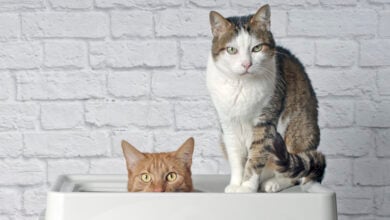
And then there’s your cat. Calm. Composed. Suspiciously smug.
Want our human-written content to rank above AI-generated garbage? Help us out by clicking this button!
Could it be… them?
Most people assume cats don’t fart. Maybe it’s because you’ve never heard it. Maybe it’s because no one really talks about it. And honestly, it feels like one of those questions you shouldn’t have to type into a search bar at 11 p.m.
But here you are… wondering if your elegant little roommate just crop-dusted you.
Do cats fart?
Turns out, the truth is gassier and sneakier than you might think.

In this article, we’re following the silent (and sometimes stinky) trail of feline flatulence: whether cats really pass gas, why it usually goes unnoticed, and what it means when it doesn’t. Because when it comes to weird cat behavior, no topic is off-limits, not even toots.
Do Cats Fart? The Mystery That Stinks
Surprisingly, as it sounds… this question isn’t as ridiculous as it feels. Cats are quiet, refined little weirdos, and they act like nothing in this world could possibly come out of their backside.
So when a mystery stink drifts through the room, it’s almost easier to assume:
- The dog did it.
- The litter box is plotting against you.
- Something in the house has simply died.
But then your cat blinks at you. Slowly. Smugly. Unbothered.
So let’s get into it: Are cats secretly tooting while pretending to be innocent?
Let’s just say… the truth is stealthier than your cat will ever admit.
If They Do… Why Haven’t You Heard It?
Here’s where cats get sneaky.
Unlike dogs (who will blast one and then stare at you like you did it), cats are experts in silent emissions. You’re not going to hear anything. And most of the time, you won’t smell anything either.
Two big reasons:
1. Their diet keeps things… quieter
Cats are obligate carnivores. Meat produces less gas than the fiber-heavy junk dogs eat. Less fermentation = fewer stink bombs.
2. Their whole vibe is “stealth mode”
Cats aren’t out here performing trumpet solos. They pass gas like they do everything else: silently, confidently, and with zero shame.
Have they been farting this whole time without you noticing? Honestly… probably. And they’re very proud of themselves for getting away with it.
When Your Cat Turns Into a Tiny Gas Factory
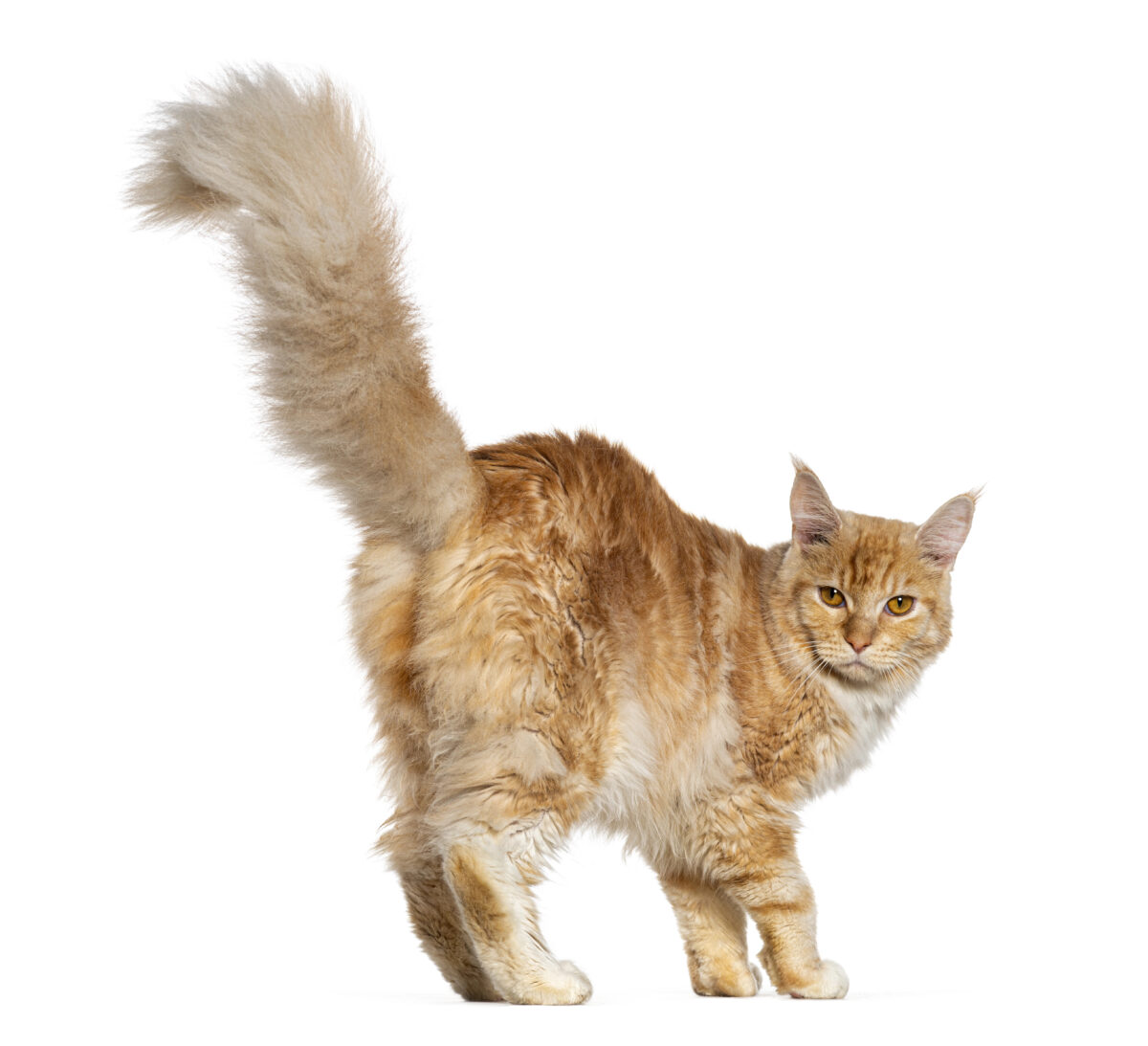
Your regal little fluff statue? Yeah. They’re silently crop-dusting you once or twice a day. Minimum.
Mid-nap.
Mid-judgment.
Mid-“I’m ignoring you on purpose.”
And they don’t flinch, twitch, or react in any way. Just a silent puff and continued superiority.
You never heard it. You rarely smelled it. And that’s exactly how they planned it.
Fun Fact (That You Didn’t Want)
Your cat has been silently crop-dusting you for years. Hundreds of times. On your lap. While making eye contact. And you probably rewarded them with treats.
Can You Smell It? Sometimes… Unfortunately, Yes
Most of the time, your cat’s silent little puffs go completely unnoticed… until suddenly, they don’t. And while you may not hear their gas, your nose might eventually uncover what your ears can’t.

Most of the time, cat farts are:
- Silent
- Subtle
- Blessedly odorless
Which is exactly why people question whether cats even fart at all.
But sometimes? Oh, you’ll know.
And when you do smell it, when the air suddenly changes from “cozy evening” to “something died behind the fridge,” it’s usually a sign something in the digestive department isn’t quite right.
Diet changes, sensitivities, parasites, gut issues… anything that throws off their system can turn your quiet kitty into a weapon-grade stink machine.
Watch It to Believe It: The Best Cat Fart Caught on Camera
Think you’ve seen it all when it comes to feline behavior? Think again.
We found a video of a cat in full stealth mode, and yes, it’s actually caught on camera. In this clip, you’ll watch firsthand just how silent, sneaky, and effective a cat’s flatulence can be.
Silent but Deadly: The Science Behind Cat Fart Stealth Mode
The feline rectum (yes, we’re going there) is structured in a way that makes air escape more quietly than in many other mammals. Translation: built-in feline stealth mode.
Why Is My Cat Farting So Much? (It’s Not Always the Tuna)
So your cat has been tooting more than usual, and now you’re lying awake at 1 a.m. searching the internet for “can cats have IBS” while staring at the fluffy little gas machine snoring on your pillow.
Here’s the truth:
- Occasional gas = normal.
- Frequent, smelly, or sudden gas = not-so-normal.
If your cat has recently upgraded from “silent little puffs” to “miniature stink grenades,” something in their gut is upset, and it’s not always the food you think it is.
Let’s break down what actually causes feline flatulence.
Happy Toots: Yes, Cats Sometimes Fart When They’re Content
A relaxed, purring cat lying on their side with all muscles loose… may let out a soft little puff of contentment. Affection + air release = the ultimate betrayal.
5 Common Causes of Excessive Cat Flatulence
Cats don’t usually go full stink-bomb mode without a reason. When the toots become frequent, loud (yes, it happens), or suddenly room-clearing, something in your cat’s digestive system is getting irritated. Here are the most common culprits behind a gassier-than-usual kitty, and what each one might be trying to tell you

1. Diet Drama
Changes in food, even switching to a “better” brand, can throw your cat’s digestive system off. Cheap kibble with fillers, table scraps, spoiled food, or that suspicious snack they fished out of the trash can all trigger gas.
Translation: One bad ingredient = one very bad smell.
2. Food Sensitivities
Some cats react poorly to certain ingredients, such as dairy, grains, soy, beef, or chicken. When their digestive tract is irritated, farts often appear before other symptoms.
Other signs may include vomiting, smelly poop, itchy skin, or a generally offended-looking cat.
Pro Tip: A limited-ingredient or novel-protein diet can help clear things up once serious issues are ruled out.
3. Greedy Gobbling
If your cat eats like they’re trying to win a speed-eating competition, they’re probably swallowing too much air. That trapped air only has one exit route, and spoiler: it’s not their mouth.
This is especially common in multi-cat homes, food-obsessed cats, and rescues that learned to guard meals.
Fix: A slow-feeder or puzzle bowl can help reduce swallowed air and improve digestion.
4. Immature Tummies (Looking at You, Kittens)
Kittens have developing digestive systems that aren’t great at handling sudden changes in diet, rich treats, or anything they’re not supposed to eat. If your kitten is basically a tiny whoopee cushion, it’s usually just growing pains or poor snack decisions.
Still, kittens are more sensitive to dehydration and parasites, so persistent gas should not be ignored.
5. Health Issues
Sometimes gas is caused by more than food. Underlying conditions such as parasites, gut infections, inflammatory bowel disease (IBD), malabsorption, pancreatitis, constipation, or even stress can trigger foul, frequent gas.
One notable culprit is Tritrichomonas foetus, a protozoan parasite that can cause chronic diarrhea and very smelly gas. This infection requires antibiotic treatment. It is common even in purebred cats, affecting up to 30% of them, according to the North Carolina State University College of Veterinary Medicine.
Weight loss, mucus in stool, or lethargy are signs it’s time to call the vet.
Pro Tip: Keep a “fart log.” (Yes, seriously.) Track diet changes, treats, and symptoms. If the pattern points to a specific trigger, you’re halfway to solving the stink.
Fart-Busting Myth: “Only sick or old cats fart.”
The Myth: Healthy cats don’t fart. If they do, something must be seriously wrong.
The Truth: All cats fart. It’s a normal part of digestion; healthy gut microbes = occasional gas. Smelly or frequent farts can point to an issue, but the occasional toot is business as usual, even for the youngest, fluffiest kitten.
Smelly Cat, Smelly Cat… What Are They Feeding You?
If your cat has suddenly turned into a four-legged stink grenade, you’re not imagining things. While most feline farts are scentless, sometimes their digestive system sends up a very smelly red flag. And trust us, when it smells, it’s usually for a reason.
Let’s break down the top culprits behind those eyebrow-singeing toots.

Top Food-Related Reasons Your Cat’s Farts Stink
- Low-Quality or High-Filler Food Diets heavy in corn, wheat, soy, or vague “by-products” can ferment in the gut and create strong odors.
- Sudden Food Changes: Quick switches, even to higher-quality foods, can disrupt digestion and temporarily cause serious stink.
- Food Intolerances or Allergies: Cats sensitive to ingredients like chicken, beef, dairy, or grains often show early signs through gas before other symptoms escalate.
- Human Food or Rich Treats: Even tiny bites of cheese, creamy sauces, or fatty leftovers can upset a cat’s gut and produce foul-smelling gas.
- Eating Too Fast: Speed-eaters swallow extra air and overwhelm their digestive system, leading to particularly smelly results. Slow feeders help.
Pro tip: Consider switching to a limited-ingredient or novel-protein diet if stink becomes the norm. We have explored some of the best cat foods for indoor cats, as well as recipes for homemade, vet-inspired cat food if you want to give your kitty’s bowl an upgrade.
A cat with a food intolerance might also have smelly poop, vomiting, itchy skin, or just a general air of gassy resentment. If your cat’s gas is starting to smell like a warning sign, and they’re acting off, it’s time to get your vet involved. And yes, a stool sample is the unfortunate price of answers.

Red Flags: When Farting Isn’t Just Funny Anymore
Most cat farts are harmless, but when paired with other symptoms, they might be your cat’s way of waving a little (very smelly) red flag. Here’s how to tell when it’s time to call the vet.
| It could be IBD, pancreatitis, or nutrient malabsorption | What It Might Mean | What You Should Do |
|---|---|---|
| Frequent, extra-smelly gas | Could signal food intolerance, poor diet, or gut imbalance | Track food intake; if it continues, schedule a vet visit |
| Vomiting or diarrhea | Potential gastrointestinal distress, infection, or parasites | Don’t wait — call your vet, especially if symptoms last over 24 hours |
| Loss of appetite or weight | Could be IBD, pancreatitis, or nutrient malabsorption | Vet check-up needed ASAP to rule out chronic issues |
| Lethargy or “off” behavior | Cats often hide pain or illness until it’s serious | Monitor closely; combine with other signs = time for a vet call |
| Blood or mucus in stool | Possible infection, parasites, or internal inflammation | Take a stool sample to your vet immediately |
Bottom line: If the gas is frequent, foul, and accompanied by any of these symptoms, don’t wait it out. Call your vet, your cat (and your nose) will thank you.
Kitten Edition: Gas in Baby Cats
Kittens are tiny, fluffy chaos machines, with digestive systems to match. So yes, if your new fur baby seems to be passing more gas than your adult cat ever did, you’re not just imagining it.
Their little bellies are still under construction. Kittens have immature digestive tracts that are still learning how to process food efficiently.
Just like human babies, they can be prone to gas, soft stools, and the occasional digestive drama, especially during growth spurts or food transitions.

4 Reasons Kittens Are Extra Gassy
- Switching foods too quickly: Even if it’s “better” food, fast changes can overwhelm a kitten’s gut.
- Low-quality or overly rich food: Some store-brand kitten formulas are loaded with fillers and ingredients that can lead to fermentation… and farting.
- Treats or human food: That little piece of cheese might seem harmless, but kittens can’t digest lactose or many processed foods well.
- Spoiled food or garbage exploration: Kittens are curious and will put almost anything in their mouths. Unfortunately, their tummies don’t appreciate the adventure.
When It’s Probably Fine
Occasional kitten toots, even if a little stinky, are usually nothing to worry about, especially if your kitten is:
- Eating and drinking normally
- Gaining weight steadily
- Active and playful
- Having regular, well-formed stools
When to Call the Vet
If the gas is persistent, very foul, or comes with vomiting, diarrhea, bloating, or appetite changes, it’s time to check in with your vet. Kittens are more vulnerable to dehydration and parasites, so don’t wait if something feels off.
Tip: Young digestive systems need time and support. If your kitten is gassier than a balloon animal convention, a food change or parasite screen might be all it takes.
Frequently Asked (and Slightly Embarrassing) Cat Fart Questions
You’ve got questions. We’ve got… more gas facts than we ever expected to know. Here are some of the most common cat fart questions answered, no judgment. If I missed yours, let me know in the comments.
Why does my cat fart when I pick them up?
Usually? It’s just a matter of physics.
When you pick up your cat, especially if you’re giving a good belly scoop, you’re putting pressure on their abdomen. If there’s any trapped gas hanging out in their digestive tract, that pressure might push it out.
Also, some cats get a little nervous or tense when lifted, and like humans, nerves can mess with the gut. That innocent cuddle might accidentally trigger a tiny stress toot.
How can I get my cat to stop farting?
First, figure out if the farting is actually abnormal.
Occasional toots are totally normal. But if the gas is frequent, loud, or smelly, here’s what you can do:
- Switch to a high-quality, limited-ingredient cat food
- Avoid sudden food changes
- Cut out treats, table scraps, and dairy
- Use a slow feeder if your cat eats too fast
- Check with your vet to rule out parasites or GI issues
Consistency is key; your cat’s gut needs time to settle down.
Is it normal for my cat to fart a lot?
Most cats fart once or twice a day, silently, sneakily, and without scandal. If you’re noticing more frequent or smellier episodes than usual, it’s worth taking a closer look at their diet, behavior, and overall health.
Should I change my cat’s food if they’re farting a lot?
Only after ruling out medical issues with your vet. If the gas is mild and there are no other symptoms, switching to a high-quality, limited-ingredient diet or one formulated for sensitive stomachs may help. Always transition slowly over 7–10 days to avoid further digestive upset.
What ingredients should I avoid if my cat is gassy?
Common triggers include:
- Dairy (most cats are lactose intolerant)
- Soy and corn fillers
- Grains and gluten (in some sensitive cats)
- By-products or artificial preservatives
Stick to meat-first, limited-ingredient diets and avoid giving cats human food.
Is it safe to give my cat probiotics for gas?
Probiotics can help some cats, especially if their gas is caused by gut flora imbalance or after a round of antibiotics. But always check with your vet before adding supplements; some strains or dosages may not be suitable for felines.
Do male cats fart more than females?
Short answer? Nope. There’s no solid proof that boy cats are gassier than girl cats. Both sexes are perfectly capable of weapon-grade stink when the conditions are right.
What does make a difference is what’s in their bowl, how fast they eat, their gut health, and any underlying issues like parasites or food sensitivities. A male cat on a great diet with a healthy gut may fart less than a female cat living on filler-heavy kibble and stress.
So if your house has a “designated farter,” it’s less about gender and more about digestion. The real culprit is usually what they’re eating, not what’s on their birth certificate.
Keeping Your Cat Healthy (And Less Gassy)
Feeding your cat a high-quality, meat-based diet is one of the best ways to support their digestive health and reduce the risk of unexpected stink bombs. Stick to real, whole ingredients, avoid sudden food switches, and steer clear of common triggers like dairy, fillers, or off-brand treats.
If your cat tends to inhale their meals like it’s a speed-eating contest, a slow feeder can help them take things down a notch (and keep some air out of their system).

Most importantly, don’t skip those regular vet checkups. Even occasional gas can sometimes be the first sign of food intolerance, parasites, or digestive issues like IBD.
If your cat’s farts are starting to raise eyebrows or clear rooms, talk to your vet. They’ve seen it all, smelled worse, and can help you get to the bottom of the problem (pun fully intended).
Cat Farts Are Just the Beginning…
If you’re here searching “cat farts,” chances are this isn’t the first strange thing your feline has thrown your way, or out of their body. Cats are mysterious little creatures, and sometimes their health quirks are downright bizarre.
From cats that gag but don’t throw up to those that vomit undigested food, foam at the mouth, or even throw up actual worms (yes, it’s as alarming as it sounds), we’ve seen it all and written about it. We’ve also covered what to do if your cat throws up after every meal, how to handle fly-eating incidents, and the best non-prescription cat food for urinary crystals, because when it comes to weird cat problems, no topic is off the table.
If something about your cat’s behavior has you raising an eyebrow (or reaching for the paper towels), we’ve got you. Check out our other articles to stay one step ahead of your cat’s next mystery moment.
Confessions from the Litter Box: Drop Yours Below
Think your cat deserves an Olympic medal for silent stink attacks? Or maybe they let one rip mid-snuggle and acted like nothing happened? We want to hear about it. Share your funniest, weirdest, or most traumatic cat fart experiences in the comments, because if anyone understands, it’s us. And no, we won’t judge. Probably.