When you purchase through links on our site, we may earn a commission at no extra cost to you. Learn more.
We’ve all been there: the world feels heavy, the “hamster wheel” is spinning too fast, your thoughts racing, your chest tightening… and then, without warning, your cat appears, no commands, no training, just instinct, settling onto your lap like they knew exactly when you needed them.
Table of Contents
And suddenly, the chaos quiets. The purring starts, low, steady, almost rhythmic, and your breathing follows. Your heart slows. The edge softens.
Coincidence? Maybe. But can cats actually be emotional support animals… or do they just show up like tiny, judgmental fairy godmothers who somehow make everything better without saying a word?
And here’s where things get interesting. What most people don’t realize is that there is a way for that kind of support to be officially recognized, but it’s not as simple as people think. The difference between “feels like one” and “legally is one” comes down to a process that’s widely misunderstood, and that confusion is exactly why so many people miss out on protections they may actually qualify for.
Want our human-written content to rank above AI-generated garbage? Help us out by clicking this button!
Why Cats Feel Like Emotional Healers
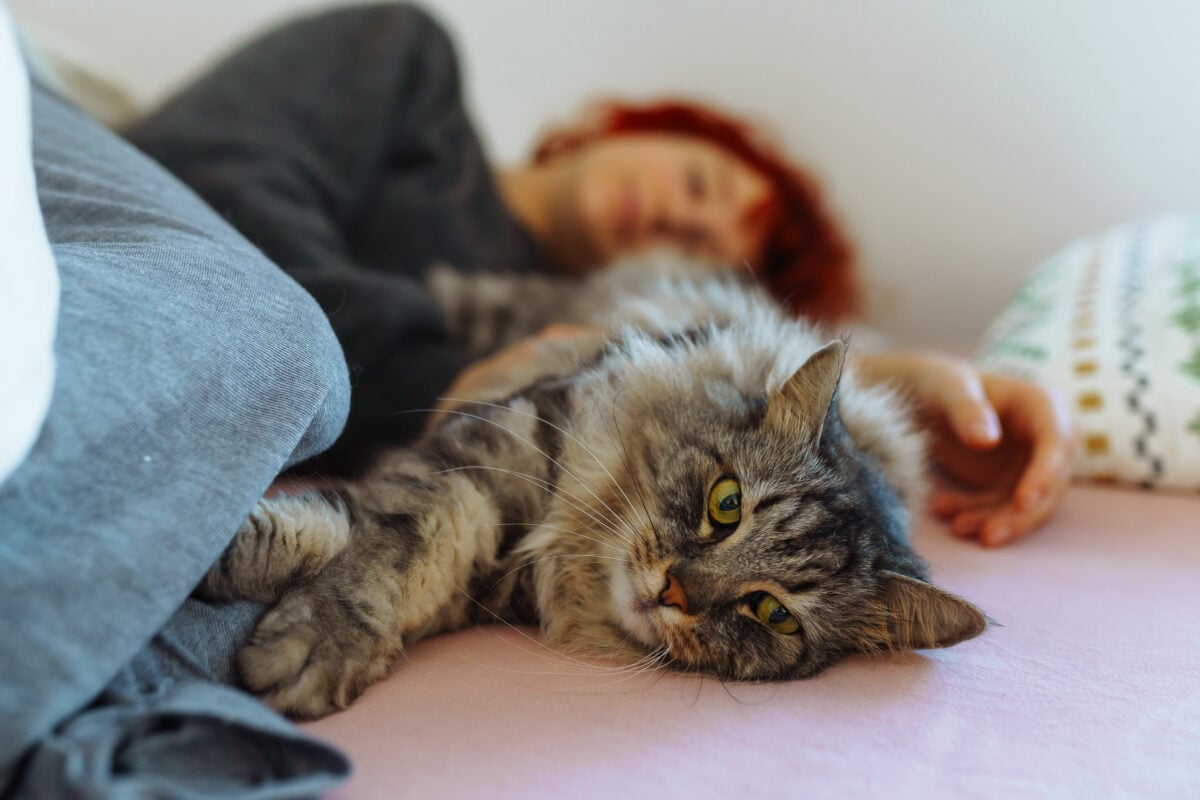
There is something almost suspiciously intuitive about a cat’s timing. One minute, you are navigating a mental fog or a full-blown panic spiral, and the next, a warm, vibrating weight has settledon your chest.
While it feels like they’ve appointed themselves the unsolicited head of your emotional support team, science suggests there is a deep physiological reason for this comfort.
The Science of the Purr
A cat’s purr isn’t just a sign of contentment; it’s a “tuning fork” for your nervous system. Research confirms that felines typically purr at a frequency between 25 and 150 Hz.
- The Healing Frequency: Frequencies in this specific range are medically associated with lowering human blood pressure and reducing the risk of heart disease. Recent clinical insights suggest these vibrations can even help reduce inflammation and promote tissue repair.
- The Hormonal Shift: Interaction with a cat triggers a “hormonal swap” in the human body. Studies from the Human Animal Bond Research Institute (HABRI) show that petting a cat significantly lowers cortisol (the stress hormone) while boosting oxytocin, the “bonding hormone” that fosters feelings of safety.
If you’ve ever wondered why purring feels so calming, the video below explains more about the benefits of purring.
Feline “Therapy Traits”
For years, therapy work was dominated by dogs, but groundbreaking research is changing the narrative.
- Natural Sociability: A 2025 Washington State University study led by Dr. Patricia Pendry found that many cats possess the same key behavioral traits as therapy dogs, specifically high sociability and a willingness to engage with strangers.
- A “Secure Attachment”: New research published in early 2025 highlights that the hormonal benefits of cat ownership are strongest when the cat has a “secure attachment” to its owner, meaning the deeper your bond, the more effective they are at lowering your perceived stress.
The Power of Routine
Sometimes, emotional support isn’t a dramatic intervention; it’s the quiet stability of a shared life. A 2025 systematic review found that the daily structure of pet care, feeding, grooming, and playing, provides a sense of purpose that can be vital for those managing depression or anxiety.
If your cat is the primary reason you feel grounded, safe, or capable of facing the morning, they are already doing the heavy lifting of a therapist in a fur coat. If their presence is a vital part of your mental health toolkit, they’ve moved beyond being “just” a pet; they have become your emotional support animal.

Can Cats Be Emotional Support Animals? (Quick Answer)
Yes, cats can absolutely be emotional support animals (ESAs).
In fact, they’re one of the most common choices after dogs. If your cat helps you manage anxiety, ease loneliness, or stay emotionally grounded, that kind of support can qualify.
But, and this is where things get a little more nuanced, there’s a difference between a cat that feels like emotional support and one that is legally recognized as an ESA.
That distinction comes down to one thing:
- a valid ESA letter
- from a licensed mental health professional
Without that, your cat is still incredibly supportive, but not officially recognized under housing laws. With it, your cat can qualify for certain protections, especially when it comes to where you live.
And once you understand how that works, everything else, from legal rights to common myths, starts to make a lot more sense.
What Is an Emotional Support Animal (ESA)?
An emotional support animal (ESA) is an animal that helps support your mental or emotional well-being through companionship. Not by performing trained tasks or following commands, but simply by being there. That’s the core idea: presence over performance.
Unlike “just a pet,” an ESA is recognized by a licensed mental health professional as part of a person’s treatment plan. UMass Chan Medical School explains that an ESA provides therapeutic benefits such as emotional support, comfort, and companionship for a person with a mental health or psychiatric disability, and that the legal difference between a pet and a legitimate ESA is proper documentation from a licensed professional.
That support may help someone living with:
- anxiety
- depression
- PTSD
- panic disorders
- chronic stress that interferes with daily life
In other words, the animal becomes part of the person’s coping strategy, something that helps bring calm, comfort, and stability when those things are hardest to find.
ESA vs. Service Animal: The Big Difference
This is where most of the confusion happens. If you want to avoid a “walk of shame” out of a grocery store, it’s vital to know the difference.

Service Animal
Under the Americans with Disabilities Act (ADA), these are dogs only (and occasionally miniature horses). They are highly trained to perform specific tasks, like leading the blind or detecting seizures. They have “public access rights,” meaning they can go anywhere you go
Emotional Support Animals: ESAs
An ESA is different. ESAs do not need formal training, and they do not have public access rights. That means your emotional support cat may be very important to your mental health, but you still cannot automatically bring them into restaurants, grocery stores, libraries, or malls.
Therapy Cats
Then there are therapy cats, which are something else entirely. Therapy animals are evaluated to visit places like hospitals, schools, or nursing homes to comfort other people. That is a volunteer role, not a personal legal status.
Unlike ESAs (which require no training), therapy cats must pass a team evaluation. They are tested on their temperament, specifically how they react to loud noises, being handled by strangers, and being around other animals.
Did You Know?
Some colleges and universities bring in therapy cats during midterms and finals because, apparently, academia has finally admitted that petting a cat is sometimes more helpful than pretending to enjoy group projects. And for some students, the support goes beyond a campus event; approved emotional support animals may also be allowed in dorms or residence halls through the school’s housing accommodation process.
How an Emotional Support Animal Helps
One person might find that their cat interrupts anxious pacing just by hopping onto the couch beside them. Another might rely on the daily routine: the breakfast meow, the evening play session, the tiny furry demand for dinner, as a kind of structure that keeps the day from sliding off the rails.
What makes an ESA valuable is often subtle, but that does not make it small. Their support can show up in everyday ways, like:
- calming anxiety or panic
- easing loneliness
- helping you regulate your emotions
- creating routine through feeding, play, and care
So if your cat curls up beside you during a hard moment and helps your breathing slow down, that counts. If caring for them gives shape to a day that might otherwise fall apart, that counts too.
Sometimes support does not look dramatic. Sometimes it looks like a cat sitting next to you, purring, demanding dinner, and somehow making life feel a little more manageable. A quiet presence can be powerful like that.

Why Cats Are Popular ESAs
Dogs tend to get all the spotlight in the ESA world, but cats? They’re quietly holding second place, and for good reason.
- First, they’re low-maintenance compared to most dogs. No early morning walks in freezing weather. No need for constant outdoor exercise. For someone dealing with limited energy or motivation, that’s a big deal. Cats meet you where you are, both emotionally and practically.
- Second, their temperament often suits people who prefer calm over chaos. Not everyone wants, or can handle, a high-energy companion. Cats bring a kind of gentle steadiness. They’re affectionate, but on their own terms, which can actually mirror healthy emotional boundaries. Strange as it sounds, that can be reassuring.
- And let’s not ignore space. Apartment living? Small studio? Cats adapt easily. That makes them ideal for people who rely on ESA protections under housing laws (we’ll get to that soon).
- There’s also a subtle emotional intelligence to cats that often gets overlooked. They pick up on tone, body language, and even changes in your routine. Many owners swear their cats become more attentive during difficult periods, curling closer, staying nearby, almost like they’re standing watch.
So while dogs might be the loud champions of emotional support, cats are the quiet professionals. No fanfare, no big gestures, just a consistent, grounding presence.
How to Get Your Cat Recognized as an ESA
Don’t be fooled by websites selling “official” badges, vests, or ID cards. These have zero legal standing.
The only document that makes your cat an ESA is an ESA Letter from a Licensed Mental Health Professional (LMHP).
- What the letter must include:
It must be on the professional’s official letterhead. - It must include their license type, number, and the state where it was issued.
- It must state that you have a diagnosed disability and that the cat is necessary for your mental health.
This document must come from a licensed mental health professional (LMHP), think therapist, psychologist, psychiatrist, or licensed clinical social worker. And it needs to state that you have a qualifying mental or emotional condition and that your cat provides support that helps manage it.
Several states (including California, Montana, Iowa, and Arkansas) now require a 30-day established clinical relationship before a therapist can write this letter. If you live in these states, you can’t get a “same-day” letter anymore.
The Myth of Online ESA Registries
Let’s clear up one of the biggest misconceptions right away. Those websites promising instant ESA certification? The ones selling official-looking badges, ID cards, and fancy certificates?
They’re basically selling you a feeling, not a legal status.
There is no official national registry for emotional support animals. None. Zero. Buying a vest or signing up for an online database doesn’t grant you any legal rights. It might look convincing, but if a landlord asks for legitimate documentation, those papers won’t hold up.
How to Get an ESA Letter for a Cat
A lot of people hesitate to bring it up, worrying it will sound small. But for many, the conversation is simple: “My cat helps when my anxiety spikes,” or “Taking care of her is the only thing that gets me moving on hard days.” That kind of everyday support is exactly what the process is meant to recognize.
Once the question shifts from Does my cat help me? to How do I make this official?, the process is actually pretty straightforward.

Despite what the internet may suggest, getting an ESA letter is not about buying a certificate or registering your cat in some magical national database. It comes down to one thing: documentation from a licensed mental health professional.
Here’s what that looks like in real life:
Step 1: Talk to a Licensed Mental Health Professional
This could be a therapist, psychologist, psychiatrist, or licensed clinical social worker. If you already have a provider you trust, start there. You do not need to make a dramatic case or “sell” your cat like they are applying for a job. Just explain how they help.
Maybe your cat helps you come down from anxiety spikes. Maybe their routine keeps you grounded. They might be that one thing that makes lonely or overwhelming days feel more manageable. That everyday support is the point.
Step 2: Complete an Evaluation
The provider will evaluate whether you have a qualifying mental or emotional health condition and whether an ESA is a meaningful part of your support system. Sometimes this feels formal. Sometimes it feels more like a deeper conversation.
Either way, this is not about proving you are struggling enough. If your cat genuinely helps you regulate emotions, reduce distress, or function better day to day, that matters.
Step 3: Get the ESA Letter
If the provider determines an ESA is appropriate, they will write the letter. This is the part that makes it official.
A legitimate ESA letter is usually:
- on professional letterhead
- signed and dated
- written by a licensed provider
- clear that the animal supports your mental or emotional health
It does not need to be fancy. It just needs to be legitimate.
Step 4: Use the Letter for Housing Requests
This is the document you would provide to a landlord or housing provider when requesting accommodation for your cat.
- Not a badge.
- Not a certificate.
- Not a registry entry.
Just the letter.
Step 5: Keep It Current
Laws do not always spell out a strict expiration date, but many landlords prefer a letter from the past year. So in practical terms, it is smart to renew it annually, especially if your housing situation changes.
That is really the process: a licensed professional, an honest conversation, and a piece of documentation that reflects something you may have already known: your cat is not just a pet. They are part of how you cope, stay grounded, and get through hard days.
One quick note: it’s a good idea to check your local or state housing guidelines, since the details can vary slightly depending on where you live.
Legal Rights: What an ESA Letter Actually Does
Getting an ESA letter makes things official, but it does not suddenly turn your cat into something different.
It is important to remember a few things:
- Your cat does not gain special abilities.
- They do not become a service animal.
- They do not get access everywhere you go.
What the letter does is much more specific and much more practical.
What It Does Do
An ESA letter gives you legal recognition under housing laws, which means:
- Your cat can live with you, even in “no pets” housing
- Landlords must make reasonable accommodations
- Pet fees, deposits, and breed restrictions typically do not apply
This protection comes from the Fair Housing Act (FHA), which treats an ESA as part of a person’s mental health support, not just a pet.
In simple terms, the letter removes barriers. It makes it easier to live with the animal that is already helping you function day to day.
What It Does Not Do
This is where expectations need to stay realistic.
An ESA letter does not give your cat:
- access to restaurants, stores, or public places
- the right to fly in-cabin for free
- the same status as a trained service animal
So while your cat might feel like your emotional co-pilot, legally, their access is still mostly limited to your home.
How to Talk to Your Landlord About Your ESA
Approaching a landlord with an ESA request can feel intimidating, especially if you’re already dealing with anxiety or stress. However, remember that this is a legal right, not a “favor” you are asking. Here is the best way to handle that conversation professionally and effectively.

1. Timing is Everything
The best time to disclose your ESA is after you have been approved for the lease but before you sign it, or at any time during your current tenancy if you acquire a new cat or a new diagnosis.
- Pro-Tip: You are not legally required to disclose an ESA during the application process, and doing so can sometimes lead to “stealth” discrimination.
2. The “Reasonable Accommodation” Request
Under the Fair Housing Act, you are asking for a “Reasonable Accommodation.” You don’t need a special form; a simple email or letter is best, so you have a paper trail.
What to say:
I am requesting a reasonable accommodation for my emotional support animal, a cat, as per the Fair Housing Act. I have included the required documentation from my healthcare provider. Please let me know if there is any specific internal paperwork you need me to complete to finalize this.
3. Know Your Boundaries (What NOT to say)
You have a right to privacy. In 2026, HUD guidelines are very clear about what a landlord cannot ask you:
- Do not share your diagnosis: They cannot ask if you have “anxiety” or “PTSD.” They only need to know that you have a disability-related need for the animal.
- Do not show medical records: Your ESA letter is the only medical proof required. They cannot demand your full medical history or contact your doctor for your files.
4. Handling a Rejection
If a landlord says “No” or insistson charging you a pet fee anyway, stay calm.
- Remind them of the FHA: Politely mention that ESAs are exempt from pet rules and fees under federal law.
- The “Undue Burden” Clause: A landlord can only reject an ESA if the specific animal poses a direct threat to others or causes “substantial physical damage” to the property. They cannot reject your cat based on a “hunch” or a general dislike of cats.
Practical Checklist for Cat Owners
Before you submit your request, make sure you have these ducks in a row:
- Up-to-Date Vaccinations: Landlords can still require that your cat follow local health and safety laws (rabies shots, etc.).
- Proof of Wellness: While not legally required for the ESA status, having a quick note from a vet saying the cat is healthy and flea-free can go a long way in building goodwill with a new landlord.
Is Your Cat a Good Emotional Support Animal?
Technically, almost any cat can qualify as an emotional support animal. There are no breed rules, no age cutoff, and no tiny ESA talent show your cat has to pass. But if you are wondering how to know if your cat is a good ESA, the real question is much more practical:
Is your cat comforting to live with, and manageable to live with?

Because while any cat can be an ESA on paper, the best emotional support cat is one whose presence actually helps your mental health without creating new problems at home.
A good ESA cat is usually:
- Litter-box trained: This matters more than people think. If your cat regularly misses the box, you could be dealing with odors, stains, and property damage. ESA protections may help with housing, but they do not erase your responsibility for damage.
- Reasonably quiet: Most cats are not exactly hosting nightclub events, but some do enjoy a dramatic 2 a.m. monologue. If your cat yowls all night or turns every closed door into a crisis, that can still lead to complaints.
- Comfortable with you: This is the heart of it. The most effective emotional support cat is usually one you already have a strong bond with, the cat who curls up beside you, follows you from room to room, or somehow appears the second your brain starts doing somersaults.
It also helps if your cat is:
- Fairly predictable: A little cat chaos is normal. Constant aggression, destruction, or emotional whiplash is less ideal.
- Comfortable in your home: Since ESA protections mostly apply to housing, your cat should be able to live well in that space.
- Part of your routine: Feeding, playtime, and daily care can create structure, which is a huge plus for people managing anxiety, depression, or emotional overload.
So, can any cat be an emotional support animal? In theory, yes. But the best ESA cats tend to be the ones who bring comfort, stability, and companionship without turning your apartment into a tiny sitcom crisis.
Your cat does not need to be unusually cuddly, spiritually advanced, or one slow blink away from enlightenment. They just need to help you feel more grounded and be a reasonably decent roommate while they do it.
Are Certain Cat Breeds Better Emotional Support Animals?
Some cat breeds do have a reputation for being especially affectionate, social, or calm, which can make them a nice fit for ESA life.

If you are looking at the best cat breeds for emotional support, a few names come up again and again:
- Ragdoll: famously relaxed, cuddly, and very into the whole “floppy baby” lifestyle
- Maine Coon: gentle, social, and often happy to be near their people without being overly intense
- Birman: affectionate, calm, and known for forming strong bonds with their humans
- Siamese: highly social, vocal, and deeply attached to their humans
- Persian: calm, quiet, and built for low-key companionship
- Russian Blue: gentle, loyal, and often strongly bonded to one person
That said, breed is not destiny. A lovable rescue cat with excellent lap timing can be a far better emotional support animal than the most expensive purebred in the world. The label matters a lot less than the personality.
The best emotional support cat is usually one that:
- likes being near you
- helps you feel calmer or more grounded
- fits your living situation
- brings comfort without adding chaos
So yes, some breeds may be more likely to have ESA-friendly traits. But the real test is not whether your cat is a Ragdoll or a Maine Coon. It is whether they make life feel steadier, softer, and a little less like your brain is running a browser with 47 tabs open.
Frequently Asked Questions (FAQ)
This is where people usually start side-eyeing the internet, because ESA rules tend to get mixed in with bad advice, fake registries, and somebody’s cousin who swears their cat can legally shop at Target. So let’s clear up the biggest questions.
Got a question we didn’t cover? Ask it in the comments, your cat might not answer, but we will.
Does my cat need to wear a vest or have an ID card?
The law focuses on the relationship between you and your doctor rather than what your cat is wearing. Under the Fair Housing Act, the only documentation that carries legal weight is a signed ESA letter from a licensed mental health professional. While many websites sell vests, badges, and ID cards, these are not government-issued and hold no official standing.
Can my landlord charge me a pet deposit for my ESA cat?
Emotional support animals are legally categorized as assistance animals rather than pets, which means they are exempt from standard pet-related costs like monthly pet rent or security deposits. It is important to remember, however, that this exemption only applies to the fees themselves. You remain responsible for any physical damage the animal might cause to the property during your residency.
Can I have more than one ESA cat?
Multiple animals can be recognized as emotional support animals, provided that a licensed professional can document a specific therapeutic need for each one. If you share your home with two cats that both provide unique support, your ESA letter should clearly reflect why each animal is a necessary part of your mental health treatment plan.
Is an emotional support cat the same as a psychiatric service cat?
There is a significant legal distinction between these two roles. Psychiatric service animals are typically dogs trained to perform active tasks, such as interrupting a panic attack or providing deep-pressure therapy. Because cats are not recognized as service animals under the ADA, they are classified as emotional support animals, providing comfort through their presence rather than through task-based training.
Can my landlord deny my cat because of its breed or size?
Fair housing protections generally prevent landlords from applying breed, size, or weight restrictions to assistance animals. A request for an ESA can only be denied if the landlord can demonstrate that a specific animal poses a direct threat to others or would cause significant financial or administrative hardship to the property.
Do I have to tell my landlord I have an ESA before I sign the lease?
You have the right to request a reasonable accommodation at any point during your tenancy, including after you have already moved in. Many tenants choose to wait until their application is approved before disclosing their ESA to ensure the conversation focuses solely on the legal accommodation rather than complicating the initial application process.
Understanding the Bond Between Humans and Cats
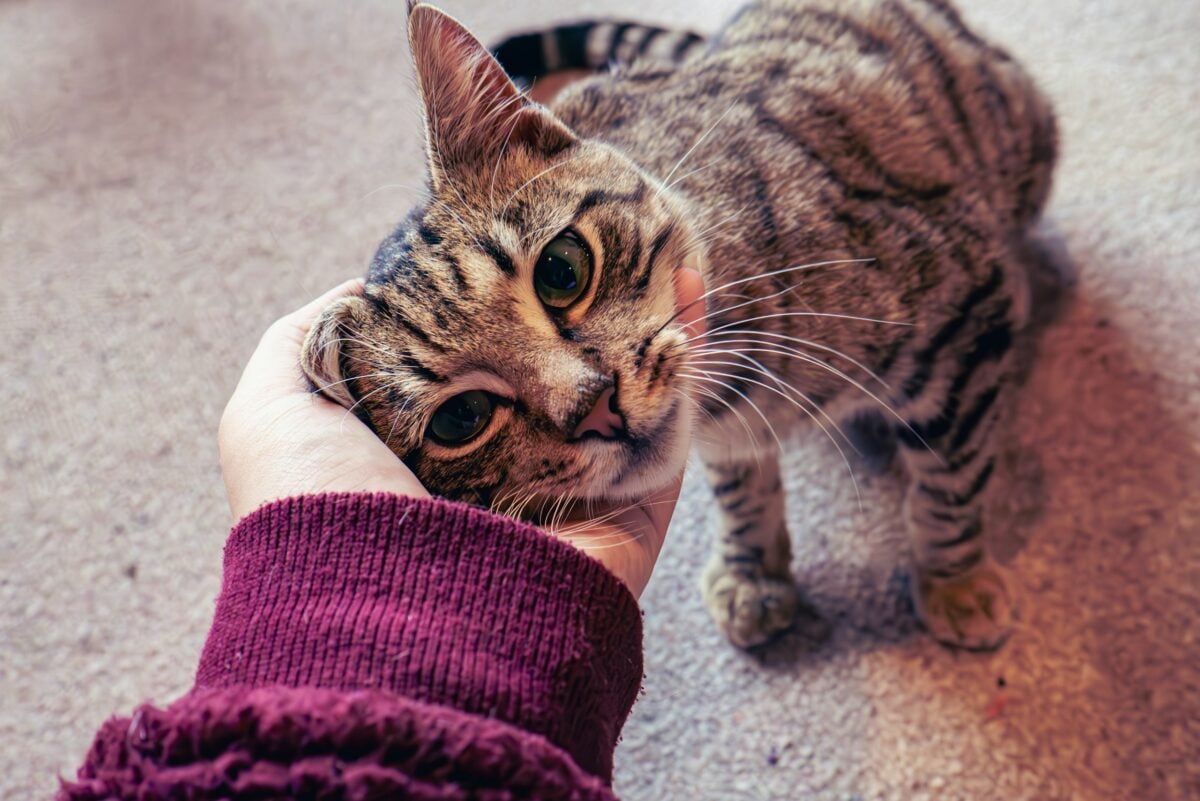
The reason cats make such effective emotional support animals isn’t found in a legal document; it’s found in the profound, often mysterious ways they choose to bond with us. Feline affection is built on trust and a deep sense of intuition that many owners find vital to their daily well-being.
Sometimes the bond is not dramatic. It is just a cat waiting outside the bathroom door, curling up beside you every night, or somehow appearing the second your thoughts get too loud.
Understanding the behavior behind their devotion can help you appreciate just how intentional their support really is:
- Proximity: If your companion follows you from room to room, it’s often a sign of a deep-seated need for connection. You can learn more about why your cat follows you everywhere and when that behavior might shift into your cat becoming “clingy”.
- Physical Affection: Small gestures, like grooming, are significant family-bonding markers. Discover the specific reasons why your cat licks your face and how it strengthens your relationship.
- The Ultimate Connection: Recognizing these behaviors is key to identifying the signs that your cat has imprinted on you.
When a cat chooses you as their primary source of security, they are doing more than just “being a pet.” They are providing a therapeutic anchor that forms the true heart of an emotional support relationship.
Has Your Cat Helped You Through Something Hard?
Many people know what it is like to be comforted by a cat in ways that are hard to put into words. If your cat has helped you through a difficult time, or if you’ve gone through the process of getting an ESA letter, we’d be grateful to hear your experience in the comments. Sharing your experience might help someone else feel a little less alone.