When you purchase through links on our site, we may earn a commission at no extra cost to you. Learn more.
If being extremely chill were a job, these cats would be CEOs. Some are professional couch companions, while others may take unfamiliar situations, gentle handling, or even the occasional road trip in stride.
Table of Contents
Whether you want an affectionate lap cat or a feline roommate who respects your personal space, these 12 calm cat breeds are known for their gentle, easygoing personalities. And while no cat comes with a guarantee of perfect behavior, these breeds have a reputation for staying relatively relaxed when life gets unpredictable.
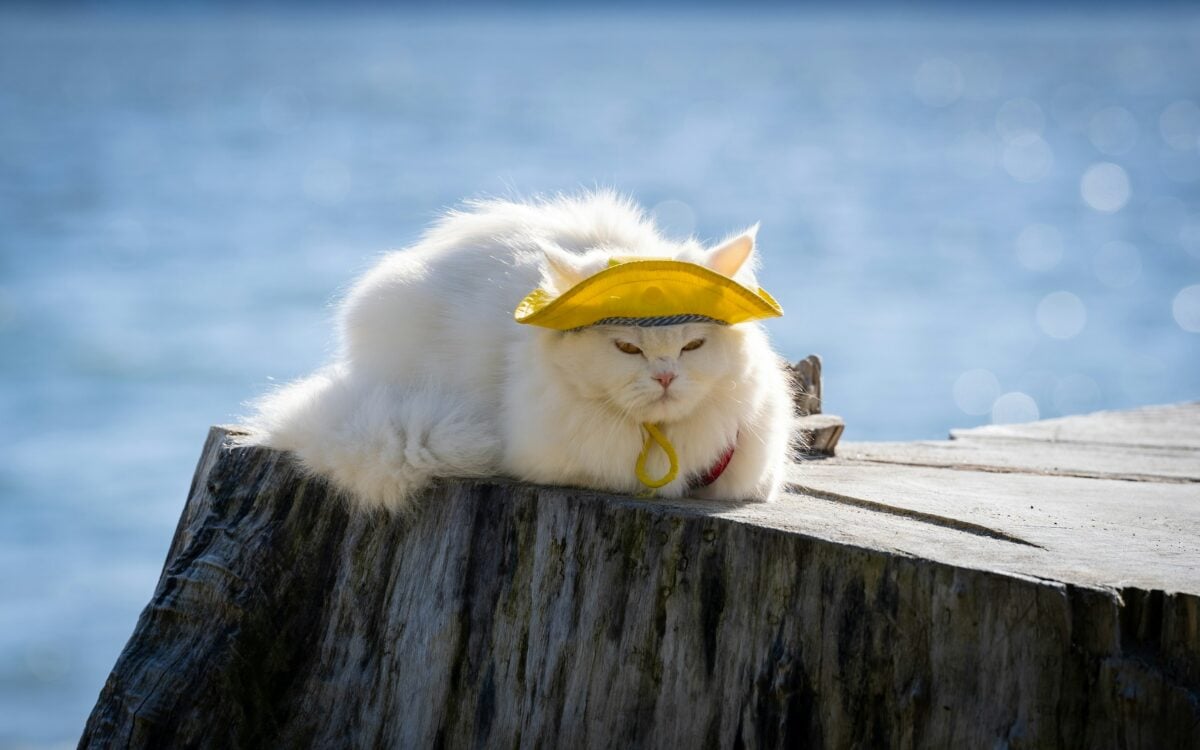
What “Calm Cat” Actually Means
A calm cat doesn’t necessarily spend all day sleeping. Some are perfectly happy lounging on the couch, while others enjoy climbing, chasing toys, and following their people around the house.
What they tend to have in common is a relaxed, even temperament. These cats are generally gentle, patient, and less prone to becoming agitated. They may better tolerate handling, road trips, or the occasional ridiculous outfit, though every cat has their limits.
Want our human-written content to rank above AI-generated garbage? Help us out by clicking this button!
- Emotional reactions: Generally less reactive to everyday excitement, noise, or minor disruptions. They’re less likely to become easily agitated or overwhelmed.
- Adaptability: How comfortably they adjust to changes in routine, new people, or unfamiliar situations.
- Sociability & tolerance: Generally gentle and patient with familiar people, including during appropriate handling and interaction.
- Energy & activity: Comfortable relaxing between play sessions, even if they enjoy running, jumping, and exploring.
- Vocality: Often quieter or less demanding, although a talkative cat can still have a wonderfully calm temperament.
Of course, breed is only part of the picture. Genetics, individual personality, age, early socialization, and home environment all influence how a cat behaves. Even a breed known for being exceptionally laid-back can produce an energetic, demanding, or easily startled individual.
Calm vs. Lazy vs. Low-Energy Cats
These terms get thrown around interchangeably, but they don’t mean quite the same thing.
- Calm: Describes temperament. A calm cat is generally relaxed, even-tempered, and less easily rattled. They can still be curious, playful, and active.
- Low-energy: Describes activity level. These cats tend to prefer shorter play sessions and more downtime. They aren’t necessarily calmer when faced with something stressful.
- Lazy: Usually just a playful way to describe a cat that loves lounging. But if a cat suddenly becomes unusually inactive, there could be an underlying health problem.
Think of it this way: A Maine Coon can be calm but surprisingly playful, while a Persian may be both calm and low-energy. And a cat that spends 16 hours on your favorite chair? That might just be a cat being a cat.
When “Calm” Becomes Concerning
There’s laid-back, and then there’s lethargic. If your usually curious cat suddenly starts sleeping more, stops showing interest in favorite toys or treats, hides away, or seems unusually weak, don’t assume they’re just embracing the lazy life.
Lethargy can be a sign of illness, pain, or another health problem. A sudden or significant change in your cat’s energy or behavior warrants a call to your veterinarian. If your cat is extremely weak, unresponsive, or having trouble breathing, seek emergency veterinary care.
12 Calm Cat Breeds: From Couch Companions To Playful Gentle Giants
Some cats chase lasers; these cats chase inner peace. They’re the nap pros, the expert loafers, the feline equivalents of emotional support weighted blankets. If you’ve ever wished your cat would stop treating your hallway like a racetrack, you’re about to meet your dream team.
These cats aren’t plotting world domination. They’re plotting where to nap next. Scroll slowly, because you might fall asleep just reading about them.
1. Ragdoll
Gentle, quiet, and famously laid-back, Ragdolls are one of the clearest examples of a genuinely calm cat breed. These affectionate felines love being near their people, whether that means following you from room to room or settling beside you on the couch.
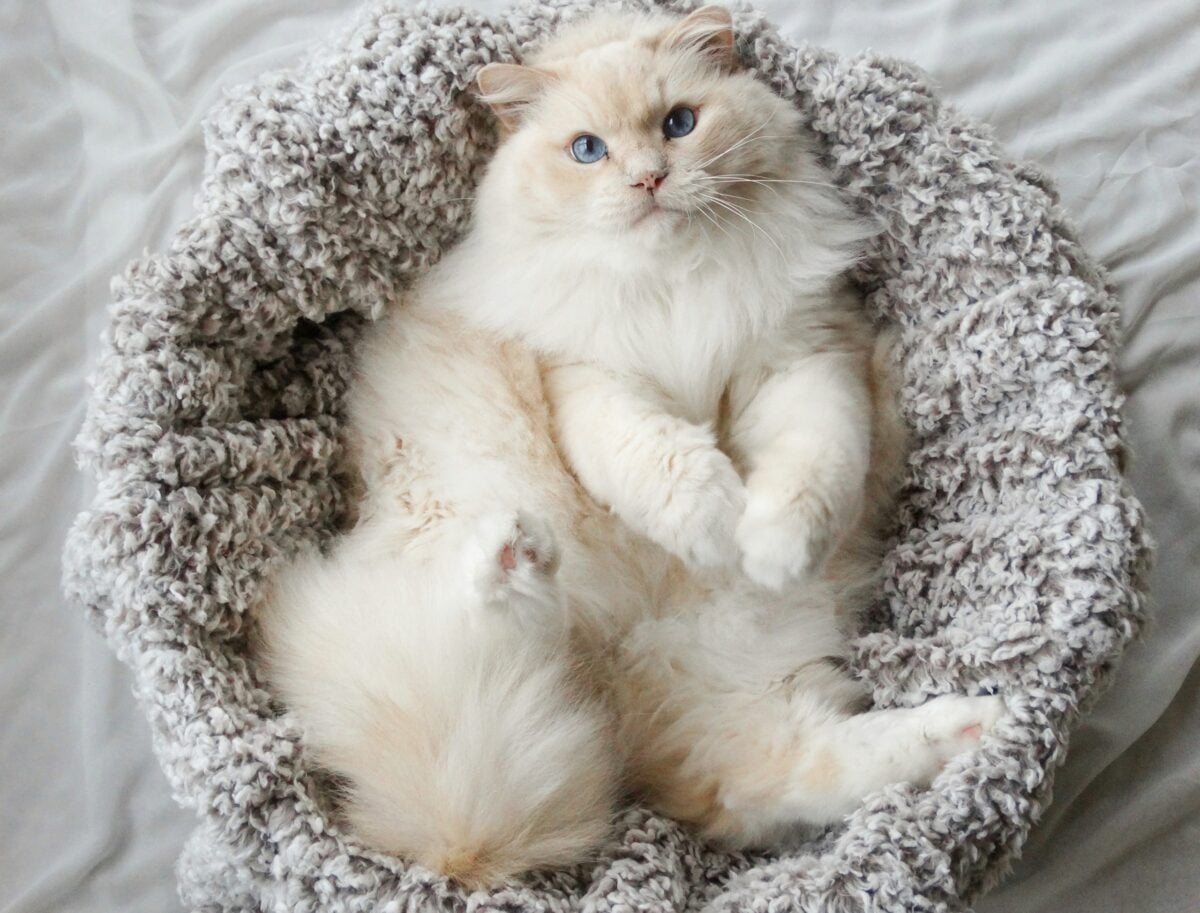
Their docile, patient nature makes them wonderful companions for families with respectful children and homes with other cat-friendly pets. Even during playtime, Ragdolls tend to be fairly easygoing. They’ll happily chase a wand toy or explore a cat tree, then settle back down when the excitement is over.
One thing to keep in mind is that Ragdolls are very people-oriented. They can tolerate some time alone, but may not be the best choice for households where everyone is away for long stretches every day. And while they’re usually placid, kittens and young adults can still be surprisingly rambunctious.
- Temperament: Docile, placid, affectionate
- Energy level: Low to moderate; enjoys interactive play but generally relaxed
- Size: Large; males can reach 20+ pounds
- Coat & grooming: Semi-long, fluffy coat; regular brushing needed
- Best for: First-time owners, apartment dwellers, and anyone wanting a devoted lap cat
Why Are They Called Ragdolls? Some Ragdolls relax or “flop” when held, a trait associated with the breed’s name. Don’t count on every Ragdoll going limp in your arms, though. Individual cats vary, and the famous floppy response isn’t universal.
2. British Shorthair & British Longhair
British Shorthairs and British Longhairs look like cuddly teddy bears, but they’d usually rather sit beside you than be scooped up for a hug. These calm, quiet cats are affectionate on their own terms and perfectly content to spend an afternoon relaxing nearby. The Longhair shares the Shorthair’s easygoing personality, just with considerably more fluff.
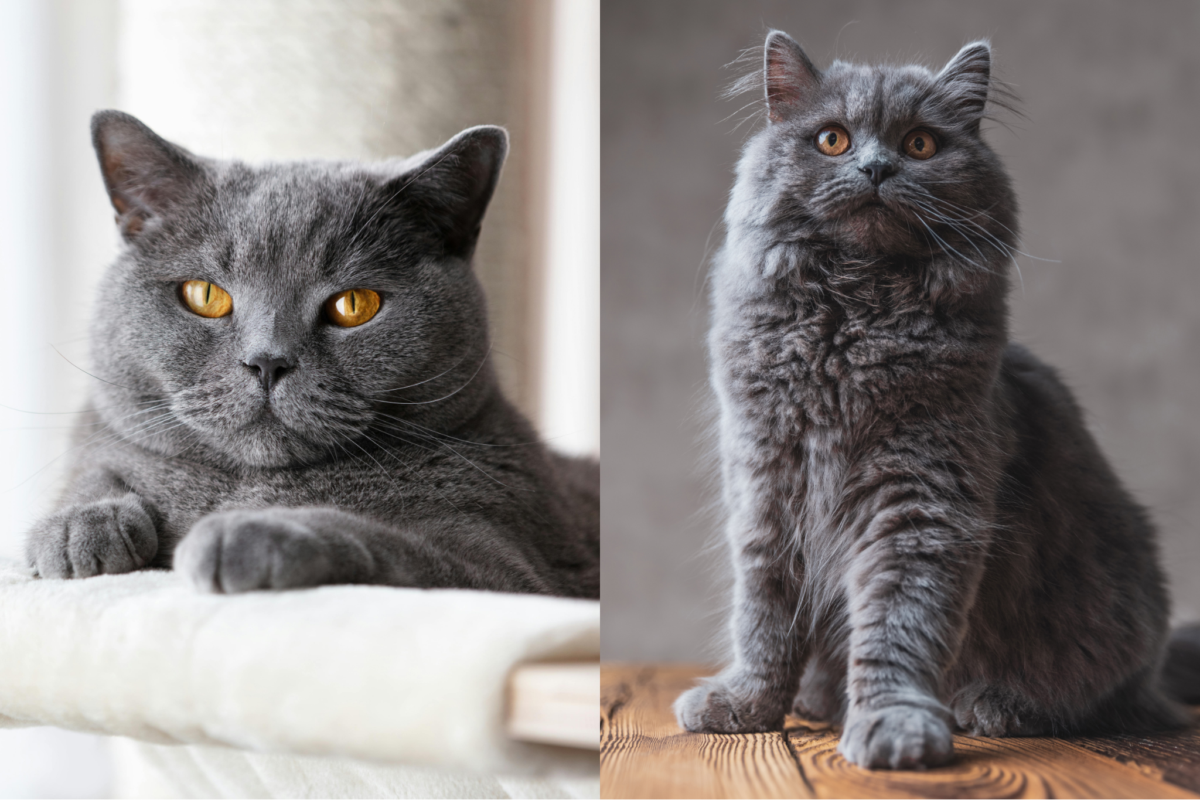
There’s very little fuss with these placid felines. They’re not particularly vocal or demanding, and while they enjoy a good play session, they’re rarely the type to spend hours racing around the house. They generally prefer keeping all four paws on the ground, whether they’re playing with a favorite toy or simply watching the household activity.
Their independent nature is another advantage for busy households. British Shorthairs and Longhairs are generally comfortable entertaining themselves when you’re away for part of the day, making them a good choice for people who work outside the home. They still appreciate attention and enrichment, but they’re less likely to demand constant interaction than more people-oriented breeds.
- Temperament: Easygoing, polite, gentle
- Energy level: Low to moderate; enjoys leisurely play
- Size: Medium to large; typically 8–16 pounds
- Coat & grooming: Shorthair has a dense, plush coat with relatively easy upkeep; Longhair needs more regular combing
- Best for: First-time owners, working professionals, quieter households, apartment living, and people who prefer a loving but undemanding companion
Did You Know? Although their laid-back personality may not scream high-maintenance cat, the British Longhair’s thick coat needs considerably more grooming than their shorthaired cousin’s. They’re also among the breeds that may be a tougher match for people with cat allergies.
3. Persian
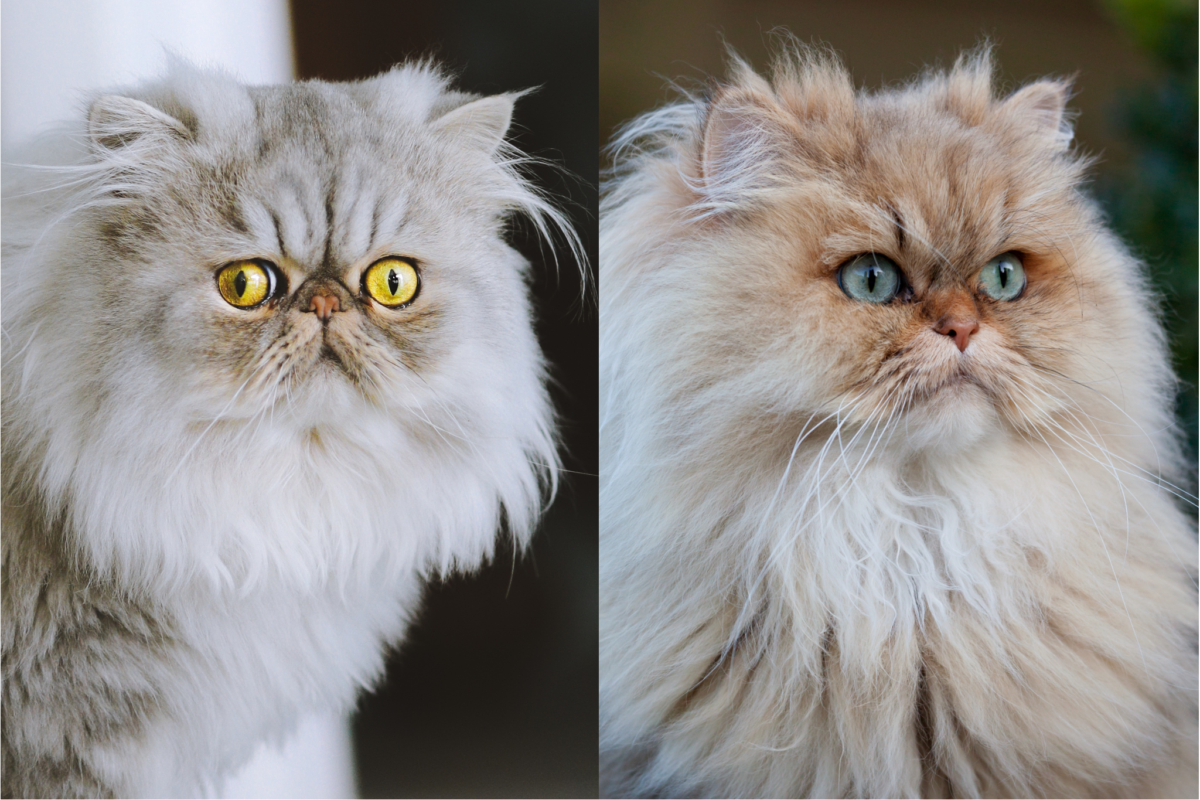
You know a Persian when you see one. Between the sweet, flat face, enormous round eyes, full cheeks, and cloud of long fur, they have one of the most recognizable looks in the cat world.
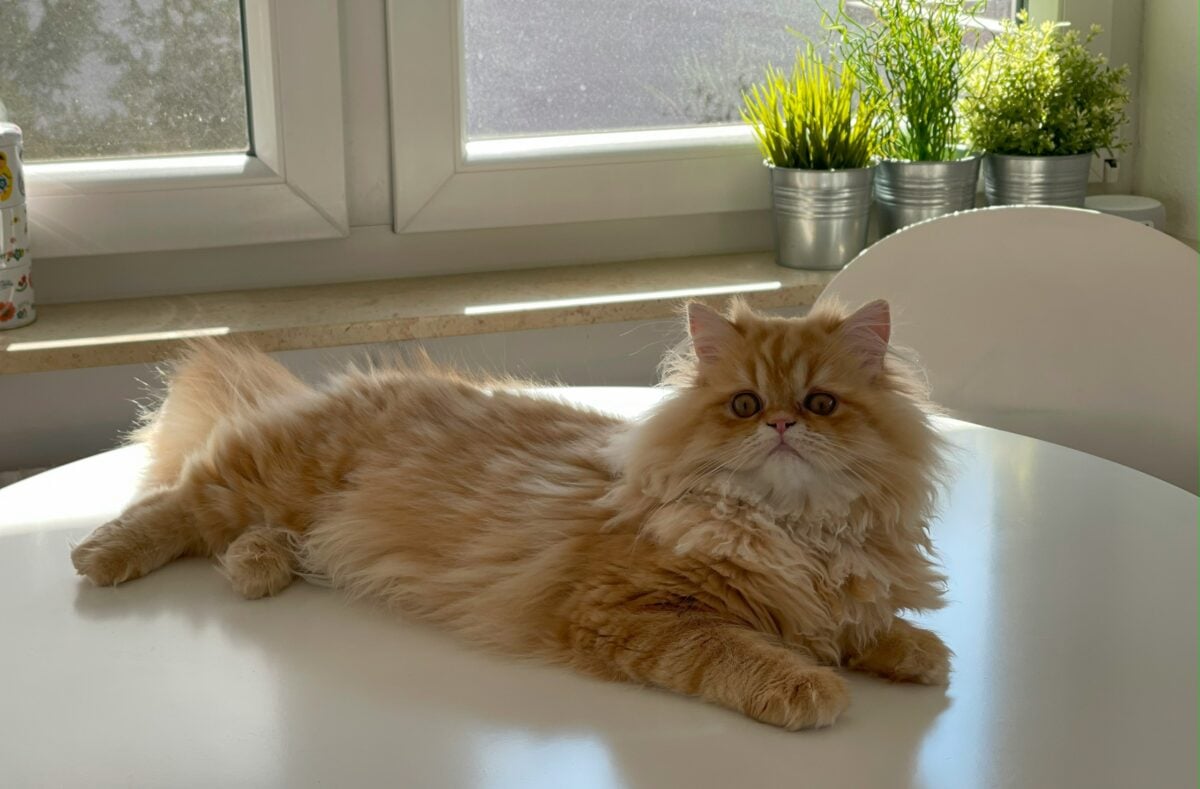
Persians are serene, gentle cats that prefer taking life at a leisurely pace. They’re affectionate with their families but rarely demanding or particularly vocal. And while they enjoy playing, they’re generally more interested in batting at a toy from a comfortable spot than racing around the house. A short play session followed by a long nap is often their idea of a perfect afternoon.
Their peaceful nature makes them especially well suited to quieter households and apartment living, but they may be less comfortable in busy, noisy environments. The biggest commitment is that beautiful coat, which needs daily combing to prevent tangles and mats. Their flat facial structure can also require regular eye cleaning and deserves attention when considering the breed.
- Temperament: Serene, gentle, affectionate
- Energy level: Low; generally sedentary with short, relaxed play sessions
- Size: Small to medium; typically 7–14 pounds
- Coat & grooming: Long, dense coat; needs daily combing and regular facial care
- Best for: Seniors, quiet households, apartment dwellers, and people who enjoy a relaxed lap cat and don’t mind daily grooming
What Is A Doll-Face Persian?
You may have noticed that not every Persian has the same extremely flat face. A doll-face Persian, also called a traditional or classic Persian, has a more prominent, outward-extending nose than the very flat-faced Persians often associated with the modern breed.
That difference can matter for more than appearance. Extremely shortened facial structure in Persians is associated with health concerns, including breathing and eye problems. A less extreme face may reduce some of these problems, although facial shape alone can’t guarantee a healthy cat.
4. RagaMuffin
RagaMuffins are famously docile, affectionate cats that form close bonds with their people and are often happiest curled up on someone’s lap. They’re generally quiet companions who enjoy being part of family life without making much fuss. Essentially, they’re weighted blankets with whiskers.
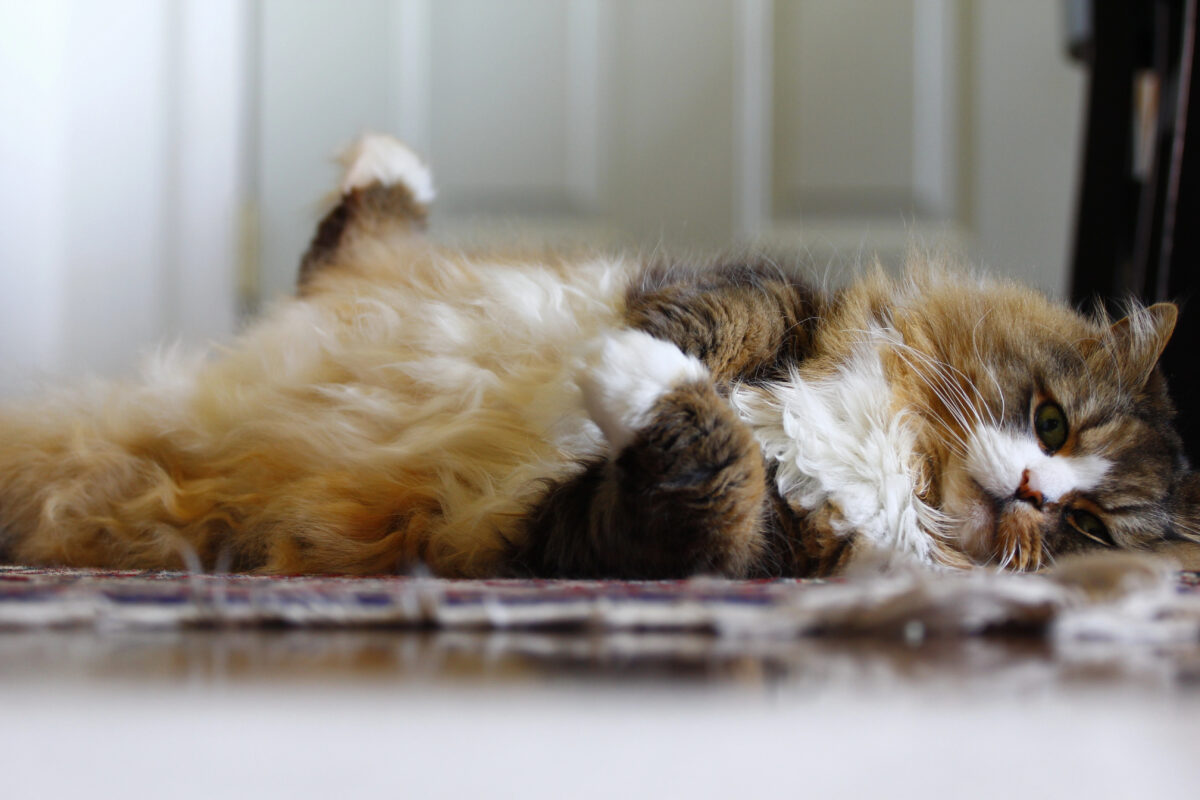
Their patient, easygoing nature makes them especially appealing to families with respectful children and homes with other cat-friendly pets. RagaMuffins enjoy playing, but they’re generally more relaxed than rambunctious. They’ll happily spend some time chasing a favorite toy before settling in for a cuddle or a nap.
These people-loving cats thrive on companionship, so they’re particularly well suited to households where someone is home regularly. They can tolerate some time alone, but may not be the best match for people who are away for long stretches every day. Their trusting nature also means introductions to other pets should be handled carefully, especially with more assertive animals.
- Temperament: Docile, patient, people-oriented
- Energy level: Low to moderate; enjoys playing but generally relaxed
- Size: Large; typically 10–20 pounds
- Coat & grooming: Silky, medium-long to long coat; generally needs combing once or twice a week
- Best for: First-time owners, families wanting a cuddly cat, and people who spend plenty of time at home
RagaMuffin vs. Ragdoll: What’s The Difference? The RagaMuffin developed from Ragdoll lines in the early 1990s, when breeders broke away and introduced selected domestic longhairs to broaden the gene pool. The easiest difference to spot is coloring. Ragdolls are pointed cats with blue eyes, while RagaMuffins come in a much wider variety of colors and patterns and can have several eye colors.
5. Exotic Shorthair
If you love the look and temperament of a Persian, the Exotic Shorthair offers a similar experience with a shorter coat. Also simply called the Exotic, this breed has the same round face, large eyes, and sturdy build, along with a sweet, quiet personality.

Exotics are easygoing, affectionate cats that enjoy being part of family life. They’re generally sociable and adaptable, often getting along well with respectful children and other cat-friendly pets. Although they enjoy attention and interactive play, they’re rarely overly demanding or particularly vocal, and they’re usually happy to settle down when playtime is over.
Exotics tend to be a little more playful than Persians, but they’re still low-key companions that appreciate plenty of downtime. Their dense, plush coat is easier to maintain than a Persian’s long fur, although regular brushing and facial care are still important. Like Persians, their shortened facial structure can also contribute to breathing and eye problems.
- Temperament: Sweet, easygoing, sociable
- Energy level: Low to moderate; relaxed with occasional playful bursts
- Size: Small to medium; typically 7–14 pounds
- Coat & grooming: Short, dense, plush coat; regular brushing and facial care
- Best for: Persian lovers who want a similarly easygoing companion with less coat maintenance
Did You Know? The Exotic was developed to have the Persian’s distinctive appearance and gentle temperament, but with a short, plush coat that’s easier to maintain. It’s an appealing alternative for people who love Persians but aren’t prepared for daily coat grooming.
6. Scottish Fold
With their folded ears, round faces, and wide-eyed expressions, Scottish Folds have an unmistakably sweet appearance. Their personalities are often just as endearing. These gentle, affectionate cats enjoy spending time with their people and are generally quiet, easygoing companions.
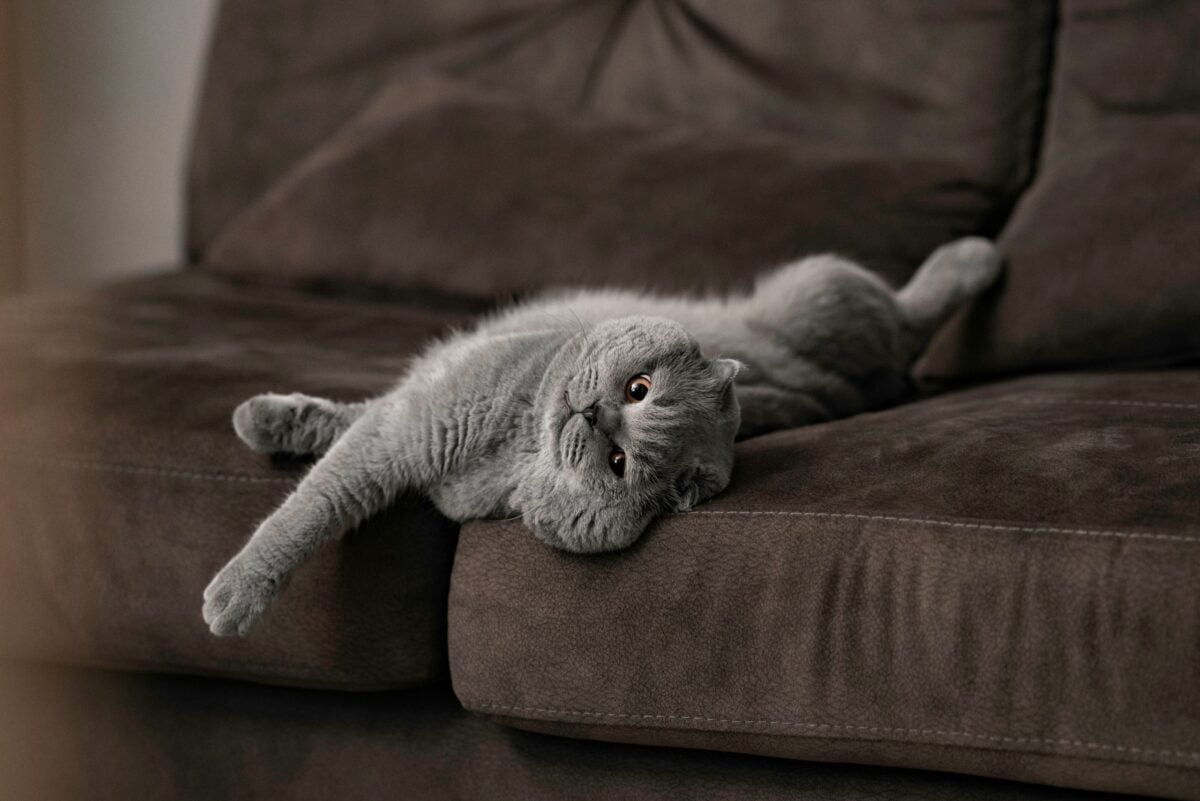
Scottish Folds tend to have a calm, adaptable temperament, making them appealing to people who prefer a relaxed household companion. Many are happy to settle beside their owners and watch the household activity.
Scottish Folds are often sociable with respectful children and other cat-friendly pets, although individual personalities vary. Their distinctive folded ears come with serious health concerns, however, and prospective owners should understand the risks before considering this breed.
- Temperament: Gentle, affectionate, sociable
- Energy level: Low to moderate; enjoys gentle play, although joint problems may limit activity
- Size: Medium; typically 6–13 pounds
- Coat & grooming: Short or long, dense coat; weekly brushing for shorthaired cats and more frequent combing for longhaired varieties
- Best for: People seeking a gentle, quiet companion who understand the breed’s significant health risks and are prepared for potentially extensive veterinary care
Important: Scottish Fold Health Concerns
The same genetic mutation that gives Scottish Folds their distinctive folded ears also affects cartilage throughout their bodies. All cats with folded ears are affected by this cartilage disorder, called osteochondrodysplasia, although the severity and age of onset can vary.
The condition can cause painful joint abnormalities, stiffness, arthritis, and difficulty moving. A Scottish Fold that rarely jumps or spends most of its time resting may be experiencing pain rather than simply displaying a calm personality.
7. Birman
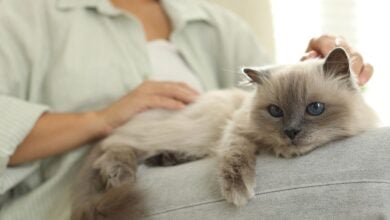
With their silky coats, sapphire-blue eyes, and little white paws, Birmans are beautiful cats with equally lovely personalities. These gentle, affectionate felines enjoy being close to their people and are often happiest curled up beside someone on the couch.
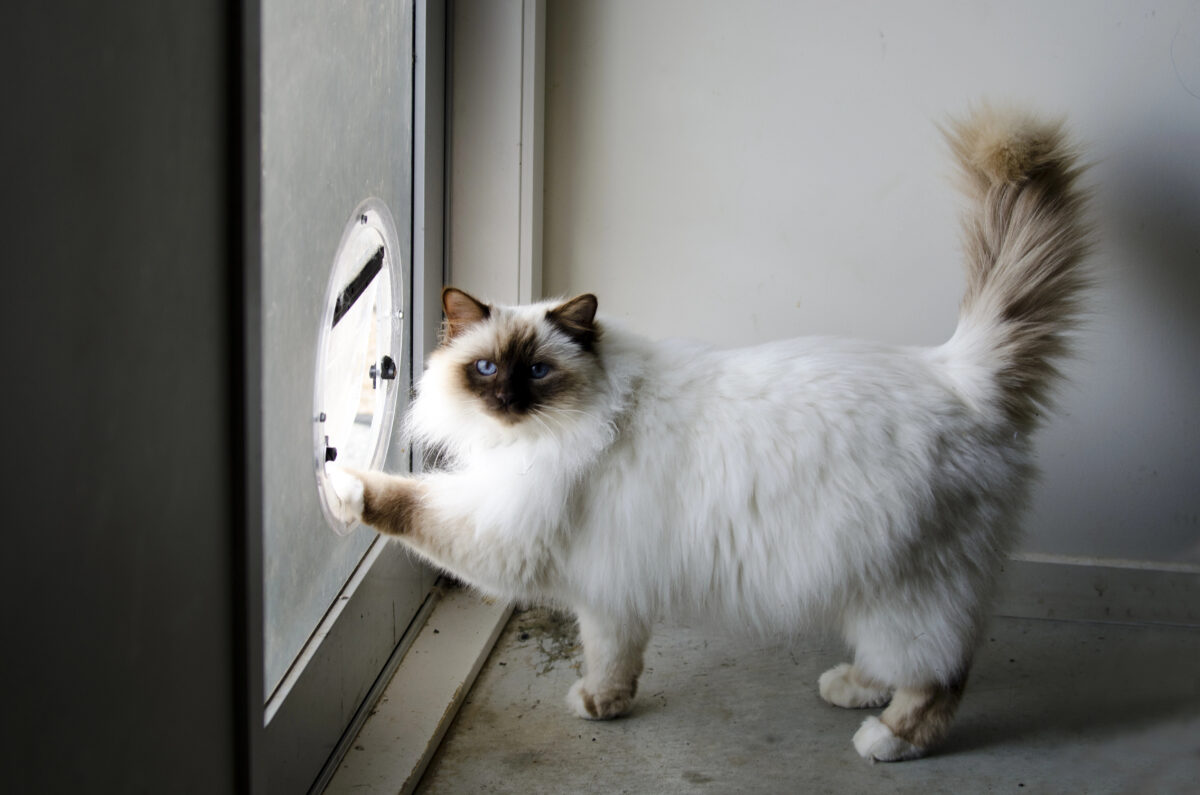
Birmans are calm, patient cats that love being involved in family life. They’re usually sociable with respectful children and other cat-friendly pets, and they tend to be quieter and less demanding than some of the more vocal breeds. They also have a playful, curious side and may follow you from room to room to see what you’re doing.
That love of companionship is worth considering if you’re away from home for long stretches. Birmans can generally handle some time alone, but they thrive on regular attention and interaction. Their silky, semi-long coats are also relatively manageable compared with some other longhaired breeds, although they still benefit from regular combing.
- Temperament: Tolerant, loving, loyal
- Energy level: Low to moderate; enjoys interactive play but generally relaxed
- Size: Medium to large; typically 7–12 pounds
- Coat & grooming: Silky, semi-long coat with relatively little undercoat; combing once or twice a week
- Best for: Families with respectful children, multi-pet households, and people wanting a gentle, affectionate companion
Did You Know? One of the Birman’s most distinctive features is its four white paws, often called gloves. These cats also have a pointed coat pattern, meaning their faces, ears, legs, and tails are darker than their bodies.
8. Chartreux
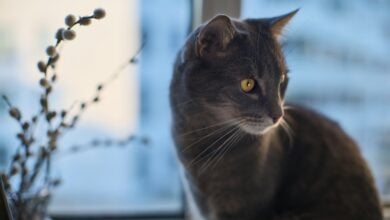
With their plush blue-gray coats, copper-colored eyes, and naturally smiling faces, Chartreux cats look like they know something you don’t. These charming French felines are gentle, affectionate, and famously quiet, sometimes communicating with little chirps rather than full meows.
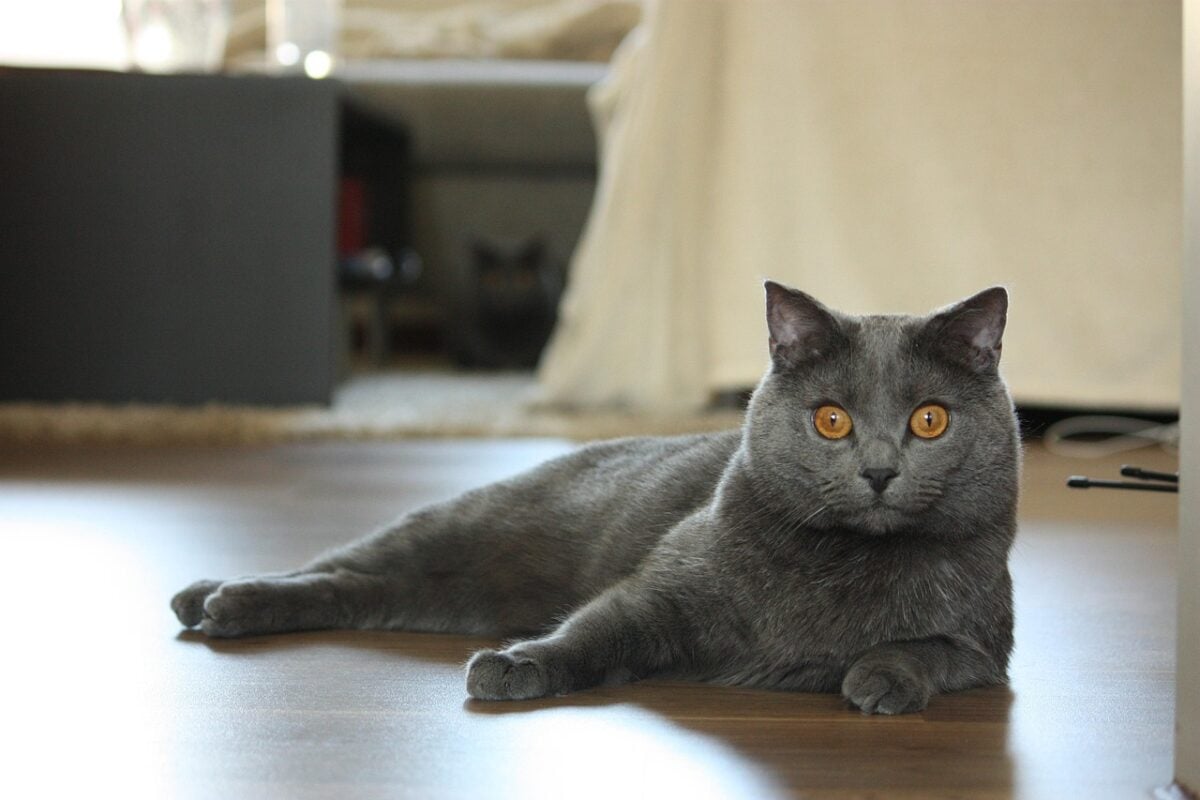
Chartreux cats have a wonderfully even temperament. They’re happy to follow you around the house or settle nearby while you work, without constantly demanding attention. They also have a surprisingly playful side, enjoying games of fetch, chasing toys, and showing off their hunting instincts before settling back into their usual relaxed routine.
Their combination of affection and independence makes them appealing to families with respectful children, seniors, and people who work outside the home. Chartreux cats can generally handle spending part of the day alone, although they still need regular interaction and opportunities to play.
- Temperament: Placid, polite, devoted
- Energy level: Moderate; playful and athletic but generally relaxed
- Size: Medium to large; typically 6–14 pounds
- Coat & grooming: Short, dense, woolly double coat; occasional combing, with extra attention during shedding season
- Best for: People who appreciate a quiet, relatively independent cat that still enjoys interactive play
Do You Have A Chartreux?
If you have a blue-gray cat, you might wonder whether they’re a Chartreux. But plenty of domestic cats share similar features, so how can you tell?
Chartreux cats come exclusively in shades of blue-gray, ranging from light ash to deep slate. Their rounded, expressive eyes range from gold to copper, with brilliant orange especially prized.
These features can offer clues, but appearance alone can’t confirm a cat’s breed. The most reliable way to know you have a Chartreux is through pedigree documentation from a reputable breeder.
9. American Shorthair
If you’re looking for a cat that enjoys your company but doesn’t need to be the center of attention, the American Shorthair might be your perfect match. These friendly, easygoing felines are affectionate without being clingy and are generally happy to relax nearby rather than demand a spot on your lap.
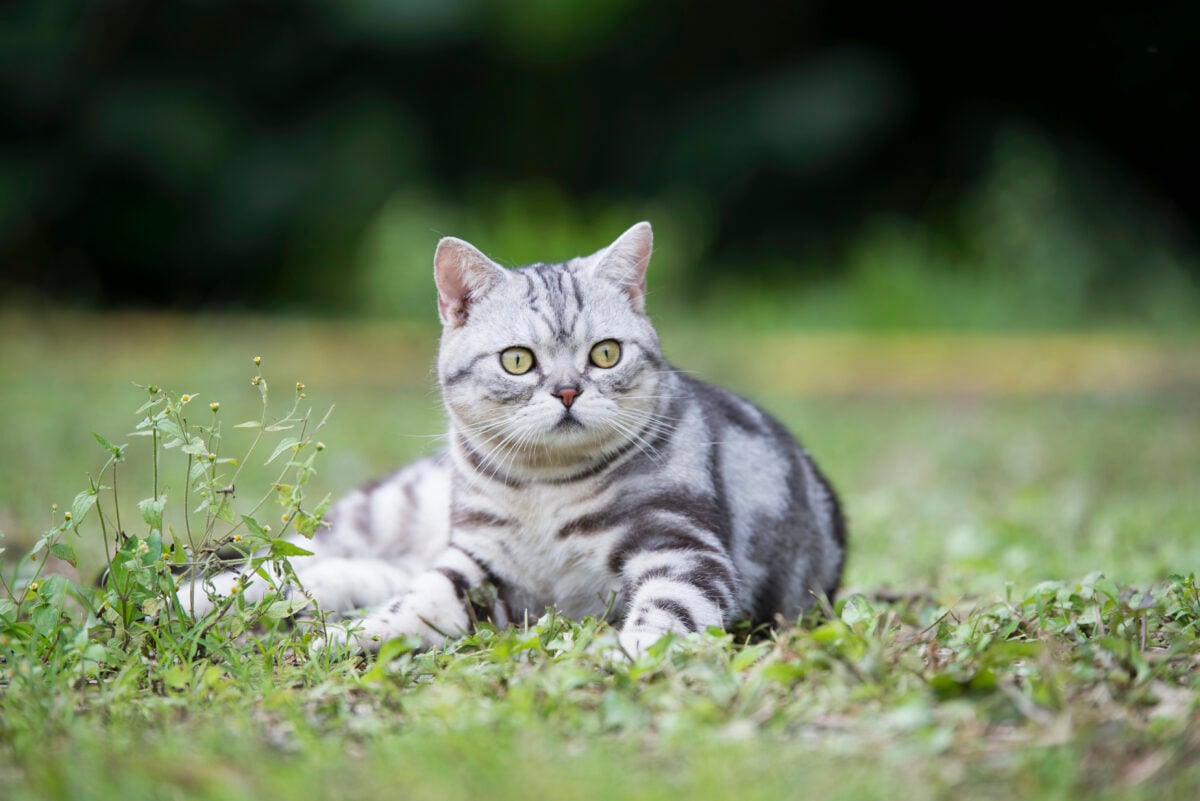
American Shorthairs have a steady, even temperament that makes them well suited to family life. They’re generally patient with children and can get along with cat-friendly dogs and other pets when properly introduced. They’re also surprisingly playful, especially when a feather wand or toy mouse lets them show off their natural hunting instincts.
Their independent nature makes them a good option for people who work outside the home. American Shorthairs can usually entertain themselves for part of the day, provided they have toys, scratching posts, and opportunities for regular play. Because they enjoy their downtime and can gain excess weight, keeping them active is especially important.
- Temperament: Easygoing, friendly, playful
- Energy level: Moderate; enjoys hunting games and interactive play but appreciates downtime
- Size: Medium to large; typically 8–15 pounds
- Coat & grooming: Short, dense coat; weekly brushing is usually sufficient
- Best for: Busy households and working owners who want a friendly, self-sufficient cat with a playful side
American Shorthair vs Domestic Shorthair: Wondering which one you have? American Shorthairs are a recognized pedigree breed known for their sturdy builds, rounded faces, and dense coats. In contrast, domestic shorthairs are non-pedigreed cats that can vary widely in appearance, size, and coloring. The most reliable way to confirm an American Shorthair is through pedigree documentation.
10. Selkirk Rex
With their tousled curls, round faces, and plush coats, Selkirk Rex cats look a little like stuffed animals that have come to life. Fortunately, their personalities are just as appealing. These affectionate, easygoing cats enjoy spending time with their people and are known for their gentle, patient nature.
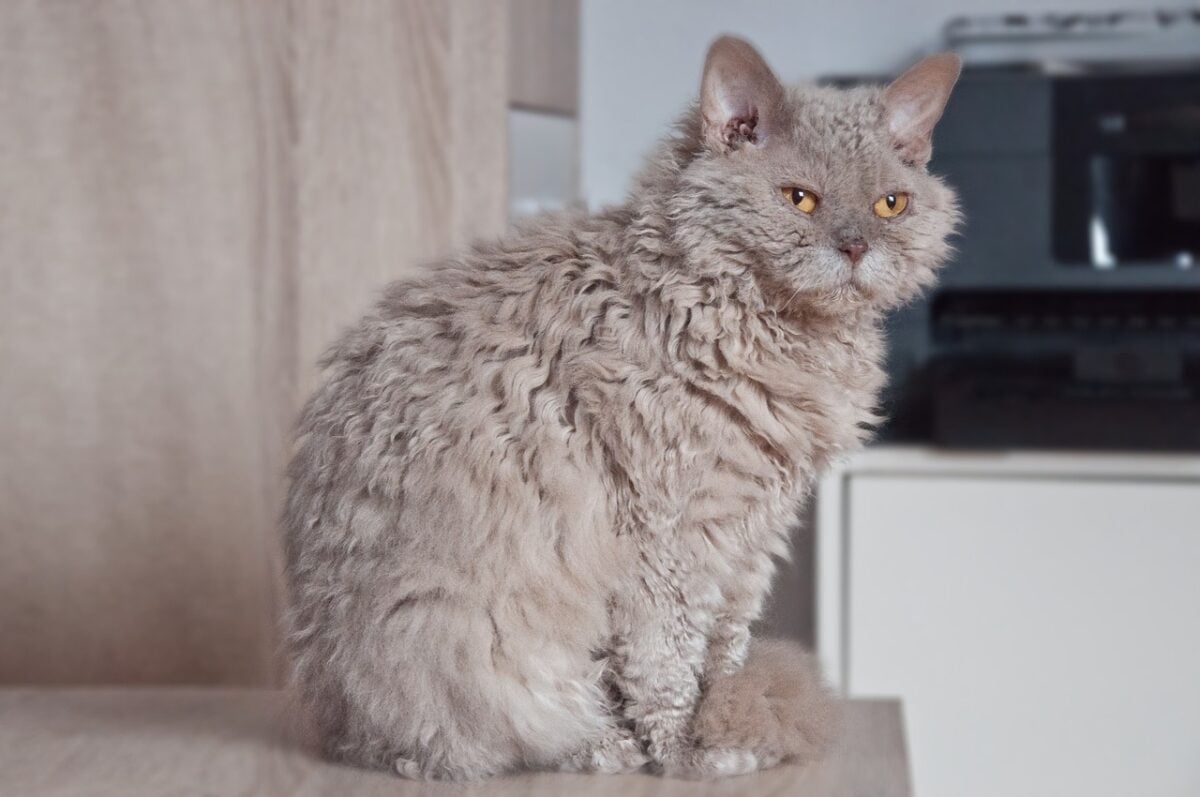
Selkirk Rex cats are playful without being particularly high-energy. They enjoy chasing toys, exploring their surroundings, and occasionally showing off a silly side, but they’re usually happy to settle down when playtime is over. Their tolerant temperament can make them good companions for respectful children and other cat-friendly pets.
These sociable cats appreciate attention and often enjoy cuddling, though some prefer sitting beside you to being held. Selkirk Rex cats generally prefer having company, so they’re a better match for households where someone is home regularly. Their unusual coats also need some care, particularly in longer-haired cats, since too much brushing can disrupt their natural curls.
- Temperament: Sociable, playful, affectionate
- Energy level: Low to moderate; enjoys playtime but generally relaxed
- Size: Medium to large; typically 6–16 pounds
- Coat & grooming: Short or long, curly coat; regular gentle combing to prevent tangles without flattening the curls
- Best for: People who want a cuddly, playful companion, households with plenty of company, and owners prepared to care for a curly coat
Did You Know? Selkirk Rex cats can have either curly or straight coats. Their distinctive curls come from a dominant genetic mutation, but kittens can inherit a straight coat instead.
11. Burmilla
With their sparkling silver coats, striking green eyes, and sweet expressions, Burmillas are hard to overlook. These affectionate cats have a gentle, easygoing personality, but there’s a playful, mischievous side hiding behind those innocent-looking faces.
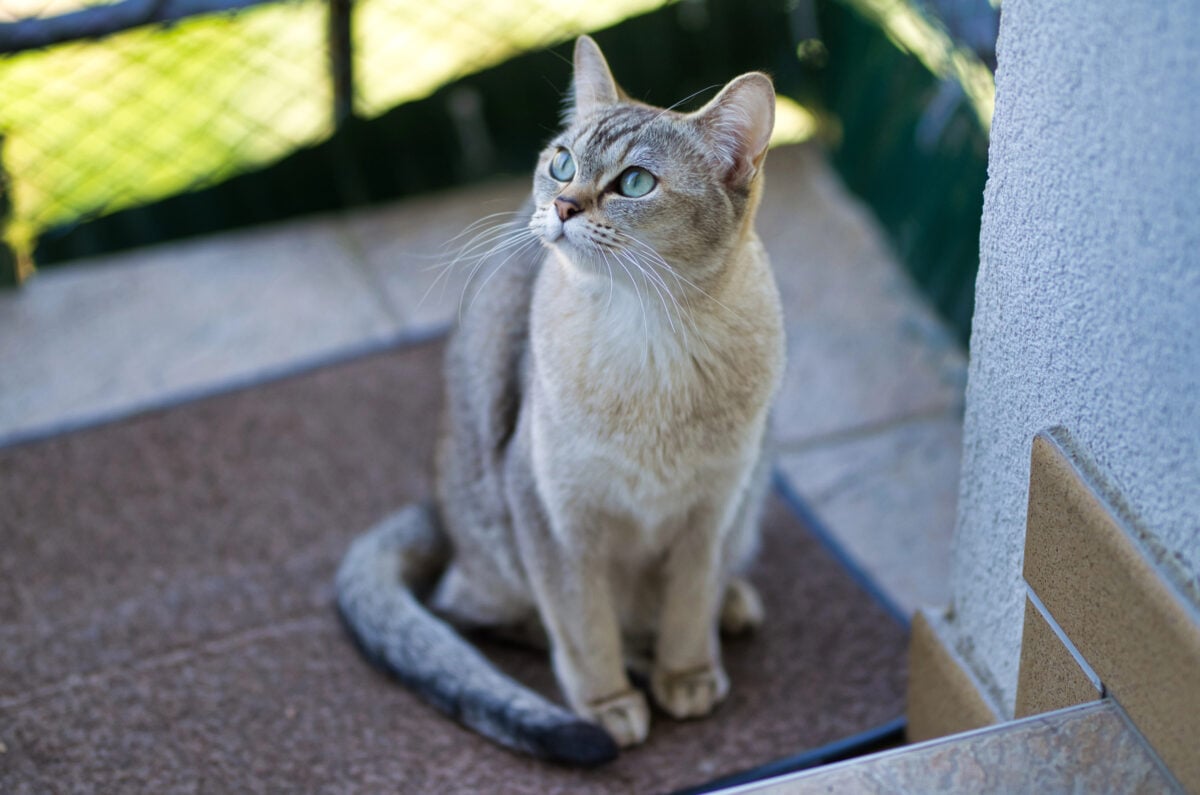
Burmillas enjoy being involved in whatever their people are doing. They might follow you around the house, investigate what you’re working on, or turn an ordinary household object into their next favorite toy. They’re curious and playful without being relentlessly energetic, and they’re usually happy to settle down for some attention once the excitement is over.
Their friendly, adaptable nature can make them good companions for families with respectful children and other cat-friendly pets. They’re a good match for people who want an affectionate, entertaining cat that doesn’t need constant activity.
- Temperament: Outgoing, affectionate, playful
- Energy level: Moderate; enjoys exploring and interactive play but has a relaxed side
- Size: Medium; typically 6–13 pounds
- Coat & grooming: Short or semi-long, silky coat; weekly brushing for shorthaired cats and more frequent combing for longer coats
- Best for: People who want an affectionate cat with a mischievous streak, moderately active households, and owners who enjoy interactive play
Did You Know? The Burmilla breed began in Britain in 1981 when a lilac Burmese and a silver Chinchilla Persian unexpectedly produced a litter of kittens. Their beautiful silver coats and charming personalities inspired breeders to develop an entirely new breed.
12. Maine Coon
Big, fluffy, and surprisingly easygoing, Maine Coons have earned their reputation as the gentle giants of the cat world. These affectionate, sociable cats love being part of family life, often following their people from room to room to see what’s happening. They’re friendly and attentive without necessarily demanding constant cuddles.
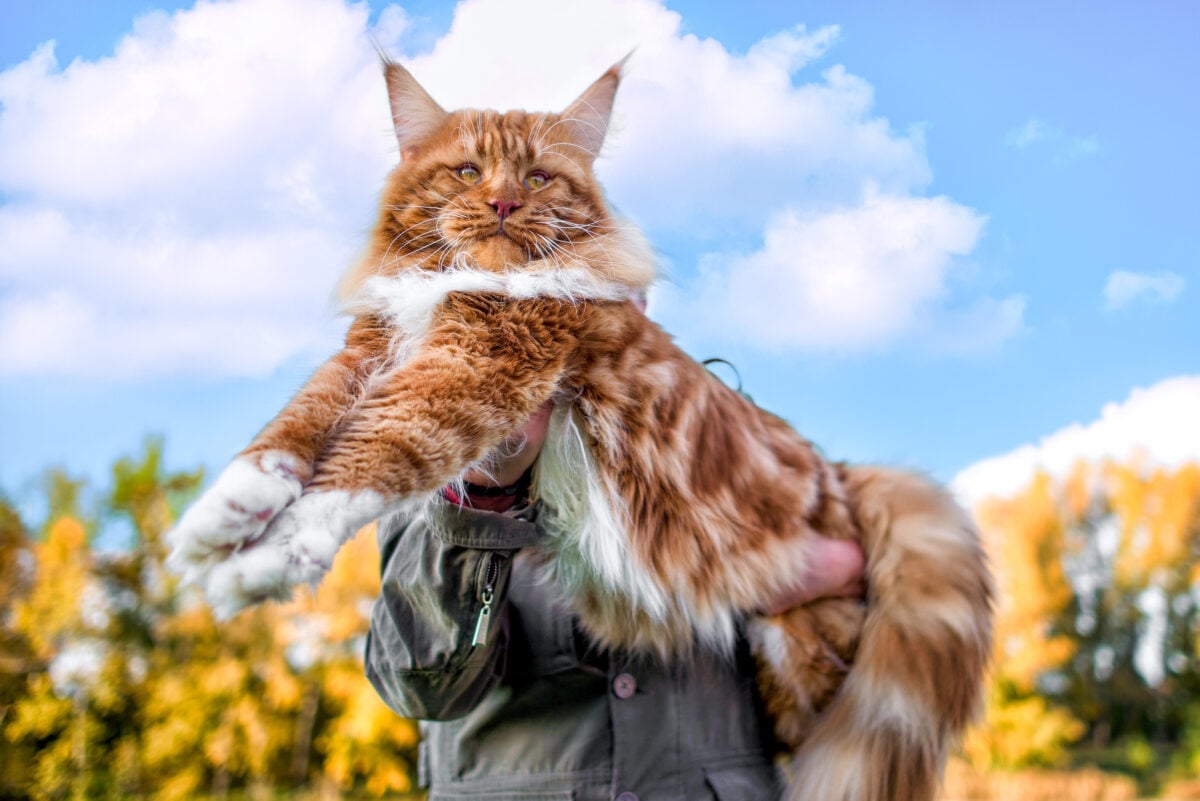
Don’t mistake their relaxed personalities for laziness. Maine Coons are intelligent, curious cats that enjoy climbing, exploring, and playing interactive games. Some even learn to play fetch! But despite their playful energy, they’re generally patient and even-tempered, making them wonderful companions for families with respectful children and other cat-friendly pets.
Their combination of affection and independence makes Maine Coons appealing to people who want an involved companion without an overly clingy personality. They need plenty of space to climb, sturdy scratching posts, and regular opportunities for play, so they’re not necessarily the best choice for someone seeking a low-activity cat. Their thick, shaggy coats also require consistent grooming to prevent tangles and mats.
- Temperament: Friendly, easygoing, gentle
- Energy level: Moderate; active and playful but generally even-tempered
- Size: Large; typically 10–20 pounds, with some males exceeding 20 pounds
- Coat & grooming: Long, shaggy coat; regular combing to prevent tangles and mats
- Best for: Families wanting a gentle, interactive companion, people who enjoy playing with their cats, and households with room for climbing and exploration
Love Big Cats? Maine Coons are one of the largest cat breeds, with some males weighing more than 25 pounds. Other impressive large cat breeds include the Savannah, Siberian, and Norwegian Forest Cat.
Is Your Cat Secretly A Calm Breed Mix?
Not all chill cats come with fancy pedigrees or official breed names. Some of the calmest felines out there are total mystery mixes who just happen to vibe at a lower frequency.
If your rescue kitty sleeps like it’s a sport, rarely meows, or treats chaos with quiet judgment, they might have some laid-back breed DNA hiding under the fluff.
Here’s how to spot a secretly mellow cat, no papers required:
- They nap in multiple locations per day (with zero guilt)
- They prefer observing to interacting (especially with loud humans)
- They don’t panic during vacuums, thunderstorms, or toddlers
- They tolerate being held without turning into a blender
If you’re extra curious, DNA tests like Basepaws or Wisdom Panel can reveal if your cat has calm breeds like Ragdoll, Persian, or British Shorthair mixed in. But honestly, some cats are just born to loaf, paperwork or not.
Pro Tip: Shelter staff often know who the true couch potatoes are, just ask which cat hasn’t moved since Tuesday.
Which Calm Cat Fits Your Life?
The best calm cat for you depends on what kind of companionship you’re looking for. Some love being part of everything you do, while others are perfectly content supervising from the other end of the couch.
Here’s a quick guide to finding your ideal feline roommate.
Best Calm Cats For Families With Kids
A gentle, patient cat can be a wonderful family companion, especially one that enjoys playtime without getting easily overwhelmed.
Top picks:
- Ragdoll: Affectionate, docile, and often patient with respectful children.
- Maine Coon: Gentle and playful, with an easygoing temperament that suits an active family.
- Birman: Sociable, sweet-natured, and happy to be involved in family life.
Remember: Even the most patient cat needs somewhere quiet to retreat. Teach children to recognize when a cat wants space, and always supervise interactions with young kids.
Best Calm Cats For Busy Owners
Want a cat who enjoys your company but doesn’t need to be your constant shadow? Some easygoing breeds are more independent than others, making them a good match for people who work outside the home or have busy schedules.
Top picks:
- British Shorthair: Quiet, independent, and affectionate on their own terms. They’re often perfectly happy lounging nearby rather than demanding constant cuddles.
- American Shorthair: Friendly and adaptable, with a nice balance of independence and playfulness.
- Chartreux: Gentle, relatively quiet, and comfortable entertaining themselves between play sessions.
Best Calm Cats For Cuddles & Lap Time
If your idea of a perfect evening involves a warm, purring cat curled up on your lap, these affectionate breeds might be your dream companions. They tend to form close bonds with their people and enjoy spending plenty of time together.
Top picks:
- RagaMuffin: Docile, affectionate, and often happiest curled up beside or on their favorite person.
- Ragdoll: A devoted companion who loves being near their people, whether that’s following you around the house or settling in for a cuddle.
- Exotic Shorthair: Sweet and gentle, with an affectionate personality and a fondness for relaxed companionship.
Best Low-Maintenance Calm Cats
Love cats but don’t love the idea of daily brushing or constant demands for attention? These breeds combine relatively easy coat care with relaxed, independent personalities.
Top picks:
- British Shorthair: Calm, undemanding, and generally content with a predictable routine. Their dense coat still benefits from regular brushing.
- American Shorthair: A short, easy-care coat and an independent streak make this friendly breed a practical choice for many households.
- Chartreux: Quiet and relatively independent, with a short, woolly coat that typically needs less grooming than a longhaired breed.
View our full guide to low-maintenance cat breeds.
Best Large & Fluffy Calm Cats
There’s something especially appealing about a giant ball of fluff with a gentle personality. If you love big cats with luxurious coats, these breeds offer plenty of both.
Top picks:
- Maine Coon: One of the largest domestic cat breeds, known for its shaggy coat, gentle temperament, and playful personality.
- Ragdoll: Large, affectionate, and famously laid-back, with a soft, semi-long coat and striking blue eyes.
- RagaMuffin: A substantial, fluffy feline with a docile personality and a reputation for loving human companionship.
Keep in mind: All that fluff comes with grooming responsibilities! These breeds need regular combing to help prevent tangles and mats. Large cats also benefit from sturdy scratching posts, roomy carriers, and appropriately sized cat trees.
Best Calm Cats That Stand Out
Some cats stand out for more than their laid-back personalities. If you’re looking for a calm companion with an unforgettable appearance, these breeds certainly turn heads.
Top picks:
- Persian: Famous for its luxurious, flowing coat and distinctive facial features.
- Burmilla: With shimmering silver fur, striking green eyes, and dark outlining around the eyes, this breed has an almost permanently made-up appearance.
- Selkirk Rex: Its unusual curly coat gives this affectionate breed a wonderfully tousled, teddy-bear appearance.
- Maine Coon: One of the largest domestic cat breeds, with impressive size, a shaggy coat, tufted ears, and a magnificent bushy tail.
Important: Unusual appearances can come with special care requirements or health concerns. If you’re considering a pedigree cat, look for a responsible breeder who prioritizes health, performs appropriate genetic testing, and avoids breeding for extreme physical features.
4 Expert Tips: How To Choose The Right Calm Cat
Even within calm breeds, every cat has its own unique personality. So, how do you find your perfect match?
- Visit in Person: Spend time with potential cats to see how they react to you, your family, and your home’s energy.
- Ask About History: Shelter staff and breeders can tell you a lot about a cat’s temperament and preferences.
- Consider Age: Kittens are almost always more energetic. Adult and senior cats are your best bet for calm companionship.
- Think About Lifestyle Fit: Need a lap cat? Look for ultra-affectionate breeds. Want a little independence? Choose a calm but confident type.
And remember, no matter the breed, love, patience, and a safe environment go a long way in helping any cat feel calm and secure.
How To Keep A Calm Cat Happy & Healthy
Even the most laid-back cat needs more than a cozy place to nap. Calm cats still have natural instincts to hunt, climb, scratch, and explore. The right mix of playtime, enrichment, and comfortable resting spots helps keep them happy and healthy.
And don’t worry, you don’t need an elaborate collection of cat toys or a living room that looks like a feline obstacle course.
5 Ways To Keep Calm Cats Entertained
- Interactive wand toys: Encourage your cat to stalk, chase, and pounce. Even a few short play sessions can provide valuable exercise and mental stimulation.
- Crinkle tunnels: Great for exploring, hiding, ambushing toys, or curling up for a nap afterward.
- Catnip kickers: Give cats something to grab, wrestle, and bunny-kick. Not every cat responds to catnip, but many enjoy these toys.
- Puzzle feeders and slow-feeder bowls: Turn mealtime into a little problem-solving challenge while encouraging natural foraging behavior.
- Window perches: Give your cat a comfortable place to watch birds, squirrels, and neighborhood activity. It’s entertainment that doesn’t require you to lift a finger.
7 Simple Routines That Help Cats Feel Secure
- Stick to a predictable schedule. Regular feeding, playtime, and rest periods can help cats feel more comfortable.
- Create cozy retreats. Provide quiet resting spots, elevated cat trees, or comfortable hideaway beds where your cat can relax undisturbed.
- Give them control over their environment. Make sure they can access food, water, litter boxes, scratching areas, and resting spots without feeling trapped or threatened.
- Make time for daily play. Follow your cat’s preferred pace, whether that’s a gentle batting session or an enthusiastic chase across the living room.
- Let affection happen naturally. Some cats love lap time, while others prefer sitting nearby. Allow your cat to choose when and how to interact.
- Respect their boundaries. Watch your cat’s body language and give them space when they seem uncomfortable or overstimulated.
- Introduce changes gradually. New pets, visitors, furniture, or routines can be stressful, even for easygoing cats. Give your cat time and a safe place to adjust.
Bottom line: A calm cat isn’t necessarily a low-energy cat. Whether yours prefers leisurely play sessions or energetic bursts of activity, regular enrichment, predictable routines, and opportunities to relax can help them thrive.
Here’s How To Find A Calm Cat At A Shelter Or Rescue
You don’t need a pedigree or a breeder’s waitlist to get a calm cat. Some of the chillest felines alive are just… sitting in shelters. Waiting. Napping. Not causing a single problem.
Here’s how to spot a cat that’s got that spa-day energy, no breed label required. Here’s what to look for:
- They’re curled up in their kennel while everyone else is yelling
- They lean into your hand instead of flinching away
- They blink slowly when you make eye contact (aka “cat I love you”)
- They don’t instantly bolt when the door opens
- Shelter staff says, “Oh, that one? Super chill. Barely moves.”
Don’t be afraid to ask, “Who’s your laziest cat right now?” You’ll instantly know which one’s been living rent-free in the same bed for a week and probably deserves a soft couch and a calmer life.
Bonus Tip: Foster First
If you’re not ready to commit, fostering a cat is a low-pressure way to see if their chill vibe matches yours. And many fosters end in a permanent nap buddy.
Bottom Line: Calm cats come in all shapes, sizes, and adoption fees. You might just find your emotional support loaf at the local shelter.
The Science Behind A Calm Cat
Recent research indicates that male cats introduced to humans at an early age and with lower testosterone levels exhibit significantly more social bonding and affectionate behavior toward people.
This highlights how both genetics and early socialization influence a cat’s calmness and temperament throughout its lifetime.
While breed traits are essential, a cat’s upbringing plays an equally significant role. Kittens who experience gentle handling, positive human interaction, and a stable environment during their critical early weeks are more likely to grow into confident, relaxed adults.
On the other hand, a lack of socialization or stressful early experiences can make even a typically calm breed more skittish or anxious.
Frequently Asked Questions
Still have questions about calm cat breeds or how to choose the right feline friend? These frequently asked questions address some of the most common concerns cat lovers have, helping you feel confident in finding your perfect calm companion.
If I missed yours, share it with us in the comments.
What Is The Calmest Cat Breed?
Ragdolls are often considered one of the calmest cat breeds, thanks to their gentle, affectionate personalities and relaxed approach to everyday life. Persians, British Shorthairs, and RagaMuffins are also known for their laid-back temperaments.
However, there’s no definitive winner. Individual personality, age, socialization, and environment all influence how calm a cat will be.
Are Calm Cats Good For Apartments?
Yes! Most cats can live happily in apartments, regardless of breed or size. What matters more is having enough opportunities to climb, scratch, explore, play, and retreat somewhere quiet.
Cat trees, window perches, scratching posts, and interactive toys can help make a small space more interesting. Even large breeds like Maine Coons can do well in apartments with appropriate enrichment and enough room to move comfortably.
Which Calm Cat Breeds Are Best For Families With Kids?
Ragdolls, Birmans, and Maine Coons are often good choices for families, thanks to their generally gentle, sociable personalities. However, even the most patient cat has limits, and individual temperament matters more than breed reputation.
Teach children to pet cats gently, avoid picking them up without appropriate supervision, and recognize when they want space. Every cat should have a quiet place to retreat when family life gets a little too exciting.
Can Calm Cats Be Left Alone During The Day?
Most adult cats can comfortably spend a typical workday alone, provided they have food, fresh water, a clean litter box, and a safe, stimulating environment. More independent breeds, such as British Shorthairs, American Shorthairs, and Chartreux, may be especially comfortable with this arrangement.
However, calm doesn’t necessarily mean independent. Ragdolls and other people-oriented cats may prefer more companionship. Kittens, senior cats, and cats with medical needs may also require more frequent attention.
Do Calm Cats Still Need Exercise And Playtime?
Absolutely! Even the most laid-back cat needs regular opportunities to play, move, and exercise their natural hunting instincts. Without enough activity, cats can become bored, frustrated, or overweight.
Try short daily play sessions with wand toys, toy mice, or puzzle feeders. You might be surprised how quickly a seemingly sleepy Persian or British Shorthair perks up when the right toy comes out.
A Healthy Cat Is a Happy Cat
No matter how calm or affectionate your cat’s breed may be, their true happiness comes from feeling healthy, safe, and loved. A high-quality diet is essential for supporting energy, coat health, and longevity.
Regular veterinary care, including checkups, dental cleanings, and vaccinations, helps catch health issues early and ensures your cat stays in top shape.
Even calm cats crave interaction. Make time every day for gentle play, bonding, and mental stimulation. Simple activities like brushing, using puzzle toys, or offering a sunny window perch can strengthen your connection and keep your cat engaged.
Planning Ahead for Vet Bills
Calm cats are often low-drama, but vet bills can still show up fast, especially with surprise illnesses, dental work, or heart-related conditions that some breeds on this list are prone to.
Pet insurance can help cover eligible accident and illness costs for new conditions, which can make it easier to say “yes” to diagnostics and treatment when something changes.
If you want to compare options, our best cat insurance guide breaks down what to look for. You can also get a quote for your cat using the form below.

Share Your Calm Cat Stories and Tips! Do you have a calm cat who’s stolen your heart? We’d love to hear about them! Share your stories, favorite moments, or personal tips for keeping cats calm and happy in the comments below.