When you purchase through links on our site, we may earn a commission at no extra cost to you. Learn more.
Cats can be absolute purveyors of chaos, but sudden or unusual behavior changes are always worth paying attention to.
Table of Contents
Felines are remarkably good at hiding pain and illness, which means the first signs that something is wrong can be easy to miss.
I learned that with my own cat.
One day, he was his usual adorable, energetic self. At dinner, he seemed less interested in food but still ate a little. That evening, he was unusually mellow and skipped his usual 11 p.m. game of chase with his sister.
Want our human-written content to rank above AI-generated garbage? Help us out by clicking this button!
By the next morning, everything had changed.
He had diarrhea, was vomiting, and was barely moving. Looking back, those subtle changes the night before were the first clues.
Cats may not tell us when they feel unwell, but their routines often do. Here are nine behavior changes that can seem small at first, but may mean something is wrong.
Your Cat’s Behavior Is a Form of Communication
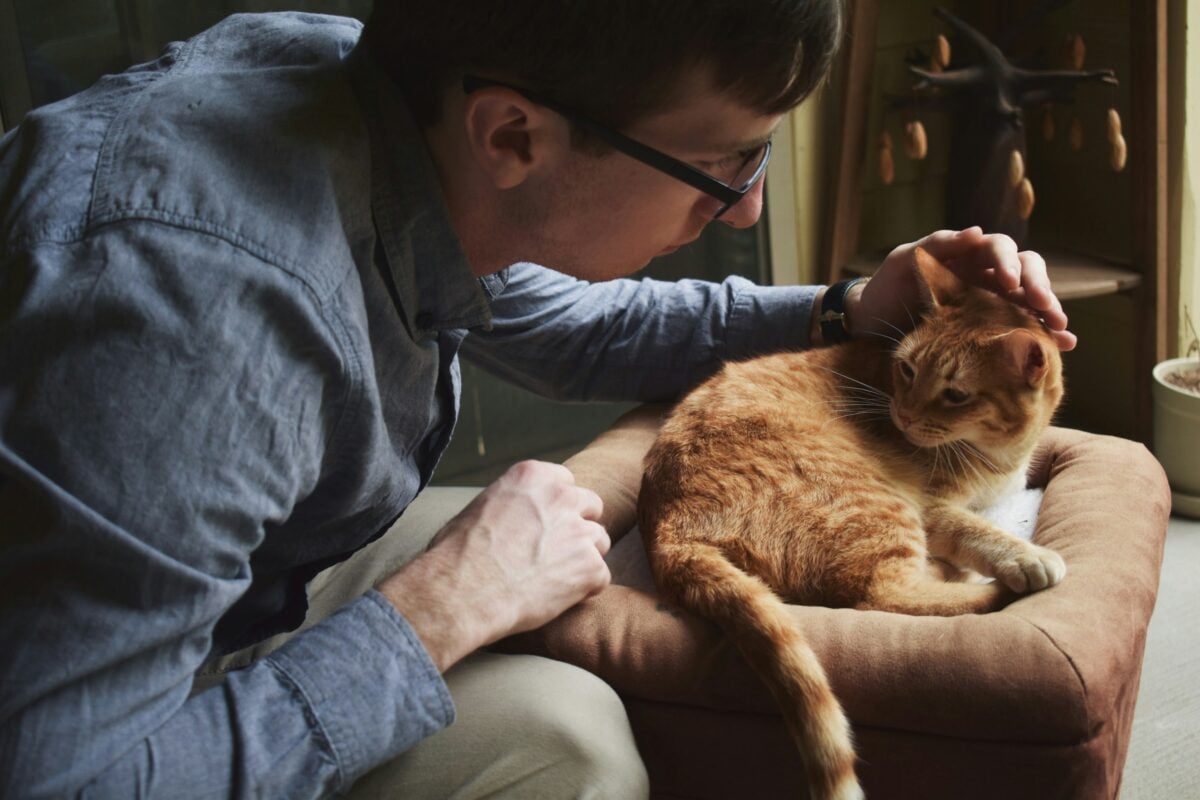
Cats cannot tell us where it hurts, so changes in behavior can become an important form of communication. A cat who suddenly hides, stops jumping, eats differently, or objects to being touched may be showing discomfort rather than simply acting “moody.”
In fact, the American Animal Hospital Association notes that behavior changes are often the only visible sign of illness or pain in cats.
That is why knowing your cat’s normal routines matters. Often, the most important clue is not whether a behavior is unusual for cats—it is whether it is unusual for your cat.
When Should You Worry About a Behavior Change?
A single unusual moment does not always mean something is wrong. What matters most is whether the behavior is sudden, persistent, or very different from your cat’s normal routine.
Contact your veterinarian if a change continues, keeps returning, or appears alongside changes in appetite, drinking, litter box habits, grooming, movement, weight, or energy.
Stress can also affect behavior, but it is best not to assume a new behavior is “just stress” until pain or illness has been considered.
And because cats often hide discomfort, subtle signs matter. A cat in pain may simply become quieter, hide more, stop jumping, resist touch, groom differently, or lose interest in familiar activities.
9 Subtle Cat Behavior Changes You Shouldn’t Ignore
No single behavior automatically means your cat is sick. Context matters, and so does what is normal for your individual cat.
But when a familiar habit suddenly changes—especially alongside changes in appetite, litter box use, grooming, movement, or energy—it is worth paying closer attention.
1. Suddenly Hiding More
Many cats enjoy quiet, tucked-away places, so hiding by itself is not necessarily unusual. The concern is a noticeable change from your cat’s normal behavior.
A social cat who suddenly spends hours under the bed, stays hidden during meals, or avoids rooms where they usually relax may be frightened, stressed, uncomfortable, or unwell. You may also notice that they choose darker, harder-to-reach spaces or remain tense and crouched while hiding.
Household changes can certainly contribute. A move, visitors, construction, a new pet, or unfamiliar noises may all make a cat retreat.
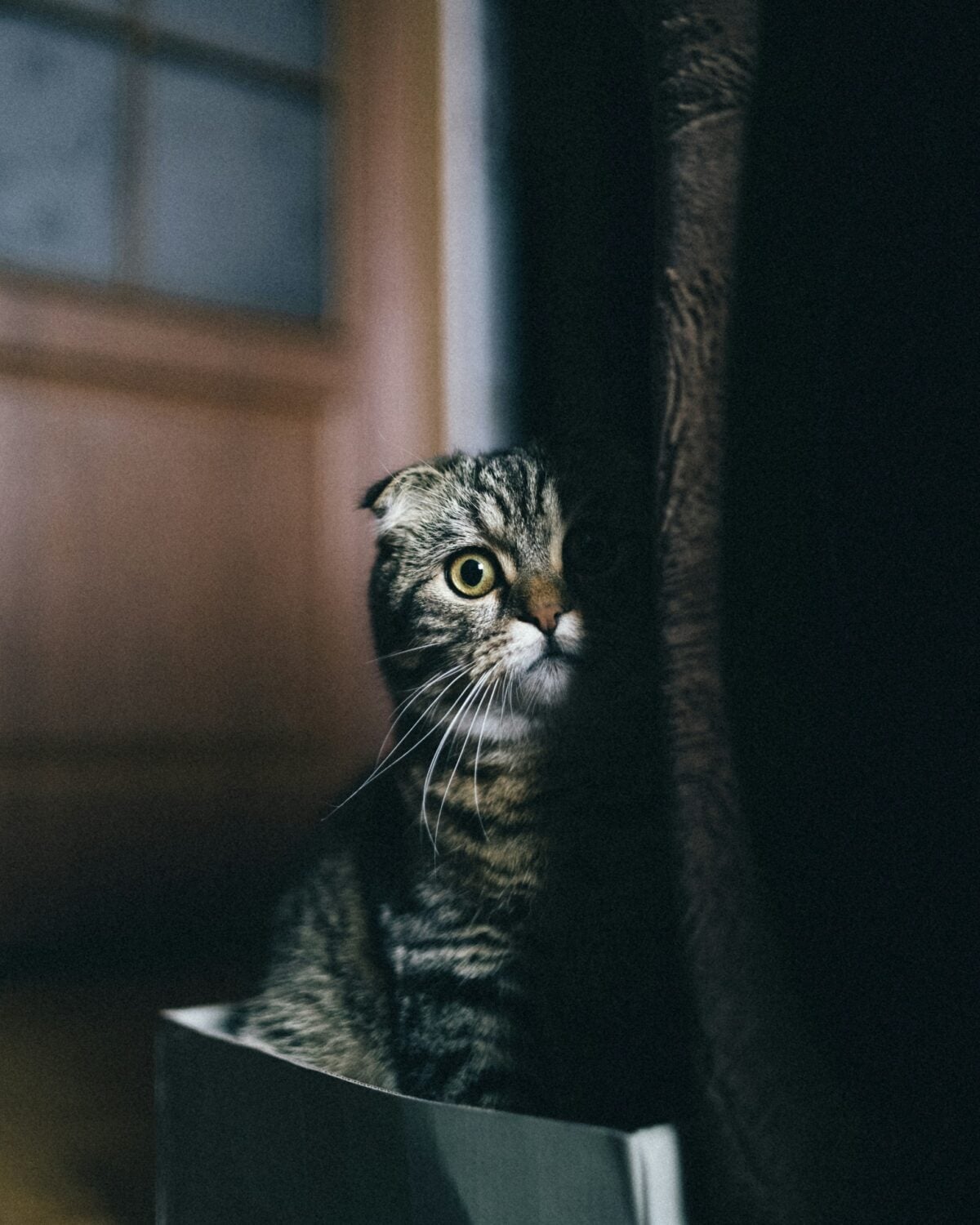
However, sudden hiding can also happen when a cat is in pain or feels physically vulnerable. If the behavior is new, persistent, or appears alongside appetite, mobility, litter box, or energy changes, it deserves attention.
2. Eating or Drinking More or Less Than Usual
Changes in appetite and thirst are among the most important behaviors to notice.
A cat who normally eats eagerly but begins leaving food behind, walking away from meals, or showing less interest in treats may be experiencing nausea, dental pain, digestive problems, stress, or another medical issue.
Watch for changes such as:
- Approaching food but not eating
- Dropping food or chewing differently
- Difficulty swallowing
- Drooling or unusually bad breath
- Drinking noticeably more or less
- Increased hunger despite weight loss
- Unexplained weight gain or loss
Increased thirst or appetite can also be significant, particularly when combined with frequent urination or weight changes.
A cat that stops eating should not simply be watched for several days. Prolonged appetite loss can become serious, so contact your veterinarian promptly if your cat is eating very little or refuses food altogether.

3. Peeing or Pooping Outside the Litter Box
A sudden litter box change should never be dismissed as spite or bad behavior.
Cats may urinate or defecate outside the box because using it has become painful, difficult, frightening, or uncomfortable. Urinary problems, constipation, digestive illness, arthritis, kidney disease, diabetes, and stress can all play a role.
The litter box itself may also be part of the problem. A cat with arthritis may struggle with high sides or stairs, while another may avoid a box that is guarded by a housemate or placed near a noisy appliance.
Pay particular attention to repeated trips to the box, straining, crying, producing only small amounts of urine, blood in the urine, or excessive licking around the genital area.
If your cat is repeatedly straining but producing little or no urine, seek emergency veterinary care immediately. Urinary obstruction is especially dangerous in male cats and can become life-threatening very quickly.
4. Becoming Unusually Clingy
A sudden increase in affection or dependence can be easy to overlook because it may seem positive.
But if an independent cat begins following you constantly, crying when you leave the room, demanding unusual amounts of contact, or appearing unable to settle without you nearby, the change may be meaningful.
Some cats seek reassurance when they are in pain, frightened, stressed, or adjusting to changes in the home. Declining hearing or vision can also make a cat feel less secure, particularly as they age.
Of course, some cats simply become more affectionate over time. What matters is whether the change is abrupt or appears alongside other signs such as weight loss, restlessness, appetite changes, or nighttime vocalization.
5. Sudden Aggression or Irritability
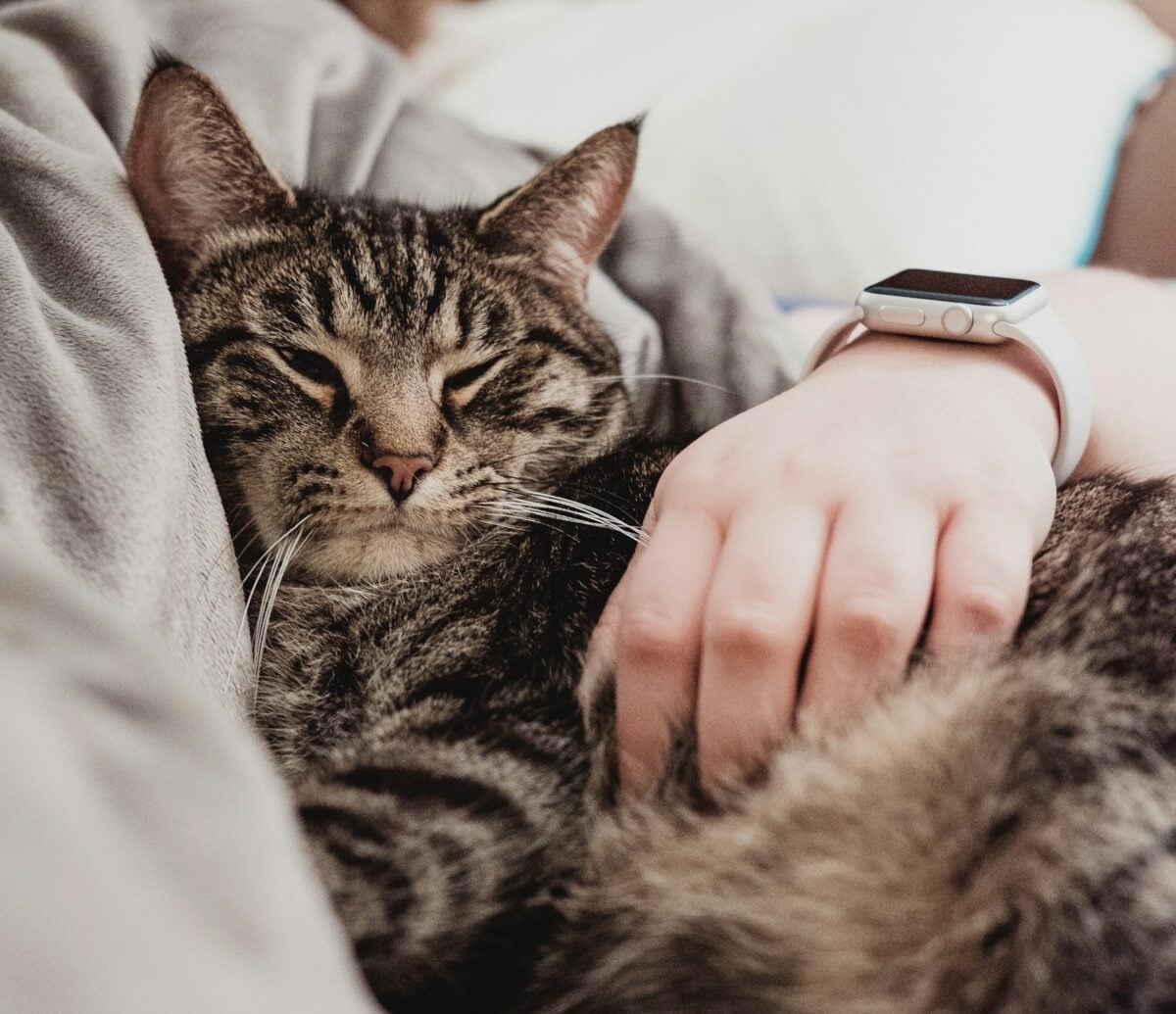
A cat who suddenly hisses, swats, bites, or recoils from touch may be trying to protect an area that hurts.
Pain often lowers a cat’s tolerance for handling. Arthritis, dental disease, injuries, skin irritation, and abdominal discomfort are just some of the problems that can make a previously relaxed cat become defensive.
You may notice that your cat reacts when one particular area is touched, resists being picked up, flinches during petting, or becomes tense when jumping or climbing.
Stress between cats can also cause irritability. Conflict is not always obvious; one cat may quietly block another from food, water, stairs, or litter boxes without an actual fight.
Give an unusually irritable cat space and avoid forcing physical contact. If the behavior is new, a veterinary examination should come before assuming it is simply a behavioral problem.
6. Sleeping More, Resting Differently, or Losing Energy
Cats naturally sleep for many hours each day, so the total amount of sleep is less important than a change in your cat’s usual routine.
A cat who suddenly stops greeting you, sleeps through meals, loses interest in play, or seems reluctant to get up may be experiencing pain or illness. Some cats also become restless, change sleeping positions frequently, or pace at night instead of settling normally.
It is important to distinguish normal sleep from lethargy. A sleeping cat usually wakes and responds normally when something interesting happens. A lethargic cat may remain weak, withdrawn, slow to react, or reluctant to move.
Sudden or significant lethargy warrants veterinary attention, especially when accompanied by vomiting, diarrhea, poor appetite, breathing changes, or weakness.
7. Grooming Too Much or Too Little
A cat’s coat can offer important clues about how they are feeling.
Excessive grooming may lead to bald patches, broken hairs, irritated skin, or repeated licking of one particular area. Possible causes include fleas, allergies, skin disease, stress, or pain.
Reduced grooming can look like:
- Greasy or separated fur
- Mats along the back or hindquarters
- Dandruff
- Food remaining around the mouth
- Urine or feces on the coat
- A generally unkempt appearance
Older cats and cats with arthritis or obesity may struggle to reach parts of the body comfortably. Dental pain and general illness can also make grooming more difficult.
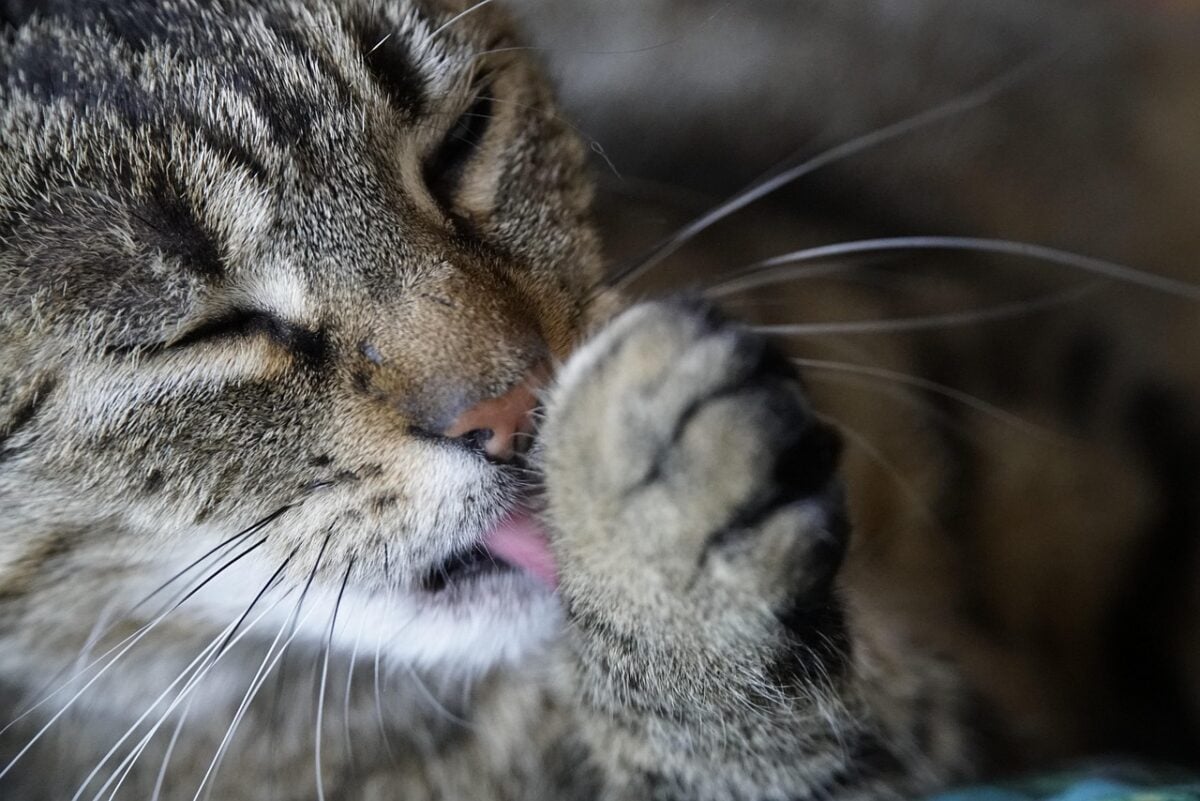
Avoid assuming excessive licking is purely anxiety-related until medical causes such as parasites, allergies, skin problems, and pain have been considered.
8. Meowing or Yowling More Than Usual
Every cat has a different level of vocalization. What matters is a noticeable change in the amount, tone, timing, or type of sound your cat makes.
A cat may vocalize more because of pain, hunger, stress, high blood pressure, thyroid disease, hearing loss, or cognitive changes. Older cats may also begin yowling at night if they are confused, uncomfortable, or struggling with changes in vision or hearing.
Pay attention to when the vocalization happens. Crying in the litter box, yowling when jumping, vocalizing when touched, or pacing and calling at night can all provide useful clues.
If possible, record a short video or audio clip. The sound itself, along with your cat’s posture and surroundings, may give your veterinarian helpful information.
9. Abandoning Favorite Routines, People, or Places
Cats are creatures of habit. Many develop small daily rituals: sleeping in the same spot, greeting you at a certain time, sitting by a particular window, or following a familiar route through the house.
When one of those routines suddenly disappears, it is worth asking why.
A cat who stops jumping onto the bed may be experiencing joint pain. A cat who avoids one room may be reacting to a frightening noise, slippery flooring, or another animal. A cat who stops greeting family members or loses interest in play may simply not be feeling well.
The important clue is often not the behavior itself, but the loss of something that used to be routine.
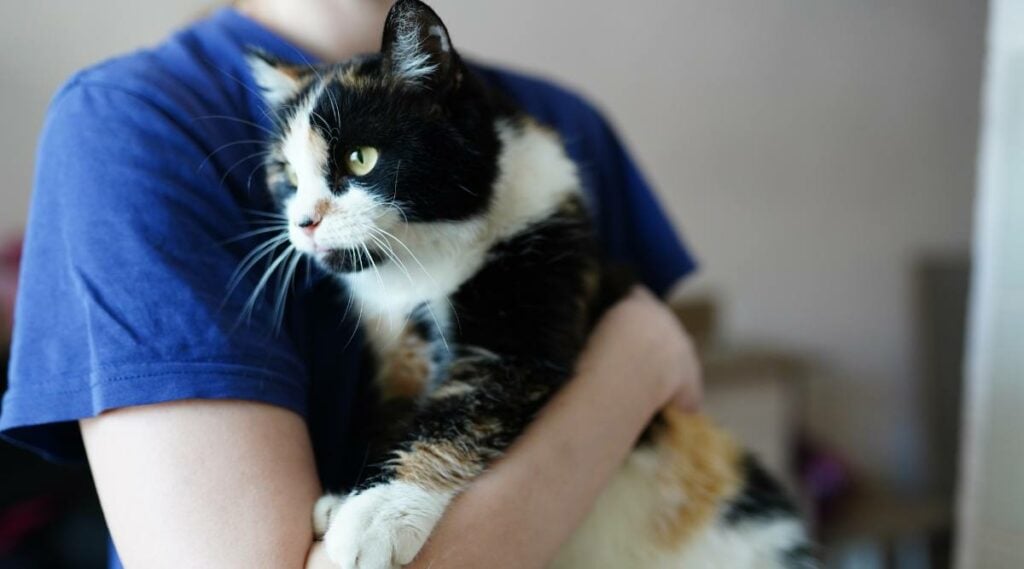
When several familiar habits begin to disappear at once—especially alongside weight loss, reduced appetite, poor grooming, or mobility changes—it is time to talk with your veterinarian.
A Special Note About Senior Cats
Behavior changes can be especially important in older cats. It is easy to assume that sleeping more, jumping less, becoming vocal at night, missing the litter box, or grooming less carefully are simply part of getting older.
Sometimes age is part of the explanation—but age can also bring conditions such as arthritis, dental disease, kidney disease, thyroid problems, sensory loss, and cognitive changes that affect how a cat behaves.
Pay attention to changes in your senior cat’s usual routines, even when they develop gradually. A cat who stops climbing to a favorite sleeping spot, begins wandering or calling at night, becomes unusually clingy, or has trouble keeping their coat clean may be showing that something has changed physically or cognitively.
Growing older may change what is normal for your cat, but a noticeable decline in comfort, mobility, appetite, grooming, litter box habits, or engagement still deserves a conversation with your veterinarian.
Why Behavior Changes Can Be Hard to Pin Down
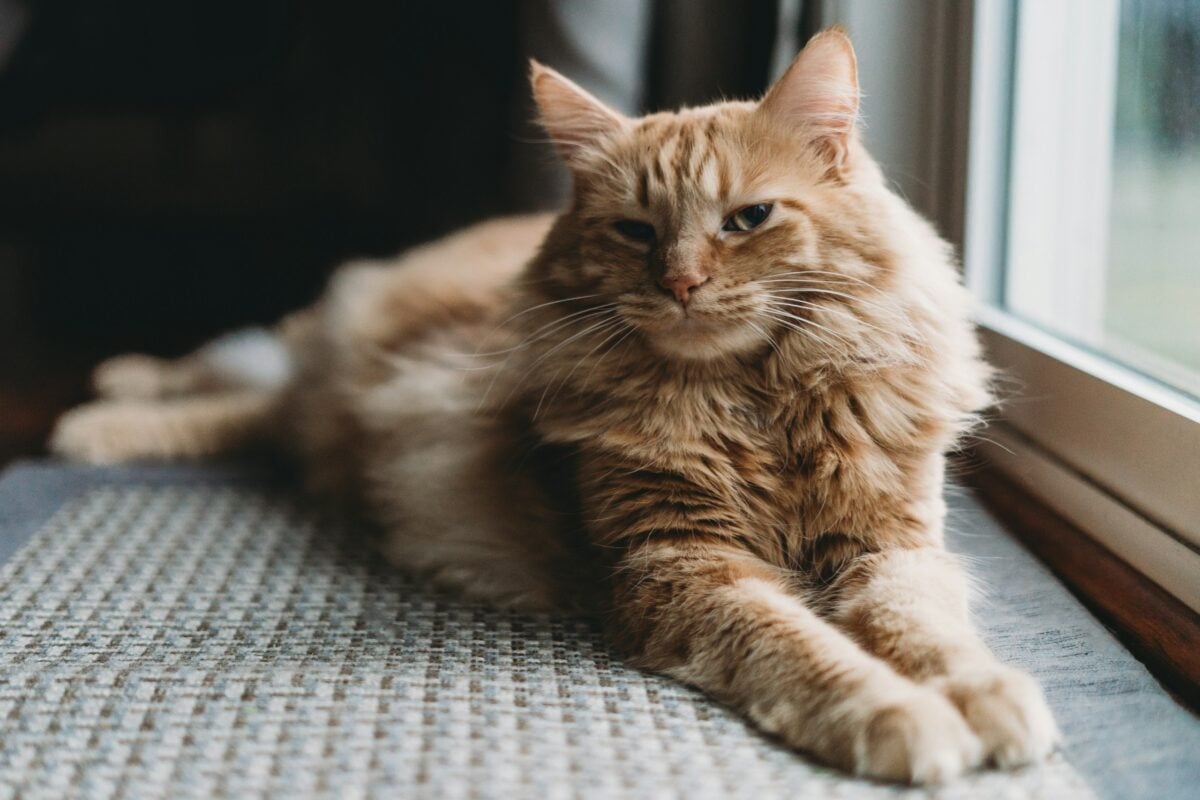
The same behavior can have several possible causes. Pain, illness, stress, environmental changes, and aging can all affect how a cat eats, sleeps, moves, grooms, socializes, and uses the litter box.
That is why a sudden or persistent change is worth looking at in context rather than trying to diagnose it from one behavior alone.
What to Do When Your Cat Starts Acting Differently
If your cat’s behavior changes suddenly or continues for more than a short period, start by looking for other signs that may help explain what is happening.
- Pay attention to appetite, water intake, litter box habits, grooming, movement, sleep, and energy. Note when the change started and whether anything in the household changed around the same time.
- If possible, take photos or short videos of unusual behavior such as limping, vocalizing, difficulty jumping, strange posture, or repeated litter box visits. These details can be surprisingly helpful during a veterinary exam.
- It is also worth making daily essentials easier to access. Older cats or cats in pain may benefit from low-sided litter boxes, food and water on the same level where they spend most of their time, comfortable resting places, and fewer difficult jumps.
- Try to keep routines predictable while you are figuring out what is going on. Sudden changes in feeding, household activity, or the environment can add stress to a cat who already feels unwell.
- Most importantly, avoid punishing the behavior. A cat who is hiding, having accidents, acting irritable, or avoiding interaction may be responding to pain, fear, or discomfort—not deliberately misbehaving.
If the change is sudden, persistent, worsening, or accompanied by changes in appetite, mobility, breathing, urination, vomiting, diarrhea, or energy, contact your veterinarian.
When Is It an Emergency?
Most behavior changes are not emergencies, but some signs should never be watched at home to see if they improve.
Seek immediate veterinary care if your cat:
- Is straining to urinate but producing little or no urine
- Is having difficulty breathing or breathing with an open mouth
- Collapses, cannot stand, or becomes unresponsive
- Has a seizure that is prolonged or repeated
- Suddenly cannot use one or more legs
- Appears to be in severe or rapidly worsening pain
- Has experienced significant trauma
- Has severe or uncontrolled bleeding
- May have swallowed or been exposed to something toxic
- Is repeatedly vomiting and becoming weak, distressed, or unable to keep water down
Urinary obstruction and breathing difficulty are especially urgent. If your cat is struggling to breathe or repeatedly trying to urinate without producing urine, do not wait for additional symptoms to appear.
If your cat has eaten little or nothing for about 24 hours, contact your veterinarian promptly rather than continuing to wait and see. Appetite loss is not always an emergency, but it can become serious in cats and deserves timely attention.
If you are unsure whether a change is an emergency, call your veterinarian or the nearest emergency clinic and describe what you are seeing.
What to Tell Your Veterinarian
You do not need to know what is wrong before you make the appointment. What matters most is being able to describe what has changed.

Tell your veterinarian when you first noticed the behavior and whether it has been getting better, worse, or staying the same. Mention any changes in:
- Eating or drinking
- Urination or bowel movements
- Vomiting or diarrhea
- Grooming
- Sleep and energy
- Walking, jumping, or climbing
- Weight
- Vocalization or social behavior
Also mention any recent medications, new foods, household changes, possible injuries, or potential exposure to plants, human medications, chemicals, or other toxins.
Photos and videos can be especially helpful. A cat who limps at home may walk normally in the exam room, and unusual vocalization or repeated litter box visits may not happen during the appointment.
What to Expect at the Vet
Your veterinarian will usually begin by asking about your cat’s history and performing a physical examination. Depending on what they find, they may recommend tests such as bloodwork, a urine test, X-rays, ultrasound, or other diagnostics.
In an emergency, the veterinary team may need to stabilize your cat first before determining exactly what is causing the problem.
It is also completely reasonable to ask about costs and request an estimate before non-emergency testing or treatment begins. If you have pet insurance, let the clinic know and ask if they have a relationship with your provider to reimburse the vet directly. You will also want to keep your policy information accessible. Coverage and reimbursement requirements vary, so it can help to check what documentation your insurer needs.
Most importantly, do not feel that you need to arrive with a diagnosis. Your role is to notice that something has changed and share what you have observed. The veterinary team can take it from there.
Want to Understand Your Cat Even Better?
Not every strange cat behavior is a sign that something is wrong. Many of the things cats do every day—from staring and slow blinking to tail twitching, rubbing, hissing, or suddenly deciding they have had enough petting—are simply part of how they communicate.
Learning to read those signals can help you better understand when your cat is relaxed, excited, overstimulated, frightened, or asking for space. If you want to keep decoding your cat, learn more about what different cat tail movements mean, how to read feline facial expressions, why cats stare at you, and what your cat may be communicating when they hiss.
The better you know your cat’s normal signals and routines, the easier it becomes to recognize when something truly changes.
Have You Noticed a Behavior Change in Your Cat?
Sometimes the smallest changes are the ones that stick with us most. If your cat has ever started acting differently before you realized something was wrong, share your experience in the comments. Your story may help another cat parent recognize a subtle sign they might otherwise miss.