When you purchase through links on our site, we may earn a commission at no extra cost to you. Learn more.
We love our cats, some of us even obsessively, but we don’t always love what their claws do to our couches, carpets, and hands. When the scratching gets out of control, many owners find themselves wondering: Is declawing a cat harmful? Does declawing hurt cats? Is it bad to declaw a cat?
Table of Contents
Some people hear the word declawing and picture something much less serious than it really is. Declawing is not a basic grooming procedure or a permanent nail trim; it is a surgery that removes the last bone of each toe. Once you understand that, the debate over whether it is worth it looks very different.
Before you make a decision that will permanently alter your feline friend’s life, let’s explore the medical truth behind the procedure, the hidden fallout, and the simple, humane alternatives that actually work.
A Veterinarian’s Perspective on Declawing
I asked Dr. Hannah Godfrey BVetMed MRCVS, a small-animal vet, what cat owners should understand about declawing, and her answer highlights just how serious the procedure really is.
Want our human-written content to rank above AI-generated garbage? Help us out by clicking this button!
Thankfully, I rarely get asked about declawing cats, because it’s illegal to declaw cats in the UK. What’s more, when I explain to those pet parents who do ask me about declawing their cats what the procedure actually involves, they’re usually horrified.
That’s because rather than just removing the cat’s nails, declawing involves amputation of the final bone at the end of their toes, where the nail grows from.
It causes them pain, affects the way they bear weight and their perception of their surroundings, as well as preventing their natural cat behaviors, like scratching, stretching, scent-marking, and climbing. Removal of these normal cat behaviors can also cause stress for your cat.
– Dr. Hannah Godfrey BVetMed MRCVS
Is Declawing Cats Bad? What Every Cat Owner Should Know
If you have ever wondered whether declawing a cat is really that serious, the answer is yes. Declawing is not the same as trimming a cat’s nails. It is a surgical procedure that removes the last bone of each toe. Once you understand that, the whole conversation changes.
Many people consider declawing because they are worried about scratched furniture, torn carpet, or accidental scratches on family members. Those concerns are real. But declawing asks the cat to pay a permanent physical price for a problem that can usually be handled in safer ways.
Major veterinary and feline health organizations, including the AVMA and Feline Veterinary Medical Association, discourage elective declawing and recommend non-surgical alternatives first
The issue is not just what happens on surgery day. It is what can happen to a cat’s movement, comfort, behavior, and sense of safety long after.
Declawing At a Glance
- Declawing is not nail trimming. It removes the last bone of each toe.
- Cats can experience pain right after surgery and sometimes long after.
- Declawing can affect walking, jumping, balance, and normal paw function.
- Some cats develop behavior changes like biting or litter box avoidance.
- Many experts recommend humane alternatives first.
- In most non-medical situations, declawing is considered a harmful choice.
Watch: What Declawing Really Does to Cats
If you want to see a clearer breakdown of what declawing actually involves and why so many experts oppose it, watch the video below.
What Declawing Really Is
The word declawing sounds much softer than the reality. Many people hear it and imagine something like an aggressive nail trim. That is not what happens.
A cat’s claw is attached to bone. To remove the claw permanently, the last bone in each toe has to be removed, too. That means declawing is an amputation procedure, not a grooming procedure.
That distinction matters because cats walk on their toes. Their paws are not minor body parts that can be changed without consequences. They are central to balance, climbing, stretching, landing, gripping, and defending themselves.
Once that anatomy is permanently changed, the effects can reach far beyond scratching.
The Reality: Onychectomy
In veterinary medicine, declawing is known as an onychectomy. It is not a nail trim; it is a serious orthopedic surgery.
Unlike human nails, which grow from the skin, a cat’s claws grow directly from the bone. To prevent the claw from growing back, the veterinarian must amputate the entire last bone of each toe (the distal phalanx).
To put this into perspective, if a human were to be declawed, it would be the equivalent of cutting off every finger and toe at the top knuckle. The procedure involves severing bone, tendons, ligaments, and nerves in the paws, the very same paws your cat uses to walk, jump, and balance every single day.
What About a Tendonectomy?
Sometimes, an alternative surgery called a tendonectomy is offered.
Instead of amputating the bone, the surgeon cuts the tendon that controls the claw, leaving the cat unable to extend their nails to scratch. While it spares the bone, it is also highly discouraged.
The claws continue to grow and require rigorous, regular trimming; if neglected, the claws will eventually curve and grow directly into the cat’s paw pads, causing severe pain and infection.
Declawing vs. Nail Trimming: They Are Not the Same
This is one of the biggest points owners need to understand. Many people hear the word declawing and assume it means removing or shortening the nails, but that is not what happens. Nail trimming is a basic grooming task. Declawing is a surgical procedure that permanently changes the cat’s paw.
Nail trimming:
- shortens the sharp tip of the claw
- is temporary
- does not remove bone
- allows the cat to keep normal paw function
Declawing:
- removes the structure that the claw grows from
- permanently changes the paw
- removes the last bone of each toe
- can affect comfort, movement, and behavior
The simplest comparison is this: trimming a nail is like clipping your fingernails. Declawing is more like removing the last joint of every finger.
That sounds dramatic, but it is the clearest way to explain what the procedure actually involves.
Why a Cat’s Paw Matters So Much
A cat’s paw is built for precision. It supports silent movement, balance, quick turns, climbing, pouncing, and controlled landings. Each toe works with bones, tendons, muscles, ligaments, and nerves to create smooth motion.

When the last bone of each toe is removed, the paw no longer works the same way.
That can change:
- how the cat stands
- how it shifts weight
- how it lands from jumps
- how pressure moves through the limbs
- how safe and stable the cat feels while moving
Even if a cat appears to “adjust,” that does not mean the change is harmless. Animals often adapt because they have no choice.
Does Declawing Hurt Cats?
Yes. The honest answer is yes.
Surgery itself is painful, and declawing is no exception. A cat wakes up having had multiple toe tips amputated, then has to stand, walk, balance, and use the litter box on those healing paws.
Even with pain medication, the first days can be difficult.
Immediate pain after surgery may include:
- tenderness
- limping
- swelling
- reluctance to walk
- irritability
- hiding or withdrawal
Cats cannot stay off their feet the way humans can. They still have to move through daily life while healing the very body parts they use constantly.
Pain control may reduce suffering, but it does not make the procedure minor. In fact, the need for pain control is proof that the procedure causes pain.

Long-Term Physical Problems That Can Follow
The debate around declawing is not only about short-term pain. It is also about what may happen later.
Some cats can develop long-term complications that affect daily comfort and movement.
Possible Long-Term Issues Include
- altered gait
- reduced jumping
- balance changes
- chronic paw sensitivity
- stiffness or hesitation during movement
- lingering pain
- infection
- nerve damage
- discomfort from retained bone fragments or incomplete healing
Because cats hide pain so well, these problems do not always look dramatic. A cat may not cry or limp obviously. Instead, the signs may be subtle.
A cat might:
- stop jumping onto favorite furniture
- become less active
- flinch when touched
- avoid certain surfaces
- seem moodier or more withdrawn
That is part of what makes declawing so troubling. Problems can exist even when the cat looks “fine” at a glance.
Is Declawing a Cat Harmful?
For many cats, yes. The harm is not only surgical. It can be physical, behavioral, and emotional.
Declawing changes the anatomy of an animal that depends heavily on its toes for movement and confidence. It also removes part of a normal, instinctive behavior system.
Scratching is not bad behavior from a cat’s point of view. It helps cats:
- stretch muscles
- shed old claw sheaths
- mark territory visually
- leave scent signals
- release tension
- feel secure in their space
When that system is taken away, the cat loses more than their claws. It loses part of how it interacts with the world.
Emotional and Behavioral Effects of Declawing
When people ask whether declawing hurts cats, they usually think of physical pain first. But behavior often tells the deeper story.
A cat that cannot scratch normally may lose an important outlet for stress, body maintenance, and communication. A cat with sore paws may start connecting ordinary activities with discomfort.
That can change behavior in ways that surprise owners.
Common Behavioral Changes After Declawing May Include
- withdrawal
- increased defensiveness
- hiding more often
- reduced playfulness
- irritability
- less social behavior
- litter box avoidance
- increased biting
These are not signs that the cat became “bad.” They are often signs that the cat is in pain, feels vulnerable, or no longer feels in control.
Why Some Declawed Cats Bite More
This catches many owners off guard.
Claws are a cat’s first line of defense and their primary way to issue a warning (a quick swat). When you remove their claws, you leave them feeling incredibly vulnerable and insecure.
To compensate for the loss of their primary tool, a declawed cat will often bypass a warning swat and go straight to their secondary defense: their teeth. Ironically, an owner might declaw a cat to prevent scratches, only to end up with a cat that bites hard and frequently.
In other words, declawing can reduce scratching but increase biting.
That is one reason declawing is often described as trading one problem for another. The original issue may shift, not disappear.
The Link Between Declawing and Litter Box Problems
Litter box avoidance is another issue that can develop after declawing. This is one of the most frequent reasons declawed cats are ultimately surrendered to animal shelters.
Instinctually, cats dig to bury their waste.
After surgery, the gravel-like texture of standard clay litter can feel like walking on glass. Even long after the external incisions heal, lingering nerve or joint pain can make digging agonizing. The cat quickly associates the litter box with pain and will start seeking out softer, less painful surfaces to do their business, which often means your carpets, piles of laundry, or even your bed.
Once that pattern starts, it can become difficult to reverse, even if the surgical wounds have healed on the surface.

Chronic Stress and Aggression
Scratching is a deeply ingrained, natural feline behavior. It isn’t just about sharpening nails; it is how cats fully stretch their back and shoulder muscles, shed dead nail husks, and leave both visual and scent markers to claim their territory and feel secure in their environment.
Depriving a cat of the ability to perform this essential, instinctive behavior leads to profound, chronic stress. This stress frequently translates into irritability, reclusiveness, or outward aggression.
How Declawing Can Affect a Cat’s Sense of Safety
Claws are part of a cat’s natural defense system.
Even indoor cats rely on instincts built around climbing, gripping, warning, and protecting themselves. A cat may never face a predator in the living room, but the instinct to feel equipped still matters.
Without claws, some cats feel more vulnerable.
That can be especially important in homes with:
- children
- frequent guests
- dogs
- other cats
- unpredictable noise or activity
A cat that feels less able to defend itself may hide more, startle faster, or become more reactive. In multi-pet homes, that loss of confidence can change the whole social dynamic.
Why People Still Consider Declawing
With the overwhelming evidence of the physical and behavioral harm it causes, you might wonder why the procedure is still requested. In most cases, it comes down to a lack of education about the severity of the surgery and a desperate need to solve a problem.

Most people who consider declawing are not trying to be cruel. They are trying to solve a problem that feels constant, expensive, stressful, or urgent.
The most common reasons include:
- Protecting Property: The most common reason owners cite for declawing is the destruction of furniture, carpets, and doorframes. A cat equipped with sharp claws can cause hundreds or thousands of dollars in property damage, and owners often feel they must choose between their home and their pet.
- Human Health Concerns: Some owners worry about the risk of scratches to vulnerable family members, such as young children, the elderly, or those who are immunocompromised. However, it is worth noting that even major health organizations, including the CDC, do not recommend declawing cats to protect immunocompromised individuals (such as those with HIV), advising instead to keep the cat’s nails trimmed and to avoid rough play.
Some people were also raised hearing declawing described as normal. Others have only heard softened language that makes it sound much less serious than it is.
That is why clear education matters. Many owners would rethink the procedure immediately if it were described plainly from the start.
What Veterinarians and Animal Welfare Advocates Say
Over time, expert opinion has shifted strongly against elective declawing.

Many veterinarians, behavior specialists, and animal welfare advocates now view declawing as inappropriate in most convenience-based situations. Some consider it a last-resort measure at best. Others oppose it outright except in rare medical cases unrelated to furniture damage or normal scratching.
Why?
Because declawing solves a human inconvenience by permanently altering a cat’s body.
That is a steep cost for a problem that often has other solutions.
Experts also emphasize that scratching is not a defect. It is a normal feline behavior. The goal should be redirecting it, not surgically removing the cat’s ability to do it.
The Legal and Ethical Shift
If you are still on the fence about whether declawing is truly that bad, it helps to look at the massive shift in how the veterinary and legal communities now view the procedure. Over the last decade, the ethical consensus has become clear: convenience for the owner does not outweigh the welfare of the cat.
- The Veterinary Stance: Major, highly respected organizations, including the American Veterinary Medical Association (AVMA) and the American Association of Feline Practitioners (AAFP), have issued strong statements opposing the declawing of cats as an elective procedure. Many veterinary clinics now completely refuse to perform onychectomies on ethical grounds.
- The Ban Movement: Governments are stepping in to protect feline welfare. Declawing is already illegal and considered inhumane in dozens of countries worldwide, including the UK, Australia, New Zealand, and much of Europe. The movement is gaining major traction in the United States as well. States like California, New York, and Maryland, along with major cities like Austin, Texas, and Denver, Colorado, have passed legislation banning the practice outright, and many other states currently have similar bills on the table.
Why Experts Recommend Alternatives First
Alternatives are recommended first because they often work when used correctly.
Scratching is only a “problem” when it happens in a place humans dislike. The cat is not malfunctioning. The cat is doing what cats are built to do.
That means the goal should be redirection, not removal.
Experts often recommend a layered plan that may include:
- regular nail trims
- multiple scratching surfaces
- better placement of scratchers
- positive reinforcement
- environmental enrichment
- furniture protection
- behavior support if needed
This approach preserves the cat’s body while solving the actual household problem.
7 Humane and Effective Alternatives to Declawing
The good news is that you do not have to choose between keeping your cat and keeping your couch intact. Because scratching is a natural, necessary behavior, the goal isn’t to stop it completely, but to redirect it appropriately.

There is no single magic fix, but there are many practical strategies that work well together.
Here are the most effective, pain-free alternatives to declawing:
1. Trim Nails Regularly
Just like dogs and humans, cats need regular manicures. Trimming the sharp tips off your cat’s claws every two to three weeks significantly reduces the damage they can do. If you are uncomfortable doing this at home, most veterinary clinics and groomers offer this service for a small fee.
Self-Filing Scratch Boards: If you hate trimming your cat’s nails, there are specialized scratchers on the market that do the work for you. These boards are infused with an abrasive, emery-board-like material, and some even come as enrichment boxes your cat can play with. As the cat gives in to their natural urge to scratch, they simultaneously file down the sharp tips of their own claws.

2. Nail Caps
For some households, soft nail caps can be a temporary alternative to declawing, helping reduce damage from scratching without permanently changing the cat’s paws.
Products like Soft Claws are a fantastic temporary solution. These are soft, blunt vinyl caps that are safely glued over your cat’s existing claws. They fall off naturally as the nail grows (usually every four to six weeks) and completely prevent damage to furniture or skin.
I’ve used soft nail caps myself with my cats, and they are definitely not a magic fix; getting them on takes patience, and not every cat will sit still or tolerate them well. If you have the patience and can keep trying, though, many cats do well with these.
3. Use Sturdy Scratching Posts
Cats have different preferences for scratching surfaces and angles. Provide a mix of vertical posts (wrapped in rough sisal rope, not carpet) and horizontal cardboard scratching pads. Ensure vertical posts are tall enough and sturdy enough for the cat to fully stretch their body without the post wobbling.
A good scratching post should be:
- stable
- tall enough for a full-body stretch
- made of appealing materials like sisal or cardboard
- placed where the cat already likes to scratch
One tiny scratching post hidden in a corner is not real competition for a wide sofa arm in the center of the room. The approved option has to be appealing and conveniently placed.
Adding carpet to the wall where your cat already likes to scratch can work surprisingly well, especially if your cat ignores scratching posts, but like most alternatives, it takes experimentation, and it may not be the prettiest solution.
Exploring Different Textures: If your cat ignores a standard sisal rope post, they might just prefer a different texture. Cats have highly specific preferences. Offer a variety of materials, such as corrugated cardboard pads, tightly woven carpet offcuts, or even natural wood logs (which mimic a tree trunk).
4. Protect Vulnerable Furniture With Environmental Deterrents
Temporary furniture guards, throws, or placement adjustments can reduce damage while the cat learns new habits.
Make the furniture less appealing. Apply double-sided sticky tape (like Sticky Paws) or aluminum foil to the corners of couches and chairs; many cats detest the feeling of both.
Sticky furniture tape can help protect furniture, but it is not always a perfect fix. Some cats are weirdly unbothered by it, and finding the right placement often takes time and patience.
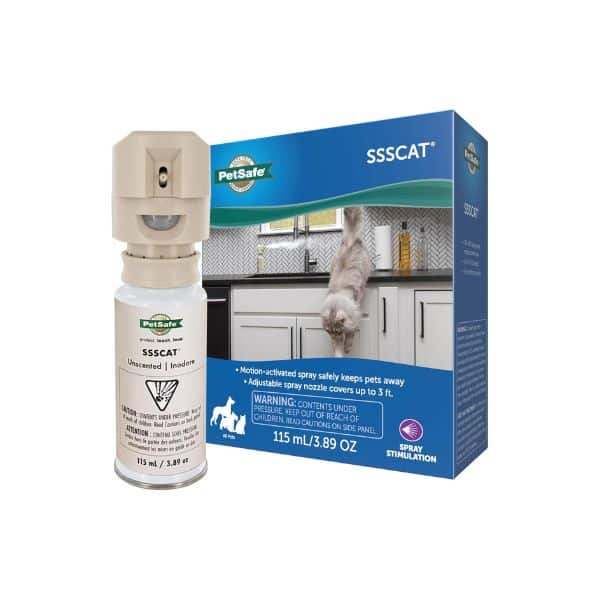
You can also try motion-activated air deterrents to help train cats to avoid specific furniture or rooms over time.
5. The Pheromone Hack
While synthetic pheromone sprays (like Feliway) are sometimes mentioned, the trick is understanding how to use them.
Cats have two main ways of marking territory: scratching (which claims an area aggressively) and face-rubbing (which marks an area as a safe, comforting “chill zone”). A cat will almost never scratch an area they have marked with their face.
Spraying synthetic facial pheromones directly on the corners of your couch essentially tricks the cat’s brain into thinking, “I’ve already marked this as a relaxation zone; I don’t need to attack it with my claws.”
6. Reward Approved Scratching
When the cat uses the right surface, reward that behavior. Positive reinforcement works better than punishment. Treats, extra cuddles, and new toys are all great rewards for when your cat stays away from the furniture.
Sprinkle catnip or use wand toys around their designated scratching posts to draw their attention. When they use the post, immediately reward them with praise and high-value treats.
7. Increase Enrichment
Cats often scratch more intensely when bored, stressed, or under-stimulated. Play, climbing options, window perches, and routine interaction can help. Many cats love cardboard boxes, so offering them as hiding spots and play structures is a great enrichment idea.
Engaging your cat in 15 to 20 minutes of vigorous, interactive play with a wand toy or laser pointer every evening can dramatically reduce their urge to take their energy out on the couch. A tired cat is much less likely to engage in destructive behaviors.
Finding the right combination of these deterrents and scratching outlets might take a little trial and error, but saving your furniture is entirely possible, and it never has to come at the cost of your cat’s lifelong health and happiness.
When to Get Professional Help
While most scratching issues can be solved with patience and the right environmental tweaks, there are times when you need to call in an expert. You should reach out for professional help if:
- The behavior starts suddenly: If a well-behaved cat suddenly begins aggressively shredding furniture, consult your veterinarian first. Sudden behavioral changes are often a feline response to underlying medical issues, hidden pain, or extreme stress.
- The scratching is directed at humans: If your cat is intentionally scratching or acting aggressively toward you or your family members, this is a safety issue that requires professional intervention.
- You’ve exhausted your options: If you have tried different posts, deterrents, and pheromones, and your cat is still frantically destroying your home, it’s time to consult a certified feline behaviorist. They can help identify hidden environmental stressors you might have missed and create a customized modification plan.
Creating a Home That Supports Healthy Scratching
The best long-term solution is not to try to stop scratching entirely. It is designing the environment so that scratching happens in acceptable places.
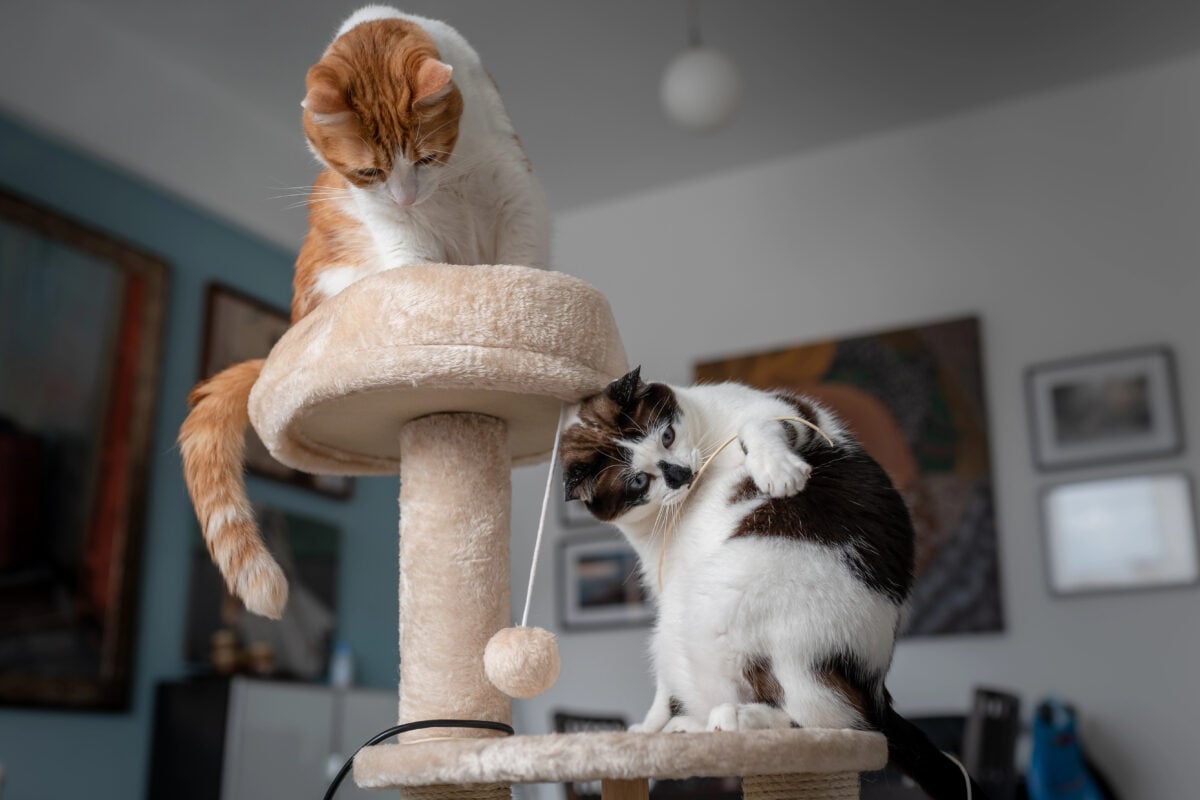
That means:
- placing scratchers near sleeping areas
- putting them in high-traffic spots
- offering different textures
- making sure posts do not wobble
- giving cats enough stimulation and a safe territory
- responding consistently and calmly
A home that respects normal cat behavior tends to have fewer conflicts overall.
Key Questions to Ask Before Declawing Is Even Considered
Before making any decision, owners should ask:
- Do I fully understand what the procedure removes?
- Am I reacting to pressure, frustration, or panic?
- Have I tried enough alternatives consistently?
- Is the home set up for normal cat behavior?
- Am I solving a temporary problem with a permanent surgery?
- Is this for true medical need, or convenience?
Those questions can slow down a decision that should never be made casually.
Is It Ever Okay to Declaw a Cat?
In most convenience-based cases, many experts would say no.
Cat’s nails can damage furniture and carpets and cause injuries to humans, but removing their claws is mutilating them without a health reason to justify it. Cats do not benefit from having their nails removed, and, in fact, removing them causes unnecessary pain, stress, and risks them getting injured in the future.
Therefore, unless there is a medical reason, like a tumor, recurring infection, or an abnormal claw that regularly becomes ingrown, I would never recommend declawing. Instead, I help my clients get to grips with scratching issues by providing plenty of scratch posts, cat trees, and enrichment, regular nail trimming if needed, and even referral to a feline behaviorist if needed.
– Dr. Hannah Godfrey BVetMed MRCVS
There may be rare medical situations where removing a claw or part of a toe is necessary for the cat’s health, such as severe injury or disease. But that is very different from elective declawing done to stop normal scratching behavior.
The critical distinction is medical necessity versus human convenience.

Frequently Asked Questions About Declawing Cats
Still have questions about declawing, recovery, or alternatives? These quick answers cover some of the most common concerns, and if there’s anything else you’re wondering about, leave your question in the comments.
What does declawing actually do to a cat?
Declawing does not simply remove the nails. It removes the last bone of each toe, which permanently changes the structure of the paw.
Is declawing painful for cats?
Yes. Declawing is a surgical procedure, so it causes pain during recovery, and some cats may also deal with lasting sensitivity or discomfort afterward.
Can declawing change a cat’s behavior?
It can. Some cats become more withdrawn, defensive, or irritable after declawing. Others may start biting more or avoid the litter box.
Why do declawed cats sometimes stop using the litter box?
After surgery, digging in litter can hurt sensitive paws. Some cats begin to associate the litter box with pain and start avoiding it.
Is declawing ever necessary?
In rare cases, a vet may recommend removing a claw or toe because of severe injury, infection, or disease. That is very different from declawing a healthy cat to stop scratching.
What can I do instead of declawing?
Most owners can reduce scratching damage with regular nail trims, sturdy scratching posts, furniture protection, enrichment, and reward-based training.
Why do so many experts oppose declawing?
Because it removes part of a cat’s toes to stop a normal behavior. Many vets and animal welfare groups believe the physical and behavioral risks are too high in non-medical cases.
Keep Exploring
Understanding your cat’s natural instincts is the best way to build a happy, harmonious home. If you’re looking for more ways to support your feline friend (and figure out their weirdest quirks!), check out some of our other guides:
- How to Stop Cats From Scratching Furniture: Want a deeper dive into saving your sofa? If you’re ready to put the humane alternatives from this article into action, this guide breaks down exactly how to protect your upholstery.
- Warning Signs Your Cat is Crying for Help: Sudden, destructive behavior like aggressive scratching can sometimes be a masked cry for help. Learn how to spot the subtle signs that your cat might be dealing with hidden pain or extreme stress.
- How to Tell if Your Cat Loves You: After working through behavioral hurdles and finding compromises, it’s nice to be reminded of the bond you share. Decode your cat’s body language to see exactly how they say “I love you.”
- My Cat Keeps Throwing Up But Seems Fine: It’s one of the most confusing things a cat owner deals with—the dreaded “scarf and barf.” Find out why your cat might be tossing their cookies even when they are acting completely normal.
- Why Does My Cat Drool?: Is it happy drool or a sign of an underlying issue? Uncover the reasons behind a leaky feline smile and when you should actually be concerned.
At the end of the day, building a home where both you and your cat can thrive takes a little compromise, but the lifelong bond you share is absolutely worth the effort.
Join the Conversation: What Are Your Thoughts on Declawing?
Navigating the scratching phase can be incredibly tough, and every cat owner’s journey is a little different. Where do you stand on the declawing debate? Have you successfully saved your sofa using one of the alternatives we mentioned, or do you have a genius trick of your own to share?
Drop a comment below and share your experience. We’d love to hear from you and get a great, honest conversation going in the community!