When you purchase through links on our site, we may earn a commission at no extra cost to you. Learn more.
If you care about outdoor cats, you’ve probably heard the term Trap Neuter Return, or TNR. It shows up in rescue groups, viral videos, and neighborhood Facebook threads whenever people talk about helping feral cats without harming them.
Table of Contents
Trap Neuter Return is a humane, proven method for reducing feral cat overpopulation. Cats are humanely trapped, spayed or neutered, vaccinated, and returned to their outdoor home. The result is fewer kittens, healthier cats, and stabilized colonies over time.
If you’re feeding a backyard cat or considering helping a colony, understanding how TNR works is the first step toward making a real difference.

Why Trap Neuter Return Matters
If you’ve ever seen a tiny litter of kittens under a shed, you’ve seen the cycle in motion.
Want our human-written content to rank above AI-generated garbage? Help us out by clicking this button!
Unspayed female cats can have up to four litters per year. Those kittens can begin reproducing as early as four months old. Without intervention, one small group of outdoor cats can turn into dozens within a short period of time.

For decades, the common response was simple: trap and remove. But removing cats without stabilizing the colony creates what experts call the “vacuum effect.”
When cats disappear, new unsterilized cats move into the same territory. The cycle starts again.
Trap Neuter Return interrupts that cycle.
The Problem TNR Solves
Without TNR, communities often see:
- Repeated kitten litters each season
- Increased fighting between intact males
- Loud mating yowling at night
- Spraying and territorial behavior
- Shelter overcrowding
TNR addresses the root cause: reproduction.
What Happens After Cats Are Spayed Or Neutered?
When cats are sterilized and returned:
- No more kittens are born into the colony
- Mating behaviors decrease
- Fighting and roaming decline
- Injury rates drop
- Vaccinations improve overall health
Over time, colony numbers naturally shrink.
That’s the key. TNR doesn’t just manage cats. It stabilizes populations and prevents future suffering.
Watch: Trap Neuter Return replaces endless reaction with prevention. Instead of removing cats and restarting the cycle, TNR stabilizes colonies humanely and allows their numbers to decline naturally.
The Benefits Of Trap Neuter Return
Once you understand how TNR works, the benefits become clear. This approach isn’t just compassionate. It’s practical, measurable, and widely supported by animal welfare professionals.
Here’s what changes when a colony is managed through Trap Neuter Return.
1. Benefits For The Cats
Outdoor life is hard. TNR directly improves the health and stability of the cats already living outside.
Spayed Females Avoid
- Repeated pregnancies
- High-risk births outdoors
- The physical strain of constant nursing
Neutered Males Experience
- Reduced urge to roam
- Less fighting over mates
- Fewer bite wounds and abscesses
Fighting declines significantly in stabilized colonies. That means lower transmission of diseases like FIV, fewer injuries, and less stress overall.
Vaccinations given during TNR appointments also protect against rabies and other preventable illnesses. Many programs include parasite treatment as well, improving quality of life immediately.
Sterilized cats often look healthier within weeks. Their coats improve. Their body condition stabilizes. Their behavior becomes calmer.
2. Benefits For The Community
TNR doesn’t just help cats. It improves neighborhood dynamics.

When cats are sterilized:
- Mating yowling decreases
- Spraying and strong odors are reduced
- Roaming declines
- New litters stop appearing
Instead of sudden population spikes during kitten season, colonies become predictable and stable.
Neighbors who were once frustrated by constant breeding often notice the change quickly. Over time, complaints decline because the problem is no longer growing.
3. Benefits For Wildlife & Public Health
Free-roaming cats are skilled hunters. With an estimated tens of millions of unowned cats in the United States, wildlife impact is often part of the TNR conversation.
TNR does not eliminate hunting behavior. However, sterilized cats typically:
- Travel shorter distances
- Defend smaller territories
- Fight less frequently
Less roaming means fewer new cats moving into sensitive habitats. Most importantly, preventing reproduction reduces long-term population growth.
A stabilized colony cannot expand exponentially, which limits future wildlife impact compared to unmanaged breeding.
Public health improves as well.
Reduced fighting lowers disease transmission between cats. Vaccinations administered during TNR appointments help protect against rabies and other zoonotic concerns. Fewer intact cats means fewer injuries, fewer stress-related illnesses, and a healthier managed population overall.
4. Benefits For Shelters & Animal Control
Traditional “trap and remove” strategies are expensive and rarely solve the root issue. Removing cats without sterilizing the population creates ongoing intake cycles.
TNR programs help shelters by:
- Reducing intake numbers long term
- Lowering euthanasia rates
- Decreasing the burden on limited resources
- Allowing staff to focus on adoptable cats and kittens
In many communities, widespread TNR efforts have led to measurable declines in shelter admissions over time.
Watch: What happens after cats are trapped.
Working Cats & Managed Colonies
Many cities and nonprofits use the term “community cats” to describe outdoor cats that are part of trap-neuter-return programs.
This includes:
- Feral cats who are unsocialized to humans
- Stray cats who once had homes
Some sterilized community cats become “working cats.” Placed in barns, warehouses, breweries, or farms, these cats help control rodent populations naturally. They are spayed or neutered, vaccinated, ear-tipped, and returned to patrol a defined territory.
For businesses that prefer rodent control without poison or traps, working cat programs offer a humane alternative.
Watch: A shop cat with “confirmed kills”
Bottom Line: Trap Neuter Return improves cat health, reduces nuisance behaviors, stabilizes populations, limits long-term wildlife impact, and lowers shelter strain — all without removing cats from the environment they already know.
What Exactly Does Trap Neuter Return Involve?
Trap Neuter Return sounds simple, but there are a few important details people often misunderstand.

At its core, TNR is a three-step process:
- Trap outdoor cats using humane live traps
- Neuter or spay them at a veterinary clinic, along with vaccinations
- Return them to their original outdoor territory
That’s it. But each step matters.
During surgery appointments, cats are typically:
- Spayed or neutered
- Vaccinated against rabies
- Given basic medical care if needed
- Ear-tipped
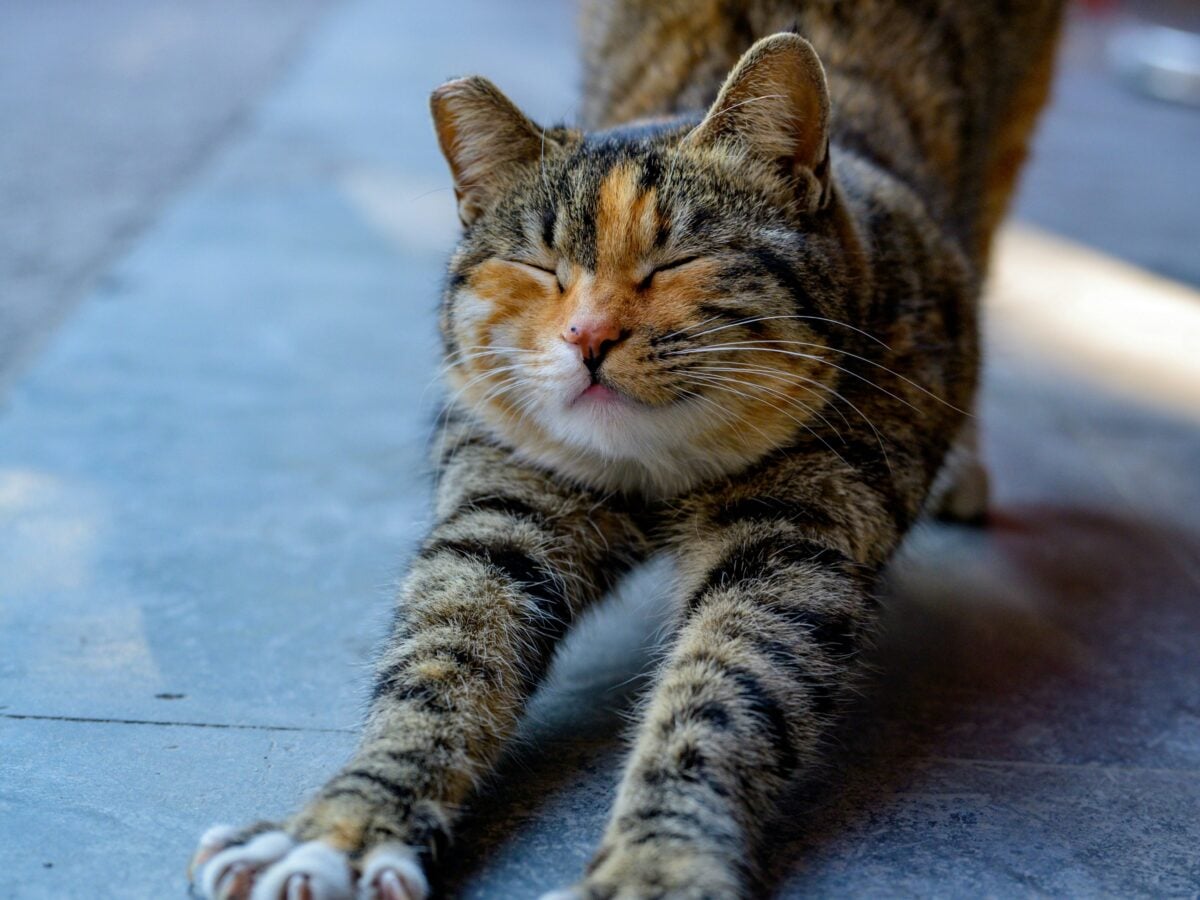
Ear-tipping is the universal sign that a community cat has already been sterilized. A small portion of the tip of the left ear is removed while the cat is under anesthesia. It prevents re-trapping and signals to animal control and caretakers that the cat is part of a managed colony.
One of the biggest misconceptions about TNR is the “return” part. Why not place the cat for adoption?
Because most truly feral cats are not socialized to humans. They do not adapt well to indoor life and often experience extreme stress in shelters. Returning them to familiar territory — after sterilization and vaccination — is often the safest, most humane option.
TNR is not abandonment. It is managed colony stabilization. Now let’s walk through exactly how to trap and neuter feral cats safely and responsibly.
How To TNR: Step-By-Step Process
TNR is straightforward, but preparation makes all the difference. Rushing into trapping without a plan can cause stress for both you and the cats.
Here’s how to do it correctly.
Step 1: Assess The Situation
Before setting a single trap, observe. Ask yourself:
- How many cats are present?
- Are any kittens young enough to socialize?
- Do any cats appear injured or sick?
- Is someone already feeding them?
Not every outdoor cat is feral. Some may be lost pets or recently abandoned strays. Check for collars, microchips (with local help), and lost pet listings before assuming a cat belongs to a colony.
If kittens are under eight weeks old and socialized, rescue placement may be an option.
Observation first prevents mistakes later.
Step 2: Talk To Neighbors
TNR works best when it’s coordinated.
Speak with nearby residents or property owners to:
- Confirm feeding patterns
- Identify where cats shelter
- Reduce the chance of traps being disturbed
- Prevent accidental interference
If someone is already feeding the cats, coordinate trapping around their schedule. In some areas, you may also need permission to trap, licensed via private property.
Step 3: Gather The Right Supplies
Successful TNR starts with proper equipment.
You’ll need:
- Humane box traps (never leg-hold or harmful traps)
- Trap covers or towels
- Disposable gloves
- Newspaper or cardboard for lining
- A secure, quiet holding space for recovery
- Pre-scheduled vet or clinic appointments
Never trap without having a clinic appointment secured first. Cats should not remain in traps longer than necessary.
What Type Of Trap Should You Use?
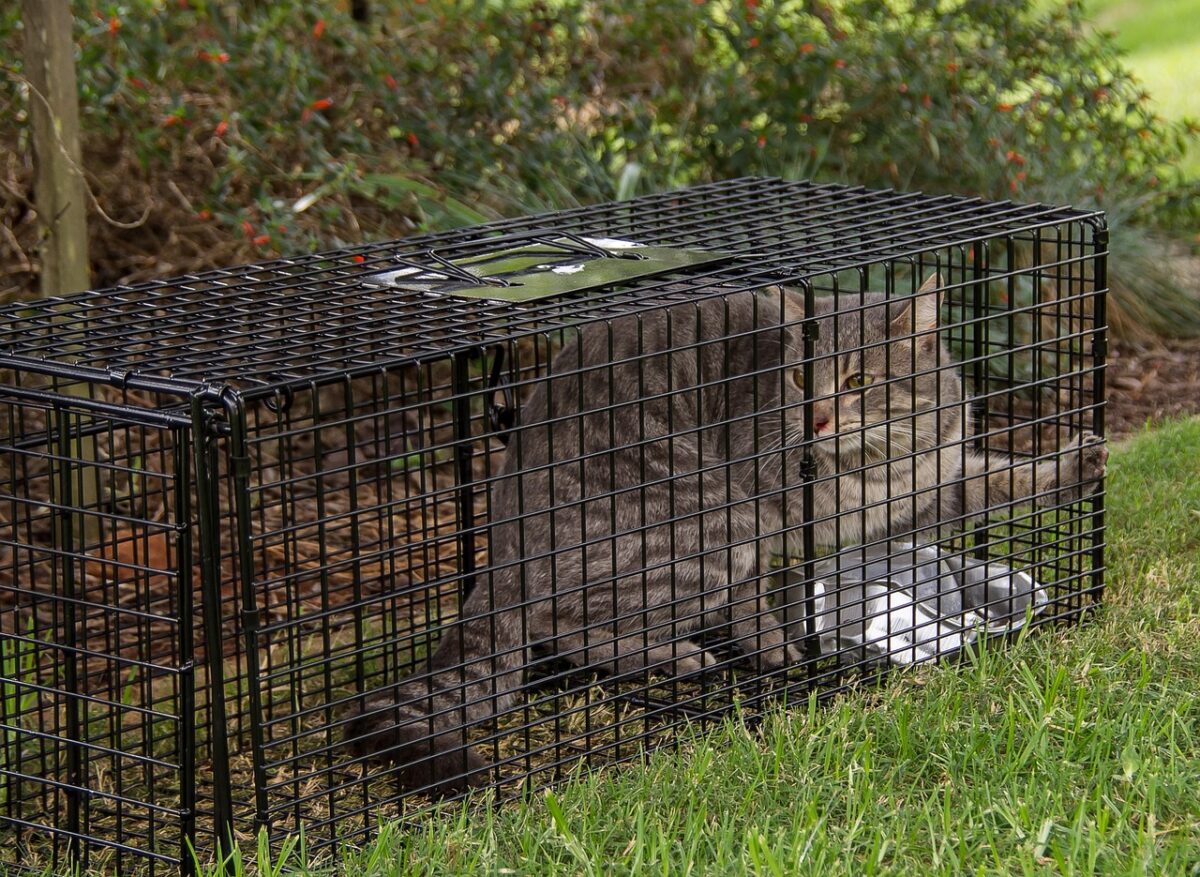
The safest option is a humane box trap designed specifically for cats. Brands commonly used in TNR programs include Tru-Catch, Tomahawk, and Havahart.
Look for:
- A rear bait door for easier setup
- A sturdy trigger plate
- Smooth edges to prevent injury
- A size appropriate for adult cats
For trap-shy cats who avoid box traps, experienced rescuers sometimes use drop traps. These require more skill and supervision but can be effective for difficult cases.
Avoid any trap that can injure the animal.
Step 4: Set The Trap Properly
Timing and placement matter.
Cats are typically most active at dawn and dusk. Plan trapping around regular feeding times when cats are already expecting food. Withhold food for about 24 hours before trapping to increase effectiveness.
Place traps:
- On flat, stable ground
- Near feeding stations or travel paths
- Away from heavy foot traffic
- Out of direct sun exposure
- In sheltered areas during cold weather
Line the bottom of the trap with newspaper or cardboard so it feels solid under the cat’s paws. Place bait at the far back of the trap behind the trigger plate to ensure full entry.
Watch: How to bait and set a human box trap for TNR.
Once a cat is trapped:
- Cover the trap immediately with a towel
- Move it to a quiet, secure location
- Do not attempt to open the trap or handle the cat
Covering the trap reduces visual stimuli and significantly lowers stress.
Watch: How to care for a cat between capture and surgery.
Safety Guidelines You Should Never Skip
TNR is humane, but only when done responsibly. Keep these rules in mind:
- Never leave traps unattended
- Check traps frequently, especially in extreme temperatures
- Do not trap during heavy storms, extreme heat, or freezing conditions
- Keep children and pets away from traps
- Protect traps from wildlife such as raccoons
- Monitor for nursing mothers and very young kittens
If you trap a lactating female, work with your clinic on an expedited spay and quick return to reduce risk to dependent kittens.
Safety protects both the cats and your credibility as a caretaker.
Step 5: Surgery & Clinic Day
On clinic day, transport the covered trap directly to your scheduled appointment. Keep the trap covered during transport to reduce stress.
Most TNR clinics provide:
- Spay or neuter surgery
- Rabies vaccination
- Basic FVRCP vaccination
- Ear-tipping
- Flea treatment or deworming when needed
Some clinics also check for injuries, abscesses, or obvious illness.
It’s important to understand that feral cats are not handled the same way as house pets. They remain inside their traps during intake and recovery to prevent escape and reduce stress.
Watch: A veterinarian explains why anesthesia is critical during TNR.
If you suspect a cat is friendly or adoptable, let the clinic know in advance. They may scan for a microchip or recommend rescue placement instead of return.
Watch: If not comfortable in homes but not feral, some cats can be adopted out as shop or farm cats.
Step 6: Post-Surgery Recovery
After surgery, cats need a short recovery period before release.
General Guidelines
- Males: 24 hours minimum
- Females: 24–48 hours minimum
- Longer if there were complications
Keep the trap:
- In a temperature-controlled, quiet space
- Elevated off cold floors if possible
- Covered at all times
Do not open the trap during recovery. Instead, use trap dividers or feeding doors (if available) to provide small amounts of food and water once the cat is fully awake.
Monitor for:
- Excessive bleeding
- Labored breathing
- Failure to wake after several hours
- Signs of distress
If anything seems abnormal, contact the clinic immediately.
Step 7: Safe Release
Release the cat back in the exact location where it was trapped. Cats are territorial. Returning them to unfamiliar areas can cause confusion, injury, or attempts to return to their original territory.
Choose a calm time of day and:
- Point the trap away from roads
- Remove the cover
- Open the door while standing behind the trap
Step back and allow the cat to exit on its own.
Most cats will bolt quickly. Some pause briefly. Both are normal.
Avoid lingering or attempting interaction. The goal is a calm, controlled release.
Step 8: Ongoing Colony Management
TNR does not end with release. Managed colonies require monitoring.
Establish consistent feeding routines. This:
- Helps track colony size
- Makes it easier to identify newcomers
- Allows early detection of illness or injury
Provide shelter during extreme weather. Insulated outdoor shelters dramatically improve survival in winter. View our guide on how to make a feral cat house.
Watch for new, unsterilized cats. If a new cat appears without an ear-tip, repeat the TNR process promptly.
Over time, a properly managed colony stabilizes and gradually declines.
Watch: Daily care in a managed feral cat colony.
Costs & Resources
Trap Neuter Return is humane and effective, but it’s not always free. Understanding the typical costs upfront helps you plan realistically and avoid abandoning the effort midway through.
Typical TNR Costs
Costs vary by region, but here’s what most caretakers encounter.
Traps
- Purchase: $60–$120 per humane box trap
- Rental: Often free or low-cost through rescues or animal control
Many programs offer trap lending libraries, so buying your own is not always necessary.
Veterinary Surgery
- Low-cost TNR clinics: $40–$80 per cat
- Private veterinary clinics: $150–$300+ per cat
TNR clinics often include:
- Spay/neuter surgery
- Rabies vaccination
- Ear-tipping
- Basic parasite treatment
Pricing varies widely depending on location and available subsidies.
Food & Shelter
- Ongoing feeding costs
- Insulated winter shelters
- Straw bedding
- Occasional medical follow-up
If you are managing a colony long term, food becomes the most consistent expense.
Watch: A custom shelter built for a community cat colony.
Getting Help
You do not have to fund TNR alone. Many communities offer support through:
- Local cat advocacy groups
- Humane societies
- TNR voucher programs
- Grant-funded spay/neuter initiatives
- Volunteer trap teams
Some nonprofits provide free surgeries during designated TNR days. Others offer discounted pricing for registered colony caretakers.
Crowdfunding and neighborhood fundraisers are also common. When neighbors understand that sterilization reduces future litters, many are willing to contribute.
If cost feels overwhelming, start by contacting a local rescue and asking about TNR resources in your area.
Common TNR Challenges & Solutions
TNR is effective, but it is not always easy. Here are some of the most common obstacles and how experienced caretakers handle them.
Trap-Shy Cats
Some cats refuse to enter box traps after seeing others captured.
Solutions:
- Use drop traps with experienced supervision
- Change bait types
- Camouflage traps with leaves or natural debris
- Pre-bait by feeding inside an unset trap for several days
Patience is key. Forcing the process often backfires.
Weather Challenges
Extreme temperatures can make trapping dangerous. Avoid trapping during:
- Heat waves
- Freezing temperatures
- Heavy storms
Always monitor traps frequently and provide shade or shelter as needed.
If weather conditions are unsafe, postpone trapping. Humane timing matters.
Colony Disputes
Not everyone loves community cats.
Common issues include:
- Neighbors threatening to call animal control
- Complaints about feeding
- Accusations of attracting wildlife
Clear communication helps. Explain that sterilized colonies shrink over time and reduce nuisance behaviors. Sharing educational materials can shift the conversation from emotion to prevention.
Health Emergencies
During trapping, you may encounter:
- Injured cats
- Severe respiratory infections
- Advanced dental disease
- Kittens too young for surgery
Work closely with your clinic or rescue partner in these cases.
Not every situation fits neatly into the TNR model. Some cats may need rescue placement, treatment, or humane euthanasia if suffering is severe. Being prepared for difficult decisions is part of responsible colony management.
If You’ve Ever Tried TNR, You Know This…
- The one cat you need most refuses the trap
- A raccoon sets off three traps in one night
- A neighbor suddenly claims the cats are “theirs”
- It always happens during the hottest week of summer
TNR requires persistence. But stabilized colonies and fewer kittens make the effort worth it.
TNR Is A Long-Term Commitment
Trap Neuter Return is not a one-time fix. It’s an ongoing management strategy.

After cats are spayed or neutered and returned, the work shifts from trapping to monitoring. Colonies need consistent feeding schedules, clean feeding areas, and regular observation to ensure no new unsterilized cats join the group.
New arrivals are common. Outdoor territories rarely stay empty for long. When a newcomer appears without an ear-tip, the TNR process should begin again to prevent future breeding.
Seasonal care matters, too. Winter shelter, shade in summer, and access to clean water all improve survival and reduce suffering.
Caretaker burnout is real. Funding, time, and neighbor dynamics can create long-term strain. Successful TNR efforts often involve shared responsibility, whether through volunteers, local rescue partnerships, or community support.
TNR works best when it’s approached as stewardship, not a single event.
Legal Considerations & Feral Cat Laws
Before you begin Trap Neuter Return, it’s important to understand the legal landscape in your area. Laws related to outdoor cats, trapping, and feeding can vary widely by state, county, and city. Knowing the rules helps you avoid fines, conflicts, and unintended legal issues.
Community Cats vs. Strays vs. Pets
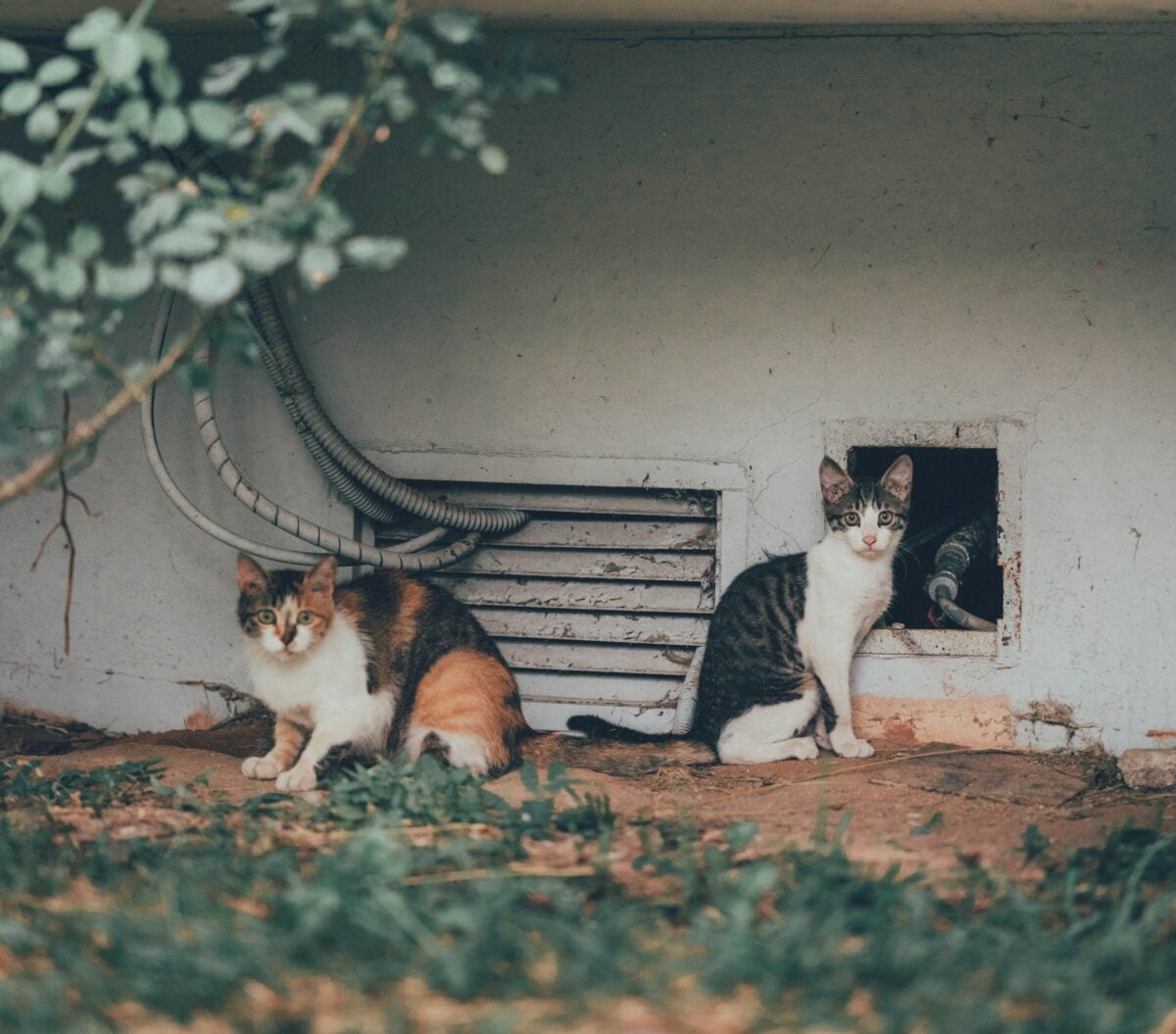
Many jurisdictions distinguish between:
- Community cats — Outdoor cats managed through programs like TNR
- Stray cats — Former pets who may still be socialized
- Pet cats — Owned cats with collars or microchips
Some cities have specific legal definitions for community cats, especially those enrolled in TNR programs. These definitions can influence whether a cat is considered “owned,” who can feed them, and how animal control interacts with them.
To explore how feral and community cats are treated in your specific area, check out this comprehensive guide to feral cat laws by state.
Trapping Permissions
In many places, trapping animals on public property requires permission from local authorities or animal control. On private property, you may need the owner’s explicit consent before setting traps.
Common rules include:
- Where traps may be placed
- How long traps can be left unattended
- Reporting trapped animals to animal control within a set timeframe
Check with your local animal control office or city hall before you trap.
Feeding Ordinances
Some municipalities have restrictions on feeding outdoor cats. These can include:
- Designated feeding hours
- Limits on food quantity
- Registered feeder requirements
Even in areas without formal feeding laws, neighbors may complain if cats congregate in common areas. Communicating proactively can reduce misunderstandings.
Liability & Public Property
In some regions, feeding or trapping on public land — parks, right-of-way, or common areas — can carry liability concerns. You should verify:
- Whether feeders need permits
- Who is responsible if a cat is injured or lost
- Whether animal control has jurisdiction over community cats
Knowing local policy eliminates surprises and helps you advocate for humane practices.
Working With Local Animal Control
Partnering with your local animal control or humane society can be beneficial:
- They can tell you what’s allowed where you live
- They may assist with trap lending programs
- Some offer low-cost clinic days or TNR vouchers
- They can help identify injured or sick cats needing special care
Never assume animal control is opposed to TNR. Many agencies actively support managed colony programs and can be a powerful ally.
Bottom Line: TNR is legally supported in many areas, but the specifics — from trapping permissions to feeding rules — vary widely. Always check local ordinances and work with community partners when possible. View our guide to feral and community cat laws by state.
Frequently Asked Questions
Trap Neuter Return raises strong opinions and honest questions. Here are some of the most common concerns people have about TNR cats and feral colony management.
Don’t see your question? Respond in the comments, and we’ll get back to you!
Is Trap Neuter Return Humane?
Yes. TNR is widely recognized by animal welfare organizations as a humane way to manage feral cat populations.
Cats are humanely trapped, sterilized under anesthesia, vaccinated, ear-tipped, and returned to familiar territory. Sterilization reduces fighting, mating behaviors, and health risks associated with repeated pregnancies.
For truly feral cats who cannot be socialized, TNR prevents unnecessary euthanasia while stabilizing populations.
Why Are Cats Returned Instead Of Adopted?
Most feral cats are not socialized to humans. They do not tolerate indoor confinement well and may experience severe stress in shelter environments.
While friendly strays and young kittens may be adopted, adult feral cats typically thrive best outdoors in familiar territory — once sterilized and vaccinated.
What Does Ear-Tipping Mean?
Ear-tipping is the universal sign that a community cat has already been spayed or neutered. A small portion of the left ear tip is removed while the cat is under anesthesia. This allows animal control officers, veterinarians, and caretakers to identify sterilized cats from a distance and avoid unnecessary re-trapping.
Does TNR Reduce The Feral Cat Population?
Yes, but gradually. TNR prevents new litters from being born. Over time, as sterilized cats live out their natural lifespan, colony numbers decline naturally.
It does not eliminate cats overnight. It stabilizes and reduces populations long term.
Does TNR Stop Cats From Hunting Wildlife?
TNR does not eliminate hunting behavior. Cats are instinctive predators.
However, sterilized cats tend to roam less and defend smaller territories. Most importantly, preventing reproduction reduces overall population growth, which limits long-term wildlife impact compared to unmanaged breeding.
Is TNR Legal Everywhere?
No. Laws vary by state and municipality.
Some cities formally support TNR programs. Others have restrictions related to trapping, feeding, or colony management.
What If I Trap A Friendly Cat?
If the cat appears socialized, notify the clinic immediately. They may scan for a microchip, check lost pet listings, or recommend transfer to a rescue group instead of return.
Not all outdoor cats are feral.
Ready To Help Outdoor Cats In Your Community?
Trap Neuter Return works when compassionate people take action.
Whether you’re feeding one backyard cat or monitoring a growing colony, you now understand how TNR stabilizes populations, improves health, and prevents future litters. The next step is deciding how involved you want to be.
If you’re ready to support community cats, here are a few ways to start:
- Learn the laws in your state before trapping
- Build a safe winter shelter
- Contact local rescues or animal control to ask about TNR clinics and trap lending programs
TNR is not about eliminating outdoor cats. It’s about stabilizing populations humanely and reducing suffering over time.