When you purchase through links on our site, we may earn a commission at no extra cost to you. Learn more.
Running out of cat litter happens. Usually at night. Usually when stores are closed. And usually right as your cat is circling the box like something terrible is about to happen.
Table of Contents
Whether you need a short-term substitute, you’re tired of paying absurd prices for litter, or you’re looking for a less toxic, more eco-friendly option, you’re not alone.
A lot of cat owners quietly wonder if there’s something — anything — that works just as well without the mess, chemicals, or cost.
Start Here: What Makes A Safe Cat Litter Substitute?
So, you’re out of cat litter. Cool, cool, cool.
Want our human-written content to rank above AI-generated garbage? Help us out by clicking this button!
Maybe you forgot to buy more. Maybe the bag looked fuller than it actually was. Either way, here we are.
The goal here isn’t to invent a revolutionary new litter. It’s to give your cat something usable right now that won’t stress them out, trash your floors, or land you on an emergency vet forum.
A safe short-term litter substitute should check most of these boxes:
- Absorbs moisture (the bare minimum)
- Low dust (for obvious reasons)
- Non-toxic (cats lick everything)
- Neutral or lightly scented (no “mountain breeze” please)
- Similar in texture to what your cat already uses
Cats are picky, but they’re also practical. If it feels right under their paws and doesn’t smell weird, many will roll with it — at least temporarily.
Quick Rule Of Thumb
If it’s absorbent, low-dust, and pet-safe, it can usually work in a pinch. If it’s heavily scented, chemically treated, or turns into a dust cloud when disturbed, back away slowly.
Temporary vs Long-Term Use
Most of the options in this guide are meant for short-term use, like emergencies, late-night mishaps, or curiosity-driven experiments. Long-term litter should always prioritize respiratory safety, odor control, and your cat’s comfort over convenience.
And if your cat takes one look at a substitute and decides absolutely not, that’s your answer. When it comes to litter, your cat is the final authority, and unfortunately, there’s no appeals process.
If You’re Out Of Cat Litter Right Now (5+ Emergency Fixes)
This section is for when you need a solution now, not a lifestyle change. These options aren’t glamorous, but they can absolutely get you through a night, a weekend, or an “oops, I forgot to reorder” moment.
1. Shredded Paper
If you have a paper shredder and a stack of junk mail, you’re already halfway there. Shredded paper absorbs moisture, produces almost no dust, and is one of the gentlest options for cats with sensitive lungs.
Watch: No litter, no problem. A paper shredder makes DIY litter a breeze.
The downside is texture. Many cats prefer granules, not confetti. But if your cat accepts it, shredded paper works surprisingly well for short-term use and costs exactly $0.
- Best for: emergency use, low-dust homes, cats with asthma
- Watch out for: fast odor buildup and poor clumping
| Pros | Cons |
|---|---|
| Eco-friendly | Must be changed frequently |
| Non-toxic | No odor control |
| Dust-free |
2. Puppy Pee Pads
Puppy pee pads absorb liquid extremely well and are easy to clean up, which makes them a common last-minute solution. Some cats are already familiar with them if you use pads around the litter box to catch spills.
Watch: Pee pads can also be a lifesaver for senior cats or cats with mobility issues — easy to step on, easy to clean.
That said, cats instinctively want to bury their waste. Don’t be surprised if your cat tries to bunch the pad into a sad little pile in an attempt to cover things up.
- Best for: very short-term use, sick or elderly cats
- Watch out for: no digging satisfaction, potential shredding
| Pros | Cons |
|---|---|
| High absorbency | Cat may bunch or shred pads in attempt to bury elimination |
| Reusable options available | |
| Good for senior or disabled cats |
3. Horse & Small Animal Bedding
Farm and feed supply stores carry a range of animal bedding products that can double as emergency cat litter substitutes. These are often sold in large bags, cost far less per pound than cat litter, and are designed to absorb moisture and control odor.
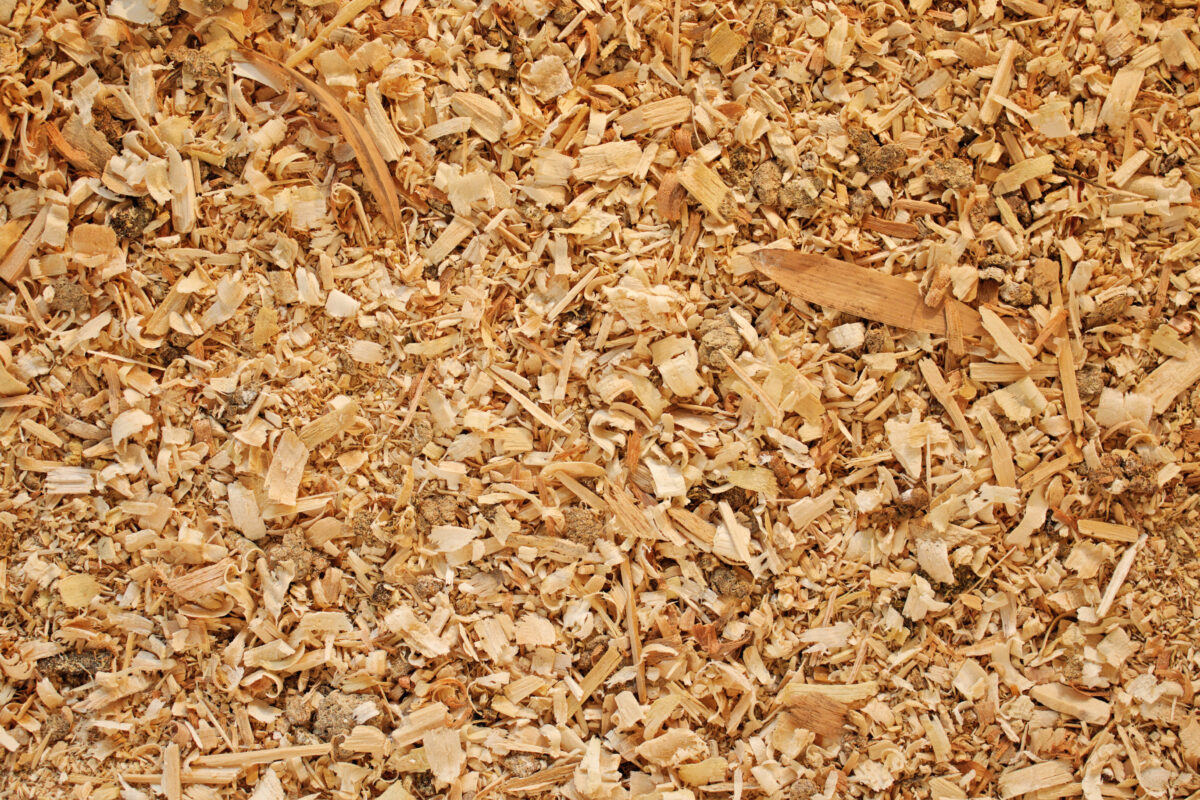
The most common options include compressed wood pellets (often pine), wood shavings, and straw-based bedding. Among these, kiln-dried wood pellets are the closest match to traditional pellet cat litter and tend to perform the best overall.
Wood shavings and straw can also work in a pinch, but they’re less consistent. Shavings don’t clump and can track easily, while straw is bulkier and better suited for very short-term use. Whatever you choose, make sure the product is pet-safe, untreated, and free from added scents or chemicals.
These bedding materials aren’t perfect, but for emergency or budget situations, they’re one of the more practical non-litter options available.
- Best for: emergency use, budget-conscious households, pellet-litter cats
- Watch out for: untreated wood, aromatic woods, excess tracking
| Pros | Cons |
|---|---|
| Affordable | Performance varies by material |
| Designed to absorb moisture and reduce odor | Wood shavings and straw do not clump |
| Widely available | Some cats might not like the feel on their paws |
| Includes pellet, shaving, and straw-based options | Can track more than traditional litter |
4. Sand
Before modern litter existed, sand was the go-to option for indoor cats. It’s affordable, widely available, and many cats love how it feels under their paws.
The problem is everything else. Sand tracks everywhere, doesn’t control odor well, and absorbs far less than commercial litter. If you try it, never scoop sand from outside. Outdoor sand can contain parasites and pathogens.
If you use sand, use sterilized natural sand from a landscaping supplier. Avoid sandbox or “play” sands made from crystalline silica, which can be harmful when inhaled.
- Best for: true emergencies only
- Watch out for: tracking, odor, respiratory risks
| Pros | Cons |
|---|---|
| Cost-effective | Messy |
| No additives | No odor control |
| Might harbor parasites and bacteria |
5. Aquarium Substrate (Gravel Or Sand)
Ran out of cat litter and also happen to own fish? You’re not the first person to look at the aquarium supplies and start doing mental math.
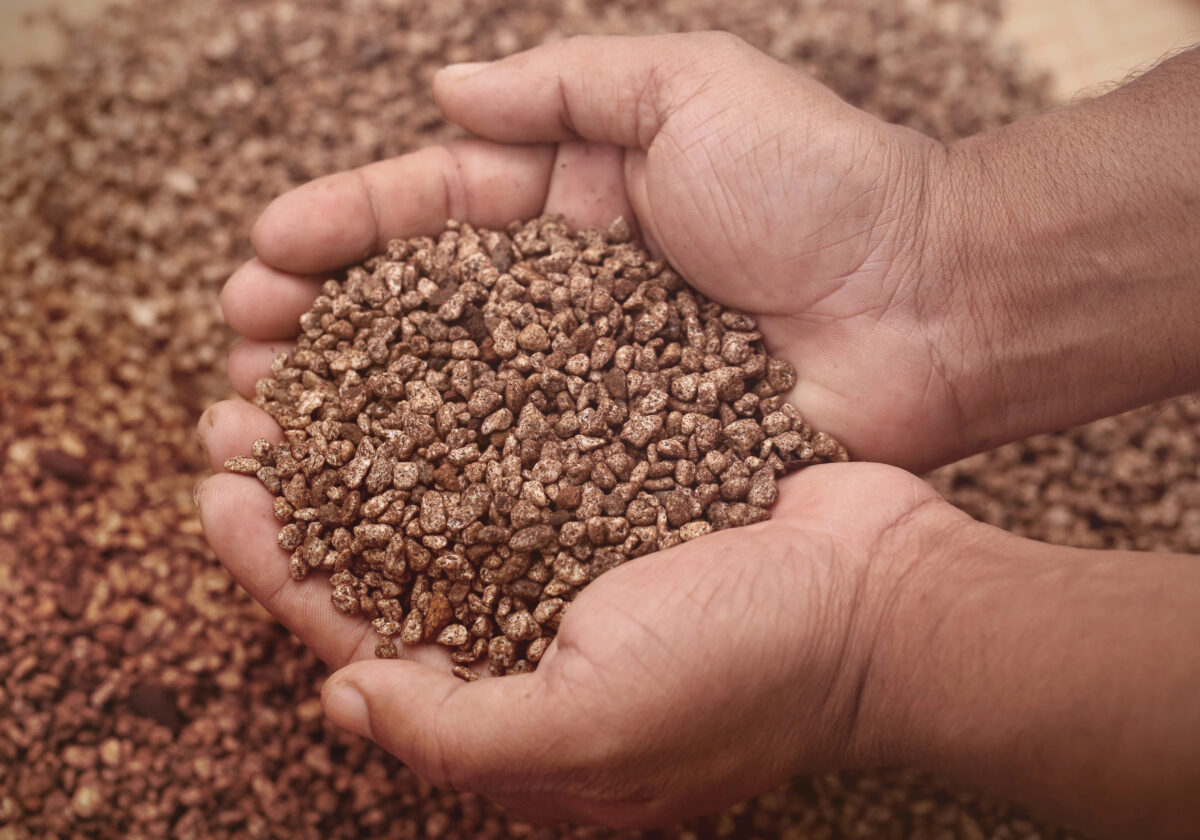
Aquarium substrate is clean, readily available, and similar in texture to sand, so some cats will use it without hesitation. That’s the good news.
The downside is absorption — there basically isn’t any. Gravel and aquarium sand don’t absorb urine, which means odor builds fast unless the substrate is layered over something absorbent.
Treat it as a very short-term solution and pair it with an absorbent base like paper towels or pee pads.
- Best for: extreme emergencies only
- Watch out for: odor buildup, tracking, heavy mess
| Pros | Cons |
|---|---|
| Familiar texture that some cats will tolerate | No absorbency |
| No chemical additives | Poor odor control |
| Heavy tracking |
Tip: Disposable Aluminum Pans + Absorbent Fillers
When you don’t have litter or a litter box, disposable aluminum pans can save the day. They’re shallow, cheap, waterproof, and easy to throw away when things get unpleasant.
To make this setup usable, add an absorbent filler like paper towels, shredded paper, rice, or other dry grains. This isn’t a digging paradise, but it can handle urine and buy you time.
This option works best for very short-term emergencies — think overnight, not ongoing.
- Best for: true emergencies, travel, temporary setups
- Watch out for: poor odor control, zero clumping
4 Cheaper Store-Bought Alternatives People Actually Use
If you’ve ever looked at a bag of cat litter and thought, this feels overpriced, you’re not wrong. These options are widely used because they’re easy to find, cheaper per pound, and functional enough to replace litter — at least for a while.
1. Ground Corn
Ground corn is one of the most common ingredients in natural cat litter, so it’s not a stretch to use it on its own. It clumps well, creates very little dust, and is biodegradable and non-toxic.
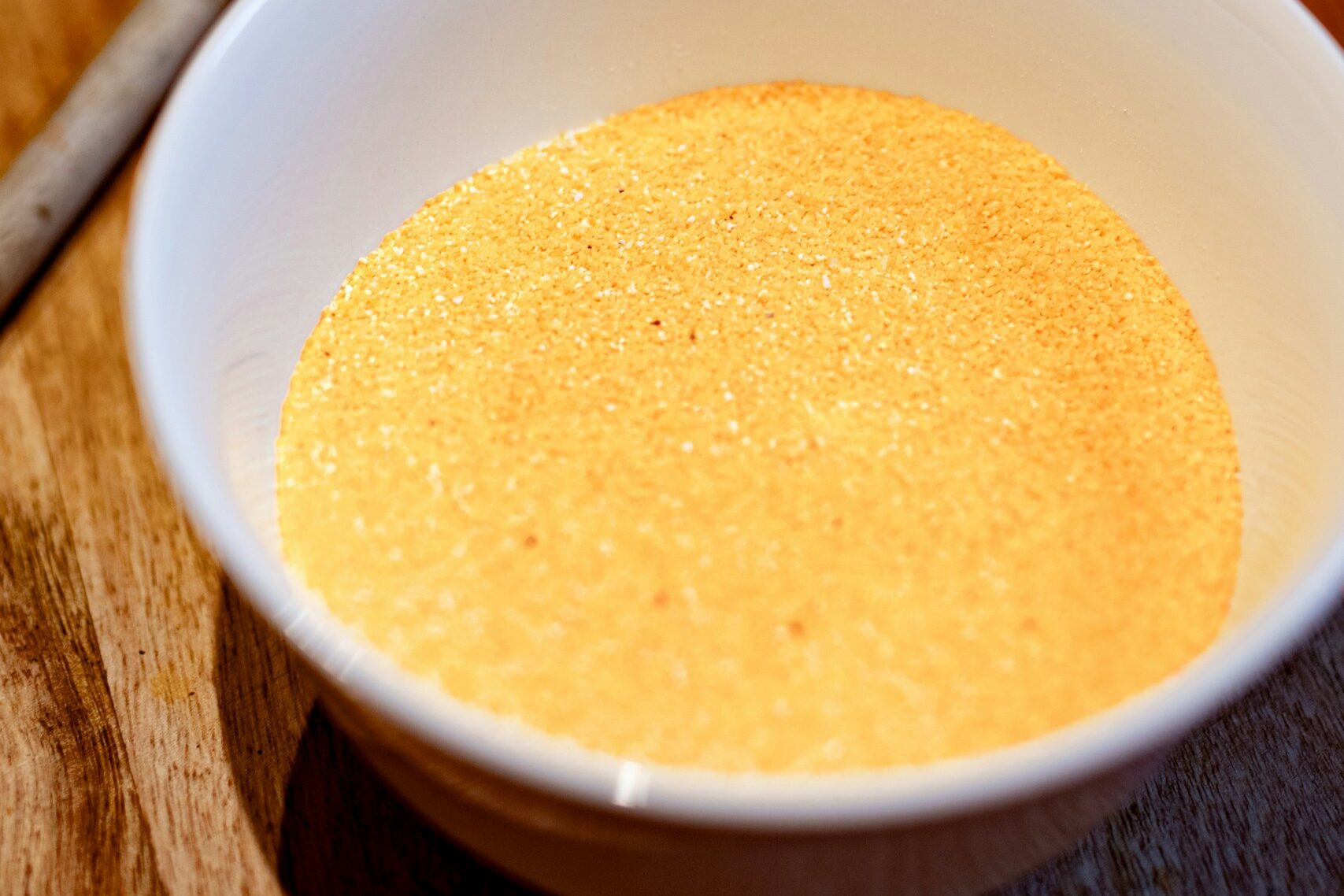
You can usually buy it in bulk at farm or feed supply stores for much less than name-brand litter. The tradeoff is odor control and tracking.
Corn also has a natural, earthy smell that some people love and others immediately notice.
- Best for: low-dust homes, eco-minded budgets
- Watch out for: tracking and weaker odor control
| Pros | Cons |
|---|---|
| Clumping | Natural odor that not everyone enjoys |
| Low dust | Vulnerable to spoilage |
| Eco-friendly | Can be tracked |
2. Whole Wheat
Whole wheat shows up in natural litters for a reason. It’s highly absorbent, low in dust, and surprisingly good at neutralizing odors, especially for a pantry-level solution.
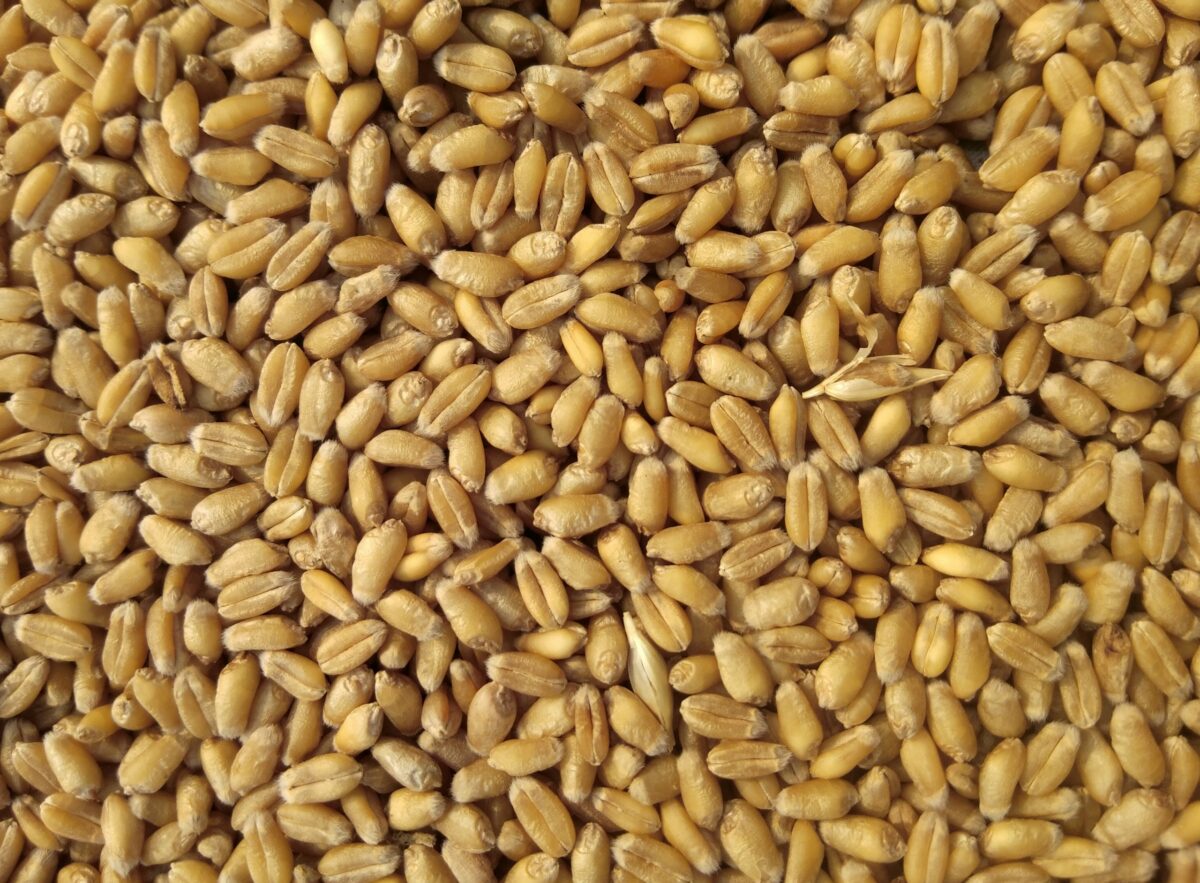
If your cat isn’t thrilled with the texture, a quick pulse in a blender can create a finer consistency that feels closer to traditional litter. Just don’t turn it into flour — this is litter, not baking.
- Best for: short-term use, odor control
- Watch out for: texture sensitivity, tracking
| Pros | Cons |
|---|---|
| Widely available | Prone to growing harmful fungus |
| Biodegradable | Needs frequent changing |
| Low dust |
3. Rabbit Feed
Rabbit feed pellets are a popular off-label litter substitute because they’re absorbent, clump reasonably well, and are easy to scoop. They’re also typically much cheaper per pound than cat litter.
The downside is smell — specifically, the smell your cat might find a little too interesting. Some cats try to snack on plant-based pellets made from corn, grass, or alfalfa. While a nibble isn’t dangerous, it’s not a habit you want to encourage.
If your cat treats the litter box like a buffet, it’s best to skip this option.
- Best for: budget-conscious cat owners, pellet-litter cats
- Watch out for: curious eaters
| Pros | Cons |
|---|---|
| Clumping | Cat may try to eat litter |
| Good odor control | May attract pests |
| Very low dust |
4. Wood Pellet Fuel (Heating Pellets)
Some cat owners take frugality one step further and use wood pellet fuel sold for home heating. These pellets are often made from compressed sawdust and can be even cheaper per pound than animal bedding pellets, especially outside of winter.
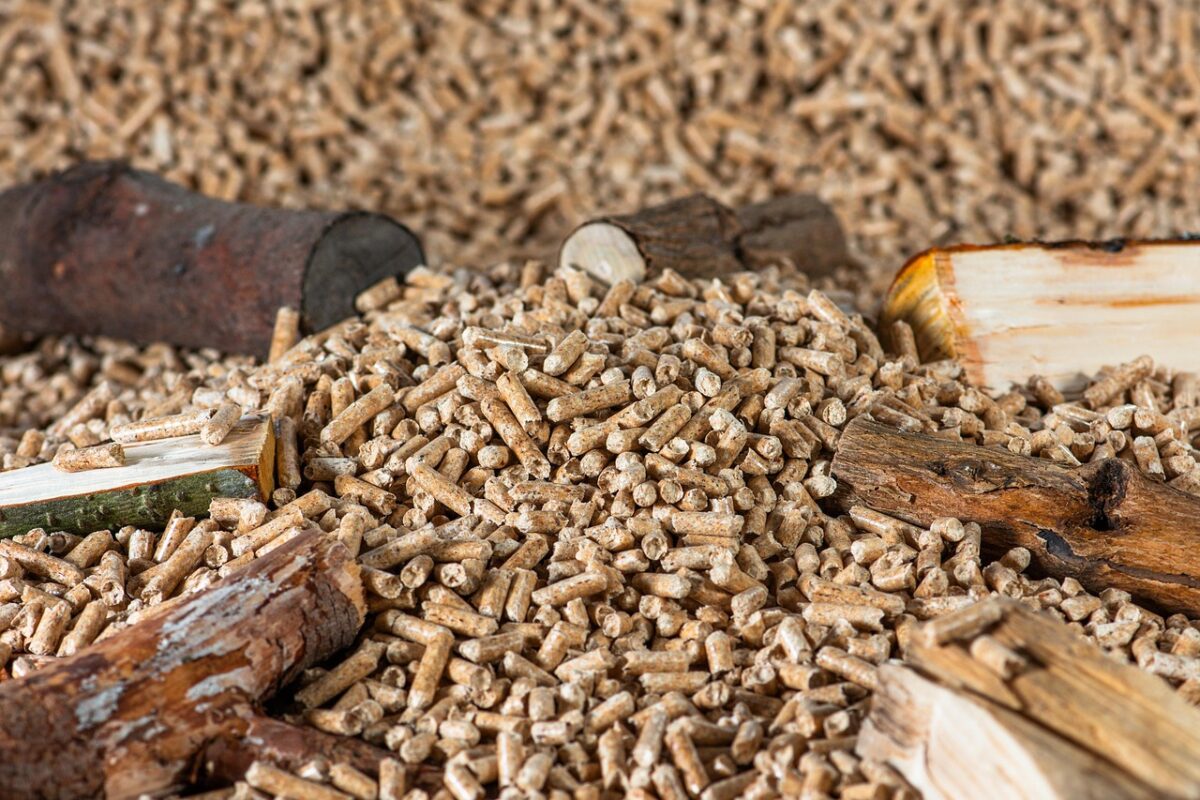
If you go this route, the details matter. Only use pellets that are kiln-dried, 100 percent wood, and free from accelerants, binders, or chemical additives. Heating pellets labeled as “natural” or “premium hardwood” are the safest options.
Used correctly, they function similarly to pine pellet litter. Used incorrectly, they can be unsafe.
- Best for: extreme budget situations, pellet-litter cats
- Watch out for: additives, non-kiln-dried pellets
| Pros | Cons |
|---|---|
| Very inexpensive | Not all pellets are pet-safe |
| High absorbency | Strong wood scent may deter some cats |
| Biodegradable |
Quick Cost Reality Check
Many of these options cost significantly less per pound than traditional cat litter when bought in bulk. The tradeoff is convenience, odor control, and tracking — not safety.
What About Non-Clay Commercial Cat Litters?
If you’re looking for a long-term replacement for traditional clay litter, there are commercial options made from paper, wood, corn, walnut, tofu, and other plant-based materials. These are designed specifically for cats and generally offer better odor control, consistency, and ease of use than DIY substitutes.
That said, they still require a store run or delivery — and they’re typically more expensive. This guide focuses on emergency, budget-friendly, and immediately available alternatives you can use when you’re out of litter or trying to save money short-term.
If you want a deeper breakdown of commercial non-clay litter types and how they compare, we cover that in detail in our dedicated guide.

Eco-Friendly & Biodegradable Options
If your motivation isn’t just “I ran out,” but also “I’d rather not pour more plastic into my trash can,” these options tend to appeal to eco-conscious cat owners. They’re biodegradable, widely available, and often come with a smaller environmental footprint than traditional litter.
Horse & Small Animal Bedding (Why Eco Cat Parents Love It)
This option earns a second mention because it genuinely checks a lot of sustainability boxes. Bedding pellets made from compressed pine or recycled wood fibers are biodegradable, absorbent, and often sourced from waste materials.
When kiln-dried and free from chemical additives, these pellets are safe for cats and break down naturally over time. They also tend to be sold in large bags, which means fewer plastic packages and a lower cost per pound.
- Why it’s eco-friendly: biodegradable materials, bulk packaging, fewer additives
- Still important: confirm kiln-dried and pet-safe labeling
Shredded Paper (Why It’s Surprisingly Low-Waste)
Shredded paper may not look glamorous, but from a sustainability standpoint, it makes a lot of sense. You’re repurposing something you already have, keeping it out of the trash, and avoiding new manufacturing altogether.
It’s also biodegradable and dust-free, which makes it appealing for cats with sensitive lungs. Odor control isn’t its strong suit, so this works best paired with odor eliminators.
- Why it’s eco-friendly: reuse over replacement, zero new materials
- Still important: expect frequent changes
Things People Ask About (But Should Be Careful With)
Yes, people ask about these options all the time. No, that doesn’t mean they’re a great idea.
Some materials can irritate lungs, grow bacteria, or contain chemicals not safe for cats. Keep this in mind when exploring these litter alternatives.
Potting Soil (Why It’s Usually A Bad Idea)
At first glance, potting soil feels logical. Cats naturally prefer loose, earthy surfaces, and soil is biodegradable and familiar under their paws.
The problem is consistency and safety. Most potting soils contain fertilizers, moisture-retaining chemicals, or organic matter that can harbor mold and bacteria. It also creates a mess fast and offers poor moisture control in an indoor litter box setting.
Plain, untreated soil might work briefly in a true emergency, but as a regular substitute, it’s more trouble than it’s worth.
| Pros | Cons |
|---|---|
| Widely available | Messy |
| Biodegradable | May harbor bacteria and fungi |
| Can be purchased in bulk | May contain fertilizers or other chemicals |
Bottom line: natural doesn’t always mean safe or practical indoors
Sawdust (When It’s Dangerous & Why)
Sawdust is often suggested because it’s absorbent, biodegradable, and sometimes free if you have access to a workshop.
Unfortunately, this is where things get risky.
Fine sawdust creates airborne particles that can irritate a cat’s respiratory system. Even more concerning, sawdust from cedar or untreated pine contains phenols, which are toxic to cats.
Pine pellets are different — they’re kiln-dried, which reduces phenol content. Loose sawdust is not. Unless you can confirm the wood type and treatment, this option is best avoided entirely.
| Pros | Cons |
|---|---|
| Free in many cases | Must be frequently changed |
| Biodegradable | Not as absorbent as other options |
| Naturally scented | Lots of tracking |
Bottom line: respiratory risk outweighs the savings
What NOT To Use As Cat Litter
Some materials sound logical at first glance but can cause respiratory issues, digestive problems, or serious messes indoors.
Skip these entirely:
- Clumping construction sand or play sand (often contains crystalline silica)
- Scented sawdust or wood shavings (especially cedar or untreated pine)
- Potting soil with fertilizers or additives
- Cat litter substitutes that produce fine dust
- Food-based materials your cat actively tries to eat
If a material is chemically treated, heavily scented, or creates a visible dust cloud when poured, it doesn’t belong in a litter box, no matter how “natural” it sounds.
Cat Litter Alternatives Compared
If you’re trying to decide which option makes the most sense for your situation, this quick comparison breaks down how the most common cat litter alternatives stack up.
| Alternative | Absorbency | Odor Control | Dust Level | Tracking | Cost |
|---|---|---|---|---|---|
| Shredded Paper | Low–Medium | Low | Very low | Medium | Free |
| Puppy Pee Pads | High | Low–Medium | None | Low | Low–Moderate |
| Horse & Small Animal Bedding | High | Medium | Low | Medium | Low |
| Wood Pellet Fuel | High | Medium | Low | Low | Very Low |
| Sand (Sterilized) | Medium | Low | Low | High | Low |
| Aquarium Substrate | None | Very Low | Low | High | Low–Moderate |
| Ground Corn | Medium | Low–Medium | Low | High | Low |
| Whole Wheat | High | Medium | Low | High | Low |
| Rabbit Feed Pellets | Medium | Medium | Low | Medium | Low |
Toilet Training Your Cat: Does It Actually Work?
For a brief moment in the early 2010s, toilet training cats was a thing. It showed up in forums, YouTube tutorials, and dinner-party conversations like it was a totally normal thing to do.
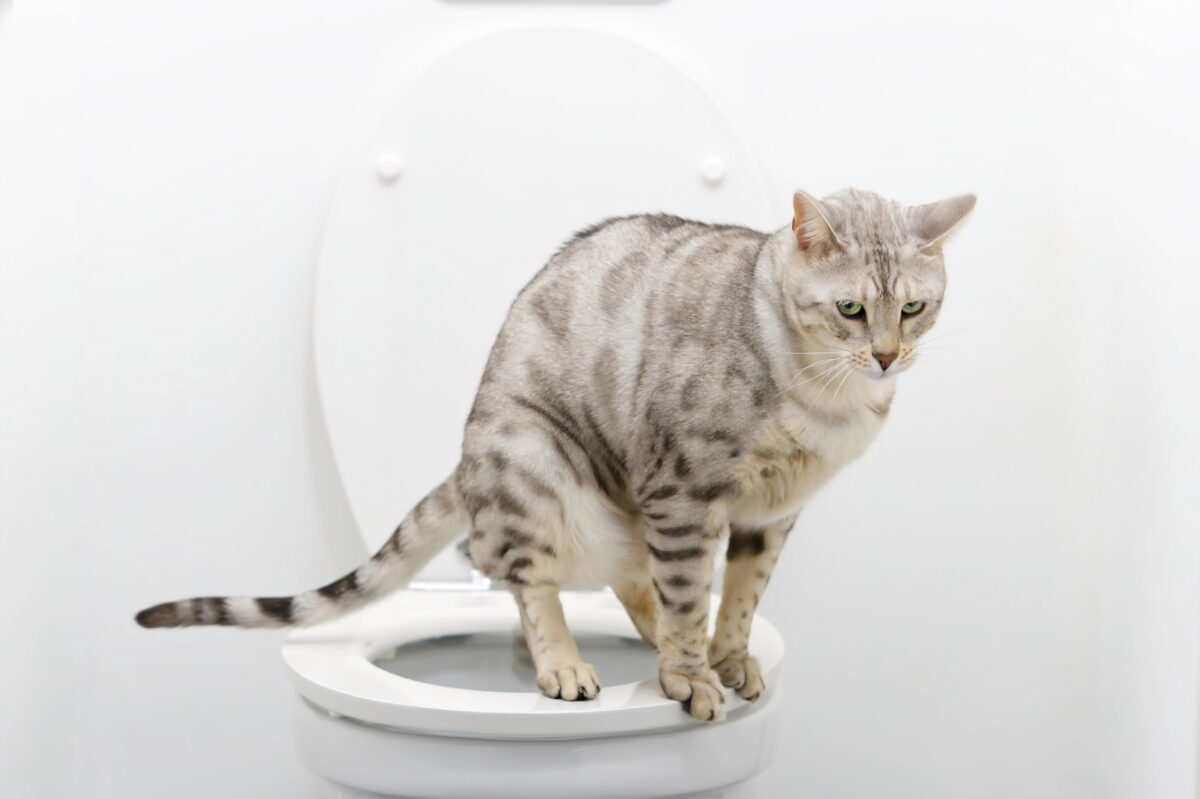
Products like CitiKitty and LitterKwitter promised a litter-free future, and some cat owners swore they pulled it off. You probably know someone who claims their cat used the toilet “just like a person.”
So, does it work?
Sometimes. For a very specific type of cat.
With a very patient human. And a very flexible definition of success.
| Pros | Cons |
|---|---|
| No more litter box | Toilet seat can be slippery for cats |
| Eliminates health monitoring (can’t accurately see changes in urine volume and frequency) | |
| Can release Toxoplasma gondii and other microorganisms into water system* | |
Why Most Vets & Behaviorists Don’t Recommend It
Toilet training removes behaviors cats naturally rely on, like digging and covering waste. Over time, this can increase stress, lead to bathroom avoidance, or cause accidents elsewhere in the house.
It can also make it harder to monitor your cat’s health. Changes in urine volume, stool consistency, or frequency are often early warning signs of illness, and those are much easier to spot in a litter box than a toilet.
The Reality Check
Toilet training isn’t a quick fix, and it’s not a great emergency substitute when you’re out of litter. It takes weeks or months, doesn’t work for most cats, and often ends with the litter box coming back.
Bottom line: It’s technically possible, but rarely practical. For most households, a litter substitute is a better short-term solution — and a litter box is still the healthiest long-term option.
Our Experience With Cat Litter Alternatives
I’ve owned cats most of my life and have tried a long list of cat litter types. I’ve also tried a few alternatives along the way, some out of necessity and others out of curiosity.
As someone who is more experienced in litter box care and maintenance than many, I urge caution against making huge, sudden changes to your cat litter, especially if you are experimenting with litter alternatives like sand, shredded paper, or wood shavings. I have tried all three of these options firsthand.
Sand is something I would use only in an emergency and if you have no other choice. It is very messy, stinky, and super gross to clean up.
While outdoor cats love making sand their litter box, this is not a suitable or very sanitary solution for indoor kitties. If you must use it for a day or two it might be livable, but this is no long-term litter alternative.
Shredded paper is also something I’ve used in a pinch, although if you want paper litter, I recommend recycled newspaper pellets over shredded paper.
The shredded newspaper does the job but has no odor control and little absorbency. You essentially have to start over every time your cat pees. It is a good solution if you need a quick overnight litterbox, but not a setup I would use more than a day or two at a time.
One of my top litter alternatives is cedar wood shavings made for livestock and other animal bedding. The shavings are soft, smell good, and are very absorbent.
They don’t clump, but I usually use pine pellet litter for my cats, so that is no different. It is easy to scoop out the soiled shavings and waste as I do with my regular cat litter.
The cedar shavings are chemical-free and made for animal use, so I find them to be a very good alternative if I cannot find my cat’s preferred litter or need an alternative to use.
Danielle DeGroot, Rescue Cat Owner, Kitty Litter Expert, & Love Your Cat Research & Writing
Frequently Asked Questions
Here are some frequently asked questions about kitty litter and litter boxes. Don’t see yours? Respond in the comments with your question, and we’ll get back to you!
What Can I Use To Substitute Cat Litter?
In a pinch, look for granulated items that offer good absorbency. Grains like oatmeal, rice, and barley are excellent options. Even breakfast cereals, pasta, and shredded tortillas can do the trick.
Most alternatives are intended for short-term use, not permanent replacement.
What Can I Use As A Litter Box If I Don’t Have One?
Almost any shallow, waterproof container can work temporarily. Storage bins, baking trays, disposable aluminum pans, or even a sturdy cardboard box lined with a trash bag can get the job done.
Just make sure the sides are low enough for your cat to step into comfortably and that the container won’t tip.
Are Cat Litter Alternatives Safe For Kittens?
Some are, but kittens are more sensitive to dust, chemicals, and ingestion risks. Stick to low-dust, non-toxic options and avoid anything your kitten might try to eat.
If possible, return to regular litter as soon as you can.
How Long Can I Use A Cat Litter Substitute?
Most substitutes are best used for a night, a weekend, or a short transition period. Long-term use can lead to odor issues, tracking, or litter box avoidance if the texture or smell isn’t right for your cat.
If you find yourself relying on substitutes often, it may be time to explore a different type of commercial litter that better fits your budget or values.
What If My Cat Refuses The Substitute?
That’s your answer. Cats are very clear when they’re unhappy with bathroom arrangements.
If your cat won’t use a substitute, remove it and try a different option rather than forcing the issue. A stressed cat will look for alternatives of their own, and you probably won’t like them.
Cat Litter Odor Eliminators
If you’re using one of these cheap cat litter alternatives, you may need more help controlling foul odors. Try adding a tablespoon of baking soda to your cat’s litter pan to neutralize urine odors. Consider one of these seven best cat litter odor eliminators if you need more support.