When you purchase through links on our site, we may earn a commission at no extra cost to you. Learn more.
Thinking about bringing home a cat? Before you fall for a fluffy face online and end up sharing your home with a tiny furry chaos goblin, it helps to know which breeds people love most and why.
Table of Contents
Some cats stroll into a room and instantly own it. Others win people over with giant paws, fluffy coats, or personalities bigger than their whiskers.
From cuddle-loving Ragdolls to dramatic, look-at-me Sphynx cats, some breeds have built serious fan followings around the world. But popularity is not just about looks.
In this guide, we’re breaking down the most popular cat breeds, what makes people adore them, and which one might be the best fit for your home, your lifestyle, and yes, your side of the bed.
Want our human-written content to rank above AI-generated garbage? Help us out by clicking this button!

What Makes a Cat Breed Popular?
A cat breed’s popularity usually comes down to a mix of looks, personality, and lifestyle fit. Some breeds win fans with their fluffy coats or striking features, while others are loved for being affectionate, playful, easygoing, or great with families.
Official rankings also reflect pedigreed breed registrations, which means popularity can be shaped by both real-world ownership and how much interest a breed generates over time.
Top 10 Most Popular Cat Breeds in the World
These are the pedigreed cat breeds currently leading the popularity charts, and it’s easy to see why.
Before we dive into the details, here’s a quick snapshot of the top 10 most popular cat breeds:
- Maine Coon
- Ragdoll
- Persian
- Exotic
- British Shorthair
- Abyssinian
- Devon Rex
- American Shorthair
- Scottish Fold
This ranking is based on the latest data from the Cat Fanciers’ Association (CFA), which tracks pedigreed cat registrations. Broader pet ownership trends in the U.S. are informed by data from organizations like the American Veterinary Medical Association (AVMA).
1. Maine Coon Cat
Maine Coons are often called the gentle giants of the cat world, and it’s easy to see why. Native to New England, these large, fluffy cats are known for their rugged good looks, friendly personalities, and easygoing nature. Despite their wild appearance, Maine Coons are affectionate, playful, and famously good with families.
At a glance
- Size: Large (9–25 pounds)
- Lifespan: 12–15 years
- Coat: Long, thick, shaggy coat
- Personality: Friendly, social, playful, gentle
- Energy level: Moderate
- Best for: Families, multi-pet homes, owners who want an affectionate companion
- Good with kids/pets: Yes
- Care needs: Regular grooming

Maine Coons grow slowly and may not reach full size until around three years old. Their tufted ears, square faces, shaggy neck ruffs, and bushy tails give them a striking, almost wild look, but their sweet temperament is what really wins people over.
2. Ragdoll
Ragdolls are one of the most popular cat breeds in the world thanks to their sweet nature, soft coats, and laid-back personality. These large, affectionate cats are known for being especially gentle, making them a favorite for families with children or other pets.
True to their name, many Ragdolls go limp when picked up, which helped earn them the nickname “floppy cats.”
At a glance
- Size: Large (12–20 pounds)
- Lifespan: 12–17 years
- Coat: Semi-long to long, soft and fluffy
- Personality: Affectionate, calm, gentle, intelligent
- Energy level: Moderate to low
- Best for: Families, homes with children or dogs, owners wanting a cuddly companion
- Good with kids/pets: Yes
- Care needs: Regular brushing to keep the coat looking its best

Originally developed in California in the 1960s, Ragdolls are known for being quiet, easygoing, and highly people-oriented. Their plush coats, larger size, and relaxed temperament make them feel a little extra cozy, which may be why so many cat lovers end up giving them both their hearts and the best seat in the house.
3. Persian
Persians have been winning cat lovers over for generations with their luxurious coats, sweet personalities, and unmistakably regal look. These soft, cuddly cats are known for being calm and affectionate, making them a natural fit for quieter homes where they can lounge, relax, and soak up attention on their own terms.
At a glance
- Size: Medium (7–12 pounds)
- Lifespan: 10–15 years
- Coat: Long, full, luxurious coat
- Personality: Gentle, calm, affectionate, elegant
- Energy level: Low
- Best for: Quiet households, relaxed owners, people wanting a laid-back lap cat
- Good with kids/pets: Often yes, especially in calm homes
- Care needs: High grooming needs
- Health considerations: Their flat-faced features can come with extra care needs

An ancient breed with roots linked to Persia, modern Persians were more specifically developed in the late 1800s. With their round faces, bright eyes, and plush coats, they have a graceful, almost glamorous presence. But beyond the beauty, Persians are beloved for their mellow temperament and love of a slow, comfortable life.
4. Exotic
Exotics are often described as the short-haired cousins of the Persian, with the same sweet expression and cuddly personality in a slightly easier-care package. With their plush coats, round eyes, and calm, affectionate nature, these cats are easy to fall for.
At a glance
- Size: Medium (7–12 pounds)
- Lifespan: 8–15 years
- Coat: Short, dense, plush coat
- Personality: Loving, loyal, playful, calm
- Energy level: Moderate
- Best for: Families, lap-cat lovers, owners who like the Persian look with somewhat easier grooming
- Good with kids/pets: Yes, with proper socialization
- Care needs: Moderate grooming
- Health considerations: Their flat-faced features can come with extra care needs

Developed in the United States in the 1960s, Exotics were bred as a shorter-haired alternative to the Persian. They tend to be affectionate and relaxed, but often have a slightly more playful streak than their long-haired relatives. Their compact build, plush coat, and quiet, easygoing temperament help explain why they remain such a popular pick.
Care note: Persian and Exotic cats are known for their flat-faced features, which can require additional grooming and care. Some veterinary sources, including the Cornell Feline Health Center, note that this facial structure may come with added health considerations, so it’s important to be prepared for a bit more maintenance than with other breeds.
5. Devon Rex
With their oversized ears, wavy coats, and mischievous expressions, Devon Rex cats have a look that is almost impossible to forget. Often called the “Pixie of the Cat Fancy,” these playful little cats are affectionate, curious, and deeply attached to their favorite humans.
At a glance
- Size: Small (6–9 pounds)
- Lifespan: 9–13 years
- Coat: Soft, short, wavy coat
- Personality: Playful, loyal, social, curious
- Energy level: High
- Best for: People who want a highly interactive, people-oriented cat
- Good with kids/pets: Yes, often very social
- Care needs: Moderate; they thrive on attention and activity

Originally developed in England in the 1950s, the Devon Rex stands out for both its unusual appearance and big personality. These cats love to be a part of whatever their people are doing and tend to stay playful well into adulthood. Their elf-like look may grab attention first, but it is their fun-loving, affectionate nature that really wins people over.
6. Abyssinian
Abyssinians are often admired for their sleek build, ticked coats, and endlessly curious personalities. These cats are active, intelligent, and full of energy, making them a great fit for owners who want a playful companion that likes to stay involved.
At a glance
- Size: Small to medium (6–10 pounds)
- Lifespan: 9–15 years
- Coat: Short, soft, ticked coat
- Personality: Curious, outgoing, active, intelligent
- Energy level: High
- Best for: Active owners, interactive homes, people who want an energetic cat
- Good with kids/pets: Often yes, especially in engaged households
- Care needs: Low grooming, high enrichment needs

Thought to be one of the oldest cat breeds, the Abyssinian has a graceful, almost regal appearance that makes it stand out right away. But these cats are more than just elegant; they are lively, social, and happiest when they have plenty to explore, climb, and investigate. For people who want a cat with both beauty and bounce, the Abyssinian is hard to beat.
7. British Shorthair
British Shorthairs are easy to recognize thanks to their round faces, plush coats, and teddy-bear charm. Known for being calm, loyal, and quietly affectionate, these cats make excellent companions for people who want a friendly pet that is not overly demanding.
At a glance
- Size: Medium to large (9–18 pounds)
- Lifespan: 12–17 years
- Coat: Short, dense, plush coat
- Personality: Calm, loyal, easygoing, independent
- Energy level: Moderate to low
- Best for: Quiet households, singles, families wanting a less clingy companion
- Good with kids/pets: Often yes, especially with respectful handling
- Care needs: Low to moderate grooming

Considered Great Britain’s oldest natural cat breed, the British Shorthair is loved for its balanced personality and sturdy build. These cats enjoy people, but they usually prefer affection on their own terms rather than being constantly picked up or fussed over.
Their mellow nature and classic good looks help explain why they remain such a popular choice.
8. Siberian
Siberians are big, powerful cats with a thick, luxurious coat and an affectionate, family-friendly nature. Despite their sturdy, forest-cat look, they are personable and closely bonded to their people, which helps explain why this breed keeps rising in popularity.
At a glance
- Size: Medium to large; males often 12–18 pounds, females about 8–12 pounds
- Lifespan: Around 12–15 years
- Coat: Dense, full semi-long coat that gets thicker in colder months
- Personality: Affectionate, social, playful, confident
- Energy level: Moderate
- Best for: Families, multi-pet homes, owners who want a friendly but substantial companion
- Good with kids/pets: Often yes
- Care needs: Moderate to higher grooming, especially during shedding seasons
- Health considerations: Slow-maturing breed that may not reach full size until about 3 years old
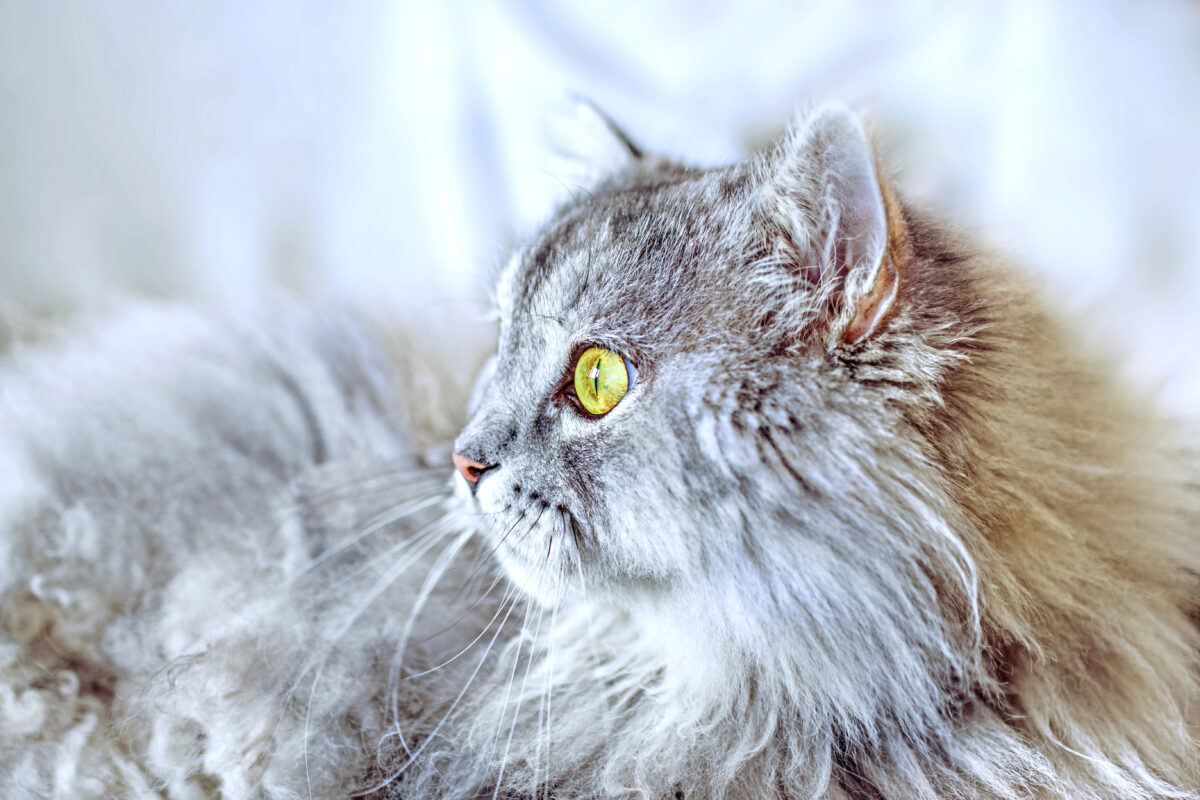
One of the oldest natural cat breeds, the Siberian has a broad, rounded look, well-furnished ears, and a coat built for cold weather. But what really wins people over is personality: these cats are typically warm, interactive, and happy to be near their humans. If you want a fluffy cat with presence, personality, and strong family appeal, the Siberian is an easy one to love.
9. Sphynx
Sphynx cats are hard to forget. With their nearly hairless bodies, oversized ears, and boldly affectionate personalities, they tend to steal the spotlight wherever they go. But there is more to this breed than looks alone. Sphynx cats are also known for being social, intelligent, and full of personality.
At a glance
- Size: Small to medium (6–12 pounds)
- Lifespan: 8–14 years
- Coat: Nearly hairless with a fine, downy covering
- Personality: Affectionate, intelligent, bold, very social
- Energy level: High
- Best for: Owners who want an interactive, attention-loving companion
- Good with kids/pets: Often yes, especially in social homes
- Care needs: Higher than many people expect due to skin care and warmth needs
- Health considerations: Their lack of a full coat means they need extra help staying warm and keeping skin clean

There is no genetic connection to Egypt, nor is the Sphynx ancient. Originally developed in Canada in the late 1960s, the Sphynx was first known as the Canadian Hairless cat.
Their wrinkled skin, large eyes, long toes, and dramatic ears give them a one-of-a-kind look, but their outgoing nature is what really wins people over. These cats love attention, tend to be quite vocal, and usually want to be right in the middle of whatever is going on.
10. Russian Blue
Russian Blues are famous for their shimmering blue-gray coats, vivid green eyes, and calm, graceful presence. Elegant without being flashy, they tend to appeal to people who want a cat that is affectionate and loyal but not overly demanding.
At a glance
- Size: Medium
- Lifespan: Around 12–15 years
- Coat: Short, dense, plush coat with a silvery sheen
- Personality: Gentle, intelligent, loyal, somewhat reserved
- Energy level: Moderate
- Best for: Quiet homes, singles, couples, and anyone wanting a calm but loving companion
- Good with kids/pets: Often yes, especially in calmer households
- Care needs: Low grooming
- Health considerations: Generally considered a fairly low-maintenance breed overall

The Russian Blue’s coat is often the first thing people notice. It is thick, plush, and tipped with silver, which gives it a soft, luminous look in the light. Beneath that glamorous finish is a cat that is usually thoughtful, sweet, and closely bonded to its favorite people.
Russian Blues may be a little reserved at first, but once they settle in, they make devoted and quietly affectionate companions.
How the Most Popular Cat Breeds Compare
Now that you’ve met the top breeds, here’s a quick side-by-side look at how they compare in size, temperament, lifespan, and care.
| Breed | Size | Lifespan | Personality | Best For | Grooming Level |
|---|---|---|---|---|---|
| Maine Coon | Large | 12–15 years | Friendly, social, playful | Families, multi-pet homes | High |
| Ragdoll | Large | 12–17 years | Affectionate, gentle, calm | Families, cuddly companionship | Moderate to High |
| Persian | Medium | 10–15 years | Calm, sweet, elegant | Quiet homes, lap-cat lovers | High |
| Exotic | Medium | 8–15 years | Loving, loyal, playful | Families, Persian fans who want easier upkeep | Moderate |
| Devon Rex | Small | 9–13 years | Playful, curious, people-oriented | Active owners | Moderate |
| Abyssinian | Small to Medium | 9–15 years | Active, intelligent, curious | Engaged owners, energetic households | Low |
| British Shorthair | Medium to Large | 12–17 years | Calm, loyal, independent | Quiet homes, less clingy companionship | Low |
| Siberian | Medium to Large | 12–15 years | Affectionate, playful, confident | Families and owners who want a fluffy companion | High |
| Sphynx | Small to Medium | 8–14 years | Bold, social, affectionate | People who want an interactive cat | High |
| Russian Blue | Medium | 12–15 years | Gentle, loyal, reserved | Quiet homes, calm companionship | Low |
Other Popular Cat Breeds Worth Knowing
The official top 10 is only part of the story.
Plenty of other cat breeds have earned strong followings thanks to their beauty, charm, intelligence, or larger-than-life personalities.

- Bengal – Known for their wild, leopard-like appearance and high energy, Bengals are intelligent, active cats best suited for experienced owners who can keep them mentally and physically engaged.
- Birman – A gentle, affectionate breed with striking blue eyes and soft color-point coats. Birmans are great family pets and tend to be social without being overly demanding.
- Bombay – Often called “mini panthers,” Bombays are sleek, all-black cats with outgoing, attention-loving personalities. They are playful and social, and they love to be involved in everything.
- Javanese – A talkative and highly intelligent breed similar to the Siamese. Javanese cats are active, vocal, and thrive in homes where they get plenty of attention and stimulation.
- Norwegian Forest Cat – A large, fluffy, cold-weather breed with a calm and friendly personality. These cats are affectionate but independent and adapt well to family life.
- Peterbald – A rare and unusual breed that may be hairless or have a fine coat. Peterbalds are curious, energetic, and very people-oriented.
- American Shorthair – A classic, low-maintenance breed known for its easygoing personality and adaptability. American Shorthair cats make excellent companions for families and first-time owners.
- Scottish Fold – Recognizable for their folded ears and round faces, Scottish Folds are sweet and affectionate, though potential owners should be aware of the health considerations linked to the breed.
- Savannah – A striking hybrid breed with a wild look and high energy levels. Savannah cats need experienced owners and plenty of space and stimulation.
- Siamese – One of the most recognizable cat breeds, Siamese cats are vocal, social, and full of personality. They form strong bonds with their owners and love attention.
Health and Welfare Considerations Before Choosing a Breed
While appearance and personality matter, it is just as important to consider the long-term care and health needs of a breed.
- Some breeds, like Scottish Fold, have genetic traits linked to joint and cartilage issues.
- Flat-faced breeds such as Persians and Exotics may require extra care due to their facial structure.
- Hairless or low-coat breeds like the Sphynx need regular skin care and help staying warm.
- High-energy breeds like Bengals and Savannahs require more stimulation and may not suit every home.
Taking time to understand these factors helps ensure a better match for both you and your cat.
How to Choose the Right Cat Breed for Your Lifestyle
The most popular cat breed is not always the best choice for your home. The right cat depends on your lifestyle, living space, and how much time and care you can realistically provide.
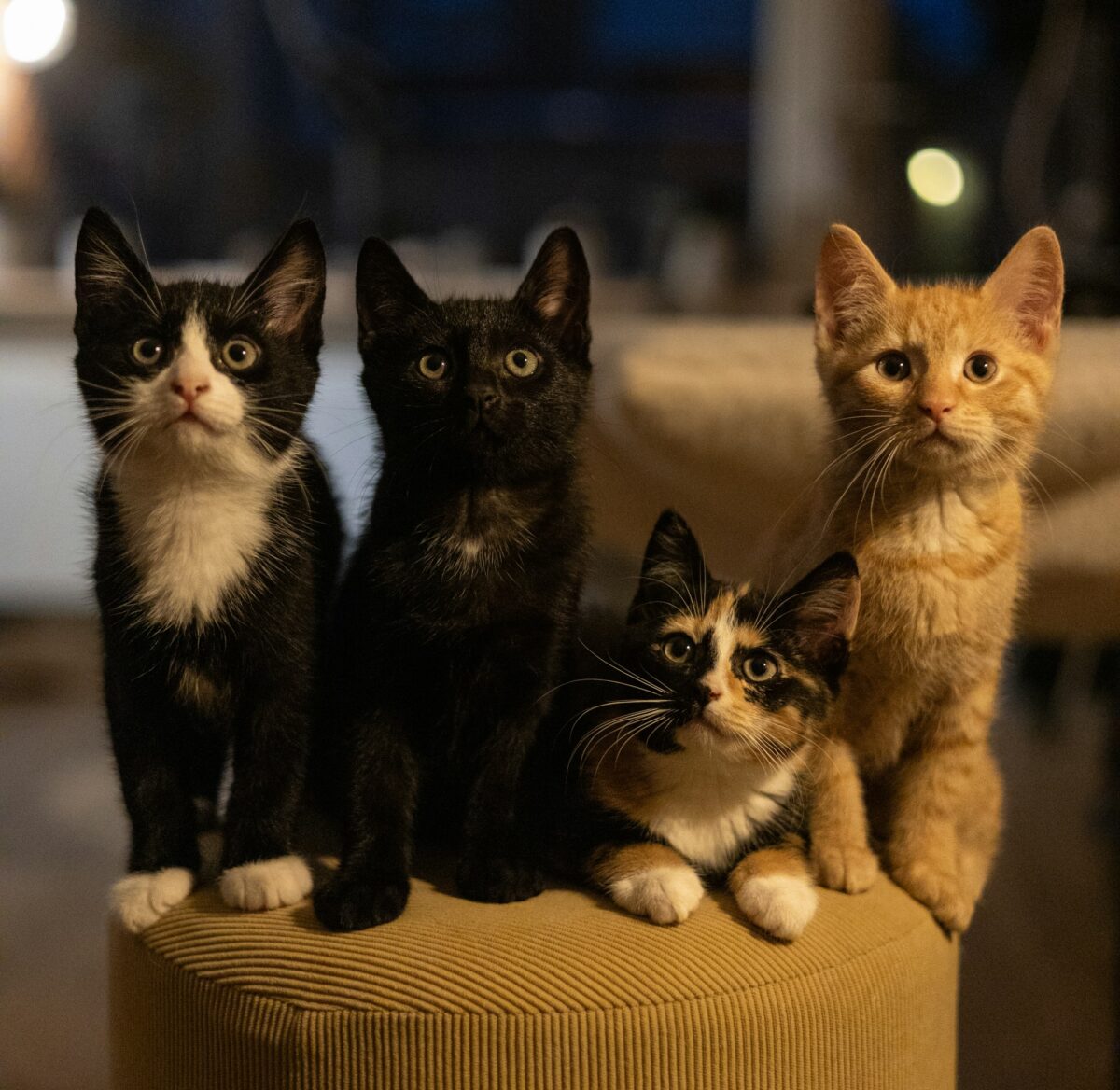
Before choosing a breed, here are the 5 most important factors to consider:
1. Activity Level and Energy
Some cats are relaxed and happy to nap most of the day, while others need constant stimulation and play. High-energy breeds like Abyssinians and Bengals require more interaction, while calmer breeds like Persians and British Shorthairs are better suited to quieter households.
2. Grooming and Maintenance
Long-haired breeds such as Persians, Maine Coons, and Siberians need regular brushing to prevent tangles and matting. Short-haired or low-coat breeds like the American Shorthair or Sphynx may require less brushing but can still need regular care.
3. Personality and Social Needs
Some cats are highly social and thrive on attention, while others are more independent. Breeds like Ragdolls and Sphynx cats tend to be very people-oriented, while British Shorthairs and Russian Blues are often more reserved.
4. Living Space
If you live in an apartment or smaller home, a calmer, less active breed may be a better fit. Larger or more energetic cats often do best in homes where they have space to explore and play.
5. Health and Long-Term Care
Some breeds come with specific health considerations or care requirements. It is important to research potential health concerns and be prepared for the long-term commitment of caring for your cat.
Bottom line: The best cat is not just the most popular one; it is the one that fits your daily routine, your home, and the kind of companionship you are looking for.
Other Cat Breeds You Might Love
The world’s most popular cat breeds may be beautiful, lovable, and full of personality, but the best cat for your home is the one that fits your day-to-day life. Some people want a cuddly fluffball, some want a cat that sheds less, and some want a feline companion with big dog energy.
Whatever your style, comparing traits like grooming, temperament, and activity level can help you find the right match. Keep exploring with our guides to cats that don’t shed, low-maintenance cats, cat breeds that act like dogs, and fluffy cat breeds.
Do You Have a Favorite Cat Breed?
Whether you live with one of these popular cat breeds or have a longtime favorite of your own, we’d love to hear about it. Share your favorite breed, funniest cat story, or the traits that make your feline companion so special in the comments below.