When you purchase through links on our site, we may earn a commission at no extra cost to you. Learn more.
Our cats have some pretty questionable ideas about what makes a good sleeping spot. They’ll ignore a perfectly good cat bed for weeks, then suddenly decide an old cardboard box is the height of luxury.
Table of Contents
We’re used to their changing preferences, but finding your cat sleeping by the front door every night, or curled up outside your bedroom door instead of their usual spot? That’s a little harder to explain.
And why that door, of all places?
At first, it’s just another funny cat habit. But after a few days, you start wondering what’s drawing them there. They may be noticing something you haven’t, and the door they’ve chosen could be your first clue.
Want our human-written content to rank above AI-generated garbage? Help us out by clicking this button!
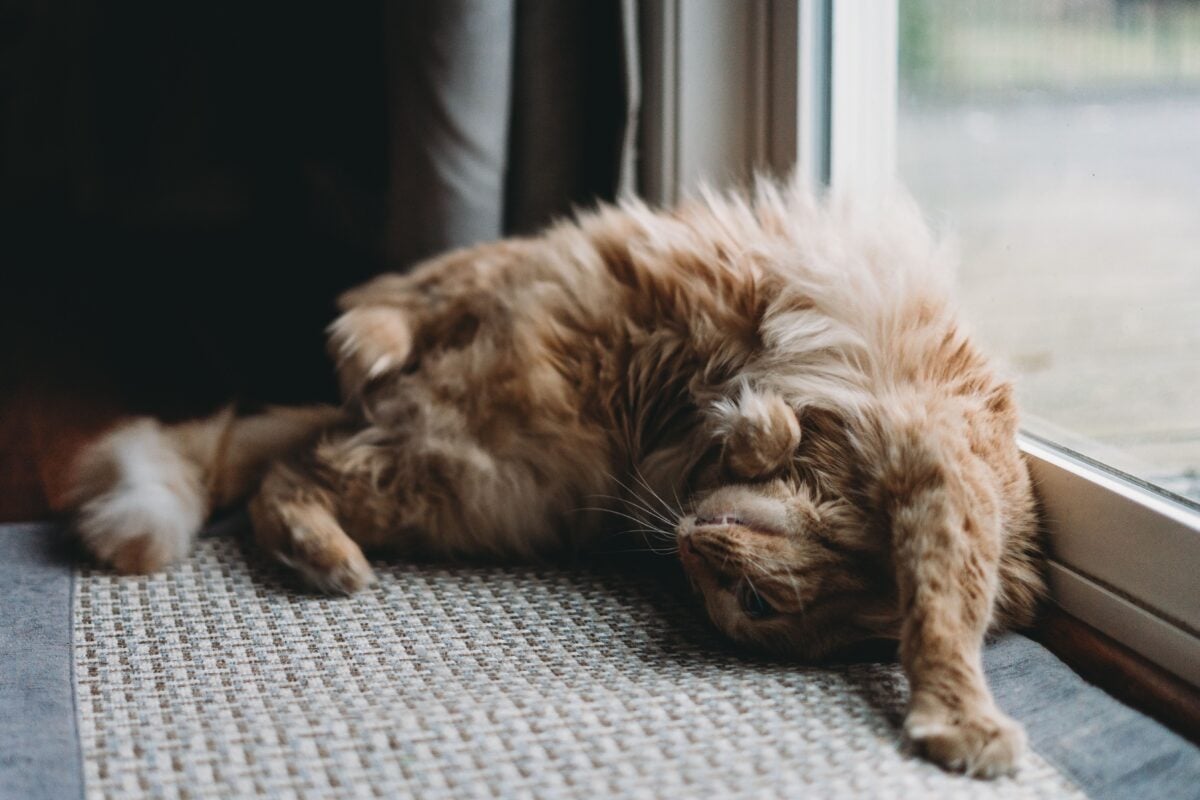
Why Are Doorways So Interesting To Cats?
To us, a doorway is just a way to get from one room to another. To a cat, it’s a surprisingly useful place to keep tabs on the world.
Depending on the location, your cat might have several good reasons for settling in:
- A front-row seat: Watch who’s coming, who’s going, and what everyone is doing.
- Interesting sounds: Pick up activity from other rooms, hallways, or outside.
- A steady stream of smells: Detect familiar people, other animals, and unfamiliar scents drifting through.
- Easy access: Stay close to favorite people, rooms, or routes through the house.
- A comfortable resting spot: Enjoy cooler flooring, a little airflow, or a convenient place to stretch out.
Whether the door is open or closed also matters.
An open doorway might offer a great view of household activity. A closed bedroom or bathroom door could mean someone or something your cat wants is on the other side. And an exterior door brings its own collection of sounds, scents, and occasional four-legged visitors.
Your cat might sleep directly in a doorway, curl up against a closed door, or settle a few feet away. The exact position doesn’t necessarily reveal their motivation, but the location and timing can offer useful clues, especially when they’ve suddenly abandoned a longtime favorite sleeping spot.
7 Reasons Your Cat Suddenly Starts Sleeping By The Door
Sometimes our cats choose a doorway for a perfectly ordinary reason. Other times, something in their routine, surroundings, or even how they’re feeling has changed.
The trick is figuring out what’s drawing your cat to that particular spot. Here are seven possibilities worth considering.
1. Your Cat Is Waiting For Someone
Some of our cats have their favorite people, and they can be surprisingly good at keeping track of our routines. If your cat has started sleeping near the front door or outside a bedroom, they may be putting themselves where someone they love is likely to appear.
Cats learn to recognize familiar patterns. They might notice when someone usually arrives home, when you head upstairs for bed, or when a particular door tends to open.
A few clues that your cat may be waiting for someone:
- The timing is predictable. They settle near the front door around the same time someone usually comes home.
- They’re waiting outside a bedroom. A closed door separates them from someone they normally sleep near.
- They react when someone appears. They get up to greet the person, follow them, or immediately abandon their doorway post.
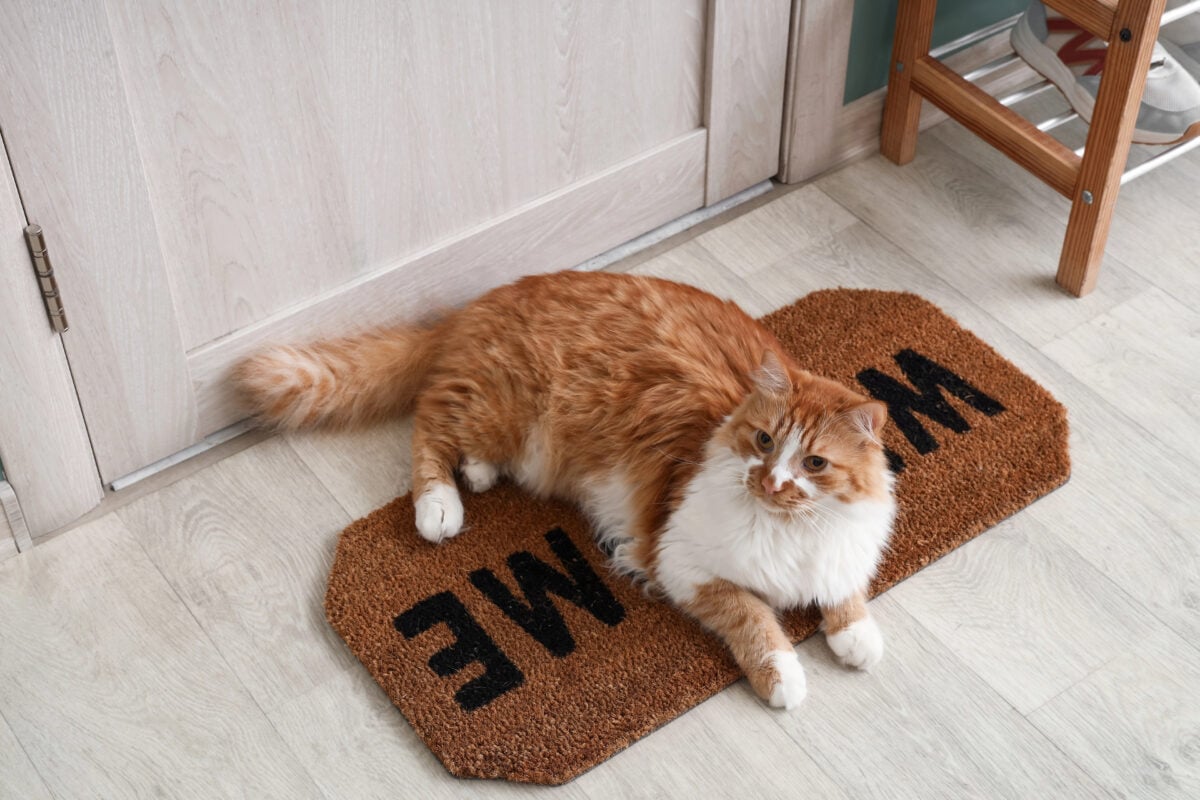
Of course, some cats care more about our whereabouts than others. One might greet you at the door every evening, while another barely lifts their head when you walk in.
There’s something rather sweet about realizing your cat may have made a habit of being near the door when you get home, especially if they spend the rest of the evening pretending your arrival wasn’t particularly noteworthy.
2. They’ve Found The Perfect Spot To Watch Everyone
Some cats want to be involved in everything we do, even when they’re supposedly asleep. An open doorway offers a front-row seat to the household with little effort.
Think about a doorway between the living room and hallway, or the entrance to a busy kitchen. Your cat can stretch out, keep an eye on people moving between rooms, and occasionally open one eye to make sure nobody’s doing anything interesting without them.
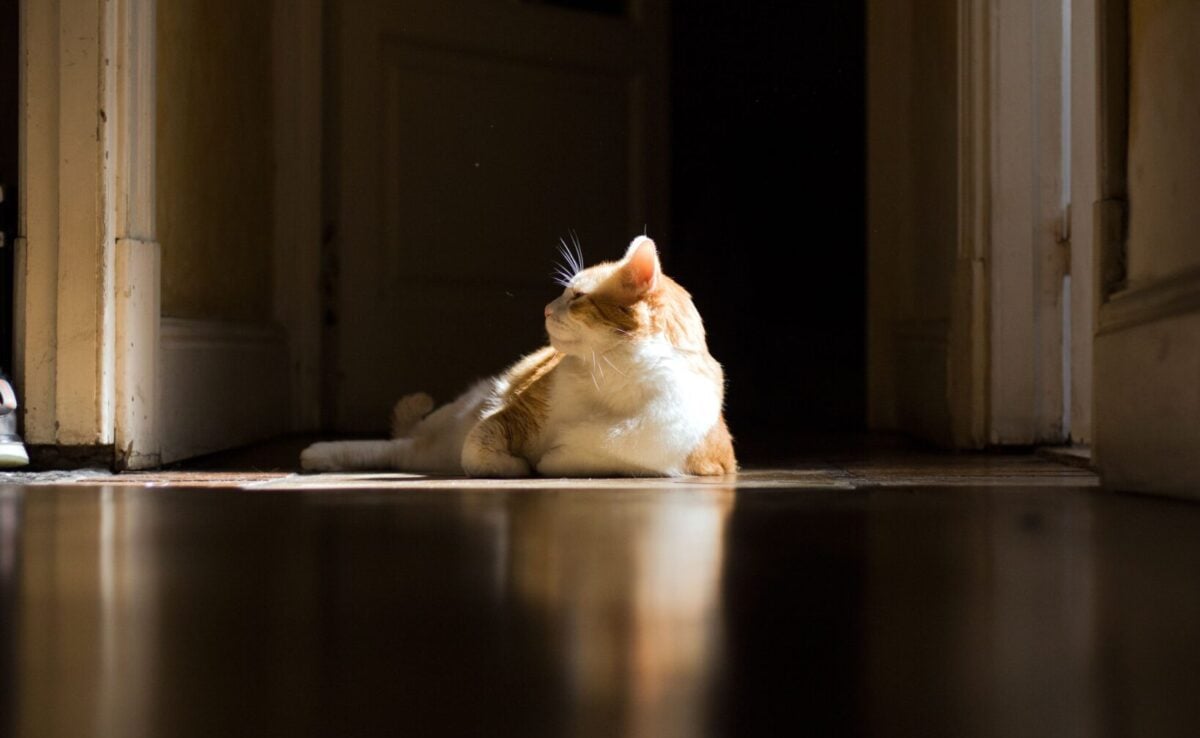
You might notice this if your cat:
- Chooses a busy doorway where family members regularly pass through.
- Sleeps facing the hallway or another area where they can see people coming and going.
- Keeps an eye on the action but doesn’t necessarily get up to join in.
- Relocates when the household moves, settling near wherever everyone is spending time.
This can be especially appealing to social cats who enjoy being around us but don’t necessarily want to sit on our laps.
And if your cat has chosen the one doorway everyone needs to walk through, don’t assume they’re deliberately trying to trip you. They may simply have found the best seat in the house. Unfortunately, it happens to be in the middle of the floor.
3. They Want Access To Somewhere They Can’t Go
If there’s one thing many of our cats seem to take personally, it’s a closed door. Especially one that used to be open.
Maybe you’ve started closing your bedroom at night, turned a spare room into a home office, or decided you’d like to use the bathroom without feline supervision. Your cat may not appreciate the sudden change in access.
Cats get used to the spaces they can explore, and some don’t like finding part of their usual territory off-limits. Even if they rarely spent time in that room before, knowing they can’t go inside may make it considerably more interesting.
Signs that restricted access could be the attraction include:
- Sleeping right outside a closed door they previously walked through freely.
- Scratching, pawing, or meowing at the door before eventually settling down nearby.
- Getting up as soon as it opens, sometimes only to inspect the room and walk away.
- Returning to the same door whenever it’s closed, even when plenty of comfortable sleeping spots are available.
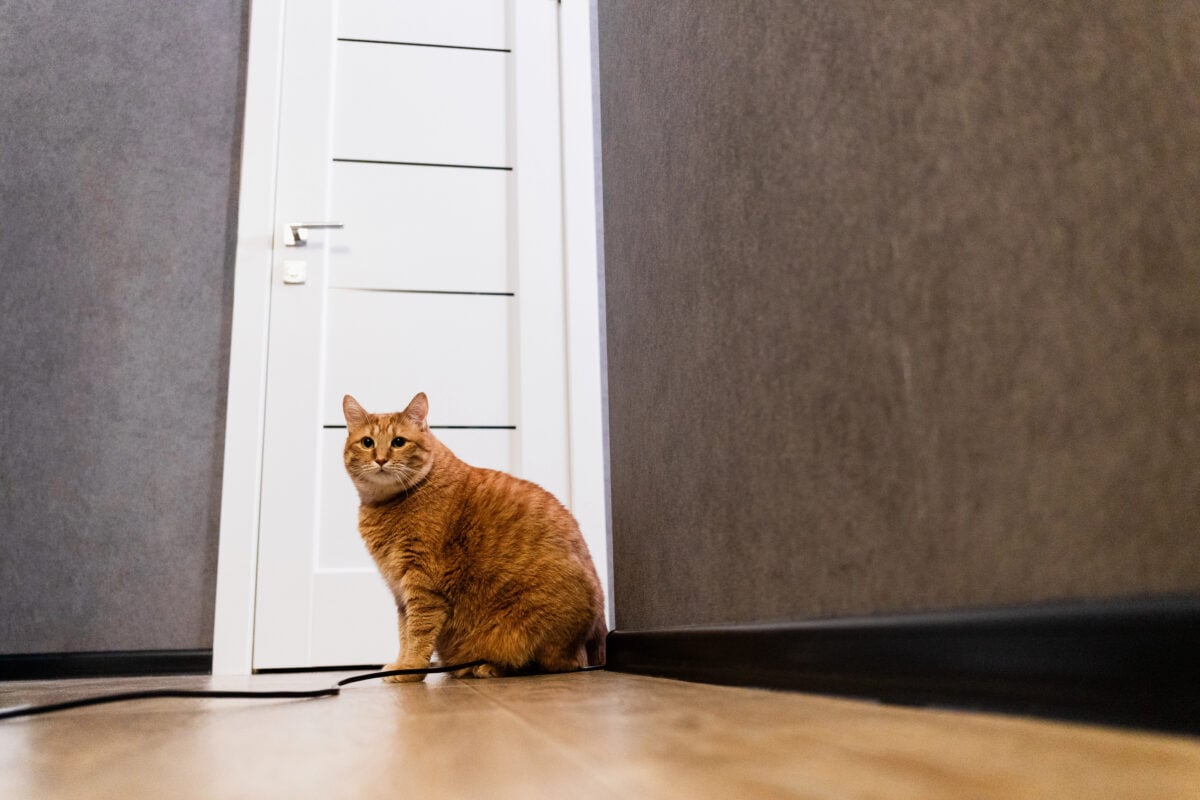
And here’s a familiar frustration: you finally open the door, only for your cat to take one look inside and decide they have somewhere else to be.
Sometimes it’s not about wanting to be in the room. It’s about wanting the option.
4. Something On The Other Side Has Their Attention
Have you ever caught your cat staring intently at the front door when absolutely nothing seems to be happening? You look, you listen, you see nothing. Meanwhile, your cat appears to have received some very important information.
Our cats can detect sounds and smells that we don’t even notice. Their hearing is particularly sensitive to high-frequency sounds, and their sense of smell gives them information about animals, people, and activity beyond what they can see.
That makes certain doors surprisingly interesting, especially those leading outside.
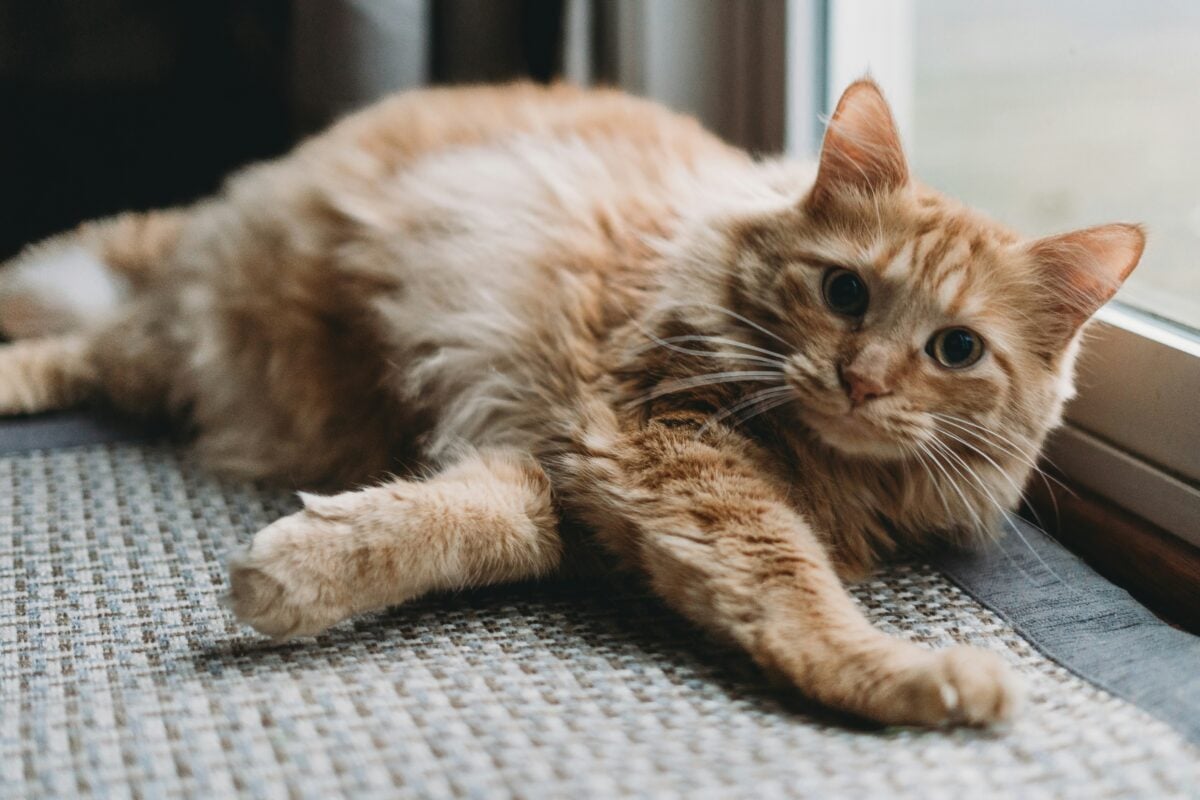
Your cat might be picking up on:
- Neighborhood cats: Another cat visiting your porch, marking nearby, or regularly passing through the yard.
- Wildlife: Birds, squirrels, mice, or other animals moving near an exterior entrance.
- Unfamiliar sounds: Footsteps in an apartment hallway, activity next door, or scratching and rustling beyond a door.
- Interesting scents: Smells carried in from outdoors or left behind by people and animals passing through.
An open interior doorway can also give your cat a better vantage point for listening to activity elsewhere in the house.
Watch what your cat does when they’re awake. Do their ears swivel toward the door? Are they sniffing along the bottom, staring at a particular spot, or suddenly sitting upright when they hear something?
The timing can offer clues, too. If your cat regularly heads to the back door around dusk, there may be a neighborhood visitor making the evening rounds.
And while you’re wondering why your cat has developed such an interest in the door, they may be wondering how you’ve managed to miss all the excitement.
Did You Know? Cats Can Hear Sounds We Can’t
Cats can detect much higher-pitched sounds than humans, including ultrasonic frequencies produced by some small animals. Their outer ears can also move independently, helping them pinpoint where a sound is coming from.
According to the Merck Veterinary Manual, cats hear a wider range of frequencies than both humans and most dogs.
So when your cat suddenly perks up beside a door, and you hear absolutely nothing, they may genuinely be listening to something beyond your hearing range.
5. That Spot Is More Comfortable Than Their Usual Bed
We’ve all watched our cats abandon an expensive, plush bed for a patch of bare floor. Apparently, comfort is a concept they prefer to define for themselves.
Sometimes, a doorway offers just the right temperature, airflow, or surface for a good nap. And if something has changed in your home, a spot your cat previously ignored might suddenly become their new favorite.
A few things that could make a doorway appealing:
- Cooler flooring: Tile, hardwood, or laminate near a doorway may feel better than a warm bed, especially during hotter months.
- A little airflow: A draft beneath a closed door or air moving between rooms can create a pleasantly cool resting spot.
- Seasonal changes: Shifting sunlight, heating, or air conditioning can make certain areas more comfortable at different times of year.
- A better surface: Some cats enjoy stretching out on firm flooring rather than curling up in something soft.
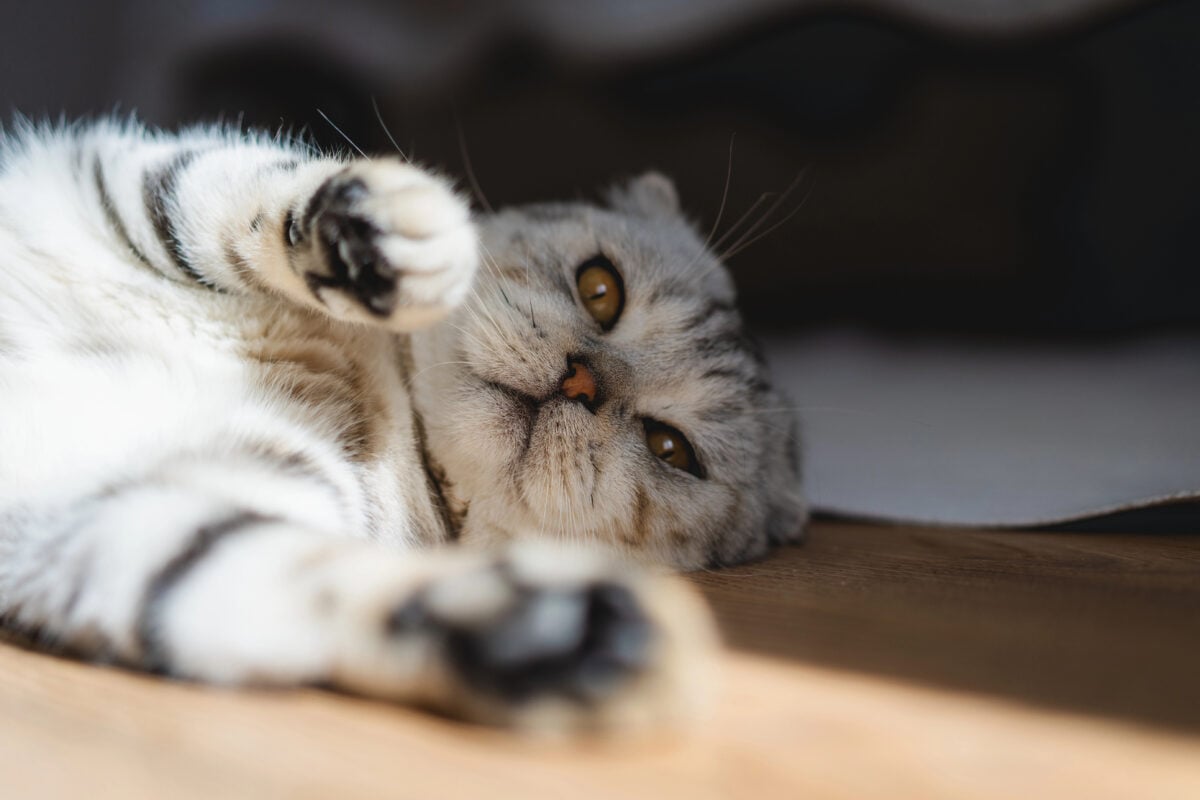
There’s also the possibility that their old sleeping spot has become less appealing. Maybe the afternoon sun no longer reaches it, another cat has claimed their favorite chair, or a new puppy keeps interrupting their naps.
Watch when your cat chooses the doorway. If they head there during the warmest part of the day, stretch out on the cool floor, and sleep soundly, the attraction may have very little to do with the door itself.
Sometimes the mystery isn’t why your cat suddenly loves the doorway. It’s why they stopped loving somewhere else.
6. Something Has Changed In Their Territory
Our cats may share our homes, but they have their own ideas about who belongs where. And when something changes, a doorway can become a place worth watching.
Cats use scent, familiar pathways, and predictable routines to navigate their territory. A new animal, an unfamiliar visitor, or even a change in how another household pet uses the space can make certain entrances more significant.
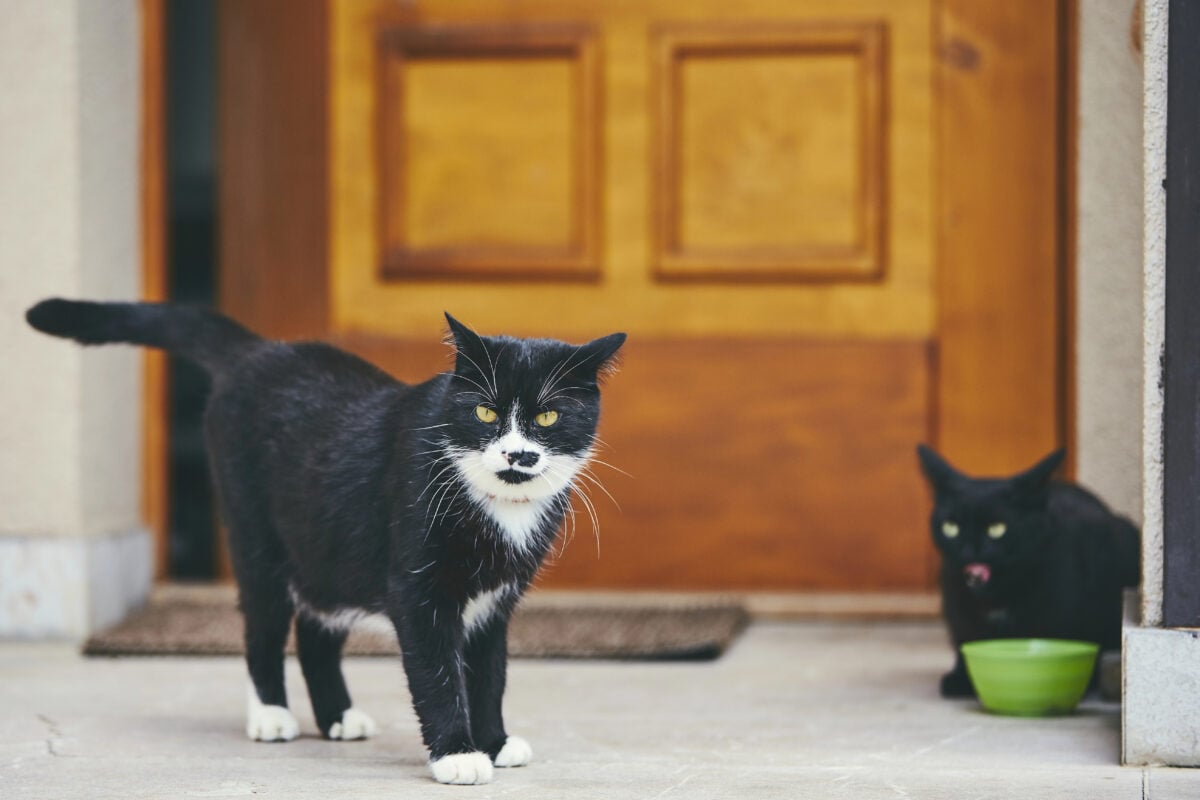
Some changes that might explain the new sleeping spot include:
- A new pet: Your cat may start spending time near the doorway to a room where a new cat or dog is staying.
- Changes between existing pets: One cat may start occupying a doorway another cat regularly passes through, especially if there’s tension between them.
- An outdoor cat visiting regularly: Your cat may become increasingly interested in the front or back door after another cat starts appearing nearby.
- Visitors or household changes: Overnight guests, a new roommate, or rearranged living spaces can alter familiar movement patterns.
Sometimes, a cat settles near an entrance simply to observe what’s happening. But pay attention to how the other animals respond, especially in multi-cat households.
If another cat hesitates, avoids the doorway, or changes its usual route through the house, there may be tension you haven’t noticed. That’s different from two cats happily napping near the same entrance.
The important clue isn’t simply where your cat sleeps. It’s whether the way they interact with other animals or move around the house has changed.
Did You Know? Cats Don’t Have To Fight To Create Tension
According to the 2024 American Association of Feline Practitioners (AAFP) Intercat Tension Guidelines, staring and blocking another cat’s path can signal conflict, even without hissing, growling, or fighting.
In a multi-cat household, one cat occupying a narrow doorway may make another hesitate, turn around, or avoid that room entirely. What looks like one cat doing absolutely nothing might be influencing where another cat feels comfortable going.
7. Your Cat May Be Feeling More Watchful Or Unsettled
Sometimes, a cat’s new sleeping spot isn’t about comfort, curiosity, or keeping tabs on the family. They may be having a harder time relaxing in their usual surroundings.
Our cats tend to appreciate a certain amount of predictability. And while some take household changes in stride, others can become unsettled by things we’d hardly consider a big deal.
Maybe the house has been full of unfamiliar guests, the neighbors have started a renovation project, or someone’s new work schedule means the place is bustling at hours your cat used to have entirely to themselves.
A doorway may appeal to an unsettled cat because it offers a view of approaching activity or a convenient route to another room. But sleeping there doesn’t automatically mean your cat is anxious.
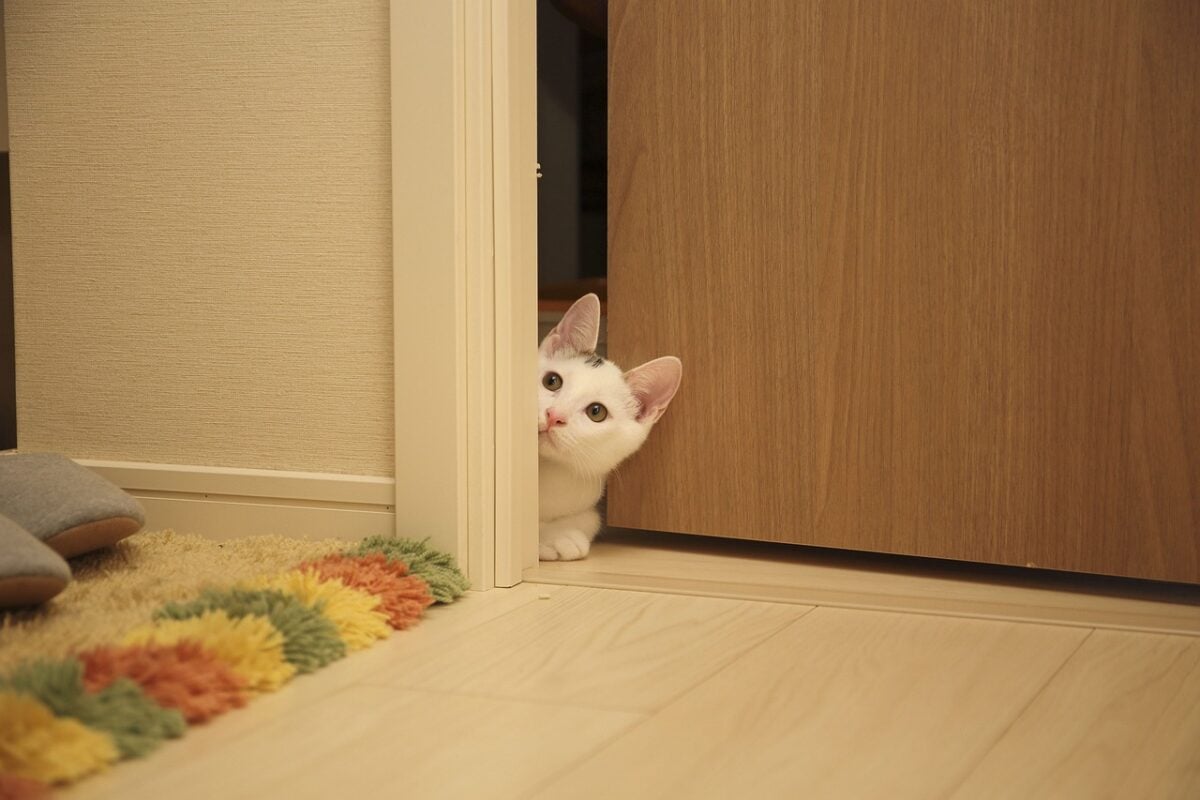
The bigger clues are in how they’re behaving when they aren’t asleep.
Watch for changes such as:
- Lighter, interrupted sleep: Waking frequently, reacting to small noises, or struggling to settle.
- Increased vigilance: Watching people or other pets more intently, startling easily, or appearing unusually tense.
- Changes in social behavior: Hiding more, avoiding familiar interactions, or following you around more than usual.
- Changes in daily habits: Less interest in playing, altered grooming, or changes in appetite or litter box use.
There’s a difference between a cat who stretches out in a doorway and sleeps through the household chaos and one who seems unable to fully relax. Stress is one possibility, but pain or illness can produce similar changes, too.
What If My Older Cat Suddenly Starts Sleeping By The Door?
As our cats get older, their sleeping habits can change. They may nap more often, become particular about where they settle, or abandon favorite spots they’ve used for years.
But when a senior cat suddenly starts sleeping by a door, it’s worth paying closer attention to what else has changed.
Their Favorite Sleeping Spots May Be Getting Harder To Reach
A cat who once spent every afternoon on the back of the couch might start choosing the floor instead. Not necessarily because they’ve fallen out of love with the couch, but because getting up there has become uncomfortable.
It’s easy to miss because our older cats don’t necessarily look uncomfortable. They just stop appearing in the places we’ve grown so used to finding them.
Arthritis and other mobility problems become more common as cats age, and the signs aren’t always obvious. Cats rarely announce that their joints hurt. They may simply stop jumping onto furniture, hesitate before climbing stairs, or choose more accessible resting places.
If your older cat has traded an elevated sleeping spot for a doorway, watch for:
- Hesitation before jumping onto beds, chairs, or countertops.
- Stiffness after resting, especially when first getting up.
- Difficulty grooming their back or hindquarters.
- Changes in movement, such as taking stairs more slowly or avoiding favorite perches.
The doorway may not be particularly special. It might just be an easy, comfortable place to rest.
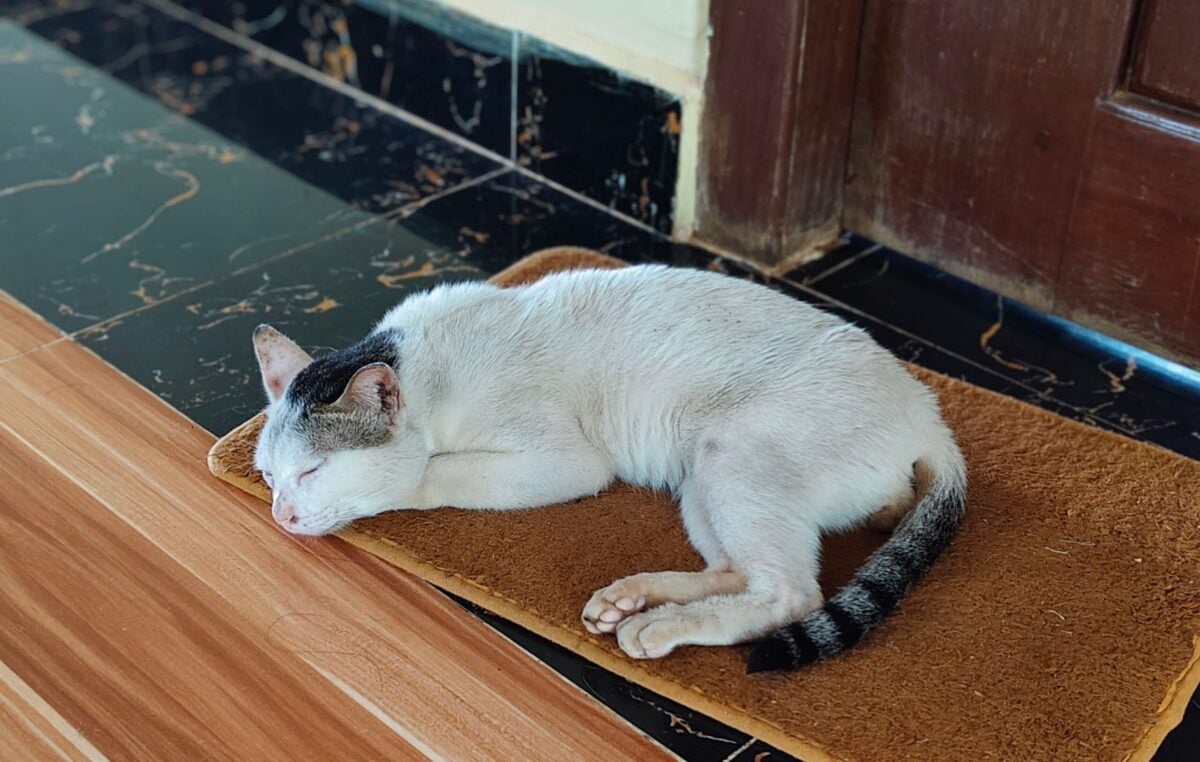
Aging Can Also Affect How Cats Navigate Their Homes
Some older cats experience changes in their sleep-wake cycles, awareness, or ability to navigate familiar surroundings.
Feline cognitive dysfunction, a condition linked to age-related changes in brain function, may explain unusual behavior in senior cats.
You might notice your cat:
- Wandering at night or vocalizing more than usual.
- Appearing confused in familiar rooms.
- Staring at walls or seeming unsure where to go.
- Becoming disoriented near doors or corners.
- Sleeping at unusual times or in unexpected places.
Of course, these behaviors can also result from medical problems, including pain, vision or hearing loss, and other age-related conditions.
If your cat seems confused, has difficulty getting around, or behaves noticeably differently, a veterinary exam can help identify what’s behind the change.
When Sleeping By The Door Could Be A Health Clue
Most of the time, a cat changing sleeping spots isn’t a medical concern. But a sudden change in where your cat sleeps can sometimes be an early clue that something isn’t right, especially if they abandon a longtime favorite spot.
Our cats are remarkably good at adjusting their routines when they don’t feel well. And because they’re not always obvious about pain or illness, we may notice changes in their habits before we recognize other symptoms.
A few health-related possibilities include:
- Pain or discomfort: Arthritis, injuries, or other painful conditions may make certain sleeping positions or surfaces uncomfortable. Your cat might choose an easier-to-reach spot on the floor.
- Illness-related restlessness: A cat who feels nauseated, uncomfortable, or generally unwell may have trouble settling in their usual sleeping place.
- Changes in body temperature or comfort: Some illnesses can affect how cats tolerate heat or cold, which may influence where they choose to rest.
- Vision or hearing problems: Changes in sensory abilities may affect how confidently a cat navigates the house or where they feel comfortable sleeping.
- Changes in sleep patterns: Conditions such as hyperthyroidism can cause increased activity, restlessness, and disrupted sleep, particularly in older cats.

Look For Changes Beyond The Sleeping Spot
The doorway itself doesn’t tell us whether a cat is sick. What matters more is whether their new sleeping habit comes with other changes.
Pay attention to:
- Eating and drinking: Changes in appetite, weight loss, or noticeably increased thirst.
- Litter box habits: More frequent urination, straining, accidents, or changes in stool.
- Energy and movement: Unusual tiredness, stiffness, reduced jumping, or difficulty getting comfortable.
- Social behavior: Hiding, withdrawing, becoming unusually clingy, or reacting differently to touch.
- Sleep and vocalization: Restlessness, excessive meowing, waking at night, or sleeping much more than usual.
- Grooming: A messy coat, reduced grooming, or excessive licking of one area.
One subtle change might not tell you much. Several changes appearing together can paint a much clearer picture of how your cat is feeling.
When Should You Call Your Vet?
If your cat has claimed a new sleeping spot by the door but is otherwise eating, playing, and behaving normally, you usually don’t need to rush to the vet. You can monitor the habit and look for an explanation in their surroundings.
But when a change seems out of character, especially if your cat isn’t acting like themselves, it’s worth taking seriously.
Here’s how to decide what to do next:
- Keep observing: Your cat seems relaxed, eats normally, uses the litter box as usual, and shows no other behavioral changes.
- Schedule a vet appointment: The new sleeping habit is accompanied by reduced appetite, weight changes, increased thirst, stiffness, hiding, unusual vocalization, or disrupted sleep.
- Seek urgent veterinary care: Your cat has difficulty breathing, collapses, seems severely disoriented, or repeatedly strains to urinate without producing urine.
Trust what you know about your cat. We get used to their little routines, from where they sleep to how they greet us in the morning. Sometimes, noticing something different is the first sign they need a closer look.
If you’re concerned, you don’t need to wait for multiple symptoms before contacting your vet. A sudden, unexplained behavior change is a reasonable reason to call, even if your cat otherwise seems fine.
Pet Insurance Can Help With Unexpected Health Problems
When an unusual behavior turns out to be a sign of illness or pain, a veterinary visit may involve bloodwork, imaging, or other diagnostic tests to figure out what’s wrong. Those costs can add up, especially if your cat needs ongoing treatment.
Pet insurance can help cover eligible expenses for unexpected illnesses and accidents, making it easier to focus on getting your cat the care they need.
Keep in mind that pre-existing conditions are typically excluded from coverage. That’s why it’s worth considering pet insurance before health problems arise, rather than waiting until your cat starts showing symptoms.
Frequently Asked Questions
Our cats have a way of turning the most ordinary parts of our homes into their personal hangouts. Here are a few more questions about their doorway sleeping habits. Have another? Ask us in the comments!
Why Does My Cat Sleep Outside My Bedroom Door At Night?
Your cat may want to stay close to you, especially if they’re used to sleeping in your bedroom. If you’ve recently started closing the door at night, they may simply be adjusting to the new arrangement.
Some cats also learn that the bedroom door marks the start of their morning. The moment it opens, breakfast, attention, or a favorite human becomes available.
Can Cats Tell When Someone Is About To Come Home?
Cats can learn to anticipate familiar routines and recognize sounds associated with someone returning, such as a particular car pulling into the driveway or footsteps approaching the entrance.
They may also respond to other household cues that regularly happen before someone arrives. What looks like an uncanny sense of timing may actually be your cat recognizing a familiar pattern.
Why Does My Cat Always Sleep Right In The Doorway Where Everyone Walks?
The location may offer a comfortable surface, a convenient view, or easy access to nearby rooms.
But cats don’t necessarily understand that their chosen nap spot creates an obstacle course for everyone else.
If your cat regularly sleeps across a busy threshold, consider placing a comfortable bed nearby, away from foot traffic. This is especially important for older cats or households where someone could accidentally trip over them.
Why Does My Cat Sleep Outside A Closed Door Instead Of Scratching To Get In?
Not every cat responds to a closed door by demanding immediate access. Some prefer to settle nearby, particularly if they’ve learned the door eventually opens.
Your cat may also be perfectly content resting close to someone on the other side without needing to enter the room.
A cat sleeping peacefully outside a closed door isn’t necessarily frustrated or distressed. Their behavior when the door opens can offer a better clue.
Should I Stop My Cat From Sleeping By The Front Door?
Usually, there’s no need to discourage the habit if your cat is comfortable and behaving normally.
However, an exterior doorway can pose an escape risk, especially if people frequently enter and leave. Make sure your cat can’t dart outside when the door opens.
If your cat appears agitated by outdoor animals, consider limiting their view of the entrance or addressing whatever is attracting those visitors.
Your Cat’s Next Strange Sleeping Habit Might Surprise You
Just when we think we’ve figured out our cats’ favorite spots, they find somewhere new to surprise us. And sometimes, their other sleeping habits are just as interesting as their sudden fascination with doorways.
If you’ve ever wondered what goes through your cat’s head at bedtime, explore these next:
- Why Does My Cat Follow Me To Bed But Not Sleep There? Find out why your cat insists on accompanying you to bed, only to disappear five minutes later.
- Why Does My Cat Sleep Pressed Up Against Me? Discover what might be behind those nights when your cat decides personal space is optional.
- Why Does My Cat Sleep In My Spot When I Get Up? Learn why your freshly vacated seat can suddenly become the most desirable place in the house.
Has your cat suddenly claimed a doorway as their new sleeping spot? Tell us which door they’ve chosen and whether you’ve figured out why. We’d love to hear about your little doorway campers in the comments!