When you purchase through links on our site, we may earn a commission at no extra cost to you. Learn more.
Cats that have chosen a favorite person have a way of making it obvious. You handle breakfast, know where the treats are hidden, and can identify the sound of an “empty” bowl being dramatically investigated from two rooms away.
Table of Contents
Then someone else walks in, and your cat becomes a full-time fan club: chirps, ankle figure-eights, premium lap access. You are left holding the food scoop, wondering when you became the regional manager of kibble logistics.
I get it. You have invested time, money, sleep, and at least one perfectly good blanket into this relationship. Surely that should count for something. But cats do not usually pick favorites based on chore count or who bought the fanciest mouse-shaped toy. They tend to gravitate toward the person whose voice, scent, routine, and boundaries feel best to them.
And yes, sometimes that person is the roommate who has never cleaned a litter box in their life.
Want our human-written content to rank above AI-generated garbage? Help us out by clicking this button!
Reading the Room: What “Favorite Person” Means to a Cat
Before we start assigning titles like Royal Lap, Minister of Snacks, or Person Most Likely to Be Escorted to the Bathroom, it helps to clear something up: cats do not always choose one human and then dramatically revoke everyone else’s membership card.
A cat may sleep on your partner, follow you into the kitchen, bring toys to your roommate, and seek out a completely different person when thunder starts rattling the windows. That is not indecision. It is just a cat having different relationships with different people, which is honestly more emotionally sophisticated than some group chats.
The real clue is not one big gesture. It is the pattern. Who does your cat seek out when they are sleepy, playful, nervous, bored, or simply in the mood to exist near someone without being perceived too intensely?
Sometimes the clues are subtle. Sometimes a cat makes their favorite person very clear.
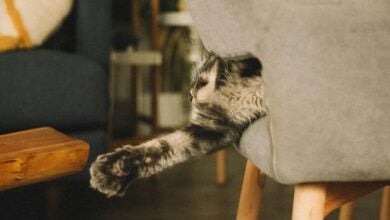
This sweet cat shows how different a cat’s body language can look around someone they know and trust.
The Housework Paradox: Why It Stings When Your Cat Has a Favorite Person
There is a very specific kind of cat-parent heartbreak that comes from doing all the responsible stuff and watching someone else get the cuddles.
By now, you have also funded flea prevention, surrendered a favorite blanket, and learned exactly how long a litter box can remain “slightly questionable” before action is required.
But your cat walks right past you and climbs onto the lap of the person who still says, “Your cat is being weird,” whenever the litter box needs cleaning.
It is not just about wanting attention. It is about the deeply human belief that effort should count for something.
Myth Buster: The Person Who Does the Most Is Not Always the Favorite
Cats absolutely notice who feeds them, cares for them, and keeps their world running. But they do not hand out affection based on chore charts.
Daily care still matters, but cats can connect different people with different experiences. One person may mean breakfast and safety, while another means quiet laps or playtime. But over time, they tend to gravitate toward the people whose presence feels familiar, readable, and comfortably low-pressure.
That does not make you the villain with opposable thumbs. It just means your cat may have a different relationship with each person in the house.
Your role may be different, not smaller. You can be the person your cat relies on for care while someone else gets the lap shift. Think of it less like a popularity contest and more like a tiny household monarchy with several cabinet positions.
The Tell-Tale Signs: Has Your Cat Chosen a Favorite Person?
Cats can be hilariously obvious about their preferences. They may greet one person like a long-lost celebrity and greet everyone else like they are there to service the heating system.
Still, affection is not always loud. A cat’s favorite person is often revealed in the small, repeated choices they make when the house is quiet, and no one is opening a can.
The Ultimate Shadow Protocol
Some cats appoint themselves personal assistants. They follow one particular human from the bedroom to the kitchen, from the kitchen to the office, and from the office directly into the bathroom, where apparently no one is allowed to shower without supervision.
That kind of following can mean affection, but it can also mean routine. Maybe this person is the one who sits down at the right time, opens the interesting cupboards, or eventually produces a feather wand. Either way, a cat who repeatedly chooses someone’s company, even when food is not involved, is telling you that person matters in their daily world.
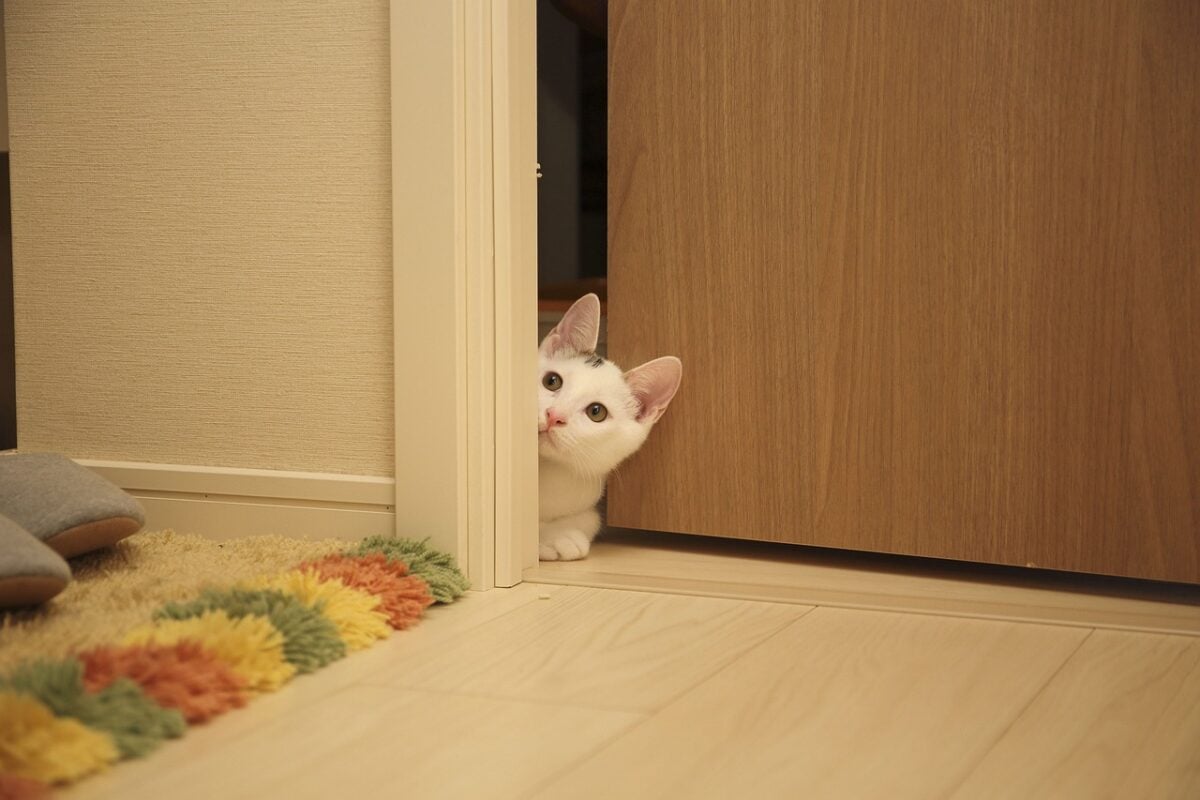
A relaxed body, upright tail, soft chirps, and casual loafing nearby suggest companionship. A sudden increase in shadowing after visitors, construction, or a household change may mean the cat is looking for reassurance instead.
The VIP Sleep Rule
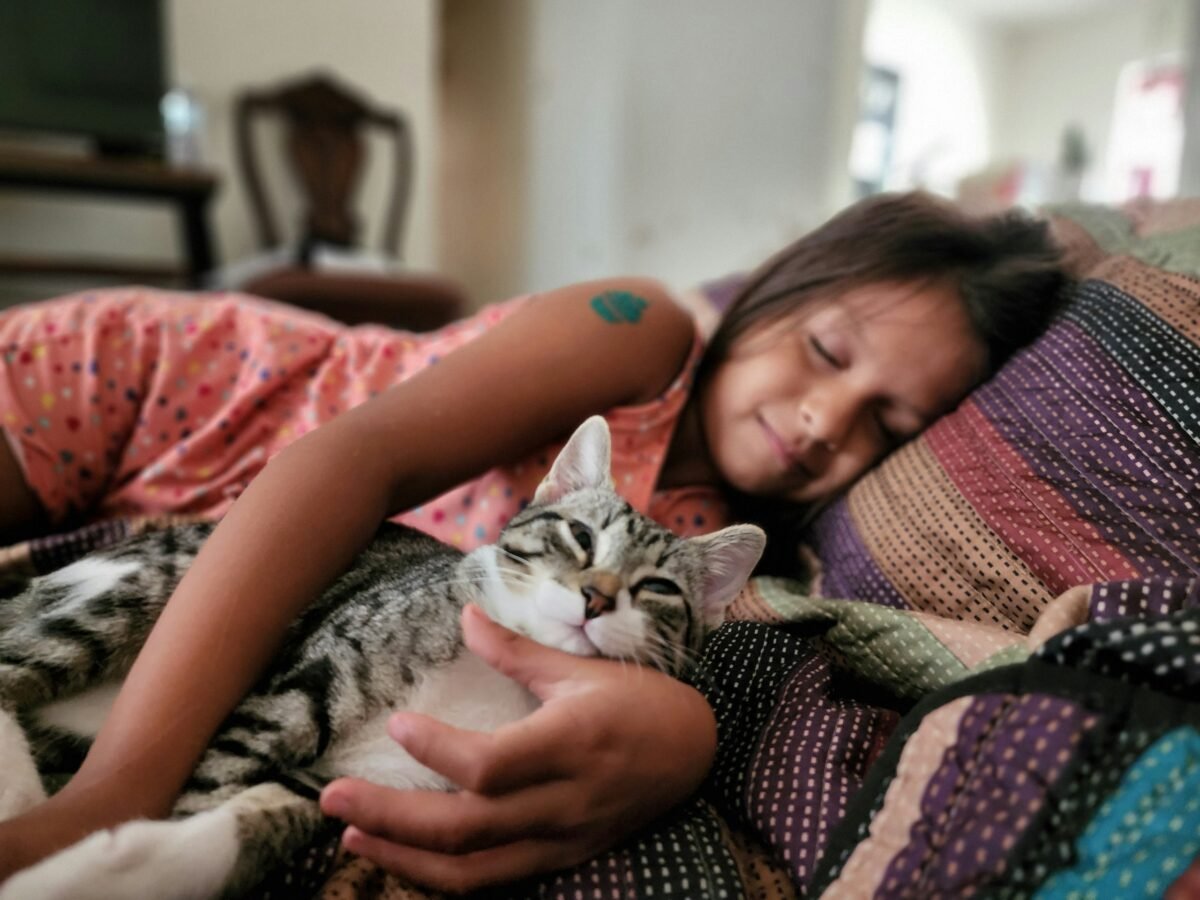
Cats do not hand out nap access casually. When they choose to sleep beside, against, or directly on a person, they are choosing warmth, familiarity, and a place where they expect not to be bothered by nonsense.
The favorite lap is not always the whole story, though. Some cats are devoted from three feet away. They may take the same chair beside one person every night, or sleep at the foot of their bed.
The question is not whether your cat turns you into a heated mattress. It is where they choose to settle when they have the entire house available.
If your cat watches you sleep, you may have earned a place in their trusted little circle. Cats can have a few reasons for keeping an eye on their humans at bedtime.
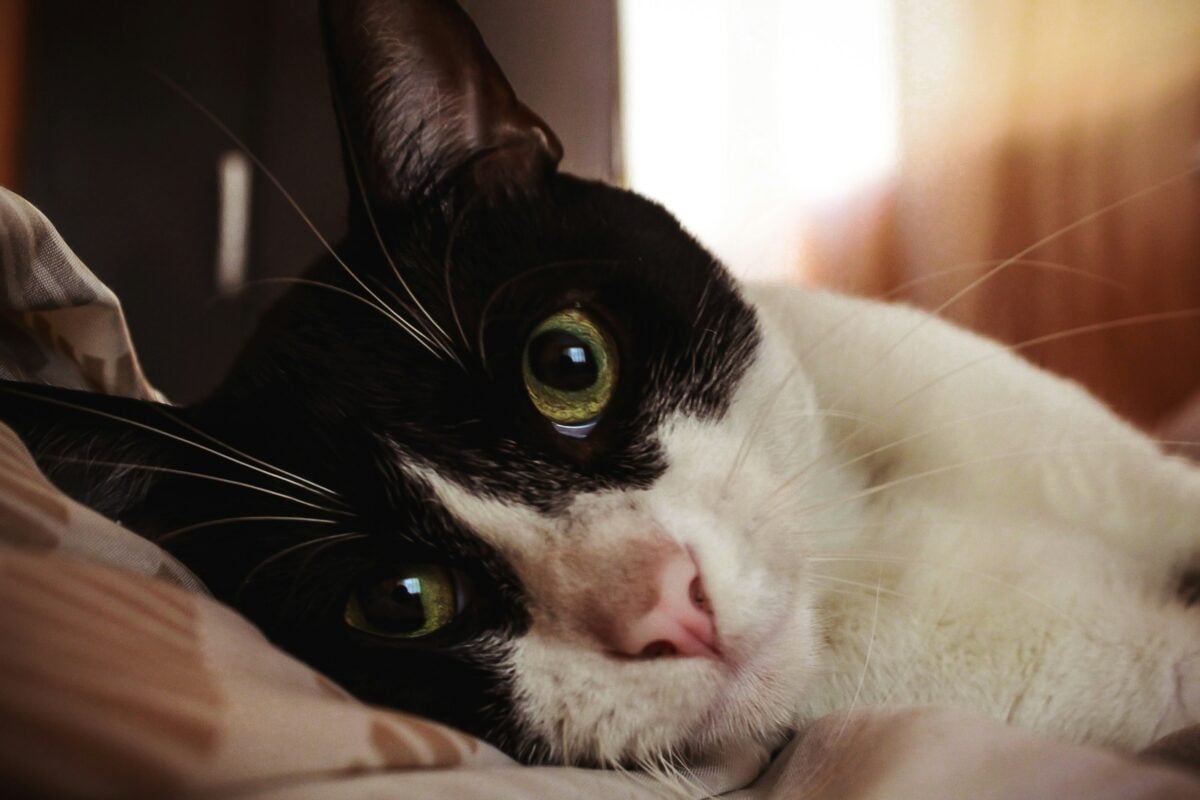
And when your cat appears the second you stand up, that quick chair takeover can be about warmth, scent, and the appeal of a freshly vacated spot—cats have a few reasons for sleeping in your spot when you get up.
Gifts, Yowls, and Other Questionable Love Letters
A cat carrying a toy mouse through the house at 2:00 a.m. while making that muffled little yowl is not necessarily composing a love poem. But they may be inviting someone into their play world.
When your cat repeatedly delivers toys to one person, pay attention to what happens next. Does that person toss the toy? Start a chase game? Praise them like they just returned from a successful expedition?
Cats remember who makes interaction fun. The person getting the soggy felt ball may not be receiving a gift exactly, but they have probably become an important part of the evening’s entertainment schedule.

The Small Signals That Carry Big Meaning
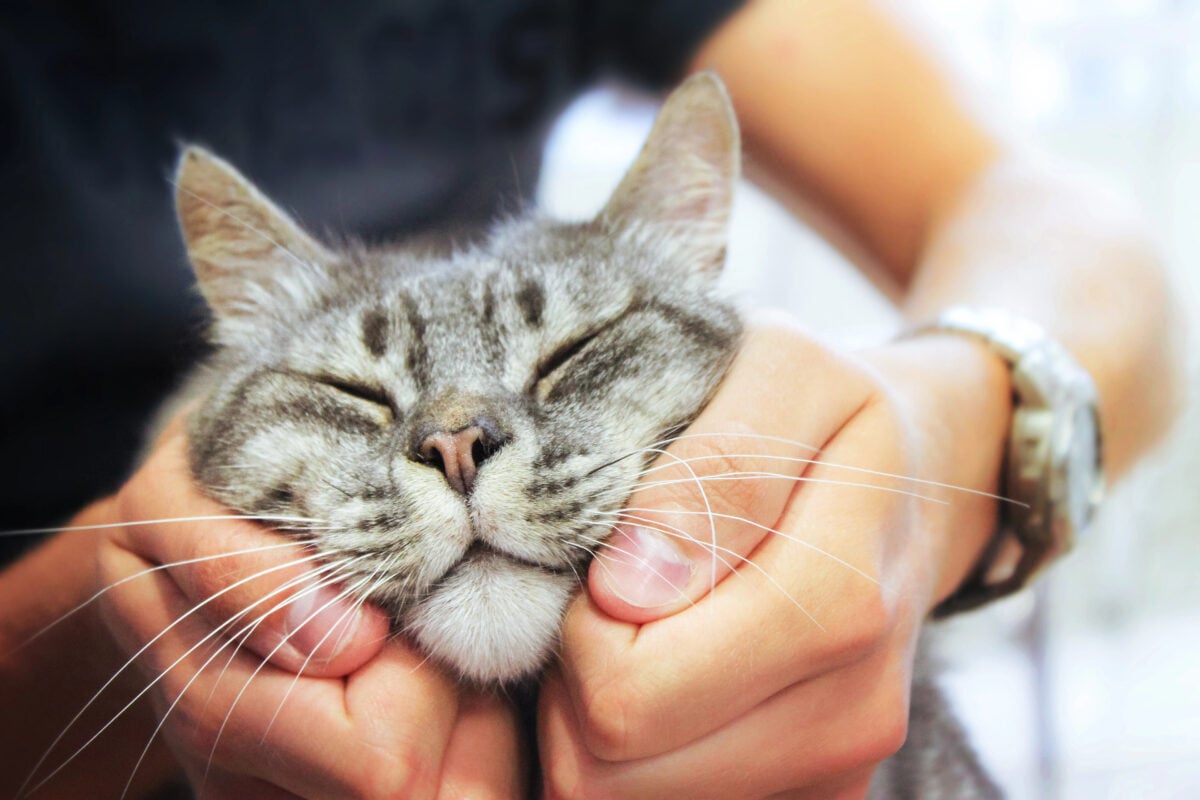
The strongest signs of affection are often easy to miss: slow blinks, forehead bumps, cheek rubs, biscuits, upright-tail greetings, or quietly choosing to sit near one person without demanding anything. Even a little lick-then-nip moment can be part of your cat’s complicated affection style, though cats may lick and then bite for several different reasons.
Notice who gets the relaxed version of your cat. Who do they trust enough to turn their back on? Who gets the tiny paw on the face at 5:13 a.m., which is less romantic but still deeply personal?
The giveaway is the consistency: the same person keeps receiving those small, voluntary gestures when there is nothing obvious to gain.
How Cats Choose Their Favorite Person
Most feline preferences are built quietly, through repeated everyday interactions.
At a Glance: What Cats Tend to Care About Most
A cat’s preferred person is often the one who feels:
- Easy to read — calm movements, clear boundaries, no surprise cuddles
- Familiar — a known voice, familiar scent, and steady routine
- Predictable — usually in the same place at the same time
- Worth visiting — brings play, treats, warmth, or peaceful company
Not every cat wants the same thing. Your outgoing little socialite may choose the loudest person in the room, while your shy cat may fall deeply in love with whoever sits quietly and minds their own business.
Cats usually choose based on what feels comfortable and familiar to them. They may be drawn to a person’s communication style, scent, routine, and the kinds of experiences they have had with people in the past.
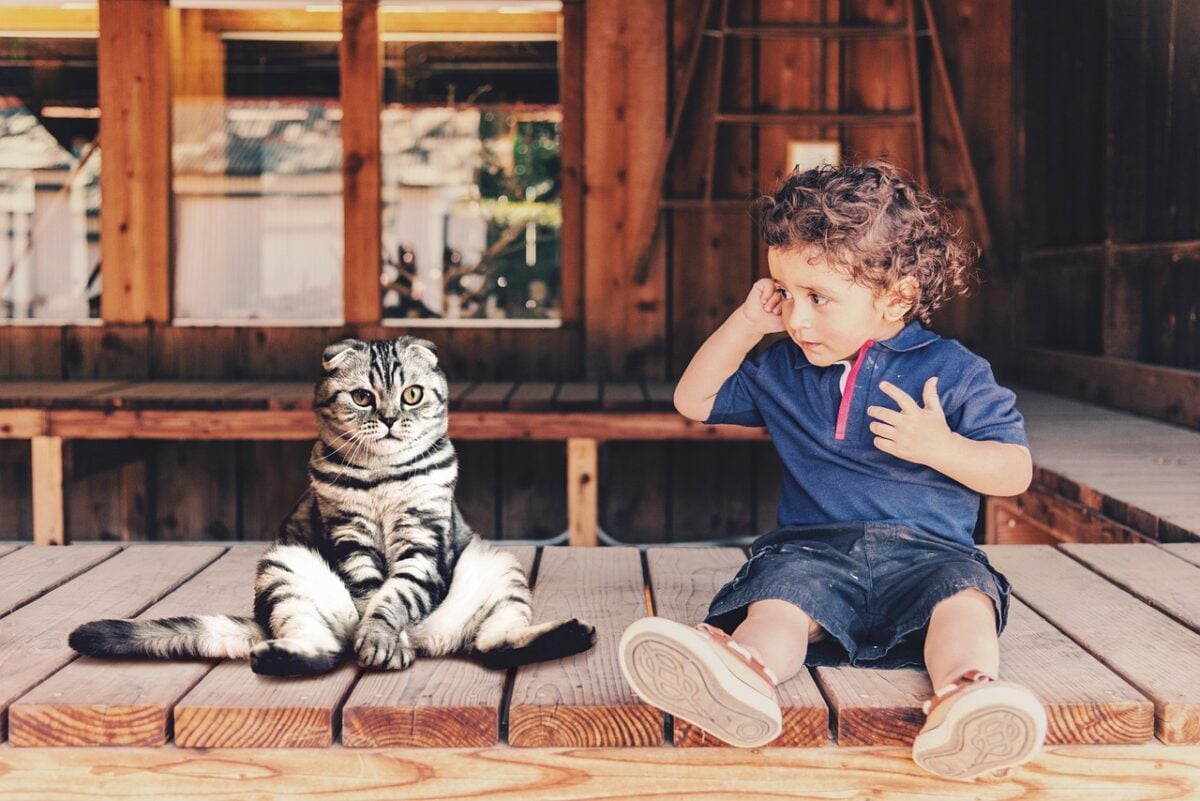
That does not mean every cat wants the same kind of human.
A bold, social cat may adore the lively person who knows how to make a feather wand disappear behind the sofa. A shy cat may decide the soft-spoken roommate with the steady routine is the only person worth discussing business with. Some cats are deeply food-motivated. Others would trade an entire bowl of kibble for five excellent minutes of play.
Communication Style: Consent Beats Enthusiasm
The quickest way into a cat’s good graces is often learning when to leave them alone.
Cats can enjoy affection, but many want to decide when it begins, how long it lasts, and whether being picked up is part of the deal. The person who reaches for the cat every time they enter the room can accidentally become the household’s most avoidable obstacle. Meanwhile, the person who sits down, looks away, and lets the cat investigate first may seem wonderfully civilized.
Feline Communication Cues
The goal is not to ignore your cat. It is to recognize the invitation.
Your cat may be open to interaction when they:
- Approach with their tail held upright
- Rub against your legs or offer a cheek for scratching
- Slow blink, headbutt, or settle nearby
- Return after you pause petting
- Relax with soft eyes, calm ears, and a loose body
Your cat may prefer some space when they:
- Flatten their ears or turn their body away
- Lash or thump their tail
- Twitch their skin or suddenly go very still
- Widen their pupils or shift away from your hand
- Walk off after a few seconds of petting
Petting style matters too. Many cats enjoy gentle attention around the cheeks, chin, forehead, and shoulders, but preferences can be impressively specific. Some love back scratches. Some tolerate them. And some treat belly touches as a constitutional violation.

The favorite person is often not the one who pets the longest. It is the one who notices the moment before the cat has had enough, and stops while everyone is still having a nice time.
Scent: The Invisible Map of Trust
Cats live in a world that is heavily organized by scent. Your home is not just a collection of rooms, furniture, and suspiciously loud grocery bags. To your cat, it is a giant scent map made up of people, blankets, scratching posts, beds, shoes, and every sweatshirt you thought was safely folded away.
That is one reason cats rub their cheeks and foreheads against people. They are adding familiar scent to their environment and reinforcing, in their own quiet way, that you belong there.
A favorite person may simply smell especially familiar and reassuring. It is not about a secret perfume that guarantees feline devotion. Your cat knows that person’s scent and may connect it with ordinary life, safety, and a familiar place to settle.
Did You Know? Cats Read the World Through Scent
Cats build much of their world through scent. That is why a worn sweatshirt, favorite pillow, or laundry basket can become prime real estate.
Cats can have more than 200 million scent receptors, compared with about 5 million in humans. That helps explain why familiar people, rooms, blankets, and everyday routines can feel so important to them.
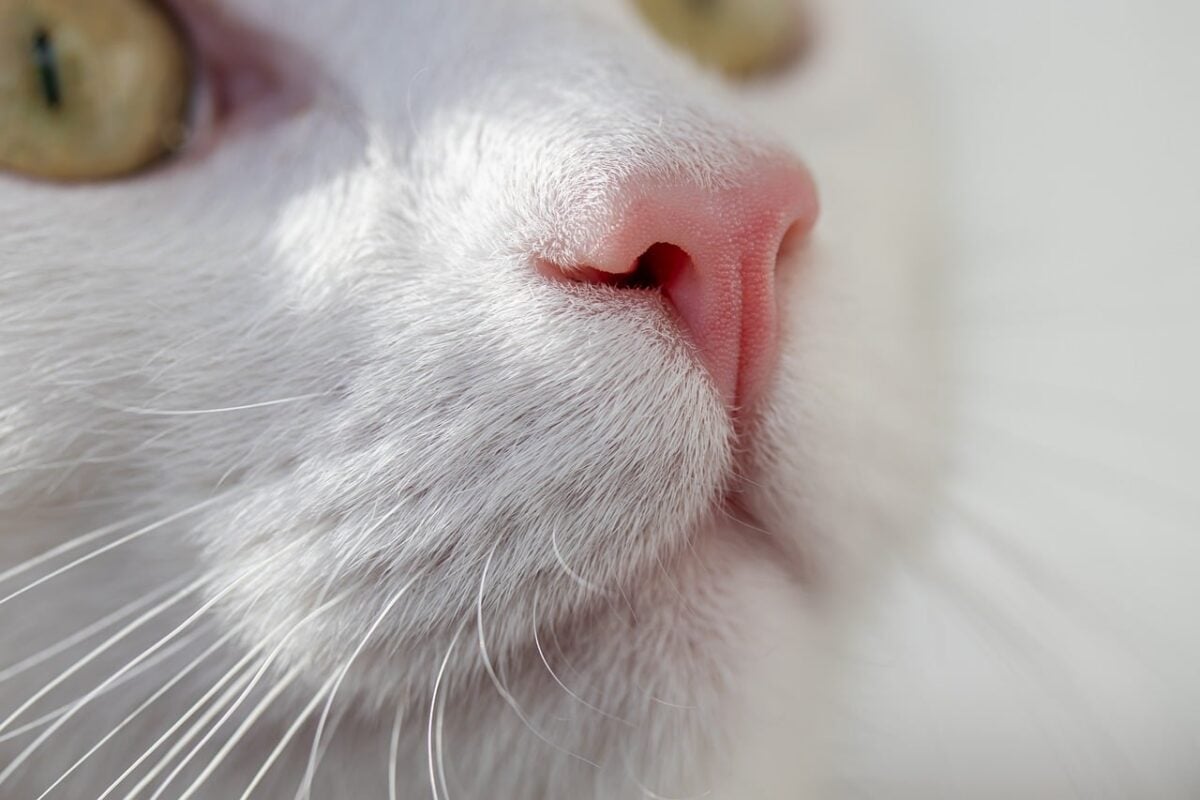
Scent changes can briefly throw things off. A cat may act distant after someone comes home smelling like another animal, a veterinary clinic, smoke, heavy perfume, or an unfamiliar house. They are not necessarily offended or jealous. Their internal map just needs an update.
The best response is to let them investigate at their own speed. Give them a chance to sniff, observe, and decide that you are still you, even if you currently smell like someone else’s golden retriever.
Predictability and Calm: The Human Anchor Effect
Cats often appreciate people they can read.
They learn the sound of the alarm, the rhythm of footsteps in the hallway, who settles into the same chair after dinner, and who will eventually stop typing long enough to provide a warm lap. A person with steady habits can become a familiar landmark in the cat’s day.
This is why the person who works from home can become unexpectedly popular. They may not be more exciting or more cat-obsessed than anyone else. They are simply there. Their voice, routine, and usual sitting place become part of the cat’s daily landscape.
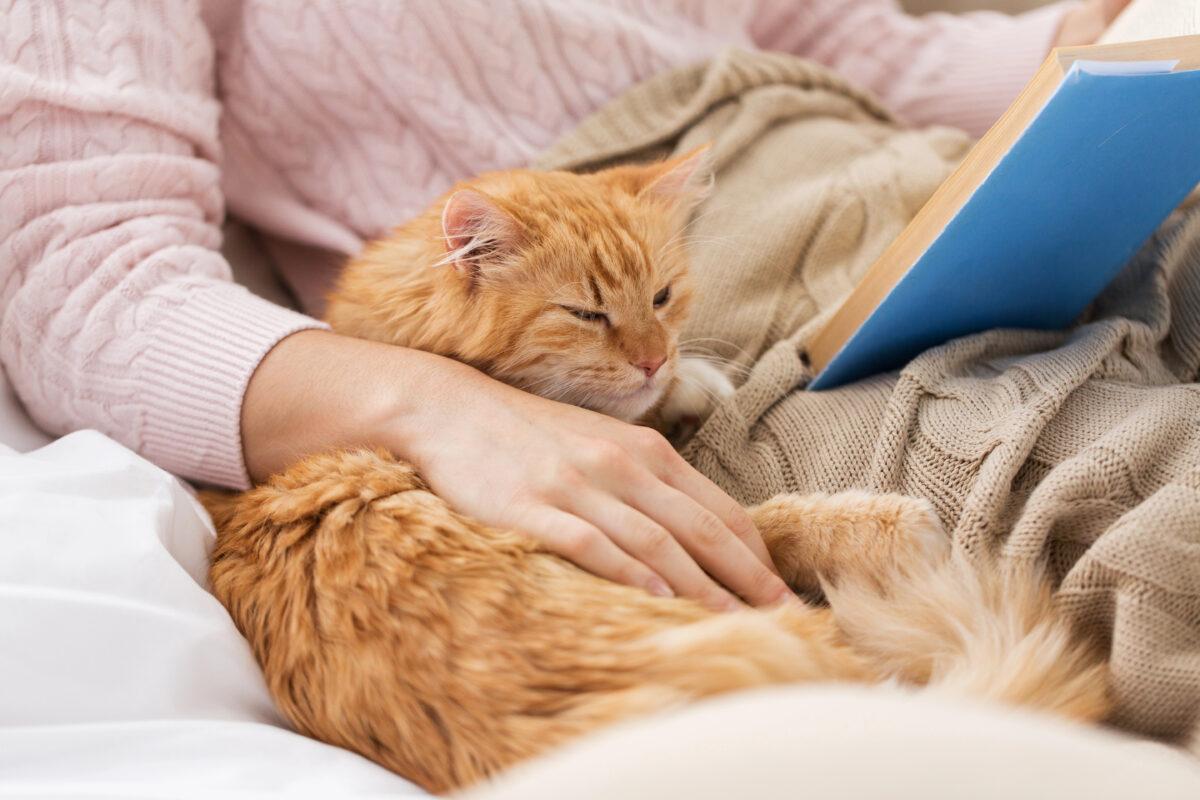
Calm does not mean boring. It means predictable. A cat may love a lively play session, then immediately choose the person who does not chase them during zoomies, shout when they knock something over, or react as though every interaction needs a soundtrack.
For a cat, the ideal person is often less like a celebrity and more like a sturdy armchair: familiar, dependable, and reliably available when the rest of the house gets a little too busy.
A cat’s favorite person may also come with a favorite chair, especially when that chair is part of their nightly routine. If your cat has decided the furniture deserves some extra attention, too, there are ways to protect it without disrupting their comfort zone.
Early Socialization: A Starting Point, Not a Life Sentence
A cat’s early experiences can shape how they feel about people later on. Kittens who have gentle, positive interactions with humans often grow up more comfortable around them, while cats with limited or frightening early handling may be slower to trust.
That history can influence what feels familiar. One cat may be drawn to quiet voices. Another may feel most comfortable with people who move slowly, sit at floor level, or do not make direct approaches. These are tendencies, not rules. There is no universal formula that says all cats prefer one gender, age group, or personality type.

The important part is that early experience is not destiny.
Adult cats can form strong new bonds. Shy rescue cats can become devoted companions. A cat who spends months watching from the end of the hallway may eventually decide that one lap, one bedroom, or one voice is safe enough to approach.
That kind of trust can look small at first: sitting a little closer, accepting a treat, choosing the same room, or napping within arm’s reach. But those are not tiny accomplishments. They are a cat quietly rewriting their expectations about people.
The “Not a Cat Person” Paradox: Why Indifference Can Look Like Charm
Every cat household seems to have this plot twist: the person who says, “I’m not really a cat person,” becomes the cat’s favorite within ten minutes.
They sit down. They avoid eye contact. They keep their hands to themselves. They do not call across the room or try to scoop the cat up for a photo. Then, somehow, your cat is draped across their chest like they have discovered the only trustworthy human left on Earth.
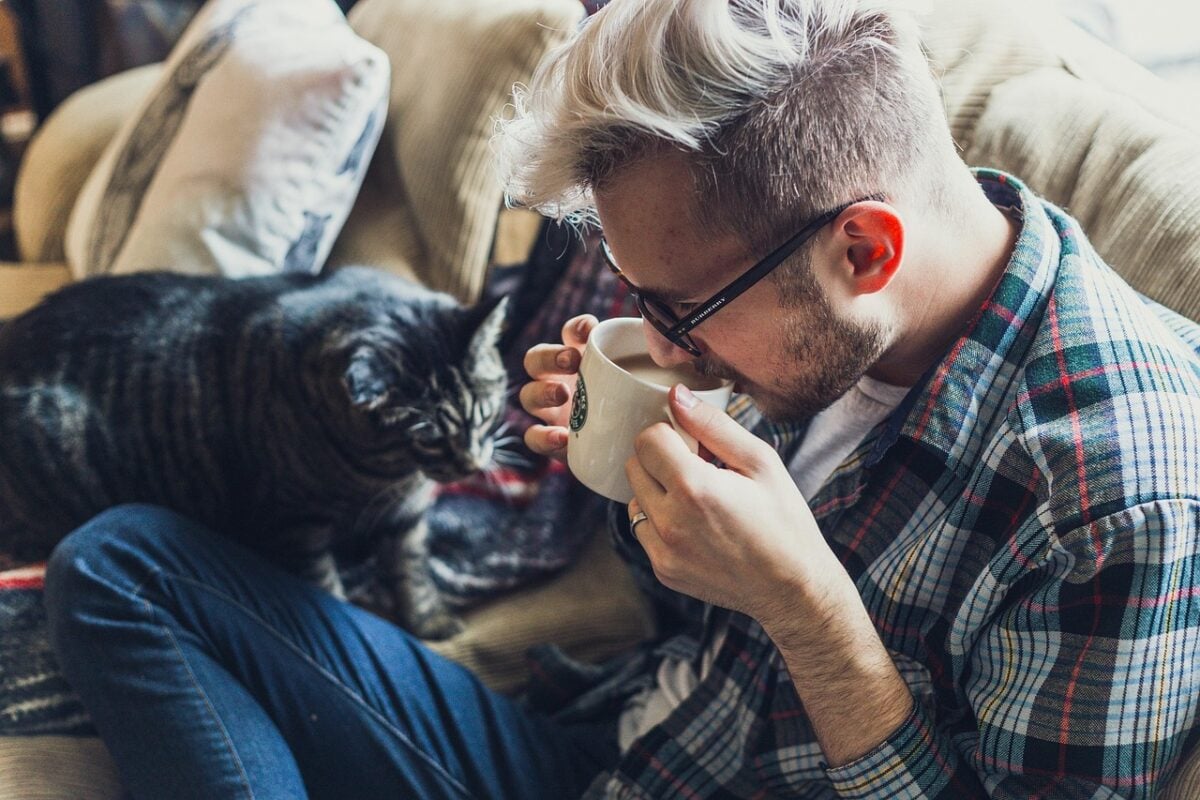
It makes more sense than it looks.
People who are nervous around cats, or simply not trying very hard to impress them, often behave in ways cats find polite. They do not loom, stare, reach suddenly, or expect immediate affection. They stay still and let the cat decide whether to approach.
That lack of pressure is the whole trick. The cat can investigate, sit nearby, and leave whenever they want. The person who said they were “not really a cat person” has accidentally mastered the same consent-first approach that makes any person easier for a cat to trust. It’s not magic. It is just excellent feline manners.
Food, Litter, and Medicine: Why Care and Connection Are Different Things
Let us defend the can-opening community for a moment: the person who feeds the cat matters.
Your cat knows who produces breakfast, who can be persuaded into a second dinner through strategic staring, and who has somehow become responsible for maintaining the household’s emergency treat supply. Food and routine care build trust. They just do not automatically come with premium lap access.
The tricky part is that caregiving contains both the good stuff and the necessary interruptions. You may be the person who serves dinner, but you may also be the one associated with medication, nail trims, eye wipes, carrier appearances, and the deeply suspicious phrase, “Come here for a second.”
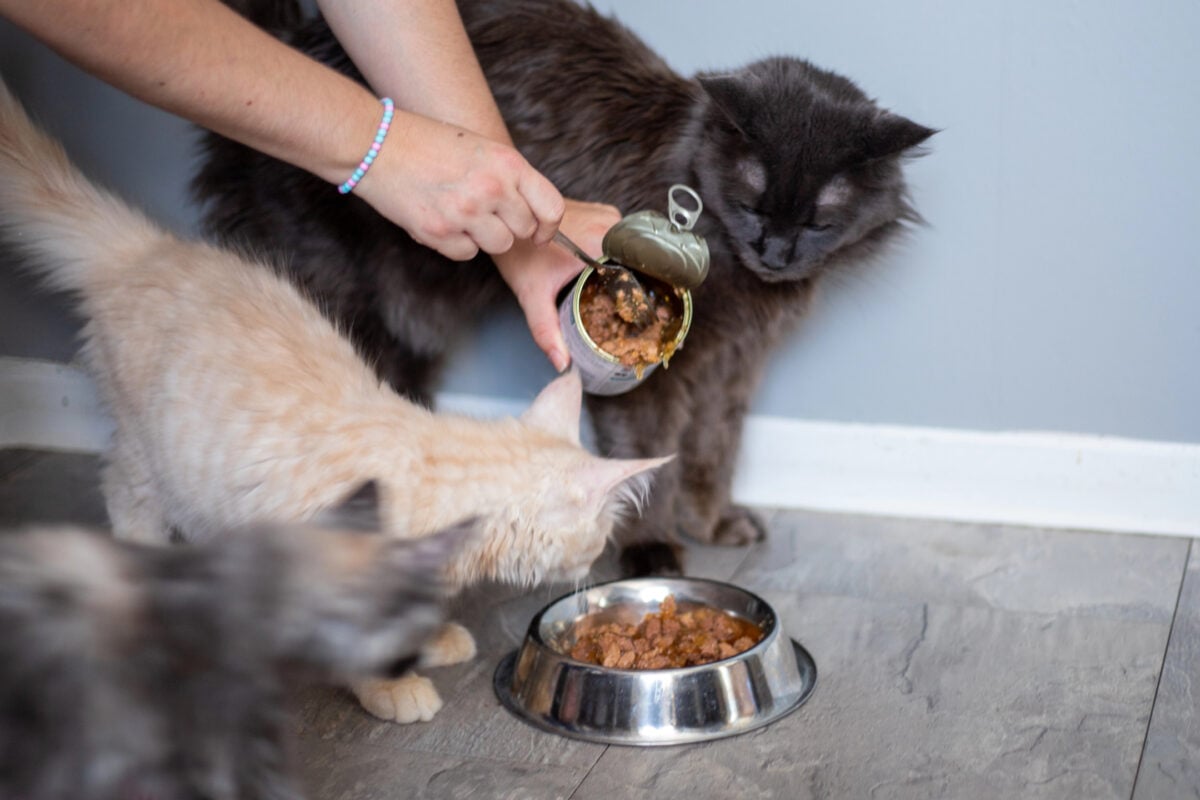
That is not a personal grudge. It is just how associations work. Your cat can adore you and still vanish when you walk toward the closet where the carrier lives.
Make care feel like part of a good day, not the end of one:
- Keep meals and daily routines calm and predictable.
- Pair medication, grooming, or other necessary care with something your cat genuinely enjoys afterward.
- Build one small, choice-based ritual that has nothing to do with chores: a wand-toy session, a treat toss, or quiet time on the couch.
- Give your cat room to decompress after something stressful instead of trying to “make up for it” with an immediate cuddle.
Your role is not lesser because it includes responsibility. You may be the person your cat relies on for breakfast, safety, and the smooth operation of daily life—even if someone else gets the 7:00 p.m. lap shift.
When a Cat’s Favorite Person Changes
A cat’s preferred person is not always chosen for life. Sometimes the household favorite remains the same for years. Other times, a new routine rearranges the seating chart.
A move, a new job, visitors, renovations, a baby, a new pet, illness, or a major shift in someone’s schedule can all change who your cat seeks out most. That is not disloyalty. It is simply your cat adapting to a changed world.
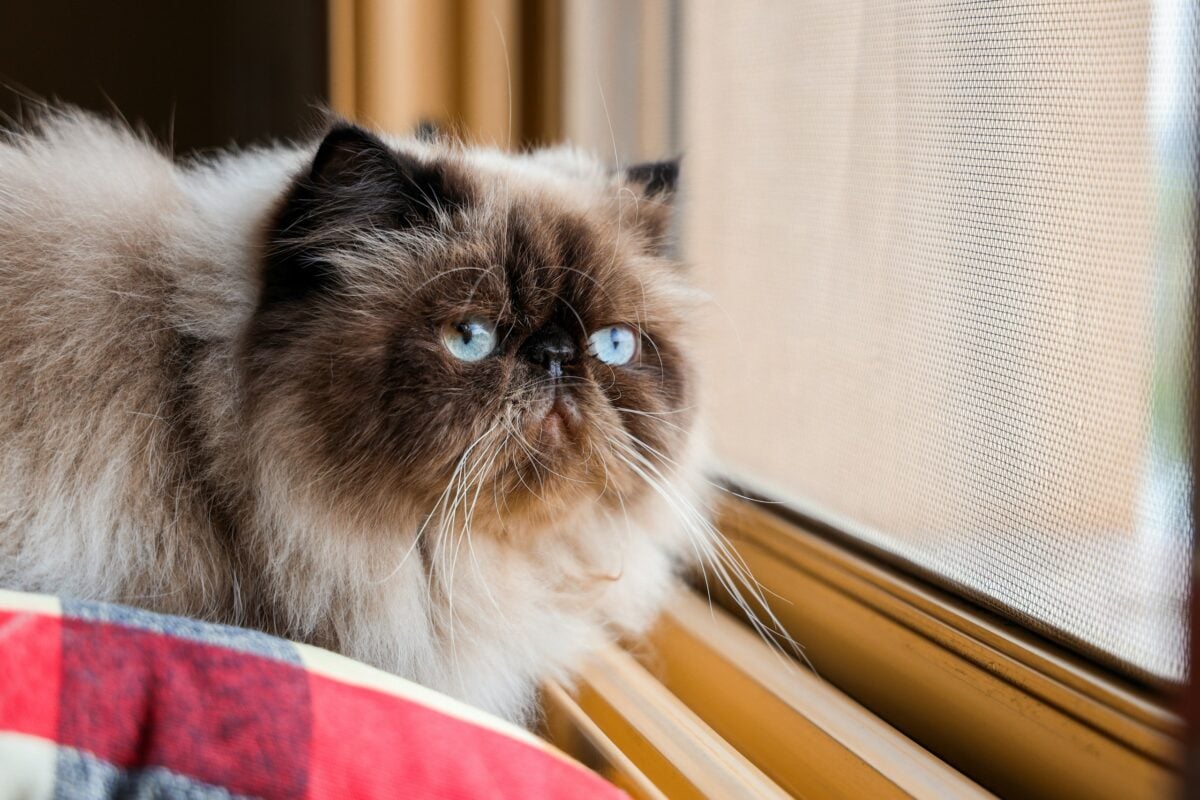
When life gets noisy or unfamiliar, cats often lean toward the person who feels easiest to predict. That might be the person who is home more often, sits in the same place each evening, keeps their voice low, or happens to be farthest from the new puppy’s enthusiastic life choices.
Changes that can shift a cat’s habits include:
- Moving to a new home or rearranging the current one
- A new baby, roommate, partner, dog, or cat
- Visitors, construction, or a busier-than-usual household
- A change in work schedules or who is home during the day
- A person recovering from illness or simply smelling and moving differently than usual
A cat who suddenly becomes clingier may be looking for reassurance. A cat who starts sleeping beside a different person may be choosing the quietest spot in a newly busy world. Neither response is a scorecard on who they love most.
The best move is not to campaign for your old position. Keep routines steady, offer familiar play and rest opportunities, and let your cat adjust at their own pace. Once life settles down, many cats return to old habits or form new ones that are just as meaningful.
How to Become a Cat Favorite, Without Trying Too Hard
Trying too hard to become your cat’s favorite can have the exact opposite effect. Cats are wonderfully skilled at detecting pressure, especially when it arrives as repeated calling, unwanted petting, or someone scooting closer every time they leave the room.
The goal is not to convince your cat that you are amazing. The goal is to become reliably pleasant to be around.
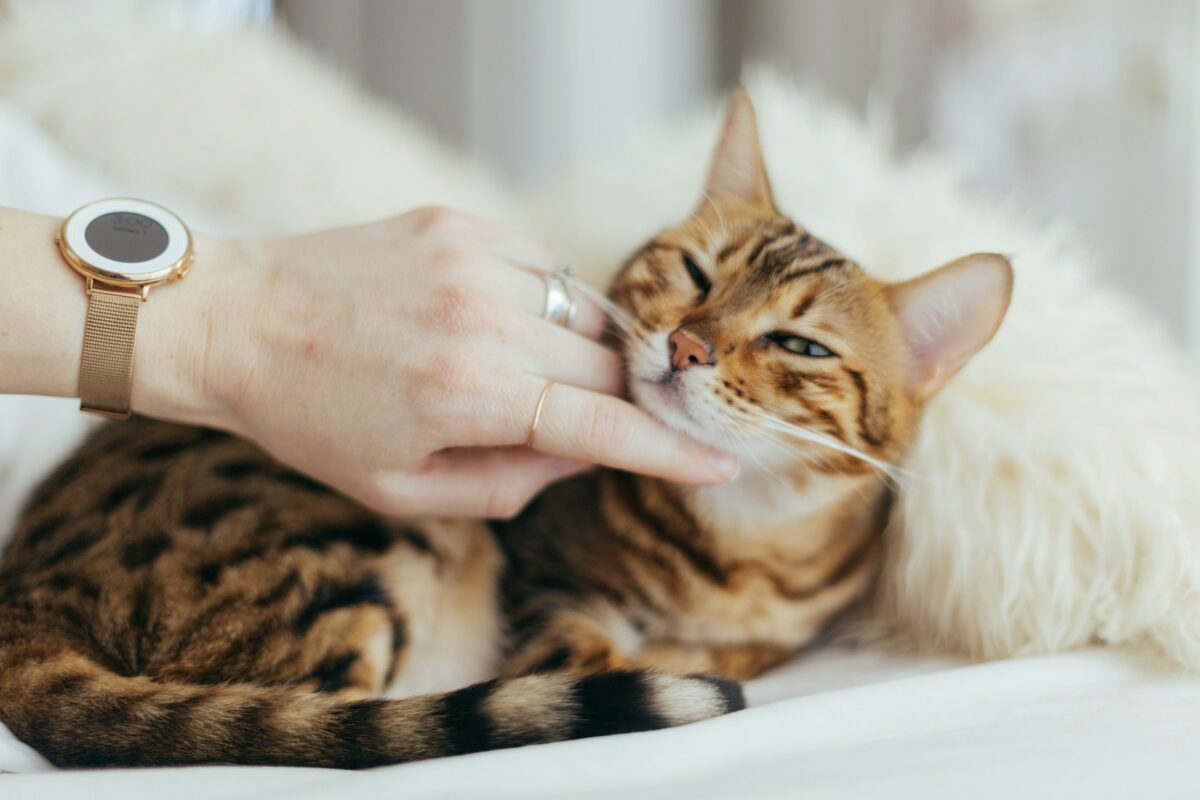
Pick one or two rituals your cat can count on. It does not need to be elaborate. In fact, small and repeatable usually works better.
Become known for something your cat enjoys:
- A short daily wand-toy session with plenty of stalking, chasing, and catching
- A calm treat toss game that lets them participate from a comfortable distance
- A special blanket or quiet chair that becomes part of your shared routine
- Gentle brushing, but only for cats who already enjoy it
- Sitting nearby without trying to turn the moment into a social event
Then let the interaction end while it is still going well. Pause petting before your cat has to leave. Finish playing while they are still interested. Give them the option to come back for more.
It can feel almost absurdly hands-off, but that is the point. Cats tend to trust people who listen to “yes,” “not yet,” and “that is enough.”
Mistakes That Push a Cat Further Away
Cats respond to people who can tell the difference between “come closer” and “not right now.”
The most common mistake is treating affection like repayment for care. You can feed your cat, clean up after them, and surrender half your furniture to their naps without earning the right to override their boundaries.
A few habits can make a cat more cautious over time:
- Picking them up when they regularly try to get away
- Following them for cuddles after they have already walked off
- Reacting loudly to normal cat behavior, like zoomies or a knocked-over glass
- Chasing, punishing, or startling them
- Being gentle one day and overly intense the next
- Interrupting sleep or hiding spots when they are trying to decompress
The fix is not to become distant. It is becoming easier to read.
Notice the early signs that your cat is done: a tail flick, a body shift, ears turning sideways, or that very specific look they give right before leaving. Give them quiet spaces that stay quiet. Build positive associations with play, treats, and calm company.
A healthy bond is not measured by how much your cat tolerates. It grows when your cat learns that you will pay attention.
You Are Still Part of the Kingdom
A cat having a favorite person does not mean everyone else has been rejected from the royal court. It usually means your cat has built different kinds of trust with different people.
Maybe one person gets the dramatic doorway greeting. Maybe another gets the toy deliveries, the storm-night cuddles, or the sacred privilege of touching the belly for exactly three seconds. Those are not competing trophies. They are different roles in your cat’s small, highly managed universe.
The useful thing is not to out-cute, out-feed, or out-cuddle the competition. Pay attention instead. Notice where your cat rests, who they seek when they are nervous, what kind of touch they enjoy, and when they would rather be left alone.
You may not be their favorite lap today. But you may be the person they expect at breakfast, the voice they recognize from another room, the one whose routines make the house feel like home.
In cat language, reliance is often love with less theatrical lighting.
For many people, that everyday connection is more than comforting; it is part of how they get through hard days. Here is what to know about whether cats can be emotional support animals.
Why Cats Choose Favorite People: FAQs
When cats have chosen a favorite person, they tend to inspire a lot of questions, and occasionally, a tiny household identity crisis. Below are answers to the most common things cat parents wonder when one human seems to be getting the deluxe greetings, preferred lap time, or bathroom-security detail.
Have more questions about why cats choose their favorite people? Leave them in the comments—we’d love to hear the little habits that make your cat’s preferences so obvious.
Can a cat have more than one favorite person?
Absolutely. Many cats assign different humans different jobs. One person may be in charge of breakfast, another may be the preferred playmate, and someone else may be the approved nap surface.
Cats do not always organize affection into one dramatic winner-takes-all ranking. Your cat may follow you around all day, sleep on your partner at night, and bring toys to your roommate at 2:00 a.m. That is not indecision. It is a very efficient staffing plan.
Why does my cat like my partner more when I do all the work?
Your cat may associate your partner with quiet laps, relaxed evenings, playtime, or low-pressure interaction. Meanwhile, you may be linked to meals and safety—but also medication, grooming, carrier appearances, and the phrase, “Come here for a second.”
That does not mean your cat loves your partner more in every possible way. It usually means you each have a different role in their life. Add more choice-based fun to your routine, like a short daily play session or treat toss game, and let your cat decide when to join you.
Can a cat suddenly switch favorite people?
They sure can. A move, new job, baby, new pet, visitors, illness, or schedule change can all shift who your cat seeks out most.
During stressful or unfamiliar periods, cats often gravitate toward the person who feels calmest, most available, or easiest to predict. This can be temporary. The best response is to keep routines steady and avoid turning the shift into a campaign for affection.
How can I get my cat to like me more?
Become easier to be around.
Offer short daily play sessions, let your cat approach first, and learn their preferred petting style. Give treats without chasing or cornering them. Stop petting before they have to walk away. Sit nearby sometimes without asking anything from them.
Cats tend to seek out people who make them feel safe, understood, and free to leave whenever they want.
Does my cat prefer one person because of gender?
Not necessarily. Cats may respond to a person’s voice, movement, scent, routine, or interaction style, but there is no universal rule that all cats prefer men, women, children, or any particular type of person.
A cat who seems to favor one gender may simply be responding to the individual person who feels most familiar or least overwhelming.
Why does my cat only follow one person around the house?
Following can mean affection, but it can also mean that the person represents food, play, warmth, routine, or access to interesting things… like the cupboard where the treats live.
Look at the context. A relaxed cat who trails someone from room to room may simply enjoy their company. A cat who suddenly starts shadowing someone after a move, loud visitors, or a new pet may be looking for reassurance.
Is my cat jealous when they sit on my partner instead of me?
Probably not in the human, “I saw you texting someone else” sense. Cats can react to changed routines, scents, attention, or access to a favorite lap, but their behavior is usually more about comfort and familiarity than rivalry.
Your cat may be choosing the warmest lap, the quietest person, or the person least likely to interrupt a nap. Unfortunately, these are all valid feline priorities.
How long does it take for a cat to choose a favorite person?
Some cats make their preferences clear within days. Others need weeks or months before they decide a person is safe, predictable, and worth sitting near.
Shy cats and newly adopted cats may take longer. Trust often begins quietly: choosing the same room, accepting a treat, sitting a little closer, or slowly blinking from the doorway. Those small moments count.
Should I worry if my cat only likes one person?
Not necessarily. Some cats are naturally selective, shy, or especially attached to one caregiver. A cat can have a perfectly healthy bond with one person while remaining politely unimpressed by everyone else.
Pay closer attention if the behavior is sudden or comes with hiding, appetite changes, aggression, litter-box changes, unusual clinginess, or signs of pain. In those cases, it is worth checking in with a veterinarian, because a major behavior change can sometimes signal stress or discomfort.
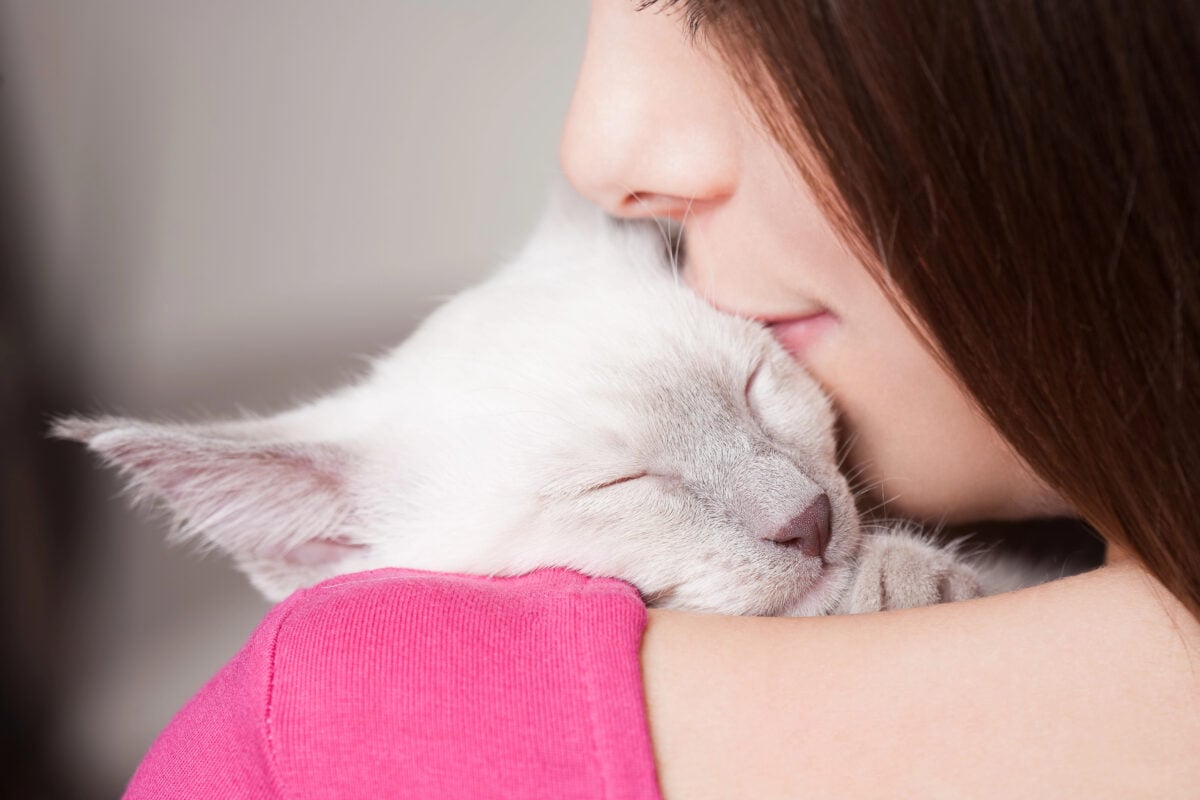
Keep Decoding Your Cat’s Love Language
Once you start paying attention, you may notice that your cat has been sharing their feelings all along… just in a language made up of slow blinks, suspiciously timed lap visits, and possession of anything that smells like you.
Those little habits may seem random at first, but they often add up to a pretty clear picture of trust. Your cat may not greet you with a speech or send flowers, but choosing your chair, following you from room to room, or settling nearby when the house gets quiet can all be part of how they stay connected.
A favorite person is only one piece of the puzzle. Cats show connection in all kinds of quiet, oddly specific ways—from slow blinks and headbutts to claiming your chair the second you stand up. For more clues, explore how to tell if your cat loves you, the signs your cat has imprinted on you, and why your cat may insist on sitting on everything you are using.
How Did You Know Your Cat Had Chosen a Favorite Person?
Was it the bathroom escort? The nightly spot on one specific lap? The way they suddenly become a completely different cat when that person walks through the door?
Share the moment you realized your cat had picked a favorite person in the comments. The oddly specific details are usually the best part.