When you purchase through links on our site, we may earn a commission at no extra cost to you. Learn more.
Is your cat shedding so much that you’re starting to wonder if a second cat is secretly forming in the corner of your living room? One minute, your couch was clean, and now it looks like it’s wearing a fuzzy winter coat of its own.
Table of Contents
Before you panic-Google “bald cat syndrome,” take a breath. There are real reasons your cat suddenly turned into a living snow globe. And yes, I’m diving straight into the nine biggest ones (including the weird ones vets never warn you about).
Is Your Cat Shedding More Than Normal?
8 Quick Ways to Tell
Okay, here’s the truth: cats shed a lot. Shedding is a sign that your cat is healthy and growing. But there’s normal shedding… and then there’s “I just vacuumed eight minutes ago, WHY” shedding.
Want our human-written content to rank above AI-generated garbage? Help us out by clicking this button!
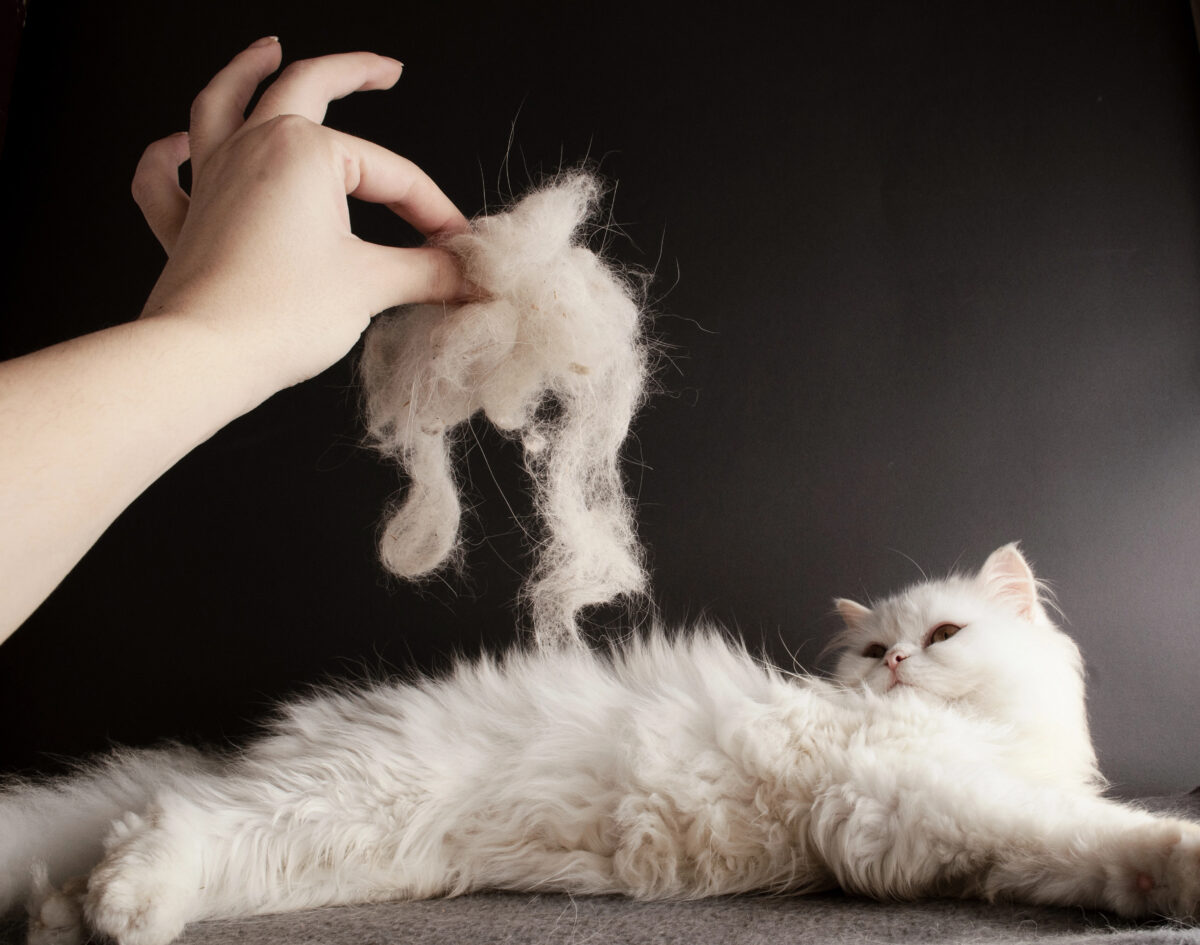
Here’s how to tell if you’re dealing with just shedding… or something worth paying attention to.
- Your Cat Looks Patchy or Uneven. A healthy coat is smooth and even. Patchiness is usually a red flag.
- Your Cat Is Grooming Like They’re Training for the Olympics. Excess licking often means itchiness or stress, and both can trigger serious shedding.
- The Shedding Is Sudden and Dramatic. If your cat turned into a tumbleweed generator overnight, something changed.
- Your Cat’s Skin Looks Red, Flaky, Oily, or Irritated. Changes in the skin itself are not part of normal shedding.
- You’re Seeing Scratching, Biting, or New Hairballs. Behavior changes + shedding = an underlying issue most of the time.
- Your Cat Seems Lethargic or “Off”. Low energy, lower appetite, other symptoms, or hiding more often can accompany medical-related hair loss.
- You’re Finding Flea Dirt, Tiny Bugs, or Odd Circular Bald Patches. Parasites and ringworm often show up as sudden shedding or distinct bald areas.
- Your Cat Recently Had Hormone Changes. Heat cycles, pregnancy, nursing, or recent spaying/neutering can all change the shedding pattern.
If you’ve checked one or more of these boxes, keep reading, because you’re about to hit the exact reasons your cat may be shedding like a tiny, judgmental snowstorm.
Quick Takeaway
Normal shedding is steady and predictable. Sudden, patchy, or excessive shedding means it’s time to look at what’s causing it.
Up next: The nine biggest reasons cats suddenly start shedding like crazy, explained fast.
The 9 Most Common Reasons Cats Start Shedding Like Crazy
If your cat has suddenly transformed into a fluffy snowblower, don’t panic yet. Most shedding explosions come from a handful of surprisingly common causes, and a few weird ones vets swear they warned us about (they didn’t).
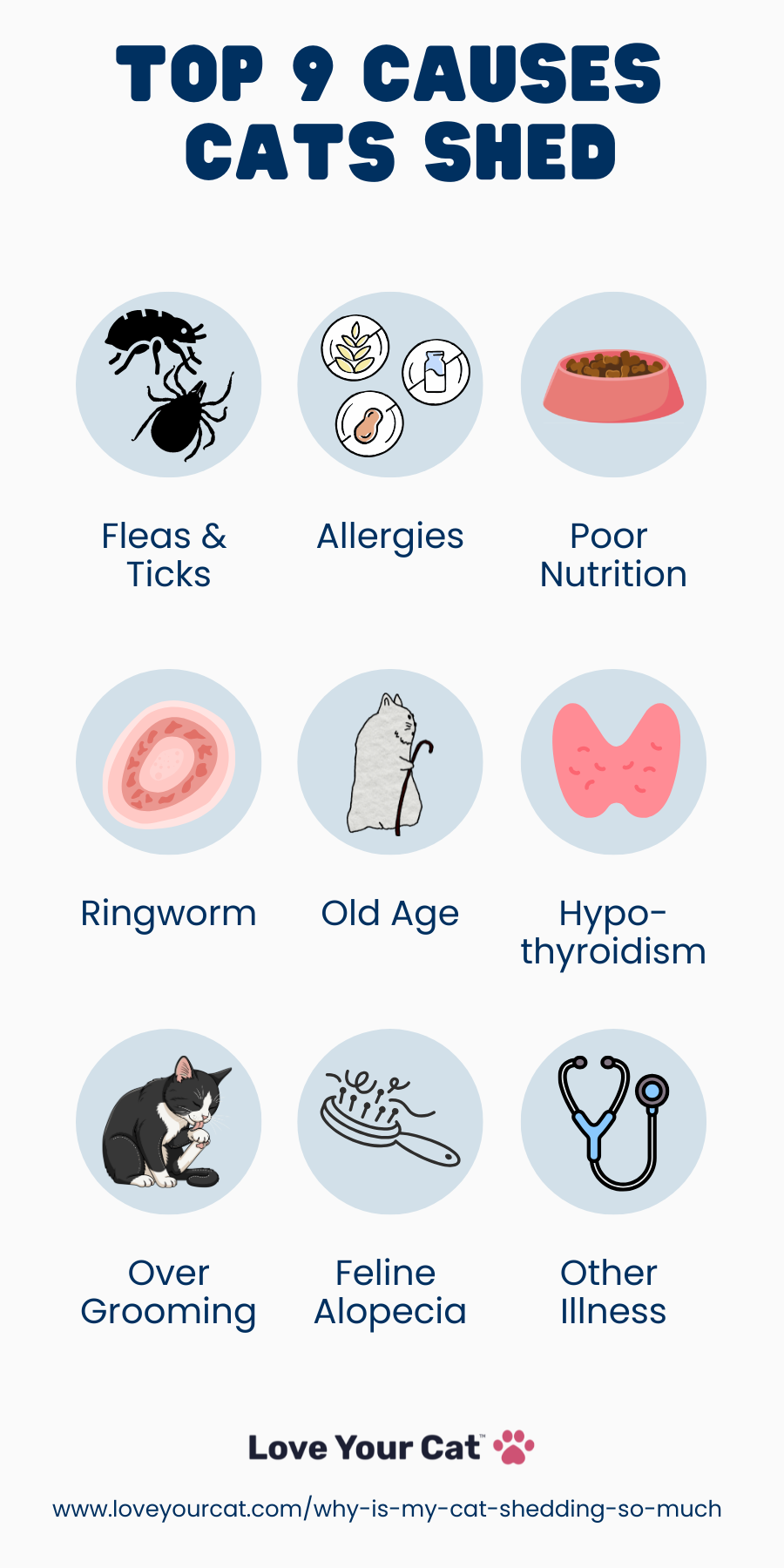
Here are the nine biggest reasons cats lose more hair than usual:
1. Feline Alopecia
When hair falls out excessively instead of shedding normally, your kitty may be experiencing feline alopecia.
Its causes include allergies, mites, fungal infections, or skin inflammation. Basically, the “mystery box” of fur loss. But finding the underlying cause of alopecia and working with your veterinarian to develop a treatment plan is essential.
Some felines can experience what is called psychogenic alopecia. This kind of alopecia is triggered by anxiety and stress. Most commonly, with psychogenic alopecia, hair loss is seen around a kitty’s flanks.
2. Allergies
Food, pollen, dust, scented laundry detergent, and more; cats are tiny drama queens about allergens. Itchiness → licking → bald spots.
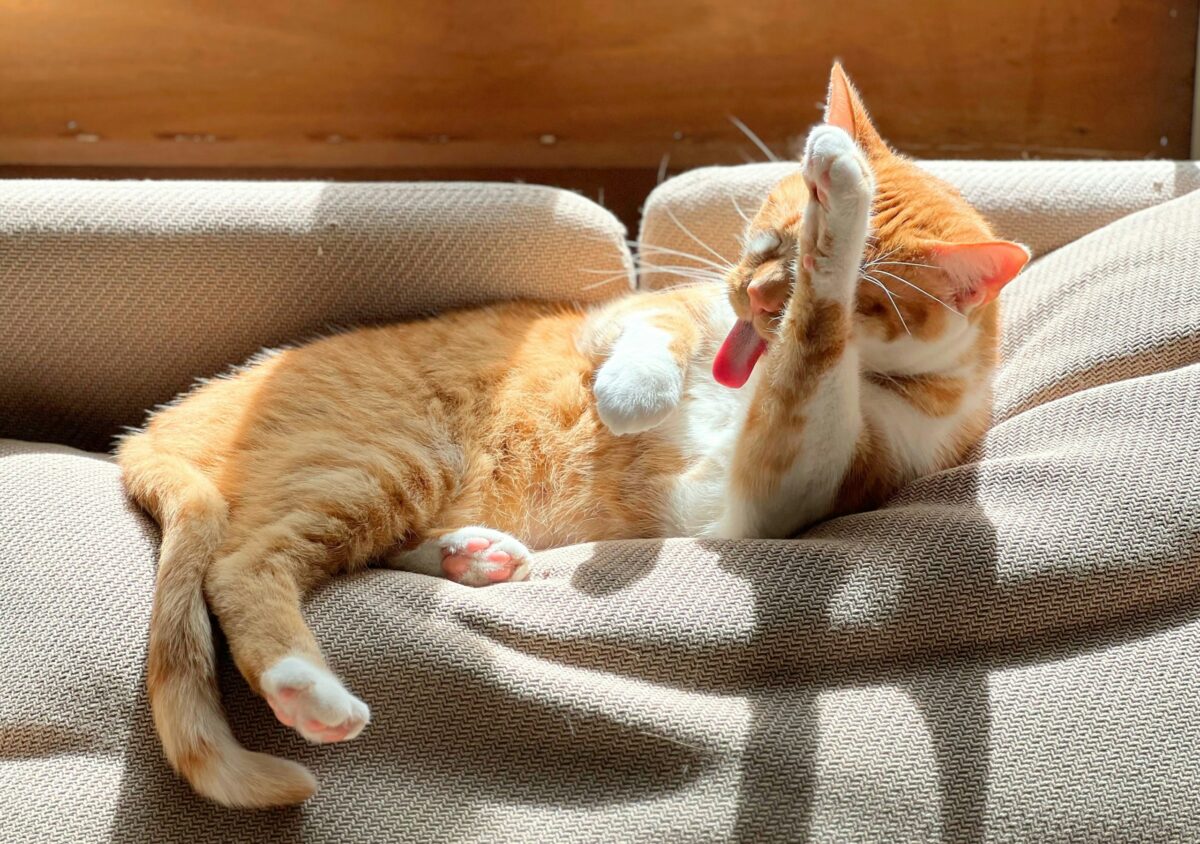
Some allergies can affect the skin, which will also trigger hair loss. Owners should remember that feline allergic skin reactions are common, but it can be extremely hard to detect the cause.
Want To Find Out What’s Causing Your Cats Allergy-Driven Shedding? Check out our guide on allergy tests for cats.
3. Fleas & Ticks
Even one flea can turn your cat into a scratching machine. Fleas and ticks are horrible pests that can cause significant issues and discomfort to your pet.
Flea bites trigger irritation and hair loss, and the stress makes shedding even worse. These bugs bite your kitty’s skin, latch on, and then feed off their blood.
These parasitic pests can carry disease and can be hard to eliminate, so you must work closely with your veterinarian. Most often, a topical treatment helps, and there are preventive treatments owners can use as well. If you allow your cat to play outside, it is crucial to inspect them daily for flea and tick bite marks.
4. Ringworm
Ringworm is another condition that causes hair loss that owners must pay attention to and get prompt treatment for. It looks alarming and is very contagious, but treatable, so act quickly.
The term ringworm refers to a fungal infection that creates a ring-shaped skin rash. Ringworm infection can affect both humans and animals. In felines, this is most often caused by the Microsporum canis fungus.
Any feline can develop a ringworm infection. However, long-haired breeds and young kittens tend to be the most at risk. Ringworm is notable for the round sores on the skin that can trigger excessive grooming, leading to bald patches in specific spots.
Your veterinarian will need to diagnose your kitty and then prescribe treatment, often a combination of oral and topical treatment.
Ringworms can live on objects and surfaces for almost two years. If your kitty has ringworm, it is especially important that you disinfect your home promptly to prevent the spread.
5. Hypothyroidism
Like humans, the thyroid glands play a huge role in many body functions for felines. In particular, they control hormones.
An irregularly functioning or damaged thyroid gland can lead to hypothyroidism. When thyroid hormones drop, hair growth slows and shedding increases. Often shows up as thinning along the trunk with dry, dull fur.
Thankfully, there are medications your veterinarian can prescribe to ensure the proper level of thyroid growth hormone. Once your kitty is on treatment, their hair should grow back in.
6. Poor Nutrition
Felines are obligate carnivores who need diets high in animal proteins. This is particularly important for their growth and overall development. A feline’s diet greatly affects their skin and coat health.

Cheap food = weak coat. Cats need quality protein and fatty acids to maintain healthy fur. Without them, you get dull, brittle, shed-happy hair.
In some cases, cats can pick up parasites if they are eating raw meat, which is something owners must be very conscious of.
7. Old Age
As kitties age, they may start to lose more hair. Senior cats may struggle to groom because of stiffness or arthritis. Loose fur builds up and then comes out in big tufts.
This may cause it to seem like they are losing more, as they cannot groom that excess fur away themselves. Age-related hair loss is generally mild, though some felines can inherit hereditary hair loss.
8. Over-Grooming (Stress or Anxiety)
Cats self-soothe by licking… sometimes too much. If your cat has bald lines along their belly or legs, stress grooming is a top suspect.
Over-grooming can be triggered by anxiety, stress, pain, itchiness, or an underlying medical condition, including those listed above. This can cause loss and even complete removal in certain areas.
If your purr baby is licking and grooming themselves to the point of causing bald patches, it is best to discuss this with your veterinarian to try to find the root cause.
9. Other Illnesses
Sometimes, losing fur can be a side effect of medication or a serious disease like cancer, infections, pain, metabolic issues, or autoimmune disorders.
There will be many other symptoms to watch out for, including growing lumps, lethargy, coughing, odor, sores, and pain that will be far more noticeable than extra hair loss. However, if you are concerned, it is important that you reach out to your vet to perform the appropriate examinations and diagnostic tests.
Quick Takeaway
Most sudden or heavy shedding comes from these nine causes, and almost all are manageable once you pinpoint the trigger.
Up next: What healthy shedding looks like and the red flags that aren’t normal at all.
What Healthy Shedding Looks Like vs. What Isn’t Normal
Before you start diagnosing every bald spot like an online detective, it helps to know what normal shedding actually looks like. Cats lose hair every single day, but the pattern, texture, and amount tell you whether things are fine… or furry chaos.
Healthy Shedding
- Even all-over hair loss
- Smooth coat with no thin patches
- A normal amount of loose fur when brushing
- Soft, shiny, hydrated fur
- No flakes, sores, or redness
- No sudden changes from one week to the next
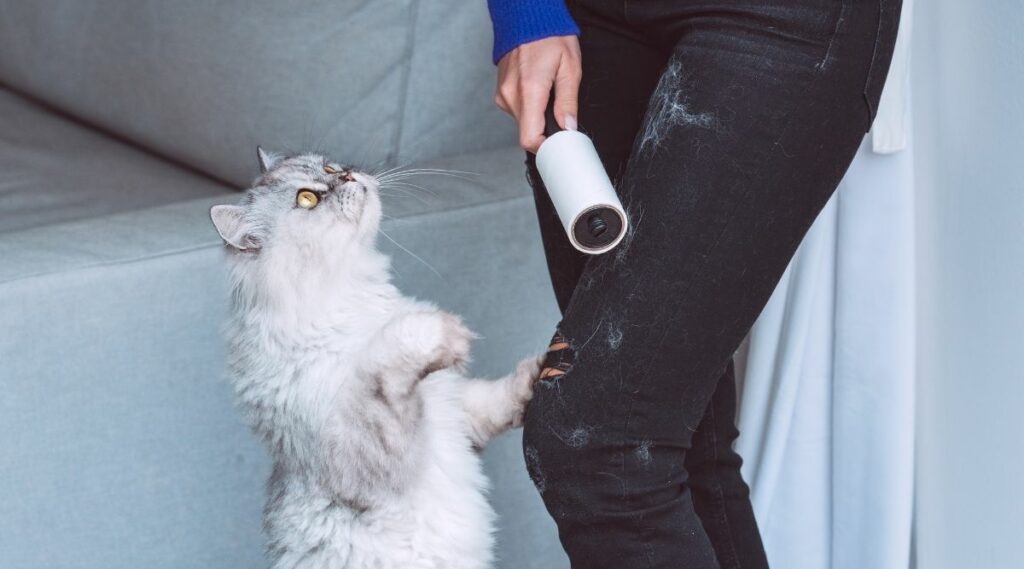
Basically, your cat looks good, your couch looks bad.
Not-So-Normal Shedding
- Patchy or uneven thinning
- Circular bald spots (ringworm alert)
- Greasy, dull, or brittle fur
- Red or irritated skin
- Lots of flakes or scabs
- Clumps of hair coming out at once
- Sudden “shedding spike” out of nowhere
- Hot spots or areas your cat won’t stop licking
- Hair loss on the belly, legs, or tail base (itchiness zones)
When in Doubt
If your cat’s coat looks different, feels different, or is shedding in a way they never have before… something has changed. It’s important to figure out the cause in order to figure out how to fix it.
Quick Takeaway
Normal shedding is smooth, even, and steady.
Abnormal shedding is sudden, patchy, greasy, flaky, or skin-changing.
Up next: Why indoor vs. outdoor cats shed completely differently, and why your indoor angel might actually shed more.
Why Indoor vs. Outdoor Cats Shed Totally Differently
If you’ve ever wondered why your indoor cat sheds like they’re trying to personally coat every soft surface you own, while outdoor cats seem… less dramatic about it, there’s actually science behind that fluff.
Indoor Cats…
1. Shed More Often (Surprise!)
Indoor cats live in fake seasons thanks to heating, air conditioning, and artificial light. Their bodies can’t tell what time of year it is, so instead of shedding in two big seasonal waves, they shed a little bit… all the time.
Your thermostat is basically their shedding clock.
2. Shed More Because They’re Cleaner
Indoor cats often spend more time grooming (they’re bored, comfy, or simply princesses). More grooming = more loose hair. And more loose hair means more hair on your furniture, clothes, plants, guests… everything.
Outdoor Cats…
1. Shed In Big, Dramatic Cycles
Outdoor cats experience natural light and real temperature swings. That means they follow a predictable pattern:
- Big shed in spring
- Smaller shed in the fall
- Coasting in between
If your cat comes inside with the seasons, this schedule may shift or blur.
2. Build a Different Coat Entirely
Their fur thickens for weather protection, then thins when temperatures rise. It’s a more “functional” cycle compared to indoor cats’ “vibes-based” cycle.
So What Does This Mean for You?
- Indoor cats = steady year-round shedding
- Outdoor cats = seasonal shedding spikes
- Both are normal, but knowing which one you have explains a LOT
Up next: How your home’s temperature, sunshine, and even your heater can make shedding way worse.
5 Things That Mess With Your Cat’s Shedding
Here’s something nobody tells new cat parents: Your home might be accidentally running your cat’s entire shedding schedule.
Cats are incredibly sensitive to light, heat, humidity, and airflow, and small changes can suddenly crank their shedding into overdrive.
1. Your Heater Is a Shed Machine
Dry winter heat turns your home into a giant moisture vacuum. Dry air equals dry skin, and dry skin means flakes + itchiness + extra hair falling out.
Your cat isn’t being dramatic. Your radiator is.

2. Air Conditioning Isn’t Innocent Either
Cold air + low humidity can also dry out the coat, especially in summer. If your cat sheds more when the A/C is blasting, that’s why.
3. Sunlight (Or Lack of It) Confuses Their Coat Cycle
Cats’ shedding rhythm is strongly tied to daylight. More sunlight makes a summer coat, and less sunlight causes a winter coat.
Indoor cats get mixed signals from:
- blackout curtains
- long evenings under bright lamps
- windows that don’t get natural sun
Their bodies are basically thinking: “Is it spring? Winter? Noon? Midnight? Who knows. Let’s just shed a little.”
4. Humidity Actually Helps… Sometimes
Low humidity dries skin, whereas high humidity can cause dandruff or fungal issues. Cats want that sweet Goldilocks zone: 40–60% humidity.
5. Temperature Swings Trigger “Emergency Shedding”
If your home goes from cool to warm suddenly (looking at you, spring heat wave): Your cat’s coat may ditch its winter fluff all at once… right onto your darkest piece of furniture.
Quick Takeaway
Your cat’s shedding is heavily influenced by light, humidity, and temperature. Heating, A/C, and inconsistent indoor climates trick their bodies into shedding more.
Up next: Why your cat’s hormones can send their shedding into overdrive, sometimes overnight.
How Hormones Can Make Your Cat Shed More: 5 Ways
Spay/Neuter, Heat Cycles, Pregnancy & More
Cats may be small, but their hormones are dramatic enough to run a reality show. And when those hormones shift, their coat is often the first thing to spill the tea.
Here’s how hormonal changes can suddenly crank up shedding.
1. Spay/Neuter Surgery Can Trigger a Temporary Shed Spike
After surgery, your cat’s hormones drop fast. This sudden shift can cause:
- dull fur
- mild thinning
- temporary shedding increase
It usually resolves in a few weeks once their system evens out.

2. Heat Cycles = Hair Loss Rollercoaster
Unspayed females go through repeated hormone swings. Each cycle can trigger:
- over-grooming
- patchy thinning
- increased shed volume
If she’s yowling at the window like she’s auditioning for a soap opera, hair loss may follow.
3. Pregnancy & Nursing Can Thin the Coat
Growing and feeding kittens takes a toll. Moms often develop:
- thinner fur
- increased shedding
- dull coat texture
Totally normal, and temporary.
4. Thyroid Problems Mess With Hair Growth
Both low and high thyroid hormone levels can affect the coat, but hypothyroidism is a major shedding culprit. It causes:
- slow regrowth
- thinning coat
- excess hair loss
A vet blood test solves the mystery fast.
5. Adrenal Imbalances Can Affect Fur Too
Disorders of the adrenal gland are rare, but when they happen, shedding can become intense, patchy, or unusual-looking.
Quick Takeaway
Sudden hormonal changes, from heat cycles to spay/neuter surgery to pregnancy, can temporarily boost shedding. Most hormone-related shedding improves once levels stabilize.
Up next: The surprising ways stress can make your cat shed more and how to spot it fast.
Stress, Over-Grooming & the Emotional Side of Shedding
Cats may look cool and unbothered, but emotionally? They’re one loud noise away from filing a formal complaint with management.
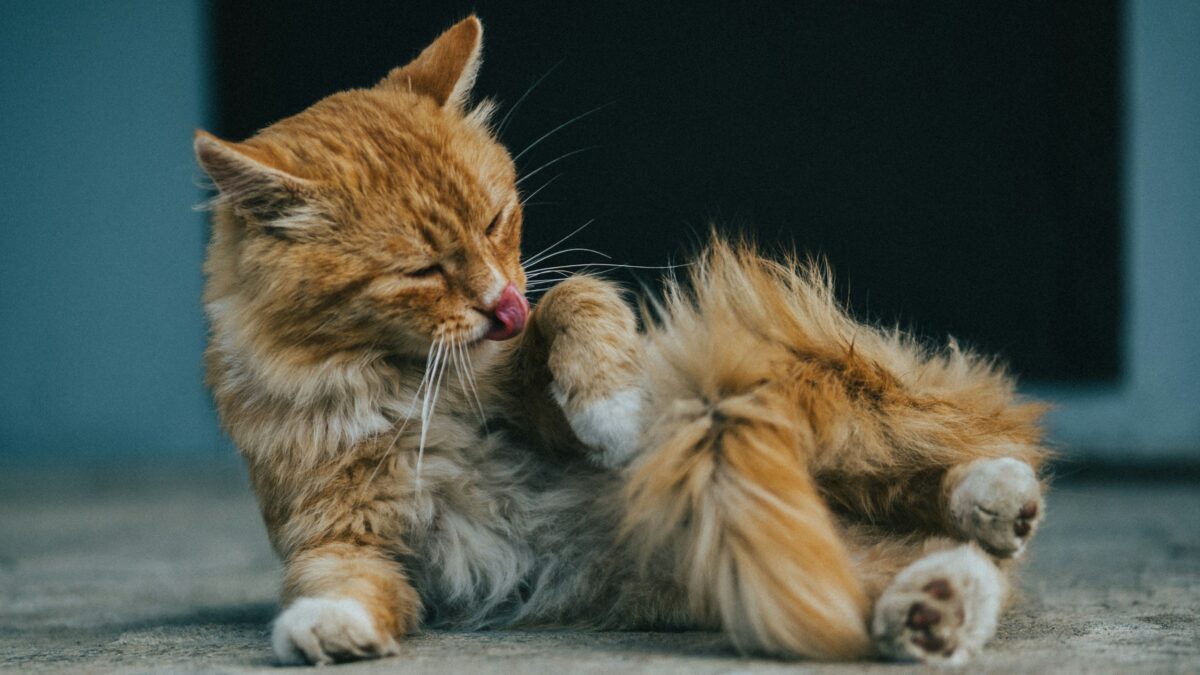
And unlike humans, who stress-eat snacks, cats tend to stress-groom, which means more shedding, thinner patches, and sometimes bald spots.
Licking releases endorphins (little feel-good chemicals), so when your cat is anxious, grooming feels like therapy. The problem? Too much grooming = hair loss. Look closely at:
- belly
- inside thighs
- front legs
- base of tail
These are the most common “stress bald spots.”
Common Stress Triggers
- new baby, new pet, new roommate
- moving or furniture rearranging
- loud noises, parties, visitors
- changes in your schedule
- boredom or not enough play
- vet visits (no explanation needed)
Cats don’t shed their feelings; they shed their fur about their feelings.
How Stress-Shedding Looks
Unlike medical shedding, emotional shedding is usually:
- symmetrical
- soft-looking
- paired with frequent licking
- focused on easy-to-reach areas
You’ll literally catch them “overthinking and over-grooming.”
When Stress Turns Into OCD-Like Grooming
Some cats develop psychogenic alopecia, where grooming becomes compulsive. This shows up as:
- very smooth, hairless strips
- red but not infected skin
- licking that seems nonstop
- thinning along the belly and legs
It’s not misbehavior, it’s anxiety.
What Helps
Try:
- consistency in routine
- more play sessions
- enrichment toys
- extra vertical space
- scent diffusers (cat-safe)
- reducing noise triggers
And if licking becomes obsessive, a vet can help rule out medical causes and address anxiety directly.
Quick Takeaway
Cats shed more when stressed because grooming becomes their coping mechanism. Emotional shedding is usually symmetrical, soft-looking, and focused on easy-to-lick areas.
Up next: Which cat breeds shed the most, the least, and why your cat’s fur might be perfectly normal for their breed.
Which Cat Breeds Shed the Most & the Least?
Let’s Find Yours
Some cats shed a polite, reasonable amount. Others shed like they’re trying to clone themselves using your sofa.
A big part of this comes down to breed, because different cats grow different types of coats, and that changes everything.
Heavy Shedders
Your Vacuum’s Natural Enemy
These breeds tend to lose a lot of fur, especially seasonally:
- Maine Coon – Built for cold weather = lots of undercoat.
- Siberian – Gorgeous and fluffy… and fluff-generating.
- Ragdoll – Soft, silky hair that floats everywhere.
- British Shorthair – “Short hair” doesn’t mean “less hair,” unfortunately.
- Persian – A walking cloud of luxury and lint.
If your cat is one of these, welcome to the club. We meet on Tuesdays. Bring lint rollers.
Moderate Shedders
The “Manageable” Middle Ground
Not too much, not too little, these breeds are more predictable:
They shed, but usually not enough to make your house look like a snow globe.
Low Shedders
But Not No-Shedders
These breeds shed less, but still shed:
- Sphynx – No fur, but still loses skin cells (and needs baths).
- Cornish Rex – Short, wavy coat.
- Devon Rex – Fine, delicate curls.
- Oriental Shorthair – Sleek coat = less fluff, still some shedding.
Even “low-shedding” cats shed. Just… less dramatically.
Why Breed Matters
The thicker the undercoat, the more shedding you’ll have, especially during seasonal changes.
- Short-haired does not mean low-maintenance.
- Long-haired does not automatically mean high-shedding.
It’s all about coat type, not length.

Quick Takeaway
Some breeds shed heavily, some moderately, and some barely, but every cat sheds. Your cat’s breed can explain a lot about what’s “normal” for them.
Up next: Why your cat sheds an entire mini-cat every time you pet them and what’s really happening under all that fluff.
4 Reasons Your Cat Sheds a LOT When You Pet Them
If your cat turns into a soft-focus snow globe the moment you touch them, don’t worry, they’re not disintegrating. Pet-induced shedding is one of the most common (and confusing) shedding moments for cat parents.
Here’s what’s really happening under all that fluff.
1. You’re Loosening Hair That Was Already Detached
When you pet your cat, your hand acts like a gentle brush. Loose hairs that were hanging out in the coat finally fall off all at once, directly onto your black shirt.
It’s not more shedding. It’s just visible shedding.
2. Static Electricity Makes the Fur Fly
Especially in winter or dry indoor air, static can lift hairs straight out of the coat. The more you pet, the more you activate tiny “fur fireworks.”
3. Your Cat Might Be Sensitive in Certain Spots
If your cat sheds a ton when you pet:
- lower back
- hips
- tail base
It may indicate:
- mild itchiness
- dry skin
- early flea irritation
- early allergies
It’s not always a problem, but it’s worth noting.
4. Stress-Shedding Can Happen During Handling
Some cats shed more when:
- picked up
- startled
- being brushed
- at the vet
- or touched in a spot they’re unsure about

Stress shedding can happen instantly, like a built-in, very dramatic panic button.
Quick Takeaway
Your cat isn’t falling apart. Cats shed more when petted because your hand loosens already-detached hairs, and static or mild skin sensitivity can add extra fluff.
Up next: Supplements and nutrients that actually help reduce shedding and the ones that do nothing but lighten your wallet.
5 Supplements That Actually Help with Shedding
Vet-Approved Picks
Here’s the truth about shedding supplements: Some genuinely help. Some… politely do nothing. And some are just expensive optimism in a bottle.
Let’s focus on the ingredients vets actually recommend for supporting skin health and reducing excess shedding.
1. Omega-3 Fatty Acids
Omega-3 fatty acids are the most reliable option. EPA and DHA help:
- hydrate the skin
- strengthen the coat
- reduce itchiness
- lower inflammation that leads to shedding
Fish oil and algae-based omega-3s both work well. If one supplement is likely to make a noticeable difference, it’s this one.
2. Biotin (Vitamin B7)
Biotin supplements support keratin production, which is the building block of hair. Great for brittle, dry, or thinning coats, especially in senior cats.
3. Vitamin E
Protects skin cells and helps maintain moisture balance. Useful for cats in dry climates or homes with heating/AC running constantly.
4. Probiotics
A healthy gut can reduce allergy-related skin irritation. Probiotics often mean less irritation → less itching → less over-grooming → less shedding.
5. Skin & Coat Formulas With Multiple Nutrients
These multivitamin skin and coat blends often include:
- omega-3s
- zinc
- biotin
- vitamins A and E
These are a good choice when shedding is tied to sensitive skin or mild nutrient gaps.
What Doesn’t Do Much
These aren’t harmful, but won’t significantly impact shedding:
- standard hairball gels
- flaxseed-based omega oils (cats barely use them)
- generic multivitamins
If it claims to reduce shedding but lacks omega-3s, biotin, or zinc, it’s mostly marketing.
Before You Add Supplements…
Talk to your vet if your cat:
- has health conditions
- has allergies
- is on medication
- has a sensitive stomach
Some supplements help, but not every cat needs them, and dosing matters.
Quick Takeaway
When supplements help with shedding, they usually rely on omega-3s, biotin, vitamin E, probiotics, or a blend of these proven nutrients.
Up next: The shedding myths that absolutely refuse to die and the truth behind each one.
6 Shedding Myths That Won’t Die
…But Should
Cat shedding comes with a LOT of myths; some harmless, some confusing, and some that somehow refuse to disappear, no matter how many times vets sigh about them.

Let’s debunk the biggest ones so you can stop worrying about things that aren’t actually a thing.
Myth 1: Long-Haired Cats Shed More Than Short-Haired Cats
Not always. Short-haired cats can shed just as much; the hairs are just smaller and sneakier. It’s all about the coat type and their undercoat situation.
Myth 2: Shaving Your Cat Will Reduce Shedding
It won’t. Shaving removes the hair temporarily, but the follicles keep producing hair at the same rate. Plus, shaving can irritate skin and damage the coat.
Myth 3: Indoor Cats Don’t Have Shedding Seasons
They do… sort of. Indoor lighting and temperature blur the lines, causing mini-shedding phases all year long instead of one big blowout.
Myth 4: Changing Food Will Instantly Fix Shedding
Better nutrition helps, but it’s not a magic switch. It takes weeks, sometimes months, for a coat to reflect dietary improvements.
Myth 5: Excessive Shedding Is Always a Medical Problem
Not always. It can be:
- environmental
- seasonal
- hormonal
- stress-related
- grooming-related
But it can be medical, which is why the earlier sections matter.
Myth 6: Cats Shed More When They’re Mad At You
No, but stress can make them shed. So technically, your cat isn’t shedding because they’re mad. They’re shedding because you being gone for three hours was emotionally unacceptable.
Quick Takeaway
Most shedding myths mix a little truth with a lot of misunderstanding. Knowing what’s real helps you focus on the causes that actually matter.
Up next: Simple, practical fixes that genuinely help reduce shedding and the one mistake many owners make without realizing it.
6 Quick Fixes That Actually Help
No, Shaving Isn’t One of Them
You can’t stop a cat from shedding, that’s like trying to stop a cloud from being fluffy, but you can make shedding a lot more manageable. Here are the fixes that genuinely help (and a few that just feel helpful but aren’t).
1. Brush More Often With the Right Tool
The wrong brush barely reaches the undercoat. The right one? Total game changer. General rule of thumb:
- Long-haired cats: slicker brush or deshedding tool
- Short-haired cats: rubber or bristle brush
If brushing feels like a workout, you’re probably doing it right. Check out our guide to the best cat brushes.

2. Add Moisture Back Into the Coat
Dry air leads to dry skin, which leads to extra shedding. Two easy fixes:
- Run a humidifier
- Encourage more water intake
Hydrated cat = happier skin = less surprise fur explosions.
3. Feed a High-Quality Diet
Real animal protein + healthy fats → stronger coat. Cheaper foods can cause dry, brittle fur that sheds more.
This doesn’t fix shedding overnight, but after a few weeks? Noticeable difference.
4. Use Deshedding Wipes or Cloths
A fast swipe with pet wipes removes loose hairs before they decorate your house. Perfect for in-between brushing sessions.
5. Reduce Stress & Add Enrichment
Because over-grooming = extra shedding. Try:
- daily play sessions
- window perches
- puzzle feeders
- predictable routines
A stimulated cat is a cat who grooms less out of boredom or nerves.
6. Keep Up With Flea Prevention
Even indoor cats can get fleas, and one flea can trigger massive shedding. Monthly prevention avoids a lot of drama.
Quick Takeaway
You can’t stop shedding, but you can reduce loose fur by brushing correctly, improving hydration and nutrition, lowering stress, and keeping up with flea prevention.
Up next: What to do if the shedding still isn’t improving and how vets figure out the cause fast.
When You Should Call the Vet & What They’ll Do
Maybe you’ve spotted something that doesn’t feel like normal shedding… but you’re not sure whether it’s worth a vet visit.
Here’s the practical version: what vets look for, what they do next, and when you should go sooner rather than later.
When to Call Soon
But Not Panic Immediately
These situations usually need a vet appointment within a week or two:
- shedding that doesn’t improve after brushing, diet tweaks, or environmental changes
- hair thinning that’s slowly getting worse
- mild flaky or oily skin that isn’t resolving
- licking or scratching that’s increasing over time
These are often allergies, diet, or minor skin issues, all treatable, but worth catching early.
When to Call Promptly
Within a Few Days
These signs suggest your cat needs quicker evaluation:
- shedding paired with vomiting hairballs frequently
- licking one area so much that the fur is noticeably shorter
- shedding accompanied by a new smell from the skin
- shedding that seems linked to pain when touched
Not emergencies, but definitely not “wait and see.”
What Vets Check First
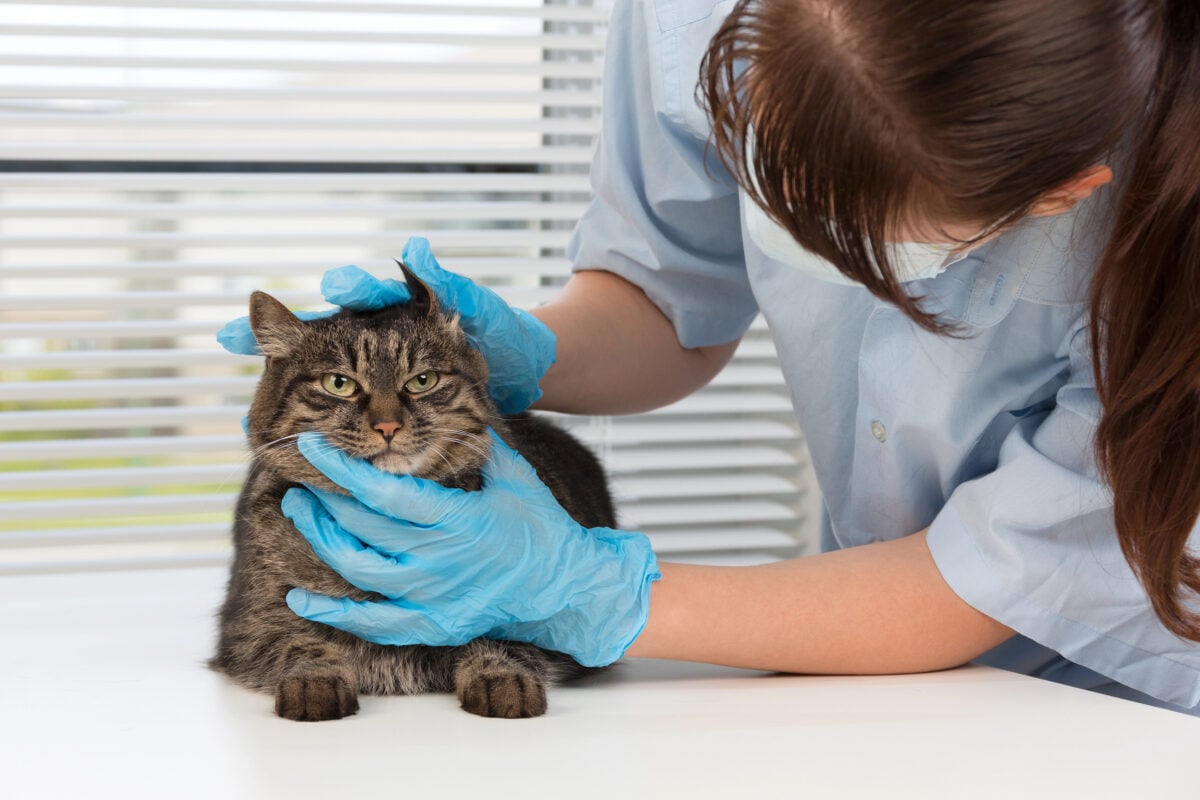
A typical shedding exam includes:
- a full skin and coat inspection
- checking for parasites
- looking for inflammation or infection
- reviewing diet and grooming habits
- checking weight, hydration, and overall health
In many cases, the cause becomes clear right here.
Common Tests Vets May Do
If the exam isn’t enough, your vet might recommend:
- skin scrape (mites, fungal issues)
- fungal culture (ringworm)
- bloodwork (thyroid, allergies, metabolic issues)
- allergy panel
- biopsy (rare, but done for persistent skin problems)
These tests are quick and help narrow things down fast.
Treatments That Actually Help
Depending on the cause, cats often respond well to:
- parasite preventatives
- prescription allergy meds
- medicated shampoos
- dietary changes
- supplements (omegas, probiotics, biotin)
- stress-reduction plans
- treatment for underlying thyroid or hormonal issues
Most shedding problems are very fixable once identified.
Quick Takeaway
If shedding isn’t improving, is getting worse, or is paired with pain or behavior changes, a vet can pinpoint the cause quickly. Most shedding issues are treatable, and the sooner you get answers, the faster your cat feels better.
Up next: Fast answers to the most common shedding questions cat owners Google at 2 a.m.
Frequently Asked Questions
Before I wrap up, here are quick answers to the most common shedding questions cat parents ask (usually while picking fur off their clothes). If I missed yours, ask it in the comments as we’re always happy to help you troubleshoot your cat’s fluffiest mysteries.
Why Do Cats Shed?
Cats shed as part of a natural process. Shedding releases dead skin and hair and helps to spread natural oils throughout the coat. Despite this regular shedding, healthy cats’ coats will still appear thick, shiny, and healthy.
This steady cycle is pivotal to keeping your cat’s skin and coat healthy. The shedding cycle has three phases: anagen, catagen, and telogen. The shedding process occurs during the telogen phase, which is the resting phase, where hairs fall out, and new growth begins.
How Much Shedding Is Too Much for a Cat?
Shedding becomes “too much” when it’s sudden, patchy, irritated, or noticeably different from your cat’s usual pattern. If you see bald spots, skin changes, or increased licking or scratching, it’s worth a vet check.
How Do I Stop My Cat From Shedding So Much?
It is impossible to stop a kitty from shedding or reduce the amount they shed normally. The best thing owners can do is invest in high-quality grooming tools and engage in regular grooming sessions with their feline family members.
Try to do this at least once or twice a week, depending on your kitty’s coat thickness and length. Helping them remove this excess hair will prevent it from building up around your home and keep their skin and coat as healthy as possible.
Do Indoor Cats Shed More Than Outdoor Cats?
Often, yes. Indoor cats live with artificial light and steady temperatures, which disrupt seasonal shedding cycles and cause small amounts of shedding year-round instead of one big seasonal shed.
Cats who are losing hair sporadically may not be receiving enough natural sunlight. Owners should always ensure purr babies can access windows where natural sunlight shines through.
Not only do they love to take a nice afternoon siesta there, but this is also a key component of keeping their coats healthy and their shed cycles normal.
Can Diet Really Affect Shedding?
Absolutely. Cats need high-quality animal protein and omega-3 fatty acids for healthy skin and fur. Poor nutrition often shows up first as:
- dull coat
- flaky skin
- increased shedding
Diet improvements take several weeks to show in the coat.
Should I Be Brushing My Cat More Often?
Probably. Most cats benefit from 1–3 brushing sessions per week, depending on coat length. The right brush reaches the undercoat and removes loose fur before it decorates your home.
Why Is My Cat Shedding a Ton in Spring or Fall?
Those are natural seasonal coat transition periods. Cats shed their winter coat in spring and loosen their summer coat in fall.
Indoor cats may shed smaller amounts throughout the year instead of big seasonal blowouts. The molting season can last from a week or two up to a few months.
Why Does My Cat Shed So Much When I Pet Them?
You’re loosening hairs that were already detached. Dry indoor air or static electricity can make the shedding look even more dramatic.
Can Stress or Anxiety Cause Shedding?
Yes. Cats often over-groom to self-soothe, which creates thinning and extra shedding. Routine changes, new people, new pets, loud noises, boredom, or tension in the home can all trigger stress shedding.
Will Shaving My Cat Reduce Shedding?
No. Shaving removes the hair but does not reduce the amount of hair shed, and it can irritate the skin. Regular brushing is a far better solution. Never shave your cat.
When Is Shedding a Sign of Illness?
When it’s paired with:
- bald patches
- irritated or flaky skin
- vomiting or frequent hairballs
- pain when touched
- lethargy
- sudden coat texture changes
- persistent over-grooming
If anything feels “off” or new, a vet can identify the cause quickly.
Can Supplements Help With Shedding?
Yes, but only certain ones. Omega-3s, biotin, probiotics, and skin-specific blends can support coat health.
Supplements take several weeks to show results.
Simple Tweaks That Can Make Shedding Easier
Even simple tools like air purifiers can reduce airborne dander and make shedding feel far more manageable around your home. The type of cat litter you use also matters, because dusty or heavily scented formulas can irritate skin and lead to more grooming (and more shedding).
Male and female cats may shed differently based on subtle hormonal patterns, especially during seasonal shifts. And while some naturally calm breeds might shed in more predictable patterns and sometimes avoid stress-related shedding, every cat is unique. Understanding their regular habits helps you spot changes early.
Share Your Shedding Shenanigans. Got a cat who sheds enough to knit a whole second cat? Found fur in places your cat has never been? We want to hear it. Drop your funniest, fluffiest, or most “how is this even possible?” shedding stories in the comments.