When you purchase through links on our site, we may earn a commission at no extra cost to you. Learn more.
Is your cat suddenly licking her lips nonstop, swallowing repeatedly, or even drooling?
Table of Contents
At first, it might seem harmless, just a quirky habit or leftover food cleanup. But in many cases, this behavior is your cat’s way of signaling that something is wrong.
From mild nausea to serious dental disease, or even toxin exposure, excessive lip licking can be an early warning sign you shouldn’t ignore.
In this guide, we’ll break down exactly what it means, when it’s normal, and when it’s time to call your vet, before a small issue turns into something serious.
Want our human-written content to rank above AI-generated garbage? Help us out by clicking this button!
Why Do Cats Lick Their Lips?
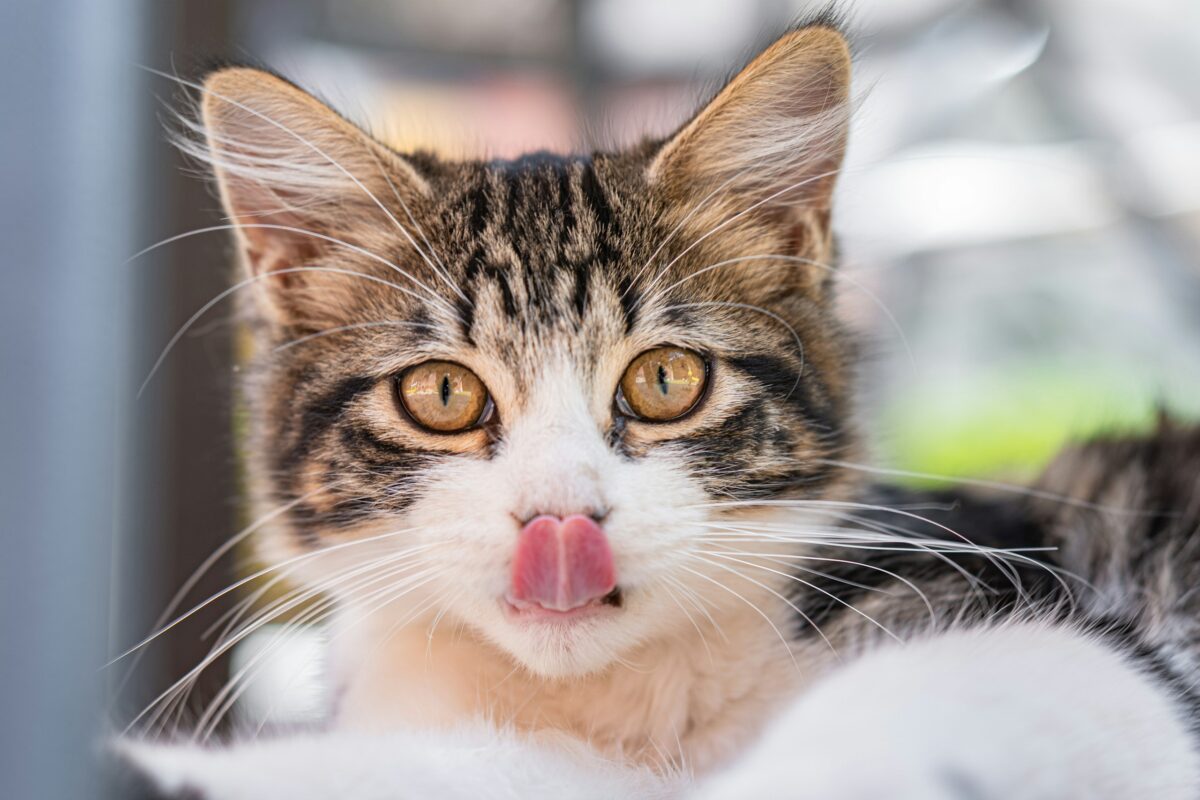
Cats lick their lips to clean their mouths, signal hunger, or respond to irritation, but frequent or sudden lip licking can indicate stress, nausea, or an underlying health issue.
Cats are a little weird. That is part of their charm. One minute, they are staring at a wall as if it owes them money, and the next, they are licking their lips like they just finished a five-course meal.
In many cases, this behavior is completely normal.
After eating, cats will lick their lips to clean up any leftover food stuck on their teeth, gums, or tongue. It is basically their version of wiping their mouth with a napkin.
You might also notice it right before mealtime if your cat knows food is coming. That little lip lick can be a sign of anticipation or hunger. The same thing can happen after drinking water when they are just clearing off the extra droplets.
So yes, some lip licking is just everyday cat behavior.
The video below shows normal cat lip licking behavior:
When Lip Licking Is Not Just a Quirk
But here is where things get interesting.
If your cat starts licking their lips more often than usual, or at random times that have nothing to do with food, it can mean something else is going on. Cats are not great at waving a flag when they feel off. Instead, they do small, subtle things. Lip licking is one of them.
Here are a few signs it might not be normal:
- It happens frequently throughout the day
- It starts suddenly without a clear reason
- Your cat is not eating or seems less interested in food
- You notice drooling or excessive swallowing
- There is gagging, vomiting, or lip smacking
- Your cat seems withdrawn, restless, or “off”
Pay attention to the timing. If it only happens around meals, you are probably in the clear. If it starts happening out of nowhere, keeps repeating, or seems a little obsessive, it is worth taking a closer look.
There are a few reasons this might happen. Sometimes it is behavioral. Cats can get stressed, anxious, or even a bit dramatic when they want attention. Other times, it is physical. Nausea, dental pain, something stuck in the mouth, or even a bad taste can all trigger that constant licking and swallowing.
The tricky part is that cats are experts at hiding discomfort. By the time something looks obviously wrong, it might have been bothering them for a while.
That is why sudden or excessive lip licking should not be brushed off as just another quirky habit. If you notice it happening more often, or paired with things like drooling, not eating, or acting differently, it is a good idea to check in with your veterinarian.
Better to feel a little paranoid than miss something important.
What Vets Say About Cats Licking Their Lips
Still not sure if this is serious? Here’s what veterinarians say.
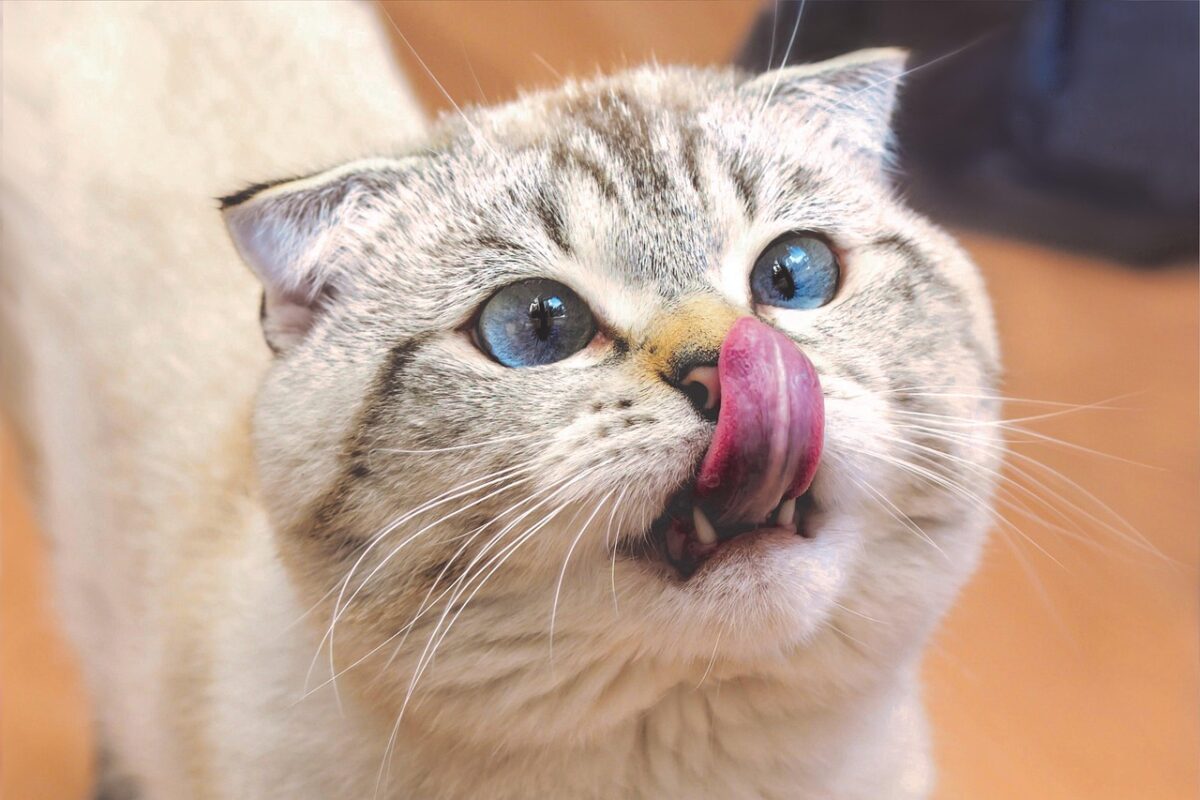
According to veterinarian Dr. Rebecca MacMillan, BVetMed BSAVA PGCertSAM MRCVS, frequent lip licking in cats is often more than just a harmless habit.
“In my experience, cats lick their lips obsessively for a number of reasons, but it usually indicates an underlying problem,” she explains.
A cat might lick or smack their lips if they are feeling nauseous, which may be seen alongside other signs like eating less, drooling, diarrhea, and vomiting. Nausea can occur secondary to many health conditions, including tummy upsets, pancreatitis, kidney disease, and liver problems.
When your cat is in pain or discomfort, they might lick their lips more than usual, too. Common causes include dental disease, as well as injuries to the mouth and tongue. Laryngitis or a foreign body irritating the back of the throat may also cause your cat to lick their lips, which is often seen alongside excessive swallowing or gagging.
– Dr. Rebecca MacMillan, BVetMed BSAVA PGCertSAM MRCVS
Dr. MacMillan’s advice is straightforward. If your cat suddenly starts licking their lips more than usual, do not ignore it.
“There are so many different reasons why your cat might be doing this, so it is important to get them checked over. Some conditions have the potential to be serious if left untreated.”
12 Reasons Your Cat Keeps Licking Their Lips and Swallowing
If your cat is licking their lips a lot and swallowing repeatedly, it is not just a random habit. These two behaviors often go together for a reason.
In many cases, lip licking and swallowing are linked to changes in saliva, discomfort in the mouth, or irritation in the throat. The body produces more saliva, and your cat instinctively tries to manage it by licking and swallowing over and over.
That is why this behavior can range from completely normal to a sign of something more serious.
Behavioral Causes
Not every case of lip licking points to a medical problem. Sometimes the explanation is more mind than body. Cats are creatures of habit, and stress, boredom, or attention-seeking can show up in surprisingly odd little ways. This is something to look into if your cat is otherwise healthy.
1. Attention-Seeking or Learned Behavior
Some cats learn that unusual behaviors get a reaction.
If your cat keeps licking their lips and swallowing mainly when you are around, and stops when distracted, it may be attention-driven.
There are usually no other symptoms in these cases.
2. Stress or Anxiety
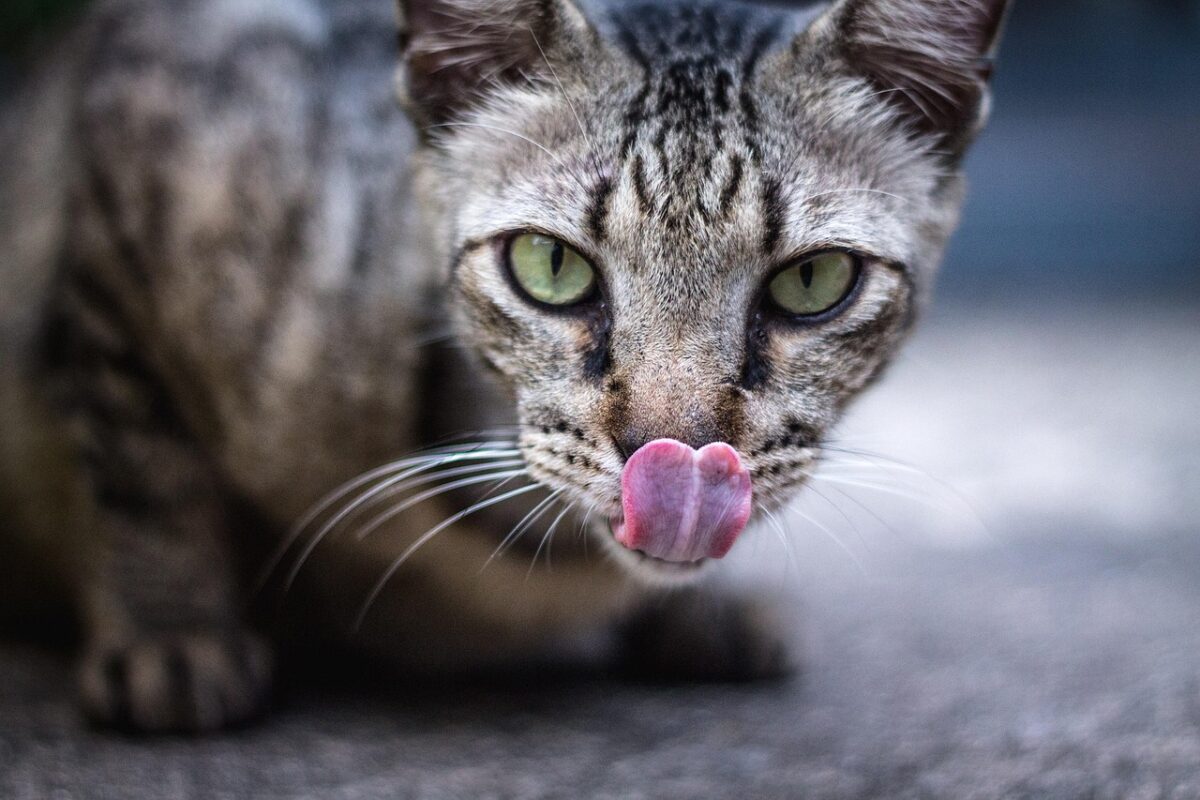
Lip licking and swallowing can also show up as a stress response.
When a cat feels uneasy, they may develop repetitive behaviors that help them self-soothe. This can include subtle actions like licking, swallowing, or lip smacking.
Stress-related triggers can include:
- Changes in routine
- New pets or people in the home
- Loud noises or environmental changes
- Boredom or lack of stimulation
According to the Cornell Feline Health Center, repetitive grooming and oral behaviors in cats are often linked to stress, anxiety, or underlying medical conditions.
Mild to Moderate Medical Causes
When lip licking and swallowing are not tied to behavior, the next place to look is physical discomfort. These causes may not be emergencies, but they can still signal that something is off and make your cat feel pretty miserable.

3. Allergies
Allergies can also make a cat lick their lips and swallow more than usual, especially if the mouth, throat, or airways feel irritated.
Some cats react to food ingredients, while others are more sensitive to environmental triggers like pollen, dust, mold, or household products. In these cases, lip licking may happen because the mouth feels itchy, the throat feels irritated, or excess mucus is causing more frequent swallowing.
You may also notice other signs such as:
- Sneezing
- Watery eyes
- Itchy skin or overgrooming
- Ear irritation
- Mild coughing or throat clearing
Allergies are usually not the first cause people think of, but they can definitely contribute to repeated lip licking and swallowing, especially when the behavior comes and goes with certain foods, seasons, or environmental changes.
4. Nausea and Gastrointestinal Upset
This is one of the most common reasons behind a cat’s excessive lip licking and swallowing.
According to the Merck Veterinary Manual, nausea in cats often leads to increased salivation, which can present as repeated lip licking and swallowing.
When a cat feels nauseous:
- The brain triggers excess saliva production
- The cat repeatedly swallows to clear its throat
- Lip licking follows as part of that cycle
This is why you will often see lip licking, repeated swallowing, and drooling together.
Nausea can also come with reduced appetite, vomiting, or diarrhea, and it may be tied to anything from a mild stomach upset to more serious conditions like kidney disease, liver disease, or pancreatitis.
5. Dental Disease or Oral Discomfort
Dental problems are one of the most overlooked reasons a cat keeps licking their lips and swallowing. Even mild inflammation inside the mouth can change how a cat handles saliva and make normal chewing uncomfortable.

This can include:
- Gingivitis
- Tooth infection
- Resorptive lesions
- Oral ulcers
- Advanced periodontal disease
If chewing hurts, your cat may lick their lips more often, swallow repeatedly, move their tongue around the mouth, eat more slowly, or avoid certain foods altogether. Bad breath, drooling, and subtle changes in appetite can also show up here.
It can be tricky and sometimes seem impossible to brush a cat’s teeth, so it often becomes an overlooked issue, which can rear its head as a severe dental disease later in a cat’s life. Broken teeth, ulcers, gum disease, lesions, and oral infections can all trigger excessive drooling and licking.
6. Xerostomia (Dry Mouth)
It might sound backward, but a dry mouth can also cause repeated licking and swallowing.
When saliva production drops, cats try to compensate by licking to moisten the mouth and swallowing more frequently. This can be linked to dehydration, lack of appetite, chronic illness, medication side effects, or kidney problems, especially in older cats.
7. Upper Respiratory or Throat Irritation
If something is irritating the throat or nasal passages, your cat may feel the need to swallow more often.
This can create a pattern of:
- Lip licking
- Frequent swallowing
- Occasional gagging
- Noisy breathing or sneezing
In these cases, swallowing is not always about saliva. It can also be your cat trying to clear irritation or post-nasal drainage.
Higher Risk and Clinical Causes
Now we are getting into the causes that call for a closer look and, in some cases, a quicker trip to the vet. If your cat keeps licking their lips and swallowing, this is where concern starts to climb.

8. Oral Injury or Trauma
Any injury inside the mouth can trigger a strong saliva response.
The result is a cycle of pain, increased saliva, licking, and swallowing. Even small cuts, burns, or abrasions can cause noticeable changes in behavior.
9. Foreign Object in the Mouth or Throat
If your cat suddenly starts licking their lips excessively and swallowing, this is one of the first things to consider.
Objects like string, grass, or small bone fragments can get stuck and cause:
- Repeated swallowing
- Gagging
- Pawing at the mouth
- Persistent lip licking
This often needs prompt veterinary attention.
10. Toxin Exposure or Bad Taste
If your cat gets into something unpleasant or toxic, the reaction is often immediate.
The ASPCA Animal Poison Control Center warns that sudden drooling, lip licking, and repeated swallowing can be early signs of toxin exposure in cats.
You may see:
- Sudden excessive lip licking
- Repeated swallowing
- Drooling
- Pawing at the mouth
This is your cat trying to clear the taste or irritation and should always be treated as a potential emergency.
11. Ptyalism
Ptyalism refers to abnormal saliva production or difficulty swallowing normal saliva.
This creates a constant need to lick, swallow, and clear the mouth. It can be caused by salivary gland issues, oral disease, or neurological problems.
12. Systemic Disease
In more serious cases, cat licking lips excessively and swallowing can be a secondary symptom of systemic illness.
Conditions like kidney disease, liver disease, and pancreatitis can cause ongoing nausea or toxin buildup in the body. That, in turn, can lead to chronic lip licking, frequent swallowing, and changes in appetite or behavior.
Why Licking and Swallowing Happen Together
In most cases, these two behaviors are connected by one simple factor: saliva.
- Too much saliva can trigger licking and swallowing
- Pain or irritation can trigger licking and swallowing
- Nausea can trigger licking and swallowing
That pairing is what makes this behavior especially important to pay attention to.
Quick Reality Check
- Occasional lip licking around meals is normal
- A cat licking its lips a lot and swallowing repeatedly is a signal
- Sudden excessive lip licking should never be ignored if other symptoms are present
And with cats, signals are rarely accidental.
Some owners may want to look into pet insurance, as it may help cover the treatment of some of these health and dental conditions.
When to Call the Vet Immediately
If your cat is licking their lips a lot and swallowing occasionally, it may not be serious. But when the behavior becomes frequent, intense, or paired with other symptoms, it can signal something that needs medical attention.
The American Veterinary Medical Association advises that sudden changes in behavior, including excessive licking or swallowing, should always be evaluated by a veterinarian.

Cats are very good at hiding illness, so by the time you notice something is off, it is worth paying attention.
You should contact your veterinarian as soon as possible if you notice any of the following:
- Frequent or constant lip licking and repeated swallowing throughout the day
- Drooling or excessive saliva that is not typical for your cat
- Refusing to eat or a sudden loss of appetite
- Vomiting, gagging, or signs of nausea
- Pawing at the mouth or face
- Bad breath or signs of dental pain
- Lethargy or unusual behavior changes
- Noisy breathing, coughing, or difficulty swallowing
Seek Emergency Care Right Away If You Notice:
- Sudden onset of excessive lip licking and swallowing
- Signs your cat may have ingested something toxic
- Continuous drooling combined with distress
- Gagging, choking, or difficulty breathing
- Collapse, weakness, or disorientation
These symptoms can point to serious issues like toxin exposure, airway obstruction, severe dental infection, or systemic illness.
If your cat keeps licking their lips and swallowing, and something feels off, trust your instincts. You know your cat better than anyone, and small changes can be the first clue that something is wrong.
My Cat Keeps Licking Their Lips and Swallowing. What Should I Do?
If your cat keeps licking their lips and swallowing, it is tempting to focus on the behavior itself and wonder how to make it stop. But lip licking is usually not the actual problem. It is a clue.
In other words, your cat is not being dramatic just for fun. Usually.
The real question is not how to stop the licking. It is what is causing it in the first place.
Should You Try to Stop Your Cat From Licking Their Lips?
Not really. Lip licking and swallowing are natural responses to something your cat is feeling, whether that is hunger, nausea, stress, mouth pain, or throat irritation.
Trying to stop the behavior without understanding the cause is a bit like silencing a smoke alarm while the toast is still burning. You may quiet the signal, but you have not dealt with the reason it started.
What you want to do instead is step back, observe, and look for patterns.
Step 1: Check for Anything Obvious
Start with a quick, careful once-over.
Look for:
- swelling around the mouth or face
- drooling or a bad smell from the mouth
- signs of dental pain
- something stuck in the mouth
- chewed cords, plants, or anything suspicious nearby
Also, pay attention to whether your cat is eating, drinking, and acting like their usual self.
This matters because repeated lip licking and swallowing can sometimes be triggered by something fairly simple, like irritation in the mouth, or something more urgent, like toxin exposure or an injury.
Step 2: Look at When It Happens
Timing tells you a lot.
If it only happens:
- right before meals
- right after eating
- after drinking water
Then it may be perfectly normal.
If it happens:
- suddenly
- over and over throughout the day
- along with drooling, gagging, or not eating
That is more concerning.
A cat that keeps licking their lips and swallowing outside normal mealtimes is often reacting to nausea, oral discomfort, excess saliva, or irritation in the throat.
Step 3: Try a Few Simple Fixes If Your Cat Seems Fine Otherwise
If your cat seems bright, comfortable, and otherwise normal, you can try a few easy things first.
- Offer fresh water
- Make sure food is available in case they are hungry
- Try a toy or a distraction
- Reduce stress in the environment if something has changed recently
Sometimes the explanation is simple. A hungry cat, a mildly stressed cat, and a cat with a weird taste in their mouth can all look surprisingly similar for a minute.
What you do not want to do is keep watching the behavior for days if it is becoming frequent or starting to accompany other symptoms.
Step 4: Know When It Is Time to Call the Vet
If the lip licking keeps happening, gets more intense, or is paired with anything else unusual, it is time to stop guessing and call your veterinarian.
What About Lip Smacking and Drooling?
Lip smacking and drooling can show up alongside lip licking and swallowing, and they usually make the picture more concerning.

Lip smacking can sometimes be tied to stress or displacement behavior, but it is also commonly associated with nausea or mouth discomfort. Drooling is even more important to notice because healthy cats are not usually big droolers.
If your cat is drooling and licking their lips at the same time, possible causes include:
- dental disease
- oral injury
- nausea
- toxin exposure
- difficulty swallowing
- something stuck in the mouth or throat
Excessive drooling in cats is not typical and often points to pain, irritation, or illness.
Bottom Line
If your cat licks their lips once in a while, especially around meals, that is usually normal.
If your cat keeps licking their lips and swallowing repeatedly, especially if it starts suddenly or comes with drooling, appetite changes, gagging, or lethargy, it is worth taking seriously.
Cats are subtle creatures. They do not usually make a fuss unless they have a reason.
Frequently Asked Questions
Cats do a lot of strange things, but lip licking and swallowing tend to raise more questions than most. Here are quick, direct answers to the things cat owners look up most.
If you still have questions, feel free to drop them in the comments.
How often is too much lip licking in cats?
There is no exact way to measure this, but if your cat is licking their lips and swallowing repeatedly throughout the day, especially outside of mealtimes, it is no longer considered normal.
A good rule is this: if you are noticing it enough to question it, it is worth paying attention to.
Why does my cat lick their lips randomly?
Random lip licking usually means it is not tied to food, which makes it more likely to be caused by nausea, oral discomfort, or throat irritation.
If it happens occasionally, it may not mean much. If it keeps happening without a clear trigger, it is worth investigating.
Why is my cat licking their lips but not drooling?
Not all cats drool when something is wrong.
Lip licking and swallowing without drooling can still be linked to:
- mild nausea
- early dental issues
- throat irritation
- stress
Drooling just tends to show up in more advanced or severe cases.
How long should I wait before calling the vet?
If the behavior lasts more than 24 to 48 hours, is getting worse, or is paired with other symptoms like not eating, vomiting, or lethargy, it is best to call your vet.
If it starts suddenly and seems intense, you do not need to wait at all.
Why does my cat lick their lips after eating?
This is usually normal.
Cats often lick their lips after eating to clean their mouth and remove leftover food. You may also see swallowing right after meals for the same reason.
It only becomes a concern if it continues long after eating or becomes repetitive.
Can dehydration cause lip licking and swallowing?
A dry mouth can make cats lick their lips more often and swallow repeatedly to compensate.
This is more common in older cats or those with underlying health issues.
Is lip licking always a sign of nausea?
It is not, but nausea is one of the most common causes.
Lip licking and swallowing are often early signs of nausea, especially if followed by drooling or vomiting. However, dental disease, throat irritation, and stress can cause similar behavior.
Why does my cat only do this at night?
Nighttime lip licking and swallowing can be linked to:
- hunger or feeding schedule
- increased awareness of discomfort when resting
- nausea, which can feel worse on an empty stomach
If it happens consistently at night, it is worth tracking patterns and discussing with your vet.
Can this behavior go away on its own?
If the cause is minor, such as temporary stress, mild stomach upset, or a bad taste, it may resolve on its own.
However, if your cat keeps licking their lips and swallowing for more than a day or two, or the behavior becomes frequent, it should not be ignored.
What Your Cat’s Behavior Is Really Telling You
Living with a cat means learning to read a language that is mostly silent.
Cats rarely make it obvious when something is wrong. Instead, they rely on small changes. A little more licking than usual. Eating less. Acting unusually clingy or suddenly distant. These subtle shifts are often your only clues.
The challenge is that cats are experts at hiding pain. What looks like a harmless quirk can sometimes be their way of coping with discomfort.
Behaviors like excessive licking, appetite changes, or acting “off” are worth paying attention to. Even something as simple as lip licking and swallowing more often can be a signal. The same goes for cats becoming overly clingy, suddenly hissing, or showing stress through pulling out their fur.
Sometimes the signs are broader, like the subtle warning signs your cat is crying for help, or even behaviors that seem like simple, annoying habits but may have an underlying cause.
Cats may seem unpredictable, but their behavior is not random. It is how they communicate.
Has Your Cat Been Licking Their Lips and Swallowing?
Noticed your cat doing this and wondering what is going on? Many cats pick up this habit for different reasons. Drop a comment below and tell me what you are seeing with your cat. I would love to hear what is going on.