When you purchase through links on our site, we may earn a commission at no extra cost to you. Learn more.
We’ve all judged a cat by its cover.
Table of Contents
Some cats have the kind of face that says, “I expect room service at precisely 6:00 p.m.” Others look like they’d spend half the day demanding to be brushed like royalty. But appearances can be wonderfully misleading.
Some of the breeds people assume are the most high-maintenance are surprisingly easy to live with. Whether you’re looking for your next cat or just wondering if your own feline has an undeserved reputation, these breeds might surprise you.
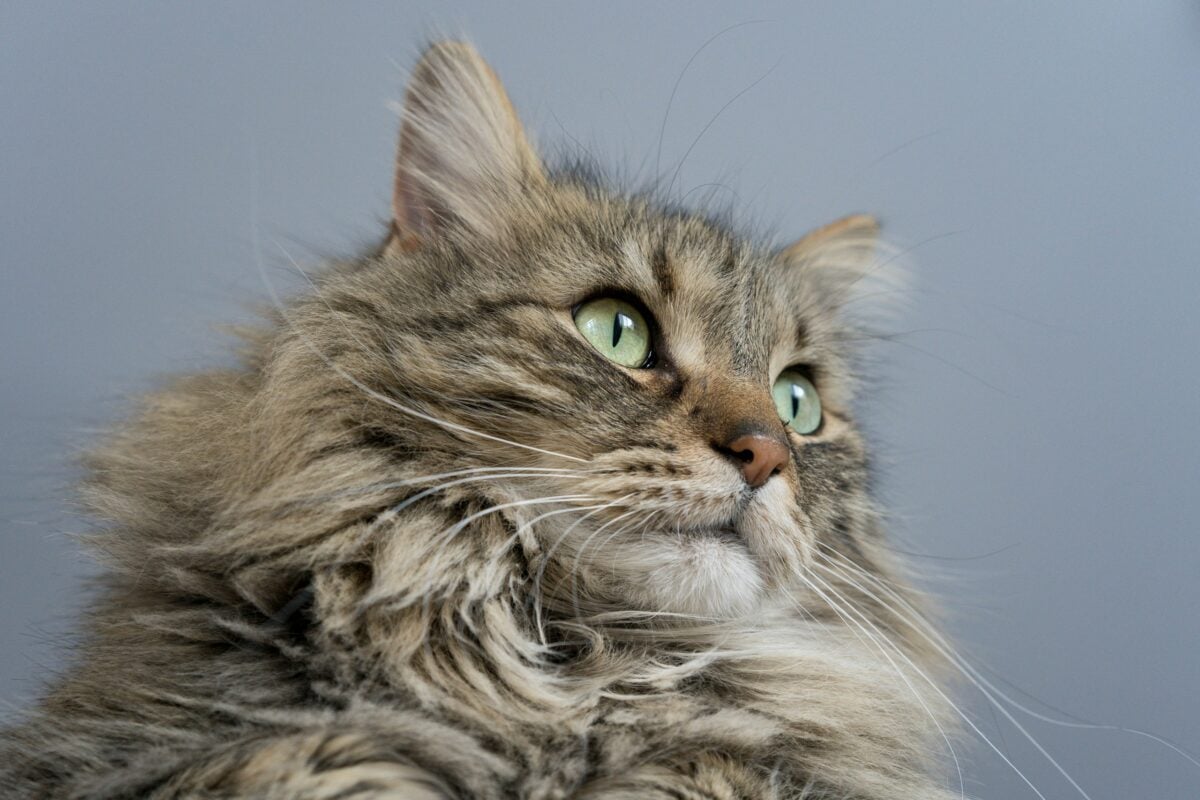
Looks Can Be Deceiving: What Actually Makes A Cat High-Maintenance?
It’s easy to assume the fluffiest cat in the room is automatically the most work. Sometimes that’s true, but not nearly as often as people think.
Want our human-written content to rank above AI-generated garbage? Help us out by clicking this button!
A cat’s coat is only one piece of the puzzle.
Daily life with any breed is shaped by a combination of grooming needs, personality, energy level, health concerns, and how much attention they expect from their humans.
For example, a long-haired cat with a silky, low-matting coat may actually be easier to care for than a short-haired cat that craves constant interaction or needs ongoing medical care.
Here’s a quick look at how appearances and reality don’t always match.
| People Assume | Reality |
|---|---|
| Long fur = constant brushing | Coat texture often matters more than coat length. |
| Big cats are harder to care for | Many large breeds are surprisingly laid-back and adaptable. |
| Expensive breeds require more work | Price doesn’t always reflect day-to-day maintenance. |
| Short-haired cats are always easier | Personality, health, and social needs can require more effort than grooming. |
That’s why you’ll find several long-haired breeds on this list. While they all benefit from regular brushing, many are much easier to live with than their glamorous appearance suggests.
You’ll also meet a few short-haired cats that prove “low-maintenance” has very little to do with fur length.
10 Cat Breeds That Aren’t As High-Maintenance As They Seem
Now for the fun part.
These breeds are often judged by their luxurious coats, impressive size, or elegant appearance, but there’s more to the story. While none of them are completely maintenance-free, they may be much easier to live with than their reputation suggests.
1. Maine Coon: The Gentle Giant With Surprisingly Easy Fur
If you asked someone to picture a high-maintenance cat, there’s a good chance they’d describe a Maine Coon without even realizing it.
They’re enormous, covered in shaggy fur, and have fluffy tails that could double as feather dusters. On looks alone, they practically scream, “Hope you enjoy brushing.”

Thankfully, appearances can be wonderfully misleading.
Unlike many long-haired breeds, the Maine Coon’s coat has a silky texture that naturally resists tangles and mats.
That means most owners can keep it looking its best with a thorough brushing once or twice a week, although you’ll probably reach for the brush more often during spring and fall shedding seasons.
Their personality is just as refreshing. Maine Coons are known for being friendly, adaptable, and easygoing.
They love being part of family life but usually aren’t clingy or demanding, making them a surprisingly relaxed companion for such an impressive-looking cat.
At A Glance
- Personality: Gentle, affectionate, playful, and adaptable.
- Grooming: A thorough brushing once or twice a week is usually enough, with extra sessions during seasonal shedding.
- Health: Generally hardy, though reputable breeders should screen for inherited conditions like hypertrophic cardiomyopathy (HCM) and hip dysplasia.
- Best for: Families or individuals who want a large, social cat without spending every day untangling fur.
2. Norwegian Forest Cat: Built For Harsh Winters, Not Constant Brushing
The Norwegian Forest Cat looks like it stepped straight out of a Scandinavian fairy tale. With its thick double coat, bushy tail, and rugged appearance, it’s easy to imagine spending hours every week trying to keep all that fur under control.
Ironically, their coat was never meant to be high-maintenance.

Developed to survive Norway’s cold, wet climate, the Norwegian Forest Cat has a water-resistant outer coat that helps repel dirt and moisture while reducing tangles.
Their dense undercoat provides insulation, but the overall coat is surprisingly practical. Most owners find that brushing once or twice a week keeps it looking healthy for much of the year.
The biggest exception comes in the spring, when they shed much of their winter coat. During those seasonal coat “blowouts,” you’ll probably spend more time brushing — and you’ll definitely find more fur around the house.
The rest of the year, however, they’re often easier to groom than their majestic appearance suggests.
At A Glance
- Personality: Independent enough to entertain themselves but affectionate with their families.
- Grooming: Weekly brushing is usually enough, with more frequent grooming during seasonal sheds.
- Health: Generally healthy, though responsible breeders screen for inherited conditions such as hypertrophic cardiomyopathy (HCM) and glycogen storage disease type IV (GSD IV).
- Best for: Anyone who wants a rugged, outdoorsy-looking cat without committing to daily brushing.
3. Siberian: The Fluffy Cat That Defies Expectations
If there were an award for “Looks Like the Most Work,” the Siberian would be a serious contender. Their thick triple coat gives them the appearance of a cat that should require daily brushing just to keep up.
Surprisingly, many owners find the opposite.
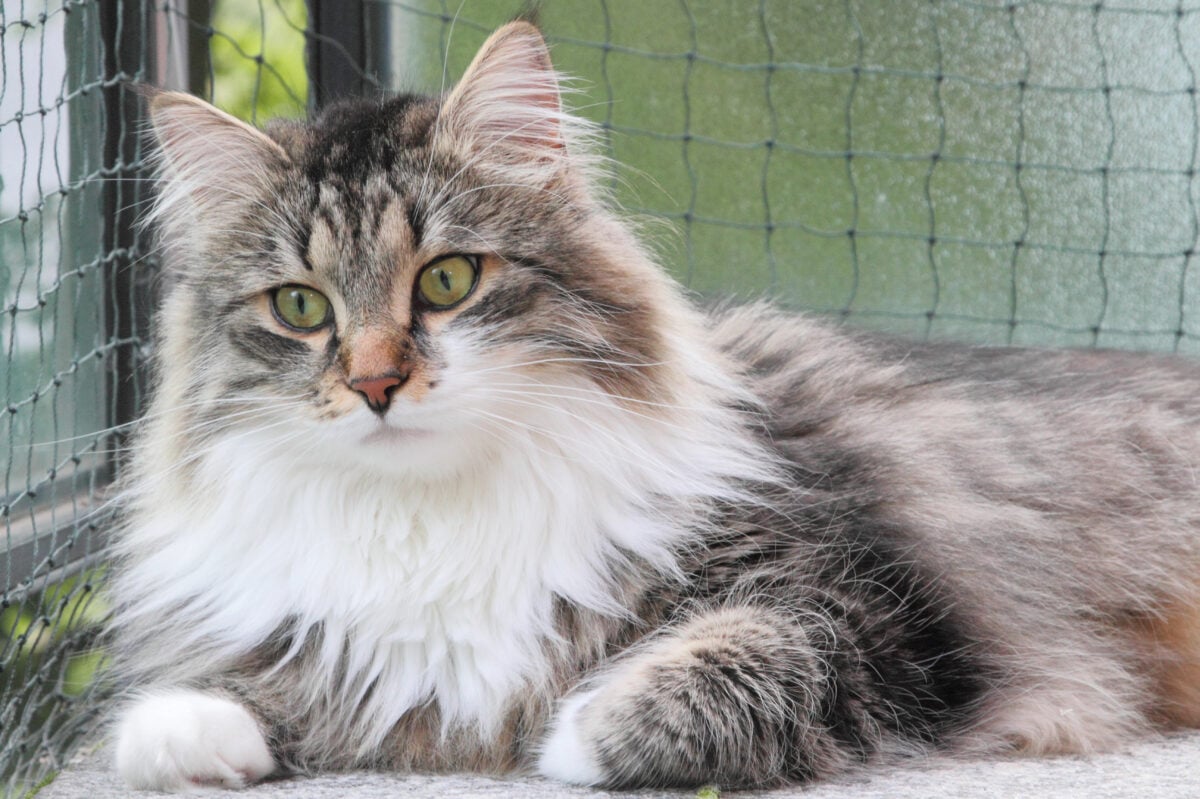
Although Siberians have plenty of fur, their coat is naturally resistant to tangles and mats. Outside of seasonal shedding, brushing once or twice a week is often enough to keep it healthy and looking its best.
They do “blow” their coat in the spring and fall, so expect extra brushing — and plenty of tumbleweeds of fur — for a few weeks each year.
Siberians are also known for their friendly, playful personalities. They’re curious without being overwhelming, affectionate without constantly demanding attention, and tend to fit well into a variety of households.
At A Glance
- Personality: Friendly, playful, intelligent, and adaptable.
- Grooming: Weekly brushing is usually sufficient, with more frequent grooming during seasonal sheds.
- Health: Generally a robust breed, though reputable breeders should screen for hypertrophic cardiomyopathy (HCM).
- Best For: Families looking for a fluffy, active companion that’s easier to groom than its impressive coat suggests.
4. Ragdoll: More Relaxed Than Refined
With their striking blue eyes, silky coat, and elegant appearance, Ragdolls look like the kind of cats that belong on velvet pillows instead of chasing toy mice across the living room. They certainly have the looks of a pampered show cat.
Fortunately, they don’t usually act like one.
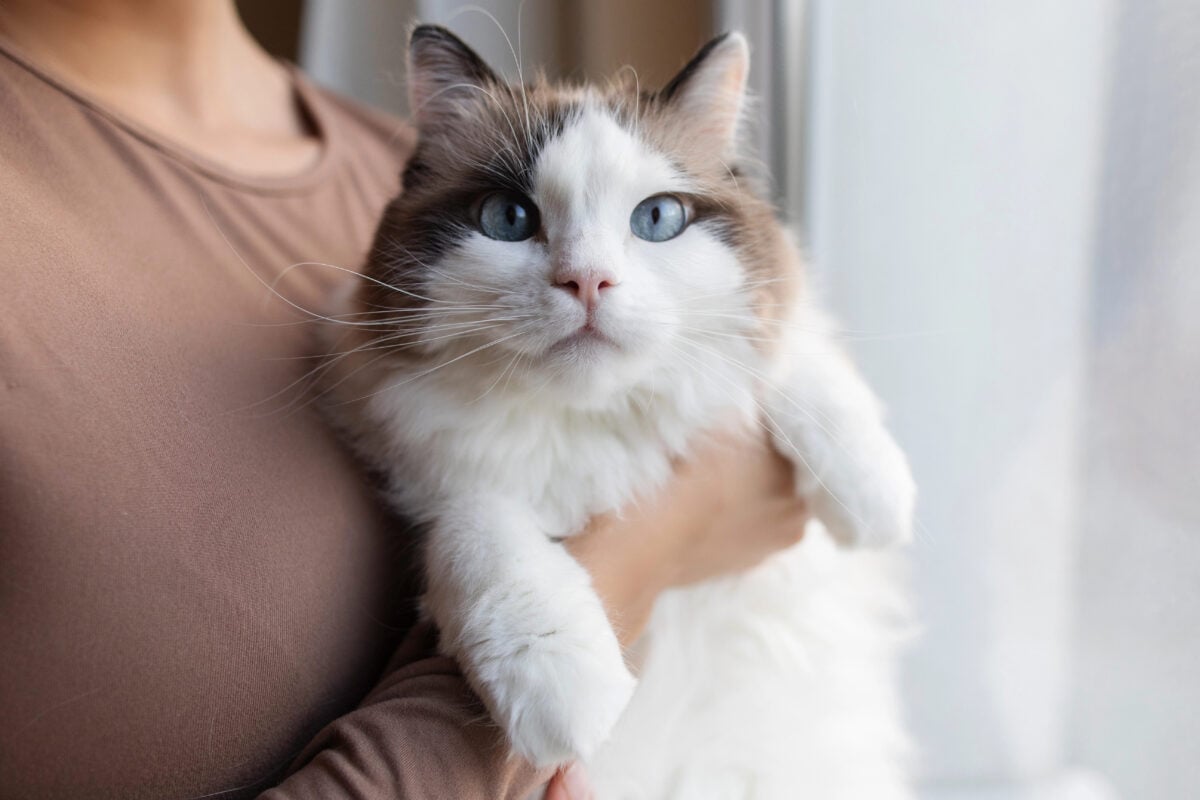
Ragdolls are famous for their calm, affectionate personalities. Many happily greet their people at the door, follow them from room to room, and are just as content lounging beside you as they are joining in on playtime.
Their silky coat is also less prone to matting than many people expect, so regular weekly brushing is often enough to keep it looking beautiful.
The biggest commitment with a Ragdoll isn’t usually grooming — it’s making room on your couch. These social cats thrive on companionship and generally prefer being part of whatever their family is doing.
At A Glance
- Personality: Gentle, affectionate, easygoing, and highly people-oriented.
- Grooming: Weekly brushing is usually enough to keep their silky coat in good condition.
- Health: Responsible breeders should screen for hypertrophic cardiomyopathy (HCM), and because Ragdolls mature slowly and can become quite large, maintaining a healthy weight is important.
- Best For: Families or individuals looking for a calm, affectionate indoor companion that loves spending time with its people.
5. Birman: Elegant Without Being Excessive
With their silky coat, bright blue eyes, and distinctive white “gloves” on each paw, Birmans have an unmistakably elegant look.
They’re the kind of cat that seems like it should come with an extensive grooming routine and a long list of special requirements.
In reality, they’re refreshingly uncomplicated.
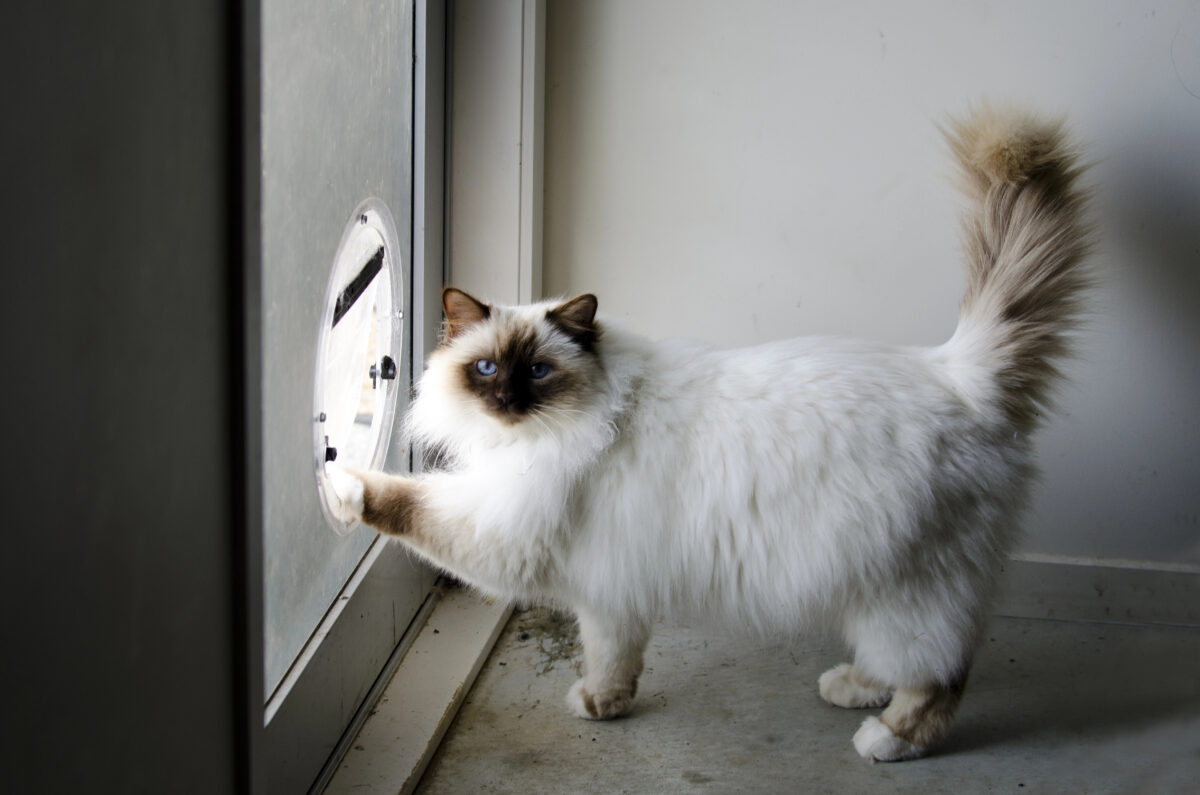
Unlike many long-haired breeds, Birmans have a single coat rather than a dense double coat, which means their fur is less likely to mat or tangle. A good brushing once or twice a week is usually enough to keep their coat soft and looking its best.
Their personality is just as appealing. Birmans are known for being sweet, affectionate, and adaptable.
They enjoy spending time with their families but are generally less demanding than some other people-oriented breeds, making them an easy fit in many households.
At A Glance
- Personality: Gentle, affectionate, adaptable, and sociable without being overly demanding.
- Grooming: Weekly brushing is typically enough thanks to their silky, single-layer coat.
- Health: Generally healthy, though responsible breeders screen for inherited conditions and routine preventive care remains important.
- Best For: Anyone who loves the look of a long-haired cat but wants a breed with relatively simple grooming needs.
6. British Shorthair: Proof That Low-Maintenance Isn’t Just About Fur
At first glance, the British Shorthair almost seems out of place on this list. With its plush teddy bear coat and round face, it doesn’t look nearly as dramatic as a Maine Coon or Siberian.
But that’s exactly why it’s here.

Their dense, velvety coat is surprisingly easy to care for and usually needs nothing more than a weekly brushing to remove loose hair. Instead, the bigger challenge with this breed is often keeping them active.
British Shorthairs are famously laid-back, and while that easygoing personality is part of their charm, it can also make them more prone to weight gain if they spend too much time lounging.
Fortunately, that doesn’t mean they need marathon play sessions. A few interactive play periods each day, along with portion control and regular veterinary checkups, usually go a long way toward keeping them healthy.
At A Glance
- Personality: Calm, independent, affectionate, and easygoing.
- Grooming: Their plush short coat is easy to maintain with weekly brushing.
- Health: Generally healthy, but maintaining a healthy weight is important. Responsible breeders should also screen for inherited conditions such as hypertrophic cardiomyopathy (HCM).
- Best For: People looking for a relaxed, low-drama companion that doesn’t require extensive grooming.
7. Russian Blue: Elegant Doesn’t Have To Mean High-Maintenance
There’s something effortlessly sophisticated about a Russian Blue. Their shimmering blue-gray coat, vivid green eyes, and graceful build give them the appearance of a cat that should have impossibly high standards.
Thankfully, they’re much less demanding than they look.
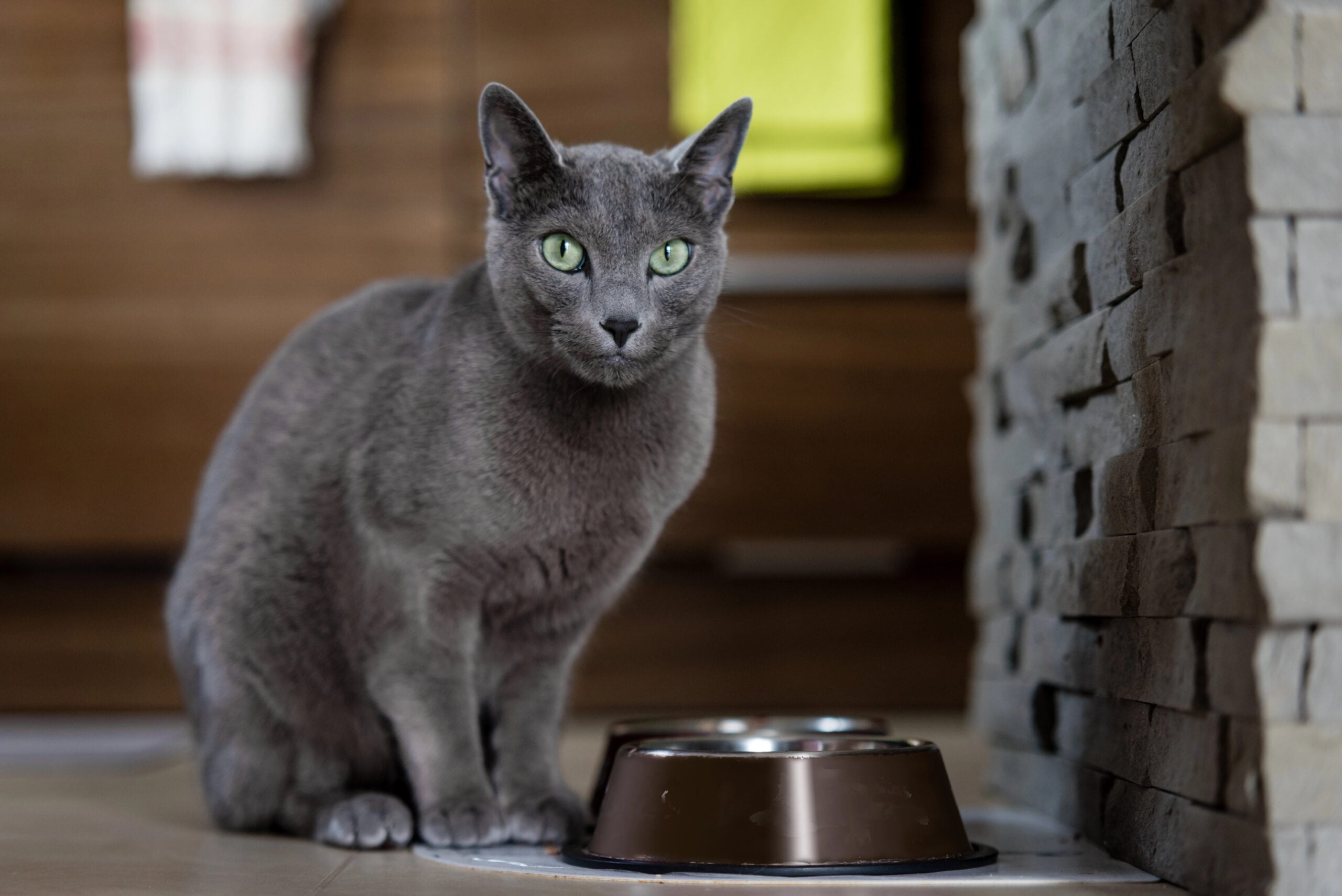
Russian Blues have a dense, plush double coat, but because it’s short and naturally tidy, it requires very little upkeep beyond a weekly brushing.
They also tend to be fastidious self-groomers, helping keep their coats in excellent condition with surprisingly little effort from their humans.
Where Russian Blues really shine is their predictability. They often thrive on routine, appreciate a calm home, and don’t usually demand constant entertainment or attention.
Once they feel secure, they’re affectionate with their families while still being perfectly content enjoying a little quiet time on their own.
At A Glance
- Personality: Intelligent, loyal, gentle, and happiest with a predictable routine.
- Grooming: Their plush short coat is easy to maintain with a weekly brushing.
- Health: Generally a healthy breed, though responsible breeders should screen for inherited conditions and routine preventive care remains important.
- Best For: People looking for a quiet, affectionate companion that requires minimal grooming and enjoys a peaceful home.
8. Burmese: The Breed That Proves It’s Not All About Grooming
If you’ve been keeping score, you might have noticed a pattern: many of the breeds on this list have long coats that aren’t nearly as difficult to maintain as they appear.
The Burmese flips that idea on its head.

With their sleek, satin-like coat, Burmese cats are incredibly easy to groom. A quick weekly brushing is usually enough to remove loose hair and keep their coat looking shiny. If grooming were the only measure of maintenance, they’d rank near the top of the list.
But living with a Burmese isn’t really about brushing.
These cats are famously social, curious, and deeply attached to their people. Many enjoy following their favorite human from room to room, supervising household chores, and being involved in just about everything that’s happening.
While they aren’t usually as independent as some breeds, their desire for companionship is also one of the reasons people fall in love with them.
At A Glance
- Personality: Outgoing, playful, affectionate, and highly people-oriented.
- Grooming: Their short, silky coat needs very little maintenance beyond a weekly brushing.
- Health: Generally healthy, though responsible breeders should screen for inherited conditions such as hypokalemia and craniofacial defects, along with providing routine preventive veterinary care.
- Best For: People who want an interactive companion and spend plenty of time at home.
9. Exotic Shorthair: The Persian’s Easier-Going Cousin
If you’ve ever admired a Persian but hesitated because of the daily brushing, meet the breed that offers a happy compromise.
The Exotic Shorthair (also called “the lazy man’s Persian”) shares many of the Persian’s lovable qualities — its round, flat face, stocky build, and calm, affectionate personality — but swaps the long, flowing coat for a short, dense one that’s much easier to maintain.

That doesn’t mean grooming disappears altogether. Weekly brushing helps remove loose hair and keeps their plush coat looking its best, but you’re far less likely to spend your evenings working through tangles or mats.
The biggest thing to remember has nothing to do with the fur. Like Persians, Exotic Shorthairs have a flat (brachycephalic) face, which can make them more prone to breathing, eye, and dental problems.
While their coat may be lower maintenance, they still benefit from regular veterinary care and responsible breeding.
At A Glance
- Personality: Calm, affectionate, gentle, and content to relax with their favorite people.
- Grooming: Their short, plush coat is much easier to maintain than a Persian’s, with weekly brushing usually being enough.
- Health: Their brachycephalic facial structure can increase the risk of breathing, eye, and dental issues, making routine veterinary care especially important.
- Best For: People who love the Persian look but prefer a much simpler grooming routine.
10. Persian: The Exception That Proves The Rule
After spending this article busting myths, it’s only fair to admit that Persians have earned much of their high-maintenance reputation.
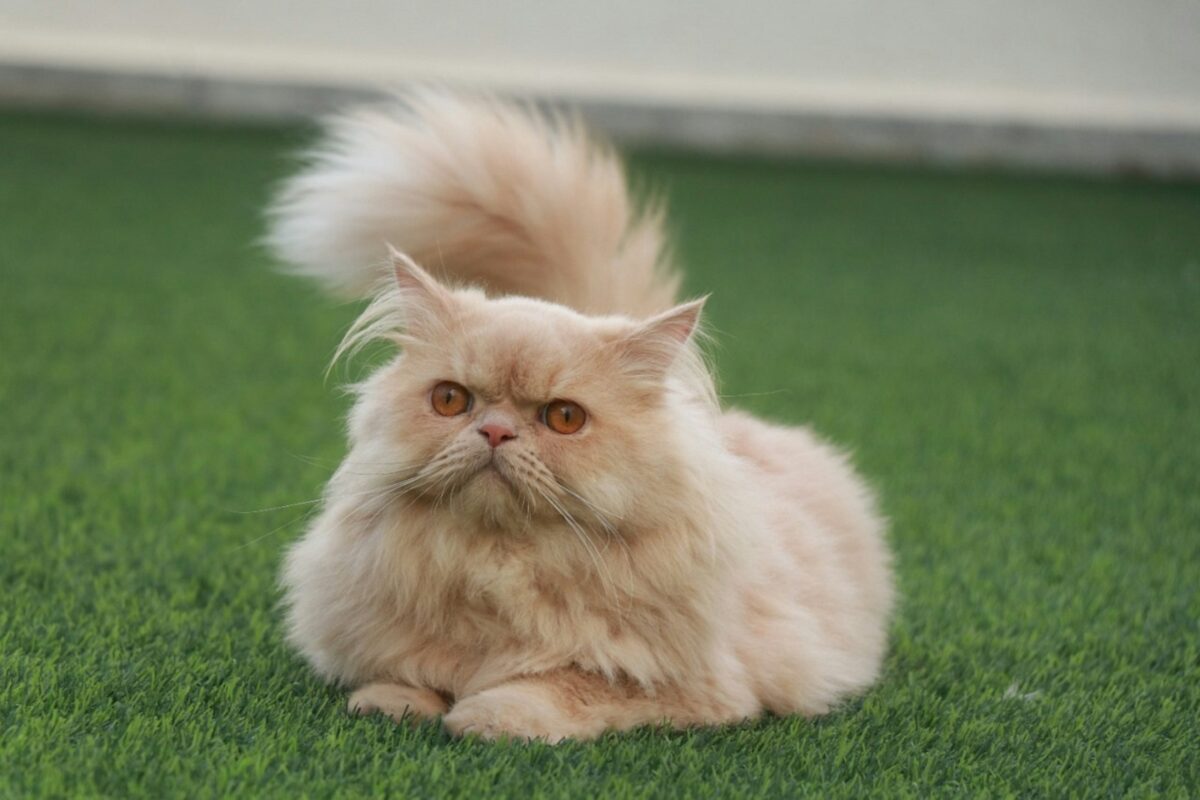
Their long, luxurious coat is beautiful, but it also requires regular attention to prevent mats and tangles. For many Persians, daily brushing is the easiest way to keep their coat healthy and comfortable.
Their flat (brachycephalic) face can also bring additional responsibilities. Depending on the individual cat, owners may need to wipe away tear staining, stay on top of dental care, and work closely with their veterinarian to monitor breathing or eye problems.
Even with the extra work, Persians remain one of the world’s most beloved cat breeds.
Their calm, affectionate personalities and laid-back nature make them wonderful companions for people who don’t mind spending a little more time on grooming and routine care. For the right owner, it’s a trade-off that’s well worth making.
At A Glance
- Personality: Quiet, gentle, affectionate, and happiest in a calm home.
- Grooming: Daily brushing is usually needed to keep their long coat free of mats and tangles.
- Health: Their brachycephalic facial structure can increase the risk of breathing, eye, and dental problems, making preventive veterinary care especially important.
- Best For: People who don’t mind a more involved grooming routine in exchange for a calm, devoted companion.
So, Why Are So Many Long-Haired Cats Surprisingly Easy To Groom?
After reading about several fluffy breeds, you may be wondering how so many of them ended up on this list.
The answer has less to do with how much fur a cat has and more to do with the type of coat they’re wearing.
Some long-haired breeds have silky coats that naturally resist tangles, while others have cottony coats that mat much more easily. Just as important is whether a cat has a single, double, or triple coat, since each type sheds and behaves a little differently.
Here’s a quick comparison:
| Coat Type | What It’s Like | Typical Grooming Needs |
|---|---|---|
| Single coat | Less dense with no thick undercoat | Usually the easiest to brush and less likely to mat |
| Double coat | Soft undercoat beneath a protective outer coat | Weekly brushing, plus extra grooming during seasonal shedding |
| Triple coat | Dense undercoat with multiple protective layers | Surprisingly manageable if the coat resists tangles, but heavier seasonal shedding is common |
| Silky texture | Smooth hair that slides apart easily | Less prone to mats and knots |
| Cottony texture | Fine, fluffy hair that catches on itself | More likely to mat and often needs more frequent brushing |
That’s why a giant, fluffy Maine Coon or Norwegian Forest Cat may require less grooming than you’d expect, while another long-haired breed with a softer, cottonier coat could demand much more maintenance. When it comes to grooming, texture often beats length.
Grooming Isn’t Always The Hard Part
One of the biggest surprises when choosing a cat is that the coat isn’t always the most demanding part of ownership.
Brushing may be the first thing people think about, but long-term care often has much more to do with keeping your cat healthy, active, and mentally engaged.
True maintenance often includes:
- Dental care: Regular dental cleanings and at-home care can help prevent painful gum disease and tooth loss.
- Weight management: Even low-energy cats need portion control and regular play to avoid obesity.
- Enrichment: Puzzle feeders, climbing trees, wall stairs, cat tunnels, and interactive toys help prevent boredom and encourage natural behaviors.
- Mental stimulation: Curious, intelligent cats thrive when they have opportunities to explore, play, and interact with their families.
- Preventive veterinary care: Routine wellness exams, vaccinations, and parasite prevention can catch problems before they become serious.
The takeaway? A cat that needs a little more brushing isn’t necessarily more work overall. When you’re deciding which breed is right for you, think about the complete picture, not just how much fur ends up on your couch.
Don’t Forget About Veterinary Costs
While routine veterinary care is part of owning any cat, unexpected accidents and illnesses can happen to any breed.
Although no pet insurance plan covers every expense, the right policy can help reduce the financial impact of costly, unexpected veterinary bills, giving you more peace of mind if your cat ever needs emergency or specialized treatment.
Thinking about pet insurance? Check out our guide to the best pet insurance for cats to compare providers and coverage options before you need them.
Which Breed Fits Your Lifestyle?
There’s no such thing as the “perfect” cat — only the breed that’s the best match for your home, routine, and expectations. If you’re still deciding, here’s a quick cheat sheet.
If you want the easiest grooming routine
Consider: Russian Blue
Their short, plush coat needs very little upkeep, making them one of the simplest breeds on this list to groom.
If you love the look of a fluffy cat
Consider: Maine Coon or Siberian
Both have luxurious coats that are often much easier to maintain than people expect.
If you’re looking for a giant cuddle buddy
Consider: Ragdoll
Their calm, affectionate personality makes them one of the most people-oriented cats on this list.
If you want a relaxed apartment companion
Consider: British Shorthair
They’re known for their easygoing nature and don’t usually demand constant activity.
If you love a rugged, outdoorsy look
Consider: Norwegian Forest Cat
Their majestic appearance turns heads, but their coat is surprisingly practical for everyday life.
If you want a cat that’s always part of the action
Consider: Burmese
These social butterflies thrive on companionship and love being involved in whatever you’re doing.
If you’ve always wanted a Persian
Consider: Exotic Shorthair
You get much of the Persian’s lovable personality and appearance with a coat that’s far easier to maintain.
Frequently Asked Questions
Choosing a cat isn’t just about looks, personality, or grooming — it’s about finding a companion that fits your lifestyle. Here are answers to some of the questions cat lovers ask most often. If you don’t see yours here, let us know in the comments!
Are Long-Haired Cats Always Harder To Care For?
Not necessarily. Coat texture often matters more than coat length.
Some long-haired breeds have silky coats that naturally resist tangles and only need weekly brushing. In contrast, certain shorter-haired breeds may require more attention because of their health needs, activity level, or desire for companionship.
Which Cat Breed Is Best For First-Time Owners?
There’s no single “best” breed because every household is different. That said, breeds with adaptable personalities and manageable grooming needs, such as the British Shorthair, Ragdoll, and Maine Coon, are often popular choices for first-time cat owners.
Spending time with a cat before bringing them home can be just as important as choosing a particular breed.
Are Mixed-Breed Cats Lower Maintenance Than Purebred Cats?
Not always. Mixed-breed cats often have fewer inherited health concerns because of their broader genetic diversity, but maintenance depends on the individual cat.
Coat type, personality, age, and overall health can have a much bigger impact on daily care than whether a cat is purebred or mixed.
How Often Should Most Cats Be Brushed?
It depends on the breed and coat type. Many short-haired cats do well with weekly brushing, while long-haired breeds often benefit from brushing once or twice a week — or more often during seasonal shedding. Cats with coats that mat easily may need more frequent grooming.
Does An Indoor Cat Need Less Care Than An Outdoor Cat?
Indoor cats are generally protected from many outdoor dangers, but they still need routine veterinary care, enrichment, exercise, dental care, and a balanced diet.
Because they don’t have as many opportunities to climb, hunt, or explore naturally, indoor cats often rely even more on their owners to provide mental and physical stimulation.
Is It Better To Choose A Breed Based On Looks Or Personality?
While it’s easy to fall in love with a beautiful coat or striking eye color, personality and lifestyle compatibility are usually much more important in the long run.
Choosing a breed whose activity level, social needs, and grooming requirements fit your daily routine is more likely to lead to a happy relationship for both you and your cat.
Ready To Find Your Perfect Match?
Finding the right cat is about more than choosing the prettiest face or fluffiest coat. The more you learn about a breed’s personality, care needs, and lifestyle, the easier it is to find a companion that’s a great fit for your home.
If you’re still exploring your options, check out our guide to the best cat breeds for first-time owners or meet more surprisingly manageable companions in our roundup of low-maintenance cat breeds. If a magnificent coat is still calling your name, these fluffy cat breeds prove that a little extra fur can be well worth making room for.
Which breed surprised you the most? Or has one of these cats completely changed your opinion after living with one? Share your thoughts and experiences in our comments.