When you purchase through links on our site, we may earn a commission at no extra cost to you. Learn more.
There is no heavier responsibility in pet ownership than deciding it is time to say goodbye. We spend our lives keeping our cats safe and comfortable, so when the time comes to consider euthanasia, the weight of that decision can feel overwhelming.
Table of Contents
It is completely normal to feel caught in the “what ifs.” Wondering whether you’re doing enough, or fearing you might wait too long. These thoughts come from love, but they can also make it difficult to see clearly.
If you’re searching for answers about when to put a cat down, you’re likely trying to make one of the most loving and painful decisions a pet owner can face.
You don’t have to guess, and you don’t have to walk this path in the dark. This guide is here to offer the gentle, practical advice you need to navigate this journey.
Want our human-written content to rank above AI-generated garbage? Help us out by clicking this button!
Whether you are worrying about whether you are doing enough or fearing that you might be waiting too long, please know that you are not by yourself in this heavy, quiet space.
When the World Changes in a Heartbeat: Ace’s Story
Sometimes, there are no gradual signs… only a sudden, devastating shift.
I experienced this with my cat, Ace, a Siamese mix who was my shadow for twelve years.
One day, he was fine. But the next day, he retreated under the bed, stopped eating, and lost all his energy. A rushed vet visit confirmed end-stage kidney failure. There had been no clear warning.
Making the decision to let him go while he was still recognizable as himself was one of the hardest moments of my life. I questioned everything. Did I miss something? Could I have done more?
Letting him go felt unbearable, but it was also the only way to prevent further suffering.

If you’re facing something similar, it’s important to remember this:
You are not failing your cat. You are taking on the burden of their pain so they don’t have to.
Quick Reference: When to Put a Cat to Sleep
Recognizing that your cat is struggling is the first step toward providing them with comfort. If you are asking when to put a cat to sleep, look for these consistent changes in their daily life:
- Appetite & Thirst: A sudden refusal to eat/drink or drastic changes in water intake.
- Mobility: Difficulty jumping, using stairs, or a noticeable change in how they walk.
- Hygiene: Inability to groom (matted fur) or accidents outside the litter box.
- Social Withdrawal: Hiding, or a lack of interest in favorite people and activities.
- Persistent Distress: Unexplained vocalization, restlessness, or a “vacant” look indicating they are no longer comfortable.
For many owners, knowing when to put a cat down becomes clearer when they stop looking for one dramatic sign and start looking at the overall pattern of decline.
Note: These are indicators, not a diagnosis. If you see these signs, please consult your veterinarian to discuss your cat’s quality of life.
Watch: How to Comfort a Dying Cat
If your cat has received a terminal diagnosis and you’re wondering how to keep them comfortable in their final days or weeks, this video may help. It covers common end-of-life signs and gentle ways to comfort a dying cat with compassion and care.
When to Put a Cat to Sleep: Recognizing the 5 Signs
It is the question no cat owner ever wants to ask, but it deserves a compassionate and honest answer. Deciding when to put a cat to sleep is not about reacting to a single bad day; it is about recognizing a pattern. A slow shift. A gradual change in how your cat experiences the world.
Cats are incredibly skilled at hiding pain. It is part of their nature. In the wild, showing weakness can be dangerous, so even in the safety of your home, that instinct remains. This means that by the time you begin to notice something is wrong, your cat may already be working hard simply to get through the day.

Because these changes are often subtle, it’s important to look at trends over time rather than isolated moments.
1. Changes in Appetite and Thirst
A cat’s relationship with food and water is one of the most reliable indicators of their overall health. Most cats are creatures of habit. They eat at the same time, in the same place, often with predictable enthusiasm. So when that routine begins to break down, it is rarely random; it is usually a signal that something deeper is happening.
At first, the changes may be subtle. Your cat might eat a little less, take longer to finish meals, or seem less interested in treats they once loved. Over time, this can progress to more concerning patterns, where food is consistently ignored or only minimally consumed.
Watch for:
- Refusing meals or eating significantly less than usual
- Sniffing food but walking away
- Ignoring favorite treats or wet food
- Drinking noticeably more or less water
- Gradual or rapid weight loss
- Visible thinning along the spine, hips, or ribs
When a cat stops eating, it is not always about hunger; it is often a sign that the body is no longer functioning as it should. Illness, pain, nausea, or organ failure can all contribute to this shift. Hydration is equally important. Even mild dehydration can increase fatigue, confusion, and discomfort.

Many owners respond by trying everything… new foods, hand-feeding, warming meals, offering treats. These are natural, loving responses. But there comes a point when these efforts stop restoring comfort and instead become a daily struggle.
What this may mean:
- The body is beginning to shut down
- Disease progression is affecting appetite and digestion
- Eating has become physically uncomfortable or exhausting
- Nutritional support is no longer improving the quality of life
When eating and drinking are no longer natural, effortless parts of your cat’s day, it is often one of the clearest signs that their quality of life is declining.
2. Declining Mobility
Mobility is more than movement; it is about freedom, independence, and a sense of control over daily life. For cats, being able to move comfortably is essential to everything they do, from reaching the litter box to finding a safe, comfortable place to rest.

Mobility decline often begins quietly. You might notice hesitation before a jump, or your cat choosing lower surfaces instead of their usual high perches. These small adjustments are often early signs that movement is becoming more difficult or uncomfortable.
As time goes on, the changes can become more pronounced.
Watch for:
- Difficulty jumping onto furniture or favorite resting spots
- Hesitation or refusal to use stairs
- Stiffness, limping, or slower movement
- Slipping on floors or losing balance
- Falling or appearing unsteady
- Spending most of the day in one place
- Struggling to get into or out of the litter box
When mobility declines, your cat’s world begins to shrink. Spaces they once loved become inaccessible. Daily routines become obstacles. Even simple tasks like walking across the room can require effort.
This loss of independence can also lead to secondary issues, including muscle wasting, pressure sores, and increased anxiety or frustration.
What this may mean:
- Chronic pain, such as arthritis, is worsening
- Muscle strength is declining due to illness or age
- Neurological or systemic disease is progressing
- Your cat can no longer move without discomfort
When movement becomes something your cat avoids rather than enjoys, it is a strong indication that their physical comfort is compromised.
3. Hygiene Challenges
Cats are naturally meticulous. Grooming is more than about appearance; it is a deeply ingrained behavior tied to comfort, routine, and well-being. When a cat stops grooming, it is almost never due to laziness. It is because something is preventing them from doing what once came naturally.
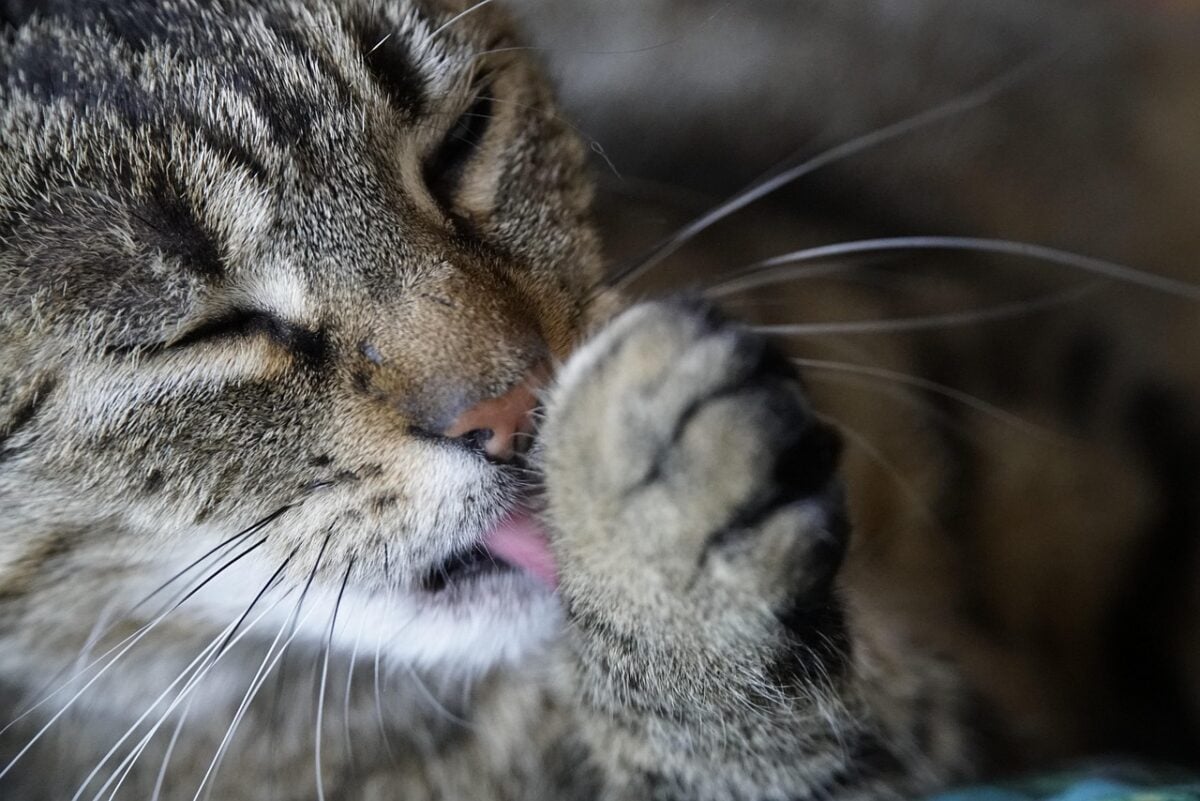
Early signs may be subtle. The coat may lose its usual softness or shine. Over time, this can develop into more obvious changes that are difficult to ignore.
Watch for:
- Greasy, dull, or unkempt fur
- Tangles or mats, especially in long-haired cats
- Strong or unusual odors
- Visible dirt or buildup on the coat
- Urine or feces stuck to fur
- Accidents outside the litter box
- Difficulty positioning in the litter box
These issues often stem from a combination of pain, weakness, and reduced flexibility. Grooming requires energy and mobility… both of which may be limited in a sick cat.
For a cat, being unable to stay clean can be deeply uncomfortable. It can also create skin irritation, infections, and further distress.
What this may mean:
- Pain or stiffness is preventing normal grooming
- Energy levels are too low to maintain hygiene
- Mobility issues are interfering with litter box use
- Cognitive decline is affecting awareness and routine
When your cat can no longer maintain basic cleanliness without regular assistance, it is a meaningful sign that their overall function is declining.
4. Social Withdrawal
Cats may not always express affection in obvious ways, but they form strong bonds with people, with spaces, and with routines. When those connections begin to fade, it often reflects a deeper change in how they are feeling.
Social withdrawal is one of the most common behavioral shifts in cats nearing the end of life. A cat who once sought out your presence may begin to retreat, choosing quiet, hidden spaces over familiar gathering areas.

At the same time, some cats respond in the opposite way, becoming unusually clingy or anxious. Both extremes represent a disruption in their normal emotional state.
Watch for:
- Hiding in unusual or secluded places
- Avoiding interaction with family members
- Loss of interest in affection or attention
- Ignoring toys or favorite activities
- Reduced response to sounds or surroundings
- Becoming unusually clingy or dependent
- Increased anxiety when left alone
These changes can be subtle at first but often become more consistent over time. They reflect not only physical discomfort, but emotional and cognitive shifts as well.
What this may mean:
- Your cat is experiencing pain or distress
- Cognitive decline is affecting awareness
- They no longer find comfort in familiar interactions
- Energy levels are too low for engagement
When a cat disengages from the world around them, especially from the people and activities they once loved, it can be a sign that their ability to experience joy is fading.
5. Persistent Pain or Distress
Perhaps the most important, and most difficult, sign to recognize is ongoing pain. Cats rarely show pain in dramatic ways. Instead, it often appears as subtle but persistent changes in behavior, posture, and expression.

Pain can be physical, but it can also manifest as anxiety, restlessness, or confusion. The key is not simply whether pain exists, but whether it can still be effectively managed.
7 Signs Your Cat is in Pain
- Restlessness or inability to settle comfortably
- Hunched posture or tense body language
- Flinching, growling, or reacting when touched
- Increased vocalization, such as crying, yowling, or moaning
- Rapid or labored breathing
- Pacing or repeated position changes
- A distant, unfocused, or vacant expression
Some cats become agitated, unable to relax. Others grow very quiet and still, which can be just as concerning. In both cases, the underlying issue is the same: they are not comfortable.
What this may mean:
- Pain is no longer controlled by medication
- The underlying illness is progressing
- Comfort-focused treatments are no longer effective
- Your cat is experiencing more distress than relief
At this stage, one question becomes more important than any other:
Is my cat still experiencing moments of genuine comfort?
If those moments are rare or no longer exist, it may be time to consider whether continuing life is truly in their best interest.
How to Know When It’s Time
No single sign tells the whole story. But when multiple signs appear together and worsen over time, they create a clearer picture.
It may be time to consult your veterinarian if your cat is:
- Not eating consistently
- Struggling to move
- Unable to stay clean
- Withdrawn or disengaged
- Living with ongoing discomfort
The goal is not to wait for a crisis, but to recognize when your cat is no longer thriving.
Why It Can Be Kinder Not to Wait Too Long
One of the most painful fears cat owners face is making the decision too soon. But in many cases, waiting too long can be even harder, both for you and for your cat.
Cats often decline quietly. By the time their suffering becomes unmistakable, they may already be in significant pain, distress, or confusion. Waiting for a dramatic “right moment” can sometimes mean waiting until your cat is in crisis.
Many veterinarians share a guiding principle: “Better a week too early than a day too late.” While this can be hard to hear, it reflects a commitment to preventing prolonged suffering.
Waiting too long may lead to:
- Uncontrolled pain or breathing distress
- Panic, confusion, or physical collapse
- An emergency trip to the vet instead of a peaceful goodbye
- Final moments defined by fear or discomfort rather than calm
Choosing euthanasia a little earlier, when your cat can still rest comfortably in your presence, is often the gentler option. It can allow their final moments to be peaceful, familiar, and free from unnecessary suffering. It is not about giving up; it is about protecting your cat from a painful crisis you cannot undo.
When to Seek Veterinary Help
If you are seeing these signs, schedule a consultation. Don’t wait for a crisis. Ask your vet directly:
- “Is my cat in pain, and is it manageable?”
- “Are current treatments improving life, or just prolonging decline?”
- “What would you recommend if this were your own cat?”
Choosing a peaceful end over a prolonged struggle is your final act of love.

Assessing Your Cat’s Quality of Life
When emotions are high, it is difficult to be objective. To help you see the full picture, two tools are particularly useful: the HHHHHHMM Scale and the Good Day vs. Bad Day Calendar.
Assessing Quality of Life: The HHHHHHMM Scale
This framework can help you take the “temperature” of your cat’s comfort level. When using this, give each category a score from 0–10 (10 being the best).
- Hurt: Is the cat’s pain successfully managed? Is the cat breathing comfortably?
- Hunger: Is the cat eating enough? Does the cat require hand-feeding or special care?
- Hydration: Is the cat hydrated? Are they receiving enough fluids, either voluntarily or via subcutaneous support?
- Hygiene: Can the cat keep themselves clean? Are they free from sores and matted fur?
- Happiness: Does the cat express joy and interest? Is the cat depressed, anxious, or fearful?
- Mobility: Can the cat get up and move around without help? Do they have the desire to move?
- More Good Days Than Bad: Are the “good days” still outnumbering the “bad days”?
Good Days vs. Bad Days
Sometimes, a score is too abstract for a grieving heart. A more practical tool for many owners is the Good Day vs. Bad Day Calendar.
- How it works: Keep a simple calendar or a notepad by your bedside.
- The process: At the end of each day, place a simple mark: a “smiley face” for a day where your cat seemed like themselves, and a “sad face” for a day where they struggled, were in pain, or could not do the things they love.
- The realization: After 14 days, look at the pattern. If the “sad faces” are becoming a consistent trend, it is a clear, objective signal that your cat is struggling to maintain a quality of life.
Crucial Note: If you find that your cat is having more “bad days” than “good,” it does not mean you have failed. It means you are being a responsible guardian who is prioritizing your cat’s peace over your own desire to keep them close.
To ensure you are looking at your cat’s health through a clinical lens, experts like the American Animal Hospital Association (AAHA) emphasize that monitoring daily quality of life is the most accurate way to assess a senior pet’s well-being.
7 Signs You Should See a Vet Immediately
Some changes require prompt attention. Waiting too long can lead to unnecessary suffering or limit your options for comfort care.
Contact your veterinarian as soon as possible if your cat:
- Stops eating or drinking for 24–48 hours
- Has difficulty breathing or is breathing rapidly
- Cannot stand, walk, or reach the litter box
- Is vocalizing in distress (crying, yowling, or moaning)
- Shows signs of severe pain (restlessness, hunched posture, flinching)
- Becomes suddenly withdrawn, unresponsive, or disoriented
- Has repeated accidents or cannot control bodily functions
These signs often indicate that your cat’s condition has progressed to a point where medical evaluation is urgently needed.
When to Schedule a Quality-of-Life Consultation
Not every situation is an emergency, but many require a thoughtful, proactive conversation with your veterinarian.
Consider scheduling a consultation if your cat is:
- Eating less or losing weight over time
- Struggling with mobility or avoiding movement
- Showing ongoing signs of pain or discomfort
- Having more bad days than good days
- Experiencing noticeable behavioral or personality changes
These gradual changes often signal a decline in quality of life, even if there is no immediate crisis. Early conversations can help you explore options and avoid making decisions under pressure.
6 Questions to Ask Your Veterinarian
It can be difficult to think clearly in emotional situations, which is why it helps to prepare questions in advance. Asking direct, honest questions allows you to better understand your cat’s condition and your options.

Key questions to ask:
- Is my cat in pain, and is that pain still manageable?
- Are current treatments improving quality of life or just prolonging decline?
- What changes should I expect in the coming days or weeks?
- Are there additional comfort or palliative care options?
- How will I know when it is time to consider euthanasia?
- What would you recommend if this were your own cat?
These questions help shift the conversation from uncertainty to clarity. They also ensure that your decision is based on both medical expertise and a realistic understanding of your cat’s experience.
Understanding Your Options
After evaluating your cat, your veterinarian may present several possible paths forward.
These may include:
- Continued treatment: If there is still a reasonable chance of improving comfort or function
- Palliative care: Focused on managing pain and maintaining quality of life rather than curing disease
- Euthanasia: When suffering can no longer be adequately relieved
There is no single “right” choice, only the one that best aligns with your cat’s well-being and your values as their caregiver.
Making the Decision With Confidence
One of the most difficult parts of this process is not knowing whether you are making the right decision. A veterinary consultation helps replace that uncertainty with informed understanding.
You do not have to navigate this alone. By combining your deep knowledge of your cat with your veterinarian’s clinical expertise, you can make a decision that is both compassionate and informed.
And in that moment, your role is not to cure, but to care, to protect, and to ensure that your cat’s final chapter is as peaceful and dignified as possible.
How Much Does It Cost to Put a Cat to Sleep?
Putting a cat to sleep generally costs between $100 and $300 for in-clinic procedures. At-home euthanasia usually costs more, often ranging from $290 to $450.
Total costs can increase significantly depending on aftercare choices, such as private cremation services, which may add $150 to $300 or more. With cremation or other end-of-life services included, the total can easily exceed $500.
If cost is a concern, it is okay to ask your veterinarian for a full breakdown in advance so you can understand your options and make the decision that feels right for both your cat and your family.
A Note on Pet Insurance
If you have a pet insurance policy, check your coverage for end-of-life care, as many plans assist with the costs of euthanasia and final arrangements. This support can help remove financial stress from the equation, allowing you to focus your energy where it matters most: on your companion.
Also, check whether your deductible has been met, since if it hasn’t, the cost of euthanasia may be close to what you would pay out of pocket anyway.
Understanding the Procedure: A Peaceful Transition
It is natural to feel anxious about the actual procedure, but knowing what to expect can help you focus on being there for your cat. The process is designed to be gentle, painless, and as peaceful as possible.
When you bring your cat to the clinic, or if you choose an at-home service, the goal is to ensure they are comfortable and unafraid from start to finish.
- Sedation: Your cat receives a sedative to feel completely relaxed and pain-free, often falling into a deep sleep in your arms.
- The Final Step: Once they are unconscious, a fast-acting anesthetic is administered. They simply stop breathing as they drift deeper into rest.
- Presence: You may choose to stay or step away. Either choice is okay; the veterinary staff is there to care for them with the same love you would provide.
For those seeking professional guidance, the American Veterinary Medical Association (AVMA) provides comprehensive resources on understanding the euthanasia process and navigating the difficult decisions of end-of-life care.
Your Presence Matters
You might wonder if you should be in the room for the entire process. This is a deeply personal decision, and there is no “right” or “wrong” choice.
- If you choose to stay: Your scent, the sound of your voice, and the comfort of your touch can be a great source of peace for your cat. It allows you to be the last thing they see and feel.
- If you choose to step away… please do not feel guilty. If the intensity of the moment is too much, the veterinary staff is specifically trained to handle the process with the same gentleness and kindness you would provide.
What matters most is that your cat is treated with dignity and love. By choosing this path, you are protecting them from a future of struggle and ensuring their final moments are defined by peace, not pain.
Helping Surviving Pets Grieve
Our cats and dogs often form deep bonds, and they certainly feel the shift in the home when a companion is gone. While they may not understand “why,” they do experience a sense of loss.

Do other pets experience grief? Yes. You may notice surviving pets searching for their friend, vocalizing more, or becoming unusually clingy. Some may even experience a temporary loss of appetite or sleep more than usual.
How can I help them understand? If possible, many experts recommend letting surviving pets sniff the body of their companion for a few moments. This simple act provides them with closure, helping them recognize that their friend hasn’t just “disappeared,” which can prevent them from searching for weeks afterward.
What is the best way to support them? Stick to their normal routine as much as possible. Consistency provides a sense of security. Offer extra affection and gentle play, but also give them the space to be quiet or retreat if they need to process the change in their own way.
Frequently Asked Questions About Putting a Cat to Sleep
Even after understanding the signs and speaking with your veterinarian, it’s completely normal to still have questions. This is an emotional and deeply personal experience, and many cat owners find themselves searching for reassurance, clarity, or simply a sense that they’re not making this decision blindly.
Below are some of the most common questions people ask during this time.
If you have a question on your mind, you’re always welcome to leave it in the comments. We read every one, and your question may help someone else who is quietly wondering the same thing.
How do I know when it’s time to put my cat to sleep?
There is rarely a single, clear moment. Instead, it’s usually a combination of signs such as ongoing pain, loss of appetite, difficulty moving, and more bad days than good. When your cat is no longer able to experience comfort or enjoyment in daily life, it may be time to consider euthanasia as a compassionate option.
Am I making this decision too early?
This is one of the most common and painful concerns. Many veterinarians gently remind owners that it is often kinder to act a little too early than to wait until a cat is in crisis or severe distress. If you are asking this question, it usually means you are trying to prevent suffering, rather than cause it.
Is euthanasia painful for cats?
The process is designed to be peaceful and painless. Cats are first given a sedative to help them relax and fall into a deep sleep. Once they are fully comfortable and unaware, the final medication is administered. Most owners describe it as a calm and gentle passing.
Should I stay with my cat during euthanasia?
This is a deeply personal decision. Many owners choose to stay to provide comfort and be present in their cat’s final moments. Others find it emotionally overwhelming. There is no right or wrong choice; what matters most is what feels right for you.
Do cats know what is happening?
They do not. Because of the sedation, cats typically feel relaxed and sleepy. They are not aware of the procedure itself. Your presence, voice, and touch can still be comforting, even if they are already in a calm, restful state.
What happens after my cat passes?
Your veterinarian will guide you through aftercare options such as cremation or burial. Some owners choose to keep ashes or memorial items, while others prefer a more private form of remembrance. There is no “right” way… only what brings you comfort.
Do sick cats run away to die?
Sometimes. Cats often hide when they are sick, in pain, or feeling vulnerable. A cat nearing the end of life may retreat to a quiet, secluded place, such as under a bed or in a closet.
This does not mean your cat wants to leave you. More often, it is a natural instinct to seek safety and privacy when they do not feel well.
If your cat starts hiding more than usual, especially along with changes in appetite, mobility, grooming, or behavior, it is a good idea to contact your veterinarian.
Coping with the Loss: Honoring the Bond
Grief is a natural, albeit painful, response to the loss of a companion who was part of your daily life. When a cat passes, you aren’t losing a pet; you are losing a witness to your life, a source of quiet comfort, and a family member. It is completely normal to feel a profound sense of emptiness, and it is vital that you treat yourself with the same kindness you showed your cat in their final moments.

Acknowledge Your Grief
The weight of grief is simply the other side of the coin of love. The pain you feel now is a testament to the life you gave your cat, a life filled with safety, warmth, and companionship until the very end.
Be patient with yourself. Healing does not mean you stop missing them; it simply means that over time, the sharp edges of the pain soften, leaving behind the warmth of the memories you created together. You made the most difficult choice imaginable for them, and because of that, they were able to leave this world feeling safe, loved, and at peace. That is a gift that will last forever.
There is no “right” way to grieve. You may feel a deep, crushing sadness, or you might find yourself feeling a strange, quiet sense of relief that your cat is no longer in pain. Both reactions, and everything in between, are valid.
Give yourself permission to mourn in your own way and at your own pace. Do not let anyone minimize the significance of your loss; the bond you shared with your cat was real, unique, and deeply meaningful.
Navigating the First Few Days
The house may feel silent, and your routine may feel shattered. Try to focus on small, manageable steps:
- Allow the Feelings: Don’t push away the tears or the silence. Acknowledging your sadness is the first step toward healing.
- Seek Out Support: Reach out to friends, family, or online communities where others understand the specific nature of pet loss. Often, talking to someone who has walked this path before can be more validating than talking to those who haven’t experienced it.
- Avoid Quick Replacements: While the urge to bring another cat home can be strong, give yourself time to process your grief. Bringing a new companion in too soon can sometimes inadvertently lead to comparing them to the cat you lost, rather than letting the new cat be their own individual self.
Grief is a natural part of saying goodbye. Our guide on grieving the loss of a cat can help you navigate this difficult time.
Finding Ways to Honor Their Memory
Memorializing your cat can help provide a sense of closure and turn your focus toward the joy you shared rather than just the pain of the end.
- Create a Small Shrine: Keep a photo, their collar, or their favorite toy in a special place in your home.
- Commemorative Keepsakes: Many clinics offer services like clay paw prints or fur clippings. Some owners find comfort in planting a tree or a flower in their cat’s favorite spot in the yard. And many pet owners find comfort in carrying their pets with them through a memorial tattoo.
- Acknowledge the Legacy: Write a letter to your cat, or simply talk about the funny, beautiful quirks they had. Sharing their story keeps their memory alive in a way that feels intentional and loving.
The Final, Most Loving Gift
It is natural to look back on those final moments and wonder if you could have done more, or if there was another way. But please remember this: the decision to let go is not an act of surrender; it is a final, selfless gift of mercy.
You took on the burden of their pain so they would never have to bear it. By choosing to let them rest, you ensured that their last memory was not one of struggle, but of the safety and love they had known with you all along. That is a beautiful legacy. You were their protector until the very end, and that is a love that stays with them, always.
More Resources for Navigating Your Cat’s Health
Navigating a cat’s health challenges is often a journey of monitoring, adjusting, and learning. If you are still in the stage of evaluating symptoms or trying to understand a sudden change in behavior, these additional guides can help you provide the best possible care:
- Warning Signs Your Cat Is Crying for Help: Learn how to identify the subtle ways cats communicate distress before it becomes a crisis.
- My Cat Keeps Throwing Up But Seems Fine: Chronic vomiting is common, but it isn’t “normal.” Explore the potential causes behind this frequent issue.
- Why Is My Cat Gagging But Not Throwing Up?: Understand the difference between hairballs, respiratory distress, and other underlying health triggers.
- How Long Can a Cat Go Without Food?: A guide to understanding when a loss of appetite moves from a minor concern to a medical emergency.
- How Long Can Cats Go Without Water?: Hydration is the cornerstone of feline health; learn how to spot the signs of dehydration early.
The depth of your grief today is the reflection of the height of the love you shared yesterday, and there is no greater love than putting their peace above your own. You were the guardian of their joy for a lifetime; let your final act of mercy be the legacy of a love that protected them until the very end.
Have You Been Through This With Your Cat?
Making the decision to put a cat to sleep is one of the hardest parts of loving them. There’s often no perfect moment, just the hope that you’re doing the kindest thing you can.
If you feel comfortable, share your experience in the comments below. Your story could bring comfort, clarity, or reassurance to another cat owner facing the same heartbreaking choice.