When you purchase through links on our site, we may earn a commission at no extra cost to you. Learn more.
Your cat stares at you, makes direct eye contact, and slowly pushes your glass off the table.
Table of Contents
Not by accident. Not out of confusion. On purpose.
If your cat meows nonstop, opens cabinets like they have a plan, or suddenly becomes destructive the moment you sit down, you are not imagining it. Your cat is being annoying. There is a reason behind it, and once you understand it, the behavior starts to make a lot more sense.
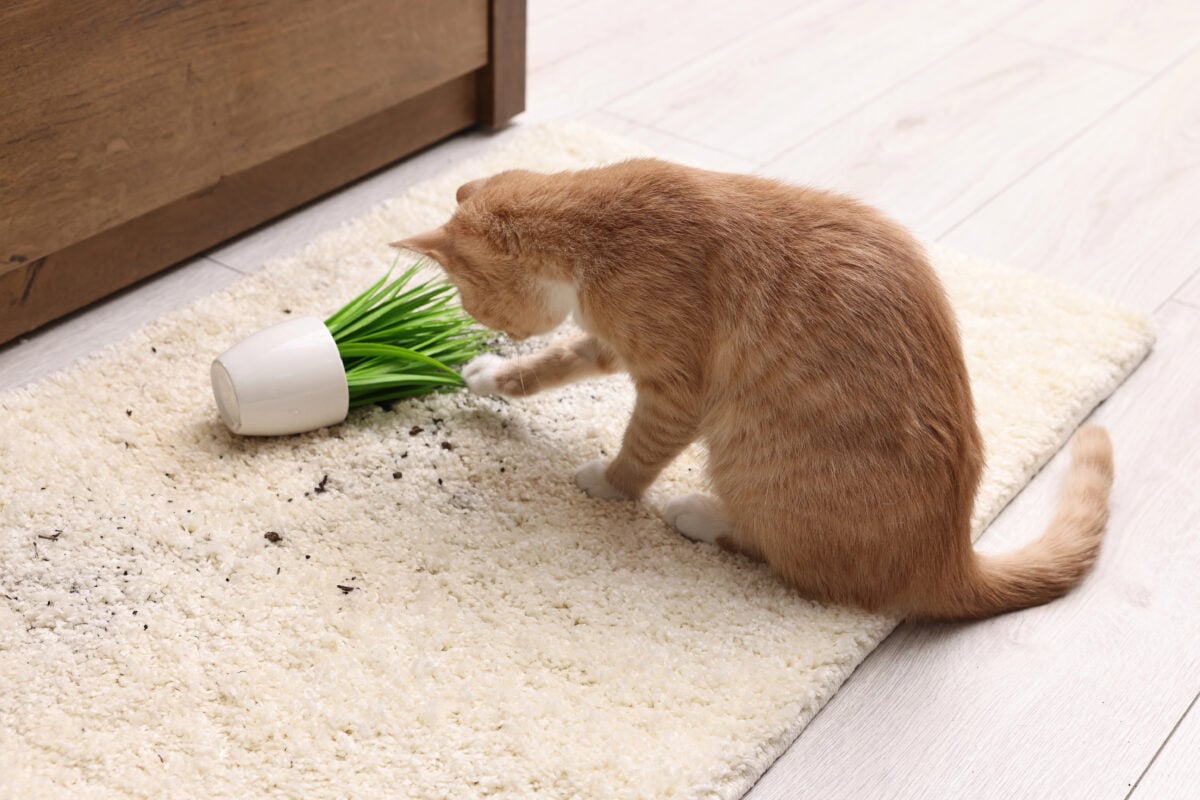
Wait… Is Your Cat Actually “Annoying”? Or Just Extremely Effective?
Your cat is not being random. They are being strategic. Every behavior you find annoying exists because it gets a result.
Want our human-written content to rank above AI-generated garbage? Help us out by clicking this button!
If knocking something over makes you look up, they will do it again. If meowing gets food faster, they will escalate. If chaos interrupts what you are doing, then chaos becomes the strategy.
Cats repeat what works. That is the entire system.
This is where most owners accidentally train their cat without realizing it. If you respond to the noise, react to disruption, or give in to persistence, they’ll do it again.
From your cat’s perspective, the lesson is clear.
Quick Takeaway
- Annoying behavior is learned success
- Your reaction reinforces it
- Your cat is adapting faster than you are
Your cat is not being difficult. They are running a very efficient experiment, and you keep confirming the outcome.
The “Annoying Cat Starter Pack” (You’ve Seen At Least 3 Of These)
If you are here, there is a strong chance your cat has checked multiple boxeson this list.
- Knocking objects off tables while watching you
- Fake chewing or targeting plants the second you sit down
- Meowing loudly as if something is wrong when nothing is wrong
- Opening cabinets and drawers as if they are searching for something specific
- Hitting their food bowl repeatedly
- Sitting on your keyboard during work
- Demanding doors be opened, then losing interest immediately
- Jumping on counters the second you leave the room
- Turning petting into biting without warning
- Chewing plastic, cords, or anything they should not be chewing
This is not random behavior. It is targeted disruption.
It also tends to follow a pattern. Most of these behaviors show up at predictable times: early morning, right when you sit down, when you are on your phone or computer, when you are eating.
Your cat is not just being annoying. They are choosing moments when you are most likely to respond.
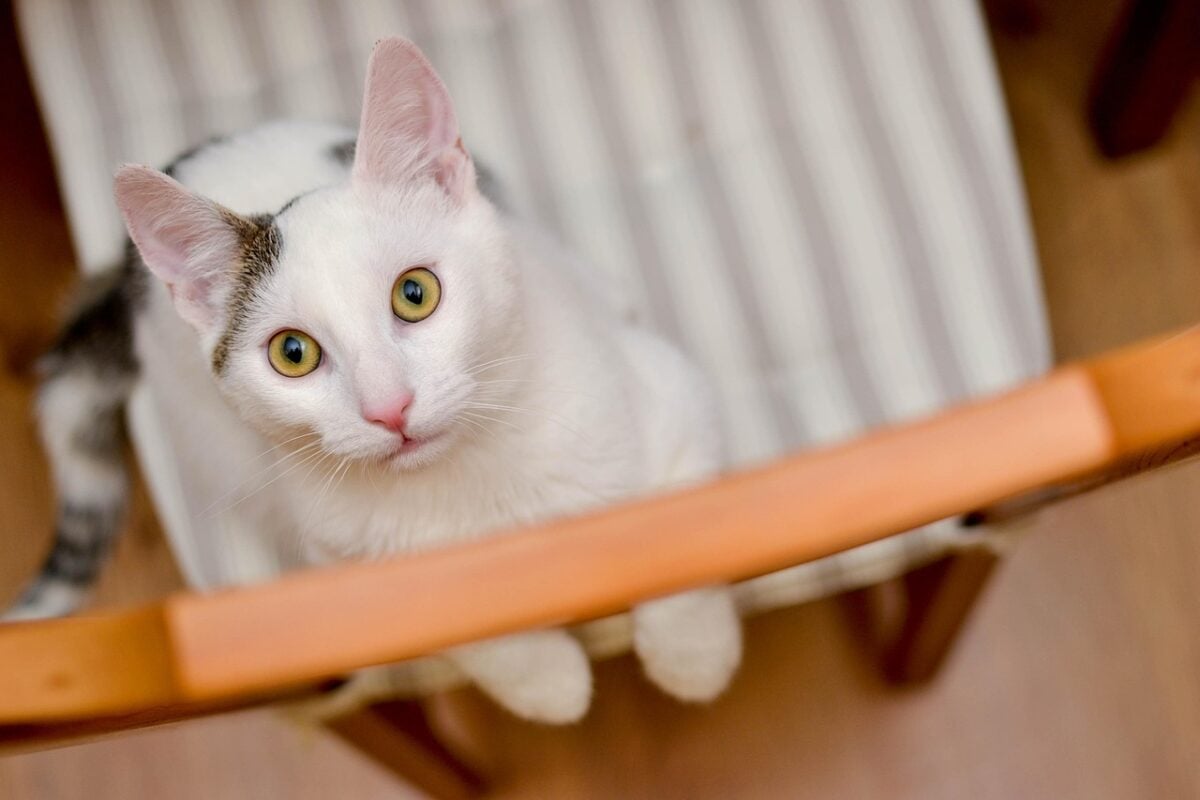
The Real Reason Your Cat Is So Annoying: Boredom
Most indoor cats are under-stimulated, and it shows up in ways that feel personal.
They are safe. They are fed. But mentally, they do not have enough to do.
In the outdoors, a cat’s day is built around hunting, stalking, chasing, and solving small problems. Indoor life removes those challenges. What you are left with is a cat with energy and instincts but no outlet.
That energy builds throughout the day. Eventually, it has to go somewhere.
When it does, it often looks like:
- Loud vocalizing
- Destructive behavior
- Clingy attention-seeking
- Repetitive or obsessive actions
What feels like annoyance is often unused energy.
Quick Takeaway
If your cat is loud, destructive, or constantly interrupting you, they are likely under-stimulated.
This is the turning point for most people. Once you understand that boredom is driving the behavior, the solution shifts from stopping the behavior to redirecting it.
What Your Cat Is Actually Trying To Tell You
Most annoying behaviors fall into a few predictable categories once you step back and look at the pattern.
1. Feed Me. No, Now
Cats learn your routine quickly. Then they start testing it.
If breakfast usually happens at 7 a.m., they may start pushing at 6:45. If that works, they try 6:30. Over time, your cat learns that persistence moves the schedule forward.
This is not confusion. It is negotiation.
Watch: This cat repeatedly hits food bowl to get dinner.
2. Entertain Me Or Else
When nothing is happening, your cat will make something happen.
Boredom is one of the biggest drivers of disruptive behavior. If your cat has energy and no structured outlet, they will invent their own activity. That activity often involves you.
That can look like:
- Knocking things over
- Chewing plants
- Opening cabinets
- Sudden bursts of chaos
For indoor cats, this often includes begging to go outside. They sit by the door, cry, scratch, or try to slip out.
It is not always about actually wanting to leave. It is about stimulation. The outside world is constantly changing, and indoor life can feel repetitive by comparison.
If your cat cannot find something to do, they will create something to do.
Watch: This cat didn’t want out. They just didn’t want to be left out.
3. Pay Attention To Me
This is where the classic attention-seeker cat shows up.
Your cat does not separate positive from negative the way people do. If knocking something over gets you to react, speak, or move, that counts as success. From your cat’s perspective, they got what they wanted.
Watch: This cat fake-chews a plant to get attention.
4. I Am Hunting, But There Is Nothing To Hunt
Indoor cats still have strong hunting instincts. They are wired to stalk, chase, and capture.
Without prey, they redirect that energy. It might look like attacking your feet, chasing shadows, or fixating on small moving objects.
Watch: Congratulations. You are the enrichment.
5. I Control This Space
Cats are territorial, and they are also intensely curious. They are constantly testing boundaries and investigating anything that might be new, hidden, or off-limits.
Doors, counters, drawers, and cabinets are all part of this system. Opening doors, jumping on restricted surfaces, getting into places they shouldn’t be, and inserting themselves into your space are ways your cat explores and reinforces control over their environment.
Your cat does not have hobbies. You are part of their environment, which makes you part of the activity.
Watch: This cat opens kitchen drawers like a pro.
Let’s Debunk Some “Annoying” Behaviors
A lot of behaviors that feel frustrating are actually normal once you understand what’s driving them. When you shift the lens from “why are they doing this to me” to “what are they trying to do,” the pattern becomes clearer.
Knocking Things Over
This is part curiosity, part cause-and-effect play, and part attention-seeking.
Your cat is testing what happens when objects move, and they are also watching how you respond. If it gets a reaction, it becomes worth repeating.
Excessive Meowing
In many cases, this is learned behavior. Your cat has figured out that vocalizing gets results, whether that is food, attention, or interaction.
The more consistent your response, the stronger the habit becomes.
Scratching Furniture
Scratching is not defiance. It is necessary for claw maintenance, stretching, and marking territory.
The goal is not to stop the behavior, but to redirect it to something appropriate. See our guide on how to stop cats from scratching furniture.
Chewing Plastic Or Cords
Some cats are drawn to specific textures, especially crinkly or rubbery materials. This can also increase with boredom or stress.
However, if your cat suddenly starts obsessively chewing or gnawing on non-food items, it may point to underlying issues such as dental discomfort, teething (in younger cats), or a condition called pica.
If the behavior feels excessive, new, or paired with other changes, such as drooling, pawing at the mouth, or reduced appetite, it is worth checking with your vet.
Counter Surfing
Cats are naturally curious, and elevated surfaces give them a better view of their environment. If they have ever found food on a counter, even once, that experience reinforces the behavior and makes them more likely to return.
Play Biting Or “Sudden Attacks”
This is often a sign of overstimulation or pent-up energy. Without enough structured play, your cat may redirect that energy toward your hands, feet, or movement.
It can also happen when petting goes on longer than your cat prefers.
6 Ways To Make Your Cat Less Annoying (Without Losing Your Mind)
Once you understand the cause, you can change the outcome. The goal is not to suppress behavior. The goal is to give your cat a better outlet.
1. Interactive Play (Daily)
Interactive play mimics hunting. Wand toys and teasers are especially effective because they simulate prey movement.
Aim for at least 10 to 15 minutes a day. This can significantly reduce attention-seeking and destructive behavior.
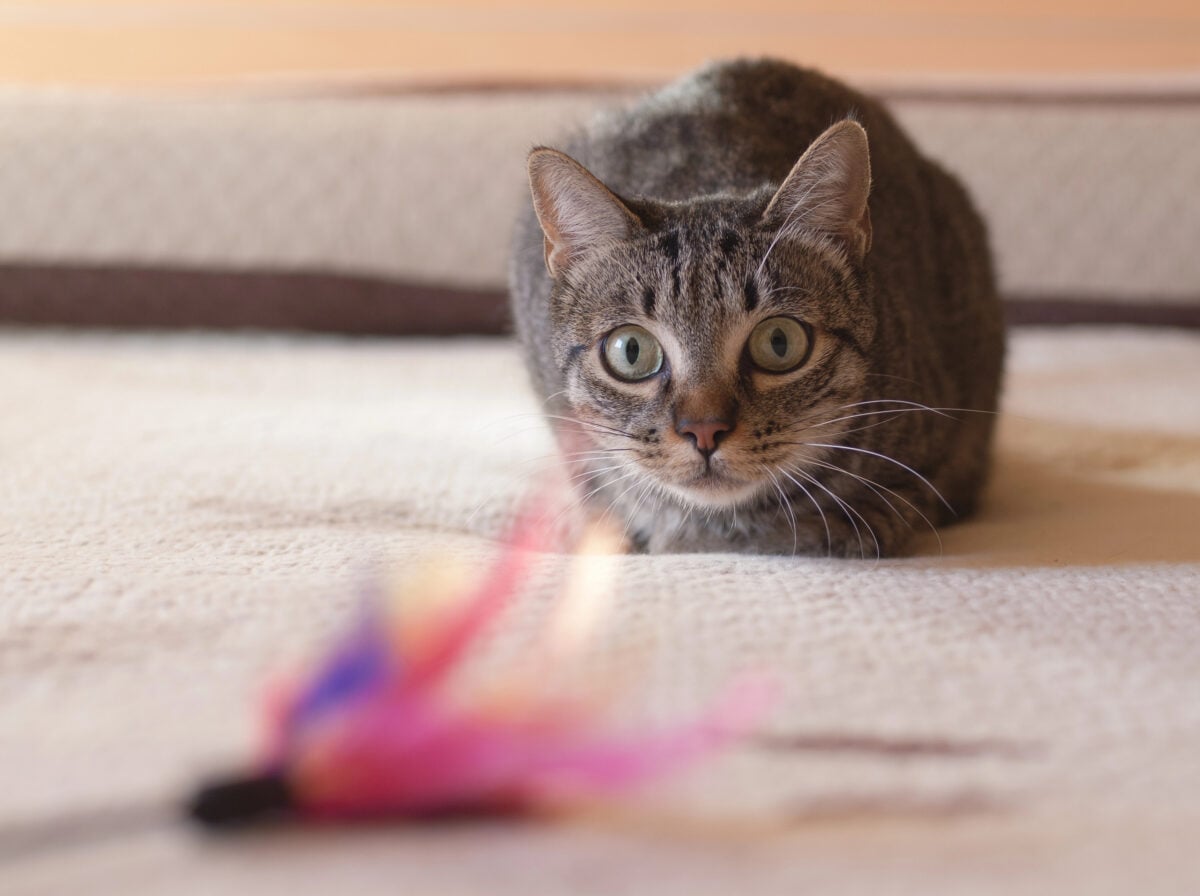
Quick Picks: Interactive Toys That Actually Work
If your cat treats wand toys like a life-or-death mission, these are worth trying:
- Da Bird by Go Cat: This is one of the most realistic wand toys out there; it sounds like a bird fluttering through your house when swung. My cats go feral for it.
- Cat Dancer Original: It is just spring steel wire and rolled cardboard, but it moves like a bug. One of my cats prefers this over traditional wand toys.
Electronic toys can also help fill in the gaps, especially if your cat needs more stimulation during the day when you are busy.
- SmartyKat Instincts Hidden Hijinks Electronic Motion Toy: A concealed teaser wand that moves unpredictably under fabric.
- MOODY PET Fling-A-String Cat Toy: A battery-operated string flinger that keeps movement going without you. It is great for high-energy cats that need constant stimulation.
2. Make Food More Engaging
Instead of placing food in a bowl, turn it into an activity. This taps into your cat’s natural problem-solving instincts.
- Puzzle feeders
- Rolling treat toys
- Slow feeders

Quick Picks: Food Puzzles & Slow Feeders That Keep Them Busy
If your cat treats meals like a countdown instead of an activity, these help turn food into something they have to work for:
- TRIXIE Activity Fun Board 5-in-1: This board features multiple puzzle types, ranging from easy to more challenging.
- Ito Rocky Treat Dispensing Slow Feeder: Your cat has to spin the top to release treats, which slows them down and keeps them engaged longer. Better for cats who solve easier puzzles quickly.
- LickiMat Variety Pack: These come in different textures, from easy to more difficult. Good for spreading soft food or treats and keeping your cat occupied for extended periods.
- Potaroma Cat Lick Ball Toy: Refillable with catnip, silvervine, gall fruit, or nutrient balls. More of a self-directed enrichment option that keeps your cat engaged without requiring setup each time.
3. Create Visual Stimulation
Cats benefit from watching movement.
- Window perches
- Bird feeders
- Outdoor views
This gives your cat something to focuson without involving you.
4. Upgrade Their Environment
Vertical space is one of the most effective changes you can make.
- Cat trees
- Wall-mounted shelves
- Tunnels and hiding spaces
More territory reduces boredom and increases confidence.
5. Rotate Toys
Leaving the same toys out all the time reduces interest. Rotate toys every few days to maintain novelty.
6. Introduce Training
Cats can learn routines, cues, and even tricks. Clicker training provides fantastic mental stimulation. For some cats, leash training or supervised outdoor time can also help.
An engaged cat is less likely to create their own entertainment.
When “Annoying” Might Actually Be A Problem
Behavior changes are not always harmless. If something feels different, it’s worth a second look.
Watch for:
- Sudden personality changes
- New or unusual vocalization patterns
- Changes in appetite
- Changes in litter box behavior
- Low energy combined with destructive actions
These can indicate underlying issues. If you are unsure what to look for, review these common warning signs. Regular veterinary care also helps prevent and identify problems early.
The One Mistake That Makes Cats More Annoying
Most owners unintentionally reinforce the behaviors they want to stop. When you respond, your cat learns:
- Meowing leads to attention
- Knocking objects leads to a reaction
- Early wake-ups lead to interaction
From your cat’s perspective, the strategy is working.
Quick Takeaway: Ignore behaviors you do not want to reinforce. Reward calm or neutral behavior instead. Consistency is what changes the pattern.
What Type Of “Annoying Cat” Do You Have?
Most cats fall into patterns. Once you recognize your cat’s “type,” it becomes much easier to respond in a way that actually works.
You are not dealing with random chaos. You are dealing with a predictable strategy.
The Food Negotiator
If your cat starts pushing for meals earlier and earlier, they have learned that persistence works.

What Works Best
Stick to a consistent feeding schedule and do not give in to early demands. Wait for a pause in the behavior so they do not associate noise with results.
Puzzle feeders and timed feeders can help remove you from the equation so your cat stops associating you with immediate food access.
The Door Manager
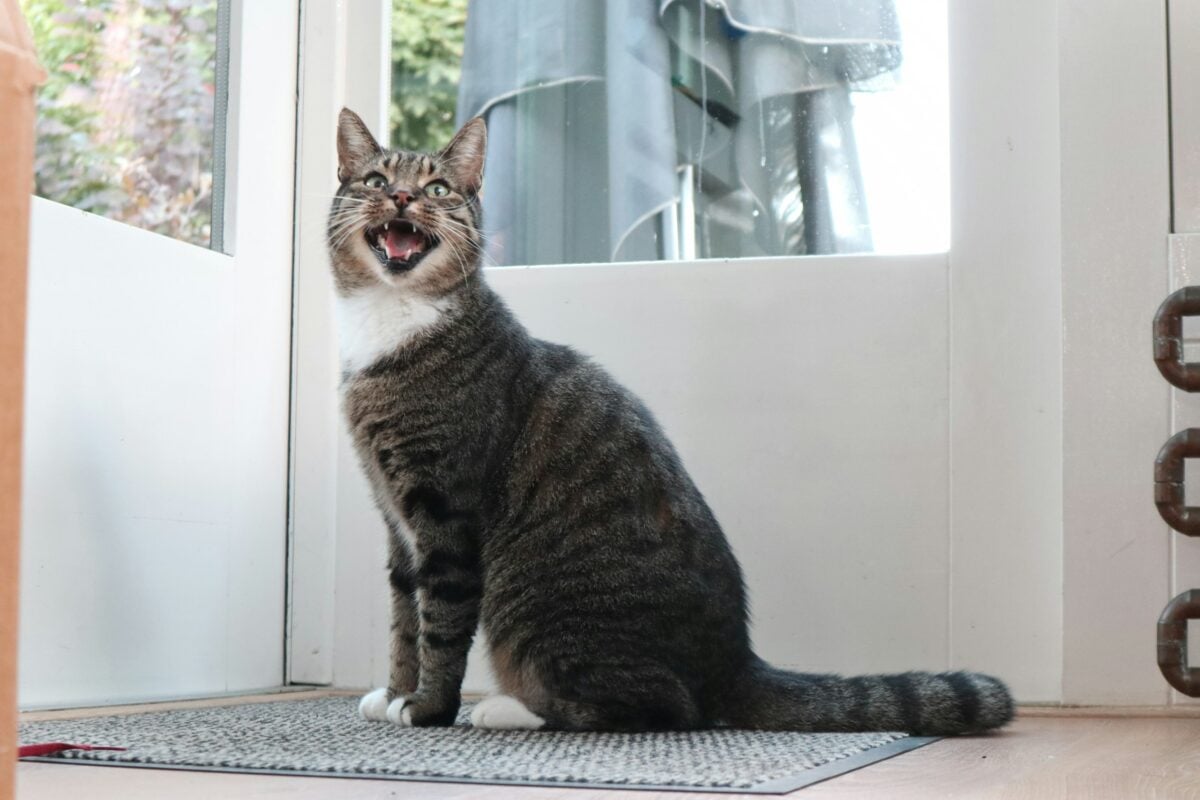
This is the cat who meows, scratches, or paws at doors when you are trying to sleep, work, or just have a moment to yourself. The goal is not always to go in or out. It is access.
For indoor cats, this often manifests as a fixationon the outside. They sit by the door, cry, or try to slip out whenever it opens.
What Works Best
Avoid opening the door while your cat is actively meowing or pawing, since that reinforces the behavior. Wait for even a brief pause before responding so they start associating quiet with results.
If your cat is focused on getting outside, increase stimulation indoors. Window perches, bird feeders, and structured play can help reduce that fixation.
If this happens overnight, tools like automatic feeders or adjusting your cat’s evening routine can help reduce early wake-ups. You can also increase playtime before bed to burn off excess energy.
Consistency matters most here. If the door opens sometimes but not others, your cat will keep trying.
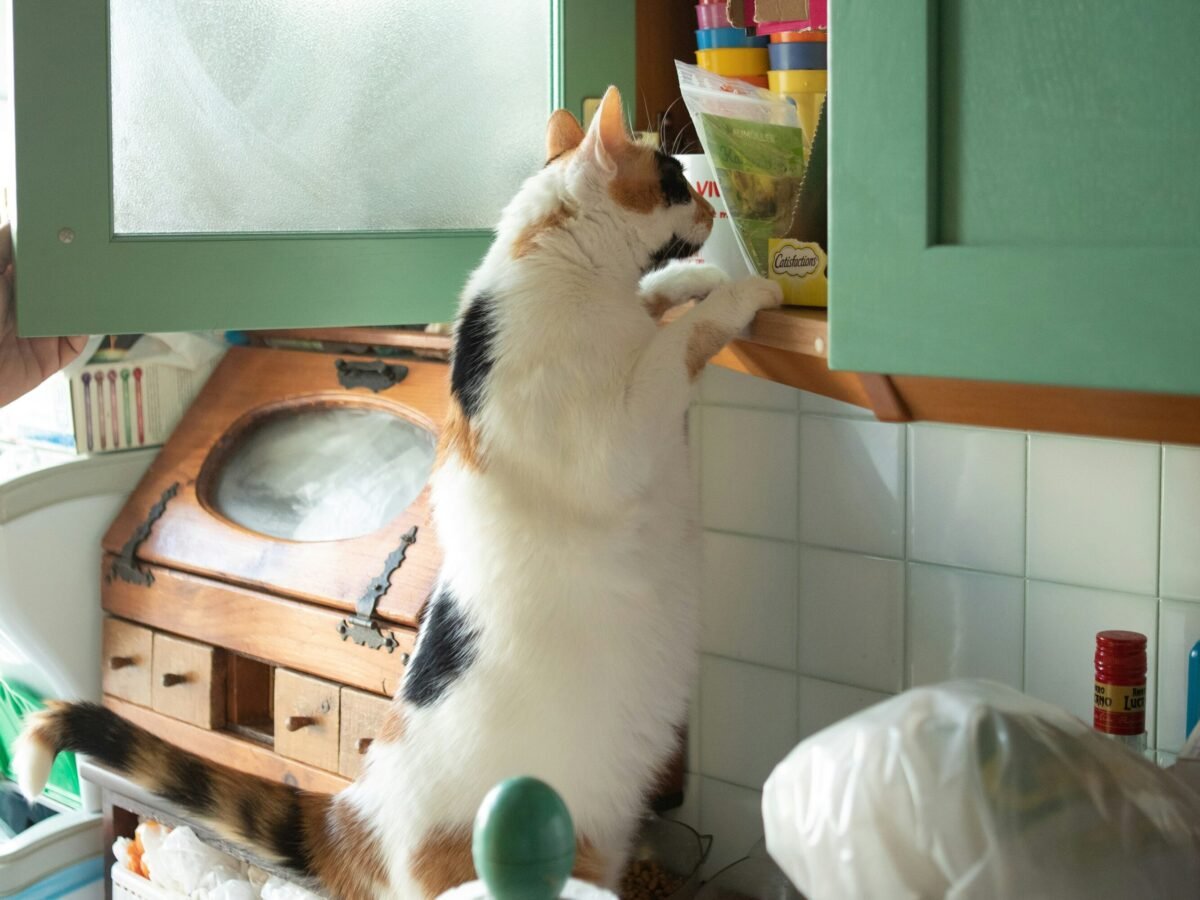
The Chaos Engineer
This is the cat who knocks things over, targets fragile items, or suddenly creates chaos the moment you sit down or get comfortable.
What Works Best
Redirect that energy into structured play before peak chaos times, like evenings. Toys that move, roll, or react are especially effective since they mimic cause-and-effect.
Removing high-risk items from easy reach also reduces opportunities for reinforcement.
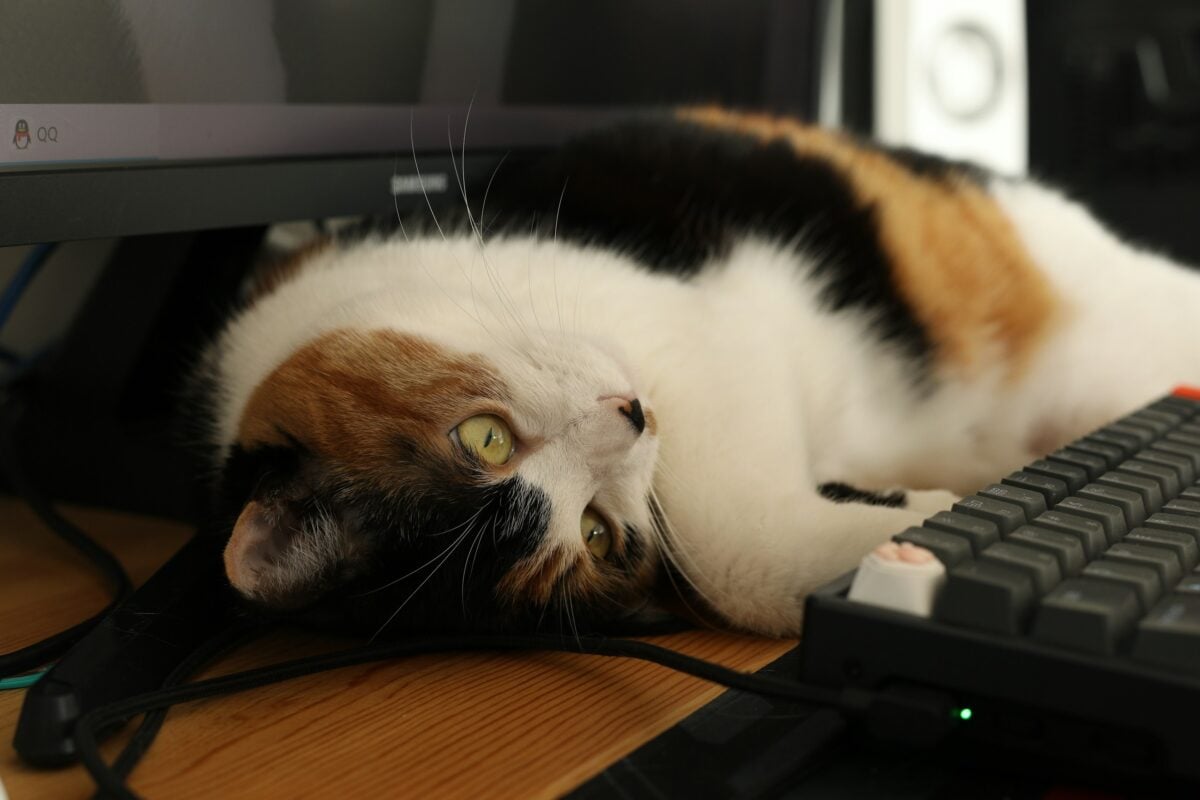
The Attention Seeker
This is the cat who meows constantly, walks across your keyboard, interrupts your work, or inserts themselves into whatever you are doing.
What Works Best
Schedule intentional attention time earlier in the day so your cat is not relying on interruption to get interaction.
Ignore attention-seeking behaviors when possible, and reward calm behavior instead. Even a small reaction can reinforce the habit.
The Early Morning Alarm
This is the cat who wakes you up at the same time every morning, often with meowing, pawing, or escalating behavior.

What Works Best
Avoid feeding immediately after waking up, since that reinforces the timing. Use automatic feeders to break the connection between you and breakfast.
Increasing playtime and feeding before bed can also help reduce early morning energy spikes.
Frequently Asked Questions
If your cat’s behavior feels repetitive, intentional, or oddly well-timed, you are not alone. Many of these habits come from predictable patterns tied to boredom, attention, and learned behavior. Understanding the cause makes it easier to manage the behavior.
Is your cat showing a behavior not mentioned? Respond in the comments!
Why Is My Cat So Annoying All Of A Sudden?
Sudden changes can be linked to boredom, routine shifts, or stress. If the change is extreme or paired with other symptoms, it is important to rule out a medical issue.
Why Does My Cat Knock Things Over While Staring At Me?
Because it gets a reaction. Your cat has learned that this behavior works.
Why Won’t My Cat Leave Me Alone?
You are their primary source of stimulation, attention, and structure.
Why Is My Cat So Nosy?
Cats are naturally curious and territorial. Investigating their environment helps them maintain control over their space.
Can You Discipline A Cat For Being Annoying?
Punishment is rarely effective and can increase stress. Redirecting behavior works better. Check out our guide on how to properly discipline a cat.
If Your Cat Is Driving You Crazy, Start Here
If your cat has been louder, more destructive, or more demanding than usual, there is a reason behind it. Once you understand the pattern, you can start to shift it.
Start with the basics:
- Learn what behaviors are normal versus concerning
- Address one of the most common frustration points, like cat knocking things over
- Practice good preventative care with regular vet visits
Your cat will likely always have a strong personality. The difference is whether that energy is working against you or being redirected into something manageable.