When you purchase through links on our site, we may earn a commission at no extra cost to you. Learn more.
Dog people will argue this forever. But if you’ve ever lived with a cat, you know the difference immediately.
Table of Contents
Cats don’t just live with you. They choose you.

The Honest Reason Many Adults Quietly Prefer Cats
Here’s the part dog people don’t love hearing. Cats fit into your life without demanding control over it.
You do not plan your entire day around bathroom breaks, walks, or separation anxiety. You can leave the house without negotiating guilt.
Want our human-written content to rank above AI-generated garbage? Help us out by clicking this button!
Cats handle their own hygiene. They do not need baths, reminders, or help staying clean.
You also don’t have to spend countless hours on obedience training. Bonus: there is no slobber, no inappropriate guest sniffing, and no surprise “red rocket” moments.
When you are away from home for short periods, cats are largely self-sufficient. They enjoy company, but they do not require constant supervision to function.
Watch: A very common origin story. From cat critic to companion.
Why Living With A Cat Feels Easier Than Living With A Dog
Living with a cat involves fewer daily logistics. Your schedule stays mostly intact.
Cats do not require structured walks, constant exercise, or hands-on stimulation throughout the day. They are generally capable of managing their own downtime.
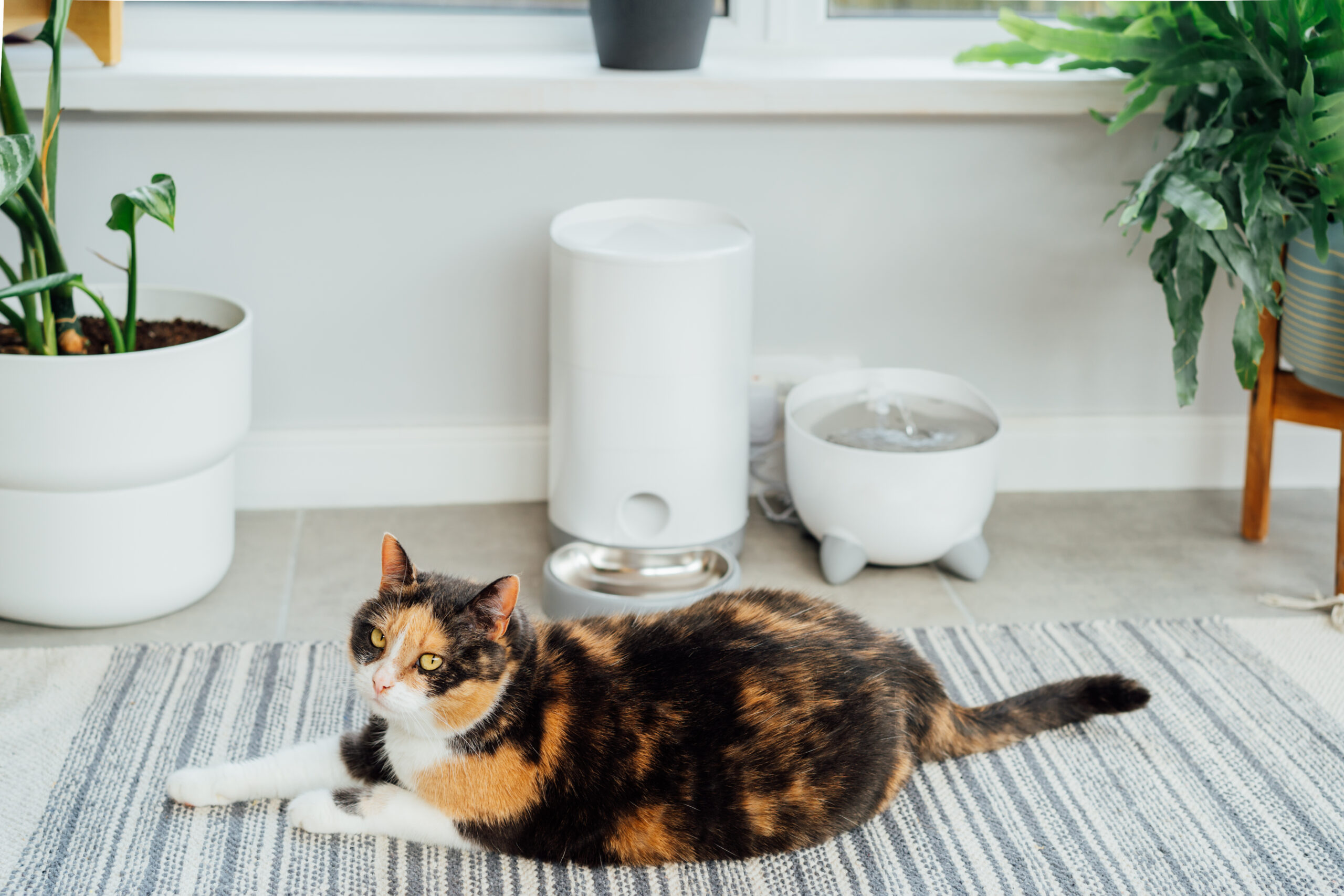
That does not mean cats are indifferent. They can miss you and notice your absence.
The difference is that cats tend to handle short periods alone without unraveling your entire routine. They settle, nap, observe, and wait.
Your home also stays quieter by default. There is less barking, fewer interruptions, and less background noise competing for attention.
None of this makes dogs worse pets. It simply makes cats easier to live with for people who value calm, flexible daily rhythms.
5 Signs You’re Probably a Cat Person
- You enjoy company without constant interaction
- You value independence, for yourself and others
- You notice small changes in mood or routine
- You prefer pets that adapt to your life, not the other way around
- You are comfortable with quiet routines and flexible schedules
5 Things People Don’t Realize Until They’ve Had A Cat
If you’ve never lived with a cat, you probably think they’re unfriendly, untrainable, and largely indifferent to humans. This belief usually lasts until a cat follows you into the bathroom and makes direct eye contact.
1. Cats Follow You More Than You’d Expect
Anti-cat propaganda says cats are aloof. In reality, I rarely have a moment when my cats are not within arm’s reach.
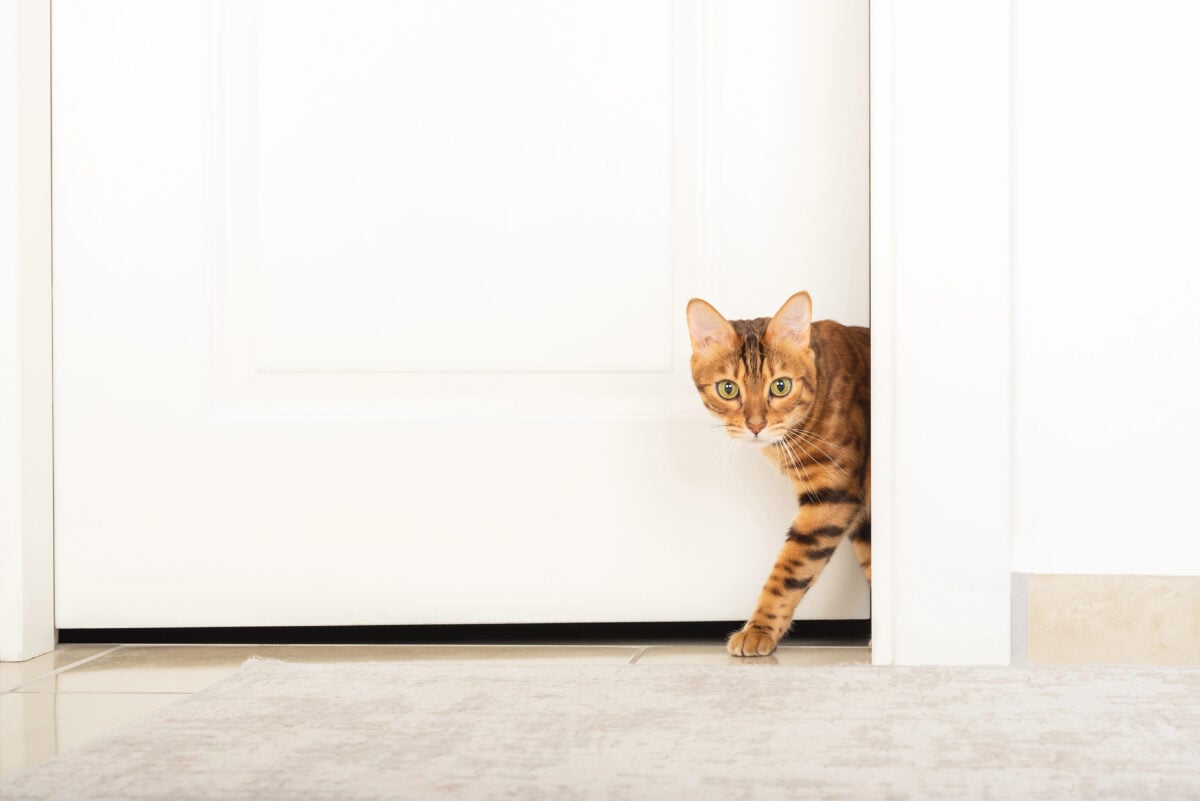
Your cat may pretend it’s a coincidence that they’ve chosen the “perfect” grooming spot in whatever room you’re in. In truth, they simply like you and want to be nearby.
Cats tend to stay close to the people they prefer. They want to see what you’re doing, remain nearby, and quietly insert themselves into your daily routine.
This behavior is especially common in cats that have imprinted on their person. Imprinted cats stick close, observe everything, and treat your presence as the main event. You can read more about this behavior in our guide to the signs your cat has imprinted on you.
Watch: If your cat regularly shadows you from room to room, that behavior is not neediness or boredom. It’s a sign that you are their chosen human.
Did You Know? Cats may appear independent, but many form strong emotional attachments to their humans. A 2019 study found that cats develop distinct attachments to their caregivers, similar to dogs and even infants.
2. Cats Communicate With Humans Constantly
Scientific research has documented more than 20 distinct feline vocalizations, and that number does not even account for the creative combinations cats invent on their own.

Rather than relying on a single sound, cats often mix vocalizations the way people combine words. The result can feel less like noise and more like a sentence.
Some of the most common vocalizations in housecats include:
- Meowing: Used to greet, request food, initiate play, or express frustration
- Purring: A low, rhythmic sound most often associated with contentment
- Trilling: A higher-pitched, purr-like sound commonly used as a greeting
Watch: See the difference between a purr, trill, meow, and yowl.
So how does any of this relate to humans? It mostly comes down to the meow.
Adult cats rarely meow at other cats. They reserve that sound almost entirely for people.
In other words, cats developed a specific way to communicate with us. If your cat meows at you regularly, it is because they are actively trying to convey something.
Not all cats are especially chatty, but many will respond more once you start talking to them. Conversation tends to invite participation.
Every cat owner knows cats use meows for different situations — aka to get what they want. The quiet, polite “I would like cuddles now” meow sounds nothing like the “it is dinner time, and you are late” meow.
Watch: Learn the difference between greeting, hungry, and attention-seeking meows.
Once you recognize the patterns, it becomes clear this is not random noise. Your cat is communicating deliberately.
Cat Body Language: Cats rely heavily on body language to communicate. Ear position, tail movement, eye contact, and posture all signal mood and intent.
If you want to go deeper, we explain feline communication in more detail here:
3. Cats Are Much More Trainable Than People Claim
Cats can learn tricks, recall, and even leash walking. This surprises people who assume cats can’t be trained.
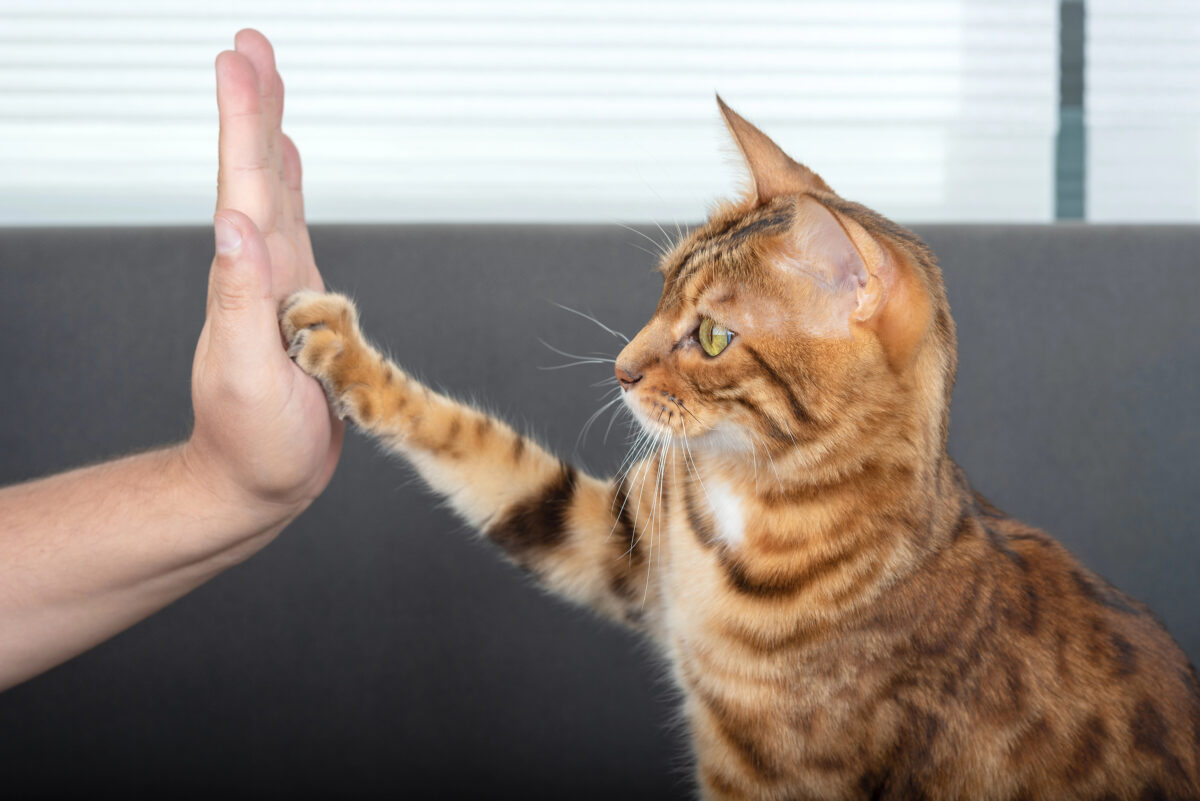
In reality, cats simply operate on different terms. They are highly intelligent and tend to participate when the arrangement makes sense to them.
Training a cat feels less like obedience and more like a workplace negotiation. They learn because it benefits them, which is why positive reinforcement is far more effective than punishment. Learn more in our guide to disciplining a cat.
Progress can be slower, but persistence pays off. Arrive prepared with treats, patience, and reasonable expectations.
Watch: This four-month-old kitten shows off the tricks he’s learned, including sit, spin, and roll.
4. Cats Smell Weirdly Good
Despite cleaning themselves with what can only be described as tuna mouth, cats smell so, so good.

Warm. Clean. Mildy addictive. Cat people know exactly what I mean.
Why Cats Actually Smell Good: Cats groom frequently and distribute natural oils through their fur, which helps keep it clean. Their saliva also has antibacterial properties that reduce odor-causing bacteria.
5. Cats Don’t Need to Be Taught How To Use A Litter Box
Most cats instinctively know how to use a litter box — no house training required.

You show them where the box is located, and that’s usually the end of the discussion. There are no schedules, no accidents, and no learning curve.
The Kind Of Love Cats Offer Is Different (And Deeper Than You Think)
Dogs love you no matter what. You can forget their walk, spill food on them, or leave for hours, and they’ll still come back ecstatic.
Cats do not operate on that model. Their affection is built on trust.
You earn it slowly. And you can lose it just as easily.
One wrong tone. One forced cuddle. One moment where you ignore their boundaries.
And suddenly, they’re distant for a while.

That sounds harsh until you realize what it means. When a cat chooses you, it’s intentional.
They aren’t loving you out of habit. They’re loving you because they feel safe.
That’s why a cat sleeping near you feels different. Why a slow blink lands harder than a tail wag.
It’s not unconditional love. It’s deliberate trust. And once you’ve experienced that, it’s hard to go back.
Watch: That feeling when your cat chooses to give you cuddles.
3 Reasons Cats Are Truly Amazing Pets
Cats get labeled as “easy” or “low effort,” which undersells what they actually bring into a home. Beyond convenience, cats offer a kind of companionship that improves your daily environment in subtle but meaningful ways.
1. Cats Offer Pressure-Free Companionship
Cats do not require constant interaction to feel secure. They are comfortable sharing space without filling it.
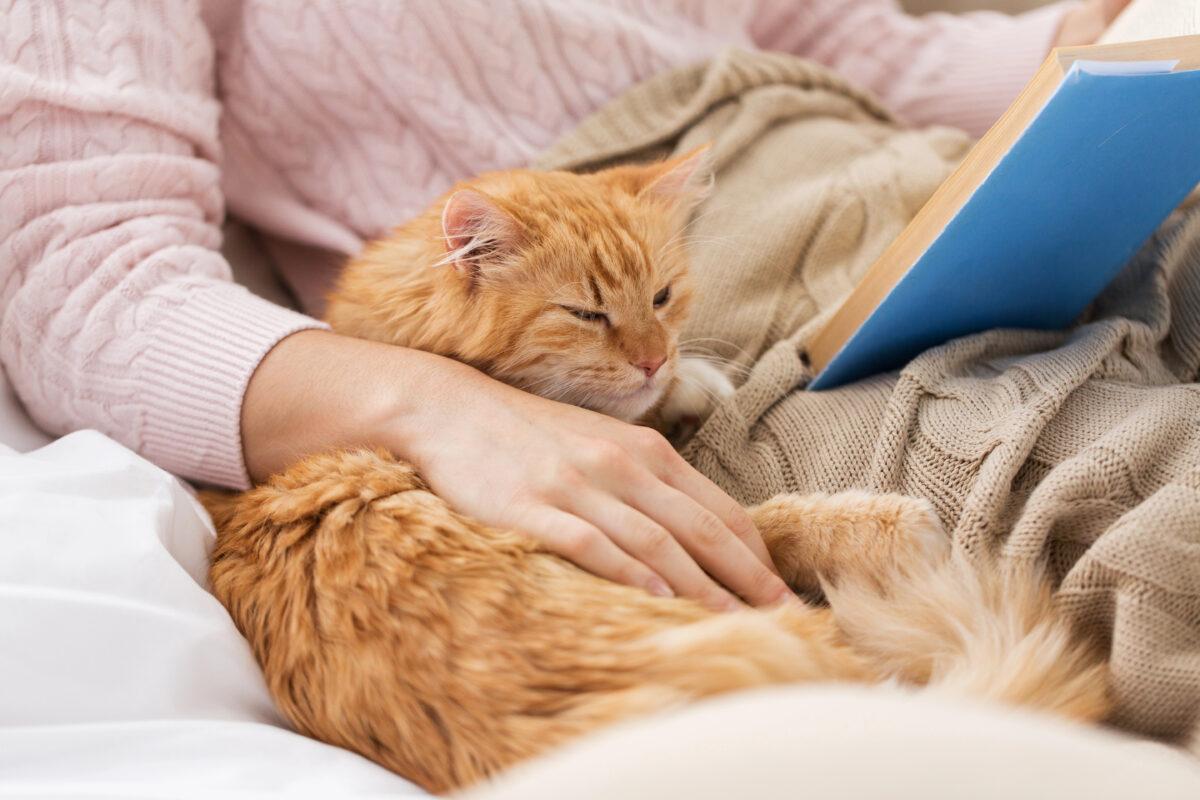
You can read, work, or completely zone out, and your cat will quietly exist nearby. No performance required.
If your schedule changes, they adapt. If you go out for the evening, they recover. The result is a home that feels calm rather than managed.
Watch: Night out? With a cat, it’s no problem.
2. Cats Quietly Make You A Better Person
With cats, you learn pretty quickly that forcing affection does not work. Reading the room does.
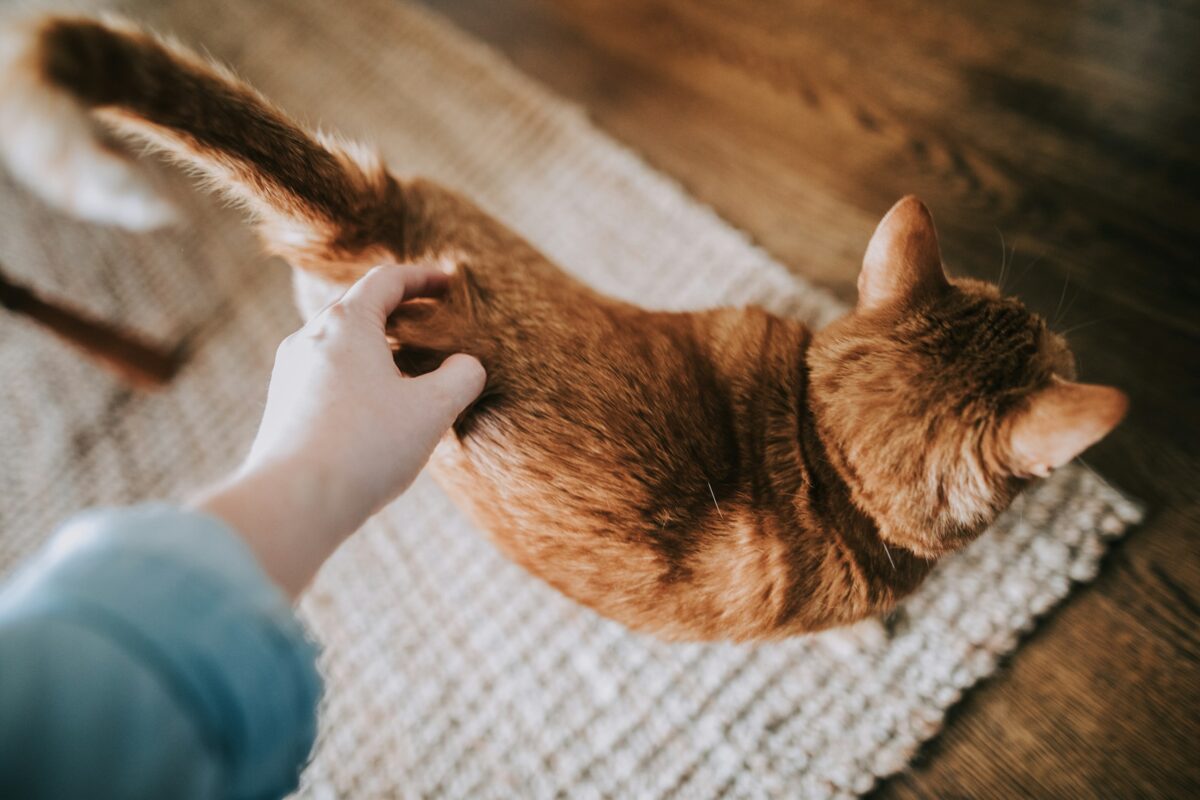
Cats communicate through posture, tail position, ear movement, and eye contact. If you miss those signals, they will disengage without explanation.
Over time, you get better at noticing small changes. Mood shifts. Preferences. Boundaries.
Owning a cat trains you to pay attention without being asked. It also teaches patience, restraint, and delayed gratification.
3. Cat Purring Is Literally Healing
Cat purring occurs at frequencies associated with wound healing and pain reduction. Research also suggests benefits for bone density, muscle recovery, and cardiovascular health.

Cats help emotionally as well. Petting your cuddling your furry companion can boost your oxytocin levels, which is linked to lower stress and improved mood.
Studies have also found that cat companionship can significantly reduce feelings of loneliness, especially in older adults living alone.
3 Reasons Why You Should Choose A Cat Over A Dog
If you are genuinely deciding between a cat and a dog, the differences are less philosophical than practical. Daily logistics, flexibility, and cost tend to matter more than people expect.
1. Cats Require Less Daily Maintenance
Dog people tend to gloss over this part. Cats are simply cleaner.
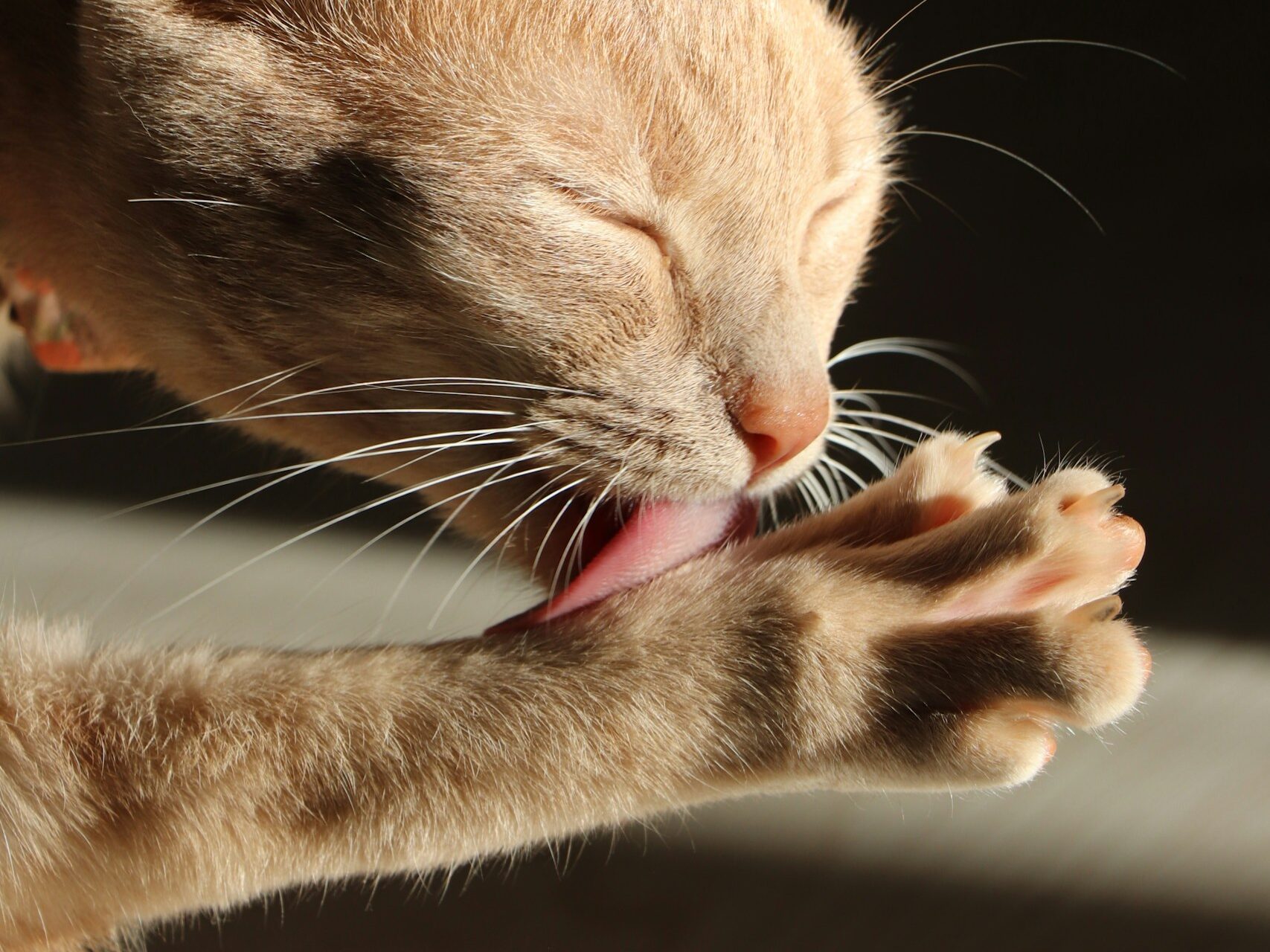
Yes, you scoop a litter box. In exchange, you avoid muddy paws, slobber, wet fur, and bodies that require frequent baths.
Cats groom themselves thoroughly and consistently. There is no post-walk cleanup, and no surprise smells developing overnight.
They also require far less structured activity. No daily walks. No missed exercise guilt.
Watch: One of the best perks of having a cat? No outdoor bathroom breaks in bad weather.
2. Cats Are Better For People Who Travel Regularly
Cats handle short absences better than dogs. Not because they do not care, but because they are more self-directed.

With an automatic feeder and a clean litter box, a cat can comfortably manage a quick overnight or weekend trip. There is no need to coordinate walks, drop-ins, or boarding unless you want to provide extra social time.
Dogs, by contrast, require daily human intervention. Even a short trip usually involves a sitter, walker, or boarding arrangement.
For people who travel frequently, cats reduce friction: fewer logistics, fewer favors, fewer schedules to manage.
3. Cats Are Less Expensive Overall
While the benefits of pet ownership outweigh the costs, the costs themselves still matter.
According to estimates from the ASPCA, initial startup costs for a cat average a few hundred dollars, including medical care and spaying or neutering. Ongoing expenses are generally predictable and modest.
Dogs tend to cost significantly more. Data compiled by the American Kennel Club shows that one-time costs for dogs often exceed $2,000, with annual expenses frequently reaching several thousand more.
Those costs scale with size. Food, grooming, medical care, boarding, and sitting all increase for larger dogs.
So… Cat or Dog? It Depends on Who You Are
This debate never really ends because it is not about pets. It is about preference.
Dogs are great for people who want structure, constant engagement, and obvious affection. They show up loudly and enthusiastically every time.
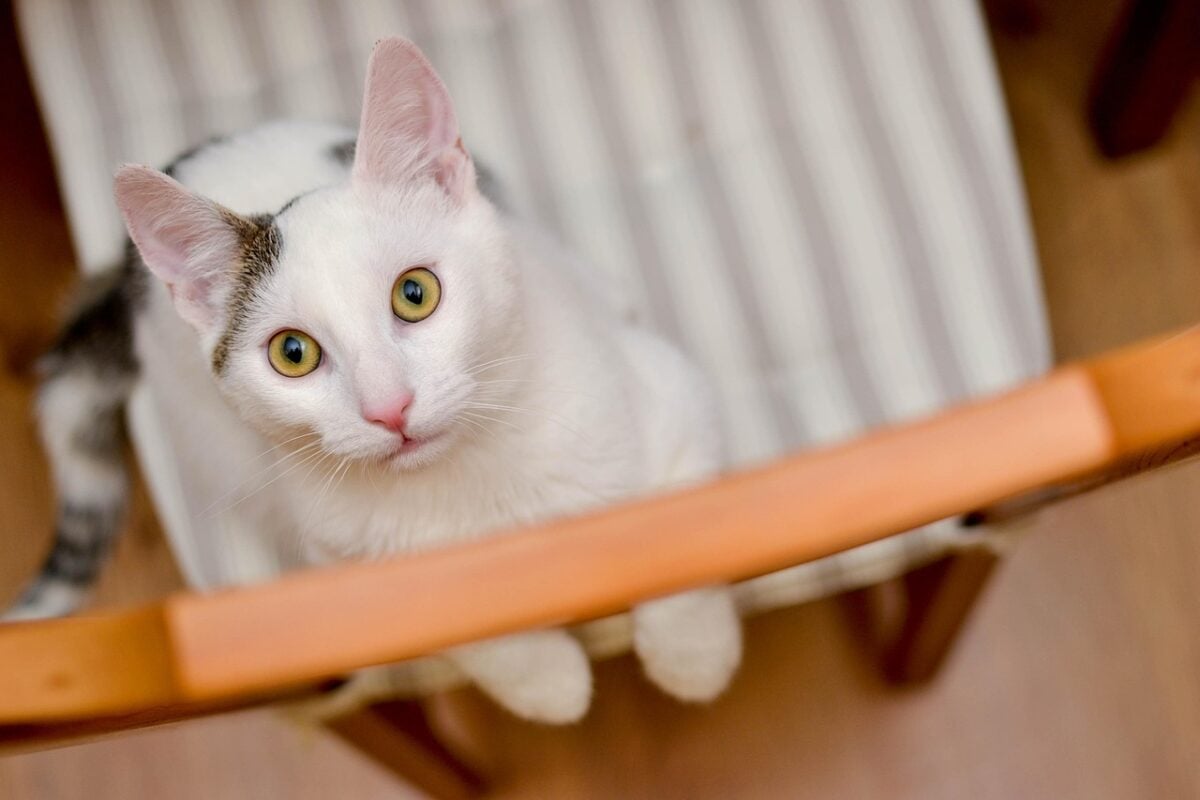
Cats are different. They offer companionship without pressure and affection without obligation. They fit better into quieter routines, flexible schedules, and homes where attention is shared rather than demanded.
Neither choice is wrong. But if you have ever felt more relaxed around a cat than energized by a dog, you probably already know where you land.
Frequently Asked Questions
These quick answers cover the most common questions people ask when comparing cats and dogs.
Don’t see your question? Respond in the comments, and we’ll get back to you!
Are Cats Better Pets Than Dogs?
Cats and dogs suit different lifestyles. Cats tend to be a better fit for people who prefer quieter routines, more independence, and lower daily maintenance.
Are Cats Easier To Take Care Of Than Dogs?
In most cases, yes. Cats require less daily supervision, structured exercise, and hands-on care than dogs.
Are Cats Cheaper Than Dogs?
Generally, yes. Cats typically cost less in food, grooming, medical care, and pet-sitting expenses over time.
Are Cats Good Pets For Apartments Or Small Homes?
Cats are well-suited to apartment living because they need less space, make less noise, and adapt well to indoor environments.
Just make sure to give them plenty of vertical space in the form of cat trees, steps, and window perches.
Why Do Some People Dislike Or Hate Cats?
Cats are often misunderstood. People who expect obvious affection or constant responsiveness may interpret a cat’s independence as coldness or disinterest.
Unlike dogs, cats communicate subtly and require boundaries to be respected. For people unfamiliar with those signals, that difference can be mistaken for aloofness rather than a preference.
Do Cats Get Lonely When Left Alone?
Yes, cats can get lonely. Cats can miss their owners and notice their absence, but they usually handle short periods alone better than dogs.
Most cats are comfortable spending time independently as long as their basic needs are met and they receive regular interaction.
More Cat Behaviors That Make Perfect Sense (Eventually)
If living with a cat has ever made you pause and think, why are you like this, you are not alone. From indoor cats obsessing over the outdoors to intense kneading sessions and sudden bursts of chaos known as zoomies, cat behavior is full of small mysteries that make daily life more interesting.