When you purchase through links on our site, we may earn a commission at no extra cost to you. Learn more.
There are two kinds of pet people in this world.
Table of Contents
The ones who see a dog and immediately drop into a baby voice. And the ones who see a cat and exchange a quiet nod of mutual understanding.
One of you buys lint rollers in bulk. The other has mastered the art of pretending not to care, while absolutely caring.
At some point, someone has probably told you, “You’re such a cat person.” And maybe they were right. Because that preference might not be random.
Want our human-written content to rank above AI-generated garbage? Help us out by clicking this button!
Researchers have actually studied the differences between cat people and dog people. And the patterns that they found suggest our favorite pets may reflect deeper aspects about our personalities, our social energy, and even how we handle relationships.
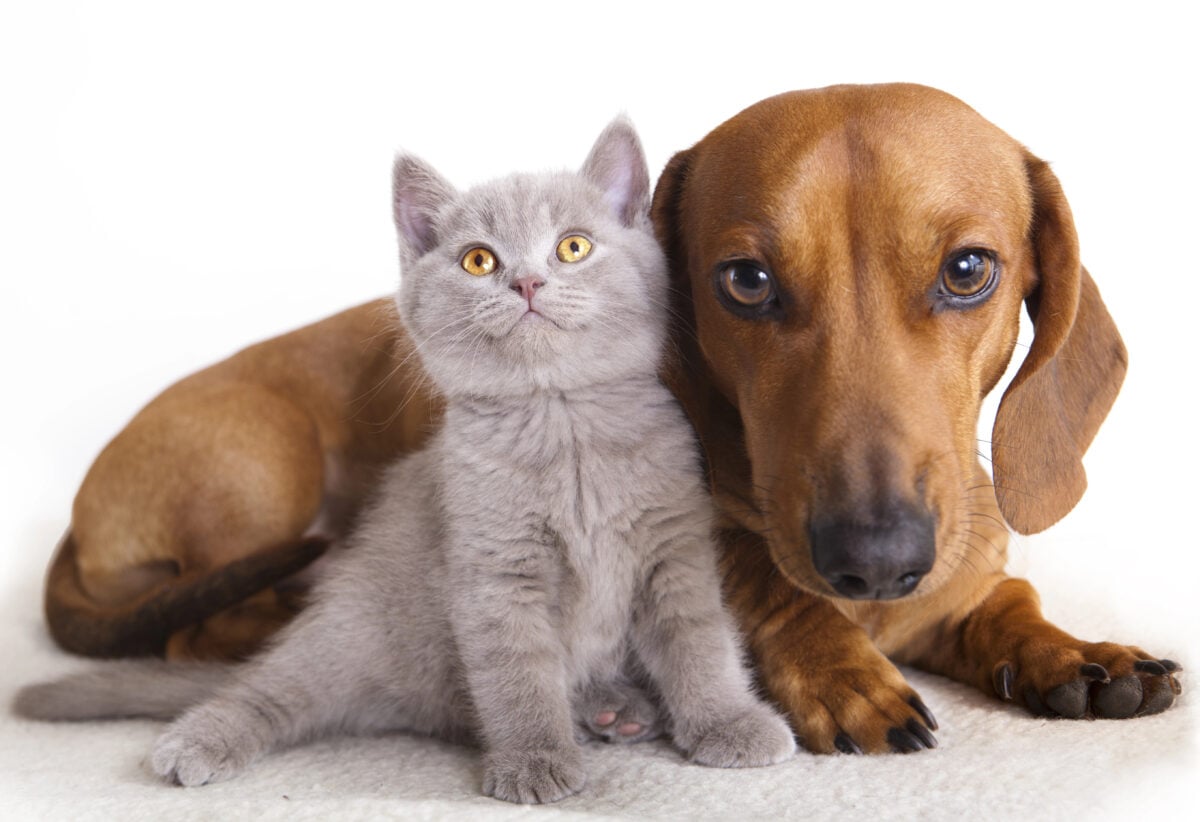
Are You A Cat Person Or A Dog Person?
Most people answer this question immediately and confidently. Sometimes, like they’re defending a core personality trait.
“I’m absolutely a dog person.”
“Oh, I could never live without a cat.”
“I like both… but if I had to choose…”
And that’s where it gets interesting.
Because once you strip away the memes and friendly rivalry, this question isn’t really about fur, paw prints, or which animal sheds more directly onto black clothing.
It’s about energy.
Dogs tend to be expressive, social, and enthusiastically involved in whatever is happening.
Cats are quieter, more selective, and often carry themselves like they have better things to do, even when they’re just staring at a wall.
If you feel strongly drawn to one over the other, that preference may reflect something deeper about how you move through the world.
Some people thrive on activity, conversation, and shared attention. Others feel most themselves in calm spaces, subtle connection, and a little emotional breathing room.
Neither is better, but the fact that you instinctively lean one direction? That might be saying more about you than you think.
What Science Says About Cat People And Dog People
First things first: this isn’t just internet folklore.
Psychologists have actually studied whether people who identify as “cat people” or “dog people” share measurable personality differences. And while no study claims these labels define someone entirely, consistent patterns have shown up across multiple research projects.
One of the most widely cited studies examined how cat lovers and dog lovers scored on the “Big Five” personality traits:
- Openness
- Conscientiousness
- Extraversion
- Agreeableness
- Neuroticism
Researchers found that dog-preferring participants tended to score higher in extraversion and agreeableness, traits linked to sociability, warmth, and outward energy.
Cat-preferring participants, on the other hand, tended to score higher in openness to experience, a trait associated with curiosity, creativity, and comfort with complexity. Some studies also show slightly higher levels of emotional sensitivity and introspection in cat people.
That doesn’t mean one group is smarter, kinder, or more emotionally stable.
It simply suggests that the type of pet we’re drawn to may align with how we naturally process the world.
And it’s important to pause here: these are statistical trends, not personality verdicts.
The differences aren’t dramatic, but they’re consistent enough that researchers continue to see them when comparing dog owners vs cat owners across different groups.
Once you start mapping those traits onto everyday life — how you recharge, how you socialize, how much stimulation you prefer — the patterns become surprisingly recognizable.
The Cat Person Personality Profile
If you strongly identify as a cat person, chances are it’s not just about whiskers, purrs, and soft paws.
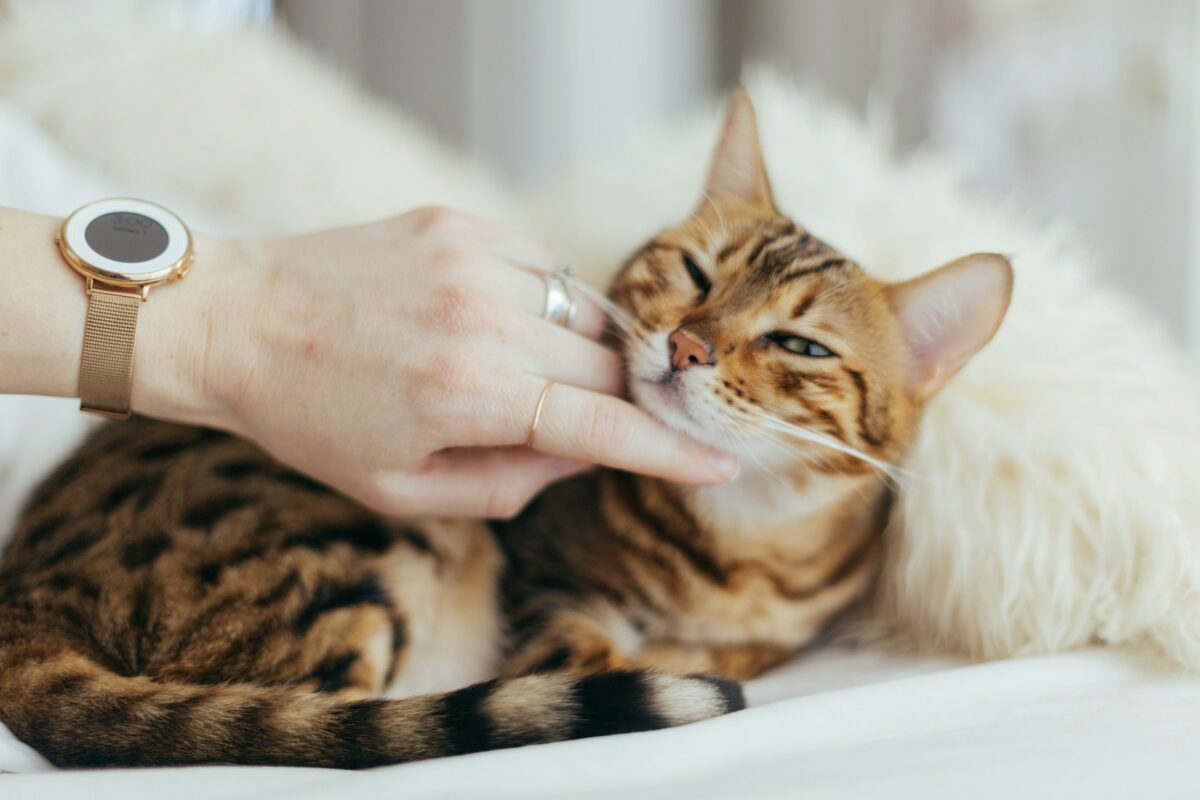
You don’t just own a cat — you respect boundaries and feline negotiations. And you understand that affection is a privilege, not a guarantee.
If that dynamic feels familiar… there’s a reason.
When researchers study cat-preferring participants, a few patterns show up consistently, especially around independence, curiosity, and emotional nuance.
Translated into real life?
You probably appreciate a creature that values space, reads the room, and doesn’t perform on command.
1. Curiosity & Openness To Experience
Your cat doesn’t simply enter a room. They investigate it.
They sniff corners. Inspect grocery bags. Stare into cardboard boxes like they contain ancient secrets of the universe. Then they sit inside with the quiet satisfaction of a scientist who has completed an experiment.
Cats are curious creatures, and many of the people who love them are too.
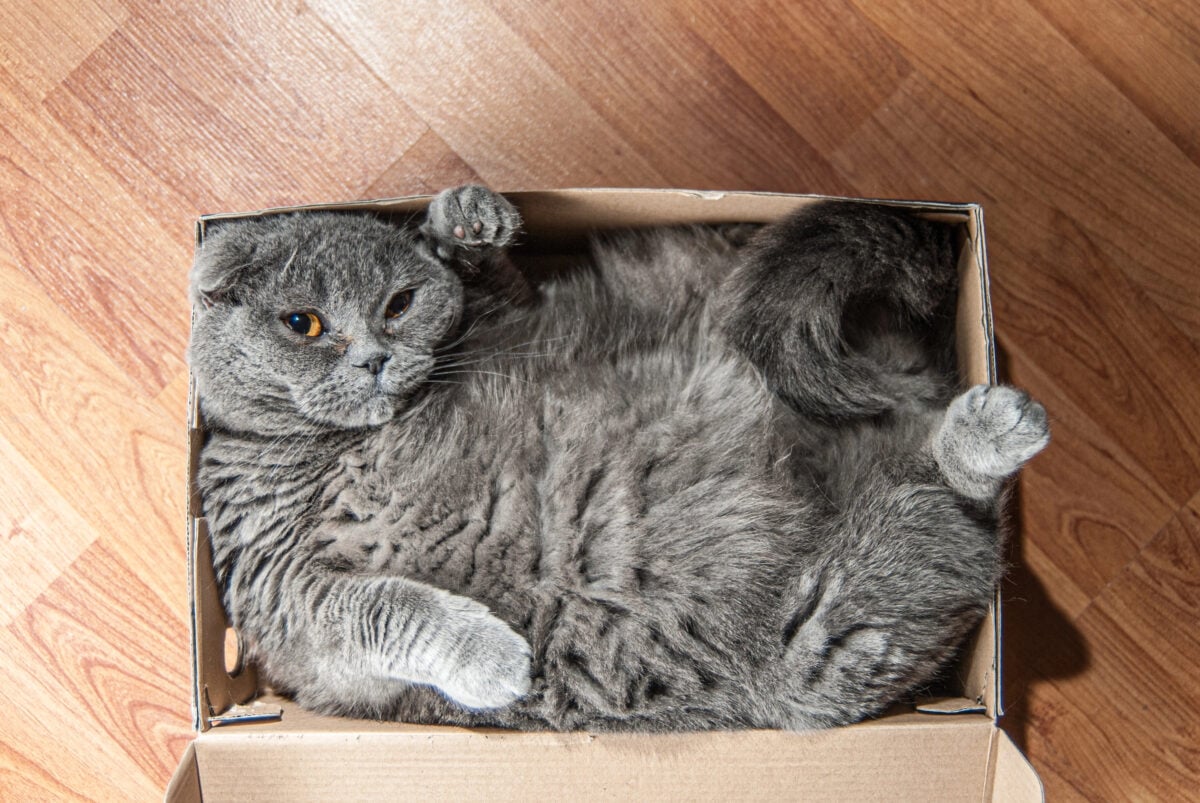
Research suggests cat-preferring individuals often score higher in openness to experience, a personality trait linked to curiosity, creativity, and comfort with complexity.
In real life, that might look like:
- Falling into internet rabbit holes at midnight
- Enjoying conversations that drift into philosophical territory
- Getting fascinated by niche hobbies or obscure topics
- Staying mentally engaged without constant stimulation
Your cat can entertain itself with a paper bag for an hour. You can entertain yourself with a thought. Different method. Same energy.y.
2. Introversion & Social Energy
Picture this: Your cat has been sitting with you on the couch. The vibes are good, and everyone’s comfortable.
Then suddenly your little furball stands up, walks away, and disappears into another room.
Meeting adjourned. No explanation. No emotional fallout. They’ve simply had enough interaction for now.

Cats are masters of energy management, and many cat people are too.
Studies comparing dog owners and cat owners often find that cat-preferring participants score slightly lower in extraversion, meaning they’re somewhat more likely to lean introverted.
That doesn’t mean shy or antisocial. It usually looks like:
- Preferring smaller gatherings over loud crowds
- Recharging after quiet time alone
- Leaving events while you’re still enjoying them — not when you’re exhausted
- Feeling a tiny spark of joy when plans get canceled
Your cat understands the phrase “I’ve socialized enough today.”
If that feels perfectly reasonable to you, you might be a cat person.
3. Emotional Sensitivity & Overthinking
A plastic bag rustles in the kitchen, and your cat’s head snaps up.
A door closes somewhere in the house, and your cat is instantly alert.
Cats are observant, sensitive to their surroundings, and sometimes a little… high-strung.
Researchers measure something similar in humans through a trait called neuroticism, which sounds dramatic, but really refers to emotional sensitivity and stress responsiveness.
Some studies suggest that cat-preferring participants score slightly higher on this trait, on average.
In everyday life, that can look like:
- Replaying conversations later to analyze what was really meant
- Noticing subtle mood shifts in a room
- Thinking through potential problems before they happen
- Feeling things intensely, even when you don’t show it outwardly
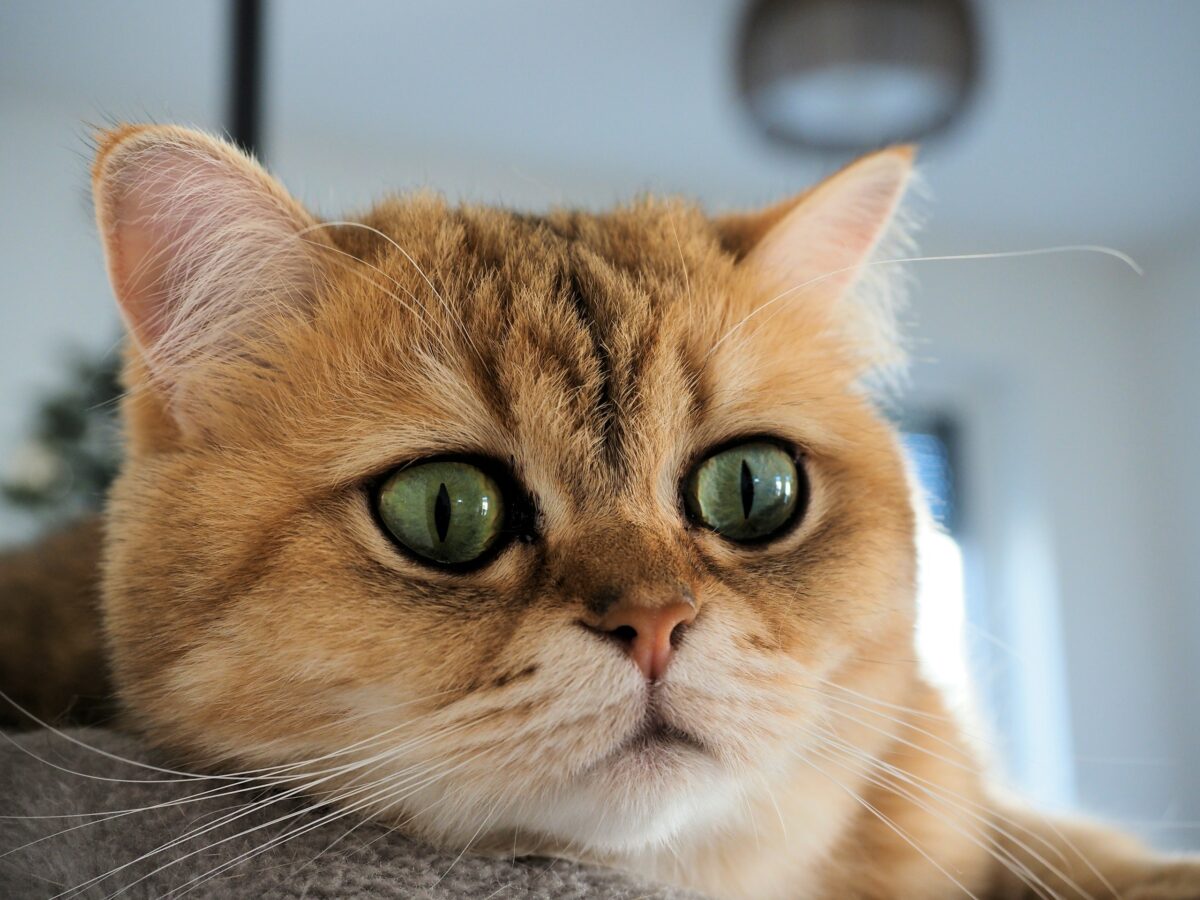
Your cat notices everything, and sometimes so do you.
The upside?
People with higher emotional sensitivity are often highly perceptive. They read nuance, pick up subtle signals, and notice things others miss.
Cats might call it vigilance. Humans sometimes call it overthinking.
The Thread That Connects It All
Cats are:
- Curious
- Careful with their social energy
- Highly aware of their surroundings
If those traits feel strangely relatable, that might explain why you and your cat get along so well.
It’s not just that you like cats. You recognize something familiar in them.
And if you’ve ever canceled plans to stay home with your cat… we see you.
The Dog Person Personality Profile
Dogs are not subtle. If they love you, you know it. If they’re excited, everyone within a three-mile radius knows it. When they think it’s time for a walk, they will keep reminding you until it happens.

Dogs live life out loud, and the people who love them often share that energy.
Researchers who compare dog owners and cat owners consistently observe a few patterns. Just as cat lovers often mirror the traits they admire in cats, dog lovers tend to resonate with the qualities dogs bring into a room.
Let’s look at what that often means in real life.
1. Social Energy & Extraversion
A dog does not quietly enter a room. A dog arrives. Tail wagging. Body wiggling. Possibly carrying a toy they would very much like you to admire.
Dogs are wired for connection, interaction, and activity.
Research consistently finds that people who prefer dogs tend to score higher in extraversion, a trait associated with sociability and outward energy.
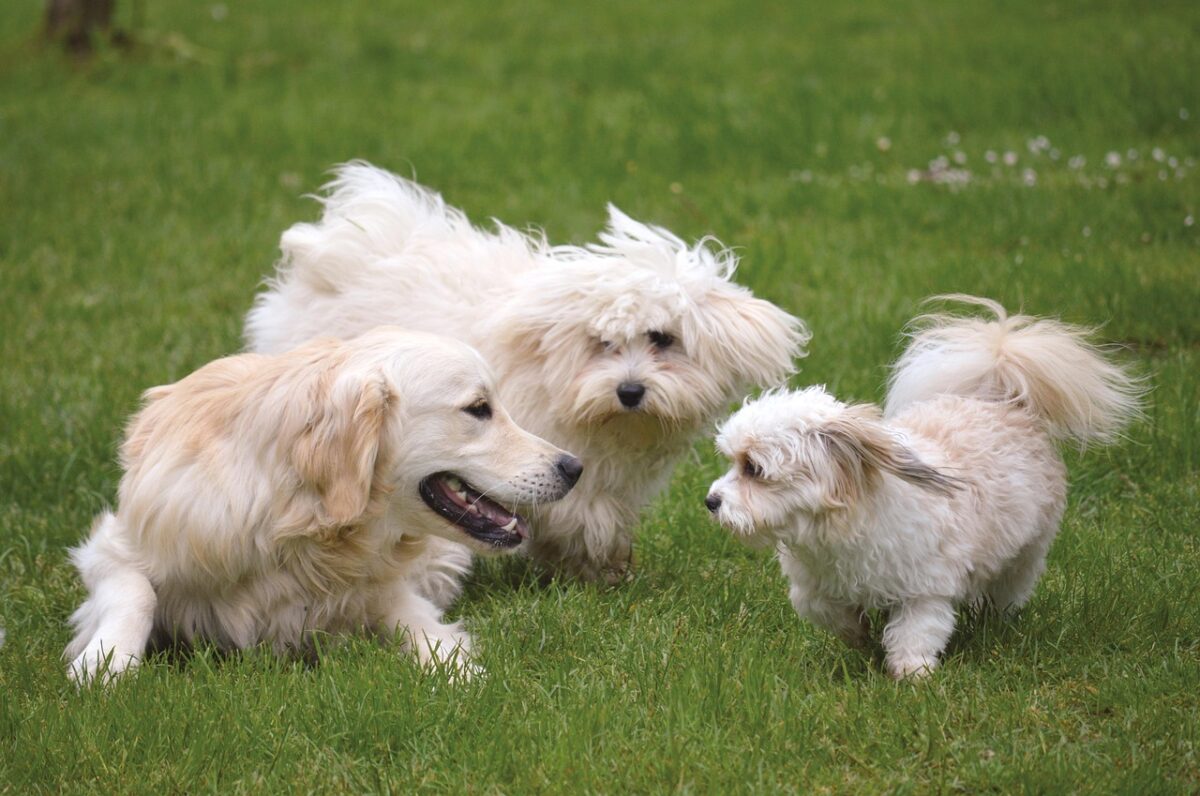
In everyday life, that might look like:
- Feeling energized by being around people
- Enjoying group activities and social gatherings
- Talking things through instead of keeping them inside
- Making friends with strangers surprisingly quickly
Dogs assume everyone is a potential friend, and dog people often feel the same way.
2. Structure, Routine & Engagement
Dogs love a schedule.
Walk time, meal time, play time, and the mysterious but extremely important event known as “when you come home.”
They thrive on routine and interaction.
Studies suggest dog-preferring participants often score higher in conscientiousness, a trait associated with reliability, organization, and structure.
In real life, that might look like:
- Enjoying predictable routines
- Being dependable and organized
- Preferring plans over chaos
- Feeling satisfied when things run smoothly
Dogs love knowing what happens next, and dog people often do too.
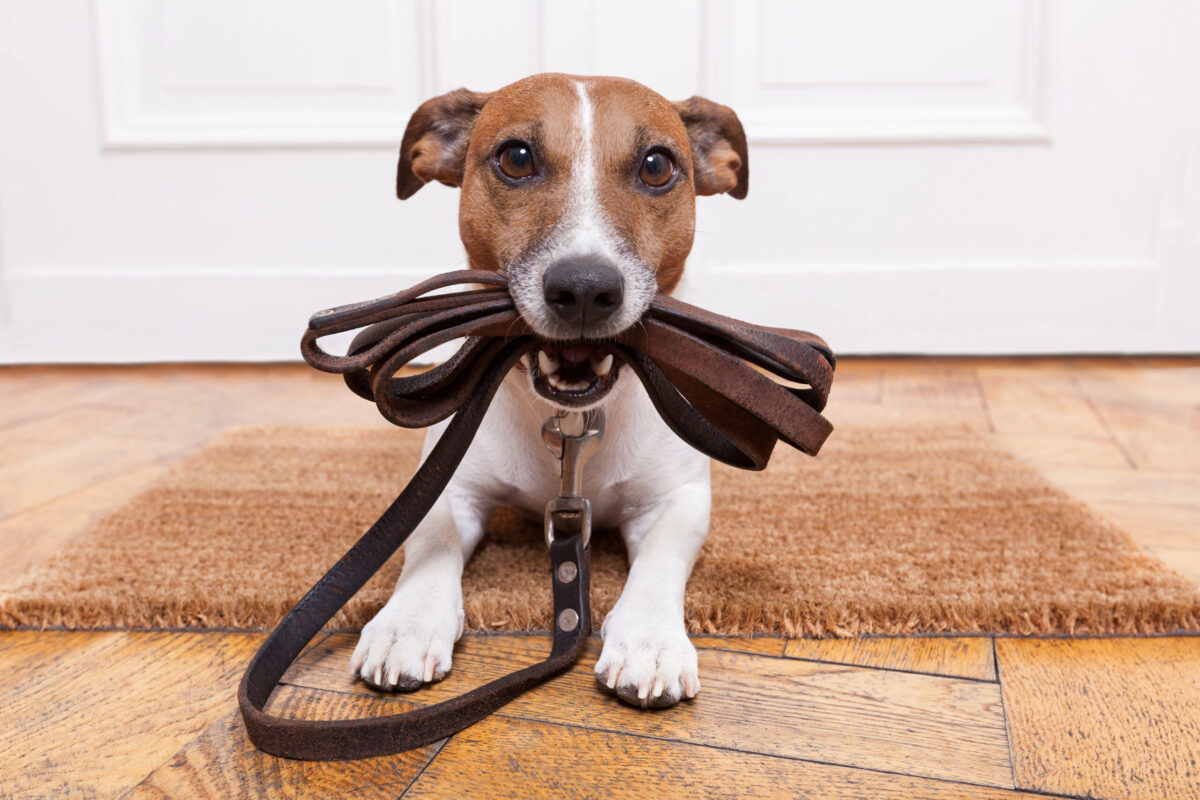
3. Emotional Expressiveness
When a dog is happy, it’s obvious. When a dog is excited, it’s extremely obvious.
Dogs don’t hide their feelings. They broadcast them.
Research suggests dog-preferring participants often score higher in agreeableness, a personality trait linked to warmth, friendliness, and emotional openness.
In everyday life, that might look like:
- Being naturally affectionate and expressive
- Showing enthusiasm easily
- Valuing shared experiences and connection
- Wanting people around you to feel welcome
Dogs don’t keep their feelings mysterious, and dog people usually don’t either. And honestly, the world could probably use a little more of that energy.
The Thread That Connects It All
Dogs bring enthusiasm, structure, and social energy into the room.
If that kind of energy feels natural and not overwhelming, it may explain why dogs feel like such a perfect fit. You don’t just love their excitement. You recognize it.
Of course, not everyone fits neatly into one category.
The Pet Ambivert: Can You Love Both?
Some people identify very strongly as cat people. Others are proudly dog people.
And then there’s a third group quietly watching this whole debate, thinking: “Why not both?”

These are the pet ambiverts — the people who somehow manage to live happily with both cats and dogs in the same household.
Which, if you’ve ever witnessed it, is basically a daily experiment in contrasting personalities.
Living With Both Cats and Dogs
A dog enters a room like it’s a party. A cat enters a room as if it’s an inspection. When both animals share the same home, you get a fascinating emotional balance.
The dog brings:
- Unfiltered enthusiasm
- Full-body movement
- A strong belief that everyone should go outside immediately
The cat brings:
- Silent observation
- Personal boundaries
- The occasional look that says, “This dog is exhausting.”
For many households, that combination actually works beautifully. The dog creates energy, and the cat restores zen.
Personality Shifts Over Time
Pet identity isn’t always permanent.
Many people who grew up in “dog families” later discover they love cats as adults. Others start out with cats and eventually realize they enjoy the social energy of dogs too.
Some of it comes down to life stage. For example:
- Busy young professionals sometimes appreciate the independence of cats
- Active families often enjoy the structure of dogs
- Later in life, many people find themselves drawn to the companionship of both
In other words, your pet personality can evolve right along with your lifestyle.
Emotional Flexibility
Some people naturally connect with one energy style, while others adapt easily to both.
Pet ambiverts tend to appreciate the contrast: The dog is excited that you woke up. The cat is mildly surprised you still live here. And somehow that combination works.
It creates a home where enthusiasm and independence coexist — sometimes peacefully, sometimes… less peacefully.
Quick Question For You
If you’ve lived with both cats and dogs at some point in your life, which one surprised you more? The cat that turned out to be incredibly affectionate? Or the dog that turned out to be far more sensitive than expected? Let us know in the comments — people always have stories about this.
So… If You Had To Choose
Living with both cats and dogs can feel like hosting two very different personalities. One greets you like you’ve just returned from a heroic journey.
The other briefly acknowledges your existence… and then goes back to whatever they were doing. Both have their charm, and plenty of people genuinely love both animals.
But personality research suggests most of us still lean one direction or the other, even if we don’t realize it. So let’s find out.
Quick Test: Are You More Cat Or Dog?
Still unsure where you fall in the great cat-person vs dog-person divide? Let’s run a quick experiment.
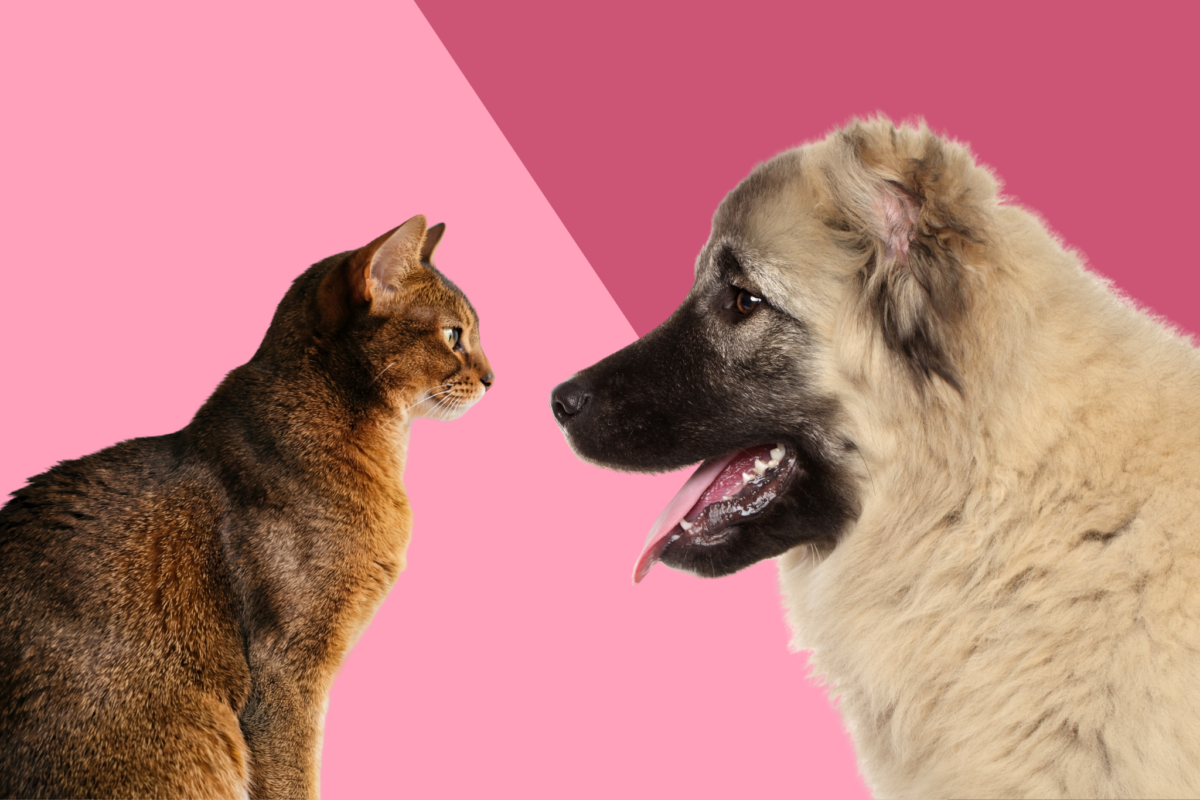
Below are a few everyday scenarios. Don’t overthink it; just pick the answer that feels most natural. (Yes, some of you will overthink it anyway. We see you.)
Keep track of whether you choose mostly A or B.
1. Your ideal Friday night looks like:
| A. A quiet evening at home with something interesting to watch or read, possibly while sitting in the exact spot you claimed three hours ago. |
| B. Going out somewhere lively, seeing people, doing something social, and generally being where the action is. |
2. When plans get canceled at the last minute, your honest reaction is:
| A. “Oh wow… what a shame.” (You immediately change into comfortable clothes.) |
| B. “Wait, seriously? I was excited about that.” |
3. You walk into a party where you only know one person.
| A. You locate the nearest safe corner and slowly warm up to the room. |
| B. You’re already talking to three new people before the person who invited you even finds you. |
4. Your phone notifications look like:
| A. Carefully managed. Possibly silenced. Some of you treat notifications like suspicious strangers. |
| B. Constant activity. Messages, group chats, memes, plans, and more plans. |
5. When you meet a new animal, your instinct is to:
| A. Approach calmly and let them decide if they trust you. |
| B. Immediately crouch down and say, “OH MY GOD HI!” |
6. After a long social event, your energy level is:
| A. “I’m going home to sit in silence for a bit.” |
| B. “That was fun. What else is happening tonight?” |
7. Your home environment preference:
| A. Calm, comfortable, and relatively quiet. |
| B. Active, lively, with lots going on. |
8. When something stressful happens, you usually:
| A. Think it through privately before discussing it. |
| B. Call or text someone immediately to talk it out. |
9. Someone meeting you for the first time might describe you as:
| A. Observant, thoughtful, maybe a little reserved at first. |
| B. Friendly, energetic, and easy to talk to. |
10. A perfect companion animal should be:
| A. Independent but affectionate when it chooses. |
| B. Constantly excited to see you, like you just returned from a long vacation. |
Your Results
Mostly A’s → Cat Energy
You probably appreciate independence, quiet curiosity, and connection that doesn’t require constant interaction.
In other words, you and a cat understand each other perfectly. You both enjoy people… just not all the time.
Mostly B’s → Dog Energy
You likely thrive on activity, interaction, and shared enthusiasm. Connection energizes you rather than draining you, which explains why dogs feel like such a natural fit.
Your ideal greeting probably involves enthusiasm and at least one exclamation point.
Half & half?
Congratulations — you might be a pet ambivert.
You appreciate both energy styles, which is why households with both cats and dogs somehow work. One animal brings the excitement. The other silently judges the excitement.
Can A Cat Person And A Dog Person Make It Work?
Short answer? Yes.
Longer answer? Also yes, but…
…occasionally, it looks like one person planning a quiet evening at home while the other is already putting on shoes and saying, “Let’s go do something.”
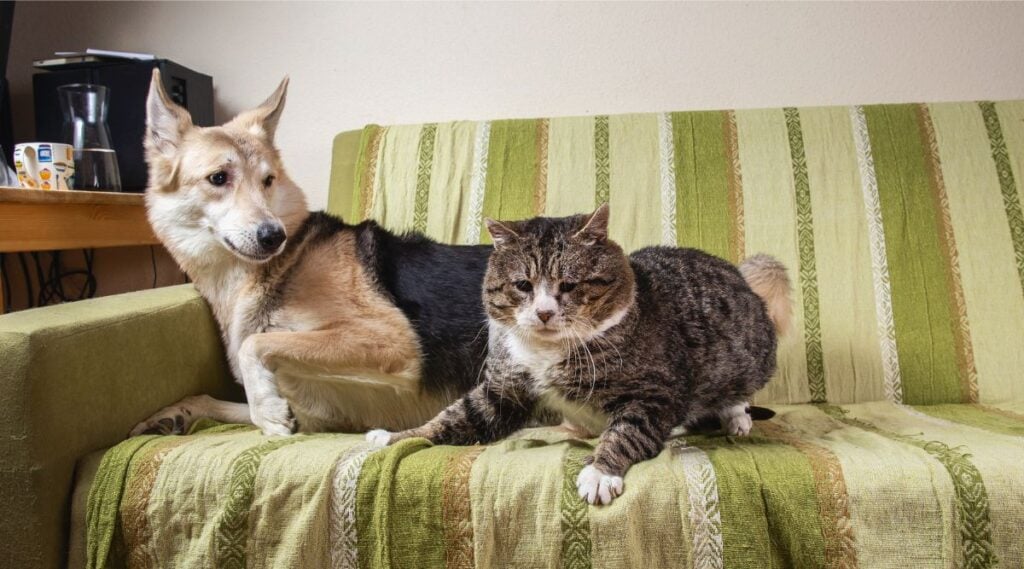
Cat people and dog people can bring very different social energy into a relationship.
One partner may prefer calm, quiet environments. The other thrives on activity and interaction. Which raises an important question: Is that balance… or chaos?
Do Opposites Attract — Or Exhaust?
In many relationships, one person is naturally more outgoing while the other prefers a slower pace.
If you’re picturing a Golden Retriever personality paired with a thoughtful house cat personality, you’re not far off.
- One partner might say: “Let’s invite people over!”
- The other partner might respond: “We literally just saw people yesterday.”
Sometimes those differences complement each other beautifully.
- The dog-energy partner introduces spontaneity and activity.
- The cat-energy partner introduces calm, reflection, and the occasional reminder that staying home is also a perfectly valid life choice.
And when it works well, couples end up balancing each other’s energy.
When it doesn’t…
One person feels like the social cruise director, and the other feels like they’ve been booked on the cruise without being consulted.
Shared Values Matter More Than Pet Preferences
Here’s the important part: The success of a relationship usually has less to do with whether someone prefers cats or dogs and more to do with how people communicate about their needs. For example:
A cat-leaning partner might need:
- Quiet time to recharge
- Personal space after busy days
- A slower social schedule
A dog-leaning partner might thrive on:
- Activity and shared experiences
- Talking through problems immediately
- Frequent interaction and connection
When both people understand that difference, it’s usually manageable.
When they don’t understand it?
One partner starts wondering why the other “needs so much downtime,” while the other starts wondering why the calendar suddenly looks like a conference itinerary.
The Great Pet Negotiation
Eventually, many couples face a very serious relationship milestone. Not marriage. Not moving in together. But the pet decision.
This is where the classic negotiation begins. One partner says, “We should get a dog.” The other says, “What about a cat?”
From there, several outcomes are possible:
- Someone wins the argument
- Someone compromises
- Or the household ends up with both animals
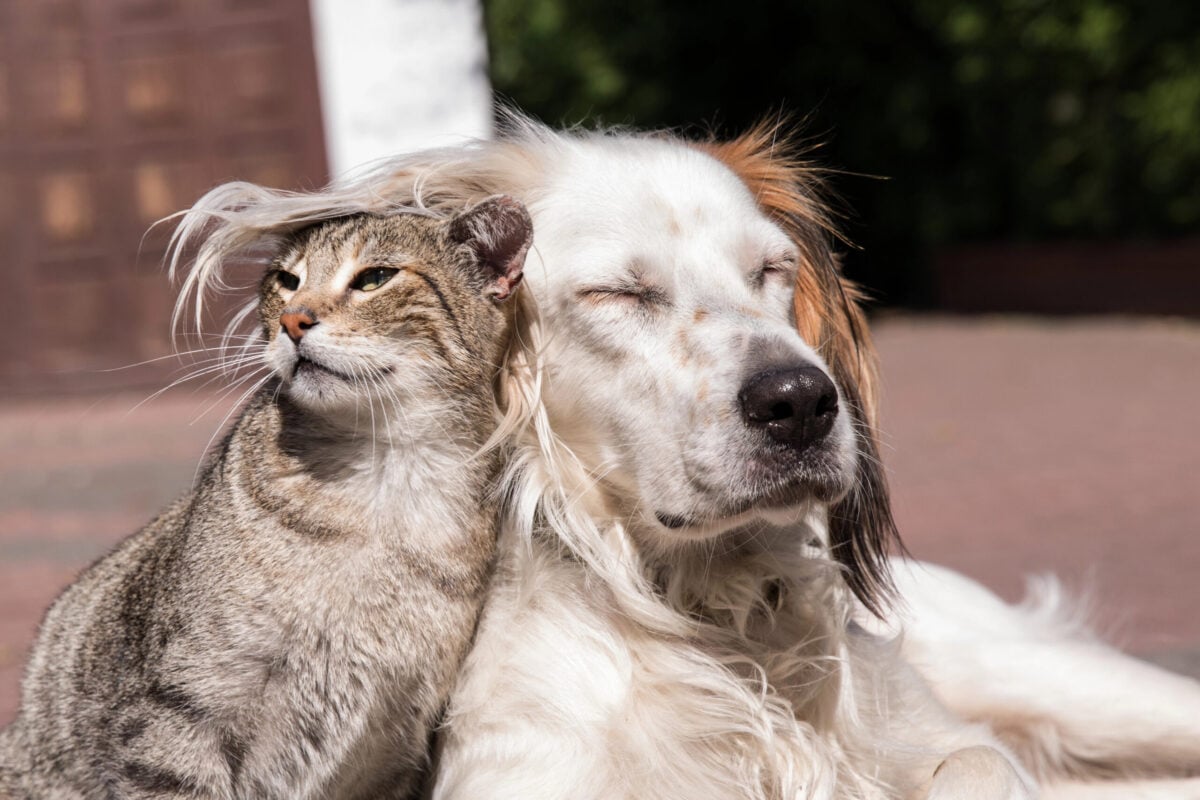
This leads to the unique dynamic in which the dog worships everyone. The cat judges everyone.
And the humans quietly realize they may have accidentally adopted representations of their own personalities.
Now we’re curious:
Are you and your partner different pet personalities? Is one of you the energetic dog person, while the other is firmly in the cat camp? Or did you somehow find another person with the exact same energy as you? Tell us in the comments — these stories are always interesting.
Let’s Be Honest — People Have Opinions About This
At this point, you may be reading this article thinking: “Okay… but I’m definitely the exception.”
And honestly, you might be.
Personality research can show patterns, but it can’t perfectly capture every individual. There are plenty of outgoing cat lovers, quiet dog enthusiasts, and households where the pets completely break the supposed rules.
Sometimes the loudest dog in the world belongs to a deeply introverted owner. And sometimes the most social person you know is completely devoted to a quiet little cat.
People are complicated. Pets are complicated. And half the fun of this conversation is realizing how many different combinations exist.
So before we wrap up, let’s answer a few of the questions people ask most often about the whole cat-person vs dog-person debate.

Frequently Asked Questions
People tend to have strong opinions about the whole cat person vs dog person debate and plenty of questions, too. Here are a few of the most common ones. If you’re still wondering about something we didn’t cover, drop your question in the comments, and we’ll take a look.
Are Cat People Really More Introverted?
Some studies have found that people who prefer cats tend to score slightly lower in extraversion on average, which means they may lean more introverted. But that doesn’t mean every cat lover is quiet or shy.
It simply suggests that many cat owners feel comfortable with quieter environments and independent routines.
Are Dog People More Outgoing?
Research comparing dog owners and cat owners often finds that dog-preferring participants score higher in extraversion and agreeableness.
That makes sense when you consider how much interaction dogs require — walks, playtime, training, and social activity. People who enjoy that rhythm often have naturally social energy.
Are Cat People Smarter Than Dog People?
One small study found that cat-preferring participants scored slightly higher on an intelligence measure, but that doesn’t prove cat people are inherently smarter.
Other research suggests education level and lifestyle differences may help explain some of that pattern.
In other words, it’s not a competition. Both groups include brilliant people — and people who occasionally forget where they left their keys.
Can Your Pet Preference Change Over Time?
Absolutely. Many people grow up with one type of animal and develop an appreciation for another later in life.
Lifestyle changes, living environments, and even individual animal personalities can influence which pets people feel most connected to.
Is It Weird To Love Both Equally?
Not at all. Plenty of people appreciate both animals for different reasons. Cats and dogs offer very different types of companionship, and many households happily include both.
It simply means you’re flexible enough to enjoy two very different energy styles.
Still Feeling A Little Biased?
If this whole cat person vs dog person conversation has you quietly nodding in the direction of your cat, you’re not alone. We may have tried to keep things balanced here, but we’ve also made a pretty entertaining case for why cats might just have the edge.
If you’re in the mood for a slightly cheeky deep dive into feline superiority, take a look at why cats are better than dogs — just maybe don’t forward it to your dog-person friends.