When you purchase through links on our site, we may earn a commission at no extra cost to you. Learn more.
You want a cat, not a full-time job.
Table of Contents
Some felines seem born for drama, knocking things off shelves and demanding attention like tiny furry divas. But others are perfectly content snoozing in a sunny spot, grooming themselves, and pretending you don’t exist until dinner.
The trick is finding the kind of cat that fits your lifestyle, not your fantasy. Because while every feline needs care, only a few truly qualify as low maintenance.
These are the cats that thrive in busy homes, shed less, stay healthier, and still have plenty of love to give. Let’s meet the breeds that practically take care of themselves.
Want our human-written content to rank above AI-generated garbage? Help us out by clicking this button!
Why Low-Maintenance Cats Are So Popular
Cats have long had a reputation for being easy pets. They don’t need walks, they know how to use a litter box, and they seem perfectly capable of taking care of themselves.

But anyone who has ever lived with a cat knows that isn’t the whole story. Some breeds demand constant attention, frequent grooming, and mental stimulation to stay happy. Without it, they can become bored, anxious, or destructive.
That’s why low-maintenance cats have become so popular. They offer the companionship and charm of a feline friend without all the extra work. These breeds are self-sufficient, tidy, and emotionally balanced. They adapt well to busy schedules, small spaces, and even other pets.
In short, they fit modern life. Whether you’re working long hours, traveling often, or just not ready to spend every spare moment vacuuming up fur, there’s a cat that can match your pace.
What “Low-Maintenance” Really Means
The phrase “low-maintenance cat” gets thrown around a lot, but it means different things to different people.
For some, it’s about grooming. For others, it’s about personality or health. In reality, it’s a mix of all three.
Before you fall for a cute face online, here’s what actually makes a cat easy to live with.
1. Coat Type
Cats with short coats are generally easier to maintain. They’re less likely to mat and shed less fur overall.
While many consider hairless breeds to be low-maintenance, these cats require frequent baths — typically once a week — to remove oil buildup and prevent acne.
2. Shedding Level
All cats shed, but some are much lighter shedders. If you want to keep fur tumbleweeds under control, choose a breed that doesn’t require constant brushing or vacuuming.
3. Social Needs
Some cats crave companionship. Others are happy to entertain themselves while you’re away. If you work long hours, look for a breed that enjoys solitude but still appreciates affection when you’re home.
4. Energy Levels
Energetic cats are fun but require time and interaction. A calm, moderately active cat is often a better match for individuals with busy schedules or limited living space.
5. Health & Longevity
Cats that develop naturally without heavy human breeding tend to be hardier and require fewer veterinary visits. Choosing a healthy, well-bred cat means fewer expenses and less worry over time.
The 10 Easiest Cat Breeds To Own
Not all cats demand constant attention or a personal maid. Some are content to nap in a sunny spot, watch birds from the window, and keep your life blissfully drama-free.
The breeds below are known for their calm temperaments, minimal grooming needs, and easygoing personalities — the kind of cats that fit right into a busy lifestyle without feeling neglected.
1. Ragdoll
The Ragdoll is the definition of easygoing. These fluffballs love being around people and often go limp in your arms when you pick them up, which is exactly how they got their name.

Despite their long hair, Ragdolls are surprisingly simple to groom. Their single-layer coats resist matting and only need a quick weekly brush. Learn more by reading our article on how much Ragdoll cats shed.
They’re affectionate, patient, and always up for a cuddle. They adapt well to new environments, making them one of the most beginner-friendly cats around.
Best For: Families, first-time owners, and anyone craving a calm, affectionate lap cat.
Watch Juni the Ragdoll grow from kitten to full-flop — proof these cats are built for lounging.
2. British Shorthair
British Shorthairs are famously undemanding. They’re quiet, polite, and perfectly happy to lounge while you’re away at work.

Their dense, plush coat looks like it needs constant brushing, but it’s surprisingly low-shedding. A quick weekly brush keeps it tidy and soft.
These cats are affectionate without being clingy and intelligent without being mischievous. They thrive in calm households and make excellent companions for first-time owners.
Minimal Grooming: Short, plush coat that stays neat with a weekly brush.
3. Russian Blue
Russian Blues are the introverts of the cat world. They bond deeply with their people but enjoy quiet independence when left alone.

Their short, silvery-blue coat barely sheds and never mats, making grooming almost effortless. They’re also known for strong immune systems and impressive longevity.
These cats prefer routine, thrive in peaceful homes, and bring a touch of elegance to any space.
Low-Allergen Perk: Produces less of the Fel d 1 protein that triggers most cat allergies, making them a relatively hypoallergenic breed.
See a Russian Blue in action at a cat show — sleek, poised, and low drama.
4. American Shorthair
The International Cat Association (TICA) calls the American Shorthair one of the most adaptable breeds for any household, from singles and seniors to families and multi-pet homes. These cats are easygoing, adaptable, and famously good-natured. They’re friendly without being needy and playful without being over the top.

Their short, resilient coat rarely mats and needs only occasional brushing. These sturdy cats are also known for excellent health and can live well into their late teens or early twenties.
They’re patient with children, tolerant of other pets, and adjust well to busy households.
Longevity Highlight: Often lives up to two decades with minimal health concerns.
5. Birman
The Birman is gentle, affectionate, and loves being part of the action without demanding constant attention.

Their silky coat may look like work, but it’s a single layer that rarely tangles. A light brushing once or twice a week keeps them in perfect shape.
Birmans get along with almost everyone, from kids to seniors, and bring a calm, loving presence to any home.
Fun Fact: Despite their long fur, Birmans have no undercoat and shed less than most fluffy breeds.
6. Bombay
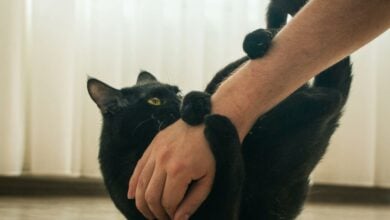
The Bombay is sleek, social, and built for attention. With their glossy black coats and golden eyes, they’re often called the “mini panther” of the cat world. They’re affectionate, very playful, and love being part of daily life.

Their short, shiny coat is as easy as it gets. A quick brush now and then keeps it looking polished.
Bombays are generally healthy and can live 15 to 20 years with proper care. They’re smart enough to learn tricks and calm enough to adapt to apartment living.
Fun Fact: Bombays love routine and may greet you at the door every single day like clockwork.
Watch Claudia the Bombay cat in action — full of energy, chasing toys, and even playing fetch. While Bombays are often mistaken for regular black cats, they’re truly one-of-a-kind.
7. Oriental Shorthair
The Oriental Shorthair brings color, curiosity, and charisma to the low-maintenance list. They share ancestry with the Siamese, which means they’re smart, social, and expressive, but they also know how to entertain themselves.

Their fine, glossy coat requires almost no care beyond an occasional wipe with a damp cloth. They’re athletic and outgoing but not destructive, making them great for homes that enjoy interaction without chaos.
Fun Fact: The breed comes in more than 300 colors and patterns — one of the most visually diverse cats in the world.
Watch real-life Oriental Shorthairs in full swing — chatty, curious, and always on the move.
8. Norwegian Forest Cat
The Norwegian Forest cat is calm, loyal, and adaptable. Despite their wild appearance, these kitties settle easily into family life.

TICA calls grooming the Norwegian Forest “fairly low maintenance.” This breeds molts once or twice a year but sheds very little in between molts.
This naturally evolved breed is sturdy and long-lived, often reaching 20 years with minimal health concerns.
Minimal Grooming: Thick coat that stays surprisingly manageable outside of seasonal shedding.
9. Burmese
Burmese cats are affectionate, sturdy, and endlessly curious. They form strong bonds with their families but aren’t overly needy, striking a nice balance between attention and independence.

Their short, silky coat rarely sheds and needs almost no grooming. Burmese cats are also known for their playful spirit and long lives, often exceeding 18 years.
Longevity Highlight: Healthy and people-loving with one of the longest average lifespans among cat breeds.
10. Chartreux
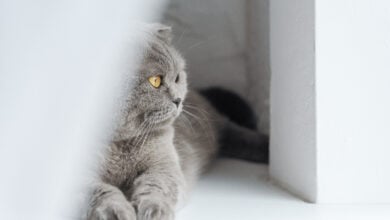
The Chartreux is quiet, observant, and famously undemanding. They tend to follow their humans from room to room without making a sound. These soft gray cats are affectionate but independent enough to entertain themselves while you’re away.

Their dense, woolly coat looks plush but is surprisingly low-shed and water-resistant. Weekly brushing is all it takes to keep them tidy. They’re also one of the oldest natural breeds, prized for both beauty and resilience.
Best For: Busy professionals who want a calm, loyal cat that doesn’t crave constant attention.
6 Other Low-Maintenance Breeds Worth Considering
Still haven’t found your perfect match? These cats didn’t make the main list, but they come close in terms of care level and personality.
- Abyssinian: Athletic, curious, and low-shedding. These sleek explorers love to play but handle alone time well. They’re perfect for active owners who want personality without chaos.
- Cornish Rex: This curly-coated cat barely sheds and feels like living velvet. They’re playful and social but surprisingly easy to maintain thanks to their short, fine fur.

- Exotic Shorthair: Calm and affectionate like a Persian, but with a short, plush coat that rarely tangles. A quick weekly brush keeps them looking tidy and soft.
- Sphynx: No fur to brush, but their skin needs gentle wiping or occasional baths to prevent oil buildup. A great option for people with allergies who don’t mind a little skincare routine.

- Tonkinese: A happy medium between the Siamese and Burmese, the Tonkinese is playful, outgoing, and easy to care for. Their adaptable nature makes them a great match for families or first-time cat parents.
- Siamese: Sleek, intelligent, and talkative. They crave companionship but need almost no grooming, making them ideal for cat parents who love interaction without the mess.

Matching Your Lifestyle to Your Cat
Finding the right cat isn’t just about looks. It’s about personality fit.
Some cats thrive in lively homes where something’s always happening. Others are happiest in calm spaces with predictable routines.
If you’re away most of the day, an independent breed like the Russian Blue or Chartreux will be perfectly content holding down the fort.
Work from home? A social cat, such as the Ragdoll or Tonkinese, will love the extra company.

Families with children or other pets tend to do best with adaptable breeds, such as the American Shorthair or British Shorthair.
And for those who want companionship without constant maintenance, cats like the Birman or Exotic Shorthair strike an ideal balance.
There’s no one-size-fits-all cat, but the right match will make your life easier and more rewarding — for both of you.
Frequently Asked Questions
Choosing a cat that fits your lifestyle can raise a few questions. Below are some of the most common ones people have when looking for an easygoing feline companion.
Don’t see your question? Ask us in the comments!
Are Low-Maintenance Cats Good For First-Time Owners?
Absolutely. Many low-maintenance breeds are calm, patient, and forgiving — excellent traits for new cat parents still learning the ropes.
Breeds like the Ragdoll, British Shorthair, and American Shorthair are known for being adaptable and easy to handle.
First-time owners often appreciate cats that don’t demand constant attention or grooming. These breeds allow you to enjoy companionship without feeling overwhelmed by care routines or behavior challenges.
Do Low-Maintenance Cats Still Need Daily Care?
Yes, but much less than high-maintenance breeds. Even independent cats need fresh food and water, a clean litter box, and short play sessions for enrichment.
The key difference is intensity. A Ragdoll might be happy with a few minutes of affection, while a Sphynx requires more frequent upkeep due to skin care.
The best low-maintenance cats make it easy to build those needs into your daily routine.
Which Cat Breeds Shed The Least?
If shedding is your biggest concern, consider the Russian Blue, Cornish Rex, or Sphynx. Each has a unique coat type that minimizes loose fur around your home.
Short-haired cats, such as the Oriental Shorthair and Exotic Shorthair, also shed less than fluffy breeds, especially when brushed regularly. Consistent grooming, even for low-shed cats, helps reduce allergens and keeps their coats healthy.
Are Low-Maintenance Cats Less Affectionate?
Not at all. Many easy-care cats are just as loving; they simply express it differently. A Ragdoll or Birman might seek constant snuggles, while a Chartreux or Russian Blue shows love by following you quietly from room to room.
Low-maintenance doesn’t mean low-connection. It means your cat’s personality aligns with your lifestyle, creating harmony instead of stress.
What’s The Easiest Cat To Care For Overall?
The answer depends on what “easy” means to you.
For minimal grooming, it’s hard to beat the Russian Blue or Cornish Rex. For laid-back companionship, the Ragdoll or British Shorthair tops the list.
The best match is the one whose needs naturally fit your routine. A cat that thrives in your world will always feel easier to care for, because it’s the right fit from the start.
Other Cat Breeds To Consider
If you’re still deciding which cat fits your lifestyle, explore our other guides for even more options. Check out our lists of the calmest cat breeds and low-shedding breeds for more low-maintenance cat options.