When you purchase through links on our site, we may earn a commission at no extra cost to you. Learn more.
Checking on the worst cats for allergies? If you’re sensitive to dander, these fluffy culprits will have you sneezing, wheezing, and reaching for tissues faster than you can say “achoo.”
Table of Contents
Here’s the lineup of cats most likely to wreck your sinuses — ranked and explained.
Start Here: The Cats Most Likely To Destroy Your Sinuses
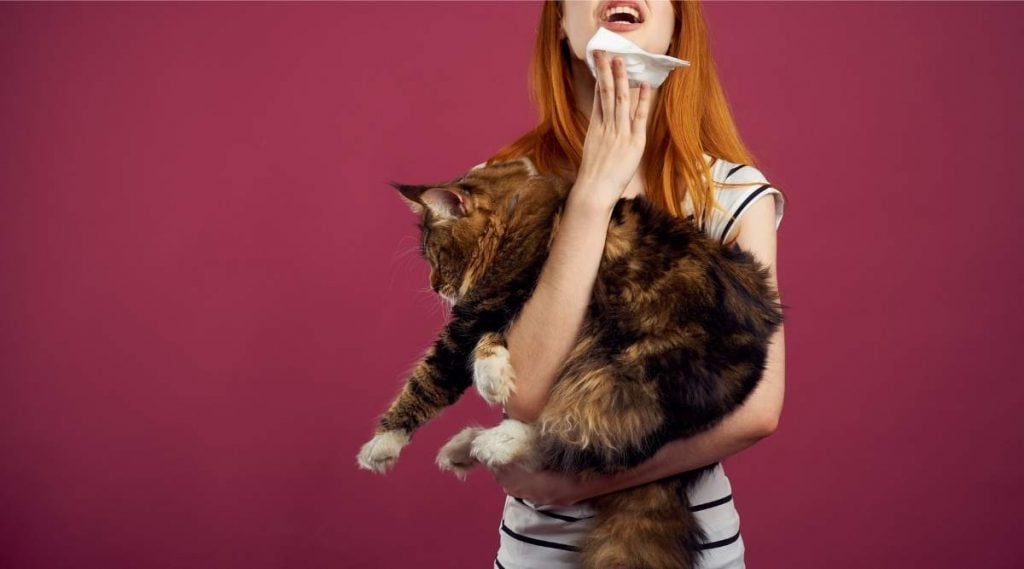
If you have severe cat allergies, some breeds are far more likely to turn your home into a nonstop sneeze zone.
The biggest offenders are usually large, fluffy, heavy-shedding cats with dense coats, frequent grooming habits, and lots of close contact with humans. Long fur is not technically the source of cat allergies, but it acts like a delivery system for saliva, dander, and the infamous Fel d 1 protein that triggers symptoms.
Want our human-written content to rank above AI-generated garbage? Help us out by clicking this button!
In other words, some cats are basically walking allergen distribution systems.
Before diving into the full list, here are the breeds allergy sufferers struggle with most often.
| Breed | Allergy Risk | Why They’re So Rough On Allergies |
|---|---|---|
| Persian | Extreme | Dense coat traps saliva, dander, and allergens for days |
| Himalayan | Extreme | Persian-like coat |
| Maine Coon | Extreme | Huge body, thick fur, and heavy shedding |
| Norwegian Forest Cat | High | Massive double coat with seasonal “coat explosions” |
| Ragamuffin | High | Plush fur sheds heavily and clings to fabrics |
| Exotic Shorthair | Moderate-High | Short coat but very dense |
| Scottish Fold | Moderate-High | Dense plush coat and highly affectionate personality |
Quick Reality Check: Most people are allergic to proteins found in cat saliva, skin oils, and dander, not the fur itself. That means a short-haired cat can still trigger major allergy symptoms if they groom frequently or produce a lot of Fel d 1.
Are Hypoallergenic Cats A Myth?
Let’s clear this up fast: There is no such thing as a completely hypoallergenic cat.
All cats produce allergens, primarily a protein called Fel d 1 found in saliva, skin oils, dander, and even dried urine. When cats groom themselves, that protein spreads across their coat and eventually into your home through loose hair, dust, furniture, bedding, and the air itself.
That said, not all cats affect allergy sufferers equally. Some breeds have been shown to naturally produce lower levels of Fel d 1, while others shed less, groom less aggressively, or spread fewer allergens around the home. This is why certain cats are often considered “better” for allergy sufferers, even though they are not truly allergen-free.
Quick Takeaway: Long-haired cats are not automatically worse, and hairless cats are not automatically safe. The real issue is how much allergen a cat produces and how efficiently it spreads it around your house.
The Sneeze Parade: 13 Cats To Avoid If You Have Allergies
Here’s the lineup of breeds allergy sufferers should probably admire from afar.
1. Persian
Persians may be the poster child for luxury cats, but their coats are basically allergen hotels. The long, thick fur traps saliva, dander, dust, and anything else you do not want floating around your home. Even brushing them daily will not stop allergens from spreading.

Because Persians constantly groom, they coat themselves in Fel d 1 protein, the real culprit behind your sneezes. They are lovely, affectionate cats, but if you are allergy-prone, they will have you stocking up on antihistamines.
- Double coat acts like Velcro for allergens
- Known for heavy, year-round shedding
- High-maintenance grooming schedule spreads more Fel d 1
- Persian mixes like Himalayans and Exotics often share the same sneezy traits
Fluffball Fact: A Persian’s dense coat can trap allergens for days, turning every cuddle into a sneeze ambush.
2. Ragamuffin
Big, fluffy, and friendly, the Ragamuffin is adored for its cuddly personality, but the fluff comes with a cost. Their coats are thick and soft, but they shed constantly, trapping allergens in every tuft of fur.

At up to 20 pounds, these cats are considered allergen factories primarily due to their size. Add in the grooming needs, and you will be face-to-face with hair, dander, and dust multiple times a week.
- Large breed means more fur and more allergens
- Weekly grooming is a must, and a sneeze trigger
- Coat attracts and holds dust along with dander
- Related to Ragdolls and Persians, which are also allergy-heavy
Tumbleweed Warning: One Ragamuffin can shed enough to create mini fur tumbleweeds rolling across your floors.
3. British Longhair
With their round cheeks and plush coats, British Longhairs look like living teddy bears. Unfortunately, their dense double coats trap dander, dust, and allergens, making them challenging for sensitive owners.

Daily grooming is essential to prevent mats, but every brushing session also exposes you to more Fel d 1. These cats are undeniably charming, yet their coat care can make them a sneeze trigger.
- Double coat with thick underlayer and silky outer layer
- Daily brushing is required to prevent matting
- Moderate to heavy year-round shedding
- Self-groom often, spreading allergens further
Trivia Bite: British Longhairs are often compared to the Cheshire Cat. Charming smile for you, sneeze storm for your sinuses.
4. Oriental Longhair
Elegant and vocal, the Oriental Longhair brings personality in spades. However, their constant grooming and silky, flowing coats mean allergens are spread throughout the year.

Although they have only one coat, it is long and fine, creating a large surface area for saliva and dander to cling to. These affectionate cats make excellent companions, but they may not be suitable for those with allergies.
- Single long coat but still sheds heavily
- Known for constant grooming habits
- Friendly and people-oriented breed
- Regular grooming is needed to manage mats and tangles
Allergy Alert: Because they love being close to people, Oriental Longhairs spread allergens more by sheer persistence.
5. Norwegian Forest Cat
Built to survive Scandinavian winters, the Norwegian Forest Cat has a rugged coat that spells trouble for allergy sufferers. Their long, water-resistant fur sheds heavily, filling the home with hair and dander.

Even with regular grooming, allergens are tough to manage. These gentle giants may be sweet, but their coats make them one of the worst choices for allergy-sensitive owners.
- Very thick, water-resistant double coat
- Heavy shedders throughout the year
- Grooming exposes owners to saliva and allergens
- Large body size spreads allergens more widely
Snowdrift Fact: In Norway, this breed was once considered a “house troll.” Allergy sufferers would agree with the troll part.
6. Cymric (Longhaired Manx)
The Cymric, or long-haired Manx, is instantly recognizable with its round face and short, fluffy tail. Sadly, its dense double coat creates constant grooming needs and spreads plenty of allergens.

These cats require near-daily brushing, which increases owner exposure to dander. Even their short-haired relatives are notorious shedders, making them difficult for allergy sufferers to handle.
- Double coat requires frequent maintenance
- Moderate to heavy shedding year-round
- Brushing sessions release allergens into the air
- Both long-haired and short-haired Manx are allergy triggers
Shedding Signal: Even shorthaired Manx cats shed a ton. The longhaired version just turns the volume up to max.
7. Himalayan
Himalayans are renowned for their striking appearance and luxurious coats. Unfortunately, they are closely related to Persians and share the same allergy-inducing traits.

Thick double coats, heavy shedding, and high grooming needs make them one of the top sneeze culprits. Their affectionate nature does not outweigh the watery eyes and runny noses they may cause.
- Related to Persians with similar fluffy coats
- High-maintenance grooming needs
- Heavy, year-round shedding
- Known to trigger itchy eyes, rashes, and sneezing
Sneeze Trigger: Himalayans share ancestry with Persians, so if one makes you sneeze, the other almost certainly will.
8. Chartreux
The Chartreux has a short, dense coat with a woolly texture that clings to allergens. Their fur traps dander, dust, and saliva proteins, which means owners get a dose of allergens even outside peak shedding season.

Though they are calm and affectionate, the twice-yearly heavy shedding seasons can be brutal for sensitive owners.
- Dense double coat that traps allergens
- Seasonal heavy shedding periods
- Regular grooming exposes allergens
- Rare breed but still problematic for allergies
Coat Note: Their fur is water-resistant, which means dander clings like a raincoat that never dries.
9. Turkish Van
The Turkish Van has a playful, mischievous personality, but their semi-long coats shed far more than their appearance suggests. Their larger size and active lifestyle spread allergens throughout the home.

These cats also produce significant dander, making them a tough fit for allergy sufferers. Even without an undercoat, their shedding can be overwhelming.
- Semi-long hair with no undercoat
- Heavy shedders despite lighter coat type
- Large breed that spreads allergens widely
- Active personality increases allergen distribution
Fur Fact: Turkish Vans are known as “swimming cats.” Great in water, but you will still drown in their shedding.
10. Exotic Shorthair
Exotic Shorthairs may look like plush toys, but their thick coats result in high shedding and the spread of numerous allergens. Their grooming needs and Persian lineage put them high on the allergy-risk list.

Despite having shorter coats, the density and plushness hold onto dander and dust. Cute and cuddly, but definitely not hypoallergenic.
- Mix of Persian and American Shorthair
- Dense, plush coat that sheds heavily
- Round body shape and flat face create unique look
- Require frequent grooming and coat care
Cuddle Warning: This breed was literally created by mixing Persians with American Shorthairs. Translation: cuddly look, Persian-level allergens.
11. Maine Coon
Known as gentle giants, Maine Coons are renowned for their affectionate and sweet personalities. Unfortunately, their massive size and double coats mean double the allergens.

They shed heavily throughout the year and require regular grooming. Even mild allergy sufferers may find their sinuses under attack with this breed.
- One of the largest domestic cat breeds
- Thick, shaggy double coat
- Heavy shedders all year
- Often polydactyl, but still just as sneezy
Giant Problem: A Maine Coon can grow longer than three feet nose-to-tail. That is a whole lot of surface area for allergens to hitch a ride.
12. Scottish Fold
Scottish Folds are adored for their unique folded ears and affectionate nature. Sadly, their coats shed heavily and require regular grooming, increasing allergen exposure.

Whether shorthaired or longhaired, both types can trigger symptoms in allergy-prone owners. Their sweet personalities cannot cancel out the sneezes.
- Known for folded ear appearance
- Can have short or long coats, both shed often
- Require frequent brushing
- Grooming exposes owners to allergens
Ear Note: Their folded ears are cute, but they also trap dust and dander if not cleaned regularly.
13. Kurilian Bobtail
The rare Kurilian Bobtail is a striking breed characterized by their short, fluffy tail and playful personality. Unfortunately, they are also notorious for heavy shedding.

Even short-haired Kurilians shed significantly, and their coats require constant grooming. Owners end up face-to-face with allergens regularly.
- Native Russian cat breed with unique tail
- Short to semi-long coat, sheds heavily
- High-maintenance grooming requirements
- Known to trigger allergies even in short-haired form
Shedding Surprise: Despite being rare outside Russia, the Kurilian Bobtail still makes the allergy “worst list.” Even scarcity cannot save your sinuses.
Why These Cats Trigger You
It is not just the fluff. The true villain is a sticky little protein called Fel d 1.
Cats produce Fel d 1 in their saliva, skin, and even their litter box. Every time your cat grooms, the protein coats their fur. When they shed, it floats around the house like invisible glitter.
Some breeds produce more of it, while others simply spread it more effectively due to their long coats and frequent grooming habits. The result is the same: watery eyes, runny noses, and a love-hate relationship with your feline.
- Found in saliva, skin flakes, and fur
- Spread during self-grooming
- Tracked all over the home through shedding
- Litter box dust adds even more exposure
Sneeze Science: Fel d 1 is so lightweight it can stay airborne for hours. No wonder you feel attacked even after the cat has left the room.
How To Reduce Cat Allergies: 10 Actually Helpful Tips
Living with cats when you have allergies is less about finding a “magic” breed and more about controlling how allergens spread through your home. Since Fel d 1 proteins travel through fur, dander, saliva, dust, upholstery, and even the air itself, small daily habits can make a surprisingly big difference.
If you are determined to coexist peacefully with your feline roommate and your sinuses, these strategies can help.
1. Brush Your Cat Often (But Strategically)
Regular brushing removes loose fur, dander, dust, and dried saliva proteins before they spread around your house. Long-haired breeds especially benefit from daily brushing sessions.

However, brushing can temporarily send allergens flying into the air, so it is best to groom your cat:
- Outdoors when possible
- Near an open window
- In a washable grooming area
- While using a grooming vacuum
A quality grooming tool can also reduce mats and hairballs while cutting down on shedding around the home. If your cat sheds excessively year-round, it may help to read our guide on why cats shed so much.
2. Upgrade Your Vacuum Situation
Standard vacuums often blow fine allergens back into the air instead of trapping them.
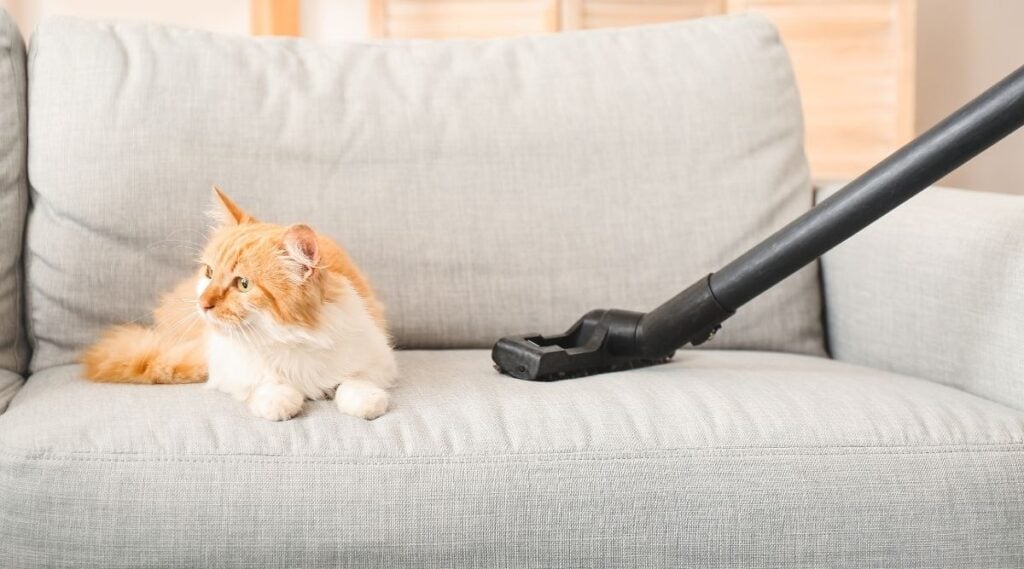
If you live with a heavy-shedding breed like a Persian or Maine Coon, investing in a pet-focused vacuum with a HEPA filtration system can dramatically reduce airborne hair and dander. Focus especially on:
- Upholstered furniture
- Carpets and rugs
- Cat trees
- Curtains
- Bedding
- Baseboards and corners
Robot vacuums can also help control daily fur buildup before it turns into full-blown tumbleweeds. If you need recommendations, check out our guide to the best vacuums for cat litter and fur.
3. Use HEPA Air Purifiers In The Right Rooms
Air purifiers work best when placed where allergens actually collect.

For most homes, priority zones include:
- Bedrooms
- Living rooms
- Near litter boxes
- Rooms with carpeting or fabric furniture
Look for purifiers with true HEPA filters designed to trap microscopic particles like dander and litter dust. This is especially important in smaller homes or apartments where allergens circulate more easily.
Our guide to the best air purifiers for cat litter dust covers some of the best options for allergy-prone cat owners.
4. Make Your Bedroom A Cat-Free Zone
This is one of the hardest tips emotionally… and one of the most effective physically.
Your mattress, pillows, blankets, and clothing trap allergens for hours. Even if your cat only naps on the bed occasionally, allergens can linger long after they leave.
Creating one low-allergen “recovery room” in your home gives your immune system a break, especially overnight when allergy symptoms often worsen.
Some owners also report success with anti-allergen sprays designed for soft surfaces like couches, bedding, and rugs.
5. Keep The Litter Box Extremely Clean
Cat allergens are not just in fur. Fel d 1 proteins are also found in urine, which means litter boxes can become major allergy hotspots.
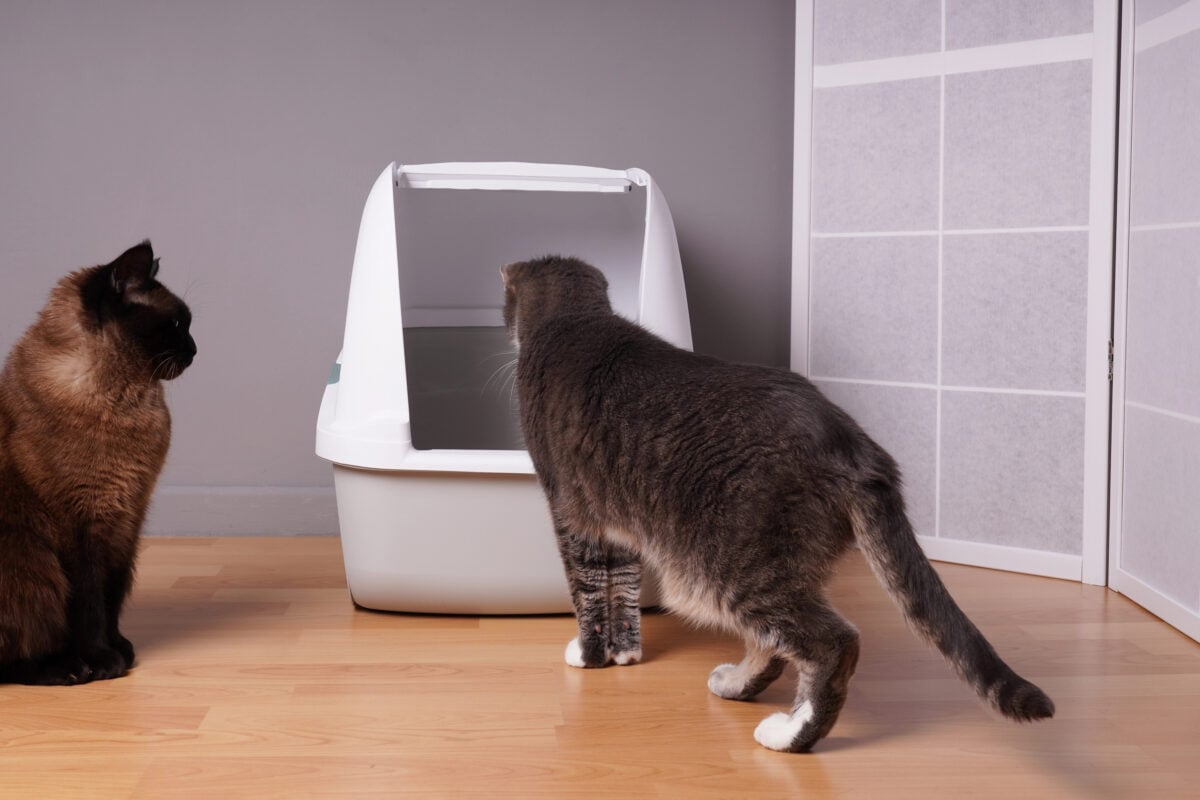
To reduce exposure:
- Scoop at least once daily
- Fully replace litter regularly
- Use low-dust litter formulas
- Vacuum around the litter box frequently
- Avoid placing litter boxes near HVAC vents
Open litter boxes can also spread fine dust particles through the air, especially with energetic diggers.
6. Consider Bathing Or Wipe-Downs
Most cats are not thrilled about bath day, but occasional bathing with a feline-safe shampoo can help remove saliva proteins and loose dander from the coat. If your cat absolutely refuses baths, grooming wipes may still help reduce allergen buildup between grooming sessions.

You can also use a dander-neutralizing product like Allerpet Cat Dander Remover to help reduce allergens on your cat’s coat.
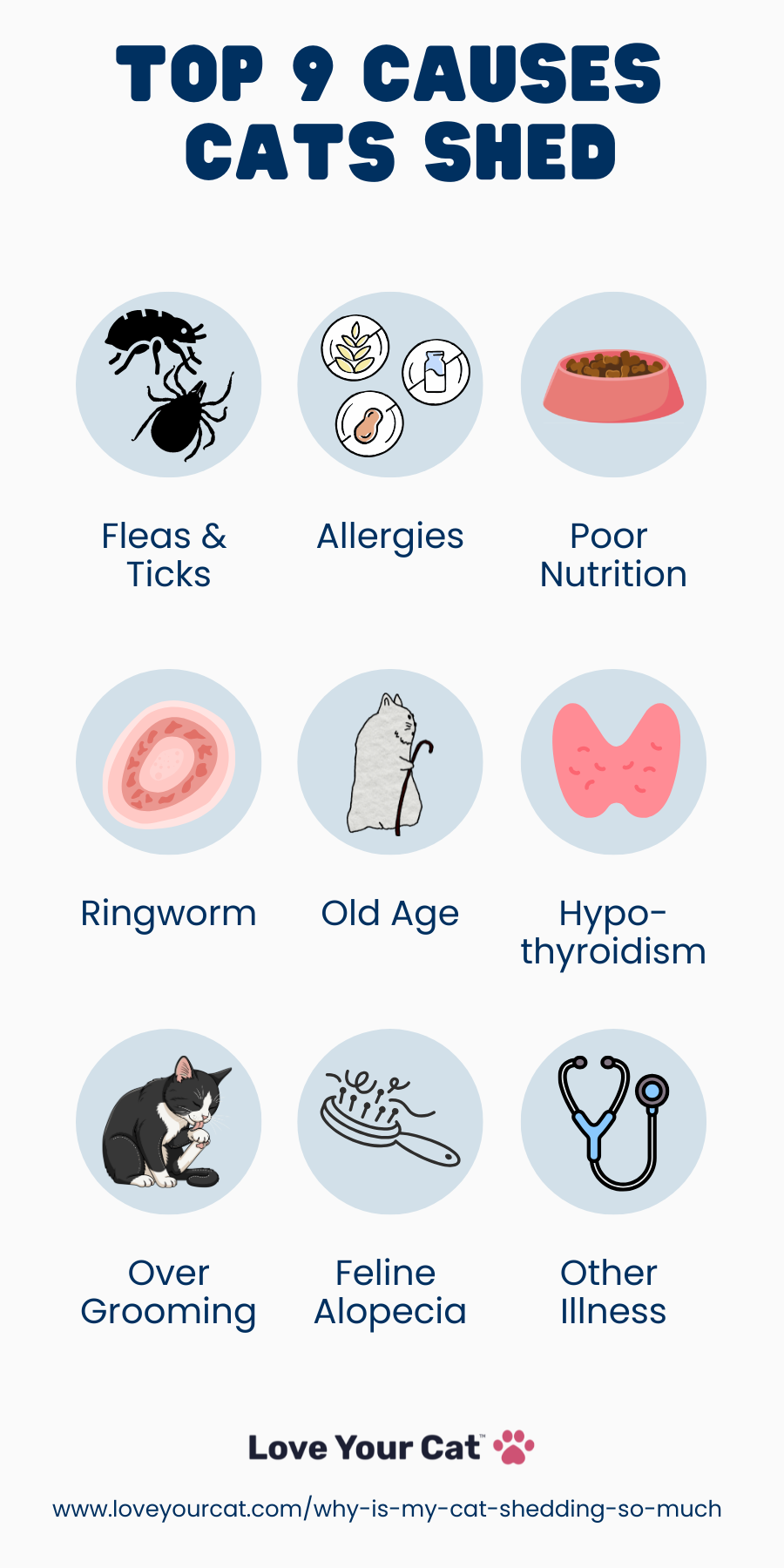
7. Pay Attention To Shedding Triggers
Some cats naturally shed more during certain seasons, stressful events, illnesses, or environmental changes.
Common shedding triggers include:
- Warm indoor temperatures
- Seasonal coat changes
- Stress or anxiety
- Poor nutrition
- Dehydration
- Skin conditions
- Aging
- Hormonal changes
You may notice your cat suddenly sheds more:
- During vet visits
- After moving homes
- During renovations
- Around loud noises
- When routines change
If shedding suddenly becomes excessive or patchy, contact your veterinarian. Hair loss, bald spots, overgrooming, greasy fur, sores, or increased scratching can sometimes signal allergies, infections, thyroid disease, parasites, or other underlying health problems.
8. Feed A High-Quality Diet
A healthy coat starts internally.
Cats with poor nutrition often develop dry skin, brittle fur, excessive shedding, and weakened skin barriers, which can worsen dander production. Diets rich in quality animal protein and healthy fats generally support better skin and coat health.
Some owners also use allergy-focused diets like Purina Pro Plan LiveClear, which is designed to reduce active Fel d 1 proteins in cat saliva over time.
9. Wash Your Hands More Than You Think
It sounds obvious, but many people accidentally spread allergens to their own face, eyes, clothing, and bedding throughout the day. Try to:
- Wash your hands after petting your cat
- Avoid touching your face
- Change clothes after long cuddle sessions
- Use washable furniture covers when possible
Unfortunately, “just one quick cuddle” is often how allergy symptoms spiral.
10. Talk To Your Doctor If Daily Symptoms Persist
If you constantly rely on antihistamines, nasal sprays, or decongestants just to function around your cat, it may be worth discussing longer-term allergy management with your doctor.
Some allergy sufferers benefit from:
- Prescription allergy medications
- Allergy immunotherapy (allergy shots)
- Nasal irrigation with saline rinses
- Supplements like vitamin C and quercetin, which may have natural antihistamine effects
- Omega-3 fatty acids, which may help support a healthier inflammatory response
The goal is not necessarily to eliminate every allergen. It is to lower your overall exposure enough that your immune system stops treating your cat like a full-scale biological attack.
Before You Adopt A Cat If You Have Allergies
It is very easy to fall in love with a cat before your immune system has weighed in.
Unfortunately, many allergy sufferers discover too late that “mild sniffles” can turn into chronic congestion, itchy eyes, coughing, skin irritation, or asthma symptoms once a cat is living in the home full-time. Before bringing home a breed known for heavy shedding or high allergen production, it helps to think beyond the cute photos.
Spend Time With The Breed First
Not all cat allergies are equally severe, and not all cats produce the same amount of allergens.
If possible, spend time around the specific breed you are considering before adopting. Visit a breeder, foster home, rescue, or friend with the breed and pay attention to how your body reacts after prolonged exposure, not just a quick visit.
Some people discover they react far more strongly to:
- Long-haired cats
- Heavy shedders
- Highly affectionate “Velcro cats”
- Cats that groom constantly
- Homes with carpeting and fabric furniture
Adult Cats Are Easier To Evaluate Than Kittens
Kittens can sometimes seem “safe” simply because they are smaller and produce fewer allergens early in life.
As cats mature, hormonal changes and increased grooming can raise allergen levels. Adult cats give you a more realistic picture of what living with that breed will actually feel like long-term.
Prepare Your Home Before The Cat Arrives
If you already know you have allergies, setting up your environment ahead of time can make a major difference.
Helpful prep steps include:
- Buying a HEPA air purifier
- Investing in a pet-friendly vacuum
- Choosing washable bedding and furniture covers
- Creating at least one cat-free room
- Switching to low-dust litter
- Stocking up on grooming supplies
Trying to “fix” allergen buildup after it becomes overwhelming is much harder than preventing it early.
Be Honest About Your Allergy Severity
Some people can comfortably live with cats using simple cleaning routines and occasional antihistamines. Others develop severe respiratory symptoms even with lower-allergen breeds.
If your allergies trigger wheezing, asthma attacks, breathing difficulties, or chronic sinus issues, it is worth talking with your doctor before adopting any cat, especially a heavy-shedding breed.
Sometimes the best cat for allergies is simply the one your body tolerates best, not the one the internet labels “hypoallergenic.”

13 Best Cats For Allergies
People often ask what are the best cats for allergies. There is no 100% hypoallergenic feline. All felines produce some level of allergen. Some breeds are better than others, and these include:
- Balinese
- Bengal
- Burmese
- Cornish Rex
- Javanese
- Ocicat
- Oriental Shorthair
- Peterbald
- Siamese
- Siberian
- Ragdoll
- Russian Blue
- Sphynx
Frequently Asked Questions
Allergy-prone cat lovers have plenty of questions, and many of them come up again and again. Here are clear, quick answers to the most common ones so you know what to expect before bringing a sneezy feline home.
Don’t see your question? Respond in the comments, and we’ll get back to you!
What Is The Worst Cat Breed For Allergies?
The Persian consistently tops the list. Their dense coats trap saliva, dander, and dust, while constant grooming spreads Fel d 1 everywhere. Even mixed breeds with Persian lineage, like Himalayans and Exotics, are known to be difficult for allergy sufferers.
If you are highly sensitive, spending time around a Persian will likely confirm quickly whether your allergies can handle the challenge.
Is Any Cat 100% Hypoallergenic?
No. There is no completely hypoallergenic cat.
All cats produce allergens, primarily the Fel d 1 protein found in saliva, skin oils, dander, and urine. Some breeds may produce lower levels of allergens or spread fewer allergens around the home, but no cat is truly allergy-free.
Are Long-Haired Cats Worse For Allergies?
Often, yes, but not always.
Long-haired cats tend to trap and spread more allergens because their coats collect saliva, dander, dust, and loose fur. However, fur itself is not the allergen. The real problem is the Fel d 1 protein, which spreads through grooming and shedding.
Some short-haired cats can still trigger severe allergies if they produce high levels of allergens or groom constantly.
Do Hairless Cats Cause Allergies?
Many people assume hairless cats are safe for allergy sufferers, but that is not necessarily true.
Hairless breeds still produce Fel d 1 proteins in their saliva and skin oils. Without fur to absorb those oils, allergens can actually build up directly on the skin and spread through close contact, furniture, and bedding.
Some allergy sufferers tolerate hairless cats better, while others notice little difference.
Do Kittens Cause Fewer Allergies Than Adult Cats?
Sometimes, yes. Kittens may temporarily produce lower allergen levels because they are smaller and have not fully matured hormonally. However, many owners notice allergy symptoms worsen as the cat gets older, larger, and begins grooming more frequently.
This is why spending time around adult cats before adoption is often more helpful than relying on kitten interactions alone.
Do Male Or Female Cats Cause Worse Allergies?
Research suggests that unneutered male cats often produce higher levels of Fel d 1, the primary protein responsible for cat allergies. Females and neutered males generally produce somewhat lower levels.
However, sex is only one factor. Grooming habits, shedding, coat density, and the individual cat’s natural allergen production also play a major role in how strongly someone reacts.
So while some allergy sufferers may tolerate females or neutered males slightly better, no cat is completely allergen-free.
Are Black Cats Worse For Allergies?
No, black cats are not inherently worse for allergies.
Cat allergies are triggered primarily by a protein called Fel d 1 found in saliva, skin oils, dander, and urine, not by coat color itself. Current research has not shown a consistent link between darker fur colors and significantly higher allergen production.
In reality, factors like grooming habits, shedding, coat density, hormone levels, and how much time a cat spends in close contact with people matter far more than whether their fur is black, white, gray, or orange.
A fluffy white Persian can easily trigger worse allergies than a sleek black shorthaired cat.
Can You Build Up A Tolerance To Your Own Cat?
Some people report that their allergy symptoms improve over time with repeated exposure, while others continue reacting long term.
However, tolerance is unpredictable and should not be relied on as a guarantee. In some cases, repeated exposure can actually worsen symptoms, especially for people with asthma or severe allergies.
Living With Cats When You Have Allergies
Cats may be wonderful companions, but for allergy sufferers, some breeds can turn every cuddle into a sneeze attack.
The good news is that with smart grooming habits, the right cleaning tools, and careful breed selection, many people still manage to share their homes comfortably with cats.
If you are looking for more ways to make life with cats easier, check out these guides:
- Best Cat Brushes to keep fur and dander under control
- Best Vacuums to clean up allergens before they spread
- Low-Maintenance Cats if you want a feline friend without the heavy grooming demands
With the right mix of preparation and care, you can still enjoy the company of a cat without waving the white flag to your allergies.