When you purchase through links on our site, we may earn a commission at no extra cost to you. Learn more.
Domestic shorthairs of Europe are often called European Shorthairs, but this isn’t accurate. In actuality, the European Shorthair is a pedigree breed that various cat fancier organizations have recognized.
Table of Contents
Also called the Celtic Shorthair, the European Shorthair is a naturally occurring breed of Europe, meaning that it developed without human intervention. These felines are known for being easy-going, loving, and playful.
If you are looking for a friendly, active companion pet that fits into almost any family dynamic, the European Shorthair could be your perfect feline.
 Weight8-15 Pounds
 Height9-11 Inches
 Lifespan15-20 Years
 ColorsVarious colors and patterns
Breed History
The European Shorthair is a breed of unknown origin, though many believe these felines originated in Rome. It is suggested that as Roman invaders traveled through Europe, the European Shorthair moved along with them. The primary job of these cats was to hunt rodents that were nuisances to the troops.
Want our human-written content to rank above AI-generated garbage? Help us out by clicking this button!
What we know today as the European Shorthair was first recognized in Sweden, and the breed remains popular in Scandinavia. The breed is even Finland’s national cat.
The European Shorthair is often confused with the British Shorthair, which is made worse because the names were used interchangeably for a time. Despite this, these two breeds look distinctly different. The European Shorthair is comparable to a standard domestic cat in appearance. In contrast, the British Shorthair appears more cobby with a slightly shortened muzzle due to its cross-breeding with the Persian.
Today, the European Shorthair is recognized by the International Feline Federation, the World Cat Federation, and The International Cat Association (registration only).
Appearance & Size

This feline has a classic appearance with no physical trait standing out as extremely large or small. These medium-sized cats have a well-proportioned body, medium-length legs, and a medium-length tail.
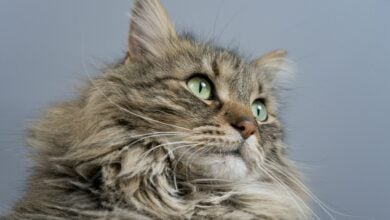
The European Shorthair has a dense, short coat in various colors and patterns. Their heads are rounded and topped with moderately sized ears. The eyes are round and may be any color.
Personality & Temperament
The European Shorthair is a big-hearted feline who gets along well with children, dogs, and other cats; however, the breed does have a territorial streak. Your furry friend will adapt quickly to new environments and handle an active home well. They can also be independent and need places to play and explore. Overall, these cats are friendly, intelligent, and active.
Shedding & Hypoallergenic
Unfortunately for cat-allergy sufferers, European Shorthairs are not considered hypoallergenic.
Cats have two major shedding seasons each year: one in preparation for winter and one for summer. A feline exposed to indoor heat will typically shed consistently throughout the year. Regularly grooming your feline will cut down the amount of shedding that ends up on your furniture.
Grooming
Very little activity in your kitty’s life doesn’t end in a grooming touch-up or all-out coat maintenance. Cats are fastidious groomers, and grooming serves many vital functions in your feline’s life: keeping their coats clean, developing social bonds among companion cats, and self-soothing as a form of anxiety relief.
Even though cats are meticulous about their personal hygiene, your feline will still need help maintaining their coat, nails, and teeth. Grooming your European Shorthair is simple. To cut down on shedding and prevent hairballs, aim to brush your cat once a week. Trim your cat’s nails routinely and brush their teeth if they allow it; if not, consider supplementing dental treats for oral health.
Care
Before bringing a European Shorthair into your home, cat-proof your space. Stash cleaners and chemicals behind closed doors. Secure bookshelves and other tall furniture to the wall; your kitty will likely enjoy the vantage point from these spots, and the furniture might topple over if not properly secured. Confirm that none of your house plants are toxic, and place candles out of reach. Keep trash cans covered and appliance doors closed.
Exercise

One of the major perks of owning a cat is that you don’t need to take them for walks or schedule structured exercise times—though all felines benefit from regular playtime. They’ll happily play and expel their energy without persuasion. Give your kitty plenty of toys and provide multiple scratching posts. Use the vertical space in your home by adding wall steps, perches, and hideaways. Tunnels are another excellent source of fun for when zoomies arise.
Litter Box Maintenance
Place the litter box in an accessible area away from your feline’s water and food. A two-story home should ideally have a litter box on each floor. Scoop the box at least once per day—if not twice daily. Regularly scooping the box will keep your kitty happy and alert you to any health problems. Routine cleaning will also help you understand your cat’s litter box habits.
Health Care
Like all cats, your European Shorthair will need veterinary care. Your relationship with your veterinarian is more than a yearly visit for vaccinations. Together, you and your vet are responsible for keeping your cat healthy. If you notice any changes in your cat’s behavior, immediately bring them to your vet’s attention. Your observations are valuable in diagnosing and are essential to early treatment and prevention.
Nutrition
Cats are considered to be strict carnivores. They require high-quality, protein-rich meals to meet their dietary needs. Select a high-quality food for your pet and be cognizant of serving sizes. Overfeeding cats leads to weight gain and obesity, which is associated with other health problems like diabetes and arthritis.
When selecting a high-quality cat food, always check the ingredient list. Ensure the recipe lists animal proteins as the first few ingredients. Quality protein sources for felines include chicken, turkey, beef, and lamb. Avoid products that use corn, wheat, or other filler ingredients.
Training
The European Shorthair breed is intelligent, so you’ll want to engage them mentally. These cats tend to learn quickly and respond well to training. We recommend clicker training for both behavior modification and teaching tricks.
Health & Lifespan

ASPCA Pet Health Insurance claims data reports the top five problems that affect this breed are as follows:
- Hyperthyroidism
- Gastrointestinal issues
- Diarrhea
- Vomiting
- Heart murmurs
The life expectancy of a European Shorthair is 15 to 20 years. Lifespan can vary per cat based on diet, living environment, exercise, and overall health.
Price
The European Shorthair is considered inexpensive compared to other pedigree breeds. Kittens usually cost between $100 and $500.
As Family Pets
European Shorthairs make great family pets. They tend to develop strong bonds with family members and do well with children.
This breed does fine with other cats and dogs; however, keep them away from small pets like gerbils, hamsters, and guinea pigs.
Frequently Asked Questions

Here are some questions we’re frequently asked about European Shorthairs. Don’t see yours? Ask us in the comments.
Is The European Shorthair popular?
This breed is popular throughout Europe, in particular Sweden and Finland. It is less common in the United States.
Are European Shorthair Cats Vocal?
European Shorthairs are very vocal with their family but can be shy around strangers.
Other European Cat Breeds
To learn about other European cat breeds, browse our article exploring other popular breeds, including the British Shorthair, Norwegian Forest, and German Rex.
Why Trust Love Your Cat?
Our mission at Love Your Cat is to provide our readers with the most accurate and updated information they need to become the best caretakers for their furry families. Our writers have extensive experience with cats—we’re lifelong cat owners—and we work together to provide in-depth detail on our topics.