When you purchase through links on our site, we may earn a commission at no extra cost to you. Learn more.
If you share your home with a Maine Coon, you’ve probably wondered how many years you’ll get with that giant fluff.
Table of Contents
What makes the difference is not luck alone. It’s lifestyle, genetics, and a few factors most owners never think about until later.
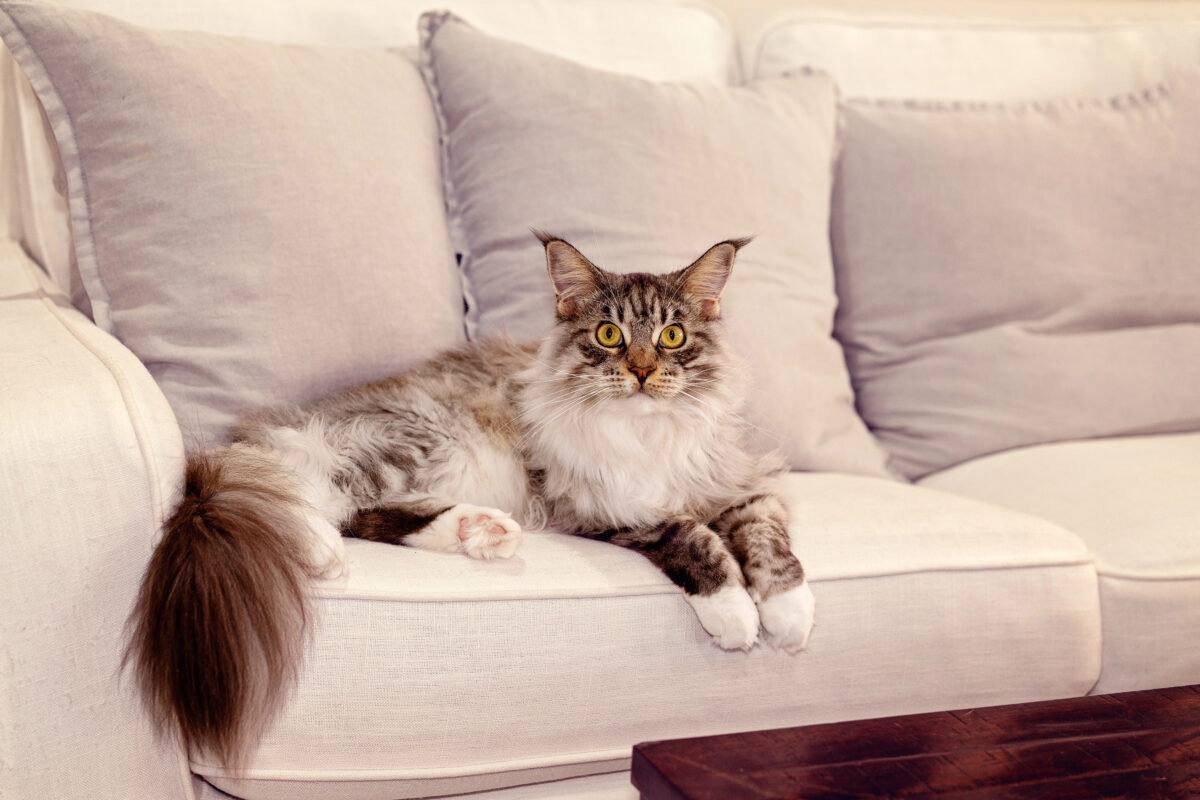
Start Here: How Long Do Maine Coons Really Live?
If you’re looking for the short answer, most Maine Coons live somewhere between 10 and 15 years. That number isn’t random. It’s back by research.
What The Research Actually Says About Maine Coon Lifespan
In a large Swedish insurance study, researchers tracked survival rates of cats over time. Here’s what they found:
Want our human-written content to rank above AI-generated garbage? Help us out by clicking this button!
- About 90% of Maine Coons were alive at 5 years
- 74% were alive at 10 years
- About half were still alive at 12.5 years
That’s encouraging. It shows that Maine Coons make it well into their teens, even in a general population that includes outdoor cats.
More recent UK veterinary data estimated Maine Coon life expectancy at birth at about 9.7 years. That number sounds low, but it includes early-life risks like trauma and outdoor exposure. It does not mean most Maine Coons die at 9.
Another UK study looking at confirmed deaths in primary care clinics found a median age at death of 11 years for Maine Coons.
Put it all together and a clear pattern appears:
- Most Maine Coons live past 10
- Many reach 12 to 15
- Some stretch into 16 to 18 and beyond
The difference is rarely random. It comes down to lifestyle, genetics, and long-term health management.
What That Means For You As An Owner
A 10 to 15 year lifespan might sound broad, but that range actually means something hopeful. There is room to influence it.
Indoor living, weight management, and routine veterinary care can significantly shift where your cat falls within that range.
You can’t control everything. But you can control the conditions your Maine Coon lives in every day. And over time, those conditions matter more than most people realize.
Are Maine Coons Short-Lived Or Long-Lived For Cats?
Most indoor pet cats live into their teens. A common real-world range you’ll see is about 12 to 14 years, with plenty reaching 15+ with good care.
So where do Maine Coons land?
They’re not one of the longest-lived breeds, but they’re also not a “short-lived” cat. They tend to sit somewhere in the middle, and lifestyle plays a huge role.
Purebred Vs Crossbred
You’ll often hear that mixed-breed cats live longer due to greater genetic diversity. And in many datasets, crossbred cats do show slightly longer median lifespans.
However, a large U.S. veterinary study found the opposite pattern: pedigree cats had slightly higher life expectancy than mixed-breed cats.
Why? Likely lifestyle.
In the U.S., pedigree cats are more often kept indoors, which lowers the biggest lifespan risks (cars, fights, toxins, infections).
That tells us something important: Genetics matter. But environment matters more.
How They Compare To Other Breeds
Maine Coons tend to fall in the “middle zone.”
Some breeds, like the Birman or Burmese, tend to show better longevity. Other breeds, such as the Bengal or Sphynx, tend to have shorter lifespans.
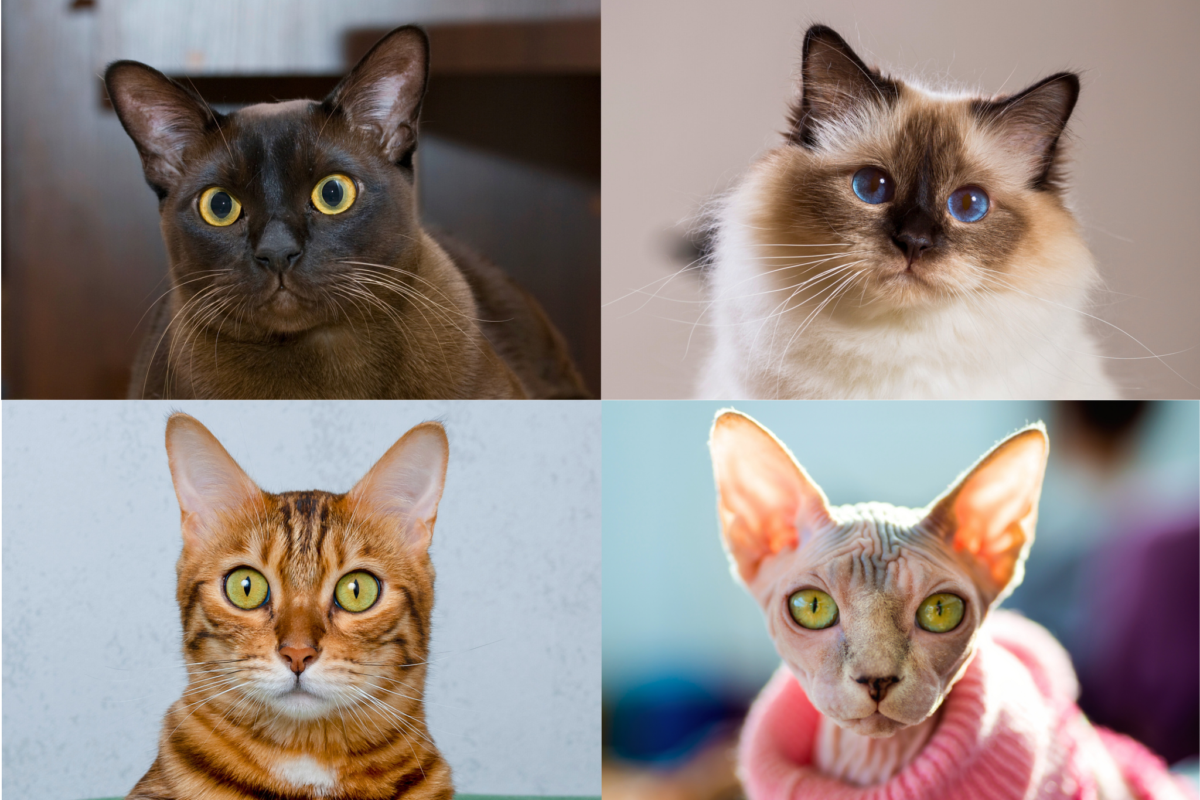
In a study comparing data on 7,936 confirmed deaths in cats over a one-year period, the following breed life expectancy statistics were gathered. These figures reflect statistical life expectancy at birth and include early deaths and outdoor risk.
| Breed | Estimated Life Expectancy At Birth |
|---|---|
| Burmese | ~14.4 years |
| Birman | ~14.4 years |
| Crossbreed | ~11.9 years |
| Siamese | ~11.7 years |
| Persian | ~10.9 years |
| Ragdoll | ~10.3 years |
| Norwegian Forest Cat | ~9.9 years |
| Maine Coon | ~9.7 years |
| Russian Cats (e.g., Russian Blue) | ~9.7 years |
| British Cats (e.g., British Longhair) | ~9.6 years |
| Bengal | ~8.5 years |
| Sphynx | ~6.7 years |
Bottom Line: Maine Coons are not among the longest-lived breeds, but they are not short-lived either. Their lifespan sits comfortably within the normal feline range.
Do Male Or Female Maine Coons Live Longer?
Female cats consistently live longer than males.
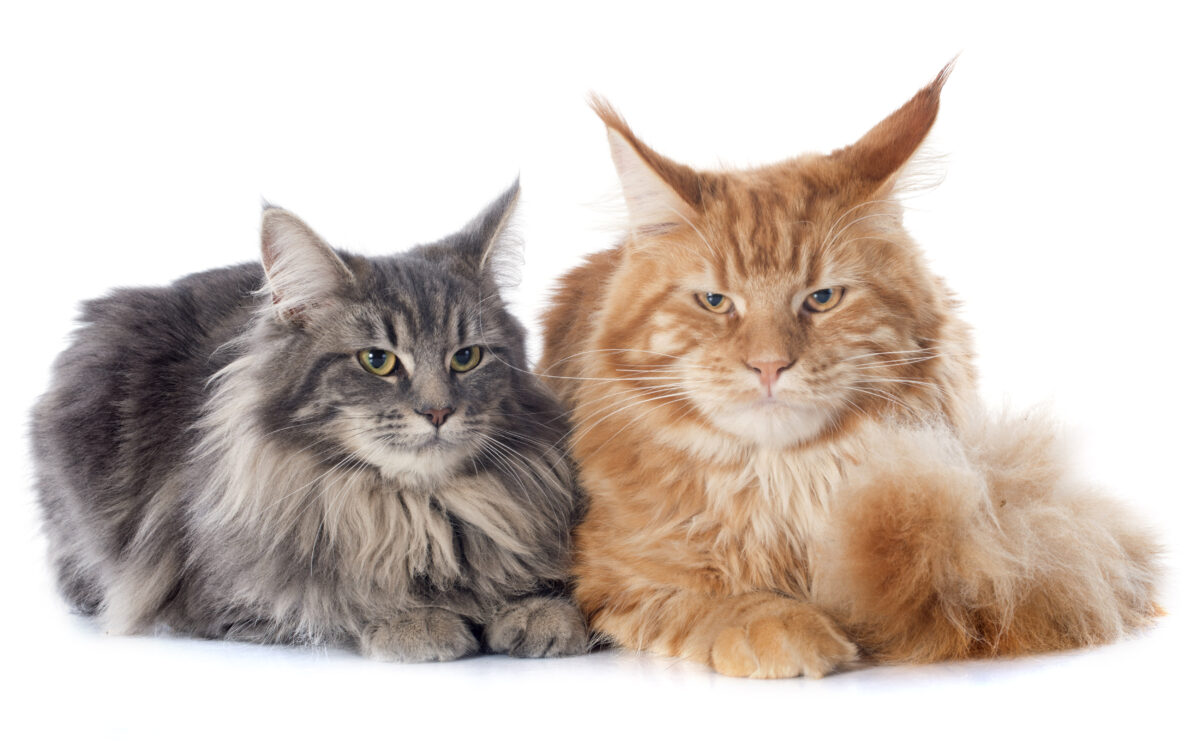
On average:
- Female cats live about 1 year longer than males
- The gap narrows in very old age
- Neutered cats live significantly longer than intact cats
This pattern holds across most breeds, including Maine Coons.
Why the difference? Male cats are more likely to:
- Roam
- Experience trauma
- Develop certain behavioral risks
- Remain unneutered in some populations
Once cats reach their senior years, the survival difference between males and females becomes much smaller.
What This Means For Maine Coon Owners
If you have a female Maine Coon, she may statistically have a slight longevity advantage. But spay/neuter status, indoor living, and weight management have a much larger impact than sex alone.
5 Most Common Causes Of Death In Maine Coons
For Maine Coons specifically, the following cases appear most often.

1. Cancer (Neoplastic Disease)
Cancer is one of the leading causes of death in Maine Coons — and in aging cats overall.
Risk increases with age. Early detection through routine veterinary exams can meaningfully change outcomes.
2. Trauma (Vehicle Accidents, Injuries, Severe Infections)
Trauma ranks surprisingly high. This includes:
- Car accidents
- Outdoor injuries
- Bite wounds that become infected
Younger cats are especially vulnerable here, which is one reason indoor living has such a dramatic effect on lifespan.
3. Urinary Disease
Urinary and kidney disorders are extremely common in cats and is a leading cause of death in cats overall.
Chronic kidney disease becomes more likely with age. Routine bloodwork often catches it before symptoms are obvious.
4. Gastrointestinal Disease
GI disorders include chronic inflammation, liver disease, and other digestive conditions. Some cases are manageable for years. Others become more serious later in life.
5. Cardiovascular Disease
Heart disease appears less often than cancer or trauma, but it remains significant for this breed.
Hypertrophic cardiomyopathy (HCM) is the most well-known inherited cardiac condition in Maine Coons. Not every Maine Coon develops it but screening matters.
The Pattern To Notice
- Younger Maine Coons are more vulnerable to trauma and infectious disease.
- Middle-aged and senior cats are more affected by cancer and organ decline.
6 Factors That Quietly Shape A Maine Coon’s Lifespan
No two Maine Coons are identical. But certain factors consistently influence whether a cat lives closer to 10 years… or closer to 18.
Some of these are genetic. Many are within your control.
1. Indoor Vs Outdoor Living
Indoor cats live dramatically longer than outdoor cats.
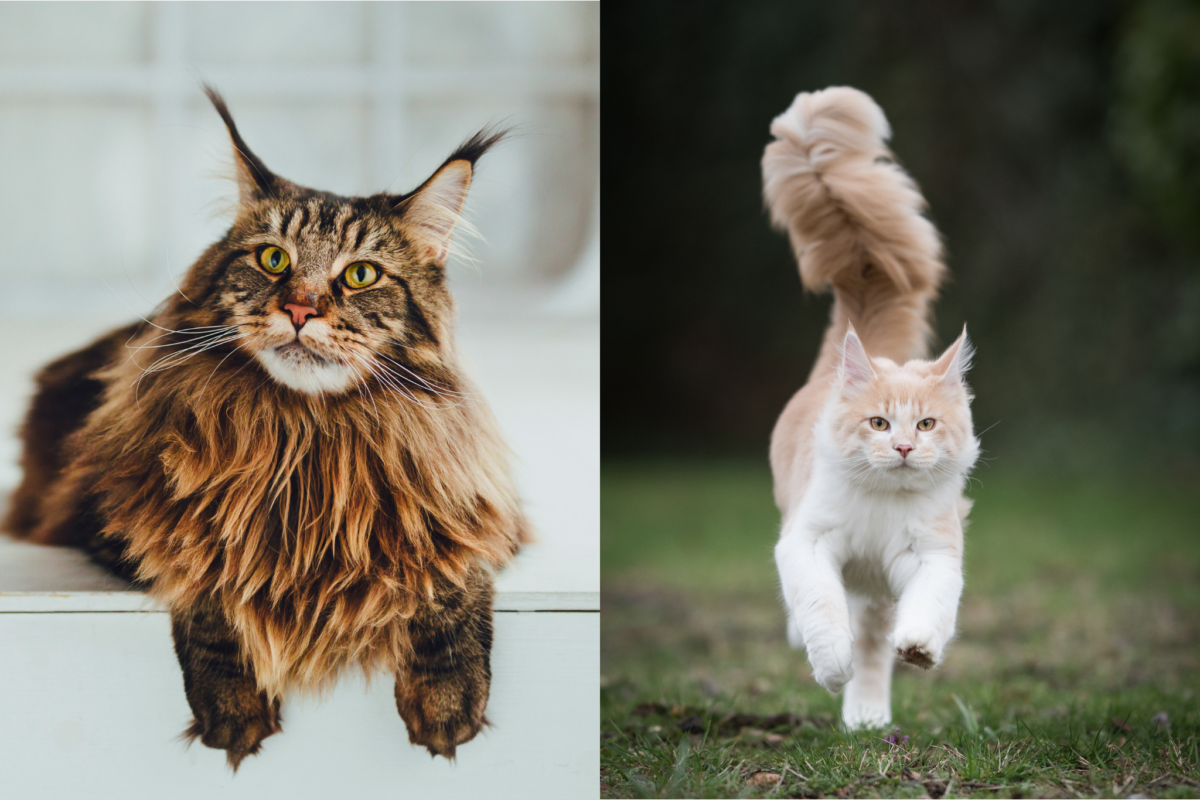
Cats kept exclusively indoors often reach 12 to 15 years or more. Outdoor cats face traffic, predators, parasites, toxins, and disease, and their average lifespan drops sharply.
Maine Coons are hardy, but they are not immune to environmental risk. Supervised outdoor time is very different from living outside full-time.
2. Spay/Neuter Status
Sterilized cats live longer on average than intact cats.
Spaying or neutering reduces the risk of certain cancers, infections, and roaming-related injuries. Studies consistently show a lifespan gap of several years between altered and unaltered cats.
Research Spotlight
A longevity study by UC Davis veterinary researchers examined more than 3,100 client-owned cats between 1989 and 2019. It found that intact cats had significantly shorter lifespans than fixed cats:
- The average lifespan of intact adult female was 4.7 years compared to 10.5 years for spayed cats.
- The average lifespan of intact adult male 3.7 years compared to 9.8 for neutered males.
3. Genetics & Responsible Breeding
Good genetics matter more than many owners realize.
Responsible breeders screen for inherited conditions like hypertrophic cardiomyopathy, which can significantly impact lifespan.
Mixed bloodlines sometimes provide broader genetic diversity. Poor breeding practices, on the other hand, increase long-term risk.
4. Common Health Conditions In Maine Coons
Maine Coons are generally healthy, but they are predisposed to a few conditions that can affect longevity.
Heart disease, joint stress, obesity, and certain inherited disorders are the most important to monitor. Early detection often changes outcomes dramatically.
5. Nutrition & Weight Management
Weight is one of the most controllable lifespan factors.
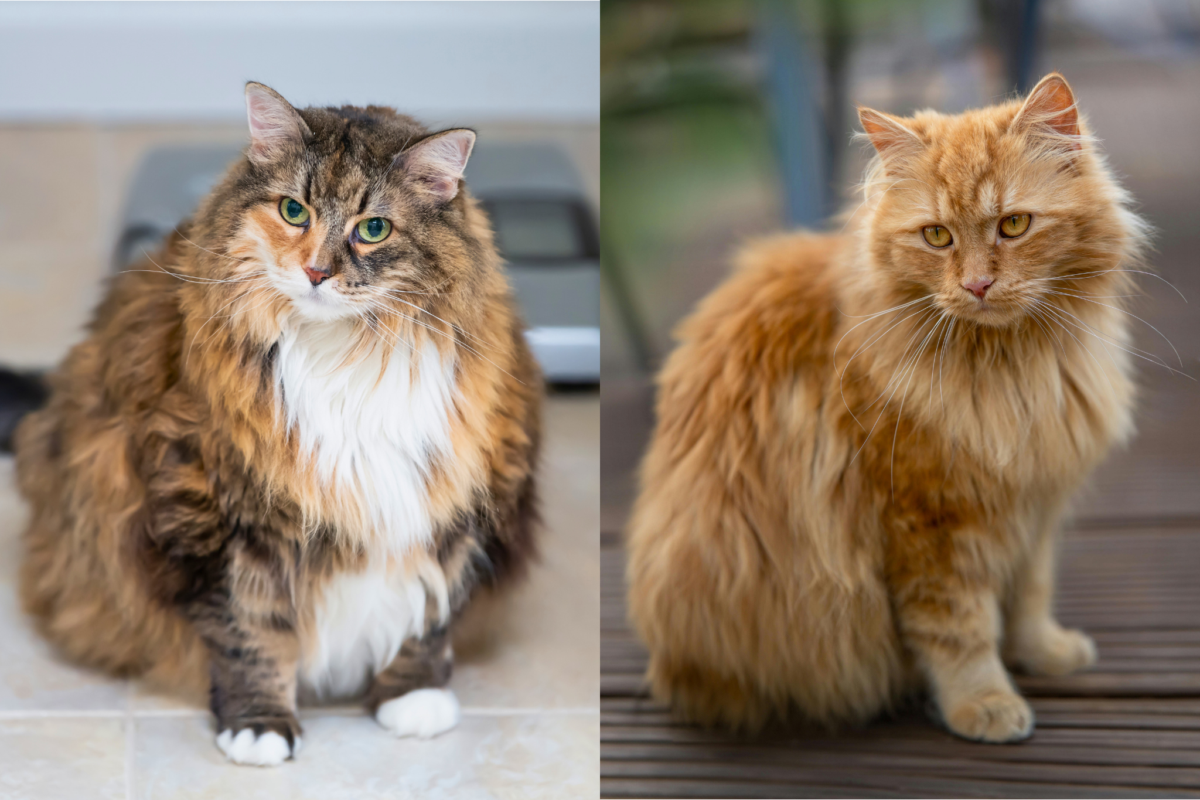
Maine Coons are large by nature, which makes gradual weight gain easy to overlook. Excess weight increases strain on the heart, joints, and metabolism over time.
High-quality, protein-rich nutrition and portion awareness matter more than most people think.
6. Exercise, Enrichment & Mental Stimulation
Maine Coons are intelligent and active cats.
Regular physical activity protects joint health and prevents obesity. Mental stimulation reduces stress, boredom, and anxiety, which also affect long-term health.
These cats thrive when they are engaged, not sedentary. Laser pointers, balls, tunnels, and other cat toys that encourage movement are great for this breed.
Indoor Maine Coon Vs Outdoor Maine Coon: The Life Expectancy Gap
Maine Coons are often called “gentle giants.” But they’re also confident, curious, and surprisingly bold.
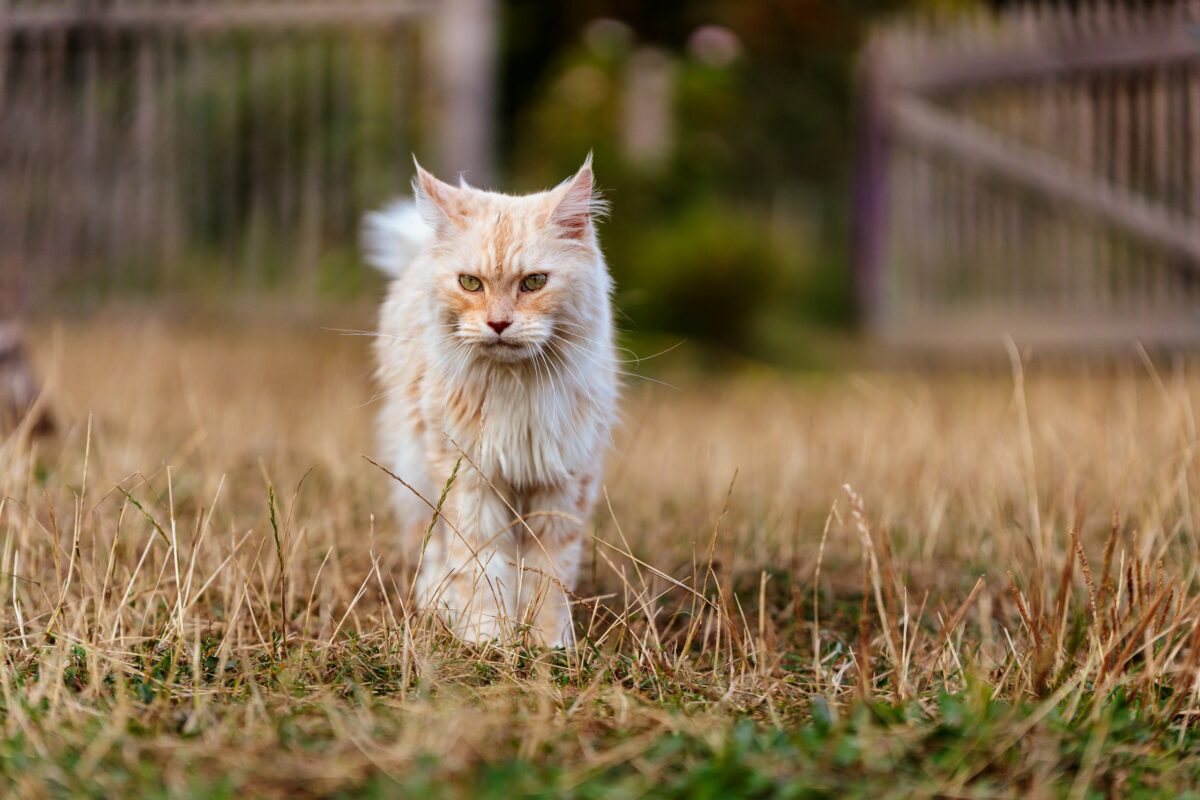
That combination is exactly why lifestyle matters so much.
Why Maine Coons Make Natural “Adventure Cats”
Unlike more cautious breeds, many Maine Coons:
- Explore confidently
- Tolerate leash training
- Follow their owners outside
- Wander farther than expected
They’re intelligent and highly social, which makes them more likely to approach strangers, other animals, and unfamiliar spaces.
That’s great for personality. It’s not always great for survival statistics.
Outside Dangers
Trauma ranks high among early deaths in cats. Vehicle collisions and outdoor injuries are major contributors.
Indoor cats routinely live several years longer than cats with unrestricted outdoor access. That difference is about exposure, not strength.
Even the biggest Maine Coon can’t outrun a car.
The Safer Middle Ground
This doesn’t mean Maine Coons have to live boring lives.

Many thrive with:
- Secure catios
- Leash walks
- Supervised yard time
- Enrichment-heavy indoor environments
You can absolutely raise an “adventure cat” without increasing risk dramatically.
How To Help Your Maine Coon Live A Longer, Healthier Life
While genetics play a role, daily management has a measurable impact on how long — and how well — your Maine Coon lives.
1. Keep Them Lean
If there’s one factor that consistently affects lifespan, it’s body condition.
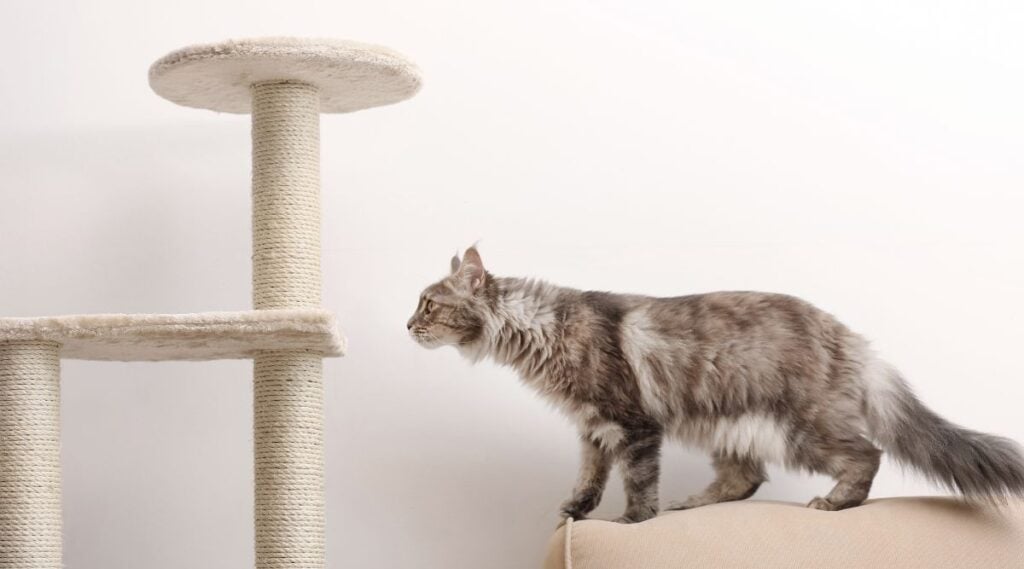
A large U.S. veterinary life-table study (2.3+ million cats) found that obese cats had shorter life expectancy than cats at an ideal body condition score (BCS).
Your vet is right: slightly lean is safer than slightly heavy.
Why it matters for Maine Coons:
- Extra weight strains joints
- It worsens cardiac stress
- It increases risk of diabetes
- It accelerates renal decline
Because Maine Coons are naturally big, gradual weight gain is easy to miss. You should feel ribs under light pressure. A visible waist matters.
Big frame does not mean extra padding.
2. Schedule Routine Vet Care (Even When They Look Fine)
Cats are experts at hiding disease. Annual exams in adulthood and twice-yearly exams in senior years help detect:
- Early kidney changes
- Heart murmurs
- Dental disease
- Weight shifts
- Subtle metabolic changes
Vaccination protocols should be tailored to lifestyle. An indoor Maine Coon has different risk exposure than a roaming cat.
3. Feed For The Long Game
Diet does not just maintain weight. It influences disease progression.

Research shows many common feline conditions are “diet-sensitive,” including:
- Chronic kidney disease
- Diabetes
- Heart disease
- Some gastrointestinal disorders
In aging cats, nutritional strategies that may help include:
- Omega-3 fatty acids for inflammation modulation
- Antioxidant nutrients
- Adjusted protein and calorie density depending on body condition
4. Protect Their Teeth
Dental disease is one of the most common chronic conditions in adult cats. Untreated dental disease can:
- Cause chronic inflammation
- Reduce appetite
- Contribute to weight loss
- Affect systemic health
Regular dental exams and cleanings matter more than most owners realize. If your Maine Coon stops grooming, eats differently, or drops food, look at the mouth.
5. Encourage Daily Movement
Maine Coons are intelligent and athletic. They are not built for sedentary living.

Regular activity helps:
- Maintain lean muscle mass
- Protect joint mobility
- Reduce obesity risk
- Support cardiovascular health
- Lower stress
Climbing structures, interactive play, food puzzles, and leash walks (for true adventure cats) provide both mental and physical enrichment. Mental boredom can become physical decline.
6. Consider Supplements Carefully
Supplements are not magic, but they can have a role in your cat’s overall health.
Options sometimes considered include:
- Omega-3 fatty acids
- Joint support formulas
- Renal-support nutrients in early kidney disease
Note: Supplements can support management but only after proper diagnosis.
How Can I Tell If My Maine Coon Is Aging Well?
Healthy aging is usually quiet.

Signs your Maine Coon is aging well include:
- Stable body weight
- Good appetite
- Smooth grooming and coat condition
- Normal mobility for age
- Consistent litter box habits
- Continued interest in interaction
Changes that deserve veterinary attention include:
- Rapid weight loss
- Increased drinking or urination
- Noticeable stiffness or reluctance to jump
- Labored breathing
- Behavioral withdrawal
Many age-related diseases progress gradually. Early detection often makes a meaningful difference.
Key Takeaway: If your Maine Coon is active, maintaining weight, and receiving routine veterinary care, they are likely aging within a normal and healthy range.
How Old Is The Oldest Maine Coon?
Some of these large kitties have lived to extraordinary ages. The oldest on record is a gentle giant by the name of Rubble.
Rubble lived in Exeter, England, and lived to the jolly old age of 31. That is about 150 years old if converted to people years. Rubble lived with one owner his entire life, who treated the kitty as if he were her own son.
Another long-lived Maine Coon cat was Corduroy, a male cat from Sister, Oregon. At one time, Corduroy held the Guinness Book of World Records title for the World’s Oldest Cat, who lived to be 27.
Frequently Asked Questions
If you skimmed the research-heavy parts above, this section pulls the practical answers together. Here are the most common questions our readers ask about Maine Coon lifespan.
Don’t see your question? Respond in the comments, and we’ll get back to you!
Do Male Or Female Maine Coons Live Longer?
Females generally live longer than males. Data show female cats live about 1 year longer on average than males.
Why Do Some Maine Coons Die Young?
When Maine Coons die young, the most common contributors are:
- Trauma (vehicle accidents, falls, outdoor injuries)
- Severe infections
- Congenital heart disease
- Cancers
What Age Is Considered Senior For A Maine Coon?
Most veterinarians consider cats senior around age 10. By 12, many cats move into the “senior” category formally. By 15, they are generally considered geriatric.
That doesn’t mean decline is automatic. It means proactive monitoring becomes more important.
Does Size Affect A Maine Coon’s Lifespan?
Size alone does not shorten lifespan. But size changes what matters.
Large animals place more mechanical stress on joints and more workload on the heart. In Maine Coons, that makes weight management and cardiac screening especially important.
It is not their size that shortens life, but it can affect the quality of those years.
Do Maine Coons Have More Health Problems Than Other Cats?
Maine Coons are generally considered a healthy breed. However, like many pedigree cats, they are predisposed to certain inherited conditions, most notably hypertrophic cardiomyopathy (HCM), a form of heart disease.
The Years You Get Are Not Just Luck
With thoughtful care, your Maine Coon can live solidly within the normal feline lifespan range and often well into their mid-teens.
Start with the foundations:
- Review a feeding plan that supports steady growth and weight management in our Maine Coon Feeding Chart
- Explore diet options designed for large breeds in our guide to the Best Cat Food For Maine Coons
- Keep them active with enrichment ideas in our roundup of the Best Toys For Maine Coon Cats
- And maintain that signature coat with the Best Brush For Maine Coons
Longevity is built slowly, in ordinary days. And for a Maine Coon, those ordinary days are often where the magic lives.