When you purchase through links on our site, we may earn a commission at no extra cost to you. Learn more.
Maine Coon cats are famous for their size, but how big do they really get, and how long does it take them to reach that size? Unlike most cats that finish growing by age two, Maine Coons keep growing for three to four years, which is why many owners think their cat is “too big” or “still not done yet.”
Table of Contents
This guide breaks down realistic Maine Coon growth expectations, including a month-by-month kitten-size chart, adult-size ranges for males and females, and the key factors that influence how large your cat will grow. If you’ve ever wondered whether your Maine Coon is growing normally, you’re in the right place.
The Short Answer: How Big Do Maine Coon Cats Get?
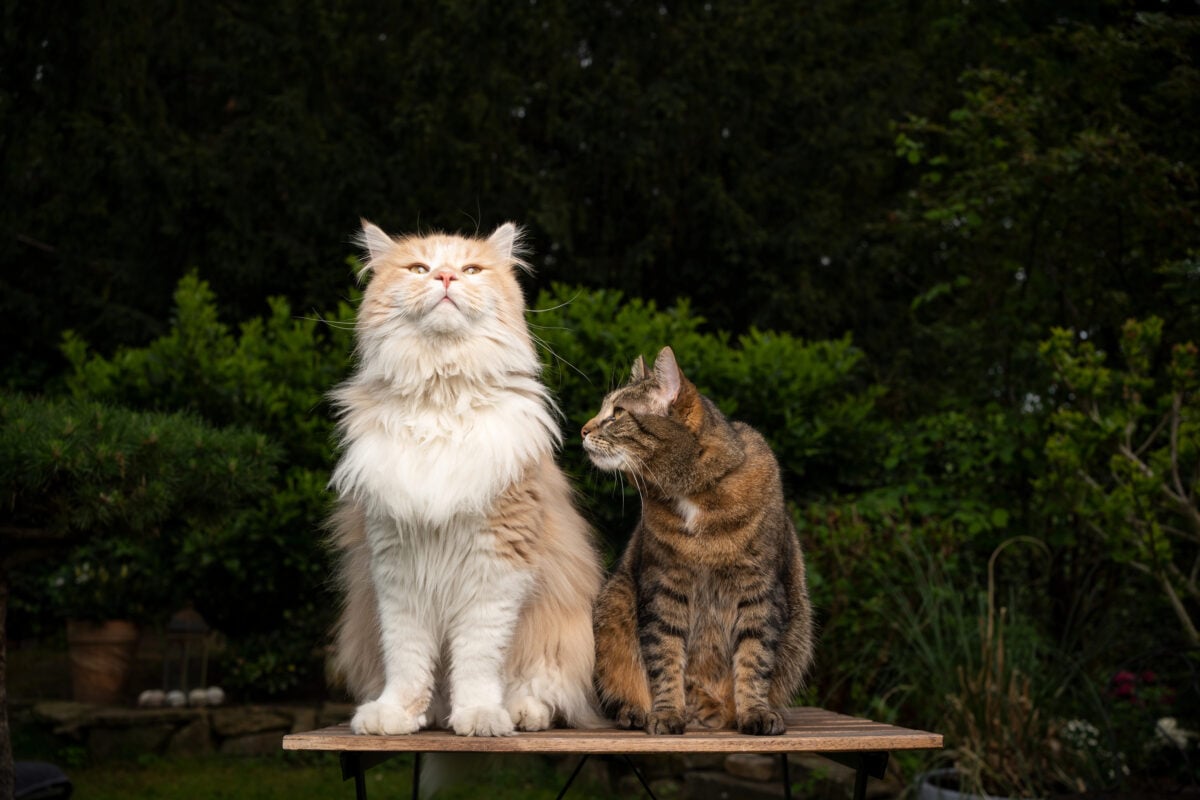
Most Maine Coon cats weigh 10–20 pounds, with males often larger than females. They grow slowly and may not reach full size until age 3 or 4, which is typical for the breed.
Maine Coon Size: What To Expect
If you’re used to average house cats, Maine Coons can feel enormous. Most cats finish physical growth around 18–24 months, but Maine Coons are slow growers and often continue filling out until age three or four.
Want our human-written content to rank above AI-generated garbage? Help us out by clicking this button!

They also mature mentally more slowly. Many retain kitten-like playfulness well into adulthood, which can feel surprising given their size. This extended growth period is entirely normal for the breed and plays a significant role in their “gentle giant” reputation.
Genetics matter, but so does environment. Maine Coons evolved to survive harsh New England winters, developing sturdy frames, dense coats, and long tails. Not every Maine Coon will reach extreme sizes, but most will grow far larger than the average domestic cat.
How Big Do Maine Coon Cats Get?
Before looking at Maine Coon numbers, it helps to know what “normal” looks like.
Average House Cat
- Weight: ~8–12 pounds
- Height: ~8–10 inches
- Body length: ~18 inches
- Tail length: ~12 inches
Maine Coon Cats
- Weight (females): 8–15+ pounds
- Weight (males): 15–25+ pounds
- Height: 8–16 inches
- Length: 19–40+ inches (recorded over 48 inches)
- Tail length: 11–16+ inches
Even smaller Maine Coons outweigh many standard house cats. Males are typically much larger than females, especially after the first year.
Big, Long, Or Heavy? How Maine Coon Size Is Measured
Maine Coon size is often misunderstood because “big” can mean different things.
Length is what makes Maine Coons look massive. Their long bodies and tails can exaggerate size, even when weight is average for the breed.
Height refers to leg length and shoulder height, which varies less dramatically.
Weight tells the most important story but must be evaluated alongside body condition. A long, tall cat is not necessarily overweight. Muscle mass and frame size matter more than numbers alone.
Male vs Female Maine Coon Growth: What’s Normal?
Male and female Maine Coons grow differently, and those differences can be dramatic.
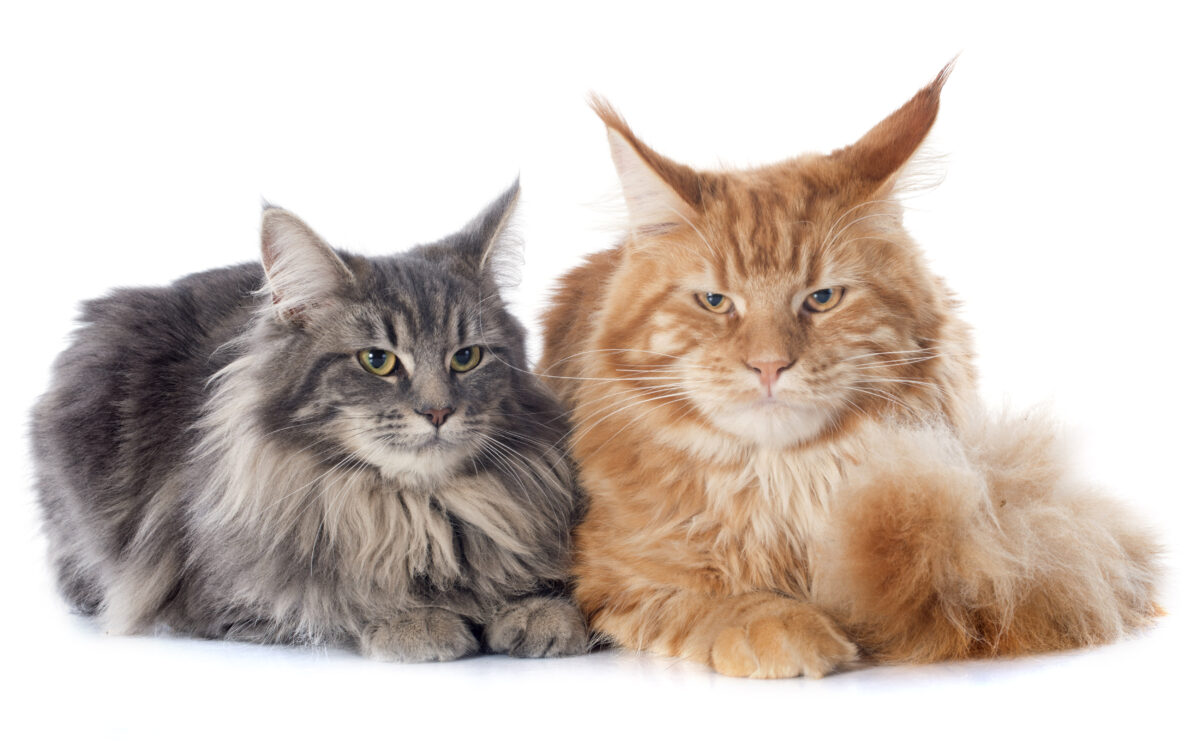
Males tend to grow for longer and continue filling out well into their third or even fourth year. They usually develop broader chests, thicker necks, and more muscle mass over time.
Females often mature earlier and may appear “done growing” by 18 to 24 months. Because they stay lighter and leaner, female Maine Coons are frequently mistaken for mixed breeds even when they are purebred.
Both growth patterns are completely normal for this breed.
Average Maine Coon Cat Size
| Measurement | Male | Female |
|---|---|---|
| Weight | 15–25+ lbs | 8–15 lbs |
| Height | 10–16 in | 8–15 in |
| Length | 19–40+ in | 18–40 in |
| Tail Length | 11–16+ in | 11–16 in |
Maine Coon Kitten Growth Timeline
Important: These are guidelines, not rules. Growth spurts, plateaus, and sudden changes are normal. If growth seems extreme in either direction, a vet check is always the safest call.
1–3 Months: Tiny But Growing Fast
Newborn kittens are quite tiny and weigh about a pound and a half around one month of age. Kittens are born both blind and deaf. At this stage, they will rely solely on their mother for nutrition.

By two months, a Maine kitten will start to gain noticeable weight. They are steadier on their feet, and baby teeth will begin to grow.
Your kitten will weigh between 2 1/2 and four pounds by the end of two months. You can introduce kitten food between one and two months of age.
At three months, your kitten will weigh between 3 1/2 and five and a half pounds on average. You will start to see significant weight gain over the next few months.
By this age, kittens should have started vaccinations and had a first visit to the vet. They should be eating well-balanced kitten food and have weaned off mom’s milk.
- 1 month: ~1.5 lbs, eyes and ears opening
- 2 months: 2–4 lbs, baby teeth emerging
- 3 months: 3.5–5.5 lbs, vaccinations begin
4–6 Months: “Is This Cat Full-Grown?”
At four months old, your sweet kitten is much sturdier. They will start to lose baby teeth. Weight at this age reaches between 6 and 8 and a half pounds on average.
Kittens weigh between 6 and 12 pounds on average at five months. Females are smaller. If one were to have a male and female kitten in the same home, one would be able to see a significant size difference.
Kittens will now be steady on their feet and start to be highly interested in playing. Conversations about when to spay and neuter should be happening now.
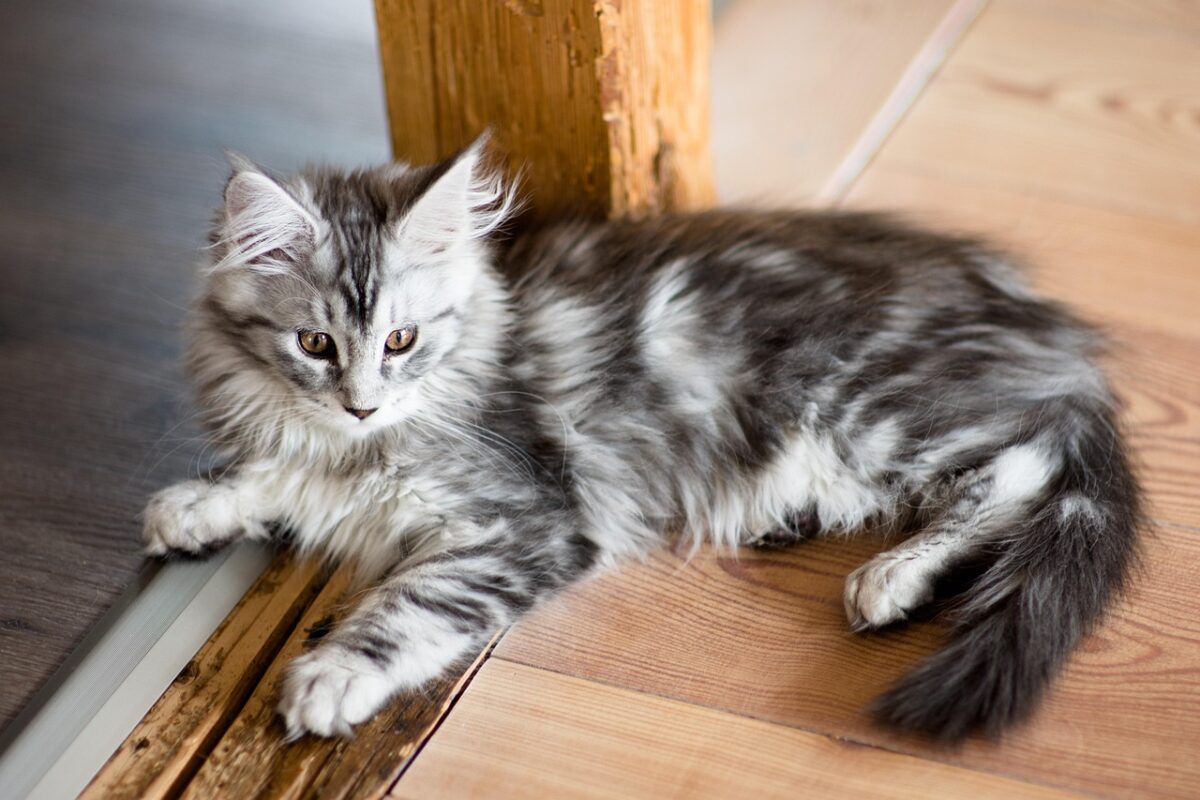
Six months is when Maine Coons start shocking people with their size. They can weigh anywhere between 6 and 13 pounds or more.
Female cats will go into heat around five or six months old. Once females hit this milestone, they will experience heat about every three weeks. If you have not had the conversation about spaying or neutering your kittens by now, six months is a great time to have it.
- 4 months: 6–8.5 lbs
- 5 months: 6–12 lbs (males noticeably larger)
- 6 months: 6–13+ lbs, many mistaken for adults
7–9 Months: Bigger Than Other Adult Cats
A seven-month-old gentle giant kitten can be comparable to an adult of other breeds. Males can weigh between 9 and 14 pounds. Females will weigh between 7 and 10.
Expect your kitty to be a handful at this stage. These kittens are playful, large, and clumsy. Their size will surprise them and you as they continue to grow.
Despite their generous size, these kitties still need kitten-formulated food for a few more months. Do not switch them over to adult chow just yet. If you have not already, this is a suitable time to start cleaning their teeth.
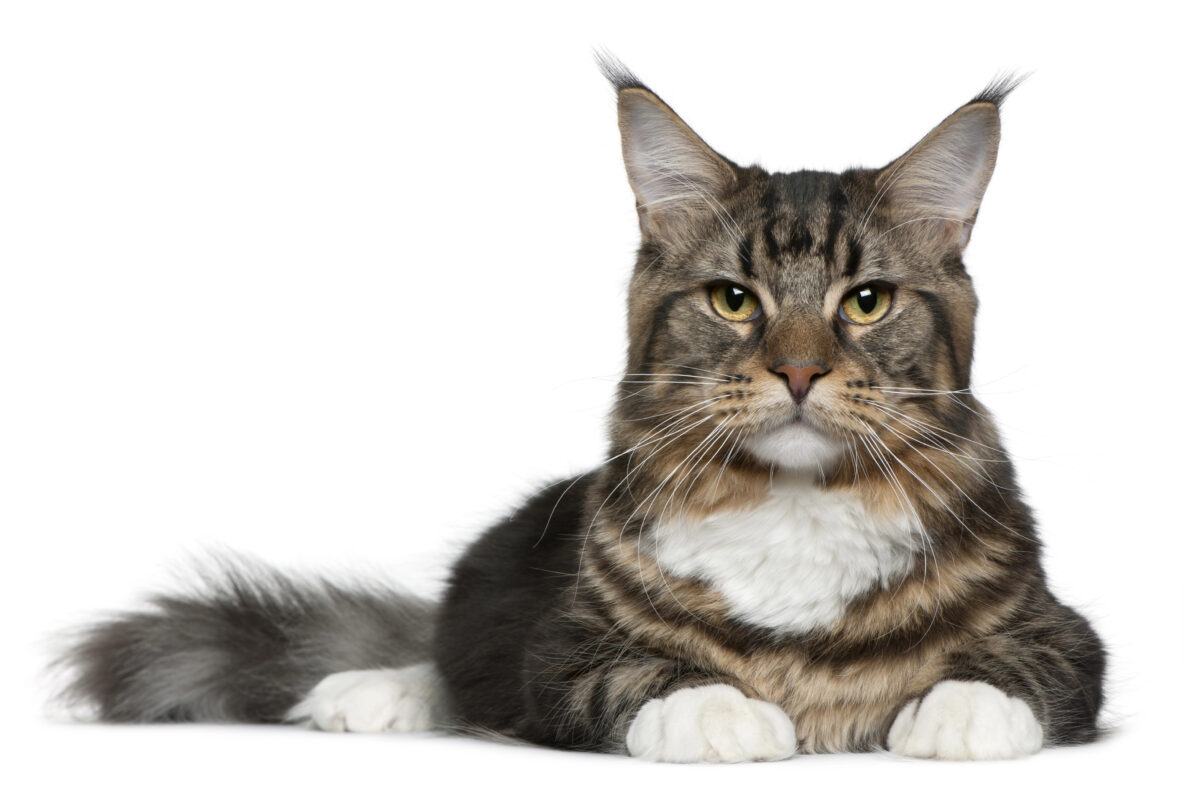
A 9-month-old Maine Coon is going to be a big cat already. They will likely be bigger than other cats in the household by now. Males reach anywhere from 12 to 15+ pounds. Females will weigh 8 to 11 pounds.
- 7 months: 9–14 lbs (males), 7–10 lbs (females)
- 8 months: 10–15 lbs (males), 8–11 lbs (females)
- 9 months: 12–15+ lbs (males), 8–11 lbs (females)
10–12 Months: One Year Old, Not Done Growing
At ten months, the true size of a gentle giant kitty starts to become more apparent. Males can reach anywhere from 11 to 17 pounds or more. Females are smaller, about 9 to 12 pounds.
Around this age, you can start looking into adult cat food. You can begin slowly introducing the adult formula.
Do not simply switch foods. This needs to be a gradual process.

At one year old, Maine Coons look like adults but are far from fully grown. Your kitty has another couple of years before they fully matures.
By 12 months, your Maine Coon cat may weigh anywhere from 13 to 20 pounds. Females will be smaller, weighing about 10 to 14 or so pounds.
- 10 months: 11–17+ lbs (males)
- 11 months: 12–17+ lbs (males)
- 12 months: 13–20 lbs (males), 10–14 lbs (females)
Maine Coon Cat Growth Chart
| Age | Male Weight | Female Weight |
|---|---|---|
| 1 Month | 1.5 lbs | 1.5 lbs |
| 2 Months | 2–4 lbs | 2–4 lbs |
| 3 Months | 3.5–5 lbs | 2–5 lbs |
| 6 Months | 6–13 lbs | 6.5–9 lbs |
| 9 Months | 12–15+ lbs | 8–11 lbs |
| 10 Months | 11 – 17 pounds | 9 – 12 pounds |
| 12 Months | 13–20 lbs | 10–14 lbs |
| 3–4 Years | 15–25+ lbs | 9–15 lbs |
Is My Maine Coon’s Size Normal?
If you’re constantly comparing your cat to photos online, you’re not alone. Maine Coon size varies more than most breeds, and many perfectly healthy cats fall outside “viral” expectations.
- Still growing at 2 years old? Normal
- Bigger than other cats by 6 months? Normal
- Female looks smaller than online photos? Normal
- Not 20+ pounds as an adult? Also normal
Healthy growth matters more than hitting a specific number on a chart.
How Big Will My Maine Coon Get?
There is no exact formula, but several clues can help estimate adult size.
Parent size is the strongest predictor. Kittens from larger parents are more likely to grow larger themselves. Sex also matters, with males typically outweighing females by a wide margin.
Growth rate between 6 and 9 months can offer hints. Kittens already weighing 12 pounds or more at this stage often become very large adults. Nutrition quality and overall health also play a major role in how fully a cat develops.
Even with all these factors, final size can’t be confirmed until full maturity.
What Happens After The First Year?
Growth slows after the first year but doesn’t stop. Many Maine Coons experience a second filling-out phase between ages one and three. Muscle mass increases, frames broaden, and males often add noticeable weight.

You won’t know your cat’s true adult size until full maturity, usually around age three or four.
Adult Maine Coon Cats
Fully grown Maine Coons are large, active, and highly social. They need space to climb, play, and stretch, as well as regular interaction to stay mentally stimulated.
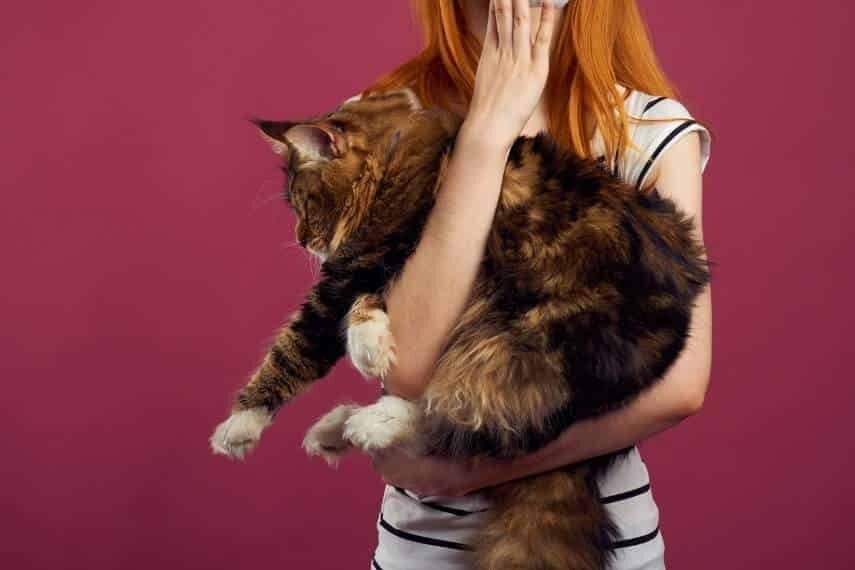
Because of their size, portion control matters. Obesity is common in cats and can be mistaken for “normal” size in large breeds. A healthy Maine Coon should feel muscular, not soft or overly heavy.
Living With A Large Cat: What Size Really Means At Home
Living with a Maine Coon requires planning beyond curiosity about size.
These cats need larger litter boxes, sturdy cat trees rated for higher weights, and more vertical space to climb and stretch. Food costs and grooming needs may also be higher than average.
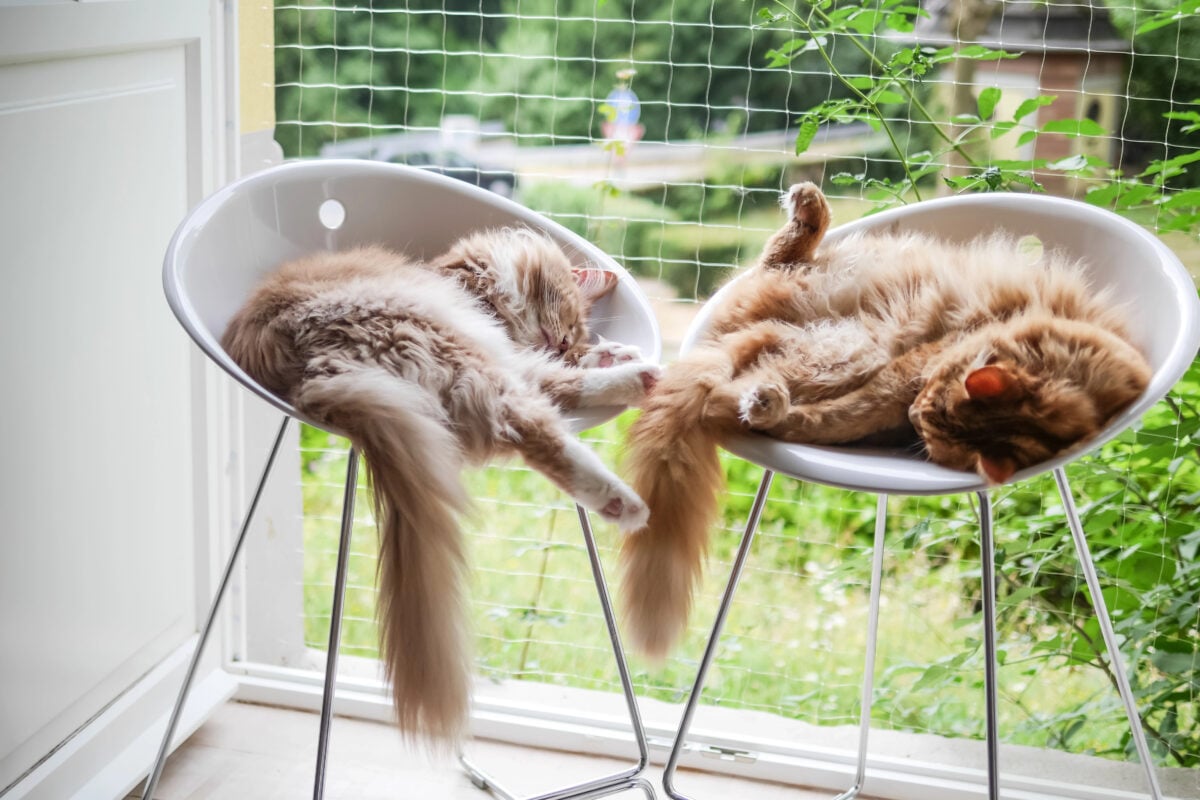
Despite their size, Maine Coons are affectionate and adaptable. With the right setup, they thrive in many home environments.
Is My Maine Coon Big — Or Just Overweight?
Because Maine Coons are naturally large, excess weight is often overlooked. Size alone does not indicate obesity.
A healthy Maine Coon should feel muscular rather than soft. You should be able to feel the ribs with light pressure, see a subtle waist when viewed from above, and notice an abdominal tuck from the side.
If your cat feels round, lethargic, or struggles with movement, weight may be an issue regardless of breed size. Regular vet checkups and portion control are essential for keeping large cats healthy.
4 Factors To Consider
While this breed is known to be large, that does not mean that every single one will grow to be 20 pounds or more. Many are equitable in size to other popular feline breeds. How large each kitty will get depends on a few different factors.

- Genetics: Parents are the strongest predictor. Mixed lineage can significantly reduce adult size.
- Nutrition: High-quality, protein-rich diets support steady growth. Overfeeding does not equal a healthy size.
- Health: Conditions like obesity, joint issues, and heart disease can impact development. Regular vet care matters.
- Activity level: These cats need daily play and climbing opportunities to maintain muscle mass and prevent excess weight gain.
When Maine Coon Growth May Signal a Problem
Most growth variation is normal, but certain changes deserve attention.
Sudden weight loss, rapid unexplained gain, poor muscle tone, or extreme lethargy are not typical for this breed. Growth that stalls very early or accelerates dramatically can also indicate health concerns.
If your cat’s growth pattern changes abruptly or doesn’t align with their overall health and behavior, a veterinary evaluation is recommended.
Planning Ahead for Vet Bills (and “Giant Cat” Costs)
Maine Coons are built like tiny lions, which is adorable… until you’re paying for the lion-sized vet bills.
Because they’re a large, slow-maturing breed, costs can add up over time for things like routine exams, dental care, and breed-related issues that are more common in Maine Coons (including heart screening for HCM and joint support if mobility changes). Even a basic “just to be safe” visit can turn into diagnostics quickly.
Pet insurance can help cover eligible accident and illness costs for new conditions, which can make it easier to move forward with testing and treatment if something shows up during those long growing years.
If you want to compare options, check our best cat insurance guide and get a quote using the form below.

Maine Coon Size Myths You’ll See Online
Social media has distorted expectations around Maine Coon size.
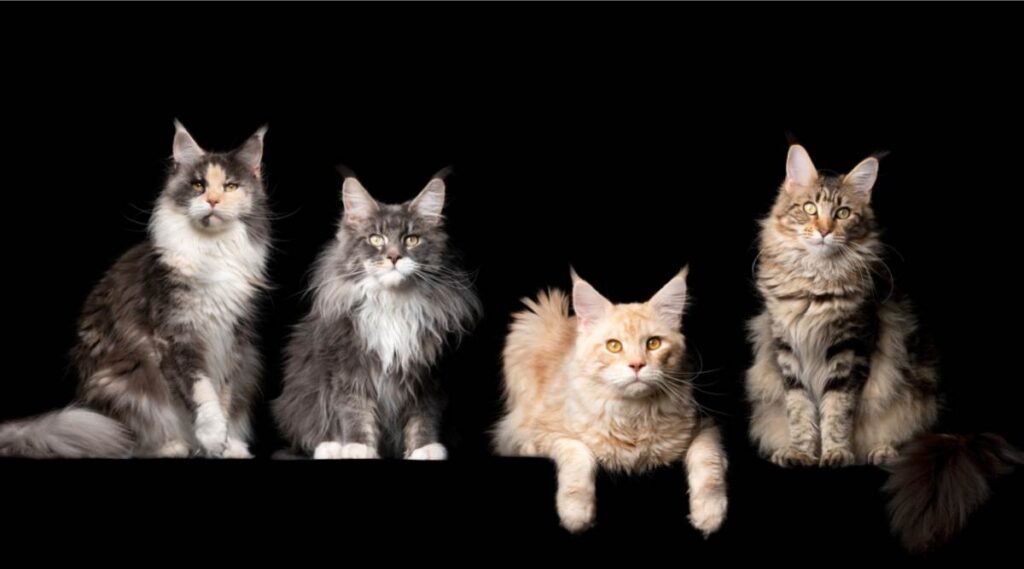
Not all Maine Coons weigh 25 pounds or more. Smaller adults can still be purebred. Bigger does not always mean healthier, and oversized cats are not the norm.
Many viral images feature exceptional individuals, forced perspective, or selectively bred lines. Real-world Maine Coons come in a wide range of sizes.
Common Maine Coon Size Worries (And What They Really Mean)
If you’ve ever questioned whether your Maine Coon is growing “right,” you’re not alone. Many owners have the same concerns, especially during the first two years.
“My Maine Coon Stopped Growing Early.”
Growth often slows temporarily before picking up again. Many Maine Coons pause, then experience another growth phase after their first birthday.
“My Cat Is Smaller Than Other Maine Coons I See Online.”
Online photos usually feature exceptionally large individuals. Many healthy, purebred Maine Coons fall on the smaller end of the size range.
“My Maine Coon Is Huge But Still Acts Like A Kitten.”
Mental maturity lags behind physical growth in this breed. Playful, kitten-like behavior well into adulthood is normal.
Frequently Asked Questions
Maine Coon size raises a lot of questions, especially when your cat doesn’t look like the oversized examples you see online. From growth timelines to comparisons with other large breeds, these are the most common questions owners ask when trying to understand what’s normal for this unique breed.
Don’t see your question? Respond in the comments, and we’ll get back to you!
At What Is A Maine Coon Full Size?
These cats take a little longer than other cat breeds to mature. While most felines will mature around one or two years of age, the gentle giant can grow until they are three or four years old before reaching full maturity.
They retain many of their kitten-like qualities and playfulness well into adulthood.
How Big Should My Maine Coon Kitten Be?
While we can present different guidelines as a reference point, there is no real way to predict how large a specific cat should be. You can look at the parent cats to estimate their size, one of the best indicators of how big a kitten might be once fully grown.
If your cat is eating well, getting plenty of exercise, and is not sick, you should not worry about how large they are. Like every other breed, these felines have a range of sizes, some are much smaller, and some will be much larger.
Are Maine Coon Cats Bigger Than Savannah Cats?
Both cat breeds are known to be on the large side.
Savannah cats have long slender limbs, making them seem larger than they are. Savannahs range in weight from 7 to 15 pounds, while Maine Coon cats can range from 11 to 15 pounds.
How Much Bigger Is A Maine Coon Than A Normal Cat?
These cats can almost double other kitties in size.
Maine Coons can reach between 9 and 25 pounds and reach 40 inches long. Most other breeds reach between 6 and 12 pounds and reach 30 inches long.
How Can I Tell If My Cat Is A Maine Coon?
Unfortunately, there is only one 100% accurate way to know if your cat is a Maine Coon, and that is to do genetic DNA testing. Besides that, you can look at the different physical attributes to see if your cat has some of the physical traits of this breed.
These kitties have long rectangular bodies with extra-long shaggy tails. This fur covers their whole bodies but is thicker on their tail. They also have large furry ears that make them look similar to a bobcat.
Gentle giants are known for their very large eyes and outgoing personalities. However, despite these features, it may be tough to tell if your cat is a true gentle giant unless you have the documentation to prove it.
Ready To Care For A Cat This Big?
Living with a Maine Coon means planning for their size, strength, and long-term needs. From nutrition to grooming to everyday essentials, choosing the right products early makes life easier for both of you.
If you’re getting ready to welcome a Maine Coon, or already sharing your home with one, these guides can help:
- Best Food for Maine Coons – Nutrition designed for large, slow-maturing cats
- Best Litter Boxes for Maine Coon Cats – Extra room for comfort and proper posture
- Best Brushes for Maine Coons – Tools that actually work on thick, long coats
Planning for their size isn’t about spoiling them. It’s about setting them up for a healthier, more comfortable life.