When you purchase through links on our site, we may earn a commission at no extra cost to you. Learn more.
Cats may pretend they’re frost-proof, but there is a temperature where every single cat — indoor, outdoor, fluffy, or street-savvy — hits a dangerous limit fast. And here’s the twist: that cutoff is warmer than most people expect. Cold weather doesn’t just make cats uncomfortable; it affects their paws, ears, and their ability to retain body heat long before anything appears severe from the outside.
Table of Contents
So if you’ve ever paused at the window wondering, “Can cats survive in the cold?” you’re asking the right question. Winter can turn risky quickly for cats, especially when wind, damp fur, or underlying health issues come into play. Understanding how cold affects them and the subtle signs of danger is the key to keeping any cat safe when temperatures drop.
Why Cold Hits Cats Differently (But Danger Eventually Catches All of Them)
Not all cats handle cold the same way. A fluffy outdoor regular can stay warm longer than a slim, short-haired indoor cat, but every cat has a limit. What changes is how quickly they reach it.
Certain things speed up heat loss fast:
Want our human-written content to rank above AI-generated garbage? Help us out by clicking this button!
- Age (kittens + seniors chill first)
- Health issues (heart/kidney disease, thyroid issues, etc.)
- Wet fur
- Wind
- Low body fat
- Short coats
Put those together, and two cats standing in the same weather can be on entirely different timelines. One stays comfortable for a while. The other starts losing warmth almost immediately.
But once a cat’s core temperature begins to drop? The danger accelerates for all of them. Cold ears, stiff movement, slowed reactions, and confusion show up sooner than most people expect. Recognizing these differences helps you spot trouble early before the cold turns genuinely unsafe.
A Quick Personal Note
This winter has already brought me an unexpected reminder of how quickly cold becomes dangerous. A stray kitty adopted our covered front porch (and us) about nine months ago, and we made it her little home.
She handled warm and cool days well, but once blowing snow and freezing temperatures moved in recently, her whole posture changed — tense, tucked, and clearly uncomfortable.
We brought her into a warm bathroom away from our three cats and dog, and she soon relaxed and stopped shivering. It was a gentle but eye-opening moment: even confident outdoor cats reach their limit fast once the weather shifts.
How Cats Lose Heat (And Why Cold Becomes Dangerous Faster Than You Think)
Once the temperature drops, a cat’s body has one job: hold onto heat. And while cats are great at pretending everything is fine, their bodies tell a very different story.
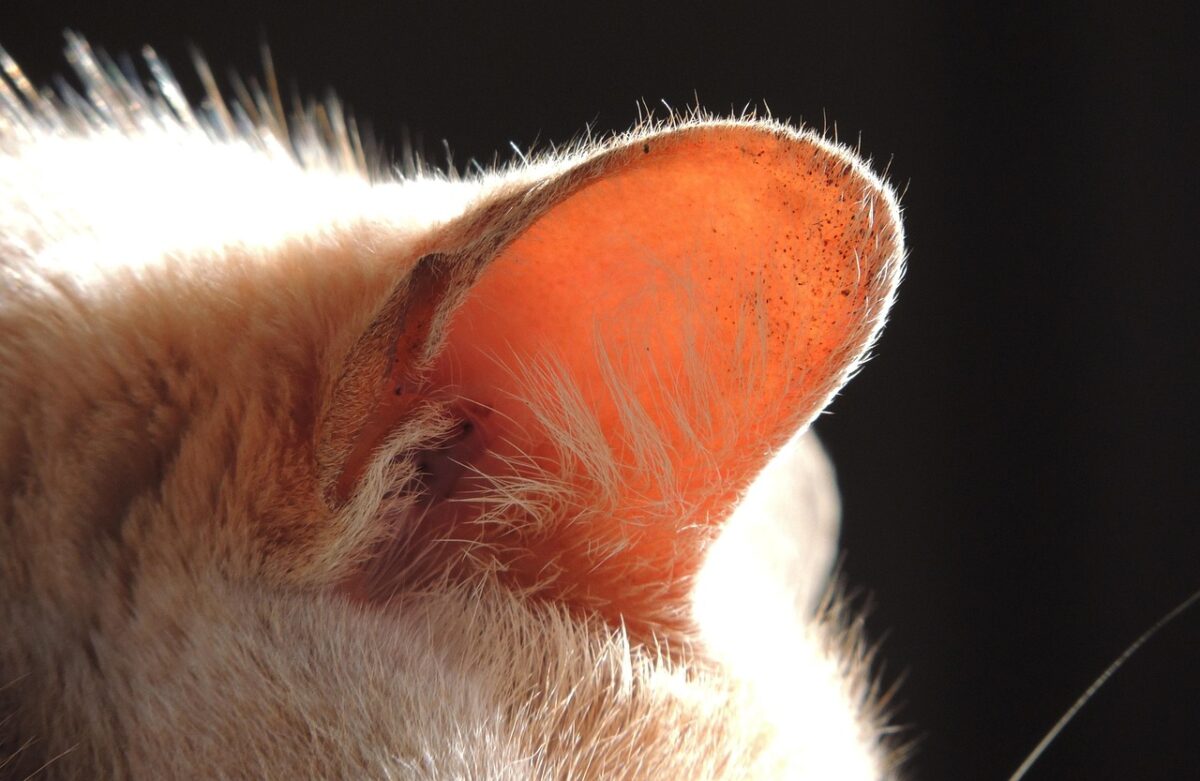
1. Their Ears, Paws & Tail Lose Heat First
These extremities have less insulation and lots of surface area, so they cool quickly. When these parts get cold, the body starts redirecting warmth toward vital organs — a sign the cat is already working hard to stay warm.
2. Muscles Tighten To Create Heat
Shivering isn’t just a “cold cat thing.” It’s the body’s attempt to warm up by making tiny, rapid muscle contractions. It helps… until it doesn’t. If a cat keeps shivering, they’re burning energy faster than they can replace it.
3. Wet Fur = Heat Loss On Fast-Forward
Moisture destroys insulation. Snow, dew, rain, or even a damp patch on their coat can accelerate heat loss in minutes.
4. Wind Pulls Heat Off Their Body
Even a gentle breeze can strip warmth away quickly. Wind chill is one of the main reasons: “but it doesn’t look that cold outside” can turn into danger before people expect.
5. Their Internal Temperature Starts to Drop
This is when things turn serious. As the core temperature falls, coordination, balance, and alertness begin to slip. A cat might move slowly, seem confused, or stop reacting normally — early signs of hypothermia.
6. Their Body Can’t Compensate Forever
Once the body can’t generate heat fast enough, danger rises sharply. Frostbite risk increases. Organ systems slow. Hypothermia becomes a real threat.
Cold Tolerance: Cats vs. Dogs
Cats are built for warmth more than most people realize. Their ideal thermoneutral zone (TNZ) — the temperature range where they don’t have to use extra energy to stay warm or cool — sits around 86°F to 101°F. Dogs, on the other hand, have a much lower TNZ of roughly 68°F to 95°F.
That difference helps explain why cats feel cold sooner than dogs do, and why chilly weather affects them more quickly, even if they look comfortable on the outside.
The Cold Danger Scale: How To Tell When A Cat Is Slipping Into Trouble
Cats are subtle, especially when they’re uncomfortable. But cold affects them in predictable stages — knowing these stages helps you spot danger long before things turn serious.
Think of this as a quick “cold weather checklist” you can run through anytime you see a cat outside in chilly weather.
Stage 1: Mild Chill (The “I’m Managing, But This Isn’t Cozy” Zone)
Most cats will try to tough this out. Early signs include:
- Holding paws off the ground
- Tucking into a tighter shape
- Seeking sheltered spots
- Ears and paws are starting to feel cool
At this point, cold is uncomfortable but not yet dangerous — unless the cat is very young, old, thin, sick, or wet.
Stage 2: Cold Stress (The Body Is Working Hard Now)
This is when cold begins to matter. Watch for:
- Shivering
- Stiff movement
- Hesitation to walk on cold surfaces
- Reduced responsiveness
- Choosing warmth over anything else
A cat in this zone is losing heat faster than they can comfortably replace it. Risk is rising, especially with wind or moisture.
Stage 3: Danger Zone (Hypothermia Risk Starts Here)
At this point, any cat, regardless of coat or size, is at real risk. Warning signs include:
- Slowed movement
- Confusion or disorientation
- Body feels cool to the touch
- Weakness
- Difficulty standing or walking
This is the stage where cold becomes medically dangerous — and it can arrive much sooner than people expect.
Stage 4: Emergency Zone (Immediate Action Required)
This is life-threatening cold exposure. Emergency signs include:
- Unresponsiveness
- Collapse
- Very slow breathing
- No shivering (the body is too cold to keep trying)
A cat in this state needs immediate veterinary care. Even a few minutes of additional exposure can be critical.
Recognizing these stages helps you spot early red flags long before temperatures reach a level that becomes universally unsafe for all cats.
So… What Temperature Is Too Cold for Cats?
The Actual Temperature Ranges You Need to Know
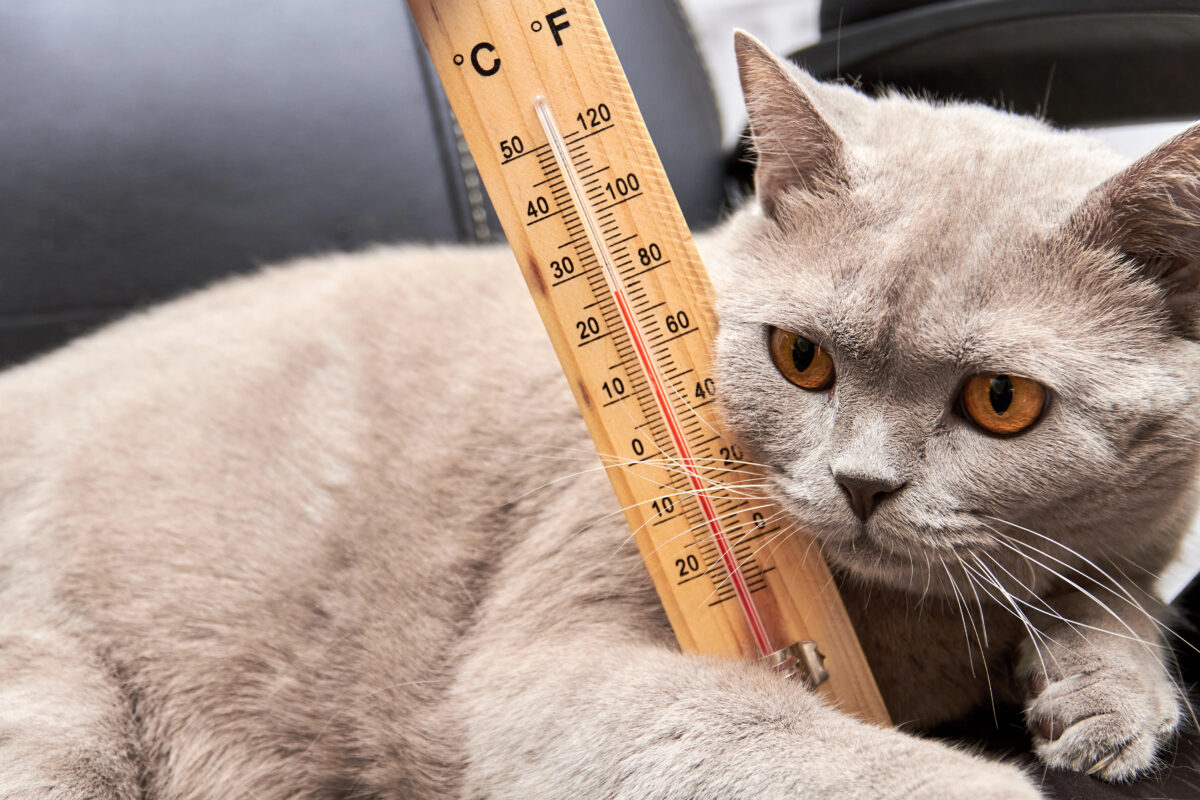
Here’s the part every cat parent searches for — and the numbers that truly matter. While individual tolerance varies, there is a clear threshold where all cats become unsafe. These ranges apply to indoor cats, outdoor cats, strays, community cats, and even those “I live outside by choice” porch regulars.
Below is the breakdown in simple, cat-parent terms.
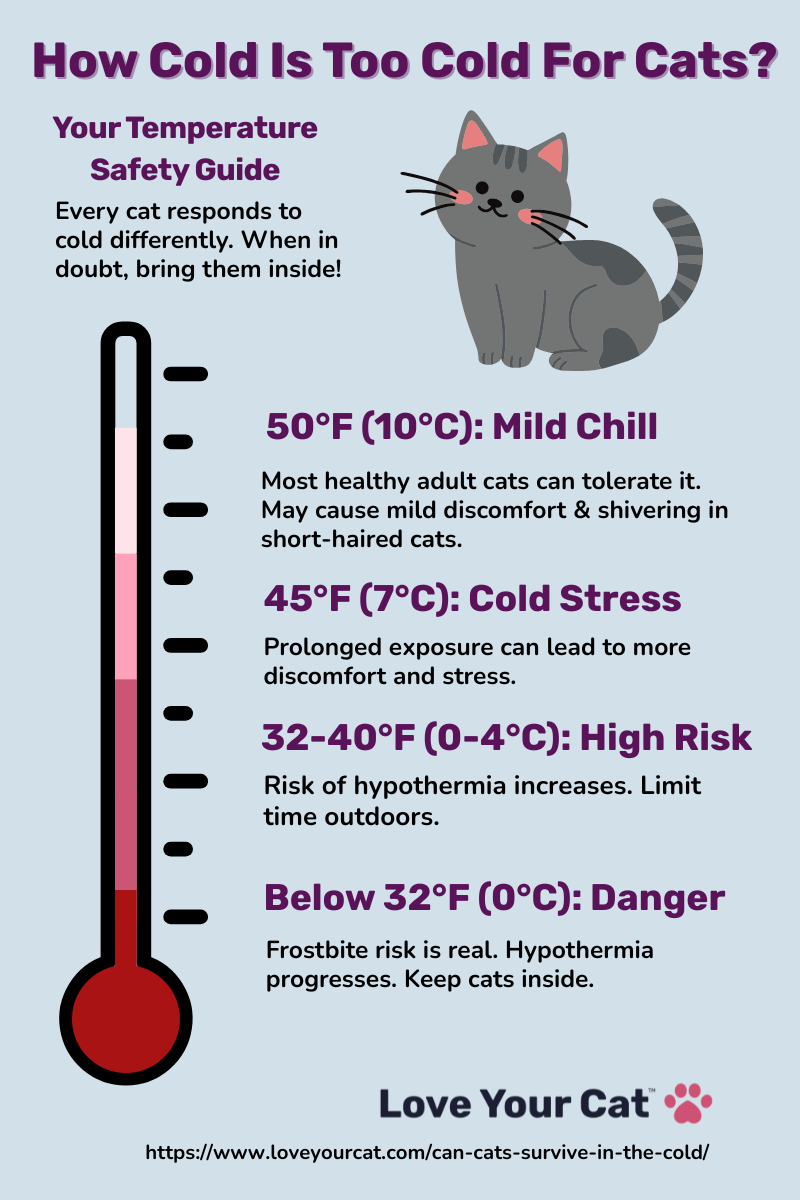
50°F (10°C): Generally Safe — But Not Cozy
Most healthy adult cats can handle this with mild discomfort.
You may see paw-lifting, shivering in short-haired cats, or a quick retreat to shelter.
45°F (7°C): Cold Stress Starts for Many Cats
Thin, short-haired, senior, or very young cats may struggle here.
Wind or damp fur can push them into danger fast.
32–40°F (0–4°C): This Is the First Danger Zone
At these temperatures, any cat can become unsafe, especially with wind, wet ground, or prolonged exposure. Hypothermia risk begins here.
Below 32°F (0°C): Uncomfortable → Unsafe → Dangerous
Freezing temperatures increase the risk quickly.
Frostbite becomes likely. Hypothermia can progress rapidly.
Infographic: Cat Cold-Weather Safety Guide
The Subtle Behavior Changes That Tell You a Cat Is Getting Too Cold
Physical symptoms aren’t the only clues. Cats also show behavior shifts when temperatures start to affect them, and these often appear before anything looks visibly wrong. These cues are crucial for outdoor cats who try to hide discomfort.
1. They Abandon Their Usual Routine
Cats are creatures of habit. If a cat who normally roams suddenly stays close to the house, sticks to sheltered paths, or moves less overall, cold is influencing their choices.
2. Their Hiding Spots Change
Cold pushes cats to find warmth wherever they can. If you notice new hiding places, such as under porches, inside storage bins, tucked against exterior vents, or curled beside vehicles, they’re seeking warmth and protection from wind.
3. Their Grooming Drops Off
A chilled cat grooms less because grooming uses energy they can’t spare. Mattes, or “rough-looking” fur, in winter is often an early sign of cold stress, not just an outdoor-cat aesthetic.
4. They Choose Higher Ground (Or Refuse It)
Cold surfaces drain body heat. Cats may avoid the ground, hop between raised objects, or, if already cold, stop climbing because stiffness makes it difficult to climb.
5. Their Voice Changes
Some cats become quieter. Some become more vocal. Either way, vocal shifts in cold weather can signal discomfort, confusion, or early hypothermia stress.
6. They Become Less Social (Or Suddenly Clingy)
Cold can make cats withdraw to conserve energy… or seek contact with warmth-providing humans. Both shifts are red flags when they’re out of character.
7. They Move With Unusual Hesitation
Not quite stiffness, not quite shivering — more like uncertainty or cautious movement. This often appears before the more obvious physical signs.
These behavioral red flags are easy to miss but incredibly important.
What Happens To Cats Left In The Cold?
Cold weather doesn’t just make cats uncomfortable; it affects their bodies in ways that can become serious faster than most people realize. Here’s what actually happens when a cat stays in the cold too long.
Hypothermia: When the Body Can’t Keep Up Anymore
Hypothermia begins when a cat’s core temperature starts dropping below normal (usually under 99°F). Once that happens, their body struggles to keep vital organs warm.
Early effects:
- Slowed reflexes
- Loss of coordination
- Confusion or disorientation
As hypothermia deepens, the body starts shutting down non-essential functions to conserve heat, which is why cats may stop responding, collapse, or appear extremely weak.
Did You Know?
A normal cat’s body temperature is higher than that of humans, typically ranging from 100.4°F to 102.5°F (37.7°C to 39.2°C). Temperatures below 99°F or above 104°F (especially above 106°F) can signal serious issues.
Frostbite: Damage to Ears, Paws, and Tail
Frostbite happens when the tissues in the extremities freeze. It’s most common on the ear tips, paw pads, the tail, and the nose. Cold reduces blood flow to these areas first, making them vulnerable to permanent damage.
Cats might not show pain initially because the tissues are numb, which is why frostbite often goes unnoticed until it’s severe. Signs include:
- Discoloration of the frozen area
- Pale skin or even blue in color initially
- Skin looks black and dead in the later stages
- Lack of pain or sensation in the affected area
- A lot of pain when the area starts to warm up
Dehydration (Yes, Even in Winter)
Cats can become dehydrated in cold weather because:
- Water sources freeze
- They drink less when chilled
- Their bodies use more energy to stay warm
Dehydration increases the risk of illness, organ stress, and hypothermia progression.
Energy Crash
Cold drains calories fast. Cats who don’t get enough food, especially thin or outdoor cats, burn through energy reserves quickly, making it harder to keep warm. Once their energy drops, their temperature drops too.
Organ Failure in Severe Cases
In the most extreme cold exposures, blood flow is directed to essential organs. If body temperature continues to fall, oxygen drops, organ function slows, and life-threatening complications can occur.
Outdoor Cats, Stray Cats & Community Cats: Why Their Cold Risks Aren’t All the Same
Not every cat outside in winter got there the same way, and their risks aren’t the same either. Some are outdoor pets with homes to return to. Some are strays who once lived indoors. Others are community cats born outdoors and accustomed to navigating the neighborhood. But none of them are immune to cold danger when temperatures drop far enough.

Here’s how these different groups experience winter — and why each needs a slightly different kind of help.
Outdoor-Owned Cats
These are the cats who can come indoors but often enjoy spending time outside.
They tend to:
- Seek home or warmth when uncomfortable
- Have reliable food sources
- Be healthier overall
But even so, outdoor cats can’t outrun freezing temperatures, wet fur, or wind chill. They may tough it out longer than indoor-only cats — but once the temperature hits dangerous levels, no level of “outdoor experience” protects them.
Stray Cats
Strays were once pets, and it shows. They may seek human contact, linger near homes, or try to get inside.
Strays struggle in cold weather because:
- They often lack the thick winter undercoat that outdoor-born cats develop
- They’re more likely to be underweight
- Stress and inconsistent food sources make staying warm harder
These cats can hit the danger point very quickly in cold weather.
Community (Feral) Cats
Community cats, often called “ferals,” know how to survive outside — right up until temperatures drop below the threshold that becomes unsafe for every cat.
They’re skilled at:
- Finding shelter
- Avoiding wind
- Conserving energy
- Keeping to insulated, protected areas
But even seasoned community cats cannot protect themselves against extreme cold, frozen ground, icy winds, or prolonged exposure. Their winter survival depends heavily on sheltered spaces, consistent food, and community support.
Outdoor Experience Helps — But It Has Limits
It’s easy to assume outdoor-born cats can handle anything. But once temperatures fall into the danger range (especially near freezing and below), experience only buys them a little time — not protection.
All outdoor cats, no matter their background, depend on:
- Shelter
- Access to food
- Unfrozen water
- A safe place to escape dangerous weather
Without those, even the most savvy community cat can get into trouble quickly.
How to Keep Indoor Cats Safe in Winter (Yes, Even Inside Can Get Too Cold)
Indoor cats may not face the harsh conditions outdoor cats do, but winter still brings risks, especially in drafty homes, older houses, or during cold snaps when temperatures dip lower than people realize. Cats feel those changes more than you might think.
Here’s how to make sure your indoor cat stays warm, safe, and comfortable all winter.
Create Warm, Draft-Free Sleeping Spots
Cats naturally seek elevation and warmth. Offer cozy options like:
- Heated cat beds (with safety shut-offs)
- Fleece-lined cave beds
- Soft blankets placed away from windows and doors
If your house has cold floors, raised beds or elevated perches help reduce heat loss.
Check for Drafts in Their Favorite Areas
Kitchens, hallways, and older windows can create cold pockets. A slight shift can make a big difference. If your cat sleeps in a drafty spot, consider:
- Draft stoppers
- Window insulation film
- Moving their bed a few feet away from cold walls
Monitor Indoor Temperatures During Winter Storms
If your home dips into the low 60s or below, some cats will start feeling uncomfortable, especially seniors, kittens, and thin cats. You don’t need to overheat the whole house; instead, make sure your cat has reliably warm zones they can retreat to.
Keep Grooming Consistent
A clean, well-groomed coat insulates better. Indoor cats who shed or mat in the winter lose some of that protection, so regular brushing helps them stay warm.
Outdoor Access? Set Limits.
If your indoor cat goes outside at all, keep winter outings short and supervised. Monitor conditions closely. Even a few minutes outside during freezing temperatures can become dangerous fast.
Be Extra Careful with Seniors & Kittens
Older cats and kittens lose heat more quickly and may not seek warmth proactively. Provide additional bedding, warm resting places, and avoid letting them linger in colder rooms.
Indoor cats aren’t exposed to the same risks as outdoor cats, but cold weather still affects their comfort, their energy, and their safety. A little winter prep goes a long way in keeping them warm and well through the season.
DIY Outdoor Shelters That Actually Help Cats Survive Winter
Outdoor cats, strays, and community cats rely heavily on shelter in cold weather, especially once temperatures approach the danger zone. A proper winter shelter can be the difference between a cat staying safe and a cat losing body heat faster than it can recover.
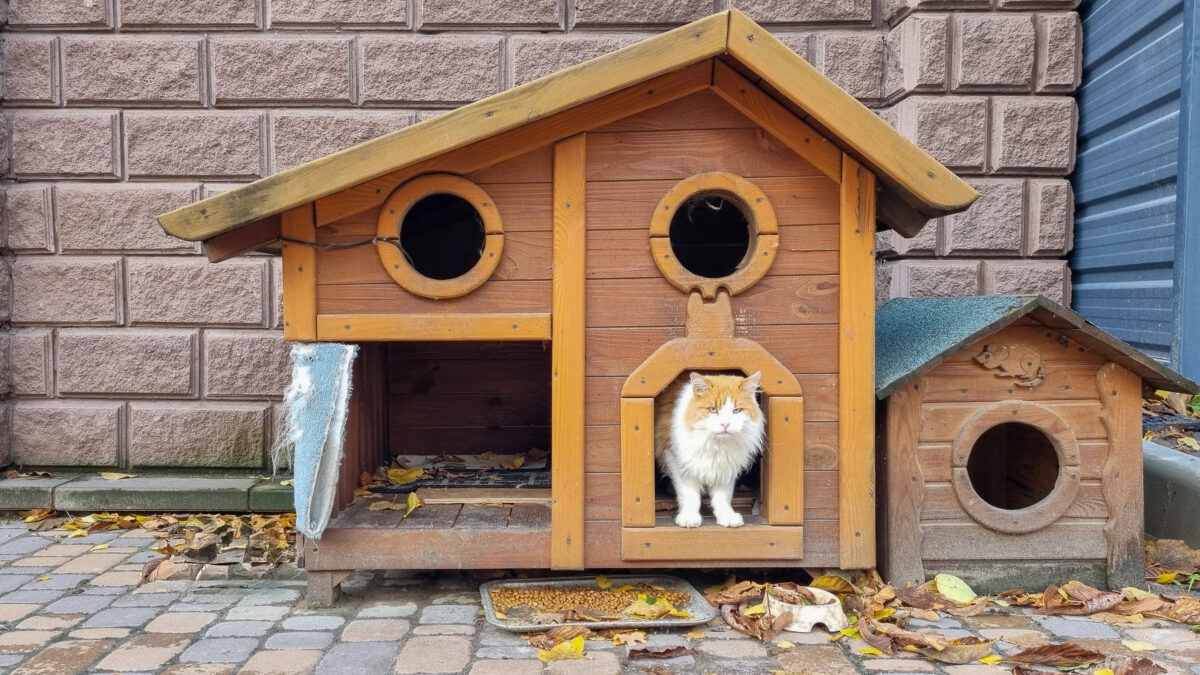
Here are simple, effective shelter setups that actually work, plus the mistakes that accidentally make things colder.
The Rubber Storage Tote Shelter (Easy, Cheap, and Surprisingly Warm)
One of the most reliable winter shelters is simply:
- A thick plastic tote
- A smaller tote nested inside
- Straw packed between the walls for insulation
Cut a small doorway (just big enough for a cat), place it on bricks or wood to lift it off cold ground, and you have a shelter that holds warmth impressively well.
Why it works:
The double-wall design traps heat and blocks wind. Straw adds insulation without holding moisture.
The Foam Cooler Shelter (Lightweight & Ultra-Insulating)
Hardware-store foam coolers make excellent cat shelters because the material naturally retains heat. Just cut an entry hole, add straw inside, and secure the lid with duct tape or weatherproof tape.
Why it works:
Foam is one of the best insulators available, and a cat’s body heat can quickly warm the interior.
The Wooden Shelter (Durable & Wind-Resistant)
For a longer-term option, simple wooden shelters with the following specifications can keep cats warm year after year through winter.
- A slanted roof
- A small entry hole
- Straw-filled interior
- Weatherproof paint
Why it works:
Wood stays dry, blocks wind, and insulates better than plastic when built with tight seams.
Essential Tips For A Safe Shelter
These tips make a huge difference in keeping a cat safe and comfortable in any shelter.
Why Straw Is Necessary (and Blankets Are Not)
This is the cold-weather mistake people make when trying to create a safe shelter for cats.
Straw is warm, dry, and insulating.
Blankets, towels, and newspaper get cold, wet, and dangerous.
Blankets absorb moisture from a cat’s paws and breath, making the cat colder rather than warmer. Straw stays dry and traps heat even in freezing temperatures.
Add a Wind Block
Even the best shelter fails without wind protection. Great locations include:
- Under porches
- Behind garages
- Against fences
- Near sheds or thick shrubs
Blocking the wind helps the shelter stay significantly warmer.
Keep the Entrance Small
A cat-sized entry hole keeps heat inside and predators or large animals out.
You can also add a simple flap (a piece of thick plastic or rubber) to reduce drafts — just make sure it swings easily.
Make Sure Food & Water Are Close — and Don’t Freeze
Place food and water near the shelter and consider:
- Heated water bowls
- Deep bowls that freeze more slowly
- Frequent refills with warm water
Feeding & Hydration in Cold Weather (What Outdoor Cats Need to Stay Safe)
When temperatures drop, food and water matter just as much as shelter. Cold weather forces a cat’s body to burn more calories and lose moisture faster — and without consistent access to both, staying warm becomes much harder. Here’s what outdoor cats need to safely get through winter.
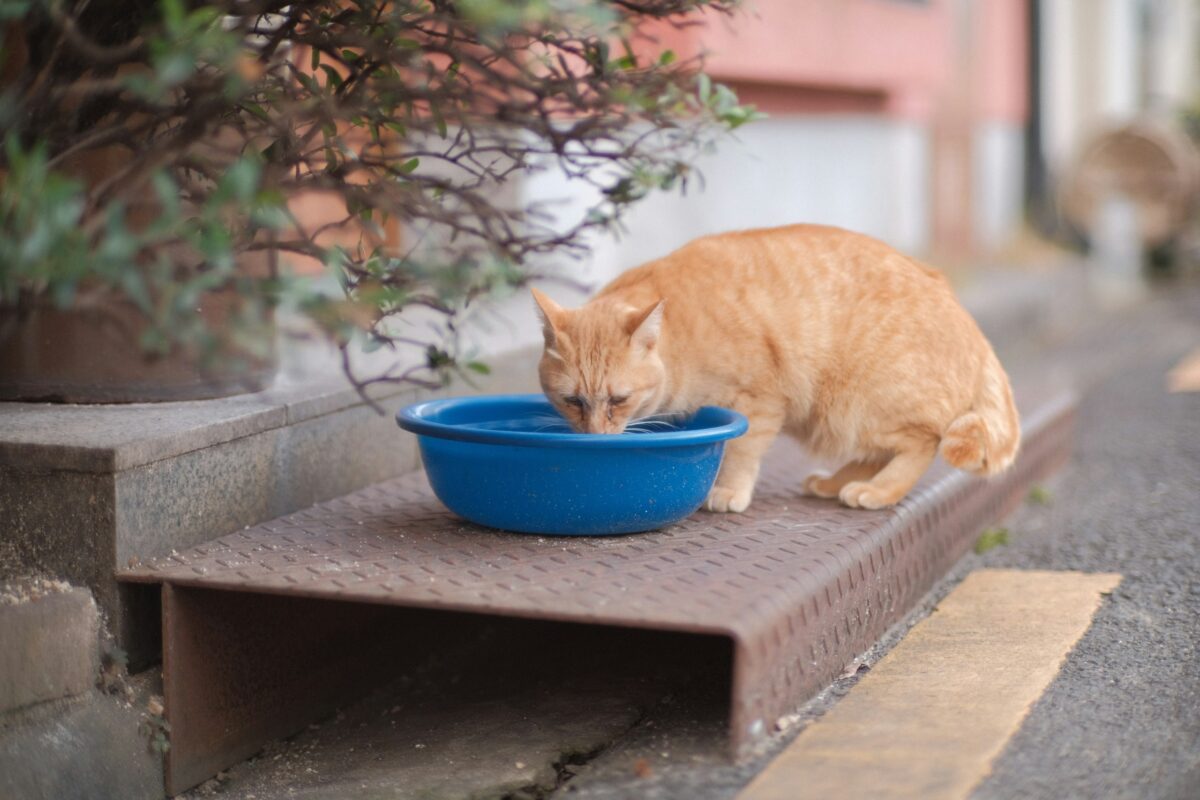
Higher-Calorie Food Helps Them Stay Warm
Cold weather increases energy use. Cats burn more calories trying to maintain body heat, especially thin or active outdoor cats.
To help:
- Offer slightly larger portions
- Choose calorie-dense foods (wet or dry)
- Feed on a schedule so they know when to expect meals
Well-fed cats stay warmer, move better, and resist cold stress longer.
Prevent Water from Freezing (This Is Critical)
Dehydration is a real winter risk. Cats may avoid icy water, and frozen bowls leave them with nothing. Helpful tips:
- Use heated water bowls designed for outdoor use
- Place bowls in sunny spots during the day
- Use deep, insulated bowls that freeze more slowly
- Refresh water frequently with warm (not hot) water
Hydration keeps circulation strong, which also protects against frostbite.
Keep Feeding Stations Protected
Wind, snow, and icy ground can make eating uncomfortable and drain body heat.
Place feeding stations:
- Close to shelters
- Under overhangs or porches
- On raised surfaces, not frozen ground
Cats lose less heat when they eat in a sheltered spot.
Consistency Saves Lives
Cats rely on predictable food and water during winter. When they know where to find resources, they can stay closer to the shelter and conserve energy, thereby reducing the risk of cold exposure.
When To Bring A Cat Inside Immediately
Some winter days are uncomfortable. Others are dangerous. And when a cat shows sure signs, the safest choice is simple: bring them inside right away — even if they’re usually an outdoor cat or a community cat who prefers their independence.
Here are the moments when waiting is not an option.
- It’s 32°F (0°C) or below. Freezing temperatures put every cat at risk of frostbite and hypothermia.
- The cat is wet. Rain, snow, dew, or even slightly damp fur can trigger rapid heat loss.
- Shivering or stiff movement. Clear early signs of hypothermia.
- Cold ears, paws, or tail. Extremities cool first when the body is struggling to maintain its warmth..
- Disorientation or slowed reactions. Hesitation, confusion, or delayed movement signal dropping core temperature.
- Not seeking shelter. A cat staying out in severe cold may already be too chilled to make safe decisions.
- They’re vulnerable (young, old, thin, or ill). These cats should be brought in at the first hint of discomfort.
- Your gut says something’s wrong. If a cat looks uncomfortable or lingers at the door, act — not wait.
First Aid For A Cold Cat
If you bring a cold cat inside, your next steps matter. Warming them too quickly or the wrong way can be dangerous, especially if they’re already showing signs of hypothermia. Here’s how to help safely, calmly, and effectively.

Move the Cat to a Warm, Quiet Space
Choose a small room where you can close the door and stabilize the environment. Avoid drafts and loud noises. A stressed cat will burn even more energy — and heat — trying to stay alert.
Wrap the Cat in a Dry, Warm Blanket
Use a soft, dry towel or blanket to trap heat. Gently pat the cat dry if their fur is wet, but avoid vigorous rubbing (this can irritate already cold tissues).
Use Body Heat or Warm (Not Hot) Compresses
A safe rule: Warm your hands first. If it’s too hot for you to hold comfortably, it’s too hot for the cat.
Good warming options:
- Your own body heat (holding them against your chest)
- A warm water bottle wrapped in a towel
- A warm rice sock (not straight from the microwave)
Place warmth near the cat’s belly, not directly on paws, ears, or tail.
Let Them Warm Gradually
Slow warming is safest. Rapid temperature changes can cause shock, especially in hypothermic cats.
Avoid:
- Space heaters pointed directly at the cat
- Hair dryers
- Heavily heated pads with no automatic shut-off
These can burn numb skin that the cat can’t properly feel.
Offer Food and Water Once They’re Alert
Warm (not hot) water and a small amount of food help restore energy. Don’t force food or drinks — just offer and allow the cat to choose.
Look for Trouble Signs After They Warm Up
Even after the cat seems better, watch for:
- Lethargy
- Shallow breathing
- Pale or gray gums
- Stiff or swollen extremities (possible frostbite)
- Weakness or disorientation
These signs mean they need urgent veterinary care.
When to Call a Vet Immediately
Seek emergency care if the cat:
- Isn’t responding normally
- Isn’t waking or staying alert
- Has very slow, shallow, or irregular breathing
- Has cold, hard patches on the skin (likely frostbite)
- Can’t stand or walk
Hypothermia and frostbite are medical emergencies, and prompt treatment dramatically improves outcomes.
What NOT To Do (Cold-Weather Mistakes That Make Things Worse)
When you’re trying to help a cold cat, a few well-meaning actions can accidentally make the situation more dangerous. Here’s what to avoid and why, so you can keep any cat safer in winter weather.
Don’t Use a Hair Dryer
Even on low heat, hair dryers create uneven, intense warmth. Cold or numb skin can’t sense pain properly, so burns happen faster.
Don’t Put the Cat Near a Heater or Radiator
Direct heat can cause shock or injury to cold tissue. Cats may also get too close when they’re desperate for warmth. Slow, gentle warming is always safer.
Don’t Use Electric Heating Pads (Unless They’re Cat-Safe)
Human heating pads run too hot and lack the automatic shut-off features that pet-safe versions have. They can cause severe burns before a cat even realizes they’re in danger.
Don’t Rub Cold Paws, Ears, or Tail
It’s a natural instinct to rub cold areas, but friction can worsen frostbitten or chilled tissues.
Pat dry — don’t massage.
Don’t Assume the Cat Will “Warm Up on Their Own”
Hypothermia can progress even after a cat comes inside, especially if:
- They’re very cold
- They’re wet
- They’re young, elderly, or thin
If they seem off, intervene early.
Don’t Re-Expose Them to the Cold Too Soon
Once a cat’s body temperature drops, they’re more vulnerable for hours afterward. Sending them back outside too early increases the risk of relapse.
Pet Insurance Consideration
Outdoor access increases your kitty’s risk year-round. Consider pet insurance to help with any unexpected vet costs, especially for injuries or illnesses related to outdoor time.
Frequently Asked Questions
Cat parents ask a lot of thoughtful questions about winter safety — and for good reason. Cold weather can be confusing, and every cat is different. Below are answers to the ones we hear most often.
If you don’t see your question here, feel free to ask it in the comments. We’re always happy to help you keep your cat warm and safe.
Can Cats Survive In The Cold?
Cats can survive some cold, but not nearly as much as people assume. Their ears, paws, and tail lose heat quickly, and once the temperature drops near freezing, the risk of hypothermia and frostbite rises fast. Healthy adult cats can tolerate short periods of chilly weather, but no cat is safe in freezing temperatures or below.
How Cold Is Too Cold For Cats?
Cold becomes dangerous sooner than most people think. Once temperatures fall into the 32–40°F range (0–4°C), cats can become unsafe — especially if they’re wet, thin, senior, or dealing with health issues. At 20°F (-6°C) and below, every cat is at risk, no matter how fluffy or experienced they are outdoors.
What Temperature Is Too Cold For Cats Indoors?
Most cats start to feel uncomfortable in the mid-60s°F, especially seniors, kittens, or short-haired cats. Indoors isn’t automatically warm in winter, so make sure your cat has cozy, draft-free places to rest. Kittens, seniors, and thin cats may need extra warmth when the house gets chilly.
Do Cats Get Cold Easily?
Some do — especially kittens, seniors, cats with short coats, thin cats, or cats with underlying health issues. Even a healthy adult cat can get cold quickly if they’re wet or exposed to wind. Cats hide discomfort well, so the signs appear later than you’d expect.
How Long Can Cats Stay Outside In Winter?
It depends on the temperature, wind, and the cat’s condition. In chilly (not freezing) weather, some cats may tolerate short periods outside. But once temps approach freezing, outdoor time should be limited and closely monitored. In truly cold weather, even a few minutes can put a cat at risk — especially if they’re wet.
Are Feral Or Community Cats Better At Handling Cold?
They’re more experienced, but not immune. Community cats know how to find shelter and conserve energy, but their bodies still have the same limits as any other cat. When temperatures drop low enough, experience only buys a little time — not protection.
Can Frostbite Heal On Its Own?
No. Frostbite is tissue damage caused by extreme cold, and it requires veterinary care. Ears, tails, and paws are the most commonly affected areas. If you notice swelling, discoloration, or cold, firm patches of skin, contact a vet immediately.
Does Your Kitty Get Bored Inside?
Winter days indoors can feel long for curious, active cats who are obsessed with going outdoors, especially if they’re spending more time inside to stay safe. If your kitty needs a little extra enrichment, we’ve got guides to help you keep them entertained, active, and happy all season long.
Check out our favorite boredom-busting indoor cat toys, wall steps, cat trees, and cat tunnels to turn cold weather into cozy playtime.
If you’ve ever cared for a cat in the cold, built a winter shelter, helped a community cat through a storm, or simply wondered whether your own cat was warm enough, we’d love to hear your experience. Please share in our comments. Your story might be exactly what another worried cat parent needs to read today.