When you purchase through links on our site, we may earn a commission at no extra cost to you. Learn more.
Packing for a work trip, weekend away, or vacation can make even experienced cat owners second-guess themselves. Your cat has food, fresh water, a clean litter box, and maybe even an automatic feeder—but how long can they actually be left alone safely?
Table of Contents
For most healthy adult cats, a short absence is manageable. But once a night away turns into several days, the risks change. Feeders can jam, water fountains can stop working, litter boxes can become unpleasant, and subtle changes in appetite, behavior, or health can go unnoticed.
How long your cat can comfortably be alone depends on their age, health, personality, routine, and the setup you leave behind. Here’s how to decide when your cat can manage on their own—and when it is time to arrange a human check-in.

Start Here: What “Being Left Alone” Actually Means For Cats
When people ask how long cats can be left alone, they usually mean to cover the logistics: food, water, and a clean litter box.
Want our human-written content to rank above AI-generated garbage? Help us out by clicking this button!
But for cats, being left alone is not just about supplies. It is also about routine, stimulation, and human presence.
A cat left alone for 24 hours with fresh food is having a very different experience than a cat left alone for four days. That is true even when automatic feeders and litter boxes are involved.

Factors That Change The Answer Immediately
Before thinking in days, it helps to look at what actually affects a cat’s tolerance for being alone.
- Kittens need frequent meals, supervision, and interaction
- Senior cats may need medication or closer health monitoring
- Cats with medical conditions should never be left without daily check-ins
- Highly social cats tend to struggle sooner than more independent ones
- Multi-cat homes are not always easier if tension exists
This is why there is no single safe number that applies to every cat.
How Long Can A Cat Be Left Alone Safely?
Most healthy adult cats should not be left alone for more than 24 to 48 hours without a human check-in. Beyond that point, risks increase quickly, even in well-prepared homes.
Quick Answer By Time Frame
| Time Alone | Generally Safe? | What To Know |
|---|---|---|
| Up to 24 hours | Yes | Fresh food, water, and a clean litter box are usually enough |
| 48 hours | Sometimes | This is the upper limit for many adult cats |
| 2 to 3 days | Risky | Daily check-ins are strongly recommended |
| 4 to 5 days | No | Small problems can escalate quickly |
| A full week | Not safe | Automation cannot replace human oversight |
What These Time Frames Really Mean
- Up to 24 hours: This is usually safe for healthy adult cats. Most cats will sleep through much of the day as long as their routine is intact.
- 48 hours: This is where tolerance varies. Some cats manage fine, while others begin to show stress or experience food, water, or litter issues.
- A weekend (2 to 3 days): This is the point where check-ins matter. Even independent cats benefit from someone stopping by daily.
- Four to five days: Leaving a cat alone this long without help is not recommended. Behavioral stress and unnoticed health issues become real concerns.
- A full week: Cats should not be left completely alone for a week. Automatic feeders, water fountains, and self-cleaning litter boxes reduce workload but cannot respond to emergencies.
Can You Leave A Cat Alone For A Week?
Leaving a cat completely alone for a week is not considered safe, even for healthy adult cats.
While cats are more independent than dogs, they still rely on daily observation. Without it, small problems can turn serious before anyone notices.
Why A Full Week Is Different
By day three or four, many cats begin to feel the absence of routine and interaction. Appetite changes, stress behaviors, and litter box issues are more common at this point.
If something goes wrong, there is no one there to intervene. That risk is what makes a full week different from a long weekend.
Can Automatic Feeders, Water Fountains & Litter Boxes Make It Safe?
Automatic pet gear can help extend the time a cat is left alone, but it doesn’t eliminate the risks of a whole week without human check-ins. Here’s what these tools do well, and where they fall short:

Automatic Feeders
- Keep meals consistent and prevent missed feedings
- Can fail due to jams, power outages, or curious paws
- Don’t monitor appetite changes, which can be an early sign of illness
Water Fountains
- Encourage hydration and reduce the risk of running out of water
- Can clog, tip over, or stop working without warning
- Still require backup water sources
Automatic Litter Boxes
- Help control waste buildup for multiple days
- Can malfunction or scare some cats into avoiding the box entirely
- Don’t prevent stress-related litter box issues
Automatic feeders, fountains, and self-cleaning litter boxes can make time away easier, but they do not replace human oversight. Automation can provide food, water, or a clean litter area, but it cannot tell you whether your cat actually ate, urinated normally, vomited, became injured, or stopped acting like themselves.
Bottom line: Even with top-tier automation, most cats still need at least one daily check-in. Technology can reduce workload, but it can’t replace observation, reassurance, or intervention if something goes wrong.
What Usually Goes Wrong During A Week Alone
Problems that are minor on day one can escalate quickly over several days.
- Missed meals or reduced appetite
- Running out of water or dirty water sources
- Litter box avoidance or accidents
- Increased anxiety or withdrawal
- No response if a medical emergency occurs
These issues often go unnoticed until the owner returns.
When A Week Alone Might Seem Fine But Still Is Not
Some cats appear relaxed and unaffected when their owners return. That does not mean the week was stress-free.

Cats are skilled at masking discomfort. By the time visible symptoms appear, the issue may already be advanced.
This is why daily check-ins are still recommended, even for calm and independent cats.
What Changes How Long A Cat Can Be Left Alone?
How long a cat can be left alone is not just about time. It depends on the cat.
Two households can leave their cats alone for the same number of days and have very different outcomes. These factors make the biggest difference.
1. Age Matters More Than Most People Expect
Kittens need frequent meals, supervision, and social interaction. They should not be left alone for more than a few hours.

Adult cats are the most flexible group. Healthy adults often tolerate short absences well, especially if their routine stays consistent.
Senior cats usually need closer monitoring. Age-related health issues, medications, or mobility changes make daily check-ins more important.
2. Health & Medical Needs Change Everything
Cats with chronic conditions should never be left without daily check-ins. Appetite changes, missed medication, or subtle symptoms can escalate quickly.
Even cats that seem stable can decline faster when no one is there to notice changes in behavior or energy. This is one of the most common reasons extended absences become emergencies.
3. Personality Plays A Bigger Role Than Breed
Some cats are naturally independent. Others are highly social and become stressed when their routine changes.
Signs that a cat struggles with being alone include vocalizing, appetite changes, hiding, or clingy behavior after you return.
Knowing your cat’s personality is often more useful than any general guideline.
4. One Cat vs Multiple Cats Is Not Always Simpler
Many people assume two cats are always easier to leave alone. That is not always true.
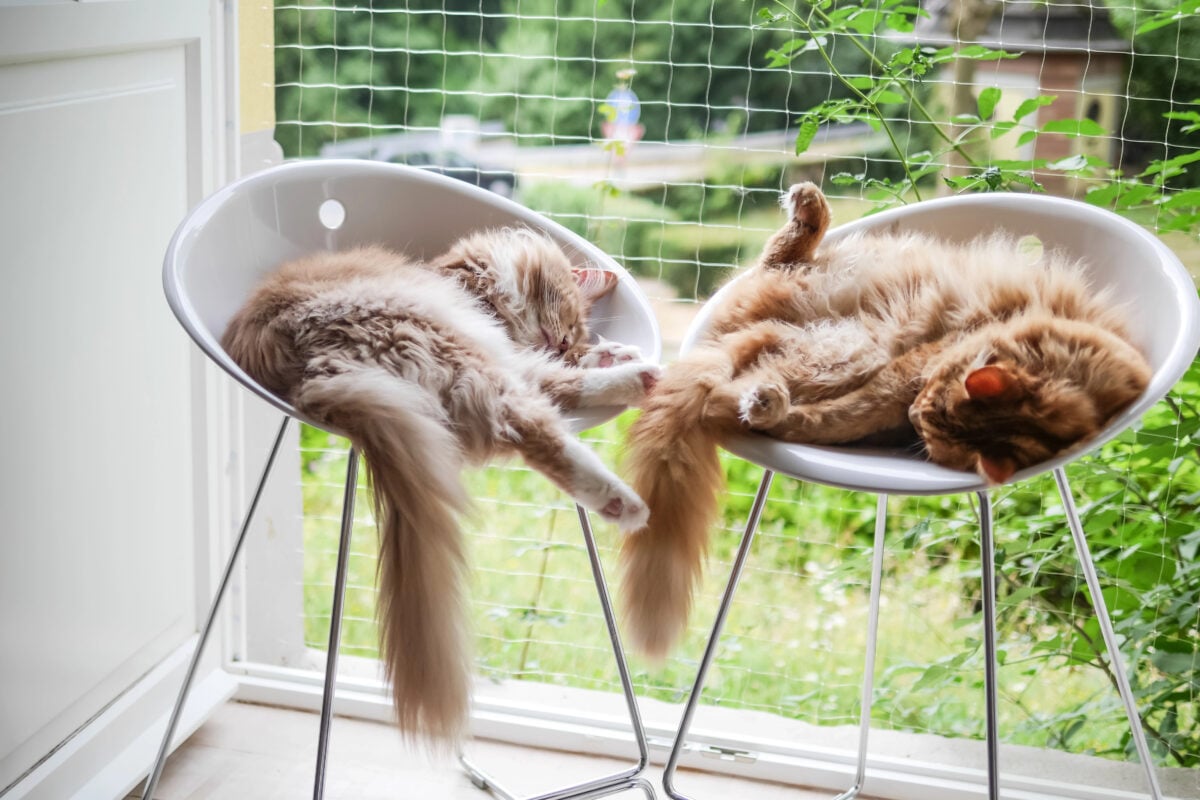
Bonded pairs see benefits from companionship. Cats with tension or competition can experience more stress when humans are gone.
Multi-cat homes still need monitoring, especially around food, water, and litter access.
What Happens When Cats Are Left Alone Too Long?
Cats rarely panic when left alone. Instead, problems tend to build quietly.
By the time an owner returns, small issues may have already escalated into stress behaviors or health concerns.

1. Behavioral Changes Are Often The First Sign
Cats commonly show stress through subtle shifts rather than obvious distress.
- Hiding more than usual
- Increased vocalization
- Clingy behavior after you return
- Reduced interest in play or interaction
These behaviors are often temporary, but they signal that the absence was difficult.
2. Appetite & Litter Box Changes Can Go Unnoticed
Cats are sensitive to routine. When meals are missed, delayed, or eaten inconsistently, appetite can change quickly.
A cat that eats less for several days may seem fine when you return. Reduced intake can still lead to digestive upset or worsen existing health issues.
Litter box changes are just as easy to miss. Decreased urination, constipation, or accidents outside the box often happen quietly when no one is there to notice.
3. Litter Box Issues Often Appear After Longer Absences
Stress and dirty litter boxes go hand in hand. Cats may avoid the box, eliminate outside of it, or hold urine longer than they should. These issues are more likely when no one is there to reset soiled boxes or notice changes.
Once a pattern forms, it can take time to correct.
4. Medical Issues Are The Biggest Risk
This is where extended alone time becomes dangerous. Cats are very good at hiding illness. Vomiting, lethargy, or injuries can go unnoticed for days without intervention.
Even healthy cats can experience sudden issues that require prompt care.

Bored Cats Take More Risks
You have likely heard the phrase “curiosity killed the cat.” A bored cat is a curious cat.
When no one is home, some cats start exploring things they are normally redirected from or stopped from doing. That can include chewing houseplants, getting into household cleaners, pulling at cords or blinds, or squeezing into unsafe spaces.
Without supervision, minor curiosity can turn into choking hazards, toxin exposure, or injury. This is another reason daily check-ins matter during longer absences.
Is It Better To Have A Cat Sitter Or Boarding?
For most cats, staying at home with a sitter is less stressful than boarding.
Cats are territorial animals. Being moved to a new environment can increase anxiety, even when care is excellent.
Why Cat Sitting Usually Works Better
A sitter allows your cat to stay in familiar surroundings. That alone reduces stress.
Daily visits also provide something automation cannot. Observation.
A sitter can notice changes in appetite, litter box habits, energy level, or behavior. They can also step in quickly if something seems off.
When Boarding Might Make Sense
Boarding is sometimes the better option.
Cats that need medication multiple times a day or have complex medical needs may be safer under constant supervision. The same can be true if no reliable sitter is available.
That said, many cats find boarding stressful. Appetite loss, hiding, and behavior changes are common during short stays.
Drop-In Visits vs Overnight Stays
For most cats, once-daily visits are enough for short trips. Longer absences often benefit from twice-daily check-ins.
Overnight stays are rarely necessary for cats, but they can help highly social cats or those with medical needs.
The right choice depends on the cat, not the calendar.
How Often Should Someone Check on Your Cat?
How often someone should check on your cat depends on how long you are gone and what your cat needs. There is no single rule that fits every situation, but there are reliable guidelines.

Once Per Day
For most healthy adult cats, one daily visit is the minimum recommendation once you pass the 24 -to 48- hour mark.
A daily check-in allows someone to refresh food and water, scoop litter, and confirm your cat is eating, moving, and acting normally. It also creates a daily reset if something goes wrong.
Twice Per Day
Twice-daily visits are ideal for longer trips.
This schedule works best for senior cats, cats with medical needs, or cats that become stressed when routines change. It also reduces the window of time that problems can go unnoticed.
Many owners are surprised how much calmer their cat seems with two short visits instead of one longer one.
Every Other Day Is Usually Not Enough
Every-other-day visits are often chosen for convenience. They are not recommended.
Food or water issues, litter box problems, and health changes can develop quickly within a 48-hour window. If something goes wrong, help arrives too late.
This schedule increases risk without offering meaningful benefits.
What A Check-In Should Actually Include
A sitter visit should be more than refilling bowls.
Confirm your cat ate and drank, scoop and inspect the litter box, look for vomit or diarrhea, refresh fresh water, verify any automatic feeder or fountain is functioning, check behavior and energy, scan for household hazards, and spend a few minutes interacting.
- Confirm your cat ate and drank
- Scoop and check litter output
- Check for vomit or diarrhea around the home.
- Confirm the automatic feeder/fountain is actually operating.
- Refresh water even if a fountain appears full.
- Look for changes in behavior or energy
- Do a quick environment safety scan
- Spend a few minutes interacting
Even a short visit can make a big difference when it is done consistently.
What To Do If You Have To Leave Your Cat Alone Longer Than You’d Like
If being away longer than recommended is unavoidable, preparation becomes essential. Use this list to reduce risk and stress.

- Set up redundancy, not just automation. Leave backup food bowls, multiple water sources, and at least one standard litter box so your cat is covered if something fails.
- Reduce household hazards before you leave. Secure blind cords, remove houseplants, lock away cleaners, and block access to unsafe spaces to reduce curiosity-driven risks.
- Keep your cat’s routine as familiar as possible. Avoid introducing new food, litter, or schedules right before you leave. Set feeders and lighting to match everyday routines.
- Leave clear instructions and emergency contacts. Write down feeding instructions, your veterinarian’s contact information, and an emergency backup person.
- Arrange for daily check-ins whenever possible. If your trip lasts several days, daily check-ins remain the safest option.
Traveling during hot weather? Plan for equipment and power failures, not just normal conditions. A fountain can stop, an automatic feeder can jam, and a power outage can leave your home much warmer than expected. Leave multiple bowls of fresh water in separate locations and make sure your sitter knows how to respond if the power or air conditioning goes out.

How To Tell If Your Cat Was Left Alone Too Long
Some signs may develop while you are gone, while others become more noticeable after you return. Cats can be subtle when they are stressed, so the biggest clue is often a change from your cat’s normal behavior, appetite, grooming habits, or litter box routine.
Signs Your Cat Struggled While You Were Gone
A difficult absence does not always cause one dramatic reaction. Instead, you may notice several smaller changes once you are home.
Signs your cat may have struggled while you were gone include:
- Hiding: Spending more time under furniture, in closets, or away from areas where they normally relax.
- Clinginess: Following you from room to room, demanding more attention, or seeming reluctant to leave your side.
- Refusing food: Eating less than usual, skipping meals, or showing little interest in food after you return.
- Litter box changes: Urinating or defecating outside the box, using it more or less often, or showing other changes in normal bathroom habits.
- Overgrooming: Excessive licking or grooming that may lead to thinning fur, bald patches, or irritated skin.
- Unusual vocalizing: Meowing, yowling, or calling more frequently or at unusual times.
One change alone does not necessarily mean your cat was distressed by your absence. These behaviors can also have medical causes, so persistent or significant changes should not automatically be blamed on stress.
Behavioral Changes After You Return
Behavioral changes are often among the first things owners notice after coming home.
Your cat may become unusually clingy, hide more than normal, vocalize more frequently, or lose interest in play and interaction. Some cats may seem restless or have difficulty settling back into their usual routine.
Overgrooming can also appear after a stressful period. You might notice frequent licking, thinning fur, bald spots, or irritated skin, particularly around the belly, legs, or sides.
Mild behavioral changes may fade as your cat settles back into their normal routine. Changes that continue, worsen, or seem extreme deserve closer attention.

Appetite Or Litter Box Changes
Eating and litter box habits can provide important clues about how your cat handled your absence.
Watch for:
- Eating less or refusing food
- Drinking noticeably more or less than usual
- Changes in urine or stool output
- Accidents outside the litter box
Stress and routine disruption may contribute to these changes, but appetite and litter box problems can also indicate illness. If your cat continues refusing food or develops persistent bathroom changes, contact your veterinarian.
Physical Or Health Red Flags
Some signs may indicate a medical problem rather than, or in addition to, stress from being alone.
Pay attention to:
- Lethargy or unusually low energy
- Vomiting or diarrhea
- Limping or signs of injury
- Noticeable or rapid weight changes
- Persistent overgrooming or skin irritation
These signs should not be dismissed as your cat simply being upset that you were gone. If symptoms are severe, persist, or worsen, veterinary care may be needed.
When To Take These Signs Seriously
Not every change after a trip means your cat was left alone too long. What matters most is how different the behavior is from your cat’s normal routine, how long it lasts, and whether several changes appear at the same time.
If your cat continues hiding, refuses food, develops litter box problems, overgrooms, vocalizes unusually, or otherwise seems noticeably different after you return, your absence may have been harder on them than expected.
For future trips, consider shorter periods alone, more frequent check-ins, or additional sitter support.
Frequently Asked Questions
These are the most common questions cat owners ask when planning time away. Each answer is based on typical behavior patterns, safety considerations, and real-world outcomes rather than best-case scenarios.
Don’t see your question? Respond in the comments, and we’ll get back to you!
Can Cats Be Left Alone Overnight?
Yes, most healthy adult cats can be left alone overnight. As long as food, water, and a clean litter box are available, a single night is usually fine.
Problems are more likely when overnight absences turn into multiple days without check-ins.
Can Cats Be Left Alone For Two Days?
Sometimes, but it depends on the cat.
Two days is the upper limit for many adult cats without a visit. A quick check-in is strongly recommended to catch food, water, or litter issues early.
Can You Leave A Cat Alone For A Weekend?
A weekend without any check-ins is risky. Even independent cats benefit from at least one daily visit during a two- to three-day absence. This reduces stress and allows someone to intervene if something goes wrong.
Is It Cruel To Leave A Cat Alone For A Week?
Leaving a cat completely alone for a week is not considered safe. This is not about cruelty. It is about risk.
Without daily observation, health issues, accidents, or equipment failures can escalate quickly.
Are Two Cats Better Than One If You Are Traveling?
Not always. Bonded cats may benefit from companionship, but tension between cats can increase when humans are gone. Multi-cat homes still need daily monitoring.
Do Cats Get Lonely When Left Alone?
Some cats get lonely; some do not.
Highly social cats are more likely to show stress when left alone for long periods. Independent cats may tolerate solitude better, but they still need observation and routine.
Traveling Without Your Cat
Cats do not always show stress in obvious ways. Subtle behavior changes, shifts in routine, or increased clinginess after you return can all be signals of a stressed or anxious cat.
If you want help recognizing those signs, this guide on warning signs your cat is crying for help breaks down what to watch for and when to act.
Your home environment also matters more than many people expect. If your cat will be alone for long stretches, it helps to understand what happens if cats are left in a dark house and how small changes can reduce stress while you are away.
And if your cat follows you everywhere once you return, that behavior may not be random. This explainer on why cats follow their people can help you interpret what your cat is telling you.
Knowing how long cats can be left alone is only part of the picture. Understanding how your cat reacts before and after an absence helps you plan better and travel with more confidence.
Share Your Experience
How does your cat react when you are away? Do they seem perfectly content, become extra clingy when you return, or let you know exactly how they feel about being left behind?
Share your experience in the comments below, including how long you were gone, what care you arranged, and any changes you noticed when you came home. Your story may help another cat owner plan their next trip with a little more confidence.