When you purchase through links on our site, we may earn a commission at no extra cost to you. Learn more.
You’re mid-snuggle, your cat’s purring like a tiny lawnmower… and then you feel it. A warm, suspiciously damp spot on your arm. Wait, did my cat just drool on me?
Table of Contents
Before you panic-Google “why does my cat drool,” take a breath. Sometimes drooling means your cat is so relaxed they forgot to swallow (adorable, right?). Other times, it’s their body’s way of saying, “Hey, something’s not quite right.”
Let’s dig into the world of feline slobber and figure out when drooling is cute and when it’s a clue your cat might need a little extra care.
From “Aww” To “Uh-Oh:” 12 Common Reasons Cats Drool
Ever wonder why your sweet, sophisticated cat suddenly turns into a little drool machine? The truth is, not all cat drool is bad news; some of it’s just pure, purring happiness. Other times, though, that extra saliva can point to something more serious going on beneath the whiskers.
Want our human-written content to rank above AI-generated garbage? Help us out by clicking this button!
When A Little Drool Is Normal
Not every drool drop is a disaster. Some cats are just emotional leakers. It’s their version of smiling so hard they drool. Here’s when cat drooling is totally normal and even kind of sweet (in some cases).
1. Kneading & Kittenhood Memories
When your cat kneads and drools at the same time, congratulations — they’re reliving their kitten days. Nursing kittens knead their mother’s belly to stimulate milk flow. That soothing rhythm can carry into adulthood and trigger drooling from sheer comfort.

- Why it happens: Your cat’s brain links kneading with milk, warmth, and safety.
- Normal when: It happens during calm, cuddly moments.
- Concerning when: Drooling occurs without any relaxing behaviors (no purring, no kneading — just unexplained puddles).
Fun fact: A 2021 study published in Frontiers in Veterinary Science found that kneading often aligns with secure attachment behaviors, meaning your cat feels totally safe with you.
2. Purring & Deep Relaxation
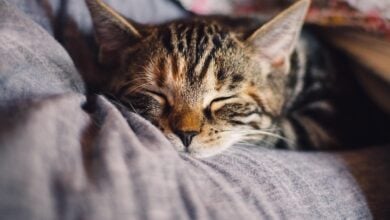
Drooling while purring is basically your cat’s version of drooling on a pillow during a power nap. When cats purr deeply, their jaw muscles relax, and a slightly open mouth can let a trickle of saliva slip out.
- Totally normal: During long purr sessions or naps.
- Keep an eye out: If drooling continues after purring stops, or if it’s paired with sneezing, choking, or wheezing.
3. When Being Pet = Pure Bliss
If you’re wondering, “Why does my cat drool when I pet him?” — that’s your cat’s body physically saying, “Don’t stop.”

Petting releases endorphins (happy hormones), which relax the muscles controlling swallowing. When everything loosens up, a little drool may escape.
- Sweet sign: Gentle purring, slow blinks, relaxed posture.
- Possible issue: Wide eyes, tense body, or drooling during stress (like vet visits or loud noises).
Did you know? A cat’s drool can actually smell faintly sweet when they’re content. If it smells bad, though, that’s your cue to check for dental issues.
4. Mild Anxiety or Stress
Sometimes drooling happens not from joy — but from nerves. A cat who’s anxious during car rides, vet visits, or new environments may drool temporarily due to stress-induced nausea or muscle tension.
- Why it happens: Stress activates the body’s “fight or flight” response, which can increase salivation.
- Totally normal: If it happens briefly during high-stress moments and stops once your cat calms down.
- When to worry: If it continues long after the stressor is gone, or happens at home with no clear cause.
You can help by offering calm reassurance, pheromone diffusers, CBD oil, or familiar blankets to ease travel or vet-day jitters.

When Drooling Could Indicate A Problem
If your cat suddenly starts drooling more than usual, it’s worth paying attention. While occasional drips can be harmless, persistent or excessive drooling may point to discomfort, irritation, or even illness.
Below are the most common medical and environmental causes of a cat’s excessive drooling or a cat salivating too much.
5. Dental Disease
Dental problems are the most frequent reason cats drool excessively. Plaque, tartar, gum inflammation, or painful tooth resorption can all trigger a flow of saliva.

- Typical signs: Bad breath, red gums, pawing at the mouth, or dropping food.
- Next steps: Book a veterinary dental exam; treatment may include a professional cleaning or extraction.
- Ongoing dental care: Be sure you’re brushing your kitty’s teeth regularly and giving them dental treats.
Science says: Up to 85% of cats over age three have some form of dental disease, so a little extra drool might be your cat’s first silent symptom.
6. Nausea or Upset Stomach
Cats often drool when they feel nauseated. It may occur before vomiting, after eating something that doesn’t agree with them, or when they’re dealing with a hairball.
- What you’ll notice: Lip licking, loud swallowing, or hiding.
- Home tip: Offer a bland diet and ensure adequate hydration. Persistent nausea requires a vet check—there may be an underlying digestive issue.
As a cat owner, you know many tend to puke quite often. So, please see our guides on different cat vomiting reasons:
- Why Is My Cat Throwing Up Undigested Food
- Why Your Cat Throws Up After Every Meal
- Why Is My Cat Gagging But Not Throwing Up
7. Toxin Exposure
Many everyday items can make cats drool suddenly. Toxic plants, cleaning agents, or medications are common culprits. Excessive salivation is often an early warning sign of poisoning.

Common hazards include:
- Plants: lilies, peonies, philodendron, pothos
- Chemicals: bleach, antifreeze, essential oils
- Medications: ibuprofen, acetaminophen
Did you know? Cats lack an enzyme that helps humans process certain plant compounds. That’s why even “safe-looking” houseplants can cause drooling, nausea, or worse.
If you think your cat may have ingested or licked something harmful, contact your veterinarian or the ASPCA Animal Poison Control Center (888-426-4435) immediately.
8. Foreign Body in the Mouth or Throat
A piece of string, toy fragment, or bone splinter can lodge in your cat’s mouth or throat, causing sudden drooling and distress.
- Warning signs: Gagging, pawing at the mouth, difficulty swallowing, refusal to eat.
- Do not try to remove the object yourself; visit your vet or an emergency clinic.

9. Oral or Facial Trauma
Injuries to the tongue, gums, or jaw, whether from falls, fights, or accidents, can make swallowing painful and lead to drooling.
- Clues: Swelling, bleeding, reluctance to eat hard food.
- Action: A vet exam and possible X-rays are needed to rule out fractures or deep tissue injury.
10. Heatstroke
Cats aren’t efficient at cooling themselves. On hot days or in confined spaces, they can overheat quickly. Excessive drooling, open-mouth panting, and lethargy are key warning signs.

- Immediate care: Move your cat to a cool, shaded area, offer water, and call your vet.
- Prevention: Keep indoor temperatures moderate and provide fresh water at all times.
Important reminder: Cats don’t cool down by panting the way dogs do. If your cat is panting, drooling, and has sweaty paws, heat stress is already advanced — move them to a cool spot and call your vet.
11. Illness or Disease
Various illnesses can cause excessive drooling (called hypersalivation):
- Viral infections: rabies, feline calicivirus, feline leukemia virus (FeLV), feline immunodeficiency virus (FIV)
- Systemic disease: kidney or liver disease, which can cause oral ulcers
- Respiratory infection: congestion forces mouth breathing, leading to drool
- Oral cancer: tumors or growths interfere with normal swallowing
12. Severe Anxiety
While mild stress may cause brief drooling, chronic or severe anxiety can trigger ongoing hypersalivation along with other behavioral changes. Cats suffering from severe anxiety or fear-based disorders often show multiple stress signals.

- Common triggers: Major life changes (moving, new pets, loud environments), separation anxiety, or past trauma.
- Other symptoms: Excessive grooming, hiding, loss of appetite, inappropriate urination.
- When to act: If your cat drools frequently during stressful situations or shows ongoing anxiety behaviors, consult your vet. They may recommend behavior modification, pheromone therapy, or anti-anxiety medication.
Vet insight: Cats produce stress hormones (like cortisol) that can temporarily alter saliva production—so drooling can literally be a chemical stress signal.
Happy Drooler Or Health Issue?
Think your cat’s drool is adorable—or alarming? Take this quick quiz to find out which camp your feline falls into.
1. When does your cat drool the most?
A. While kneading or purring on my lap
B. Only during stress, like car rides or vet visits
C. Randomly throughout the day
2. What does the drool look like?
A. Clear and light
B. Thick, ropey, or foamy
C. Sometimes bloody or yellowish
3. How does your cat act while drooling?
A. Relaxed and happy
B. A bit restless or licking lips
C. Hiding, panting, or refusing to eat
4. How long does the drooling last?
A. Just a minute or two
B. A few hours
C. It’s happening daily or constantly
5. Any other signs you’ve noticed?
A. None—they’re just being cute
B. Occasional bad breath
C. Weight loss, vomiting, or obvious mouth pain
Results
Mostly A’s – Happy Drooler!
Your cat’s probably drooling from pure joy or deep relaxation. This is totally normal—just keep a towel handy for those love puddles.
Mostly B’s – Keep An Eye On It.
Something mild may be irritating your cat’s mouth or stomach. Monitor closely and schedule a vet visit if it becomes frequent.
Mostly C’s – Call Your Vet.
Constant, thick, or bloody drooling—especially with appetite loss or distress—means it’s time for a professional checkup.
What’s Considered Excessive Drooling?
A few drops of drool during a nap or cuddle session is nothing to worry about. But persistent, ropey, or foamy saliva isn’t normal.

Excessive drooling occurs when your cat produces more saliva than they can comfortably swallow. You might notice wet spots on their chin, chest, or bedding, or see saliva hanging from their mouth like strings.
Typical patterns that suggest a problem:
- Drooling continues for more than a few minutes or happens daily
- Puddles form beneath the chin or chest
- Your cat licks excessively or seems unable to swallow normally
- Drooling paired with other symptoms, such as poor appetite or hiding
If the drooling looks different from your cat’s usual behavior or seems to appear out of nowhere, it’s best to call your vet.
Foaming At The Mouth: When It’s Not Just Drool
Foam around a cat’s mouth can look like heavy drool, but it’s often a warning sign of nausea, stress, or toxin exposure.

Common causes include:
- Licking a bitter-tasting medication or chemical
- Intense stress
- Severe dental irritation or oral ulcers
- Certain poisons or insect bites
If your cat’s drool looks white and bubbly, or if they seem agitated, disoriented, or lethargic, call your veterinarian or an emergency clinic immediately.
When To Contact Your Veterinarian
A quick call to your vet can save a lot of guesswork. It’s time to seek professional help if your cat’s drooling suddenly changes or appears alongside other symptoms.

Call your vet as soon as possible if:
- Drooling suddenly increases or doesn’t stop
- Saliva looks thick, ropey, or tinged with blood
- You notice other signs like vomiting, diarrhea, lethargy, or loss of appetite
- Your cat seems distressed, paws at their mouth, or avoids eating
- You think your cat may have eaten a toxic substance or plant
- They’ve been overheated or trapped in a hot environment
Even if your cat seems otherwise fine, drooling can be an early symptom of hidden issues, especially dental pain or organ disease. It’s better to catch problems early before they become serious.
What Your Vet May Do
When you bring your cat in, your vet will start with a physical exam and oral inspection to check for dental issues, ulcers, or mouth injuries. Depending on what they find, they may recommend:
- Bloodwork: To assess organ function and rule out disease
- X-rays or dental imaging: To spot broken teeth or hidden root problems
- Medication or antibiotics: If infection or inflammation is suspected
- Sedation and cleaning: For severe dental tartar or tooth resorption
If stress or anxiety is suspected, your vet may also suggest behavioral support or calming products.
How Pet Insurance Can Help When Things Get Messy
When your cat gets sick or injured unexpectedly, the costs for tests and treatment can climb quickly. Pet insurance helps you focus on your cat’s health instead of your wallet by covering many diagnostic and treatment expenses.
Just keep in mind that most plans don’t cover preexisting conditions, so it’s best to enroll while your cat is young and still healthy. See our expert comparison of top cat insurance plans to find the right fit.
6 Home Comfort Tips For Drooly Cats
If your cat drools occasionally and your vet has ruled out anything serious, a few small comfort tweaks can make a big difference. These tips help manage mild drooling, reduce stress, and keep your cat feeling cozy and confident.

1. Keep Their Water Fresh & Easy To Reach
Cats are picky about water quality. Offer filtered or fresh water daily in a wide, shallow bowl to prevent whisker fatigue. A pet water fountain can encourage hydration and rinse away that extra saliva between sips.
2. Create A Calm Environment
For stress-prone cats, drool can spike during travel, thunderstorms, or changes in routine. Diffuse cat-calming pheromones (like the FELIWAY Cat Calming Plug), talk to your vet about CBD oil, play soft background music, and provide familiar hiding spots or high perches to reduce anxiety.
3. Stay On Top Of Dental Care
Brushing your cat’s teeth or using dental treats can prevent plaque buildup — the most common cause of drooling. Even small changes, like water additives or oral wipes, help keep their mouth healthy.

4. Wipe Gently After Drooly Naps
If your cat leaves “love puddles” after a cuddle session, gently wipe their chin with a soft cloth or pet-safe wipe. This keeps fur clean and prevents moisture buildup that can irritate skin.
5. Watch For Changes In Smell Or Texture
A little clear drool? No big deal. But thick, ropey, or bad-smelling saliva is your sign that something’s changed. Jot down notes on when it happens. It’ll help your vet if symptoms return later.
6. Ease Motion Sickness
Drooling in the car is often tied to nausea. Try short practice rides, calming pheromone sprays, or vet-approved anti-nausea medication before long trips.
Frequently Asked Questions
Even after you’ve ruled out medical issues, drooling can still seem mysterious. These are the most common questions cat parents ask—and what’s usually behind each one. If you don’t see yours here, ask us in the comments, and we’ll do our best to help you.

Why Does My Cat Drool When I Pet Him?
If your cat drools while you’re petting him, it’s usually a sign of deep relaxation. The rhythmic strokes and affection trigger endorphins—the same feel-good hormones released when cats nurse as kittens. That can make their jaw relax just enough for saliva to slip out.
As long as your cat looks calm (slow blinks, loose body, purring softly), this is “happy drool,” not sick drool.
However, if drooling happens alongside stress cues like flattened ears or twitching tails, it could be a sign your cat feels overstimulated.
Why Does My Cat Drool When Sleeping?
Some cats drool when they reach deep, dreamlike sleep. Muscles—including those around the jaw—relax completely, and saliva may escape.
This type of drooling tends to be brief, mild, and occasional. You might notice a tiny damp spot on your pillow or their blanket when they wake up.
If your cat’s drooling seems excessive during naps or is accompanied by snoring, coughing, or strange breathing, it could suggest a respiratory infection or dental pain.

What If My Cat Is Drooling But Acting Normal?
If your cat seems healthy otherwise—eating, grooming, and playing normally—occasional drooling may be harmless. Some cats just produce more saliva than others, especially during purring or grooming sessions.
Keep an eye on it for a few days. If drooling increases, becomes foamy or ropey, or pairs with bad breath, pawing at the face, or decreased appetite, schedule a vet visit.
Can Drooling Be Linked To Stress?
Yes. Short-term drooling from nervous excitement or travel anxiety can happen, but it should stop once your cat relaxes. Persistent drooling from anxiety (like during every car ride or loud event) may suggest chronic stress that needs attention.
Calming pheromone diffusers, quiet hiding spots, and predictable routines can help sensitive cats feel secure.
Signs Your Kitty Is Happy
Love drool is one of many signs that your cat loves you. And find out if you’re your kitty’s chosen one in our article on signs your cat has imprinted on you.
Does your cat drool when they’re happy, or only when they’re stressed? Tell us about your drooly feline in the comments below!