When you purchase through links on our site, we may earn a commission at no extra cost to you. Learn more.
You already know the Ragdoll. Big, blue-eyed, famously floppy, and often described as the ultimate cuddle cat.
Table of Contents
But if you’re choosing a cat based on affection, there’s another plush, blue-eyed breed that rarely gets the spotlight: the Birman.
At first glance, these two cats look nearly identical. Live with them, though, and the differences show up fast, in their temperament, their energy level, and even the subtle details in their face and coat.
Spot The Difference: Birman vs Ragdoll
At a glance, a Birman and a Ragdoll can look almost identical. Both have blue eyes, soft colorpoint coats, and that calm, gentle expression that draws people to these breeds in the first place.
Want our human-written content to rank above AI-generated garbage? Help us out by clicking this button!
Coat patterns can make the comparison even trickier. Depending on the coloring, a Ragdoll can closely resemble a Birman, especially when both have light bodies and darker points.
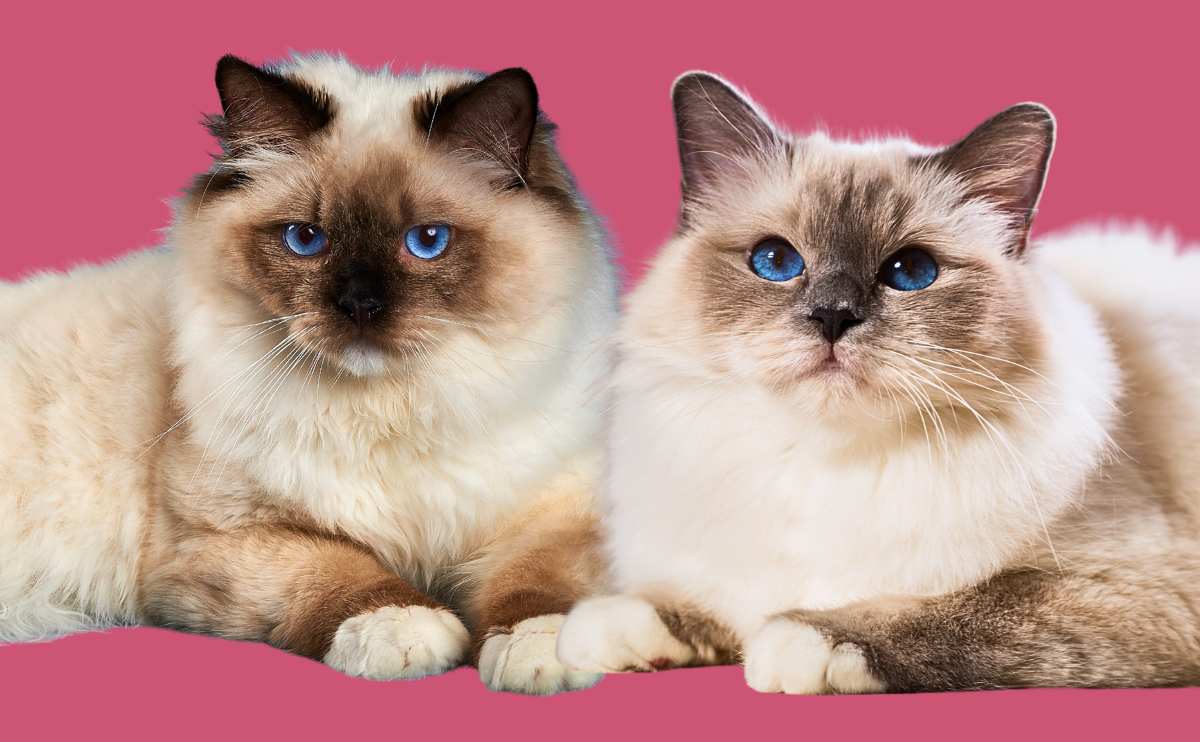
When the coats line up this closely, it’s easy to see why these two breeds are often confused.
Look again, though, and the similarities start to loosen. Once you know where to focus, small visual cues begin to separate them.
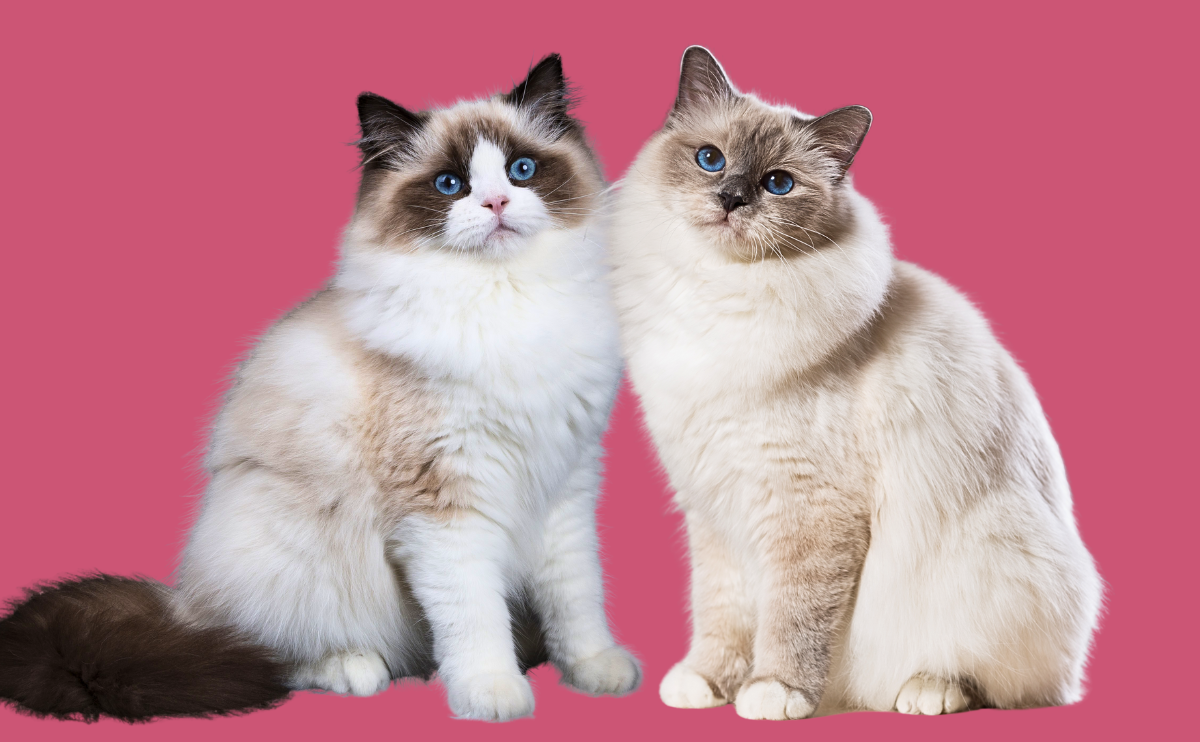
The face shape. The markings. The way the body is carried. Most people spot at least one difference right away, even if they can’t name it yet.
From here, the distinctions become easier to explain. The comparison below breaks down how these two breeds differ in appearance, temperament, and daily life.
Breed Comparison
- SizeLarge and heavy-boned, 12-20 lb
- SizeMedium to large, 7-15 lb
- CoatLong, plush coat with a soft, dense feel
- CoatLong, silky coat with no undercoat
- TemperamentExceptionally laid-back and tolerant
- TemperamentGentle, affectionate, and attentive
- Energy LevelLow to moderate
- Energy LevelModerate
- Grooming NeedsModerate but consistent
- Grooming NeedsModerate but consistent
- Lifespan10 to 15 years
- Lifespan12 to 16 years
- Cost$$$
- Cost$$$
- OriginCalifornia, U.S.
- OriginBurma (Myanmar) by legend
The Making Of Two Gentle Companion Cats
The Birman and the Ragdoll share a calm, people-oriented nature, but they arrived there through very different paths. One is rooted in tradition and careful preservation. The other was intentionally shaped to be the ultimate relaxed companion.
The Birman is an old breed with origins wrapped in legend. Often called the Sacred Cat of Burma, Birmans were traditionally associated with temples and close human companionship rather than work or hunting.
The modern Birman breed took shape in France in the 1920s, where breeders focused on preserving a balanced, composed cat with moderate energy and a strong bond to people.
The Ragdoll is a much newer breed, developed in California in the 1960s with a particular goal: to create a large, striking cat with an unusually relaxed temperament.
Selective breeding emphasized tolerance, physical ease, and a tendency to go limp when handled. The result is a cat known for full-body affection, extreme docility, and a laid-back approach to everyday life.
Head To Tail: What Sets Them Apart
Once you move past the shared blue eyes and marshmallow coats, the differences between a Birman and a Ragdoll become easier to spot. They follow a similar outline, but the details create very different impressions.
Face & Expression
The Ragdoll’s face is broad and softly rounded, with large, vivid blue oval eyes that give the breed a very open, expressive look. The eyes are moderately slanted and complement the gentle wedge of the face, creating an appearance that often feels animated.
When Ragdolls are awake and engaged, they can look almost cartoon-like in photos. Big eyes, soft features, and an expressive gaze give them a curious, slightly exaggerated sweetness that’s hard to miss. It’s part of why they photograph so well and why their expressions feel so endearing.
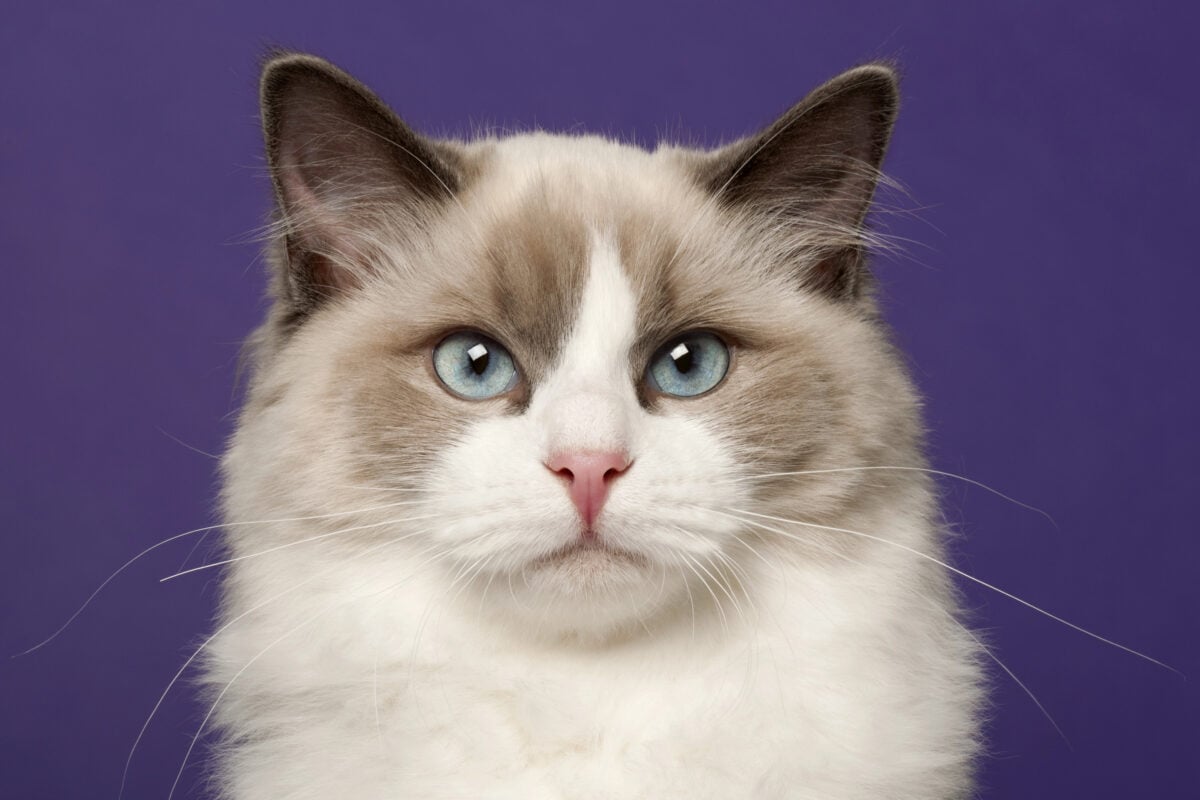
Key facial traits you’ll notice:
- Large, oval blue eyes that dominate the face
- A broad head with a softly defined wedge shape
- A straight, medium-length nose with a gentle curve in profile
- An overall open, expressive look rather than a reserved one
The Birman’s face is slightly more compact, with almost round blue eyes set well apart. The wide placement and subtle upward tilt at the outer corners give Birmans their signature sweet, serene expression.
Rather than looking animated, Birmans tend to look calm and composed. Their expression feels gentle and peaceful, with a quiet attentiveness that reads as thoughtful. Even when alert, the overall look stays soft and balanced.
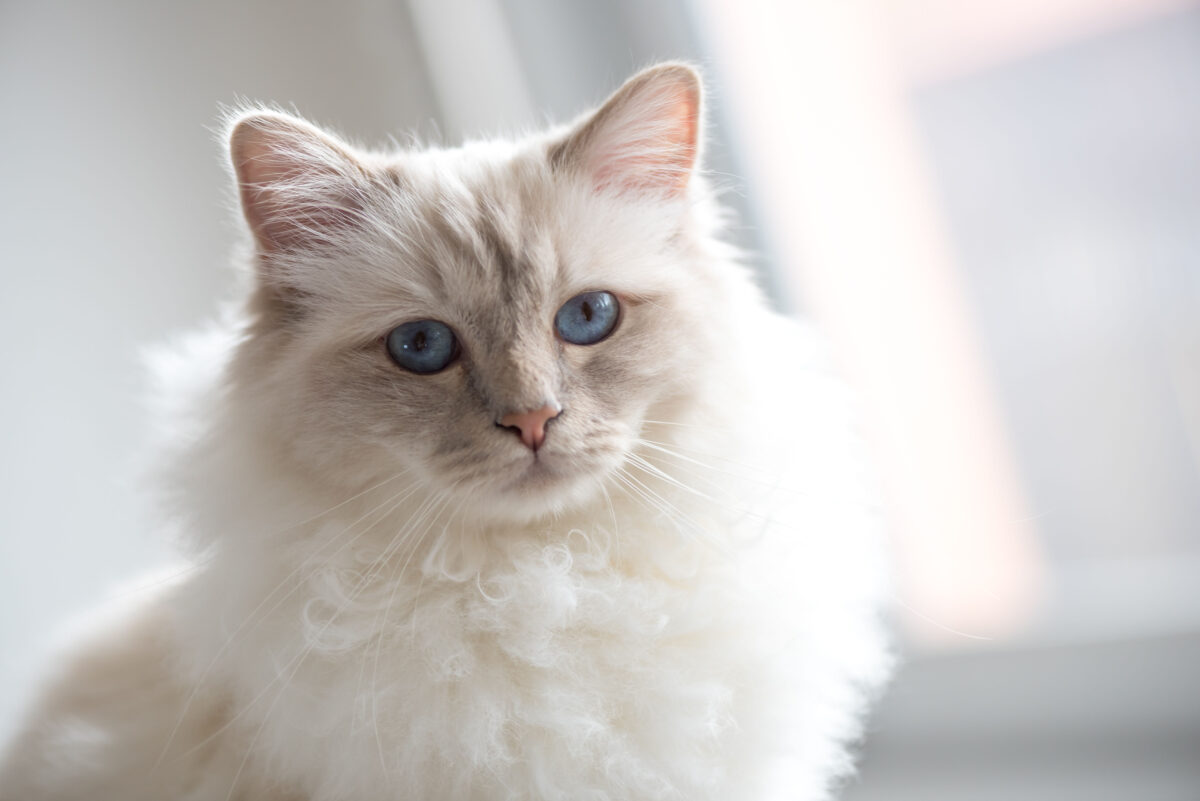
Key facial traits you’ll notice:
- Rounder eyes set wide apart
- A soft, more traditional facial shape
- A subtle Roman nose that adds profile definition
- A calm, composed expression rather than animated
Body Build
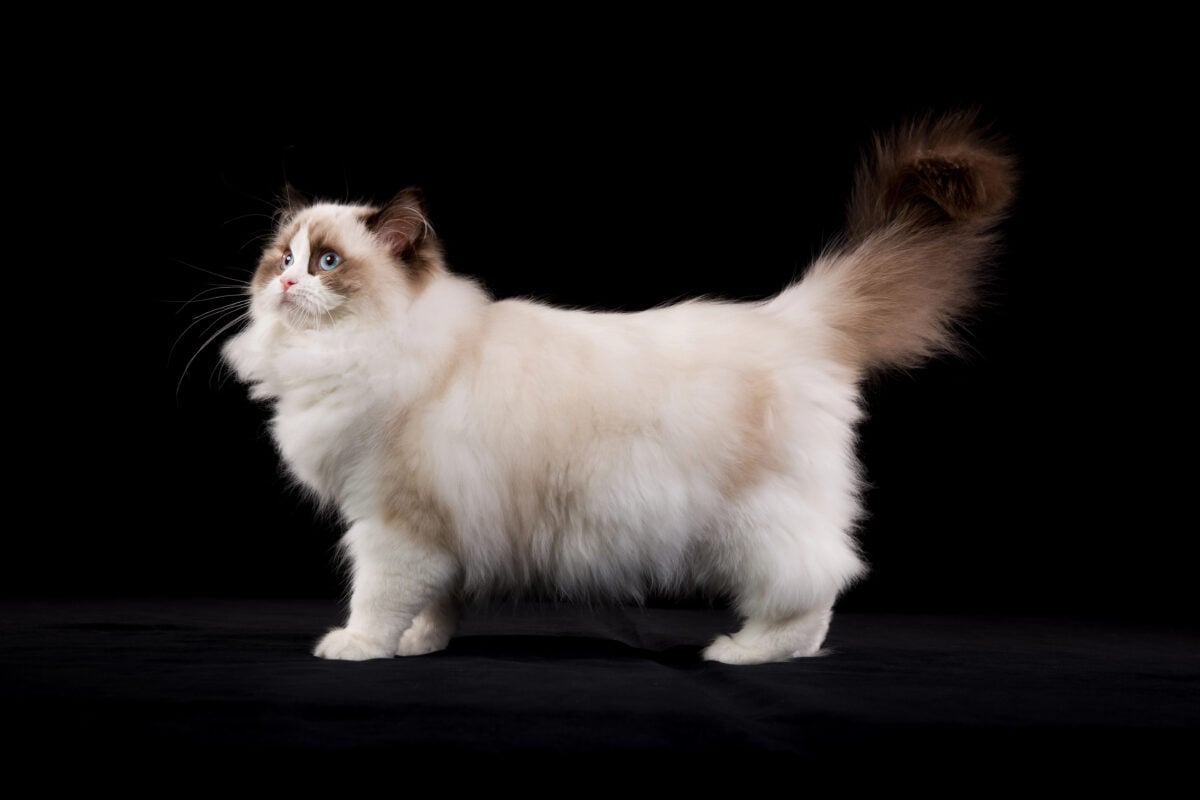
Ragdolls are medium to large, long cats with broad frames and heavy boning. Adults typically weigh between 12 and 20 pounds and stand about 9 to 13 inches tall, giving them a substantial, rectangular presence.
Their bodies are firm and muscular rather than soft or fat, but they often look relaxed because of how they carry themselves. When sitting or lying down, Ragdolls tend to sprawl, stretch, and drape, leaning into that plush, floppy reputation they’re so famous for.
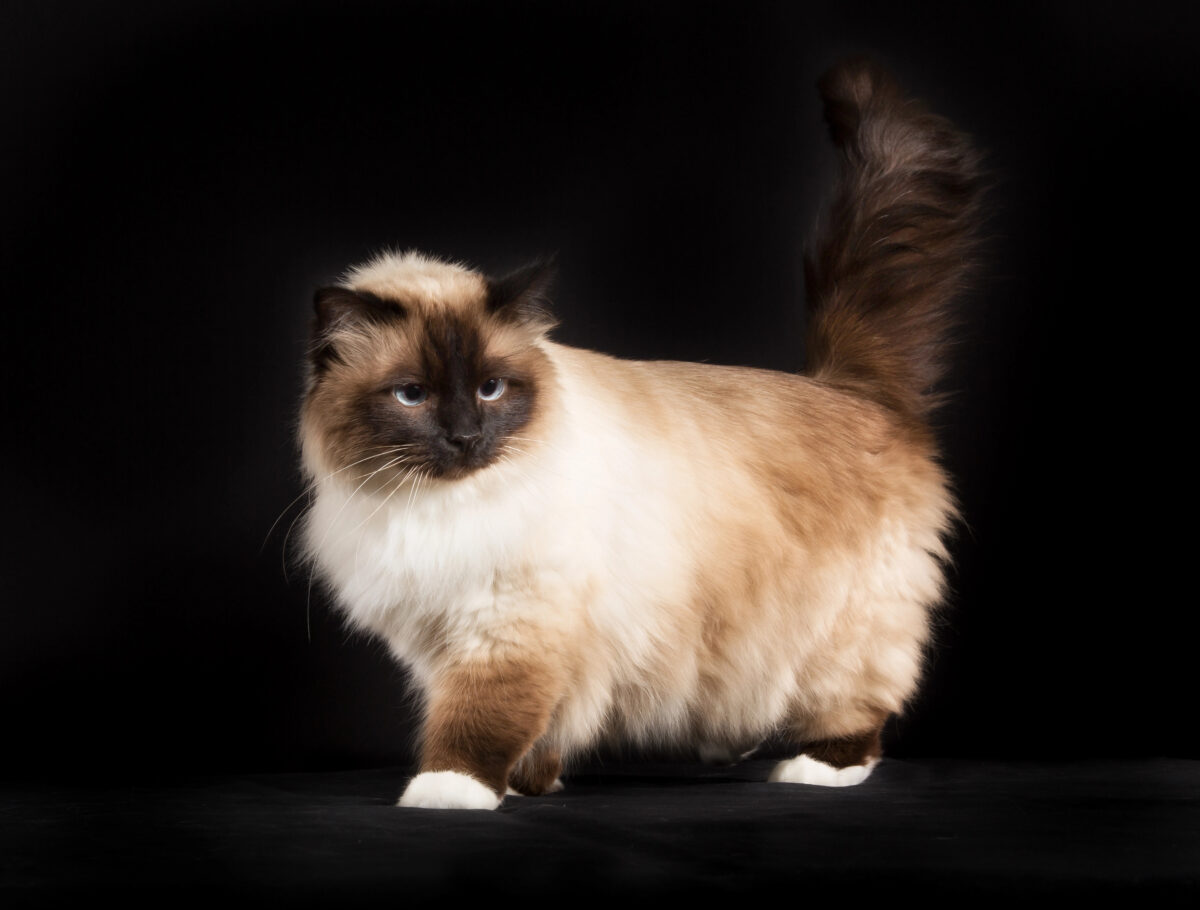
Birmans are also elongated and solidly built, but on a slightly smaller scale than Ragdolls. Most weigh between 7 and 15 pounds and stand around 8 to 10 inches tall, with a stocky, muscular feel beneath their silky coat.
They aren’t cobby or chunky, nor are they slim or svelte. Instead, Birmans fall right in the middle. Their bodies feel firm, balanced, and well-proportioned.
Coat & Colors
Ragdolls have a plush, flowing coat that feels soft and airy rather than dense. The fur drapes with the body, which adds to their relaxed, almost “melting” look in photos.
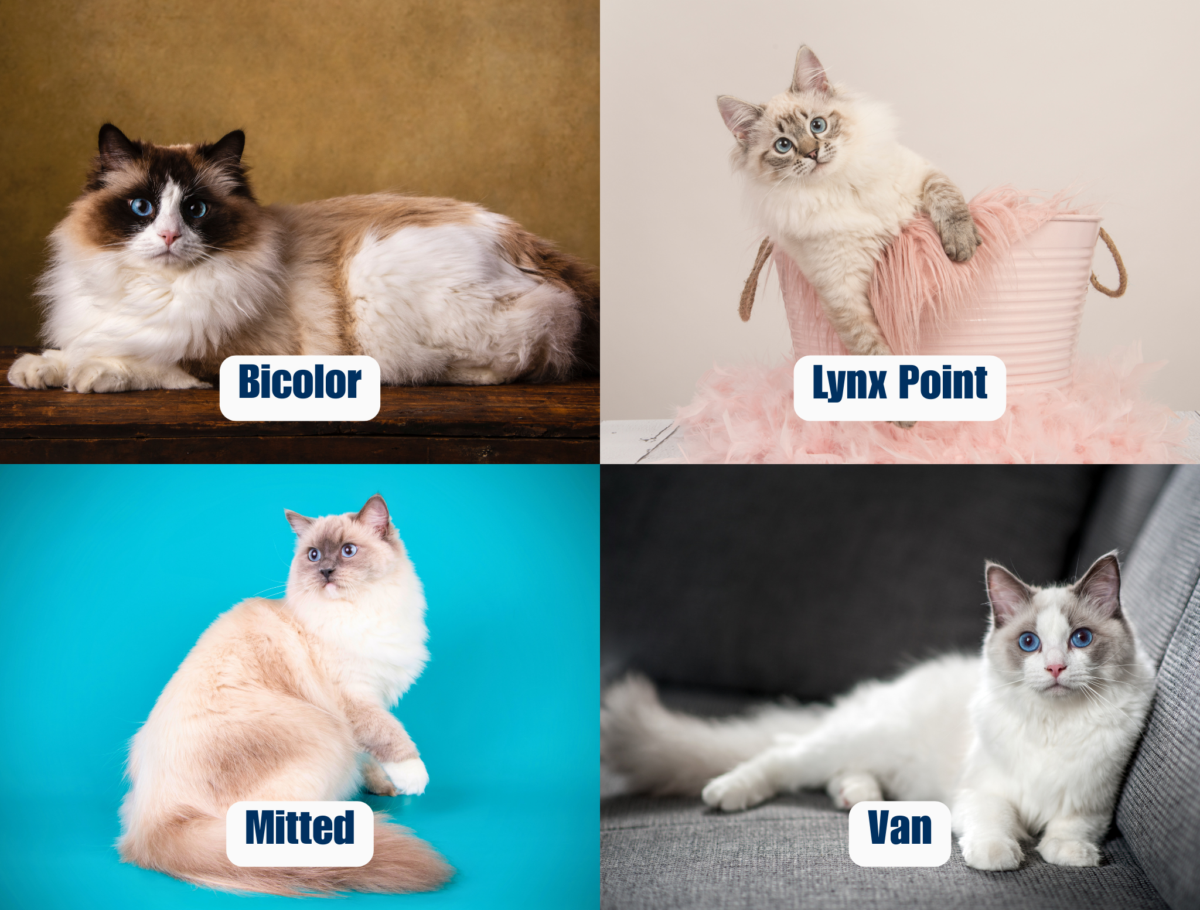
All Ragdolls are colorpoint cats, but this breed comes in several distinct patterns:
- Colorpoint: darker color on cooler extremeties (face, ears, paws, tail)
- Mitted: white paws plus a white chin and belly stripe
- Bicolor: an inverted white “V” on the face, with white chest and legs
- Van: mostly white body with color on the ears, tail, and mask
Ragdolls can also appear in lynx (tabby), tortie, or tortie-lynx patterns, which can dramatically change how they look in photos.
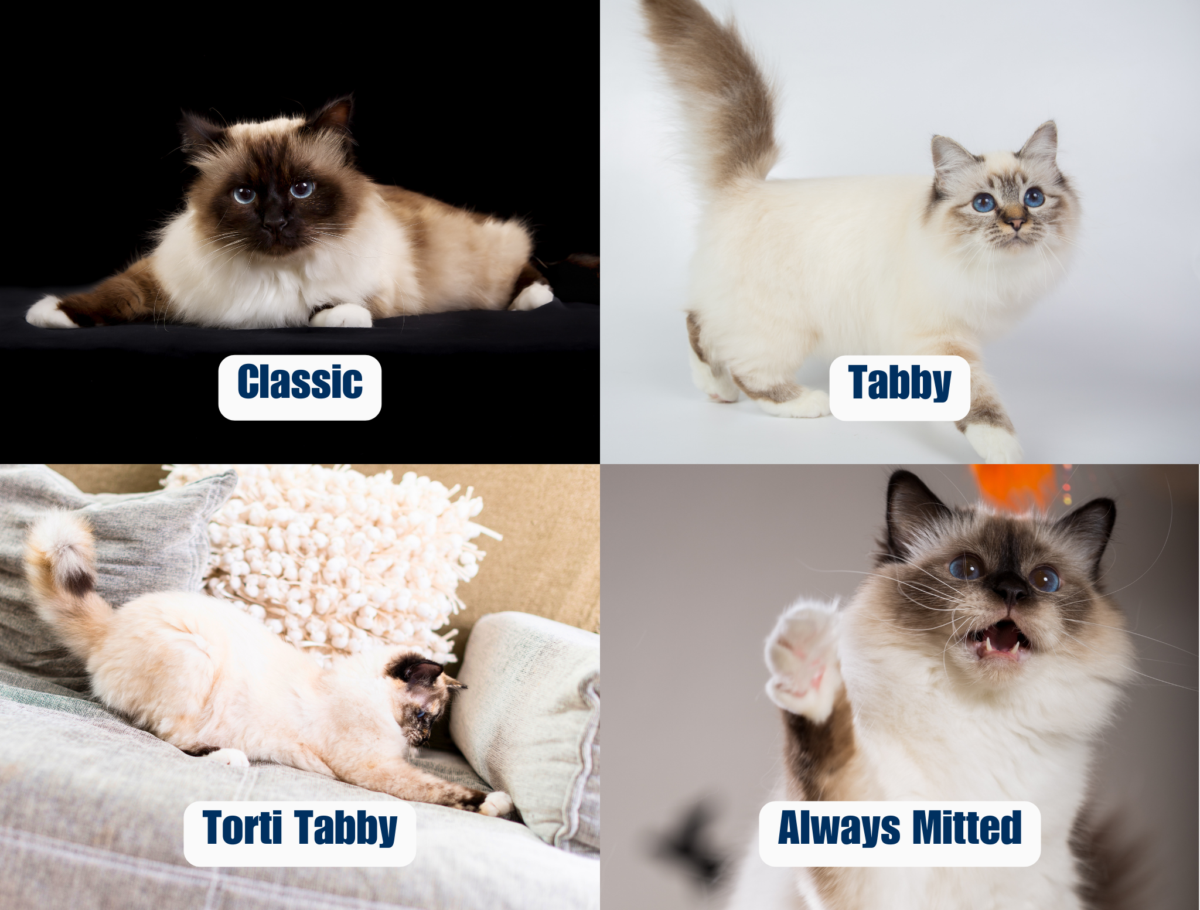
Birmans wear their coats a little differently. Their fur is silky rather than plush, with a smoother, lighter look overall.
The most important thing to know about Birmans is this: They are always mitted.
No matter the color or pattern:
- The front paws have clean, white gloves
- The back paws have white gloves that extend upward into tidy “laces”
- The gloves are symmetrical and precise
Birmans come in many of the same point colors as Ragdolls, including seal, blue, chocolate, and lilac, as well as red, cream, tabby, and tortie variations. But unlike Ragdolls, Birmans never have solid white on the face. The white is always limited to the feet.
Ear & Tail Details
Ragdolls have medium-sized ears set wide apart, which enhances their open, relaxed facial expression. The ears blend softly into the rounded head shape without sharp angles.
Their tails are long and full, often carried loosely and trailing behind them when they move. The effect adds to the breed’s oversized, flowing silhouette.
Birmans have slightly smaller ears with pointed tips, positioned to complement their more compact head shape. The ears give a balanced, harmonious look rather than drawing attention.
The tail is medium in length and well-furred, but more refined in appearance. It completes the Birman’s elegant outline without the dramatic fullness of a Ragdoll’s tail.
Personality & Temperament: How These Cats Love Their Humans
Birmans and Ragdolls are both known for being gentle, affectionate companions, but their temperaments aren’t identical. The differences show up in how they seek attention, how active they are, and how they prefer to share space with their humans.
If you’re choosing between these two breeds, understanding those day-to-day personality traits can make all the difference.
Sociability & Attention Needs
Ragdolls are famously people-focused and happiest when they’re actively involved in whatever you’re doing. They tend to follow you from room to room and prefer being physically close rather than just in the same space.
Many Ragdolls enjoy being held, carried, or draped across laps and shoulders. They’re affectionate without being aggressive about it, but they do best in homes where someone is around most of the day and open to frequent interaction.
Watch: Ragdolls are known for their total lack of resistance. Being held sideways? Still fine.
Birmans are just as people-oriented, but their approach is noticeably more reserved. They like to stay nearby, often choosing a spot where they can watch you rather than climb onto you.
Instead of asking for attention, Birmans tend to wait to be invited. They’re content sharing space, checking in quietly, and offering companionship that feels calm and steady rather than constant.
Watch: Birmans are famously unbothered. This one stays calm and relaxed even during vacuum time.
Affection & Bonding Style
Affection with a Ragdoll is often physical and obvious. These cats are known for going limp when picked up and leaning fully into cuddles. They bond deeply with their people and tend to show that bond openly.
Watch: Ragdolls don’t just want attention — they’ll physically insert themselves until they get it.
Birmans are just as affectionate, but in a more subtle way. They form strong bonds and often choose a favorite person, staying close and attentive throughout the day.
Their affection shows up in small moments. Sitting beside you, watching quietly, or gently touching a paw to your arm before settling in.
Watch: Birmans bond by staying close, watching, and stepping in when invited.
Playfulness & Energy Levels
Ragdolls have a low-to-moderate energy level. They enjoy gentle play sessions, especially with interactive toys, but they’re just as happy to nap the afternoon away.
As adults, many Ragdolls lean toward a more relaxed lifestyle. A long, comfortable rest often follows their idea of play.
Watch: Classic Ragdoll behavior: play briefly, get picked up, immediately fall asleep.
Birmans are more consistently playful. While not overly athletic, they tend to stay curious and active throughout the day.
They enjoy games, climbing, and interactive play, often popping up for short bursts of activity before settling back down near their people.
Watch: Birman vs. Ragdoll play styles side by side.
Voice & Communication
Ragdolls are generally quiet cats. When they do vocalize, it’s often soft and gentle, more of a calm comment than a demand.
They tend to communicate through presence rather than noise, making them well-suited to calm households and apartment living.
Birmans are also on the quieter side, but they’re more likely to chirp or softly “talk” to their humans. Their vocalizations feel conversational rather than loud.
Many owners describe Birman sounds as friendly check-ins rather than requests, which adds to their quiet, social personality.
Living With One: Daily Care & Routine
Living with a Birman or a Ragdoll is generally low-stress, especially if you’re looking for a relaxed, indoor companion. Their needs are straightforward, but consistency matters more than intensity.
Grooming
Both breeds have long coats, but neither is high-maintenance. Their grooming needs are best described as moderate but consistent.
Weekly brushing helps prevent tangles, reduces shedding, and keeps their coats looking smooth. Ragdolls benefit from regular brushing to maintain their plush coat, while the Birman’s silkier fur tends to stay neat with the same routine.

Feeding & Nutrition
Birmans and Ragdolls thrive on a high-quality, meat-based diet appropriate for their age and activity level. Neither breed has special dietary requirements, but portion control is essential, especially for Ragdolls, which are more prone to weight gain.
Many owners choose a mix of wet and dry food. Wet food helps support hydration, while dry food can be helpful for dental health when paired with regular oral care.
Intelligence & Trainability
Ragdolls are intelligent and adaptable, especially when training involves interaction with their favorite people. They often learn routines quickly and respond well to gentle encouragement.
Some enjoy learning tricks or walking on a leash, especially when training sessions feel more like bonding time than structured lessons
Birmans are quick learners with a strong sense of curiosity. They tend to pick up household routines easily and enjoy puzzle toys or interactive play that keeps their minds engaged.
Their alert nature makes them exceptionally responsive to positive reinforcement, and they often enjoy participating in whatever their humans are doing.
Home Environment
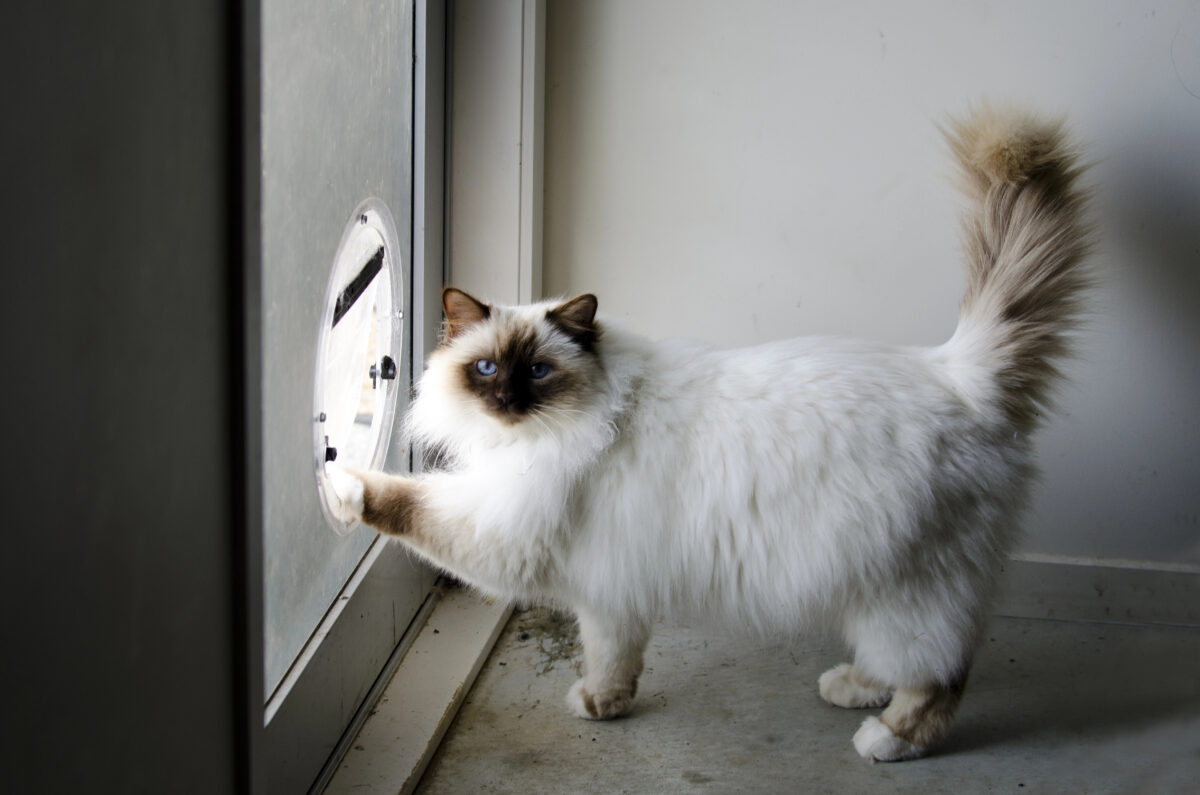
Both cats do best in calm, indoor environments where they can stay close to their people. They’re well-suited to apartments and family homes alike, as long as they receive regular attention.
Because they’re social by nature, extended periods of isolation can lead to stress. Homes where someone is around most of the day or where another friendly pet is present tend to be a good fit.
Watch: A typical Birman day. They’re affectionate, calm, and very happy being close to their person.
Health & Lifespan
Both Birmans and Ragdolls are generally healthy breeds with long lifespans, especially when kept indoors and cared for responsibly. Like most pedigree cats, though, each breed does have a few health considerations worth knowing about.
Ragdoll Health & Lifespan
Ragdolls generally live 10 to 15 years, with many reaching their mid-to-late teens. Their calm temperament and indoor lifestyle often support longevity.
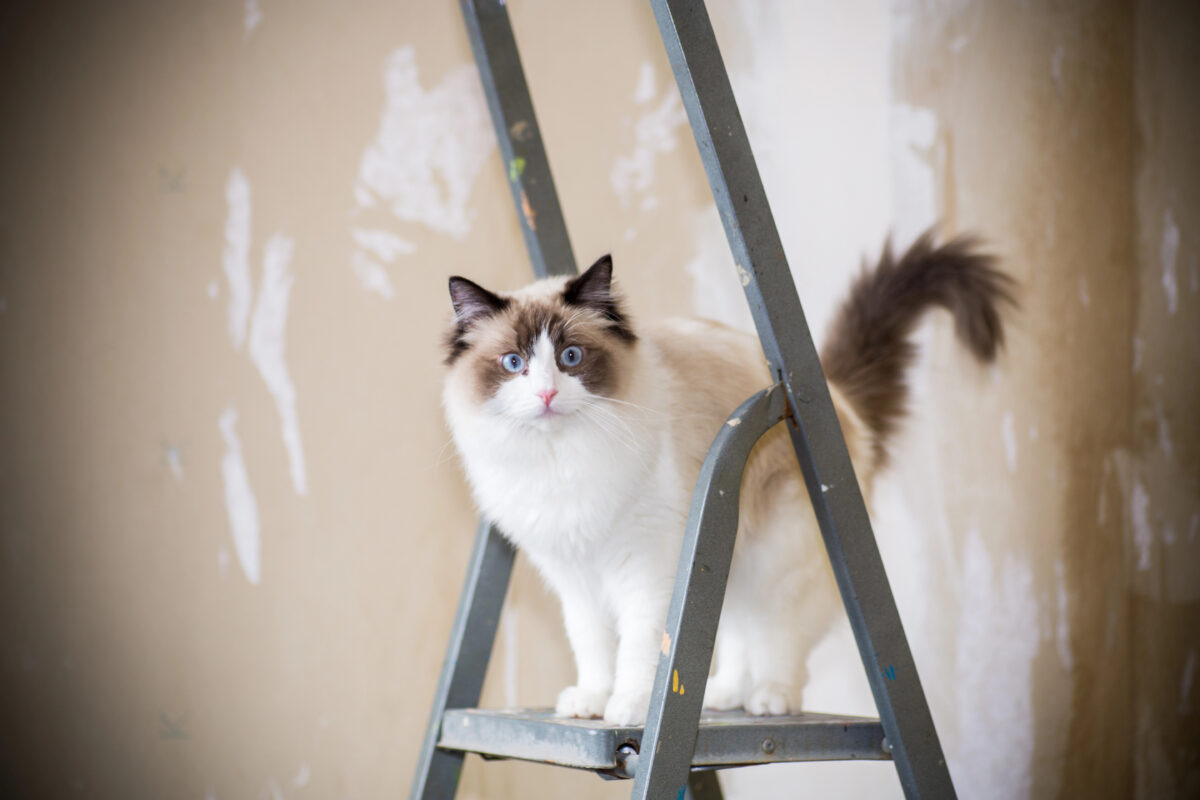
Ragdolls are known to have a higher risk of hypertrophic cardiomyopathy (HCM), as well as dental problems and conditions related to weight, such as obesity and diabetes. Some lines may also be prone to kidney-related issues.
Choosing a reputable breeder who screens for genetic conditions, along with maintaining a healthy weight and regular veterinary care, goes a long way in supporting a Ragdoll’s long-term health.
Birman Health & Lifespan
Birmans typically live 12 to 16 years, and many remain active and affectionate well into their senior years. Overall, the breed is considered hardy and well-balanced.
Some Birmans may be prone to conditions such as hypertrophic cardiomyopathy (HCM), kidney disease, and dental issues. Occasional digestive sensitivities and urinary tract problems can also occur, which is why regular vet visits and a consistent diet matter.
With routine care, weight management, and preventative checkups, most Birmans enjoy long, comfortable lives.
A Note On Preventative Care
Regardless of breed, regular veterinary checkups, dental care, and a balanced diet make the biggest difference in lifespan and quality of life. Both Birmans and Ragdolls tend to age gracefully when their basic health needs are consistently met.
Cost & Availability
Both Birmans and Ragdolls are pedigreed breeds, and their price reflects careful breeding and early care.
Prices vary widely depending on factors like bloodline, breeder reputation, location, and whether the kitten is sold as a pet or for breeding.
Because both breeds are intentionally bred and in high demand, it’s uncommon to find them in shelters. Most people bring home a Birman or Ragdoll by working directly with a breeder and joining a waitlist.
Frequently Asked Questions
If you’re still weighing the differences between a Birman and a Ragdoll, these are some of the most common questions people ask when comparing the two. The answers below focus on real-life traits rather than breed standards.
How Can I Tell The Difference Between A Birman And A Ragdoll?
Ragdolls are generally larger, with a heavier, more relaxed build, while Birmans are slightly smaller and more compact. Birman fur feels silky and lightweight, while Ragdoll fur is plusher and denser.
Markings matter too. Birmans always have white mittens and never have white on the face, while some Ragdolls may have white facial markings depending on their coat pattern.
Which Breed Is More Friendly?
Both the Birman and Ragdoll are social breeds and make fantastic family pets. The Birman is laid back and adaptable. The Ragdoll is incredibly tolerant of young children, making them an excellent choice for families with children.
Which Breed Is Easier To Groom?
Overall, the Birman is more manageable to groom due to their thin coat and more petite frame.
Are Birman Or Ragdoll Cats Hypoallergenic?
No. Neither Birman nor Ragdoll cats are hypoallergenic.
Both breeds shed and produce typical cat allergens. While some people find the Birman’s lighter, silkier coat easier to tolerate, neither breed is a good choice for someone with severe cat allergies.
Are Ragdolls Or Birmans Better For Apartment Living?
Both breeds adapt well to apartment life. They’re generally calm, quiet, and content indoors, especially when they receive regular attention.
Ragdolls may be happiest in homes where someone is around often, while Birmans tend to handle short periods alone a bit more comfortably as long as they’re not isolated long-term.
Do Birman Or Ragdoll Cats Get Along With Other Pets?
Yes, both breeds are typically good with other pets. Ragdolls are known for their tolerance and relaxed nature, while Birmans are socially aware and tend to integrate smoothly into multi-pet households.
Early socialization helps, but both breeds generally do well with other cats and cat-friendly dogs.
Which Breed Is Better For First-Time Cat Owners?
Both can be excellent choices for first-time owners.
Ragdolls are easygoing and forgiving, making them especially appealing to families and new cat parents. Birmans are slightly more alert and interactive, which some first-time owners appreciate if they want a cat that feels engaged without being overwhelming.
More Cat Comparisons
Curious about other marshmallow cats? Read our breed overviews on the White Maine Coon and the Siamese Persian. Or, check out another breed often confused with the Birman in our guide on Birman Cat vs. Siamese Cat.