When you purchase through links on our site, we may earn a commission at no extra cost to you. Learn more.
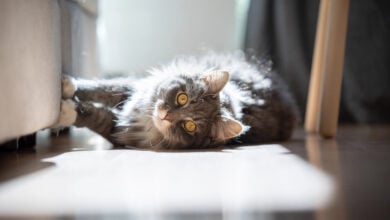
Ever wake up to find your cat silently watching you from across the room? It’s 2 a.m., the house is quiet, and there they are, wide-eyed, unblinking, and staring like they know something you don’t.
Table of Contents
Whether it happens during your Zoom calls, while you’re brushing your teeth, or just before dinner, those feline stares can feel oddly intense, and sometimes a little eerie.
So, why does your cat stare at you? Sometimes it’s affection or curiosity. Other times, they’re waiting for food, watching your every move, or trying to get your attention. But certain stares can also signal stress or discomfort.
Here’s where things get interesting: Two cats can give you the exact same stare for completely different reasons. The secret isn’t just in their eyes. It’s in their body language, what they’re doing, and what happens next.
Want our human-written content to rank above AI-generated garbage? Help us out by clicking this button!
Let’s decode six common reasons cats stare, including the subtle clues that can help you figure out what your feline overlord really wants.
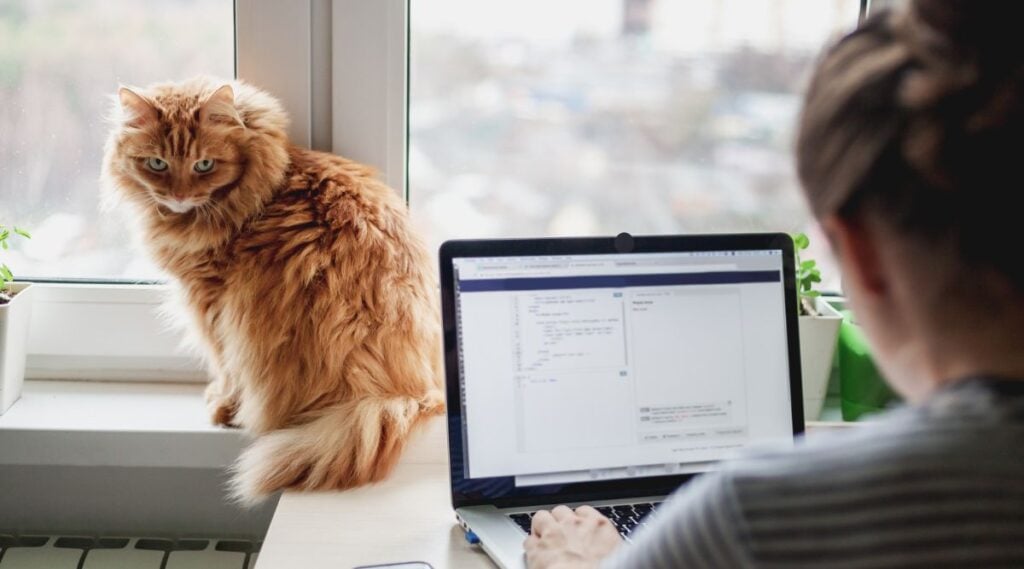
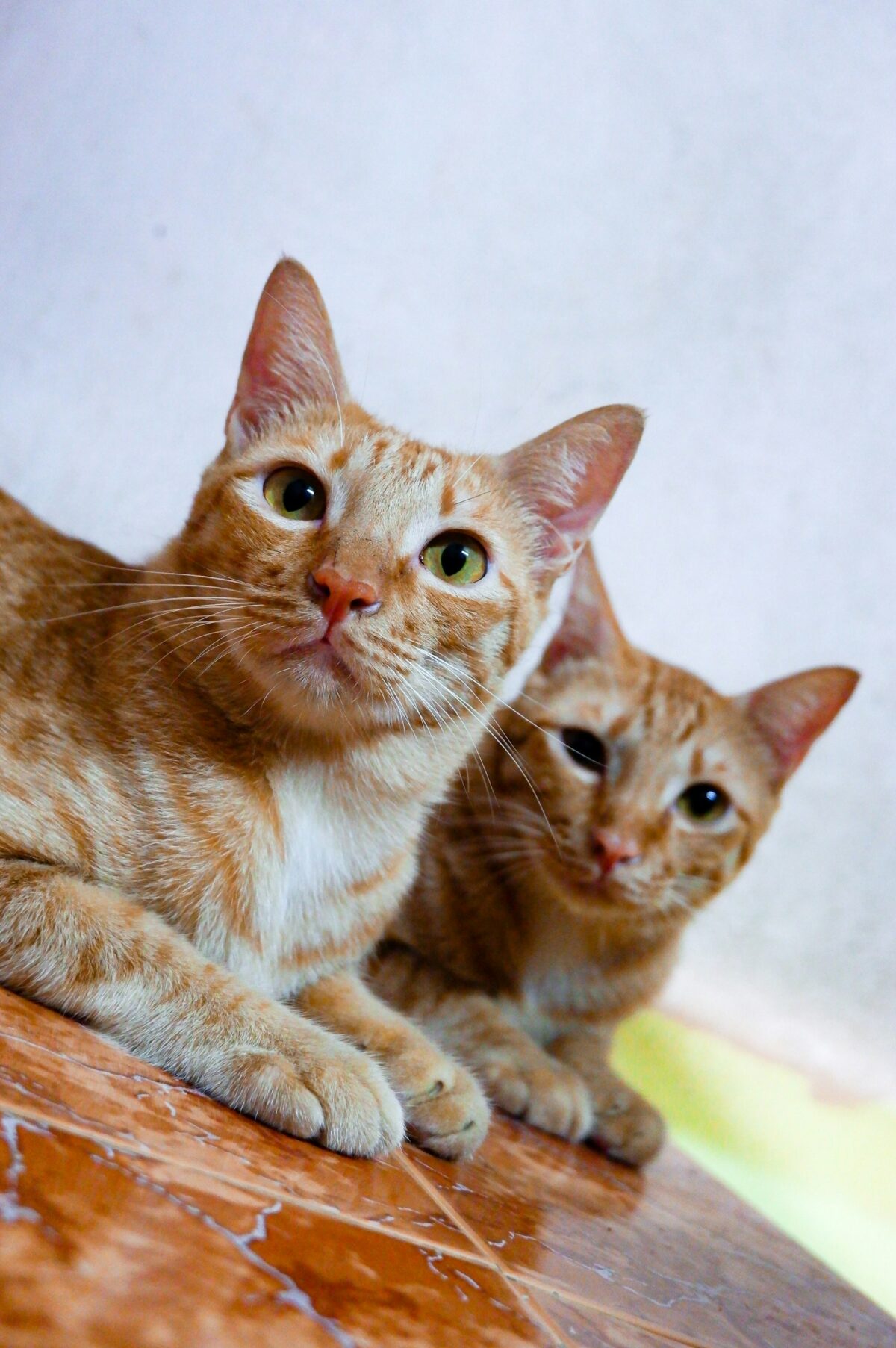
My Midnight Ritual: Two Cats. One Expectant Stare.
I’m settling into bed, lights off, book down, ready to sleep, when I feel them before I see them.
Two quiet shadows glide into the room. No meows. No fuss. Just two cats perched silently on the dresser, eyes locked on me like I’ve broken some unspoken contract.
Unblinking. Still. Waiting.
They don’t want food. They want me.
The moment I lift the blanket or shift to one side, they leap into bed like they’ve been planning this all day. One curls against my legs, the other stretches out beside me, and just like that, I’m trapped in the best possible way.
Some nights, I try bribing them with a few pieces of kibble. They’ll happily eat the snacks, then come right back. Because what they’re really after isn’t food. It’s snuggles.
And it’s not just at bedtime. They watch me brush my teeth, work at my desk, and pour my morning coffee. Sometimes I wonder whether they’re studying my every move or just keeping tabs on the person who controls the blankets.
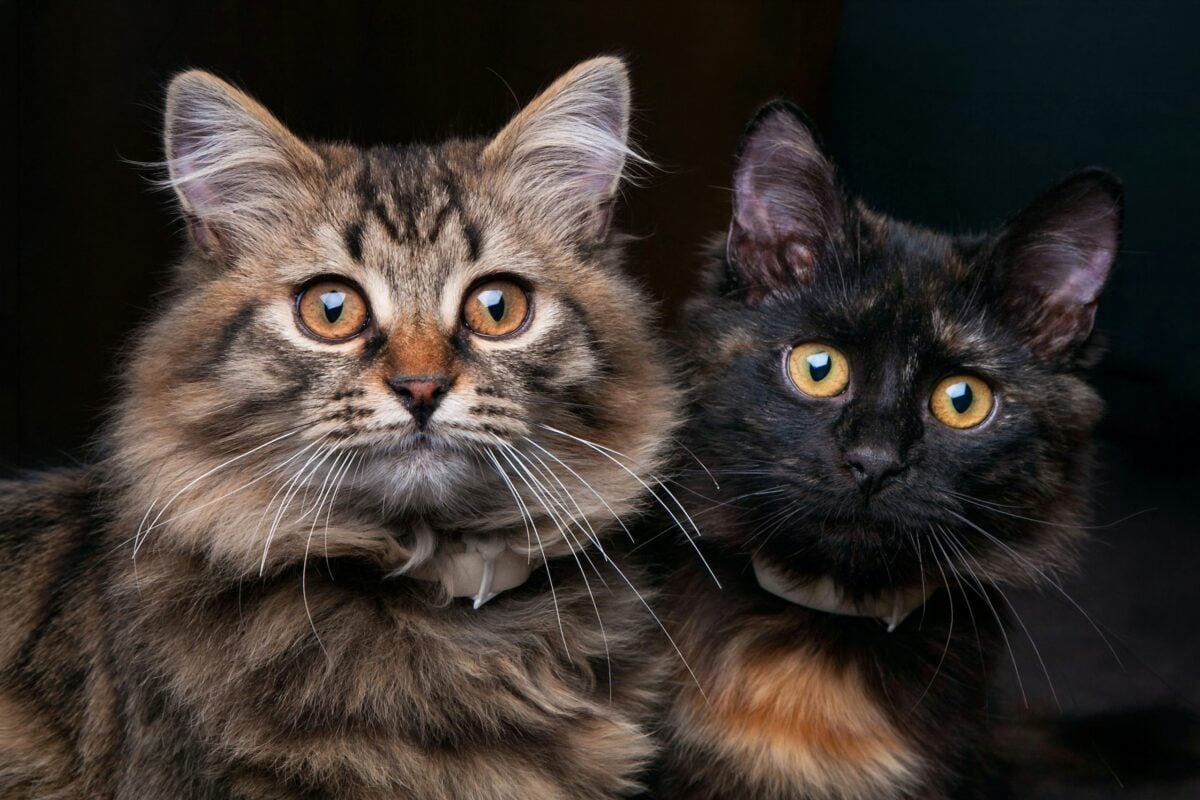
After years of living with cats, I’ve learned that those silent stares can mean very different things. Sometimes it’s affection, sometimes it’s anticipation, and sometimes they’re trying to tell me something I haven’t figured out yet.
What Does It Mean When My Cat Stares?
When your cat locks eyes with you, there’s often more going on than meets the eye. What that gaze means depends on the situation, their body language, and what happens next.
Sometimes it’s a soft, slow blink that suggests trust and affection. Other times, it’s a focused stare that says, “Feed me. Now.” Understanding the difference means looking beyond those mesmerizing eyes.

6 Surprisingly Common Reasons Cats Stare at You
So what’s behind that lingering feline gaze? It turns out cats stare for all kinds of reasons, from love to annoyance to simple curiosity.
Understanding the motivation behind the look can help you decode what your cat is really trying to say. From curiosity to hunger to guarding their turf, cats stare for reasons that reflect both instinct and emotion. The trick is paying attention to what happens before, during, and after the stare.
1. They Want Something (Yes, It’s Usually Food)
That intense look is often a demand for treats, dinner, or attention. Yes, you’re being emotionally blackmailed.
Food, water, playtime, or a treat are all common motivators for pets. You might even catch them glancing at you, then at their bowl, then back again, like a silent game of charades.
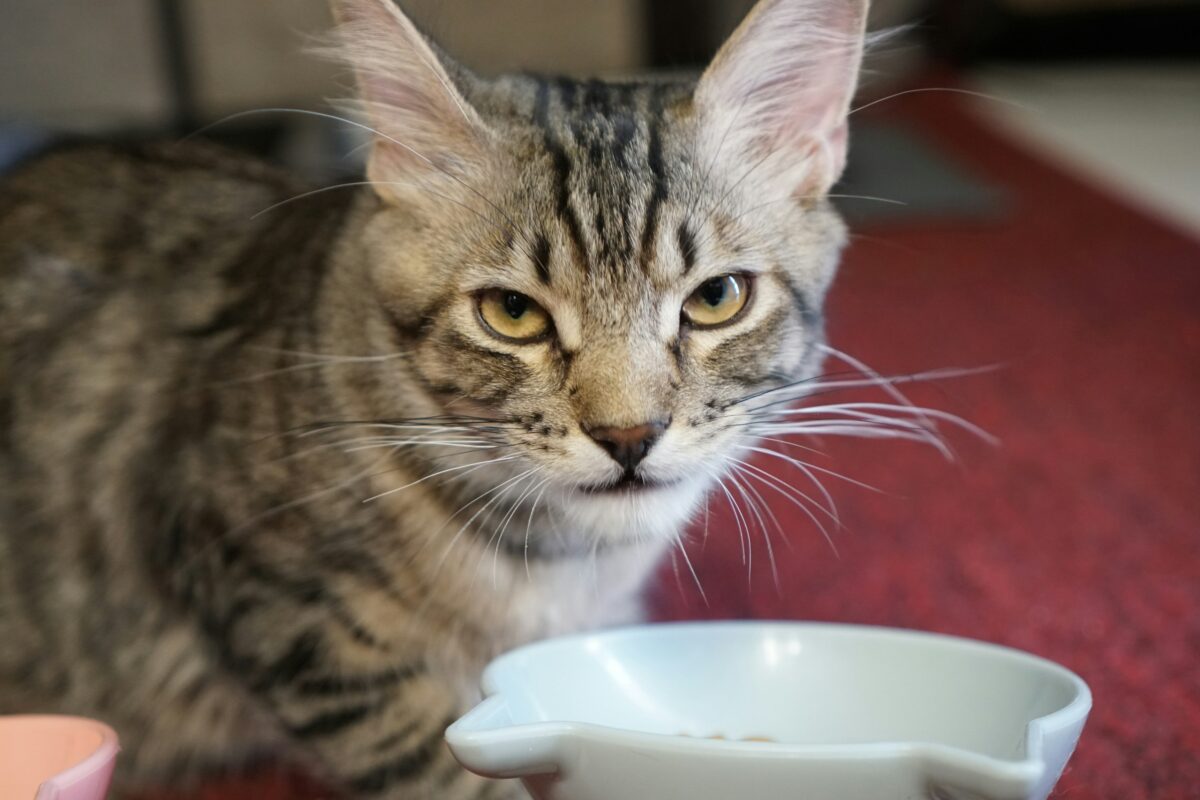
Ever notice your cat staring at you right before mealtime? Cats quickly learn when dinner usually arrives, and some start their silent demands well before you reach for the food. If the staring comes with pacing, meowing, or leading you toward the kitchen, there’s a good chance they’re expecting a meal.
Some cats get wide-eyed when they want to play or be noticed. A focused stare can be their way of saying, “Hey, do something.” It’s part request, part expectation—and yes, they know it works.
What should you do? Check whether your cat needs food, fresh water, attention, or a little playtime. If they’re constantly demanding meals early, stick with a predictable feeding schedule rather than rewarding every stare with an extra snack.
Occasionally, the stare means something’s off. Perhaps they knocked something over or noticed a change in their surroundings. If they’re staring and acting unsettled, they could be waiting for you to fix whatever feels wrong.
Myth: Cats Can See Ghosts
Truth: Across many cultures, cats have been associated with spirits, mystery, and the supernatural. That unsettling moment when your cat stares into an empty corner? Some say they’re watching something from another realm.
More likely, they’ve noticed a faint sound, movement, or something else you’ve completely missed.
2. Curiosity: You’re More Interesting Than You Think
Cats are hardwired to observe their surroundings, and yes, that includes you. In fact, to your cat, you’re the most fascinating thing in the room.
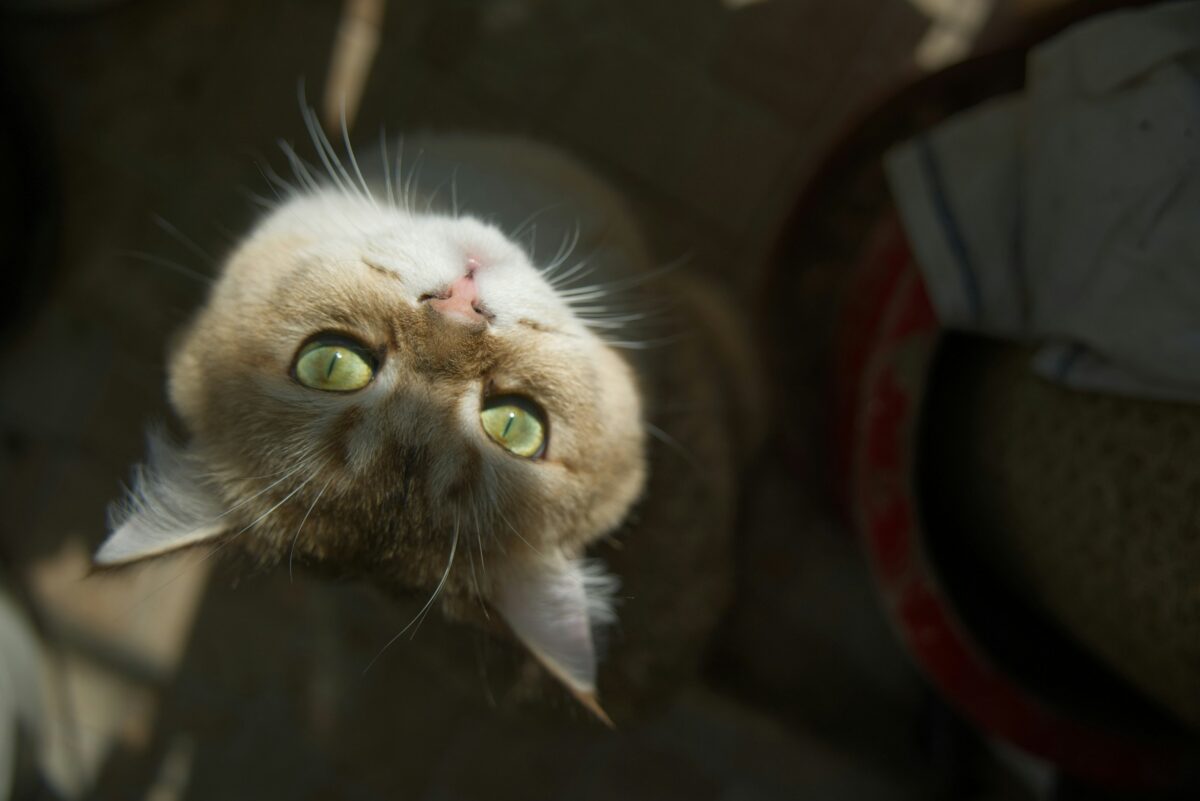
From your morning routine to your late-night snack runs, your cat watches closely to see what you’ll do next. Even mundane tasks, such as folding laundry or typing, can capture their attention.
But what if your cat stares at you from across the room? They may simply be keeping tabs on your activity without feeling the need to join in. A cat lounging comfortably on the couch while watching you move around is probably curious, not demanding anything.
Cats are naturally attentive to sights, sounds, and movement. If you’re talking, rustling a bag, or doing something unusual, you’ve probably caught their attention.
This curiosity is also a key aspect of how cats learn. They figure out where noises come from, how objects work, and which behaviors lead to treats or play.
What should you do? If your cat looks relaxed, there’s usually nothing you need to do. You can offer a gentle slow blink or speak softly, but don’t feel obligated to interrupt their observation.
So when your cat stares, they’re not necessarily judging. They’re studying.
3. Calm & Content: The Soft Stare Of A Happy Cat
A slow blink or relaxed gaze can mean your cat feels comfortable, safe, and maybe even a little affectionate.
Scientists have studied feline slow blinking and found evidence that it plays a role in positive communication between cats and humans. A 2020 study published in Scientific Reports found that cats were more likely to narrow their eyes when people slow-blinked at them and were more willing to approach a person after a slow-blink interaction.

If your cat stares at you and slowly closes their eyes, try blinking back. Relax your face, narrow your eyes gently, and slowly close and reopen them. You might get another slow blink in return. Think of it as a quiet conversation that doesn’t require a single meow.
This type of eye contact can also accompany signs your cat has imprinted on you, especially if your cat follows you from room to room or insists on being nearby. Cats can build strong bonds with familiar people, and relaxed eye contact may be one part of that connection.
You might notice this look during quiet moments, such as when you’re reading, working, or getting ready for bed. Half-lidded eyes, relaxed ears, and a loose body posture are good signs.
Myth: A Cat’s Slow Blink Is a Magical Blessing
Truth: Cats have long been surrounded by folklore involving luck, protection, and mysterious powers. While a slow blink isn’t evidence of anything supernatural, it can be a positive social signal.
And when your cat gives you one of those sleepy little blinks, it’s still tempting to think you’ve been granted a special feline blessing.
4. They’re Watching You for Clues: Yes, You’re That Predictable
Your cat knows your habits better than you think. From grabbing your keys to heading toward the kitchen, they’ve memorized the patterns that matter most to them, especially the ones that lead to food, sleep, or play.
That stare? It’s their way of saying, “I know what comes next.”

Your daily habits, such as opening a cabinet or walking toward the door, can signal the start of food, play, or quiet time. The stare is your cat’s way of saying, “I know what that means.”
Even subtle actions, like grabbing a blanket or reaching for your laptop, can catch their attention. They’ve figured out that specific movements often lead to something they care about.
But what happens when you change your routine? If you suddenly start working different hours, move furniture, or change your cat’s feeding schedule, you may notice them watching you more closely. They’re adjusting to unfamiliar patterns and trying to figure out what happens next.
What should you do? Give your cat time to adjust and keep important routines, especially meals, playtime, and quiet resting periods, as consistent as possible. If they’re watching you expectantly, they may simply be waiting for a familiar cue.
Real-Life Lessons in Being Watched by Cats
One of my three indoor cats, Bammy, goes into staring mode randomly.
Sometimes, I think she’s just homed in on the fact that I’m leaving the house. Other times (as I’ve tested it out), she just wants to play.
Her facial expressions toward humans can be intense but never aggressive. It’s hilarious to have a cat show that much emotion behind her eyes.
– Sally Jones, Cat Lover & Writer For Love Your Cat
5. Stress or Fear: That Wide-Eyed Warning Look
Not every stare is affectionate. Sometimes, a cat’s gaze is a sign that something doesn’t feel right. Stress, illness, or sudden changes in their environment can all trigger unusual staring behavior.
A frozen stare with wide eyes may signal fear or anxiety, especially when paired with tense body language.
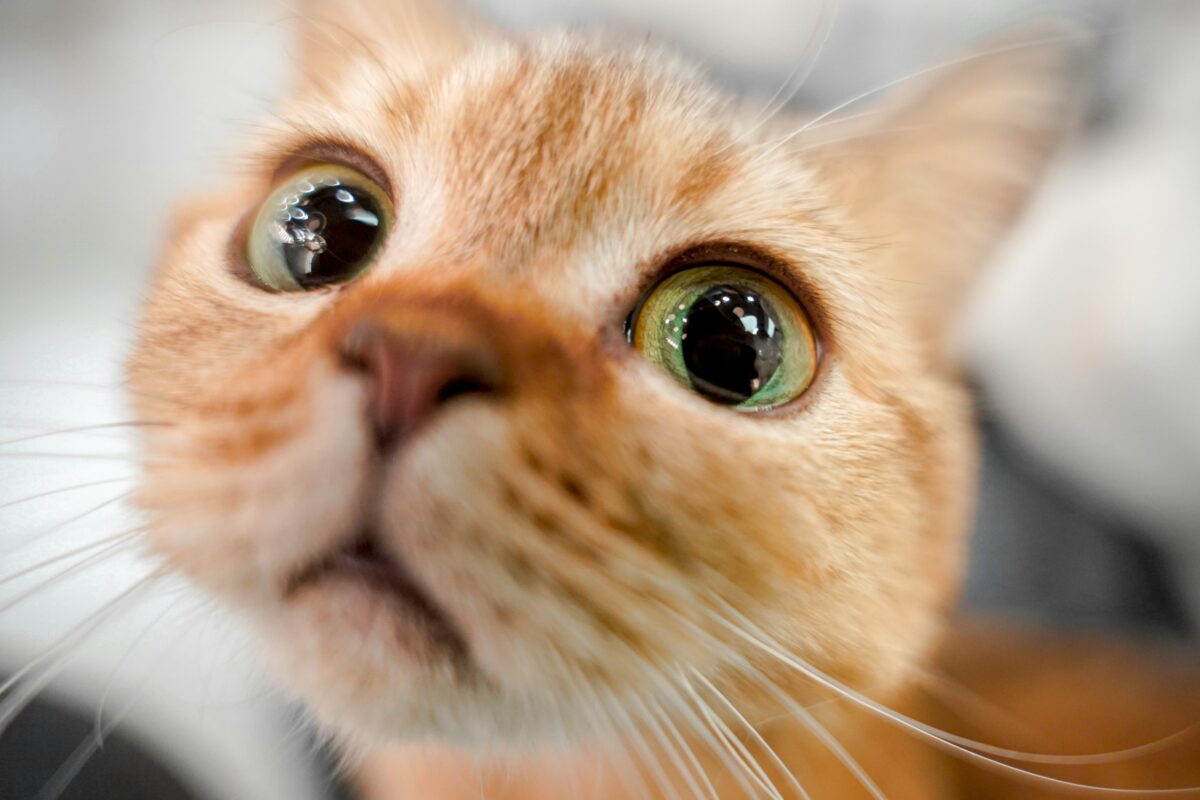
Look beyond the eyes. A frightened cat may crouch low, flatten their ears, tuck their tail, or freeze in place. A cat that feels overwhelmed may also stare intensely before retreating or reacting defensively.
What should you do? Avoid staring back, reaching for them, or forcing interaction. Give your cat space and a quiet place to retreat while you look for whatever might be upsetting them.
Cats often use body language to communicate discomfort. If your cat seems withdrawn, ignores food, or stares while acting out of character, take note. These changes may signal that something is wrong.
It’s also worth considering any changes in your home. New furniture, visitors, noise, or even moving a litter box can unsettle a cat. If the staring comes with persistent or unusual behavior changes, contact your veterinarian.
6. The Territorial Stare: Back Off, This Is Mine
Staring can be a warning that your cat feels protective of a favorite space or uncomfortable with another pet getting too close, especially in multi-cat homes.
Cats are naturally territorial, and a fixed stare can sometimes be part of a tense interaction. If your cat locks eyes with another pet near a favorite resting spot, food bowl, or doorway, they may be trying to control the interaction or keep the other animal at a distance.
When that fixed gaze comes with a stiff posture or other signs of tension, it’s more likely a warning than a friendly invitation.
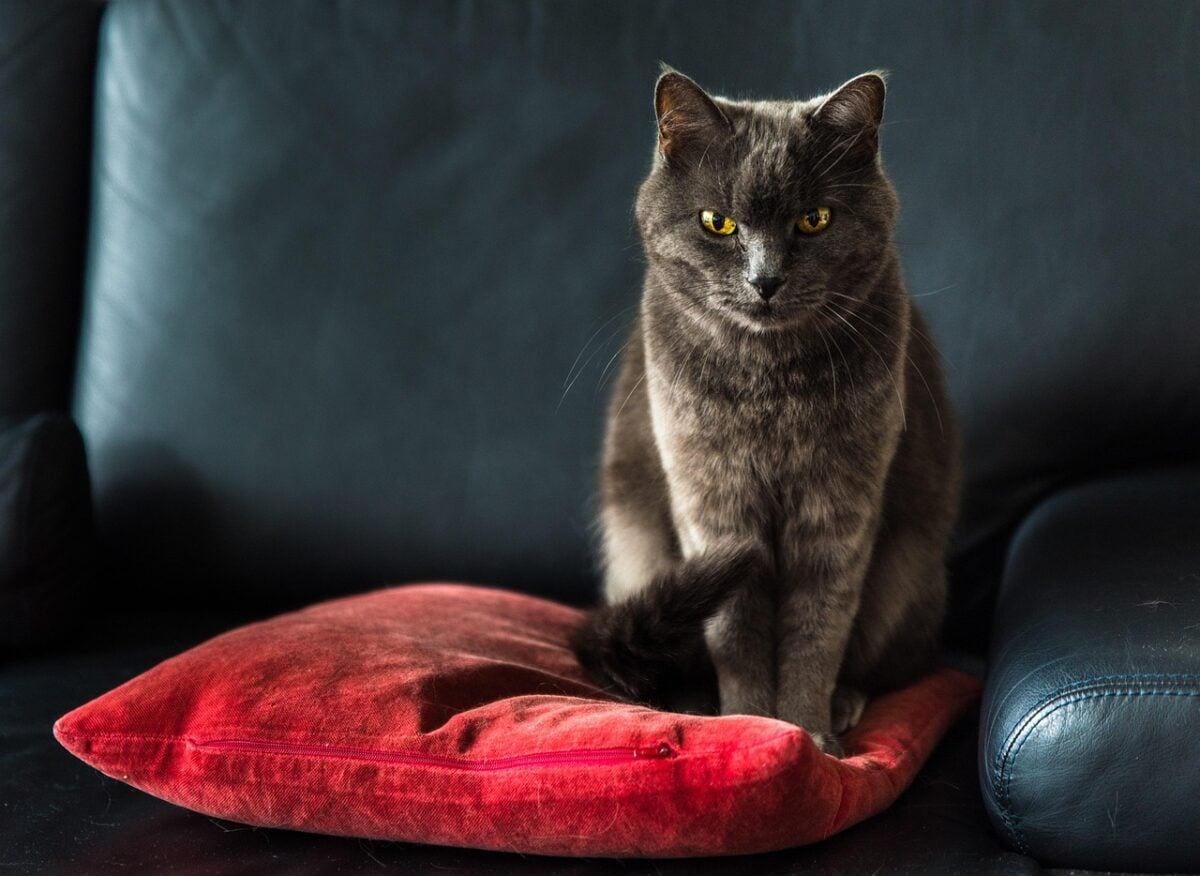
This type of stare is usually more intense. The body may be stiff, the ears turned sideways or back, and the tail held rigid or twitching sharply.
You’ll often see tension around food bowls, perches, or cozy hiding spots. One cat may even sit in a doorway and stare at another, making it difficult for that cat to pass comfortably.
Territorial tension can also happen when a new pet or visitor enters the home. Your cat might be sizing up the situation or trying to protect access to a valued space.
What should you do? Don’t force the cats to interact or punish the staring. Give them room to separate, provide multiple resting areas and resources, and make sure each cat can move around without being blocked by another pet.
Should You Stare Back at Your Cat—or Look Away?
There’s plenty of myth and mystery around staring into a cat’s eyes. Some old tales even claim it brings bad luck or opens a portal to the unknown. In reality, it’s less about curses and more about communication.
- Direct eye contact can be perceived as threatening by cats, especially if they are already on edge.
- If your cat looks relaxed and is slow-blinking, it is usually safe to return the gesture. Try a soft gaze with a few slow blinks to show you’re friendly.
- But if their body is stiff, pupils are wide, or they look startled, it is better to look away. Let your cat decide when they are ready to reconnect.
A gentle approach goes a long way in cat language.
How Cats Mastered the Art of the Stare
Cats are natural observers, and they’ve learned that watching us can pay off. From an early age, they pay attention to movement, routines, and the little signals that tell them something interesting is about to happen.
Unlike humans, cats don’t follow our social rules about prolonged eye contact. And when staring leads to something rewarding, like treats, playtime, or attention, they’re more likely to repeat it.
Their excellent low-light vision helps, too. Cats can notice activity in dim conditions that we might overlook.
For cats, staring isn’t just instinct. Sometimes, it’s a strategy that works remarkably well.
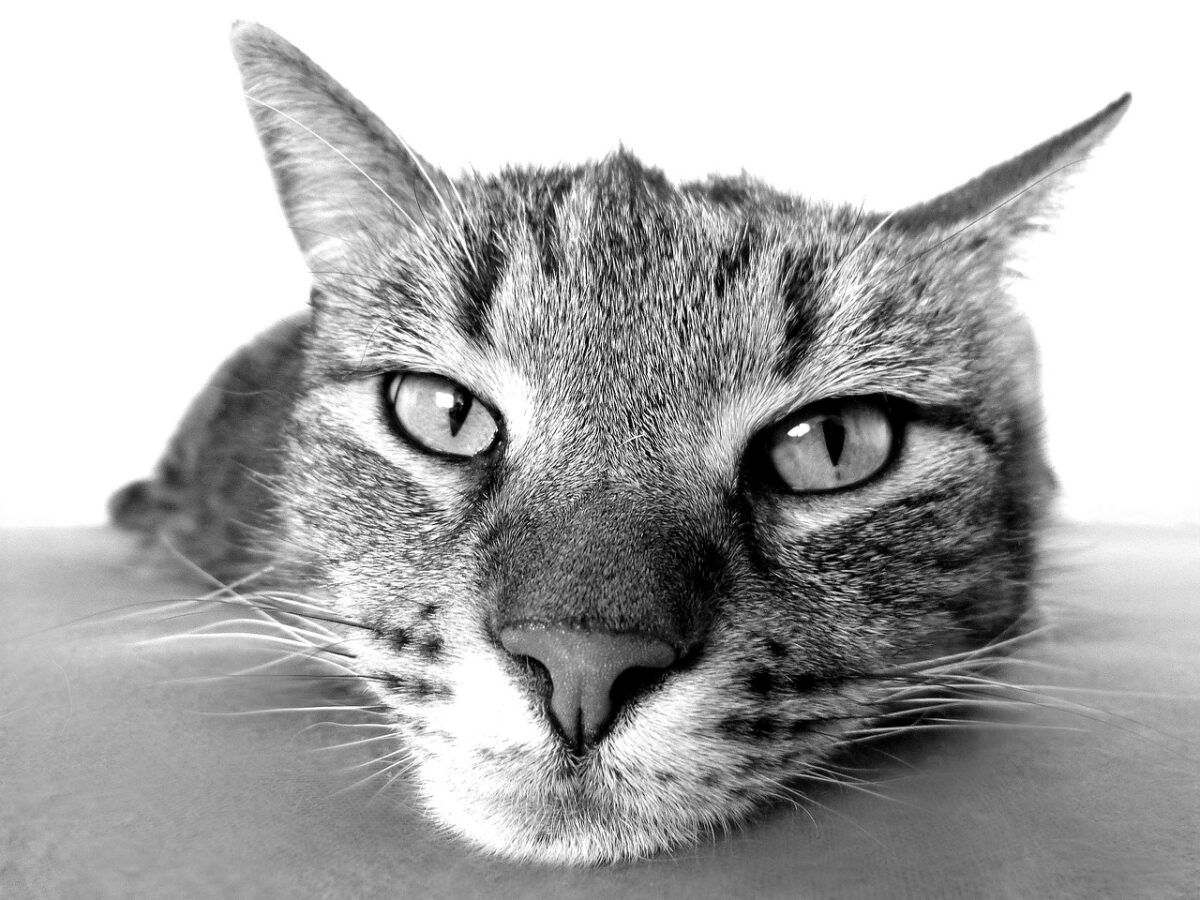
How To Read Your Cat’s Staring Body Language
Ever wish your cat came with subtitles? Their eyes might be sending a message, but the rest of their body tells you how to interpret it.
A soft stare from a cat curled up next to you is very different from an unblinking gaze paired with a stiff body and twitching tail. Before deciding whether your cat wants affection, attention, or space, look at the whole picture.
| Type Of Stare | Body Language Clues | What It Might Mean | What You Should Do |
|---|---|---|---|
| Relaxed & Affectionate | Soft eyes, slow blinking, relaxed ears, loose posture | Your cat feels safe, comfortable, or affectionate. | Try a gentle slow blink, speak softly, or let them enjoy the moment. |
| Demanding & Attention-Seeking | Focused gaze, meowing, pacing, glancing toward food or toys | They want food, playtime, attention, or something else. | Check their needs and offer attention or play without automatically handing out treats. |
| Curious & Observant | Alert ears, relaxed body, eyes following your movements | They’re watching to see what you’re doing or what happens next. | Carry on as usual. You can acknowledge them, but there’s no need to interrupt. |
| Fearful Or Anxious | Wide eyes, crouched body, ears back, tucked tail, possible trembling | Something may be frightening or overwhelming them. | Give them space, reduce stressors, and provide a quiet place to retreat. |
| Overstimulated Or Irritated | Fixed gaze, twitching tail, tense muscles, ears turning sideways or back | They’ve had enough interaction or are becoming agitated. | Stop petting or handling them and allow them to move away. |
| Territorial Or Tense | Hard stare, rigid posture, tail held stiff or twitching, blocking another cat’s path | They may feel threatened or be guarding access to a valued space. | Avoid forcing interaction. Give cats separate spaces, escape routes, and access to their own resources. |
What about dilated pupils? Big, round pupils aren’t automatically a warning sign. Your cat’s eyes may widen during play, excitement, fear, or in dim lighting. The difference is in their body language. A playful cat may look alert and ready to pounce, while a frightened cat may freeze, crouch, or retreat.
The takeaway: Don’t judge a stare by the eyes alone. Consider what’s happening around your cat, how their body looks, and whether the behavior is normal for them.
Myth: Cats Can See in Total Darkness
Truth: It’s a popular belief that cats can see perfectly in pitch black. While it adds to their mystical vibe, it’s not entirely true. Cats do have incredible night vision—but even they need at least a little light to see.
This myth likely stems from how confidently cats move in low light. Their oversized pupils, reflective eye layer (tapetum lucidum), and ultra-sensitive retinas make them the kings and queens of the twilight hours. But in total darkness? Even your cat might miss the couch jump.
Other Ways Cats Use Their Eyes To Communicate
Cats don’t just stare. They use blinking, pupil size, and gaze direction to send subtle messages. A slow blink signals trust, while a sudden change in pupil size can indicate excitement, fear, or a playful mood.
Where they choose to look also matters. Whether they are watching a favorite toy or tracking your every move, their gaze can reveal what they are paying attention to. It is one more way they share information without making a sound.
These eye cues often work in conjunction with body language, such as tail flicks, ear position, or vocal sounds. When you learn to read the whole picture, your cat’s behavior becomes much easier to understand.
Real-Life Lessons in Being Watched by Cats
I’ve spent years living with cats, and one thing I’ve learned is that they love to keep an eye on their humans. Mine are no exception. They’re constantly watching me, and I’ve gotten pretty good at figuring out what those lingering stares mean.
Context is everything. At 2:45 every afternoon, I have two cats (and a dog) staring intently at me. Dinner is at 3, and they absolutely know it.
Luna, one of my cats, has mastered the art of persuasion. If dinner isn’t happening fast enough, she goes straight for the rubber plant. Tap, tap, tap — then a long, deliberate stare. If I still don’t move, the tapping gets more aggressive. It’s her version of blackmail, and honestly, it works.
They also watch for cues. If I start cleaning the house, they’ll follow me around and observe from a distance. If I grab a blanket, I know I’ll have a cat in my lap in under three seconds, ready to cuddle.
– Tara Maurer, Lifelong Cat Owner & Writer for Love Your Cat

When Should You Worry About Your Cat Staring?
Most of the time, staring is harmless. But if your cat’s stare comes with unusual behavior, like hiding, growling, skipping meals, or avoiding contact, it could be a sign that something is wrong. Changes in energy, appetite, or litter box habits are also worth paying attention to.
The biggest clue is a sudden change from what’s normal for your cat. A familiar, curious gaze is one thing. Staring that seems unusually intense, vacant, or accompanied by other symptoms deserves a closer look.
Here are some warning signs to watch for:
- Confusion or disorientation: Your cat suddenly seems lost in familiar surroundings, stares blankly into space, gets stuck in corners, or appears unusually confused. These behaviors can sometimes be associated with vision problems, neurological conditions, or age-related cognitive changes.
- Vision changes: Your cat starts bumping into furniture, hesitates before jumping, or seems unable to locate familiar objects. Sudden vision loss requires immediate veterinary attention.
- Signs of pain or illness: Staring accompanied by hiding, hunched posture, reduced appetite, unusual vocalizations, or sensitivity to touch may indicate discomfort or an underlying health problem.
- Anxiety or sudden behavior changes: Increased hiding, restlessness, clinginess, aggression, or unusual watchfulness may be related to stress, changes in the home, or a medical issue.
- Eye abnormalities: Cloudiness, redness, discharge, excessive tearing, squinting, or unusually dilated pupils can indicate an eye problem. Pupils that suddenly become different sizes are especially concerning.
When should you call the vet? If your cat’s staring is new, persistent, or accompanied by unusual behavior, contact your veterinarian. Note when it happens, how long it lasts, and any other changes you notice. A short video of an unusual staring episode can also help your vet evaluate what’s happening.
Seek immediate veterinary care if your cat suddenly develops unequal pupils, appears to lose vision, becomes severely disoriented, has seizure-like activity, or shows signs of significant eye pain or injury.
And remember, staring at a wall isn’t automatically a medical warning sign. Cats may notice subtle sounds, shadows, or movements we miss. It’s when the behavior is sudden, repetitive, or paired with confusion or other concerning symptoms that it deserves closer attention.
When in doubt, a veterinary checkup is far better than guessing. Catching a potential problem early can make a real difference.
Cat Stares: Your Weirdest Questions, Answered
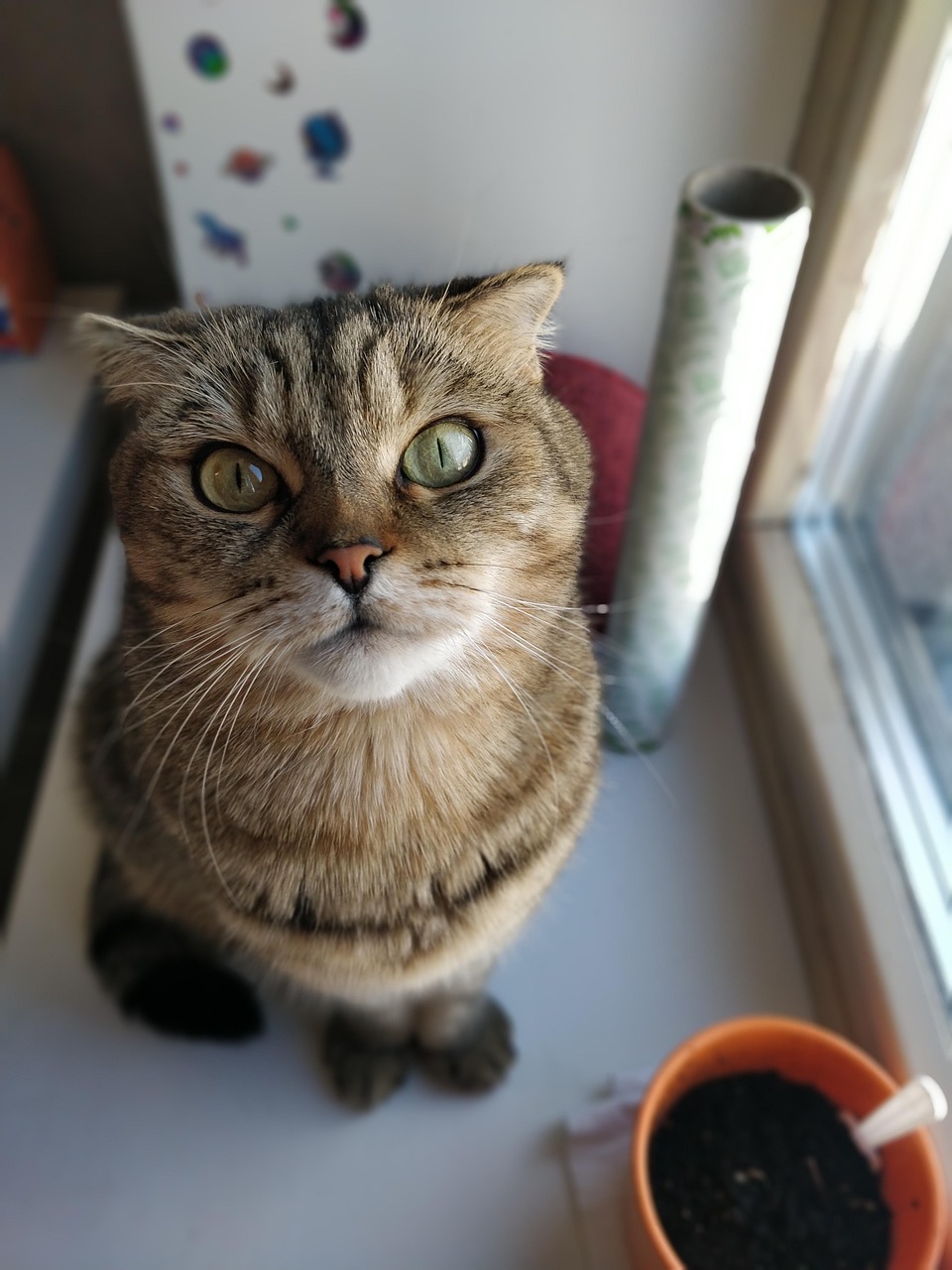
Cats are nothing if not mysterious, especially when they lock eyes with you like they know something you don’t. So it’s no surprise we get tons of questions about those long, lingering stares.
Here are some of the most common ones cat owners ask, and what your feline’s wide-eyed gaze might actually mean. Did we miss your question? Drop it in the comments, and we’ll get you an answer (no stare required).
Why Does My Cat Stare at Me and Slowly Blink?
A slow blink is usually a good sign. When your cat looks at you with soft eyes, slowly closes them, and opens them again, it’s often a sign they feel comfortable and secure around you.
Research suggests slow blinking is part of positive communication between cats and humans. Try slowly blinking back and see how your cat responds. You might just get another sleepy little blink in return.
Think of it as your cat’s version of a friendly hello, without all that unnecessary human chatter.
Can Cats See Into Your Soul?
The notion that cats can see into one’s soul originates from ancient myths and folklore. In reality, their gaze is intense because they are observant and emotionally tuned in. While it might feel like your cat is reading your deepest secrets, it is probably just reading your body language.
Why Does My Cat Follow Me Around and Stare at Me?
Some cats are little furry supervisors who like knowing exactly what their humans are doing. Following you and staring can signal curiosity, affection, anticipation, or a desire for attention.
If your cat seems relaxed and enjoys being near you, it’s usually perfectly normal. But if this behavior suddenly becomes more intense, especially alongside distress, excessive vocalizing, or other changes, it’s worth looking into what might be causing it.
Otherwise, congratulations. You’ve apparently hired a supervisor who doesn’t believe in personal space.
Is My Cat Trying to Guilt Me into Feeding Them?
They very well might be. That look they give you when they glance from your face to the empty bowl? It’s calculated. Cats learn quickly that eye contact can manipulate humans. And guess what? It works.
Does My Cat Staring at Me Mean They Love Me?
Sometimes, yes! A soft gaze, relaxed posture, and slow blinking can all suggest that your cat feels safe and comfortable with you.
But staring alone doesn’t necessarily mean affection. Look for other friendly behaviors, like rubbing against you, choosing to sit nearby, greeting you with an upright tail, or curling up beside you.
If your cat regularly seeks your company and gives you those relaxed, sleepy looks, there’s a good chance you’re one of their favorite humans. Even if they have a funny way of showing it.
Why Does My Cat Stare at Me Without Blinking?
Cats can hold a focused gaze for surprisingly long periods, especially when they’re watching movement, anticipating something, or monitoring their surroundings.
The important clue is their body language. A relaxed cat may simply be observing you, while a stiff posture, flattened ears, or twitching tail can indicate discomfort or tension.
If your cat suddenly develops an unusual fixed stare or seems confused or unresponsive, contact your veterinarian.
Why Does My Cat Stare At Me While I Sleep?
Your cat might be waiting for breakfast, hoping you’ll wake up for some attention, or simply enjoying a quiet moment near you. Cats are often active around dawn and dusk, so your sleeping hours may overlap with their favorite time to investigate the house.
If nighttime staring becomes a regular wake-up call, try offering interactive play before bed and keeping meals on a consistent schedule.
It might look spooky, but most of the time, your cat isn’t plotting anything. At least, nothing beyond an early breakfast.
Why Does My Cat Stare At The Wall?
Cats have sharp senses and may notice tiny movements, faint sounds, insects, or shifting shadows that escape our attention. Sometimes, what looks like staring at absolutely nothing is simply your cat investigating something you haven’t noticed.
Occasional wall staring is usually harmless. But if it begins suddenly or comes with confusion, disorientation, unusual vocalizations, or other behavior changes, contact your veterinarian to rule out a medical problem.
Can I Train My Cat To Stop Staring?
You probably can’t stop your cat from staring entirely, and there’s usually no reason to try. Staring is a normal part of how cats observe their surroundings and communicate.
If your cat stares before meals, establish a consistent feeding schedule. If they’re seeking attention, offer regular play sessions and reward calm behavior rather than responding to every demanding look with treats.
And if your cat simply enjoys watching you go about your day? Consider it a compliment. You make excellent television.

Why Your Cat Might Be Staring Into the Void
Sometimes your cat’s intense stare isn’t directed at you at all, which, honestly, can be even more unsettling. They might be fixated on something you can’t see (a shadow, a bug, a sound behind the wall)… or simply reacting to a subtle change in lighting, temperature, or scent that flew right past your human senses.
Cats are wired to detect the tiniest details. That dead-eyed stare into the corner of the room? They’re not possessed. Probably. Want to explore the weird side of cat senses? Check out our articles on why your cat might be scared of something you can’t see and what happens if cats are left in a dark house.
Ever Feel Like Your Cat’s Judging You? Same.
Whether it’s a death stare from across the room or that slow, soul-piercing blink while you’re eating snacks they can’t have… we’ve all been there. Tell us your most hilariously judgmental cat-stare moment in the comments. Bonus points if it made you question your life choices.