When you purchase through links on our site, we may earn a commission at no extra cost to you. Learn more.
Blue eyes. Creamy coats. Dark color points. At first glance, Birman and Siamese cats look almost identical.
Table of Contents
But living with them feels very different. One is calm, steady, and quietly affectionate. The other is intense, interactive, and famously vocal.
If you’re choosing between a Birman and a Siamese, picking based on looks alone can lead to a very different cat than you expected.
This guide breaks down the real differences between Birman vs Siamese cats, so you don’t end up with the wrong blue-eyed companion.
Want our human-written content to rank above AI-generated garbage? Help us out by clicking this button!
Spot The Difference: Birman vs Siamese
Birman and Siamese cats share a lot visually. Both have vivid blue eyes, colorpoint coats, and that elegant, high-contrast look that stops people mid-scroll. That’s exactly why these two breeds are so often confused.
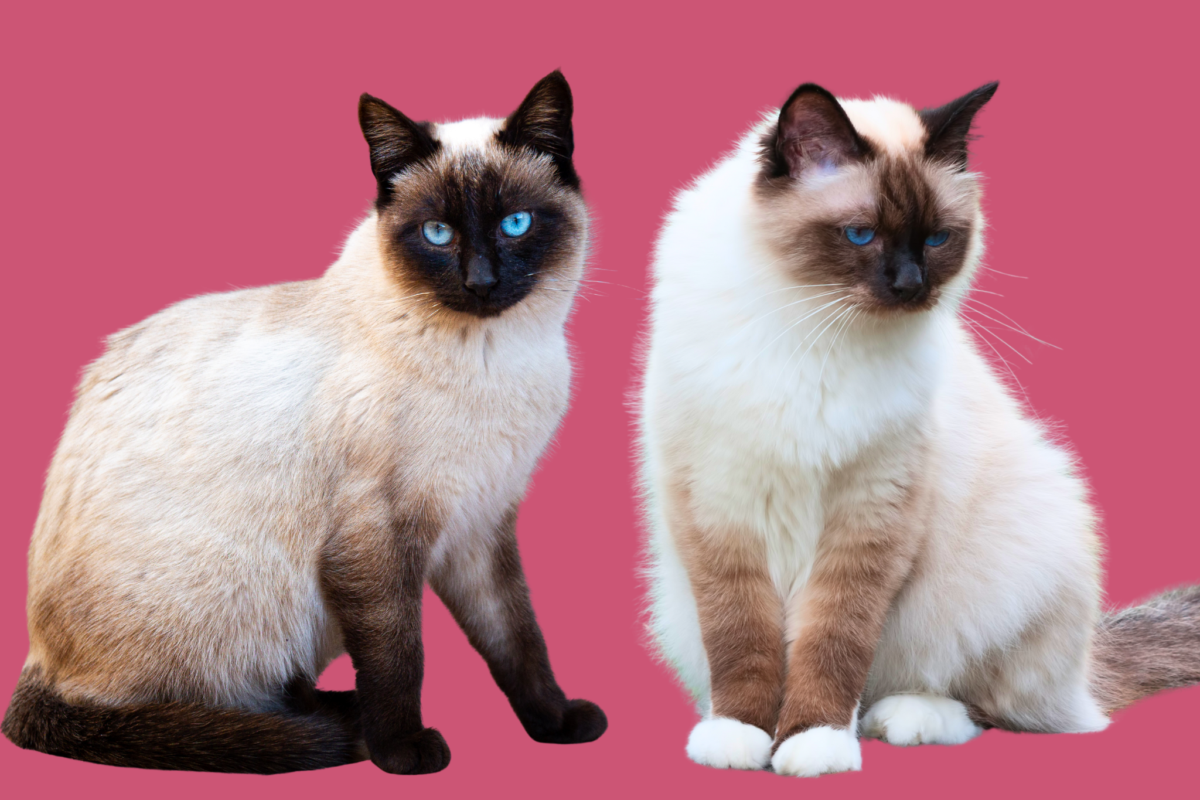
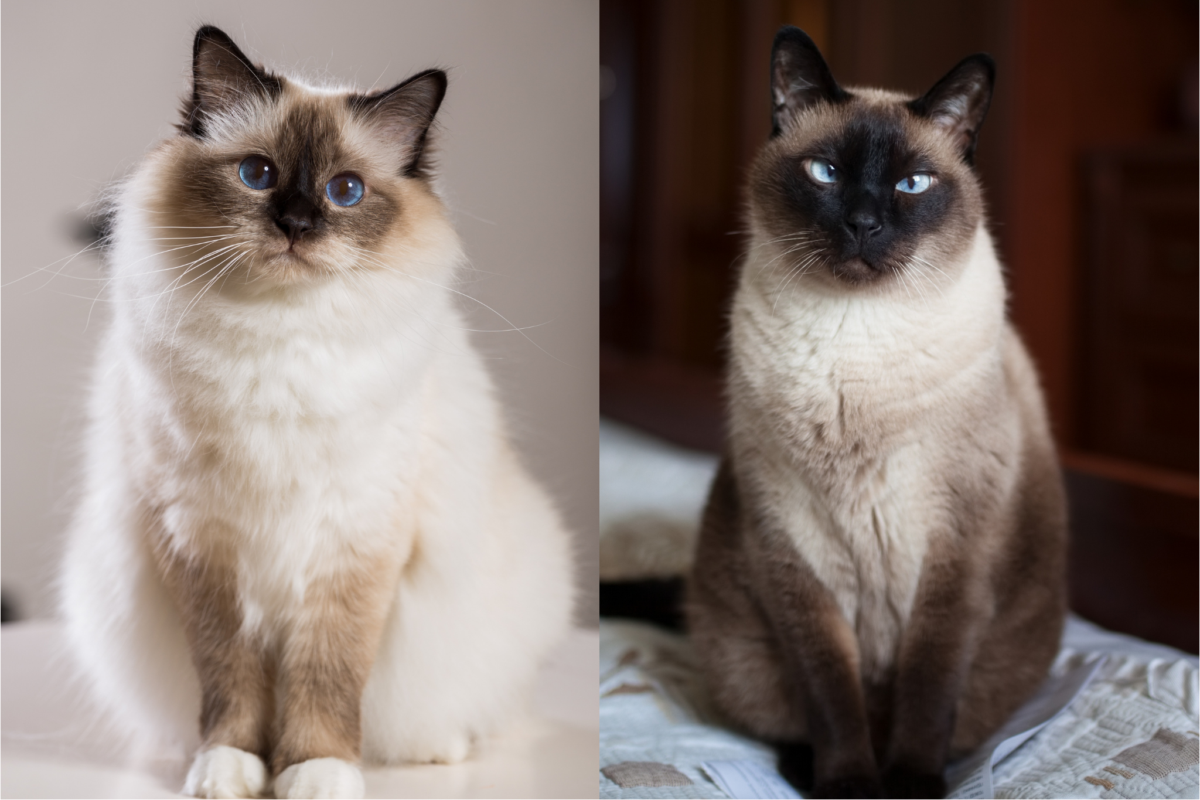
Birmans (right) tend to have a softer, rounder overall appearance. Their faces look fuller, their expressions gentler, and their coats plush rather than sleek. One of the clearest giveaways is the paws — Birmans always have white “gloves,” a trait you’ll never see on a Siamese.
Siamese cats, however, can look dramatically different depending on the type.
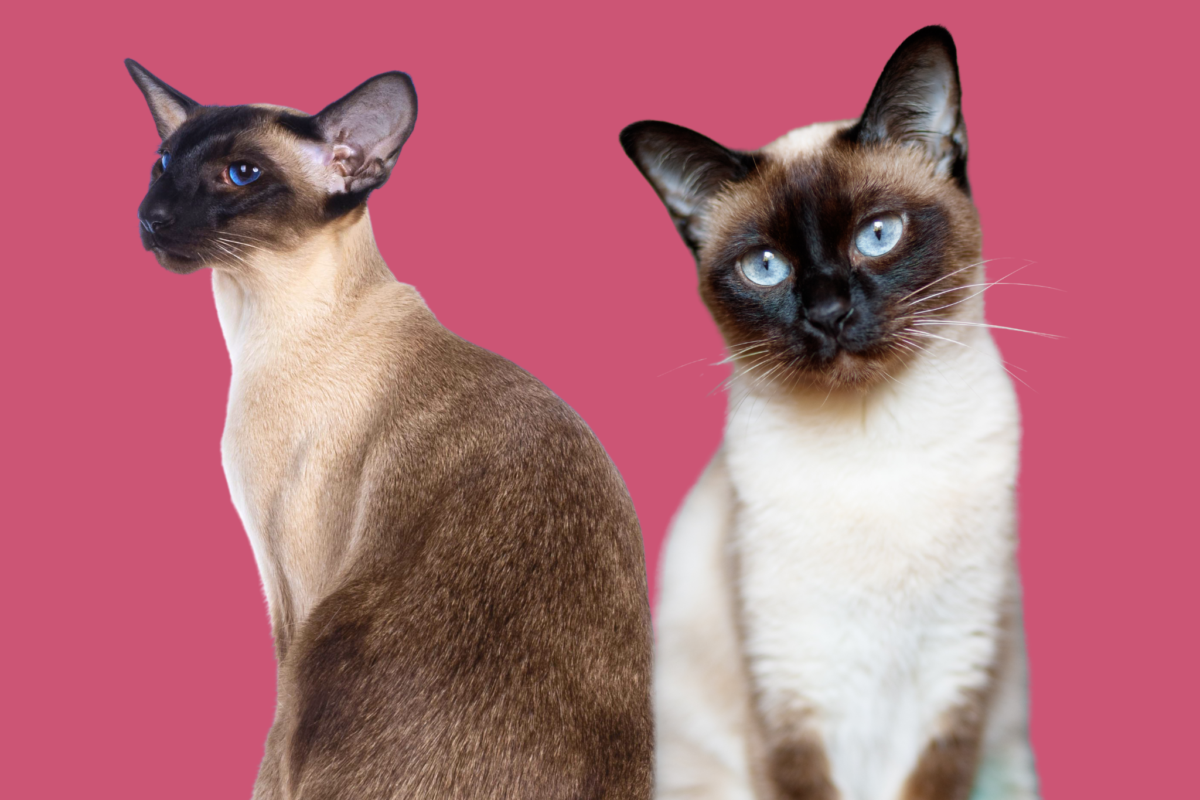
Modern (wedge-head) Siamese are easy to identify thanks to their long, lithe bodies, oversized ears, and sharply angular faces. Traditional (applehead) Siamese have rounder features and sturdier builds, which can make them look much more similar to a Birman at first glance.
Breed Comparison
- SizeMedium
- SizeMedium to large, sturdy build
- CoatShort, sleek, close-lying coat
- CoatLong, silky coat with no undercoat
- TemperamentHighly social, intense, demanding
- TemperamentGentle, affectionate, and attentive
- Energy LevelHigh
- Energy LevelModerate
- VocalityVery vocal and chatty
- VocalityQuiet to soft-spoken
- Lifespan15 to 20 years
- Lifespan12 to 16 years
- Cost$$ to $$$
- Cost$$$
- OriginThailand
- OriginBurma (Myanmar) by legend
The Making Of Two Sacred Cats
Both the Birman and the Siamese are often described as “sacred” cats, with origin stories tied to temples, royalty, and human reverence. But while they share a mythic past, the way these breeds developed — and how carefully their traits were preserved or reshaped — couldn’t be more different.
Birman Origins: Preservation & Tradition
The Birman is traditionally associated with temples in Burma (modern-day Myanmar), where legend paints them as companions to priests rather than working cats. While the stories are symbolic rather than literal history, they reflect how the breed has long been viewed: gentle, people-focused, and closely bonded to humans.
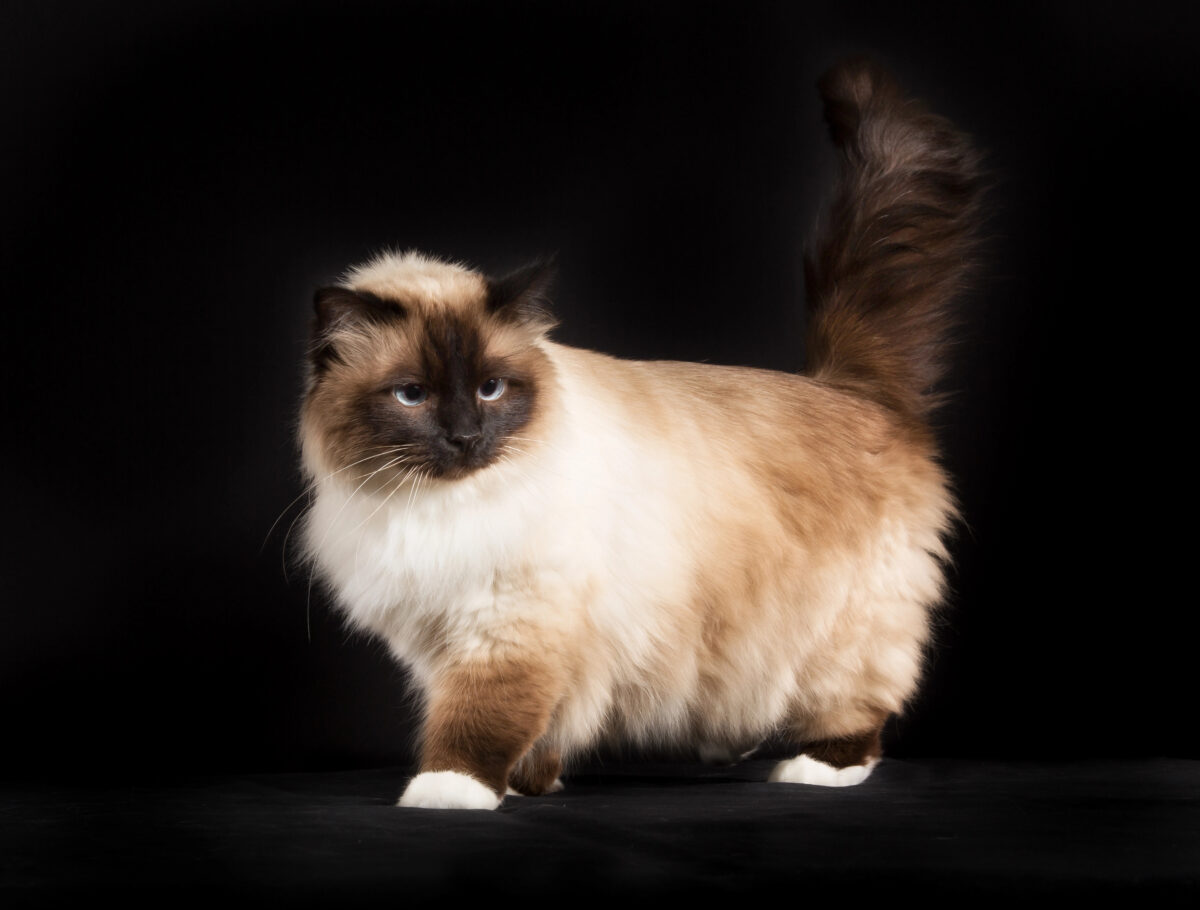
Modern Birmans were established in Europe in the early 20th century, with breeders focusing on preserving a balanced temperament and distinctive appearance. Unlike many breeds that were heavily modified over time, the Birman’s look and personality have remained relatively consistent. Today’s Birman still reflects that original goal — a calm, affectionate companion with a soft presence in the home.
Siamese Origins: From Temple Cats To Modern Lines
The Siamese is one of the oldest documented cat breeds in the world, with references dating back centuries in Thailand, formerly known as Siam. These cats were closely associated with royalty and temples, valued not just for their appearance but for their intelligence and alert nature.
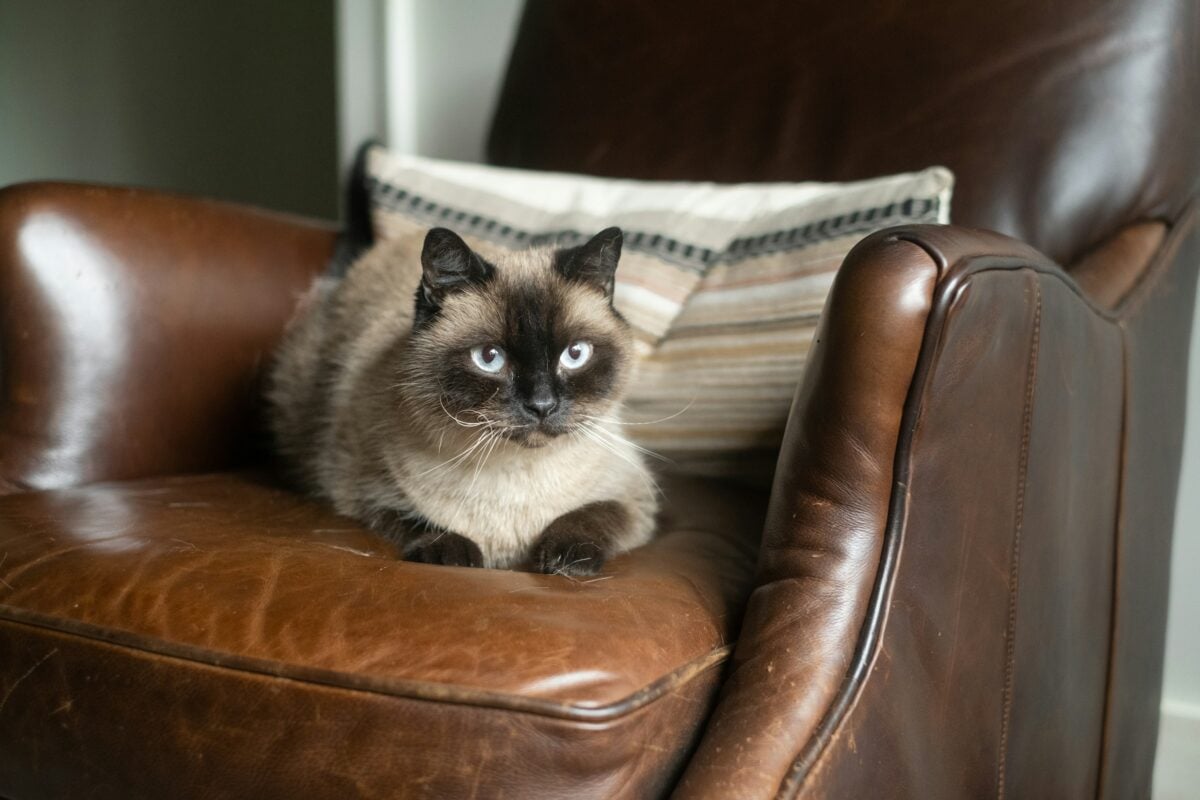
As the breed spread to Europe and the United States, its development took a different path. Over time, selective breeding pushed the Siamese toward a more exaggerated look — longer bodies, sharper angles, and a more vocal, high-energy temperament. This led to the distinct types seen today, ranging from rounder, traditional Siamese to the extreme wedge-shaped modern lines.
The result is a breed with a shared ancestry but a wide range of appearances and personalities, shaped as much by modern breeding choices as by ancient history.
Siamese Cats Didn’t Just Change — They Spawned Entire Breeds
The Siamese didn’t just evolve over time. Selective breeding and natural mutations led to several new breeds that preserve or exaggerate different aspects of the original Siamese look and personality.
- Balinese – A purebred Siamese with a natural genetic mutation that produces a medium-length, silky coat and plumed tail.
- Oriental Shorthair – A modern Siamese-type body and personality in dozens of solid colors and patterns.
- Oriental Longhair – Similar to the Oriental Shorthair but with a flowing, medium-length coat.
- Tonkinese – A deliberate cross between Siamese and Burmese, combining the Siamese’s sociability with a slightly softer build and more moderate personality.
- Thai Cat (Old-Style Siamese) – A distinct, recognized breed that preserves the rounder head, sturdier body, and softer features of the original imported Siamese. The Thai is registered with The International Cat Association and is often what people picture when they think of “classic” Siamese cats.
Head To Tail: What Sets Them Apart
While Birman and Siamese cats share the same blue-eyed, colorpoint foundation, their physical differences become much clearer once you know where to look.
Face & Expression
Birmans have soft, rounded faces with a broad skull that gives them a gentle, sweet expression. Their eyes are round, vivid blue, and set farther apart, and many have a subtle Roman nose paired with a strong jaw.
Siamese cats tend to look more intense. Traditional (applehead) Siamese have rounder heads and fuller muzzles, while Modern (wedge-head) Siamese are sharply angular, with long muzzles, slanted eyes, and pronounced cheekbones. Even the rounder Siamese types usually appear more defined than a Birman.
Body Build & Bone Structure
Birmans are medium to large cats with a sturdy, well-balanced build. Most adults weigh up to 15 pounds and measure roughly 15 to 18 inches long. They feel solid and substantial without looking bulky.
Siamese cats are noticeably slimmer. Males typically weigh 8 to 12 pounds, while females range from 5 to 8 pounds, with body lengths closer to 12 to 14 inches. Traditional Siamese are more muscular and compact, while Modern Siamese are long, fine-boned, and extremely lean.
Coat Type & Color Patterns
Both breeds are colorpoint cats, meaning their ears, face, legs, and tail are darker than the body. This shared trait is one of the main reasons they’re often confused.
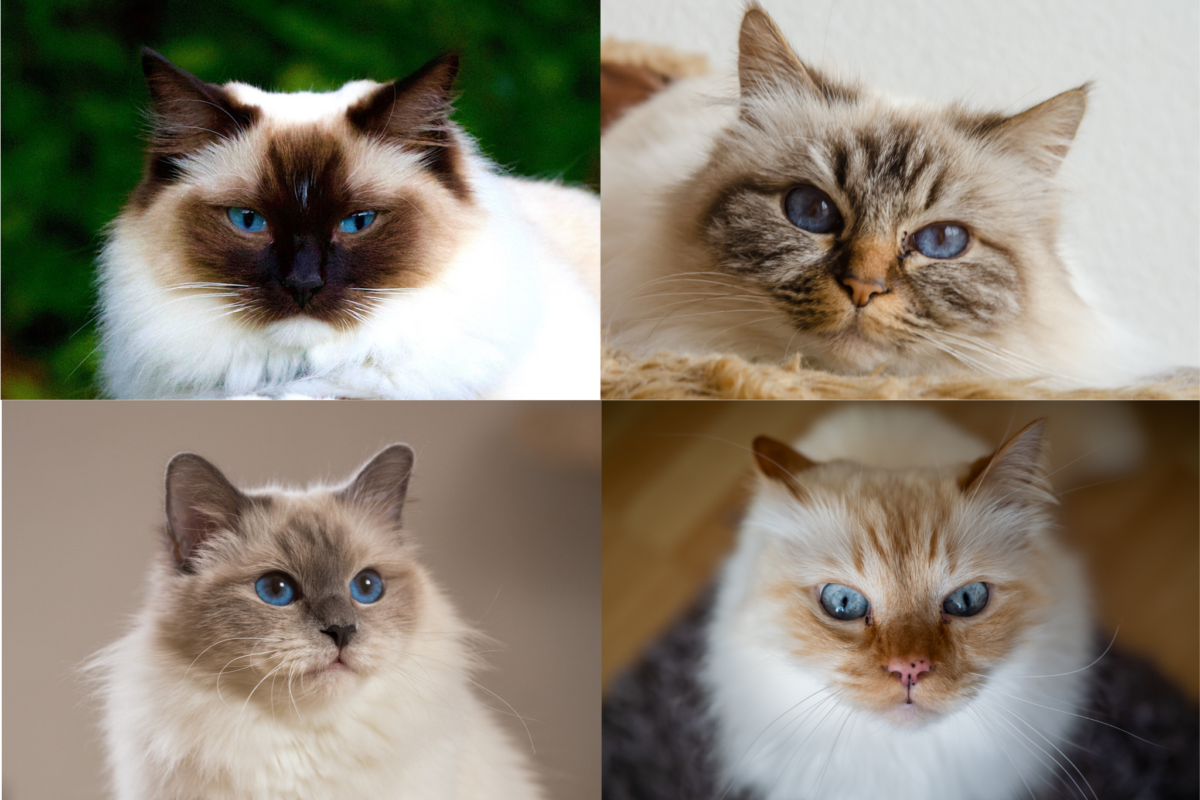
Birmans have a medium-length, silky coat with no undercoat, giving them a soft, plush look that resists matting. Kittens are born nearly white and gradually develop their color as they mature. Accepted colors include seal, chocolate, blue, and lilac points, with some tabby and tortie variations.
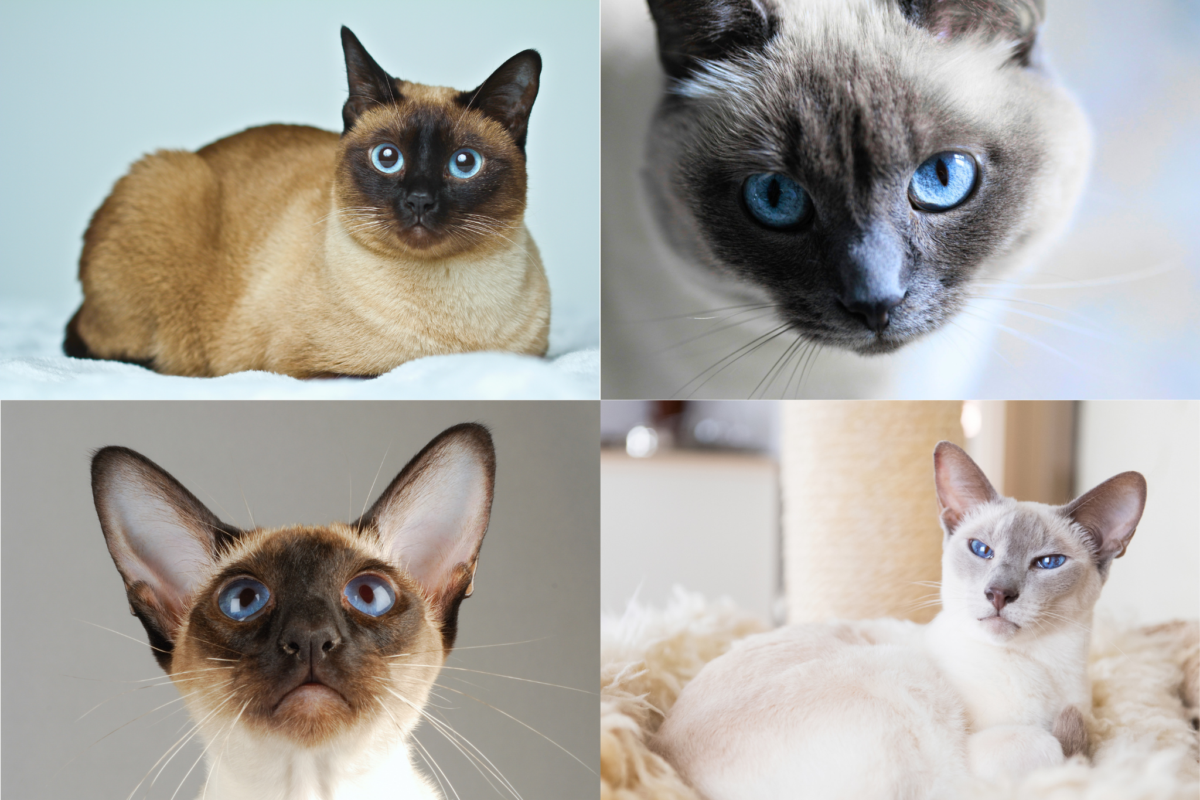
Siamese cats always have short, sleek coats that lie close to the body. They come in the same core colorpoint shades — seal, chocolate, blue, and lilac — with body colors ranging from pale cream to ivory or bluish white. All Siamese have vivid blue eyes.
Ear, Tail, & Paw Details
Birman ears are small to medium in size with gently rounded tips. Their tails are thick and plume-like, especially when relaxed. The most distinctive feature is their paws — Birmans always have white “gloves” on all four feet, a defining breed trait.
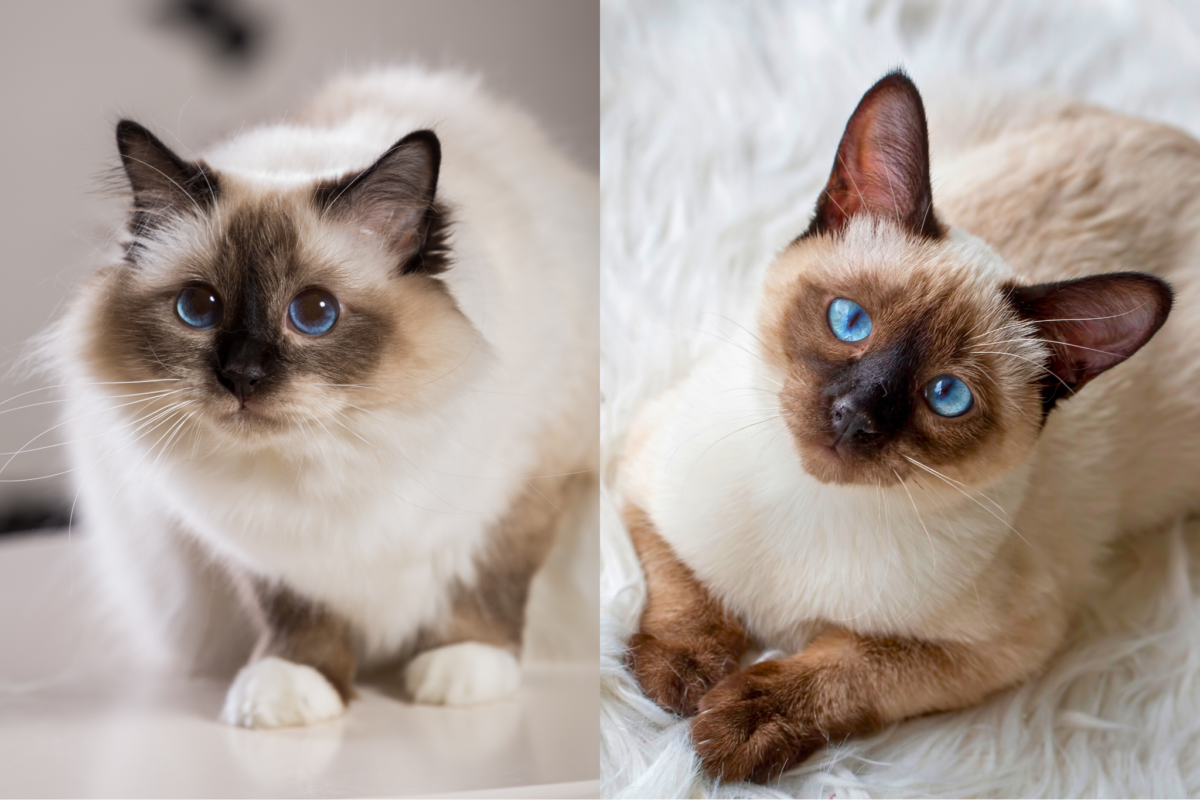
Siamese ears are larger, wider at the base, and more prominent, contributing to the breed’s alert, angular silhouette. Their tails are long and thin, sometimes described as whip-like. Siamese cats never have white paws, regardless of coat color or subtype.
Personality & Temperament: How These Cats Live With Humans
Birman and Siamese cats are both deeply people-oriented, but the way they interact with their humans feels very different day to day. One tends to offer steady, gentle companionship. The other actively demands engagement and interaction.
Understanding these differences matters far more than appearance when choosing between the two.
Sociability & Attention Needs
Birmans are social and enjoy being near their people, often following their humans from room to room. They adapt well to new people and environments and are generally easygoing in social situations.

That said, they don’t love being left alone for long periods and can become withdrawn or depressed without regular interaction.
Siamese cats are intensely social and thrive on constant engagement. They enjoy people of all ages and usually get along well with other cats and dogs.
This breed does best in busy households where someone is almost always home or where they have animal companions to keep them stimulated.
Affection & Bonding Style
Birmans are affectionate in a calm, steady way. They enjoy closeness and companionship without being overly demanding, often preferring quiet time beside their humans rather than nonstop interaction.
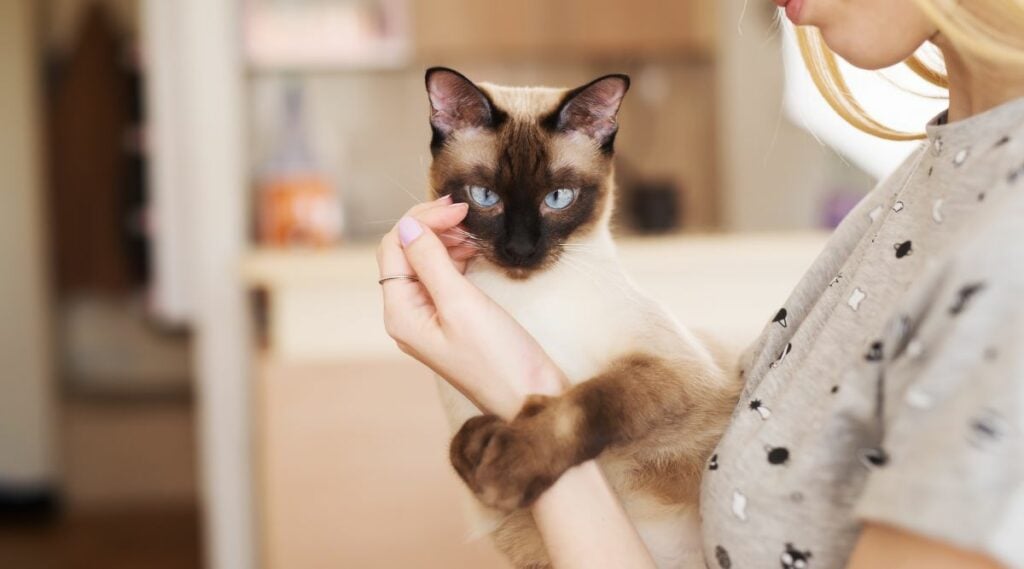
Siamese cats bond deeply and enthusiastically. They crave attention, physical closeness, and reassurance, and they’re not shy about asking for it. Many Siamese form especially strong attachments to their favorite person and expect frequent interaction throughout the day.
Playfulness & Energy Levels
Birmans are playful and curious but balanced in their energy. They’re happy to explore the house, follow their humans around, and engage in play, then settle in for long naps when things quiet down.
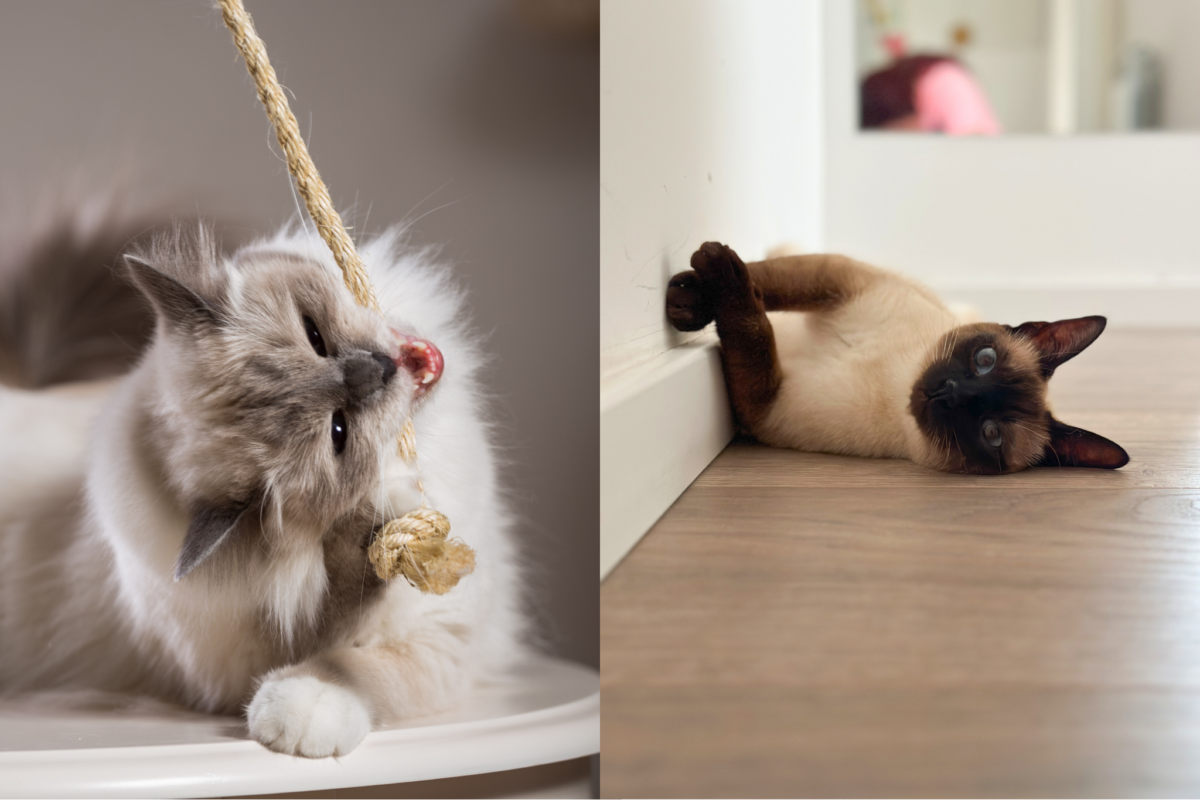
Siamese cats are highly active and athletic. They need frequent play sessions, climbing opportunities, and mental stimulation to stay happy. Without enough engagement, boredom-related behaviors can develop quickly.
Voice & Communication
Birmans are relatively quiet cats. Their voices tend to be soft and chirp-like, and they usually communicate subtly rather than loudly.
Siamese cats are famously vocal. They have a distinctive, loud, and expressive meow and often “talk” to their humans throughout the day. This constant communication is part of their charm for some owners — and a dealbreaker for others.
Intelligence & Trainability
Birmans are intelligent and eager to please. With patience and positive reinforcement, they respond well to basic training and routines, making them relatively easy to live with.
Siamese cats are exceptionally intelligent and curious. They love problem-solving, exploring, and learning tricks, but that intelligence can also get them into trouble. Many Siamese learn to open doors, turn on faucets, and investigate anything within reach.
Quick Takeaway for Buyers
- Choose a Siamese if you want an interactive, vocal, high-energy cat that thrives on attention
- Choose a Birman if you want a gentle, affectionate companion with a calmer presence
Living With One: Daily Care & Routine
Birman and Siamese cats don’t require complicated care, but their coats, energy levels, and emotional needs shape what day-to-day life with each breed feels like. Understanding those routines ahead of time helps avoid surprises after adoption.
Grooming & Shedding
Despite their long, elegant coats, Birmans are relatively low-maintenance for a long-haired breed. They have a single coat rather than a dense undercoat, which means they shed less than many longhaired cats and are unlikely to mat. A weekly brushing with a soft-bristle brush is usually enough to keep their coat smooth and silky.

Siamese cats are even easier to groom. Their short, fine coats lie close to the body and don’t shed heavily, making them a popular choice for people sensitive to cat hair. A quick weekly brushing helps remove loose fur and keeps their coat glossy.
Both breeds benefit from regular nail trims every few weeks to prevent cracking, overgrowth, or discomfort. While grooming, it’s also important to check ears for debris and maintain dental hygiene.
Birman and Siamese cats are both prone to periodontal disease, so regular tooth brushing with pet-safe toothpaste can make a meaningful difference in long-term health.
Feeding & Nutrition
Neither Birman nor Siamese cats have breed-specific dietary requirements, but both thrive on a high-quality, meat-based diet matched to their age and activity level. Protein supports muscle maintenance, while fat provides a key energy source and helps maintain coat condition.
Extra fats can support skin health and add shine to the coat, but moderation is important, especially for less active cats.
Hydration also plays a critical role in feline health. Many cats don’t drink enough water on their own, so incorporating wet food or adding water or broth to dry kibble can help prevent dehydration. Fresh, clean water should always be available.
Home Environment & Enrichment
Both breeds are affectionate and enjoy being part of the household. They do well with families and children, provided kids are taught to interact respectfully and gently.
Birmans tend to fit easily into a wide range of homes. They enjoy attention and play but are also content to relax nearby and settle into a predictable routine.
Siamese cats need a more stimulating environment. They bond intensely, often with one primary person, and crave frequent interaction.
Without enough companionship and mental stimulation, Siamese may develop separation-related behaviors such as excessive vocalizing or inappropriate elimination. Homes with multiple people, other pets, or plenty of interactive playtime are often a better match for this breed.
Daily Life Snapshot
- Birman: Low-shed long coat, moderate grooming, calm routines
- Siamese: Very low grooming needs, high emotional and interaction demands
Health & Lifespan
While both Birman and Siamese cats are generally healthy breeds, their genetics and breeding history influence the types of health issues they’re more likely to face over time. Knowing what to watch for, along with expected lifespan differences, can help you make informed decisions about preventative care and long-term veterinary planning.
Birman Health Conditions
While the Birman is a healthy breed overall, it is susceptible to developing certain health conditions, including:
- Gastrointestinal disorders: vomiting, diarrhea, and constipation
- Heart disease
- Hip dysplasia
- Kidney disease
- Mouth and gum disease
- Urinary conditions: Feline lower urinary tract disease (FLUTD), infections, and bladder stones
The Birman lifespan is 12 to 16 years. You can expect your Birman to live a long, happy life with a quality diet, daily exercise, and regular checkups with the veterinarian.
Siamese Health Conditions
While there are many prevalent health conditions within the Siamse breed, these appearances will vary in different breeding lineages; thus, it is crucial to know the family history of your Siamese.
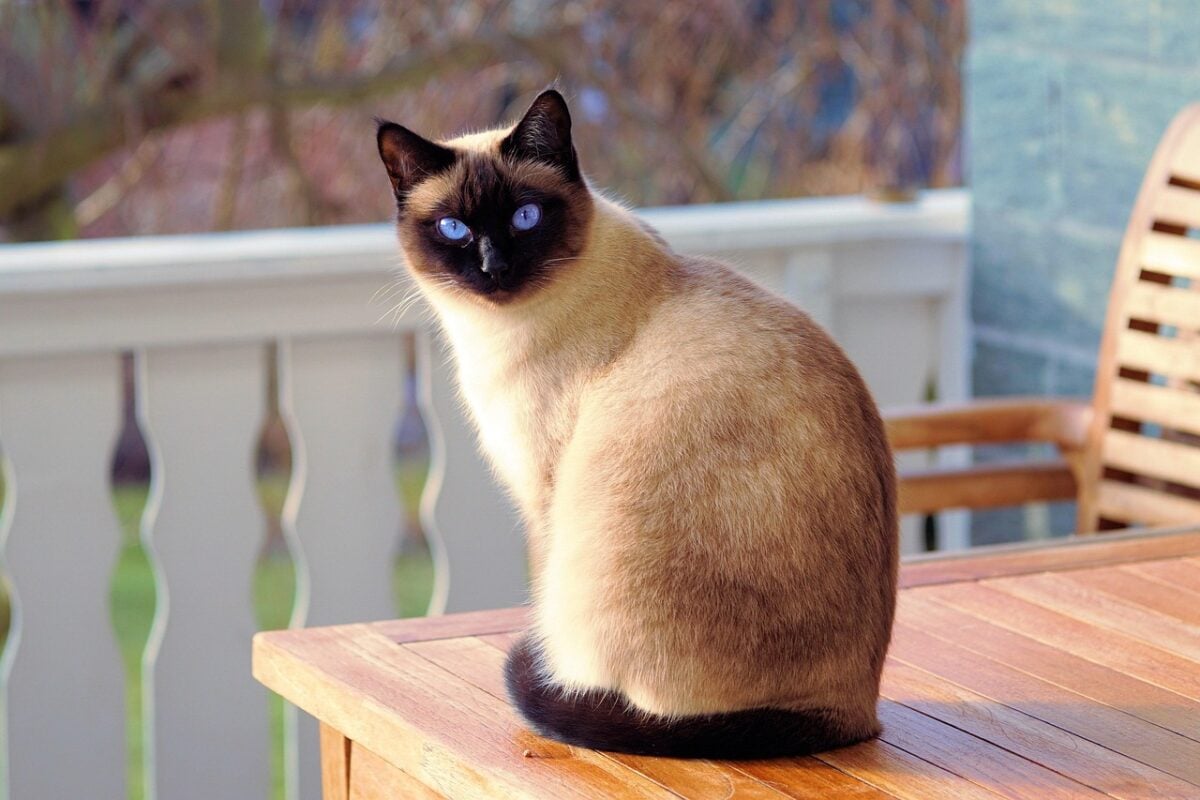
Take time to interview your Siamese breeders and get a full report on the family line and health history. Siamese cats are predisposed to the following conditions:
- Asthma
- Cancer (lymphoma, mast cell tumors, thymoma)
- Crossed eyes
- Feline hyperesthesia syndrome
- Hip dysplasia
- Pica
- Progressive retinal atrophy
- Lysosomal storage diseases
- Mouth and gum disease
- Sinus and respiratory problems
- Separation anxiety
- Systemic amyloidosis
- Vitiligo
Despite these conditions, on average, Siamese cats live from 15 to 20 years.
Price & Costs
When purchased from a breeder, pedigreed Birman kittens can cost $600 to $3,000. Birman cats are still rare, so don’t expect to find one at a rescue organization.
A Siamese cat may reach up to $1,000 for a pedigreed feline, though you can find a rescue Siamese and adopt for a couple hundred dollars or less.
Both cats require regular veterinary checkups to prevent illness and maintain good health. It is especially crucial to monitor the health of your Siamese, as they are prone to more health issues than the average cat.
Understanding Siamese Types: Why Appearance Varies So Much
When people talk about Siamese cats, they’re often not talking about the same-looking cat at all. Over time, selective breeding created distinct Siamese “types,” each with noticeably different features. This variation is a major reason Birman vs Siamese comparisons can feel inconsistent or misleading.
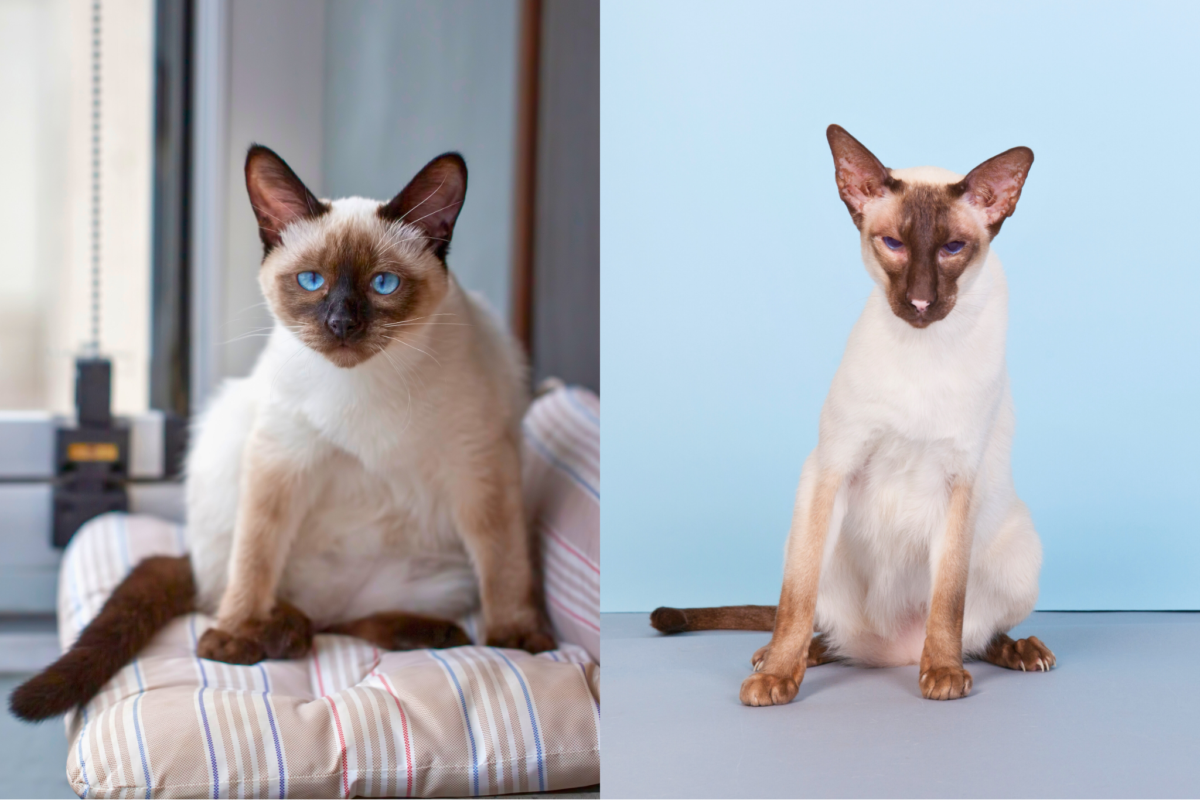
Here’s how the main Siamese types differ — and why it matters.
Traditional / Applehead Siamese
Traditional, or Applehead, Siamese most closely resemble the original cats imported from Thailand. They have rounder heads, fuller muzzles, sturdier bodies, and softer facial expressions.
Because of these traits, Applehead Siamese are the type most often confused with Birmans in photos. Their overall proportions are less extreme, which can make the two breeds look similar at a glance — especially to first-time buyers.
Classic Siamese
Classic Siamese fall somewhere between traditional and modern types. They retain some of the sleek elegance associated with Siamese cats but without the exaggerated angles seen in modern lines.
This type is less common today but represents a transitional look: longer and leaner than Applehead Siamese, yet still more moderate and balanced than wedge-head Siamese.
Modern / Wedge Siamese
Modern Siamese are the most visually striking and easiest to identify. They have long, fine-boned bodies, very large ears, narrow wedge-shaped heads, and sharply angled facial features.
This extreme look makes modern Siamese nearly impossible to confuse with a Birman in person. Their silhouette, posture, and facial structure are dramatically different, even though both breeds share blue eyes and colorpoint coloring.
Frequently Asked Questions
Choosing between a Birman and a Siamese often comes down to small details that don’t always show up in photos or breeder listings. These frequently asked questions cover the most common points of confusion, from appearance and temperament to grooming and living arrangements.
Don’t see your question? Respond in the comments, and we’ll get back to you!
How Can I Tell The Difference Between Birman Cats and Siamese Cats?
The easiest way to tell them apart is by looking at the paws. Birmans always have white “gloves” on all four feet, while Siamese cats never do.
You can also look at coat length and overall build. Birmans have longer, silkier coats and a sturdier body, while Siamese cats have short coats and a leaner, more angular appearance.
What Are Other Differences Between Birman Cats And Siamese Cats?
Beyond appearance, the biggest differences show up in personality and energy level. Birmans are generally calm, gentle, and quiet, making them well-suited for relaxed households. Siamese cats are far more active and vocal, constantly seeking interaction and stimulation.
While both breeds are social, Siamese cats tend to be more outgoing with strangers, children, and other pets. Birmans often prefer close bonding with their family and are more comfortable spending short periods alone. Siamese cats typically need near-constant companionship to stay happy.
Which Breed Is More Vocal, Birman Or Siamese?
Siamese cats are one of the most vocal cat breeds. They are known for loud, expressive meows and frequent “conversations” with their humans.
Birmans are much quieter, communicating with soft chirps or subtle sounds rather than constant vocalization.
Which Breed Is More Affectionate?
Both breeds are affectionate, but in different ways. Birmans tend to show affection calmly, enjoying close proximity and gentle companionship. Siamese cats express affection more intensely and demand frequent attention, cuddling, and interaction throughout the day.
Which Breed Is Easier To Groom?
Siamese cats are easier to groom overall due to their short, low-shedding coats. Birmans require slightly more grooming because of their longer fur, but their single coat means they’re still relatively low-maintenance compared to other long-haired breeds.
Are Birman or Siamese Cats Hypoallergenic?
No. Neither breed is truly hypoallergenic. That said, Siamese cats may shed less than many other breeds, which can make them easier for some allergy-sensitive people to tolerate.
Individual reactions vary, so spending time with a cat before adoption is always recommended.
Which Breed Is Better For Apartment Living?
Both breeds can adapt well to apartment life. Birmans tend to do well in quieter spaces with predictable routines. Siamese cats can thrive in apartments too, but only if they receive enough playtime, enrichment, and daily interaction to prevent boredom and stress.
Which Breed Is Better For First-Time Cat Owners?
Birmans are often easier for first-time cat owners due to their calm temperament and lower emotional demands. Siamese cats can be a great choice for experienced owners who want an interactive, high-energy companion and have the time to meet their social needs.
More Cat Comparisons
Still deciding which breed fits your lifestyle best? These side-by-side comparisons break down how other popular cats differ in temperament, care needs, and day-to-day living, so you can keep narrowing your options with confidence.
- Birman vs Ragdoll – A comparison of two gentle, blue-eyed companions with plush coats and loving temperaments.
- Bengal Cat vs Maine Coon – A side-by-side look at an energetic, wild-patterned breed versus a laid-back gentle giant.
- Siberian Cat vs Maine Coon – Two big, fluffy breeds built for cold climates, but with very different personalities and care needs.