When you purchase through links on our site, we may earn a commission at no extra cost to you. Learn more.
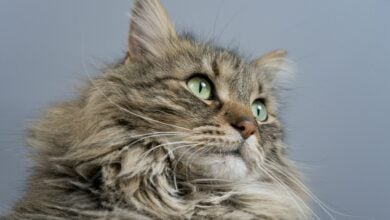
Most cat lovers will never see a German Rex in real life. Not because they are unpopular, but because they are extremely rare and not widely bred today.
Table of Contents
In fact, major cat registries, including The International Cat Association (TICA) and Cat Fanciers’ Association (CFA), don’t currently recognize the breed. So what happened?

 Weight5 – 10 pounds
 Height10 – 12 Inches
 Lifespan10 – 15 Years
 Coat TypeShort, soft, wavy
Start Here: The German Rex Is One Of The Rarest Cats You’ll Never See
The German Rex is a naturally curly-coated cat that arose from a spontaneous genetic mutation — the same one that also gave rise to other Rex breeds. But unlike those breeds, the German Rex never fully took off.
Breeding programs faded, lines blended, and over time, the breed quietly slipped into obscurity. Today, finding one is difficult. In some regions, it is nearly impossible.
Want our human-written content to rank above AI-generated garbage? Help us out by clicking this button!
Today, the German Rex is still recognized by organizations such as the Fédération Internationale Féline (FIFe) and the World Cat Federation (WCF), but it remains extremely rare, even in Germany.
How The German Rex Was Accidentally Created
The German Rex began with a single cat. In 1951, Dr. Rose Scheur-Karpin noticed a black, curly-coated female cat living around a hospital in Berlin. No one knew the cat’s origin, but her unusual coat immediately stood out.
Scheur-Karin adopted the cat, naming her Lämmchen — German for “little lamb.” When Lämmchen later had kittens, some were born with the same soft, wavy fur. This confirmed that a natural genetic mutation caused the coat.
Around the same time that Lämmchen was discovered, another curly-coated cat had already appeared in England. This cat became the foundation of the Cornish Rex.
The German Rex was bred throughout the 1960s by breeders in Europe and the United States; however, by 1970, breeding had virtually ended in the U.S. and slowed across Europe.
The Turning Point
In the early 1970s, a German Rex and a Cornish Rex cat were bred together, producing curly-coated kittens. This showed that the two breeds shared compatible genetics. That discovery changed everything.
Instead of developing separately, the lines were often combined.
Why The German Rex Almost Disappeared
Because of that genetic overlap, the German Rex slowly lost its identity. In many breeding programs, it was absorbed into the Cornish Rex rather than maintained as its own breed.
Over time:
- Fewer dedicated breeders remained
- Fewer pure lines were preserved
- The breed became increasingly difficult to find
Today, the German Rex still exists, but in very small numbers.
Reality Check: You Probably Won’t Find One
The German Rex is extremely rare. There are only a handful of active breeders, most of them located in Europe.
In many countries, including the United States, there are no established breeding programs. Even in Germany, where the breed originated, German Rex cats are uncommon.
In rare cases, you may find small, dedicated breeders working to preserve the breed. Most produce very limited litters and focus on maintaining existing lines rather than expanding the population. For example, breeders like Westerfeld German Rex and Irusan German Rex operate small programs centered on preservation.
What This Means For You
- You may need to join waitlists with no clear timeline
- You may need to travel internationally to find one
- You may never come across one at all
Like The Idea Of A Curly-Coated Cat?
If the German Rex caught your attention, it is not the only cat with a curly coat.
“Rex” cats are a small group of breeds known for their naturally wavy or curly fur. What makes them unusual is that each one developed from a distinct, unrelated genetic mutation.
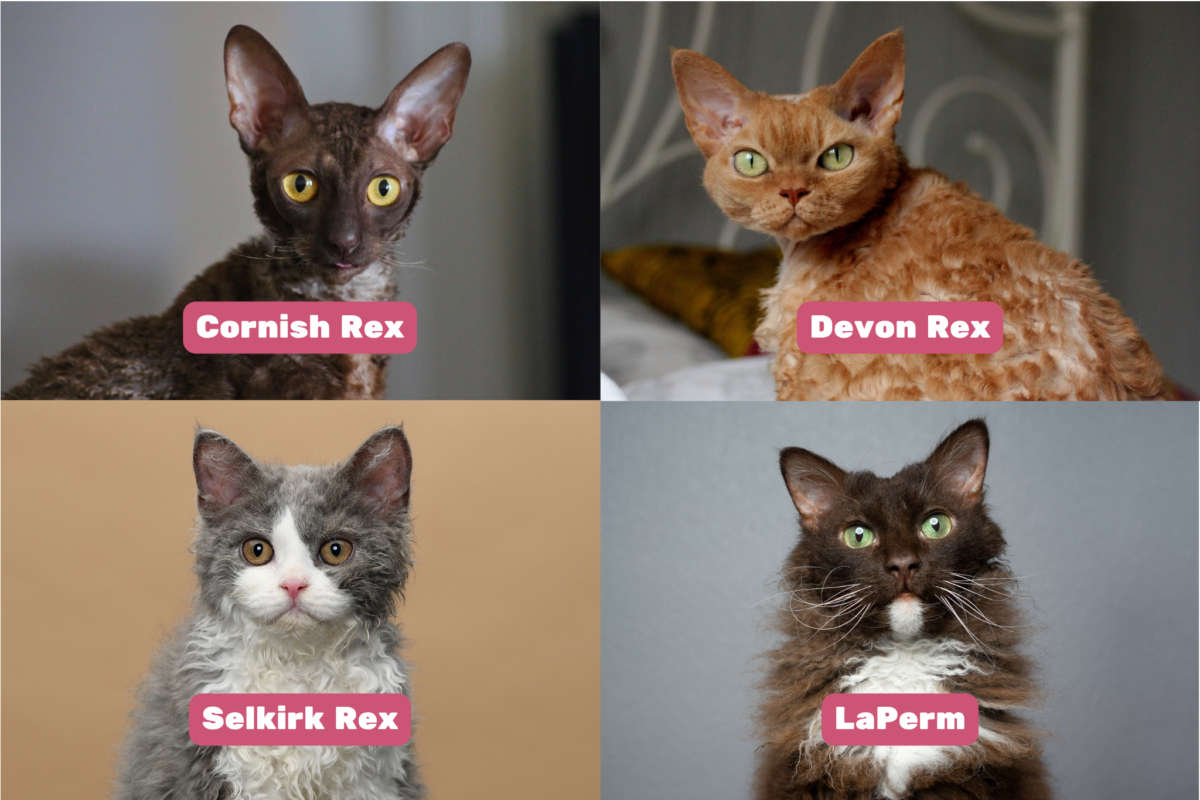
Curly-Coated Cat Breeds
- Cornish Rex: Very short, tight waves and a sleek, slender body. High energy and extremely social.
- Devon Rex: Soft waves, elfin appearance, and a playful, mischievous personality.
- Selkirk Rex: Thick, plush curls with a soft, teddy bear-like appearance and quiet personality.
- LaPerm: Soft, springy curls that can range from loose waves to ringlets. Friendly and gentle.
Check out our full guide to curly-haired cat breeds.
What Do German Rex Cats Actually Look Like?
The German Rex is medium-sized. They have a muscular build, long limbs, and a surprisingly sturdy frame. Most weigh between 5 and 10 pounds, with males and females staying fairly similar in size.
Face & Expression
The German Rex has a soft, rounded overall look, with subtle structure.
Key features include:
- Rounded head with full, developed cheeks
- Medium-sized eyes that are wide and open
- Slightly curved profile rather than a sharp or angular face
- Large ears set wide apart with gently rounded tips
- Lightly crinkled whiskers
Their expression tends to look alert, open, and quietly curious rather than intense or sharp.
Coat Texture (The Defining Trait)
This is where the German Rex stands out from other cat breeds. Their coat is short, soft, and wavy, with no guard hairs, giving it a very different feel from most cats.
Instead of a typical fur texture, it feels velvety. The curl pattern is usually subtle rather than tightly defined, creating a soft, rippled appearance across the body.
Low Maintenance, But Not No Maintenance
The German Rex coat is easier to manage than many long-haired breeds, but it still needs care.
- Occasional brushing helps remove loose hair
- Over-grooming can damage the delicate texture
- Skin can be more exposed due to the lack of guard hairs
Gentle handling matters more than frequent grooming.
Colors & Patterns
German Rex cats come in a wide range of colors and patterns, including:
- Solid colors like black, blue, red, cream, and white
- Tabby, bicolor, tricolor, and patterns (e.g., tortoiseshell, calico)
- Shaded and smoke variations
Unlike some breeds, there is no single “signature” color. The coat texture is what defines them.
Personality Deep Dive: Playful, Smart & Highly Attached
The German Rex is not a low-key, background pet. They are highly social, very intelligent, and tend to form strong bonds with their people.
Very People-Oriented
German Rex cats do not just tolerate attention; they crave it. They tend to follow their owners from room to room, stay nearby throughout the day, and insert themselves into whatever is happening. Sitting beside you is often not enough. Many prefer to be directly involved.
They are known for becoming deeply attached and may struggle if left alone for long periods.
Playful With A Lot Of Energy
This is a curious, active breed that needs regular interaction. They enjoy:
- Chasing toys
- Climbing and exploring
- Interactive games like fetch
- Learning new tricks
Their energy tends to come in bursts, followed by periods of rest, but they do need consistent stimulation to stay engaged.
Intelligent & Easy To Train
These cats are quick learners. They respond well to routines and positive reinforcement.
Many can be trained to:
- Walk on a leash
- Perform simple tricks
- Follow basic commands
They enjoy the process, especially when it involves attention and rewards.
Do They Need A Companion?
German Rex cats tend to do best with company. They are highly social and often benefit from having another cat in the home, especially one with a similar energy level. Without enough interaction, they can become bored or overly dependent on their owner for stimulation.
Social Dynamics With Other Cats
While friendly, some German Rex cats can show a more dominant personality when interacting with other cats, especially if paired with a more reserved or low-energy companion. Matching personalities matters.
Quiet, Soft-Spoken Communication
Unlike more vocal breeds, the German Rex typically has a softer, more melodic voice. They communicate, but in a quieter, less demanding way.
Quick Takeaway: This breed is best for someone who wants an interactive, social companion and can provide consistent attention or companionship.
What It’s Actually Like To Live With A German Rex
Living with a German Rex is less about maintenance and more about interaction. They are relatively easy to care for physically, but they do require time, attention, and engagement.
Grooming: Simple, But Slightly Different
Their short, fine coat does not need heavy brushing.
- Light brushing once a week is usually enough
- Over-brushing can damage the delicate coat
- Because they lack guard hairs, their skin can become oily
Some German Rex cats benefit from occasional bathing, especially if their coat starts to feel greasy.
Shedding & Allergies
German Rex cats shed less than many other breeds, but they are not hypoallergenic. All cats produce allergens through dander and saliva. Their shorter coat may spread less of it, but it does not eliminate the issue.
Activity & Enrichment
These are active, curious cats. They do best with:
- Daily interactive play
- Climbing space, like cat trees or wall shelves
- Rotating toys to prevent boredom
Without enough stimulation, they will find their own ways to stay entertained.
They Do Not Like Being Alone
German Rex cats form strong bonds and prefer not to be left alone for long periods. They thrive in homes with consistent human interaction and often do better with another pet.
Daily Life
They tend to stay close to their people and want to be involved in everyday routines. Expect a cat that:
- Follows you from room to room
- Joins you on the couch or in bed
- Prefers interaction over independence
Health & Lifespan: What Owners Should Know Early
The German Rex is generally considered a healthy breed. Because there are so few dedicated breeding lines, there is limited large-scale data on breed-specific health trends. However, there are no widely recognized genetic conditions strongly associated with the German Rex.
General Health Considerations
Like all cats, they can still be prone to common feline health issues, including:
- Dental disease
- Obesity if under-exercised
- Allergies or skin sensitivity
Their lack of guard hairs can also make their skin slightly more exposed, which may lead to oil buildup and irritation.
Lifespan
German Rex cats typically live 12 to 15 years, similar to many other domestic cats.
Lifespan is influenced by:
- Diet and nutrition
- Weight management
- Indoor vs outdoor lifestyle
- Regular veterinary care
What Matters Most
Because this breed is so rare, overall health depends more on individual care and responsible breeding than on breed-wide trends. If you can find a breeder, it is especially important to:
- Ask about lineage and breeding practices
- Ensure kittens are raised in a healthy environment
- Stay consistent with preventative veterinary care
What You’ll Actually Spend (If You Can Find One)
The rarity of the German Rex directly affects cost. If you do find one, expect to pay more than you would for a typical cat, and possibly more than for many established purebred breeds.
Upfront Cost
Most available kittens come from small European breeders rather than large-scale programs.
- Typical range: Around $1,000 to $2,000+
- Highly limited availability: Prices can vary widely due to scarcity
- Location matters: Many breeders are based in Europe
Because there are so few active breeding programs, pricing is often less standardized than with more common breeds.
Additional Costs To Consider
For many buyers, the biggest expense is not the cat itself.
- Travel costs: You may need to travel internationally or arrange transport
- Waitlists: Some breeders have limited or infrequent litters
- Import requirements: Health certificates, vaccinations, and paperwork
In some cases, these costs can exceed the price of the cat.
Ongoing Costs
Day-to-day care is similar to that of other cats, with a few small differences:
- Slightly higher grooming attention due to skin and coat sensitivity
- Regular veterinary care and preventative health
- Food and enrichment appropriate for an active, social cat
Quick takeaway: Finding a German Rex is often harder than paying for one. The real investment is time, access, and availability.
Pros & Cons Of Owning A German Rex
The German Rex has a lot going for it, but it is not the right fit for every home.
Pros
- Affectionate and people-focused: They form strong bonds and enjoy being involved in daily life
- Playful and intelligent: Easy to engage with and responsive to training
- Unique coat texture: Soft, velvety fur that feels very different from most cats
- Generally low grooming effort: Short coat with minimal brushing required
- Rare and distinctive: A truly uncommon breed that stands out
Cons
- Extremely difficult to find: Limited breeders and very low availability
- Needs regular interaction: Not ideal for homes where the cat will be alone often
- Can develop separation anxiety: Strong attachment means they do best with companionship
- May be dominant with other cats: Requires thoughtful introductions and compatible companions
- Skin and coat sensitivity: May require occasional bathing and gentle handling
Quick Reality Check: The German Rex is a great fit if you want a highly interactive, social companion and are prepared to put in the work to find one. If you are looking for a low-effort or easy-to-acquire breed, this is likely not the best match.
Frequently Asked Questions
The German Rex is one of the least common cat breeds, which means many people have the same questions about what it is, how it compares to other Rex cats, and whether it is even possible to find one. Here are the answers to the most common questions.
Don’t see your question? Respond in the comments, and we’ll get back to you!
Is The German Rex Extinct?
No, the German Rex is not extinct; it is, however, extremely rare. The breed still exists in small numbers and is recognized by some registries. However, it is not widely bred and can be very difficult to find.
Why Isn’t The German Rex Recognized By CFA Or TICA?
Some major registries, including The International Cat Association and Cat Fanciers’ Association, do not currently recognize the German Rex. This is largely due to its limited population and its genetic similarity to other Rex breeds, especially the Cornish Rex.
Is The German Rex The Same As A Cornish Rex?
They developed from similar genetic mutations, and in some breeding programs, their lines were combined. This is one reason the German Rex became less distinct over time.
Are German Rex Cats Hypoallergenic?
No, German Rex cats are not hypoallergenic. They may shed less than some breeds due to their short, fine coat, but all cats produce allergens through dander and saliva.
Do German Rex Cats Shed A Lot?
German Rex cats typically shed less than many other breeds, but they do still shed. Their short coat makes shedding less noticeable, though seasonal changes can increase it.
Are German Rex Cats Good With Other Pets?
Yes, they are generally social and adaptable. However, they can sometimes show a more dominant personality with other cats, so it is important to match them with compatible companions and introduce them carefully.
Are German Rex Cats High Maintenance?
They are moderate maintenance. Their grooming needs are relatively simple, but their social nature means they require regular interaction and attention.
Still Curious About Rare Cat Breeds?
The German Rex is just one example of how unusual and diverse the cat world can be. If you are drawn to unique coat types or rare breeds, there is plenty more to explore.
These guides break down other rare and distinctive cats, including breeds that are easier to find and more widely recognized.