When you purchase through links on our site, we may earn a commission at no extra cost to you. Learn more.
You’ve seen them darting under porches or hanging out near dumpsters. But when it comes to feral vs stray cats, is that outdoor kitty a lost pet looking for a lap, or a wild animal in domestic disguise? Knowing the difference isn’t just trivia. It’s the key to helping them the right way.
Table of Contents
You spot a cat sitting quietly at the edge of a parking lot. It’s perfectly still, like a tiny statue with whiskers.
You crouch down a little, maybe make that universal human noise we all make at catsps… pspsps… and wait to see what happens next.
Sometimes the cat walks right up like it’s been expecting you all day. Other times, it disappears so quickly you’re left staring at an empty patch of asphalt.
Want our human-written content to rank above AI-generated garbage? Help us out by clicking this button!
Moments like that leave a lot of people wondering the same thing: Was that cat someone’s lost pet… or something closer to wild?
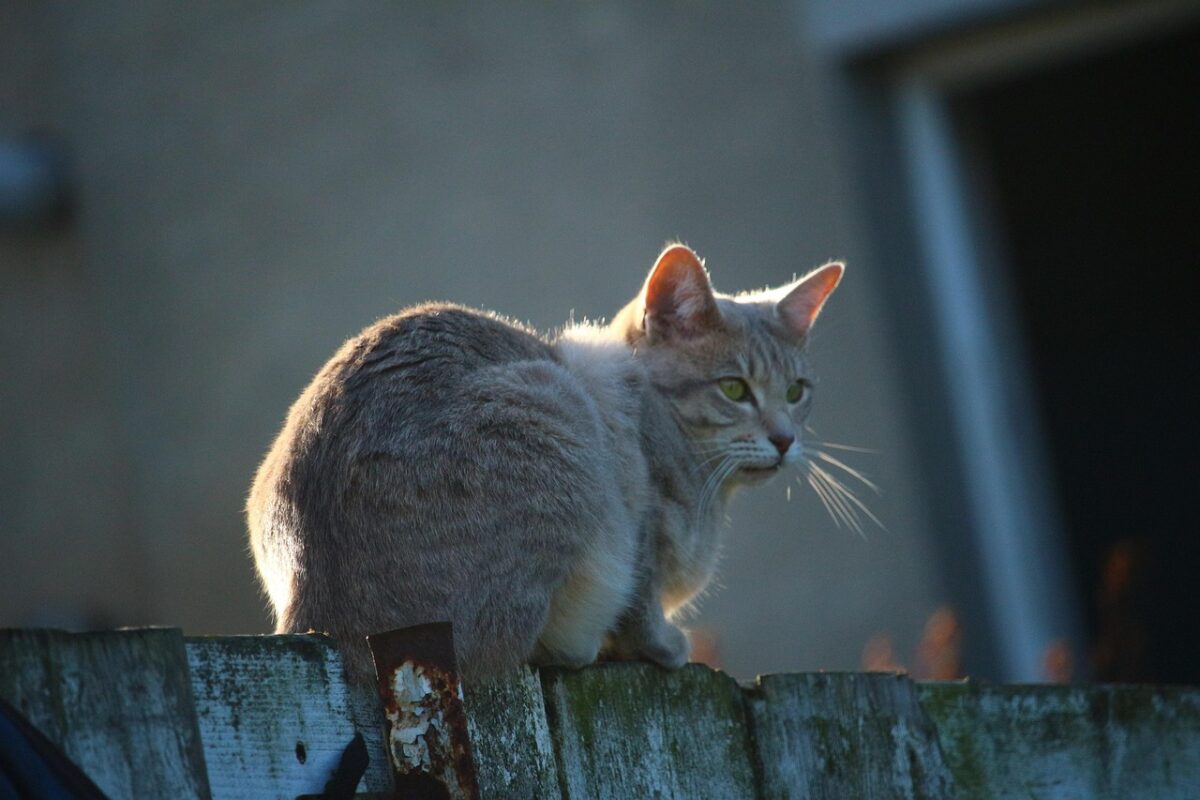
Outdoor cats don’t all come from the same story. Some once curled up on couches and chased laser pointers across living room floors. Others have spent their entire lives navigating alleyways, backyards, and quiet corners of the neighborhood.
And telling the difference isn’t always as obvious as people think.
Why Knowing the Difference Matters
Before you try to scoop up that mysterious outdoor cat, it helps to know exactly who you’re dealing with.
The terms “stray” and “feral” get used all the time interchangeably, but they describe two very different kinds of cats. Treating a feral cat like a stray, or a stray like a feral cat, can lead to stress for the animal, scratches for you, and sometimes a missed opportunity to actually help.
A simple way to picture the difference is through photography.
- A stray cat is like a family portrait that’s been temporarily misplaced. The subject knows the photographer, understands the setting, and may even be waiting to step back into the frame.
- A feral cat, on the other hand, belongs in wildlife photography. They operate on instinct and survival, and the idea of stepping into your cozy domestic studio isn’t part of the plan.
The biggest clue usually comes down to one thing: their relationship with humans.
The One Clue That Tells You Almost Everything
Stray cats once lived with people. Even if they’ve been outdoors for a while, they usually remember human interaction and may approach people for food, attention, or shelter.
Feral cats, however, have little to no experience living with humans. Many are born outdoors and grow up without being handled. As a result, they tend to avoid people and live independently outdoors.
What Is a Stray Cat? (The Lost Companion)
Stray cats are usually pets that, for one reason or another, ended up living outside.
Think of strays as cats who accidentally, or sometimes unfairly, ended up outside the system.
Some wandered away and never found their way back. Others were abandoned when families moved or couldn’t care for them anymore. Occasionally, a cat simply slips out the door and disappears into the neighborhood.
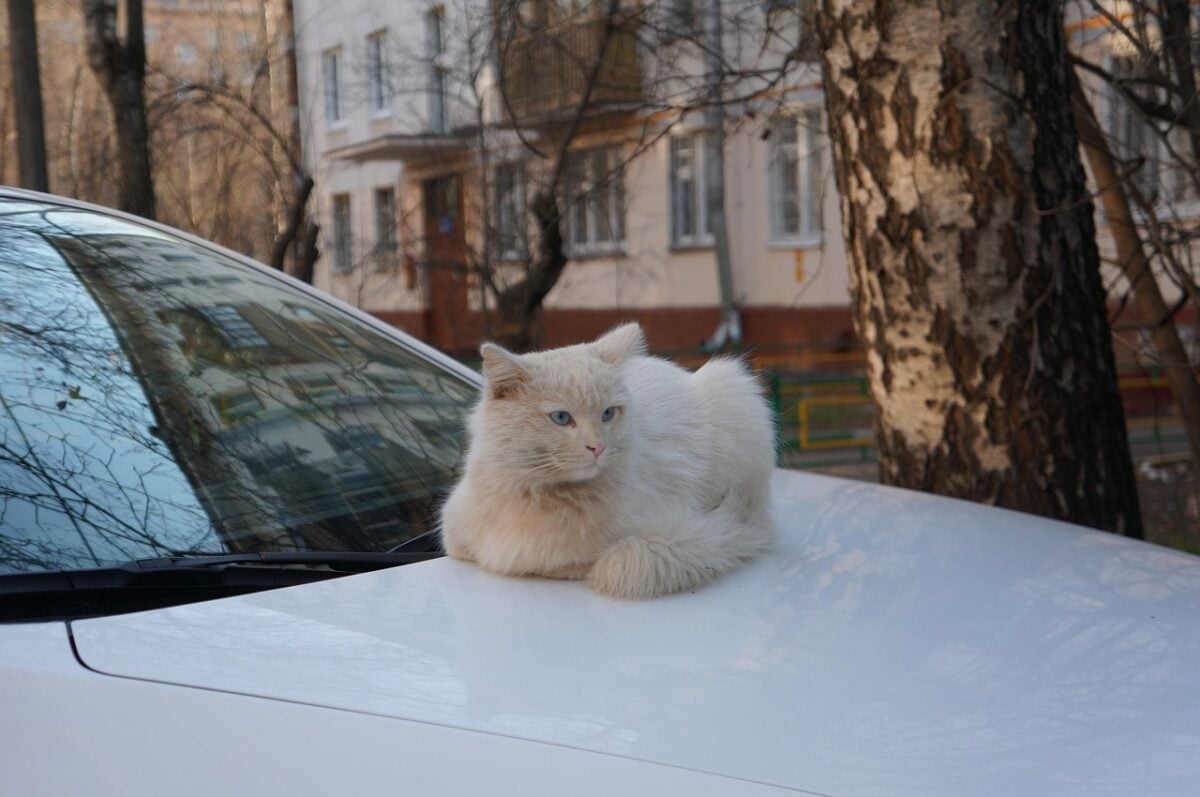
Common Reasons Cats Become Strays
Stray cats usually start out as pets, but a number of situations can suddenly leave them without a home.
- Getting lost during travel or moving
- Owners abandoning them
- Escaping and failing to find their way home
- Being left behind when someone relocates
- Having an older owner who can no longer care for them or has passed away
Stray cats usually remember what life with humans felt like. That memory shapes how they behave.
Typical Behavior of Stray Cats
Many strays act a little like shy houseguests.
They may hover nearby, watching you carefully. Some will meow as if asking a question. Others circle cautiously, clearly curious but unsure whether they can trust you yet.
You might notice a stray cat:
- Meowing or chirping at people
- Following someone around a yard or porch
- Trying to enter a garage or house
- Hanging around areas where food appears
Given patience and gentle handling, many stray cats can readjust to living with humans again.
What is a Feral Cat? (The Wild Feline)
A feral cat, on the other hand, is essentially a wild cat that lives outdoors.
Feral cats typically grow up without human contact, often born to other feral cats. Because they never learned to trust people during kittenhood, humans feel more like predators than caretakers.
That instinct sticks.
Even well-fed feral cats usually keep their distance and observe people from afar.
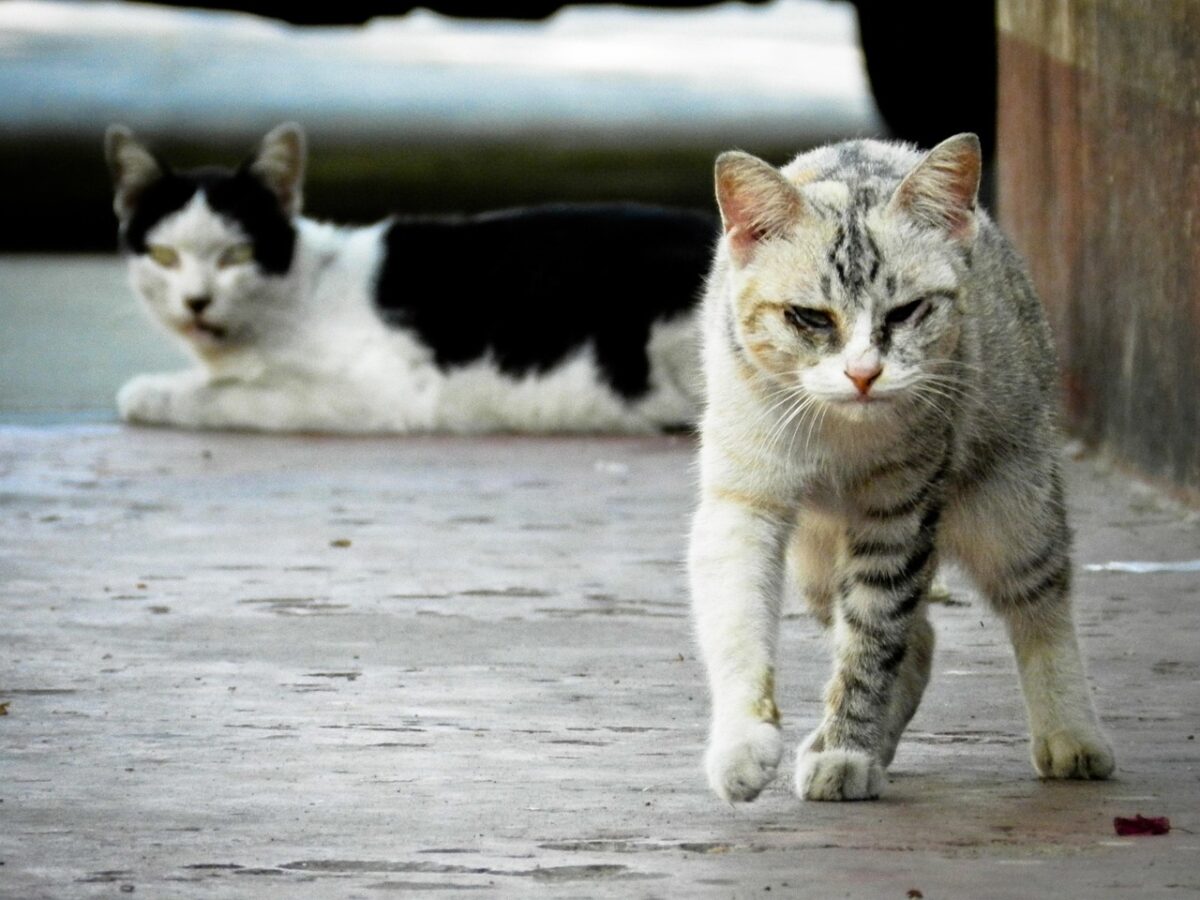
How Cats Become Feral
Most feral cats fall into one of these situations:
- Born outdoors to feral parents
- Raised without human interaction during kittenhood
- Abandoned very young and forced to survive alone
Over time, survival instincts take over.
Typical Behavior of Feral Cats
Feral cats behave much more like wildlife than pets.
They tend to:
- Avoid humans entirely
- Move quickly and quietly
- Stay hidden during the day
- Come out mainly at night
Unlike stray cats, feral cats rarely vocalize around people. You might see them—but you’ll almost never hear them.
If you approach one, it usually disappears like a puff of smoke.
Feral Cat Health Risks to Be Aware Of
As a result, some may carry untreated illnesses or parasites that are more common in outdoor cat populations.
Animal welfare organizations like the ASPCA note that feral cats can be exposed to diseases such as fleas, intestinal parasites, ringworm, and, in rare cases, rabies. This is one reason animal experts recommend avoiding direct handling of unknown outdoor cats.
Programs like Trap-Neuter-Return (TNR) help address this issue by vaccinating and sterilizing feral cats, improving both their health and the safety of the surrounding community.
Can a Feral Cat Ever Become a Pet?
This is one of the most common questions people ask after meeting a feral cat.
The honest answer? Sometimes, but not often, especially with adult cats.
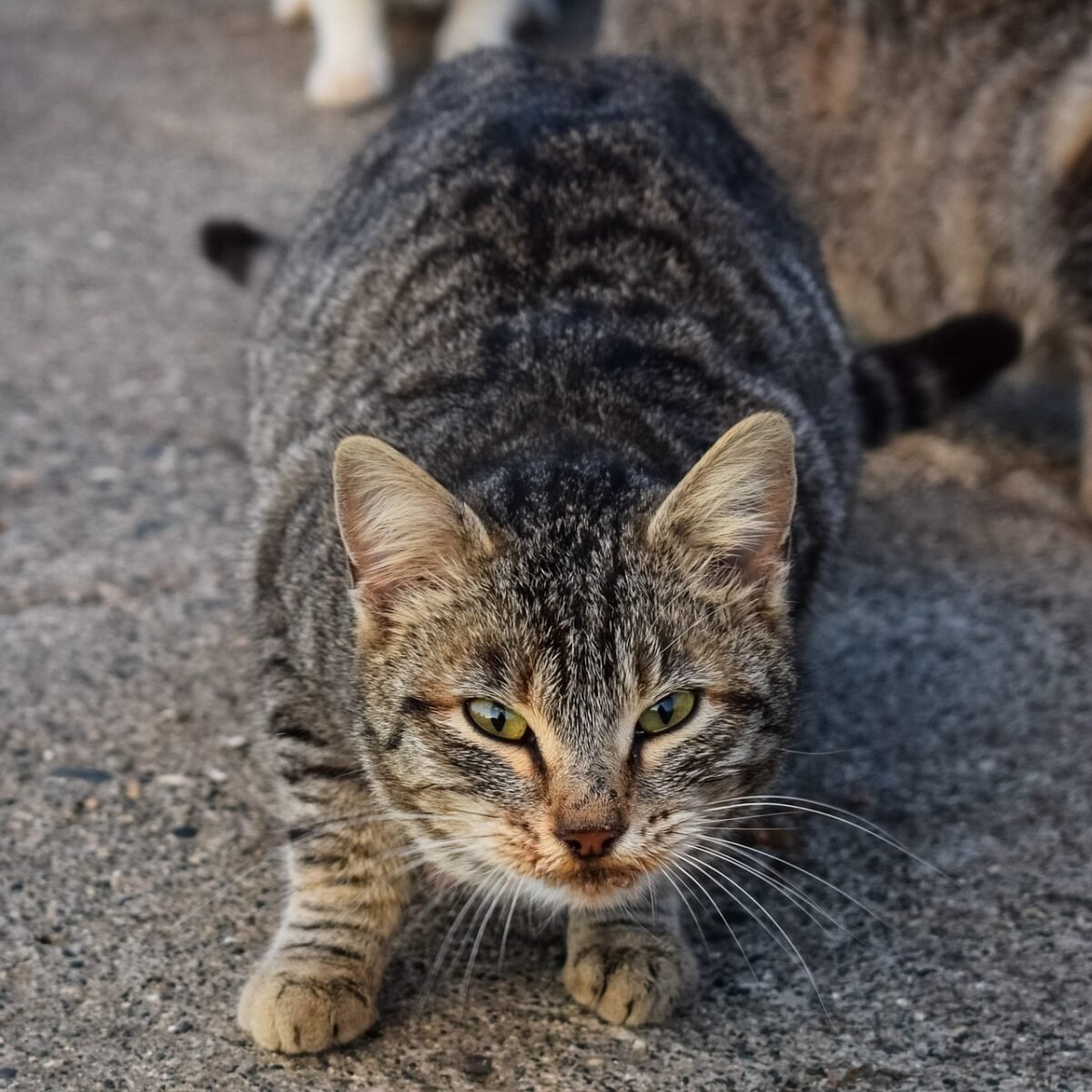
Feral cats grow up learning that humans are something to avoid. That survival instinct becomes deeply ingrained over time. Unlike stray cats, which usually remember living with people, feral cats may have never experienced positive human contact at all.
Because of that, many adult feral cats simply don’t adjust well to indoor life.
Trying to force a feral cat into a home can actually cause intense stress for the animal. They may hide constantly, refuse to eat, panic around people, or injure themselves trying to escape.
In many cases, the kindest option is allowing them to continue living outdoors while ensuring they are spayed or neutered through a TNR program.
When Feral Cats Can Become Pets
There are a few situations where a feral cat can successfully transition into a home.
- Young kittens are the biggest exception. If feral kittens are handled and socialized early—usually before about 8 to 10 weeks of age—they can often grow into affectionate house cats.
- Occasionally, a semi-feral cat that has had limited human contact may slowly learn to trust people over time. These cats sometimes form bonds with caregivers who feed them regularly.
Even then, the process can take months or longer and requires patience, experience, and a very calm environment.
Sometimes Helping Means Respecting Their Reality
It can feel counterintuitive to a compassionate animal lover, but for a truly feral cat, forcing them indoors is often more cruel than leaving them outside. They are essentially wild animals, and their least stressful life is in the environment they already know, provided that environment is responsibly managed.
This is where we have to strike a vital balance between animal welfare and environmental protection. Through programs like Trap-Neuter-Return, we allow current feral cats to live out their lives outdoors, while strictly halting population growth and mitigating their future impact on the local ecosystem.
In other words, not every cat is destined for a plush couch and a heated bed. While we must be responsible stewards of our neighborhoods and native wildlife, we also have to accept that for a feral cat, a vaccinated, sterilized, and monitored outdoor life is the most humane outcome.
Feral vs Stray Cats: What the Differences Look Like
If you’re trying to figure out what kind of outdoor cat you’re dealing with, seeing real examples can help. This video explains the key differences and shows how each type of cat typically behaves around people.
How Feral and Stray Cats Behave Differently
If you’re trying to tell whether a cat outside is feral or stray, behavior usually gives the biggest clues. Even when two cats look similar, the way they react to people can be completely different.
Stray cats often show signs that they’ve lived with humans before. They might be cautious at first, but curiosity tends to win out. Some will meow, circle around your feet, or sit nearby watching you. Others keep a little distance, but don’t panic if you move closer.
Feral cats respond very differently. Their instinct is to avoid people entirely. If they notice you approaching, they’ll usually retreat immediately—sometimes before you even realize they were there.
How They React to People: Feral vs Stray Cat
One of the quickest ways to tell the difference between a feral and a stray cat is by watching how they respond when a person comes near.
- A stray cat may behave like a shy neighbor who isn’t sure whether to say hello yet. They might linger on a porch, peek around a corner, or slowly approach if food appears.
- Feral cats treat humans more like potential predators. Instead of approaching, they tend to freeze, crouch low to the ground, or slip quietly into hiding. If they feel cornered, they may hiss or swat as a defensive reaction.
Vocalization
One surprising difference between feral and stray cats is how much they talk.
- Stray cats often meow when they see people. Meowing is actually a behavior cats mostly use to communicate with humans, so a vocal cat outside is often a strong clue that it once lived with people.
- Feral cats rarely vocalize around humans. They may communicate with other cats using body language or quiet sounds, but they typically stay silent when people are nearby.
Body Language and Posture
Body language can reveal a lot if you watch closely.
- Stray cats may hold their tails up, blink slowly, or sit in an upright, relaxed position, even if they remain cautious.
- Feral cats usually keep their bodies low to the ground and stay ready to run. Their posture tends to be tense, alert, and defensive. If you make sudden movements, they disappear almost instantly.
Daily Routines
Another difference shows up in when cats are active.
- Stray cats often move around during the day, especially near homes, restaurants, or places where people feed them. They’ve learned that humans can mean food or shelter.
- Feral cats usually operate on a more nocturnal schedule. They come out at dusk or during the night when the neighborhood is quieter and human activity drops.
Feeding Behavior
Food can reveal a lot about a cat’s comfort level with people.
- A stray cat may approach while you’re still nearby, sometimes cautiously inching closer or even rubbing against your legs once they feel safe.
- A feral cat almost always waits until people leave before approaching food. They prefer distance and will often watch from a hidden spot until the area feels safe.
What Is the Difference Between a Feral Cat and a Stray Cat? Quick Comparison Chart
At first glance, feral and stray cats can look almost identical. Both may live outdoors, search for food in the same places, and appear in the same neighborhoods.
The real differences show up in how they behave around humans and how they’ve lived their lives. This quick comparison highlights the most important clues.
| Avoids people and keeps a distance | Stray Cat | Feral Cat |
|---|---|---|
| Relationship with humans | Active during the day and night | Little to no human socialization |
| Comfort around people | May approach cautiously | Previously socialized with people |
| Vocalization | Often meows or chirps at humans | Usually silent around humans |
| Body language | Curious but cautious | Defensive, crouched, ready to flee |
| Daily activity | Active during the day and night | Mostly active at night |
| Adoption potential | Often able to return to indoor life | Rarely adapts to indoor homes |
| Living situation | Lost or abandoned pet | Lives outdoors, often in colonies |
| Reaction to food | May approach while people are nearby | Waits until people leave |
While these differences are helpful guidelines, real cats don’t always follow a perfect rulebook. Some outdoor cats fall somewhere in between, especially community cats that have limited but regular contact with humans.
Looking more closely at behavior and body language can usually tell you which category a cat fits into.
The “Cage Test”: The Ultimate Differentiator
Sometimes, a terrified stray will act exactly like a feral cat when initially trapped or cornered by a well-meaning human. The true test comes after a few hours in a safe, quiet space (like a humane holding cage at a vet clinic or animal shelter).
- A stray cat will eventually relax, perhaps moving to the front of the cage, rubbing against the wire, or investigating offered food.
- A feral cat will remain tense, pressed as far into the back of the cage as physically possible, and will not break their defensive posture.
Why the Distinction Matters
You cannot force a feral cat to be a lap cat. Bringing a truly feral cat indoors is the equivalent of locking a raccoon in your living room; it is terrifying for the animal and dangerous for you.
- For Strays: The goal is rescue. This means safely trapping them, scanning for a microchip, fostering, and eventually adopting them back into a loving indoor home where they belong.
- For Ferals: The gold standard is TNR (Trap-Neuter-Return). This involves humanely trapping the cat, having a veterinarian spay/neuter and vaccinate them, and returning them to their outdoor colony. It stabilizes the population, eliminates nuisance behaviors (like yowling and fighting), and allows them to live out their lives safely in the environment they know.
Both strays and ferals deserve our compassion, but that compassion must be tailored to their reality.
Real-World Clues: What Kind of Outdoor Cat Are You Seeing?
Sometimes, the easiest way to understand feral vs stray cats is to look at common situations people encounter in neighborhoods.
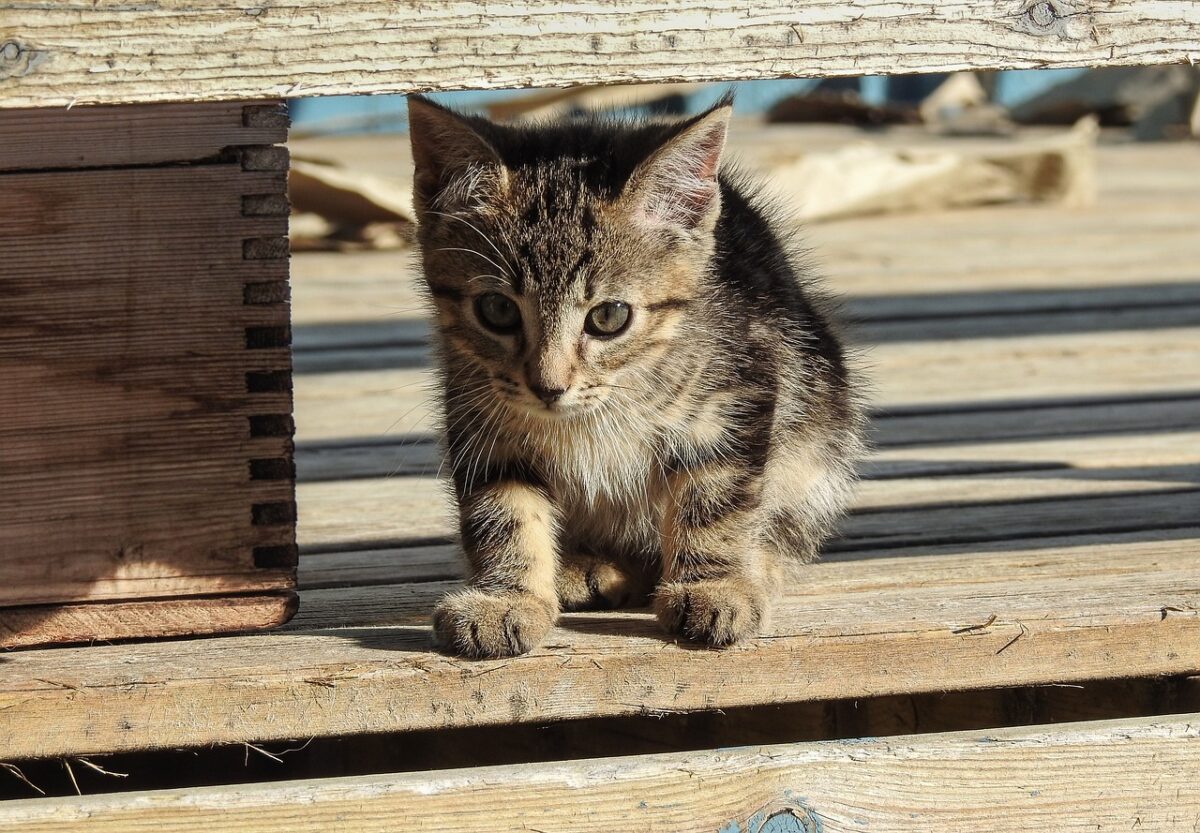
The Porch Visitor
A cat starts appearing on your porch every few days. It watches you through the window, meows occasionally, and may even approach when you step outside with food.
This is often a stray cat. Because it’s been socialized with humans before, it may be testing whether you’re safe and whether help is available. Many stray cats linger around homes because they remember that people can provide food, warmth, and shelter.
The Alleyway Shadow
You catch a glimpse of a cat slipping behind a dumpster or darting under a parked car. The moment it notices you, it disappears completely.
That behavior is typical of a feral cat. These cats usually avoid direct contact with people and keep their distance. They survive by staying alert and out of sight whenever possible.
The Backyard Regular
There’s a cat that shows up in your yard almost every evening around the same time. It waits until you go back inside before approaching the food bowl.
This could be a feral or semi-feral community cat. Cats that live outdoors often learn feeding schedules but still prefer to keep their distance from people.
The Friendly Follower
A cat approaches you while you’re walking, rubs against your legs, or even tries to follow you home.
That’s almost always a stray cat. Cats that behave this comfortably around humans were usually socialized at some point in their lives.
Could This Cat Already Have a Home?
Before assuming a cat outside is a stray, it’s worth considering one more possibility: the cat may simply belong to someone nearby.
Many pet cats spend time outdoors, especially in neighborhoods where indoor-outdoor cats are common. Taking a moment to look for clues can prevent an awkward situation where you accidentally “rescue” someone else’s very loved pet.
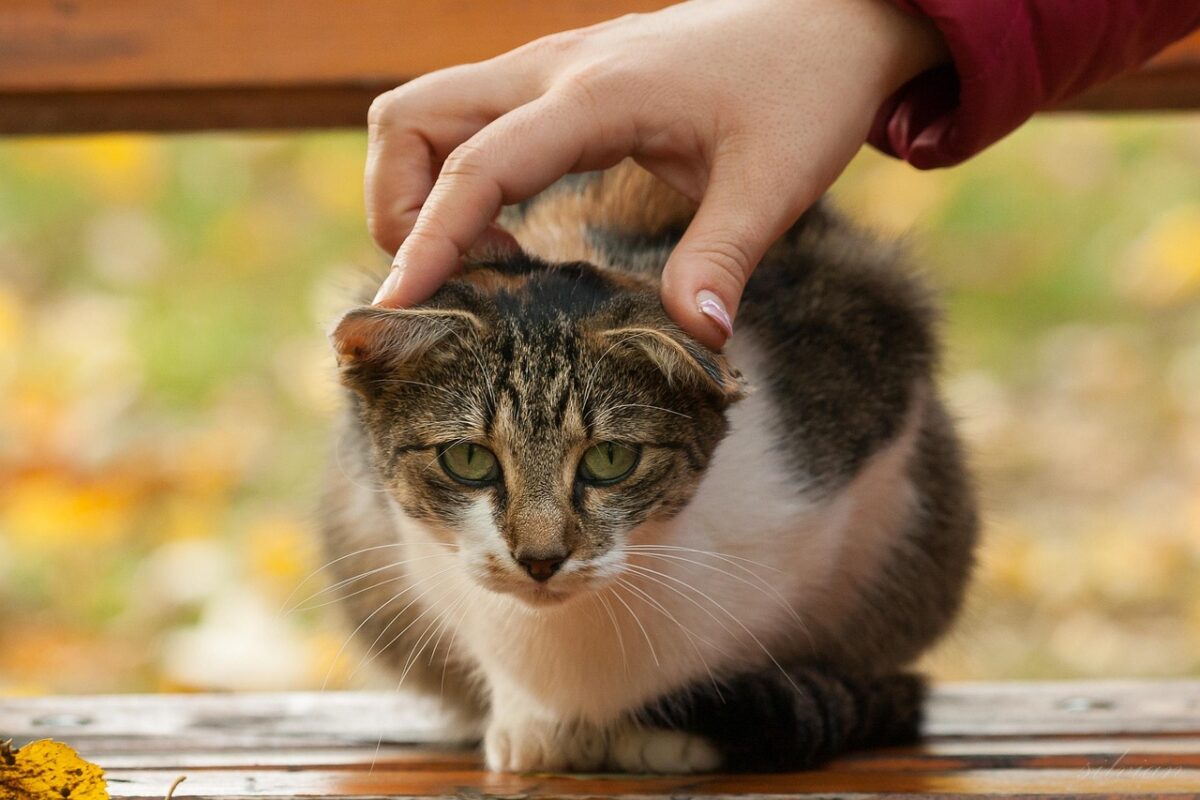
5 Signs the Cat You Found Might Actually Have an Owner
Here are a few signs the cat might already have a home.
1. The Cat Looks Healthy and Well-Groomed
A cat with a shiny coat, clear eyes, and a healthy body weight may still be living with a family. While stray cats can look healthy, too, outdoor pets are often noticeably clean and well cared for.
2. It Seems Comfortable Around People
Cats that confidently approach strangers, rub against legs, or stroll into garages and houses are often used to being around humans. This kind of relaxed behavior usually means the cat has regular human contact.
3. It Appears Only at Certain Times
If the cat shows up around the same time every day and then disappears again, it may simply be on a neighborhood patrol. Many owned cats follow the same daily route as they explore their territory.
4. It Has a Collar—or a Collar Mark
Some cats lose their collars while roaming, but you may still notice a faint indentation or flattened fur around the neck where a collar normally sits.
5. Neighbors Recognize the Cat
One of the easiest ways to find out is simply to ask around. Many neighborhoods have a well-known “community visitor” cat that makes regular rounds between homes.
If you’re unsure whether the cat belongs to someone, a quick check at a veterinary clinic or shelter can scan for a microchip, which is often the fastest way to reunite a lost pet with its family.
The Great Feeding Debate: Should You Leave Food Out?
It’s the ultimate moral dilemma: You see a skinny cat in your yard, and your heart breaks. Do you put out a bowl of kibble?

The short answer is yes, but with a massive, flashing asterisk. Feeding outdoor cats, whether they are lost strays or seasoned ferals, is an act of compassion, but doing it without a broader plan is a recipe for disaster. If you feed them, they will come. And if they come, they will multiply.
Before you put out a food bowl or set a humane trap, always make sure you check the feral cat laws in your state, as local ordinances regarding feeding and trapping can vary wildly.
Here is the golden rule of feeding outdoor cats: Feeding must be paired with fixing.
If you are going to become the neighborhood cat benefactor, you have to do it responsibly:
- Ditch the 24/7 Buffet: Do not leave giant bowls of food out all day and night. This is a surefire way to attract raccoons, skunks, coyotes, and a very angry homeowner’s association.
- Establish a Schedule: Feed the cats at the same time every day, preferably during daylight hours. Leave the food out for 30 to 45 minutes, and then pick up whatever is left over. The cats will quickly learn your schedule and show up right on time.
- Provide Fresh Water: This is often more critical than food, especially during the sweltering heat of summer or the freezing cold of winter (invest in a heated bowl if you live in a cold climate).
Pro Tip: If you live in a region that gets freezing temperatures, one of the best things you can do, aside from providing food and unfrozen water, is to build a simple, DIY feral cat winter shelter to keep them safe from the elements.

Feeding a stray cat can help build the trust needed to eventually get them into a carrier and back indoors. Feeding a feral colony keeps the cats healthier and less likely to wander through the neighborhood, digging through trash. But even a full belly doesn’t stop the cycle of kittens from continuing.
The Uncomfortable Truth: Feral Cats as an Invasive Species
We all love a cute pair of toe beans, but when it comes to the environment, we have to look at the cold, hard facts: Domestic cats are not native to our natural landscapes.
Biologically speaking, free-roaming feral cats are officially classified as an invasive species. In fact, they are some of the most efficient and prolific little apex predators on the planet.
Wildlife researchers with the United States Department of Agriculture note that free-ranging and feral cats can affect wildlife populations and spread parasites and diseases, which is why responsible management strategies are so important.
Here is a quick look at how unmanaged feral colonies impact our world:
- Devastating the Ecosystem: Even well-fed cats hunt on instinct, not just for hunger. Every year, outdoor cats are responsible for the deaths of billions of native songbirds, small mammals, and reptiles. In delicate ecosystems, feral cats have actually driven dozens of local wildlife species to total extinction.
- Community Nuisances: An unmanaged, unaltered colony isn’t just bad for the birds; it’s tough on the neighborhood. Unfixed ferals mark their territory with foul-smelling spray, use children’s sandboxes and vegetable gardens as litter boxes, and keep the whole block awake with aggressive late-night fights and mating yowls.
- Public Health Risks: Dense, unmonitored populations of unvaccinated feral cats can become breeding grounds for diseases and parasites, including rabies, feline leukemia, and toxoplasmosis, posing a risk to both native wildlife and household pets.
This is exactly why the “just let them be wild” approach doesn’t work. By actively managing colonies through TNR and responsible feeding, we aren’t just saving the cats; we are protecting the local birds, preserving the ecosystem, and keeping our communities clean and peaceful.
TNR: The Only Real Solution for Feral Cats
Let’s be incredibly clear: You cannot adopt your way out of a feral cat problem. Animal shelters are already pushed to the absolute brink, and bringing a terrified, unsocialized wild animal into a crowded shelter usually ends in euthanasia.
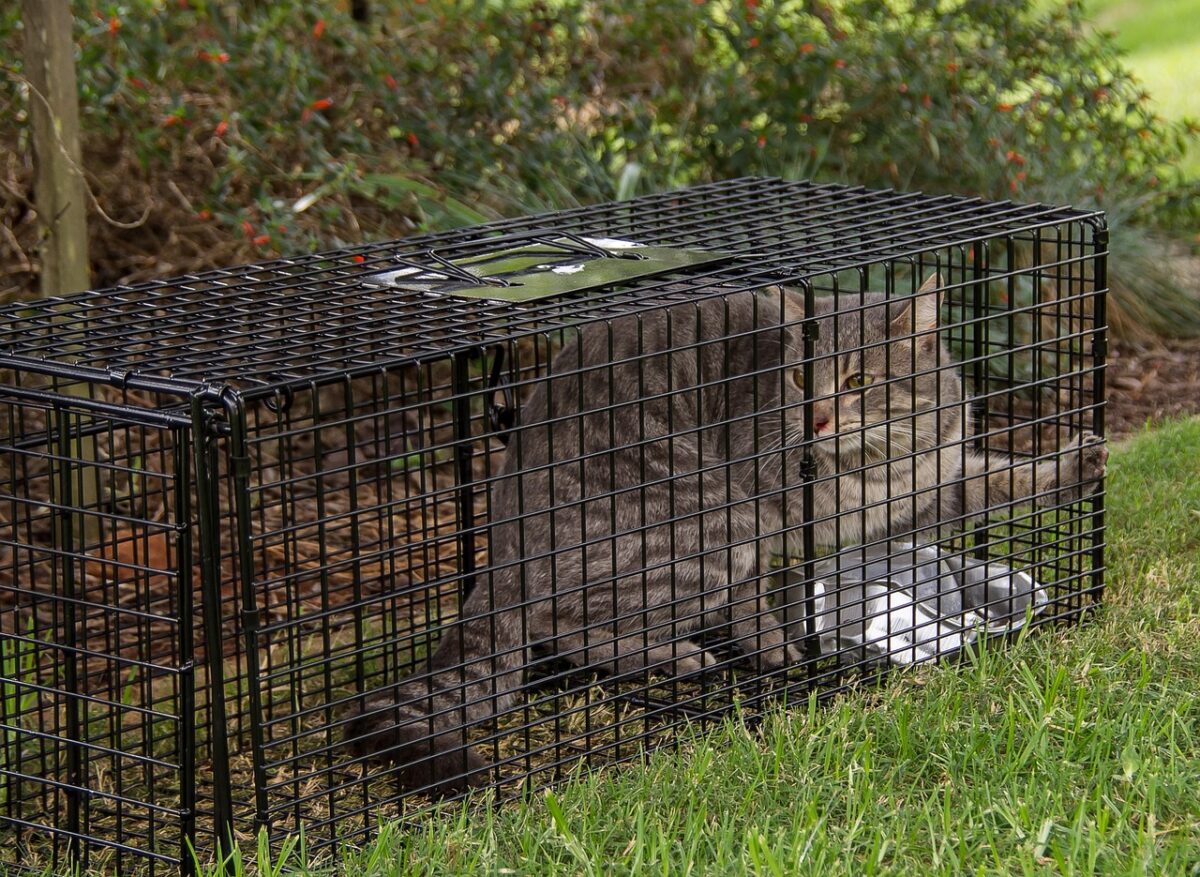
The proven, humane, and highly effective alternative is TNR (Trap-Neuter-Return). It is the absolute gold standard for managing community cats.
Here is how the magic happens:
- Trap: Caregivers use humane box traps (often baited with something irresistible, like sardines or KFC chicken) to safely secure the feral cats.
- Neuter: The cats are transported to a veterinary clinic where they are spayed or neutered. While they are under anesthesia, they also receive vital vaccinations (like the rabies vaccine) and get their left ear “tipped” so everyone knows they are already fixed.
- Return: After recovering from surgery, the cats are returned to their exact outdoor territory to live out their lives.
If you are ready to learn exactly how this process works, we highly recommend checking out our complete, step-by-step guide to Trap-Neuter-Return (TNR).
Why TNR works:
It instantly stops the endless cycle of kittens being born into harsh outdoor conditions. Furthermore, it eliminates the behaviors that make neighbors hate feral cats.
Once a colony is fixed, the 3:00 AM yowling matches stop. The aggressive fighting stops. The foul-smelling territory spraying stops. The colony stabilizes, the cats live healthier lives, and the human neighbors get to sleep through the night.
If you want to be a hero to the cats in your alleyway, put down the tuna can and pick up a humane trap.
Common Questions About Feral vs Stray Cats (FAQ)
After spotting an outdoor cat, most people end up with a few questions about what they’re seeing. Here are some of the ones readers ask most often. Have another question? Leave it in the comments, and we’ll do our best to help.
Can a feral cat ever become friendly?
In most cases, adult feral cats remain wary of humans because they were never socialized to people. Young kittens, however, can often be socialized if they are handled early enough.
Do feral cats meow at humans?
Not usually. Meowing is primarily a behavior cats use to communicate with people. Feral cats tend to stay silent around humans and communicate more through body language.
Is it safe to approach a feral cat?
It’s generally best not to approach or attempt to handle a feral cat. Because they are not used to human contact, they may scratch or bite if they feel threatened.
What is a community cat?
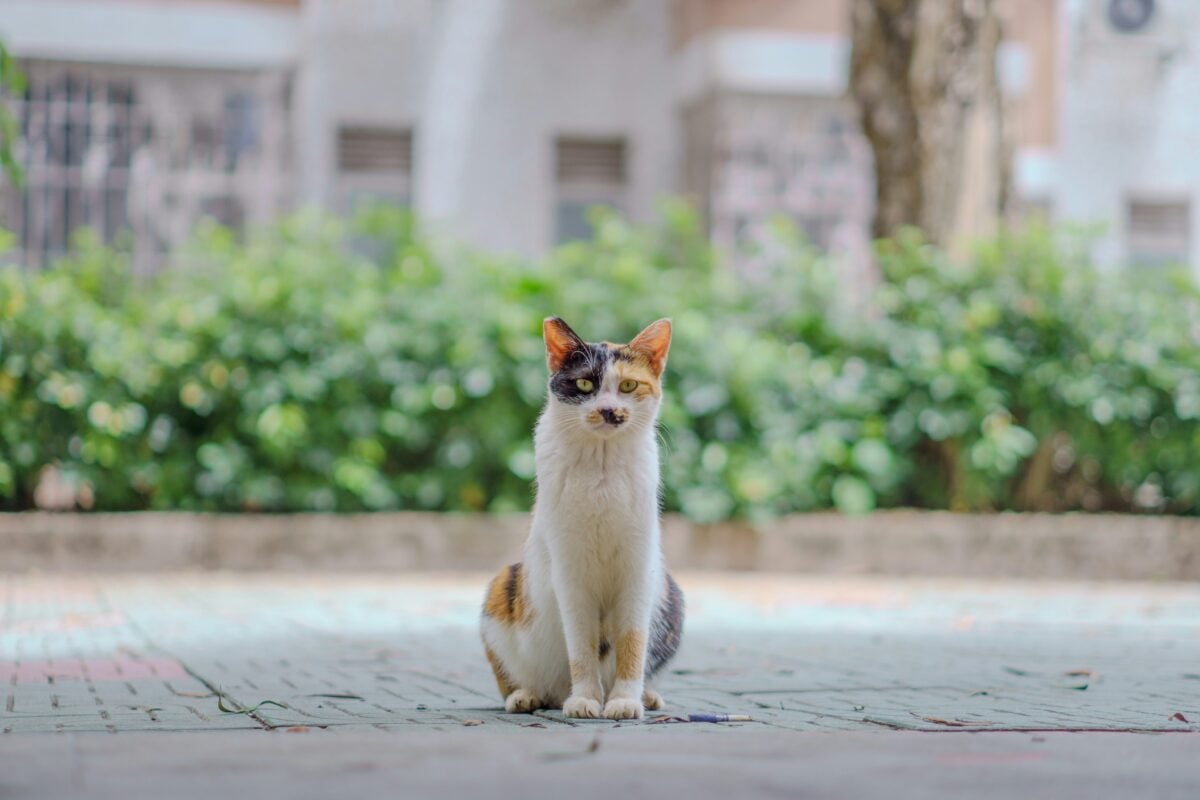
A community cat is a general term used for cats that live outdoors and are not owned by a single person. This group can include feral cats, stray cats, and even friendly neighborhood cats that multiple people care for. Many community cats are managed through programs like Trap-Neuter-Return (TNR), which helps control populations while allowing the cats to continue living outdoors.
The image below shows a community cat with the telltale ear tipping.
What to Do When You Find an Outdoor Cat
Many people first learn the difference between feral and stray cats through a chance encounter with a neighborhood cat. One might follow you to the door as if hoping to come inside, while another disappears the moment you open the gate. That small difference often reveals everything about the life that cat has lived.
Every situation is a little different, but these guides can help you handle some of the most common outdoor cat scenarios.
- Why Do Cats Run Away?
Learn the most common reasons cats leave home and how they end up wandering outside. - Trap-Neuter-Return (TNR)
Discover how TNR programs help manage feral cat populations while improving the health of outdoor colonies. - How to Make a Feral Cat House
A simple way to give outdoor cats a safe, warm shelter during cold or wet weather. - Feral Cat Laws by State
Understand the laws and regulations that may apply before feeding or managing feral cats where you live.
Outdoor cats don’t all need the same kind of help. Some are lost pets looking for their way back home, while others are feral cats that live independently and thrive with responsible community care. Recognizing the difference makes it easier to respond in the right way.
Do You Have a Neighborhood Cat Story?
From friendly porch visitors to elusive backyard shadows, outdoor cats seem to have a way of becoming part of the neighborhood. Leave a comment and share your story. Have you ever helped a stray cat—or watched a feral cat quietly rule the area?